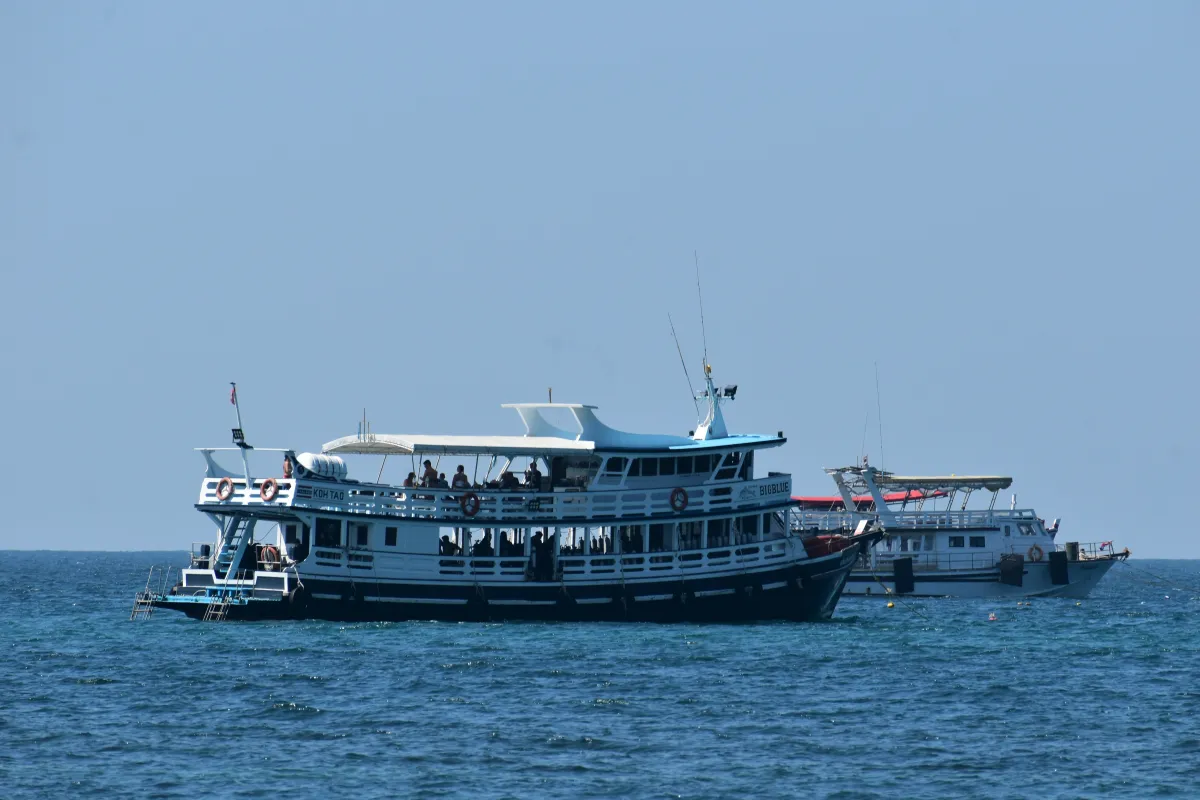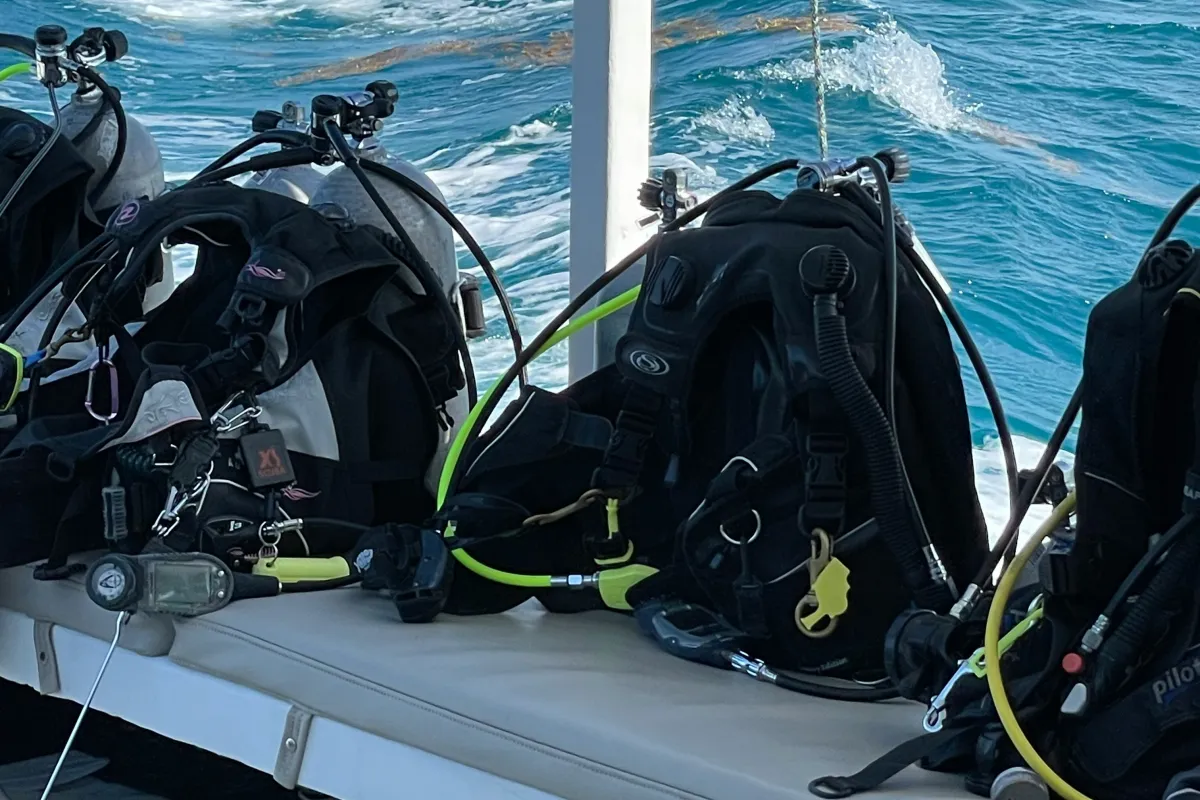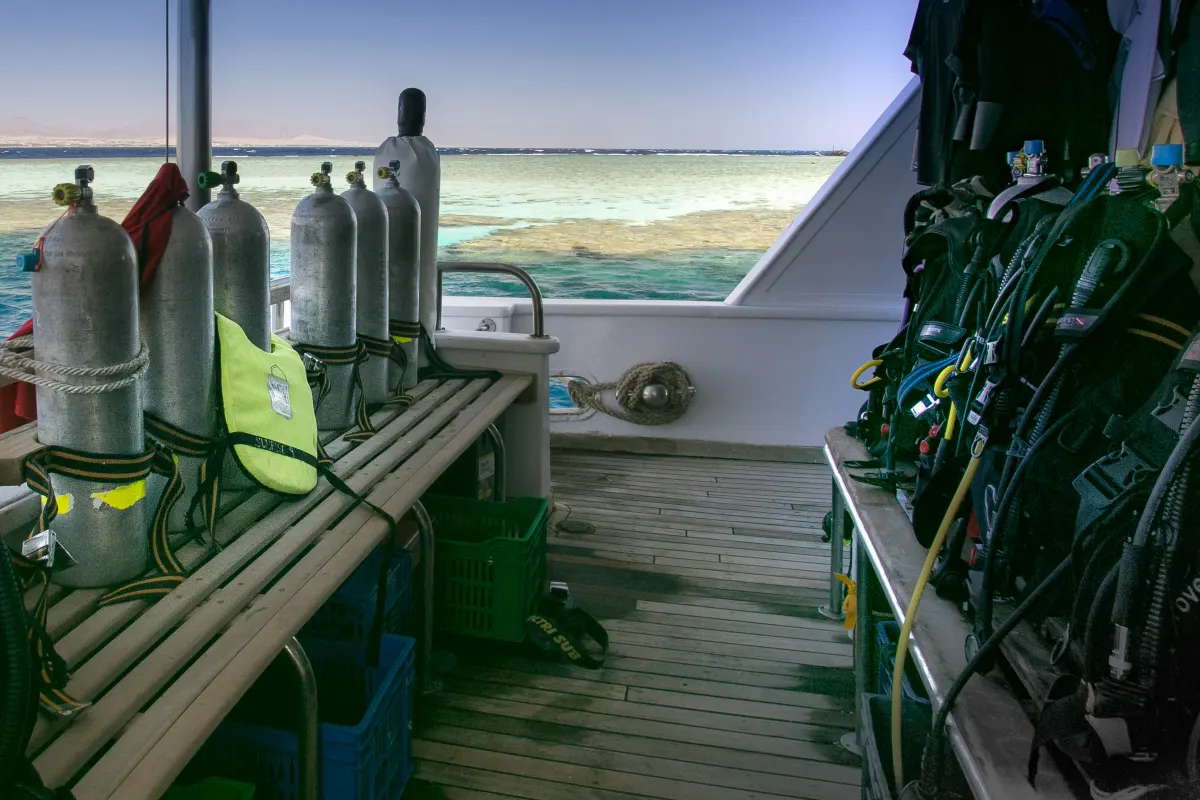
Walk into a busy dive shop an hour before the boat leaves. There is a whiteboard with the trips on it, a chat group that keeps buzzing, a stack of paper forms and someone who knows, from memory, who still has not signed. It works because the people are good. It also depends on those people never being sick, never being late and never forgetting.
We are building DiveHive for that hour. It is a small idea with a lot of detail behind it: the dive day should live in one place that the whole crew can see.
What the dive day needs
A dive day is a chain of small facts. Who is on which boat. Which guide has which group. Whether the waiver is signed, whether the medical form is in, whether the tank fills are done. None of these is hard on its own. The trouble starts when each one lives in a different place.
So DiveHive keeps them together. Trips, boats, guides, waivers, check-in and logs sit in one console, and the same day can be shown on a screen in the briefing area. We call that screen the Board. It is meant to be glanced at, not studied. If the schedule changes, the screen changes, and nobody has to rewrite a whiteboard.
Two things matter to us more than any feature list.
- It has to keep working when the island internet does not. Dive shops are often where the signal is thin. DiveHive is built to run offline and catch up when the connection returns.
- It has to be calm. A tool that adds noise to a morning briefing has failed, however clever it is.
Free for divers, paid by the shop
Every diver gets a logbook that is free. That is not a trial and it is not a teaser. A diver’s logbook is theirs, and the shops that take them out pay for the software that runs the day. Shop pricing is per location, so a shop with one base pays for one base.
We think a logbook behind a fee pushes people back to a notebook. A free, verified logbook that a guide has signed off is more useful to everyone, including the shop that dived with them.
We also built it for more than one language from the start. DiveHive speaks ten languages, because the people standing on a dive boat rarely share one.
One percent for the reef
DiveHive gives 1% of its net revenue to conservation partners every year. We are not naming organisations yet, because we will name partners only once an agreement is signed. When we do, we will say so here.
We think the 1% is the smaller part of the story. The larger part is what divers see underwater every day, and how rarely any of it is written down in a way that anyone can use. We wrote about that in Your dive log can help the reef.
A tool for the dive day should make the morning quieter, not busier.
It is the test we try to hold every screen to.
Where we are
DiveHive is made in Puerto Galera, Philippines, a short walk from the boats it is built for, and that is where it launches first. It is not open yet. The first shops will get a founding offer and help moving over from what they use today. If you run a shop, a crew or a club, the waitlist is the place to start. If you would rather just follow along, the newsletter and the blog’s RSS feed will do.
What we will write about
Expect short, practical posts. How a calm briefing is run. What makes a dive log worth keeping. How a shop can tell when a day is going wrong before it does. Where the software is involved, we will say exactly what it does and what it does not.
We would rather write fewer posts and have each one be useful. If a post is not, tell us at hello@divehive.app and we will fix it.