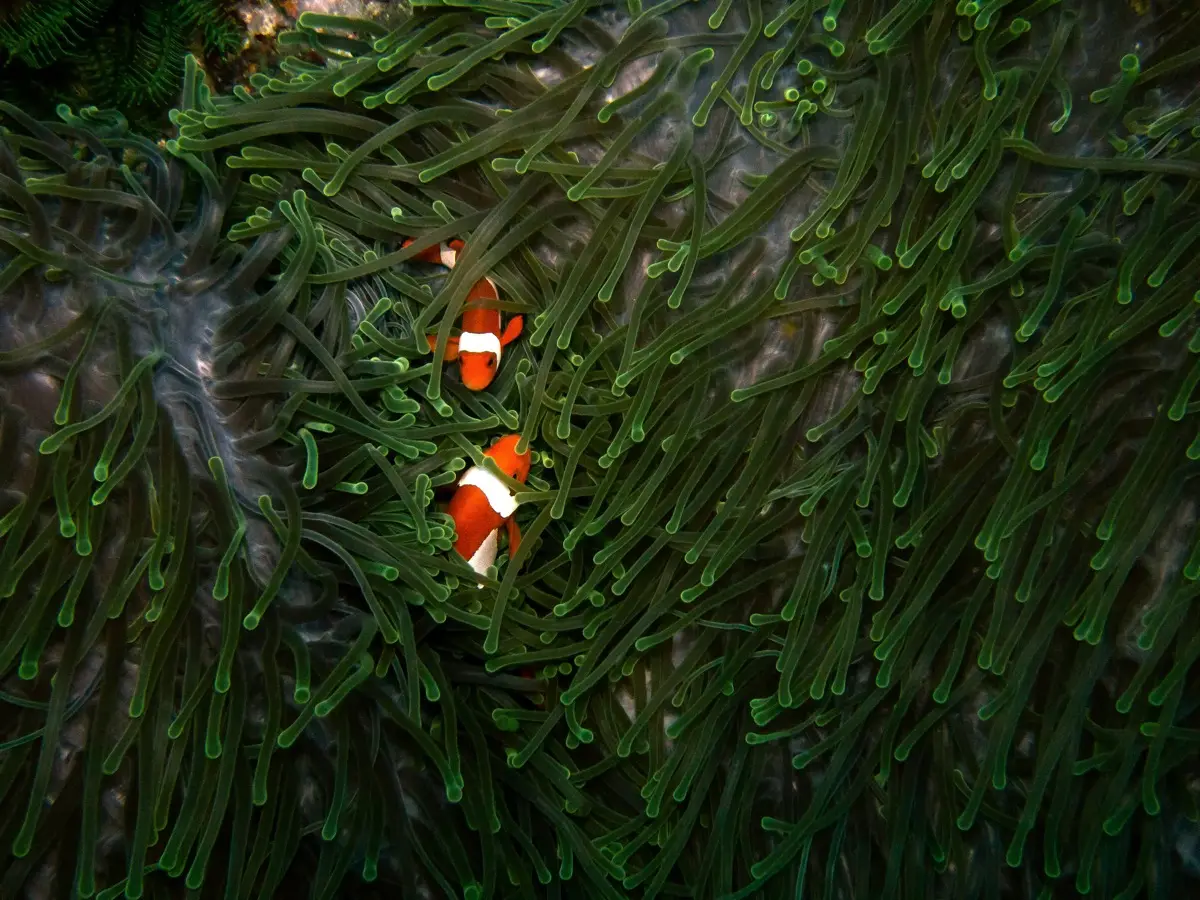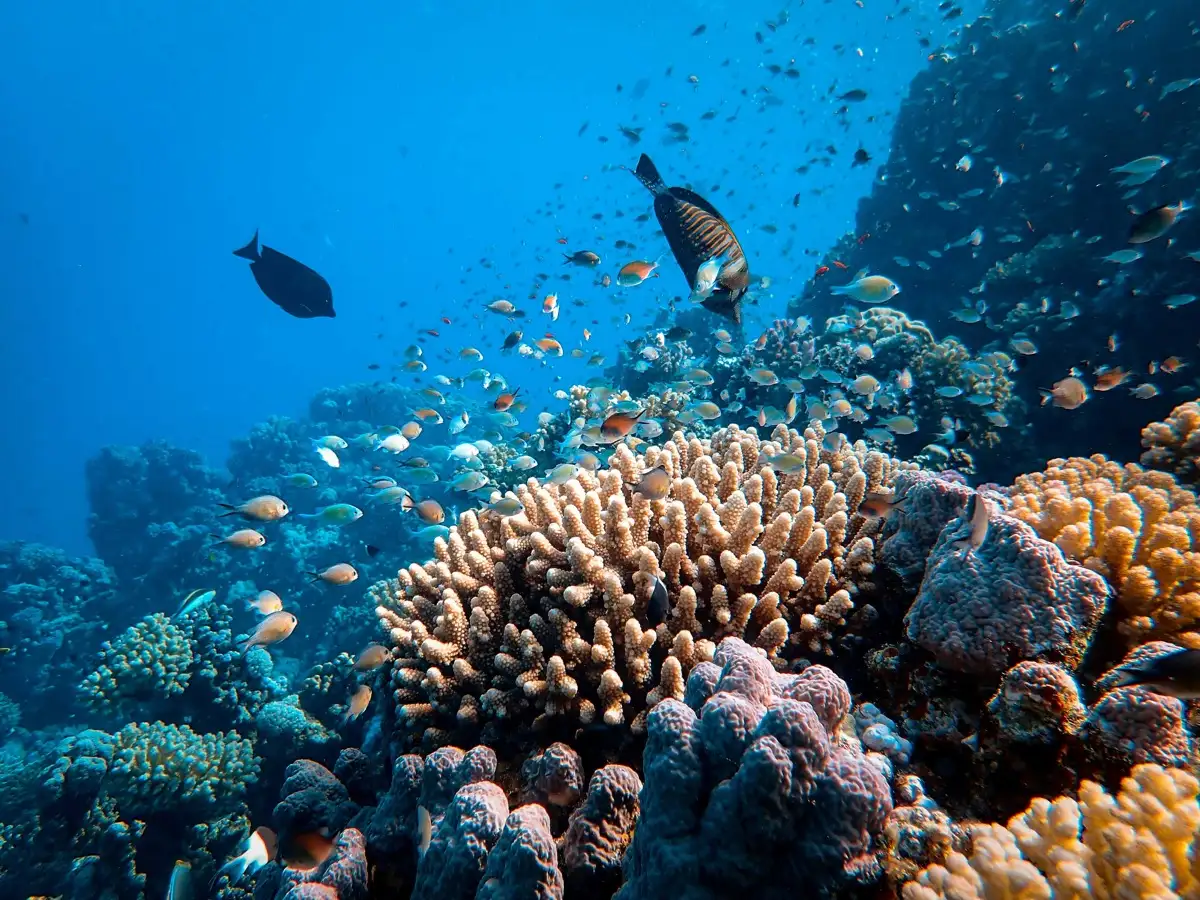
Most divers log a dive to remember it. The depth, the site, the buddy, the thing that went past in the blue. After a few years the logbook becomes a record of a life spent underwater.
Taken together, those entries are also something else: a set of small observations from people who were actually there. Scientists have always depended on that kind of record. Divers see which animals live where, in which month, and what the water was really like, and very little of it is written down in a form anyone else can use.
What makes a sighting useful
A sighting is only a useful fact if it answers four questions: what, where, when and how sure. A log that says “big fish” answers none of them. A log that says a species, a dive site, a date and a note that the guide confirmed it answers all four.
That is why we care about verification. In DiveHive a dive can be signed by the guide who led it, so the entry is not just one person’s memory. A signed log is a stronger record for the diver, and it is a better starting point for anyone who might use it later.
Good records tend to share a few habits:
- Log the dive the same day, while the details are fresh.
- Name the species when you are sure, and say so when you are not.
- Note the conditions as you found them, not as you hoped: visibility, water temperature, current.
- Keep the site consistent, so two dives at the same place can be compared.
Conditions count too
It is easy to think only of animals. Conditions matter as much. A run of honest visibility and temperature notes at one site, month after month, tells a story that no single dive can.
Where the data goes
Here we want to be careful, because this is where trust is won or lost.
Open data systems already exist for this work. WoRMS keeps the standard list of marine species names. GBIF and OBIS collect and publish records of where species have been seen. They are real, public and used by researchers around the world. DiveHive uses WoRMS, GBIF and OBIS as sources for its own species catalogue, for names, classification and where a species is found.
What happens to a diver’s own logs is a separate question, and the answer is the diver’s.
- Sharing for research is off until you switch it on, one programme at a time.
- Public pages and research data show anonymous totals from many dives together, never a name or a single dive.
- For the most vulnerable species, public maps show only the wider area, and only after a delay.
- Every species page names where its facts and photos come from.
We are not claiming that your logs flow into any particular database today. When a research partner is signed, we will name it and say exactly what is shared. Until then, the point of the design is simple: your logbook stays yours.
What a shop can do
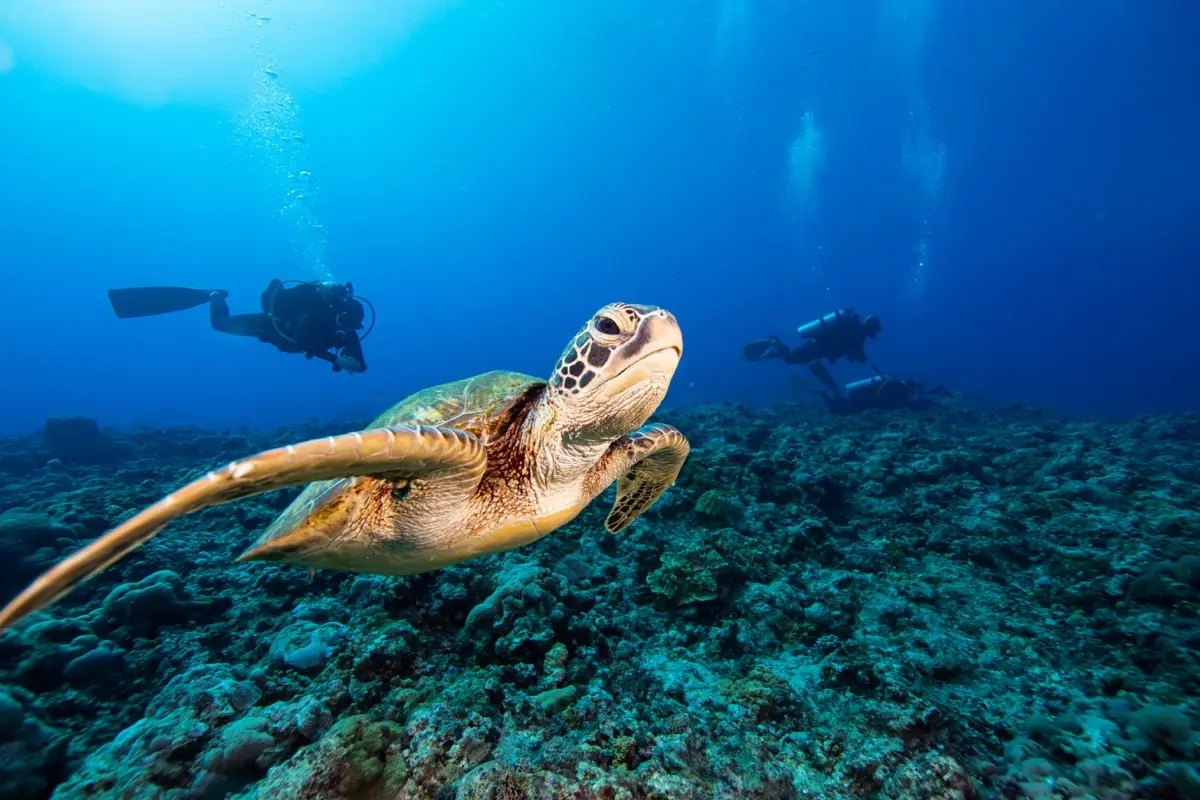
A dive shop sees more dives in a month than most divers do in a year. A shop that logs sightings and conditions consistently, and that lets guides confirm them, builds a record of its own reef. That is useful for the briefing today, and for the conservation work around the site tomorrow.
DiveHive also lets guides record reef observations on dives where the conservation log is switched on: coral health, threats such as crown-of-thorns starfish, protected species and debris. More about that is on the conservation page, and the diver side is described under For divers.
A small habit
You do not need a new hobby. Next time you log a dive, add the one thing you would want a stranger to know about that site this week. Then ask your guide to confirm it.
That is the whole idea. A good log is a small act of care, and it adds up.