The last ten minutes before a boat leaves are where a quiet dive day is won or lost. Everyone is moving, the guides are carrying the last tanks, and the question nobody wants to ask late is the one that matters most: is everything we said would be ready actually ready?
A short, repeated routine beats a clever one. Here are five checks that many crews run in some form. They are not new, and they are not a standard.
A note before we start. This is general good practice written by a software team, not a training course and not medical or legal advice. Your training agency’s standards, your operator’s procedures and the rules where you dive come first. Where they differ from this post, follow them.
1. Count the people
Count the divers who are on the boat, and compare the number with the list. Do it out loud, with a second person if you can. A headcount done by one tired person from memory is the check most likely to be wrong.
Do the same count again when the boat leaves the last stop, and again when everyone is back on board. The number you start with is only useful if you can compare it with the number you finish with.
2. Paperwork and medicals
Before anyone gets in the water, the waiver and the medical form should be done, and someone should know the answer for each diver. Not “I think so”.
Keep it private
A medical form is private. The crew usually needs to know a status, such as complete or needs review, and not the answers. Decide who can see what, and keep the answers with the people who need them.
In DiveHive, waivers and medical forms are signed on the diver’s own phone and kept with an audit trail, and a guide sees the status rather than the answers. That is how we have set it up, and it is only one way of doing it. The principle holds on paper too.
3. Weather and sea state
Look at the sky, the sea and the forecast, and say what you see. Then ask the one question that decides the day: would we be comfortable if this got a little worse?
- Check the local forecast and any official warning for the area.
- Look at the water yourself, not only the screen.
- Agree who can call a trip off, and agree that the call is respected.
Software can flag a risk, but the decision stays with the people on the boat. DiveHive marks trips when a warning applies and leaves the decision to the shop. Where no official warning feed exists for an area, check the national service yourself, and never read the absence of a warning as a sign that the sea is fine.
A forecast tells you what the sea may do. The look of the water tells you what it is doing.
4. Equipment
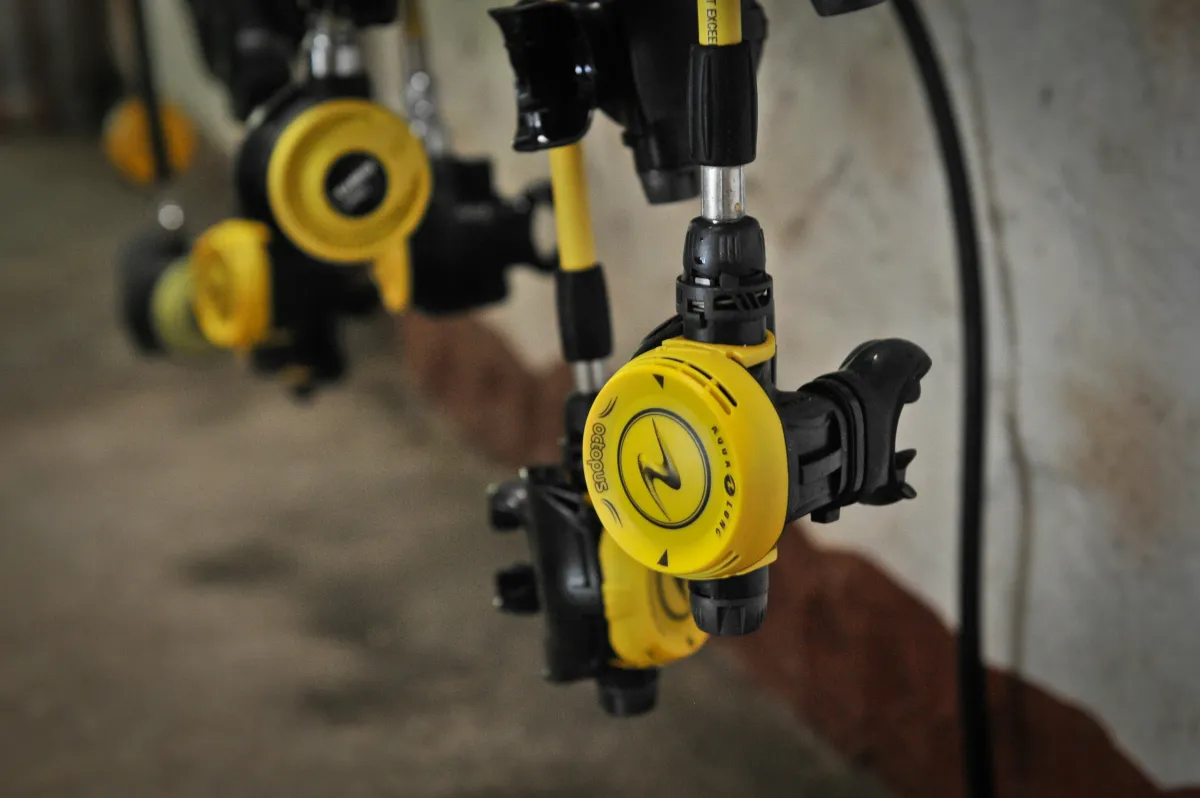
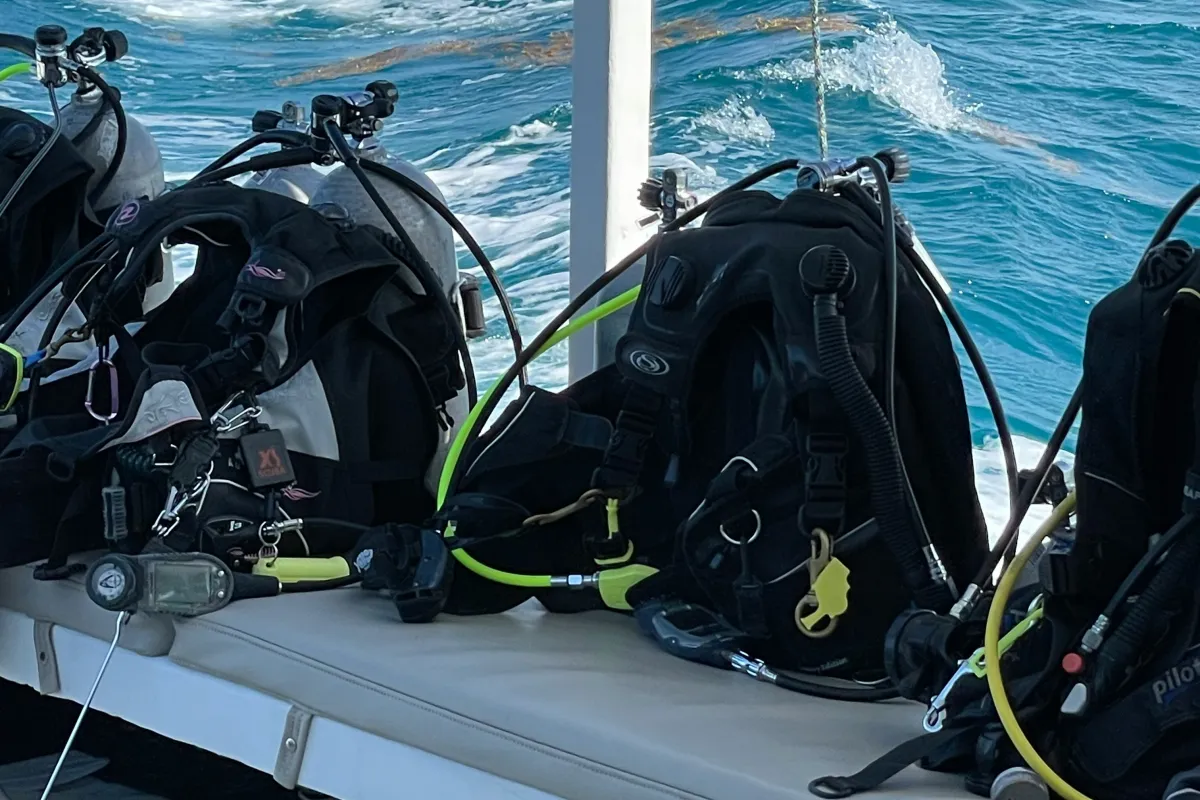
Each diver’s kit should be assigned, checked and on the boat. For rental kit, that means sizes matched to the diver before the boat leaves, not discovered at the dive site. For tanks, it means the right gas and the right amount, confirmed by the person who filled them.
A few things are worth looking at every time:
- Regulators and gauges are with the right diver’s kit.
- Oxygen and first-aid equipment are on board and within reach.
- Radios or phones work, and the person who carries them is named.
- Spare equipment is stowed where it can be found.
5. The manifest
Last, know who is on the boat, where it is going and when it expects to be back, and make sure someone on shore holds the same information. If something goes wrong, the first useful question will be where the boat is and who is on it.
What a manifest has to contain, and who has to receive it, depends on where you operate. Some places require one and some do not. Find out what applies to your operation and follow it.
Making it a habit
Write the five checks down, put them where the crew will see them, and say them every time. The first week it feels slow. After that it takes two minutes, and nobody has to remember anything.
DiveHive shows a pre-departure check in the console so the same list is in front of the crew for every trip. You can read how it works under waivers and safety and on the trust and safety page. But a laminated card on the boat is a perfectly good version of the same idea. What matters is that the checks are done, in the same order, every time.