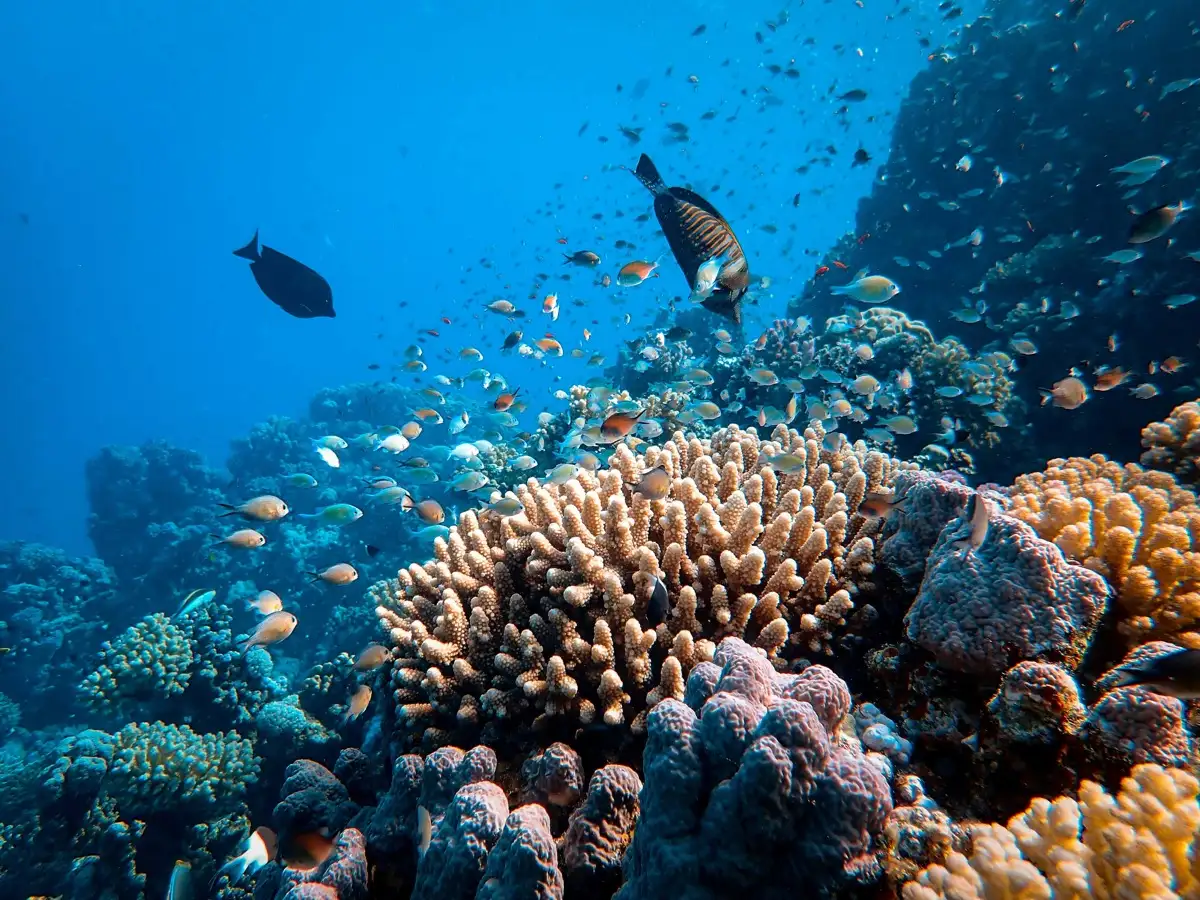
DiveHive starts in the Philippines, so our first conservation partner had to be one that knows these reefs dive by dive. We are glad to introduce Marine Conservation Philippines, MCP for short.
MCP is a non-profit based in Zamboanguita, at the southern tip of Negros, just across the water from Apo Island. Since 2015 it has surveyed, protected and restored the reefs, mangroves and beaches of Negros Oriental. Today it works in 14 municipalities along more than 100 km of coastline, and holds a permanent seat on the Protected Area Management Board for Apo Island.
Dives that become data
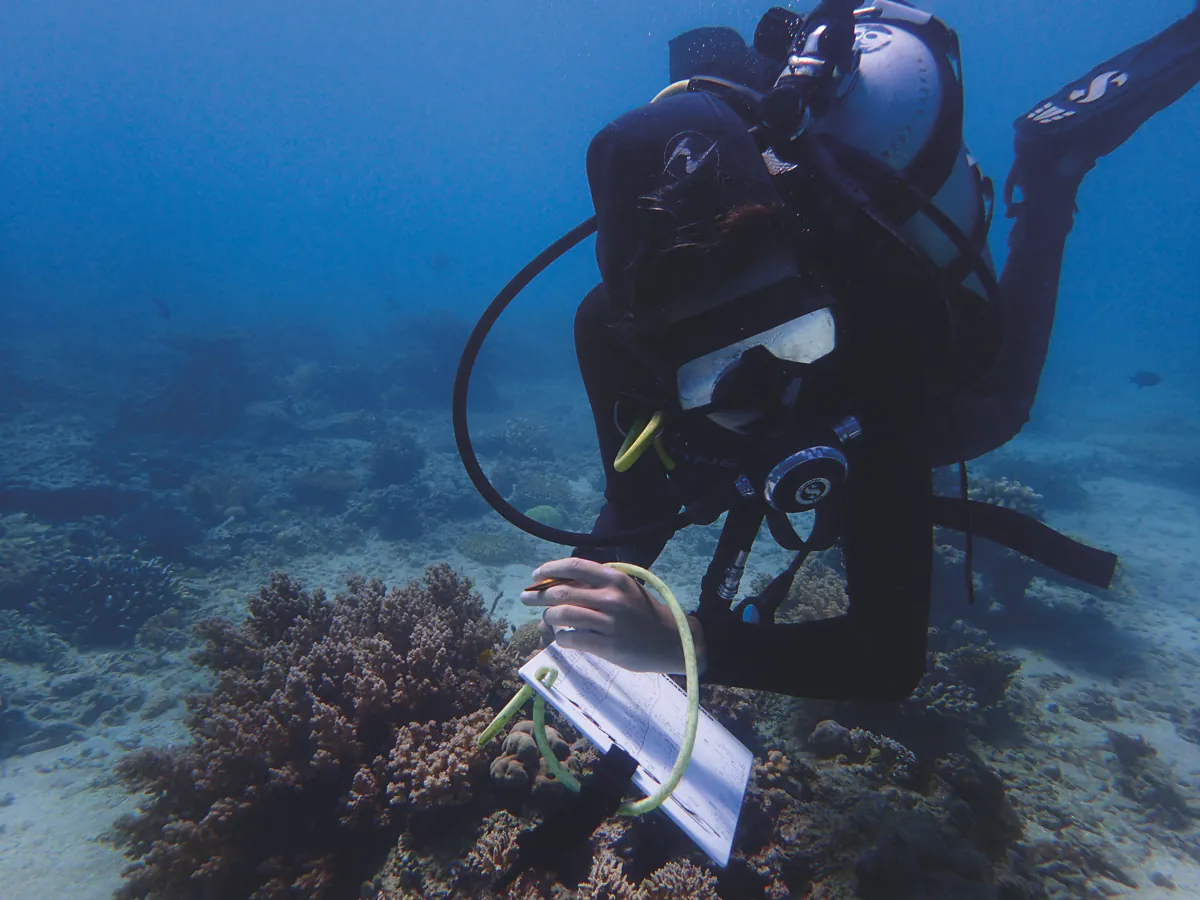
What drew us to MCP is how it turns ordinary diving into science. Every week, volunteer divers survey the reefs along 70 km of coastline, both inside marine protected areas and at unprotected sites, so the data shows what protection actually changes. Survey teams count the fish and invertebrates that local people catch and eat, and record the corals and other life that hold the reef together.
Nobody joins a survey team on enthusiasm alone. MCP follows a fixed monitoring protocol that local governments have adopted, and every volunteer is trained and tested before their data counts:
- An introduction week with refresher dives for buoyancy and trim.
- Specialty training in one survey type: fish, invertebrates or substrate.
- Identification tests on land and underwater, then a mock survey with a staff member.
- From then on, every dive has a mission.
Together, volunteers and staff log around 20,000 dives and around 3,000 reef surveys a year. The results are public: anyone can explore MCP’s reef data (opens in a new tab), going back to 2017.
That is very close to what we care about. We built DiveHive so that a dive log can be a useful record, not just a memory, and MCP shows what that looks like when it is done carefully, at scale, for years.
More than surveys
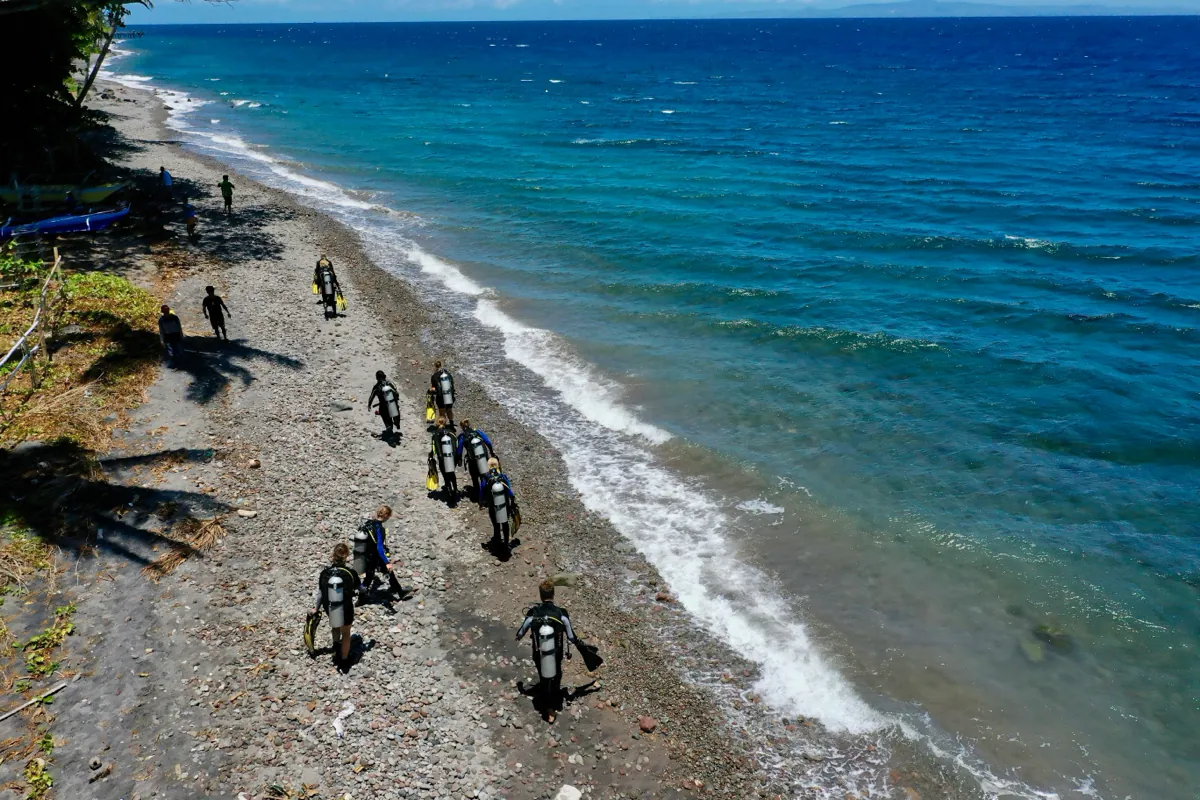
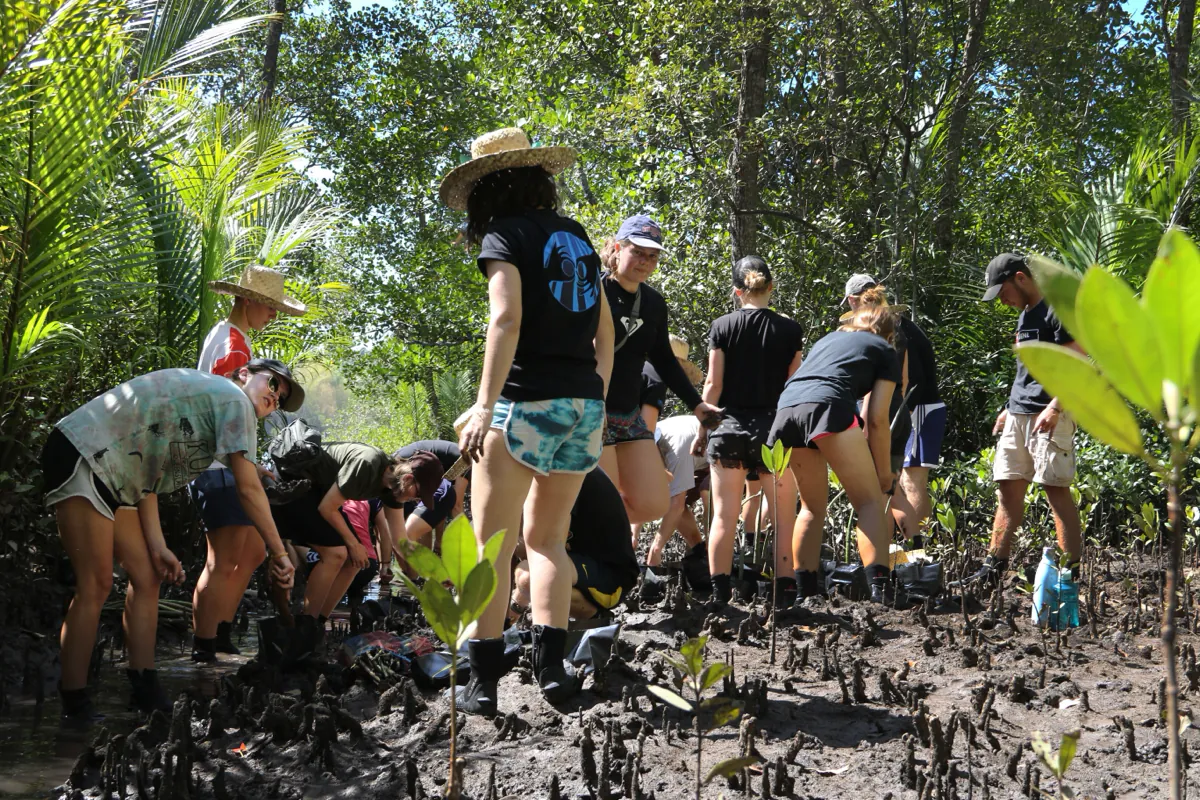
Above the surface, MCP has planted 31,000 mangroves and trained more than 120 government divers, so municipalities can monitor their own marine protected areas. Its teachers bring environmental lessons to thousands of local schoolchildren every year, and many of its staff live in or grew up in the communities where it works.
How the work is paid for
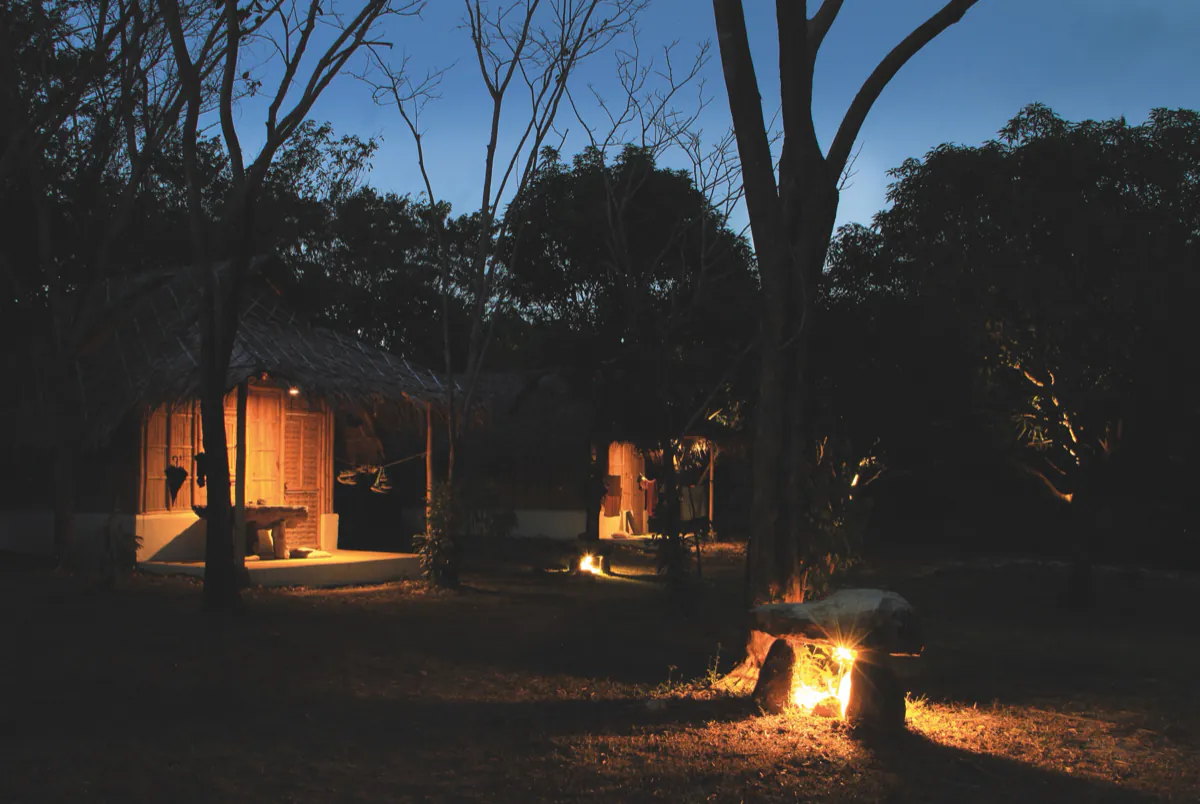
No local budget exists for reef monitoring on this scale. Volunteer fees pay for the surveys and for the salaries of MCP’s local team, so a stay with MCP funds the work directly. Volunteers live on a working field base, not a resort, dive six days a week and head to Apo Island about once a month as a thank-you.
What the partnership means
To be clear about money: DiveHive earns nothing from MCP. A donation goes straight to MCP, with no cut and no fees. DiveHive pays 1% of its net revenue every year to the conservation partners on the platform, split by programme activity, with a public yearly report. More about that is on our conservation page.
How you can join in
- Volunteer. Train as a scientific diver and join the survey teams for 6 to 24 weeks. No diving experience is needed.
- Become a divemaster. MCP runs PADI Divemaster internships in small groups of no more than four candidates.
- Join a beach clean-up. MCP runs them every day except Sunday, and anyone can join for free. Get in touch first to find out where to meet.
- Donate. Every donation goes straight to MCP.
Everything else, from prices and start dates to MCP’s films and its pre-dive lesson on leaving the reef as you found it, is on MCP’s page on DiveHive.