
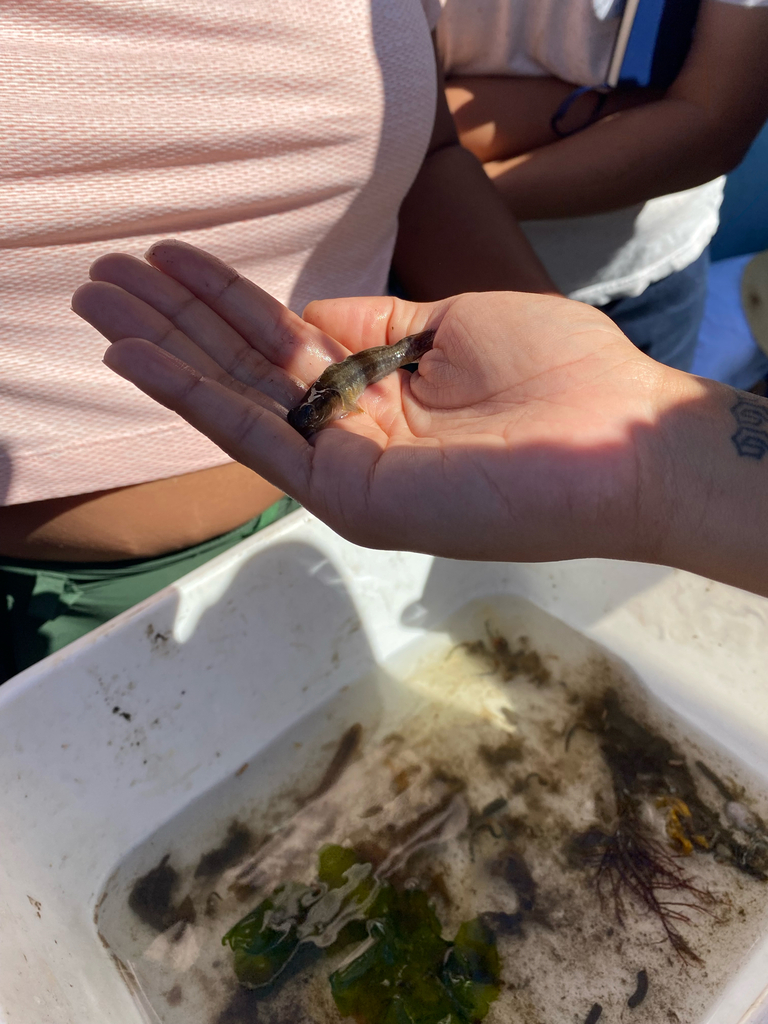
Chameleon goby
Tridentiger trigonocephalus
- Usual depth0–4 m
- Water temperature13–26 °C
- Best monthsApril, May, and October
- How commonOccasional
Photo credit: no rights reserved · CC0 1.0 · iNaturalist
About this species
The chameleon goby is a species of ray-finned fish native to marine and brackish waters along the coasts of eastern Asia. It has also spread to other parts of the world where it is found in waters with varying degrees of salinity.
Text from the Wikipedia article “Chameleon goby”, licensed CC BY-SA 4.0. Read the article
Where and when
Where it has been recorded
Worldwide
Best months
Worldwide (open data)
- January: 36 records
- February: 31 records
- March: 42 records
- April: 69 records
- May: 67 records
- June: 58 records
- July: 62 records
- August: 49 records
- September: 42 records
- October: 72 records
- November: 33 records
- December: 43 records
Depth and water temperature
Depth
Mostly recorded at 0–4 m · Deepest record: 14.3 m
Water temperature
Recorded in surface water of 13–26 °C
Photos
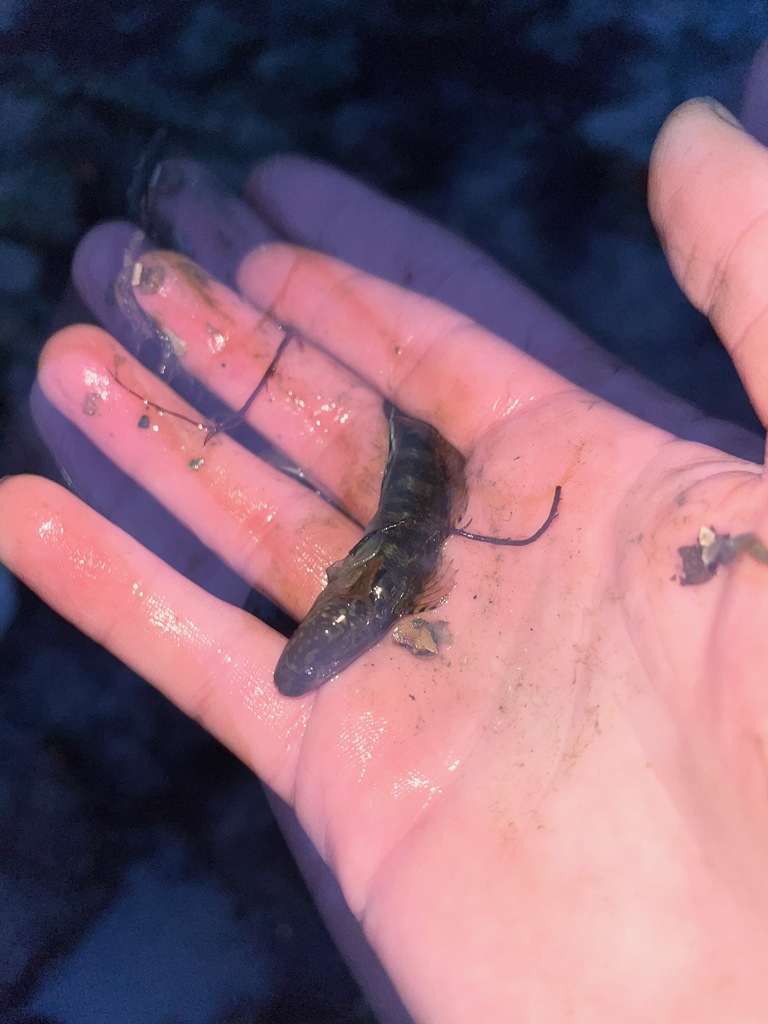
(c) Parsa Fard, some rights reserved (CC BY) · CC BY · iNaturalist 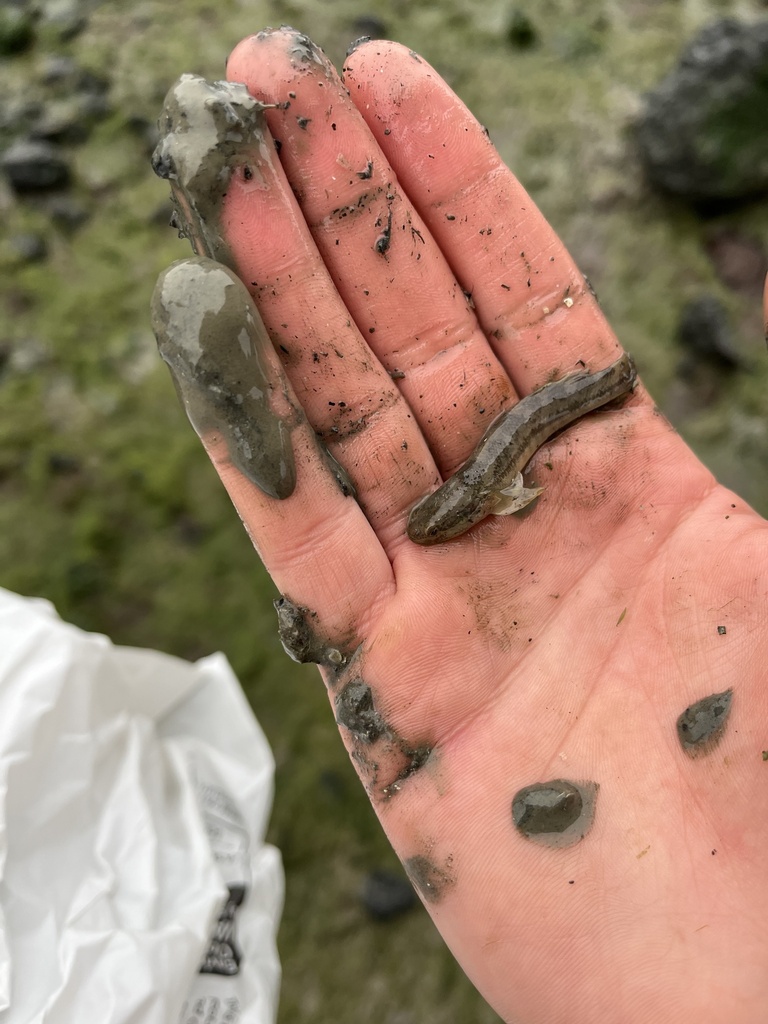
(c) Parsa Fard, some rights reserved (CC BY) · CC BY · iNaturalist 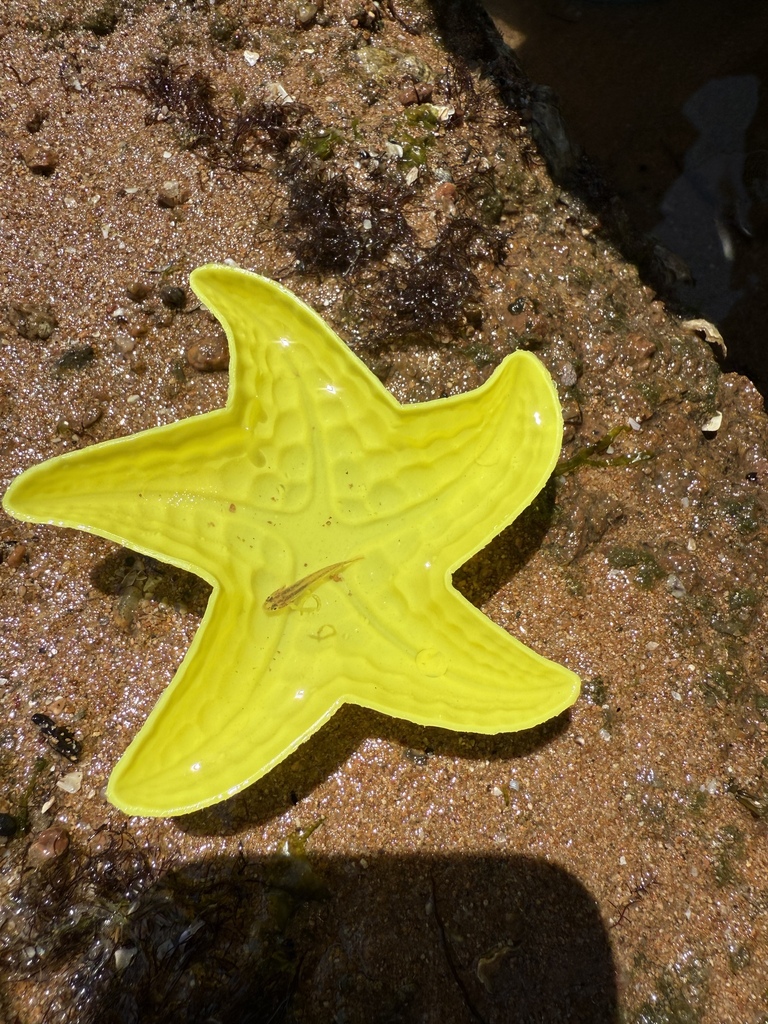
(c) Jane Charlen, some rights reserved (CC BY) · CC BY · iNaturalist 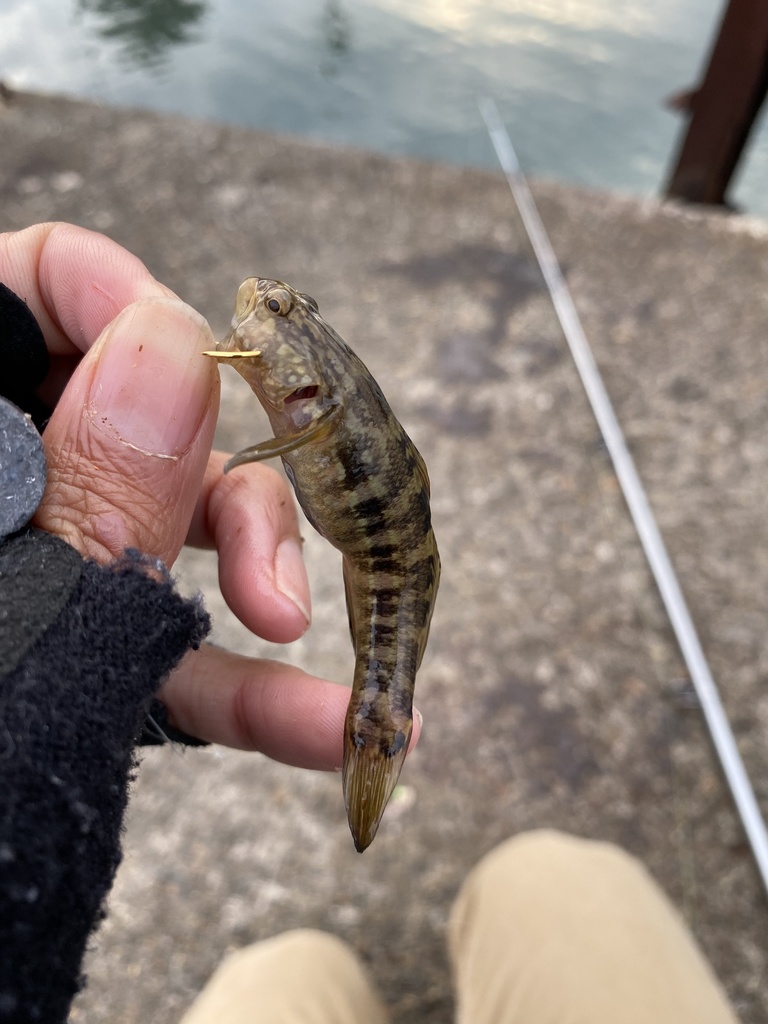
(c) りなべる, some rights reserved (CC BY) · CC BY · iNaturalist 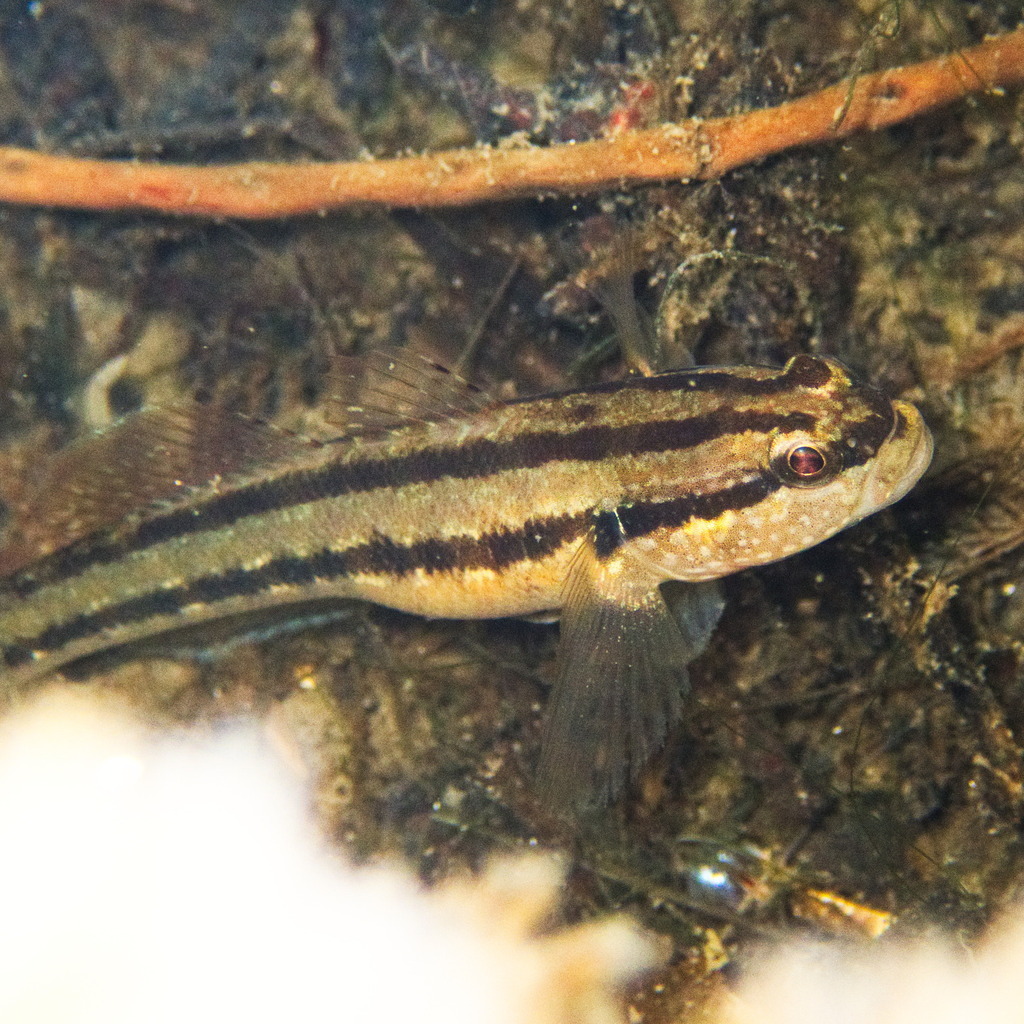
(c) Tynen Benson, some rights reserved (CC BY) · CC BY · iNaturalist 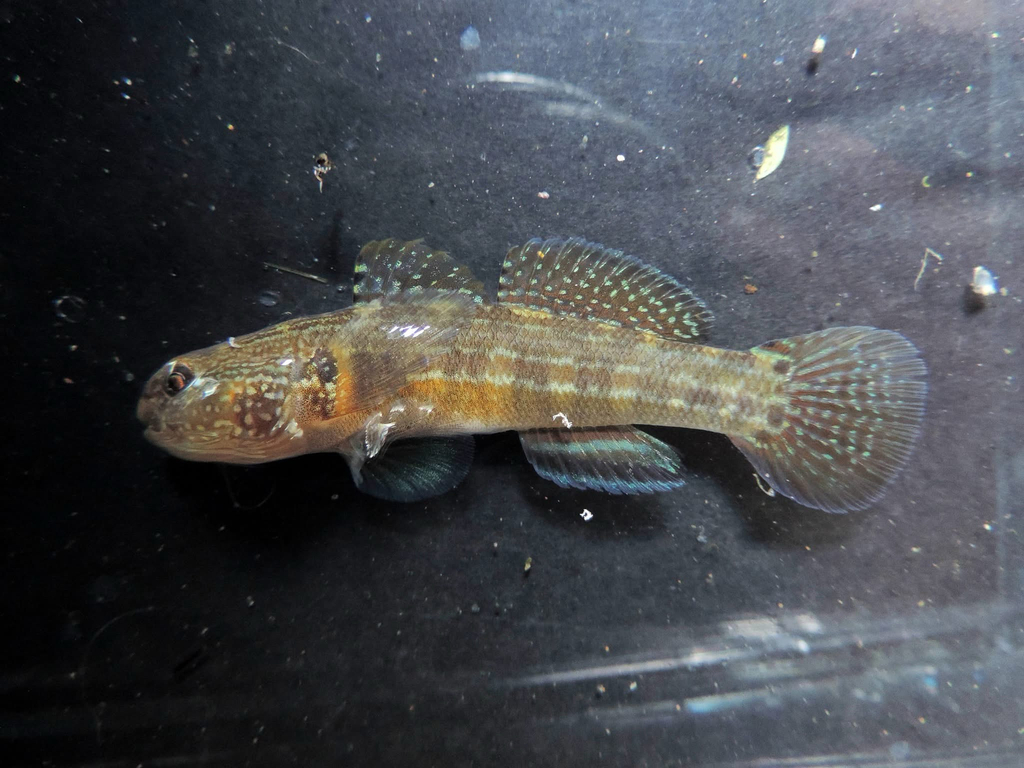
(c) 大澤風季 ohsawa_Fuki, some rights reserved (CC BY) · CC BY · iNaturalist 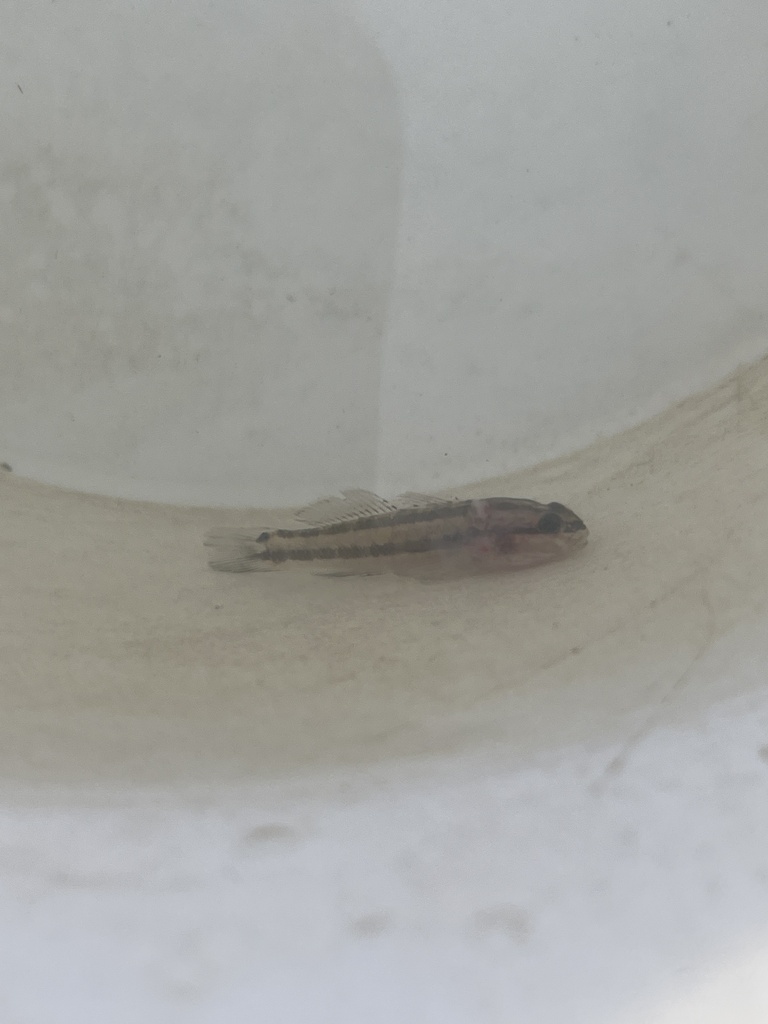
no rights reserved · CC0 1.0 · iNaturalist
Names and classification
- English
- Chameleon goby, chameleon goby, Japanese Goby, Striped Tripletooth Goby, Trident Goby
Names in 4 more languages
- Spanish
- Gobio camaleón
- Japanese
- Akaobishimahaze, アカオビシマハゼ
- Korean
- 두줄망둑
- Simplified Chinese
- 紋縞鰕虎, 紋縞鰕虎魚, 纹缟鰕虎鱼
Other scientific names: Triaenophorus trigonocephalus
Similar species
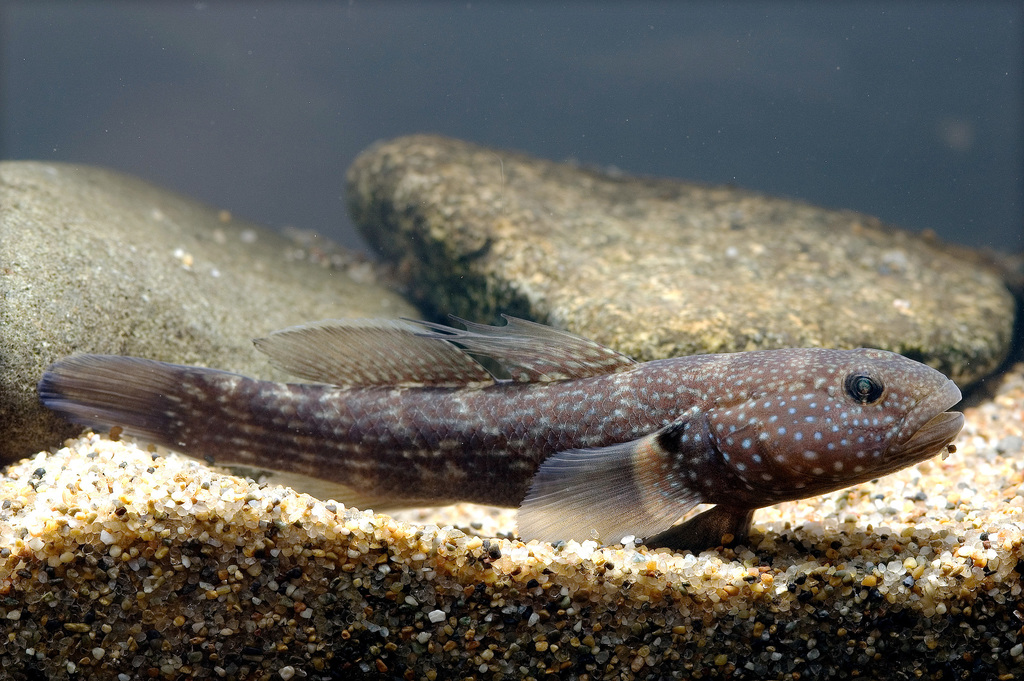 Frog Goby
Tridentiger brevispinis
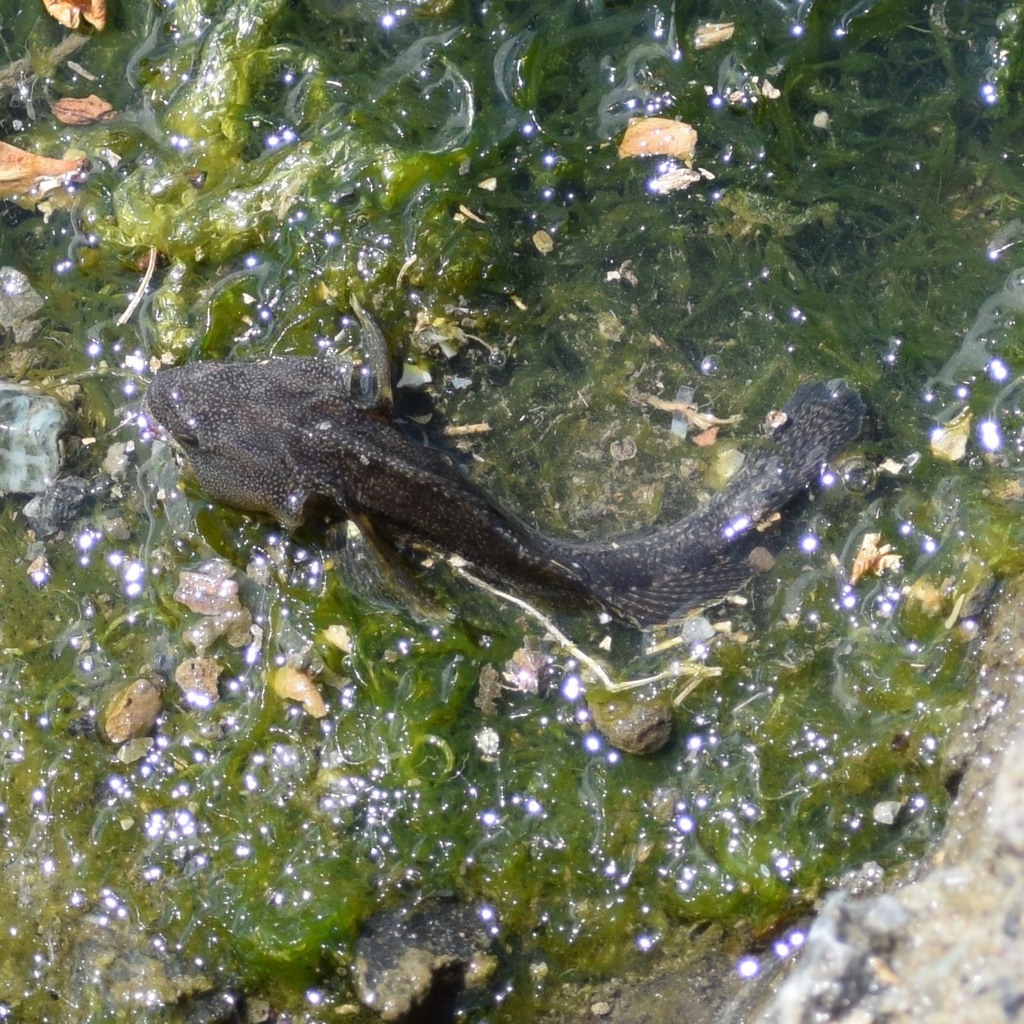 Shimofuri goby
Tridentiger bifasciatus
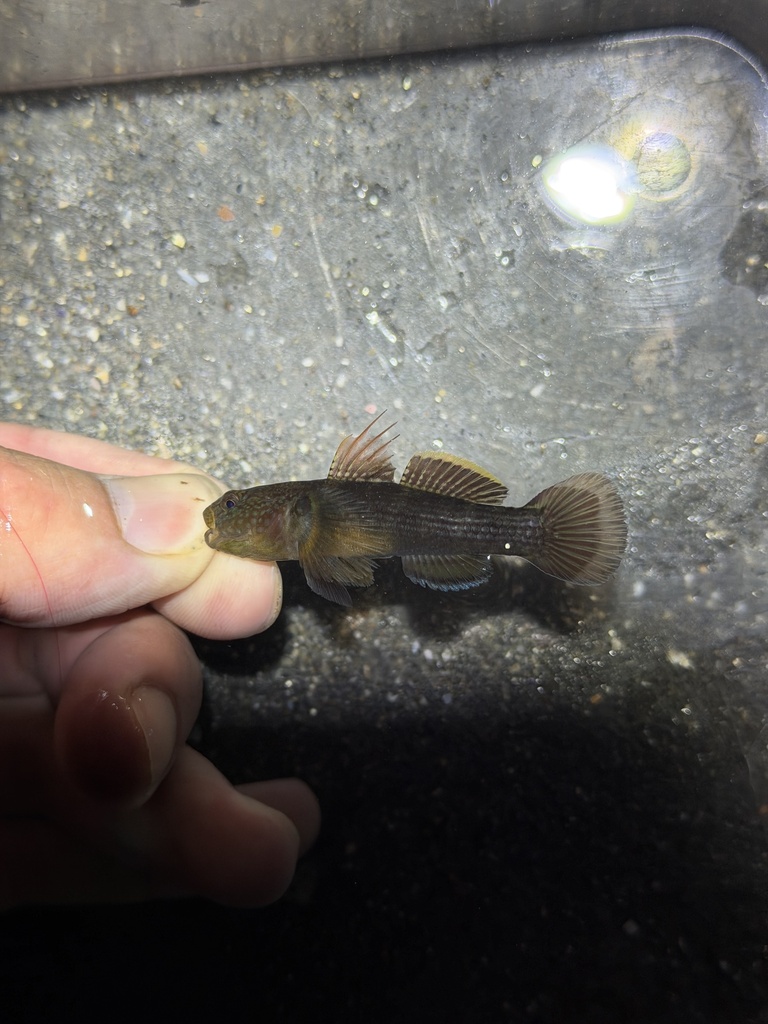 Dusky tripletooth goby
Tridentiger obscurus
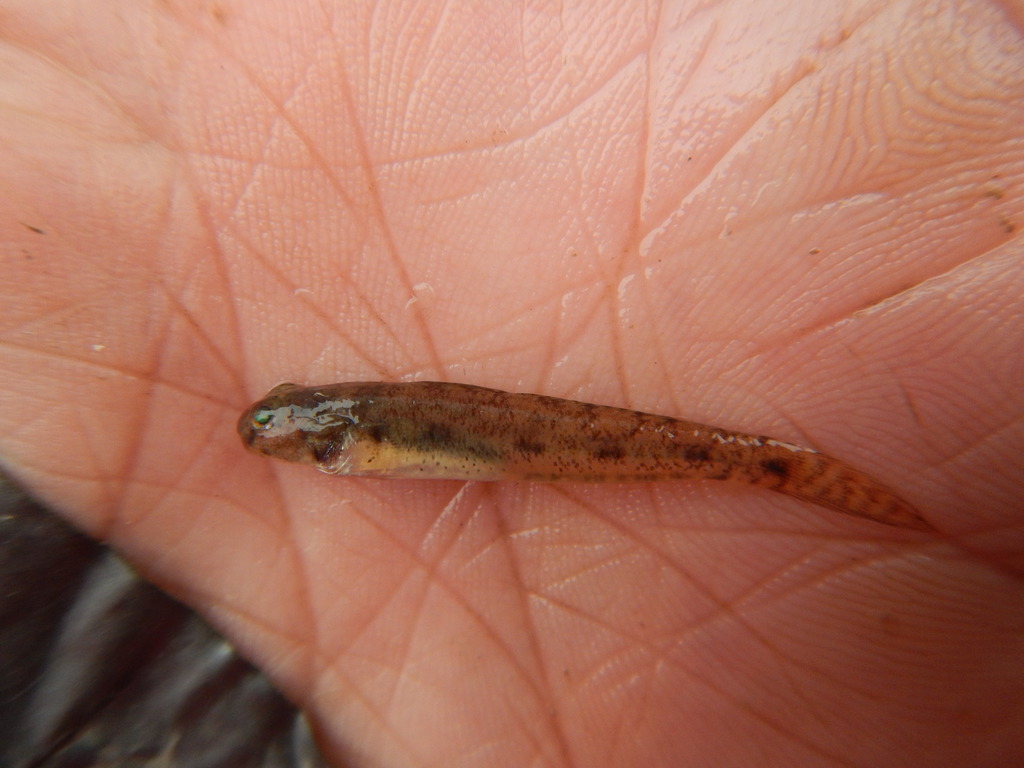 Darter goby
Ctenogobius boleosoma
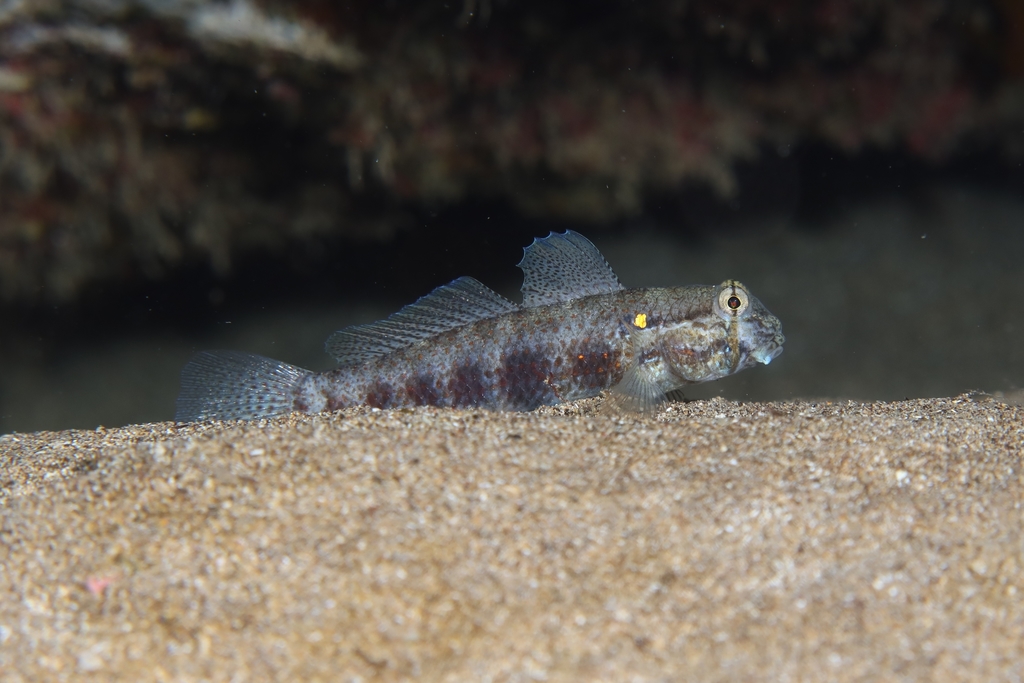 Goldspot goby
Gnatholepis thompsoni
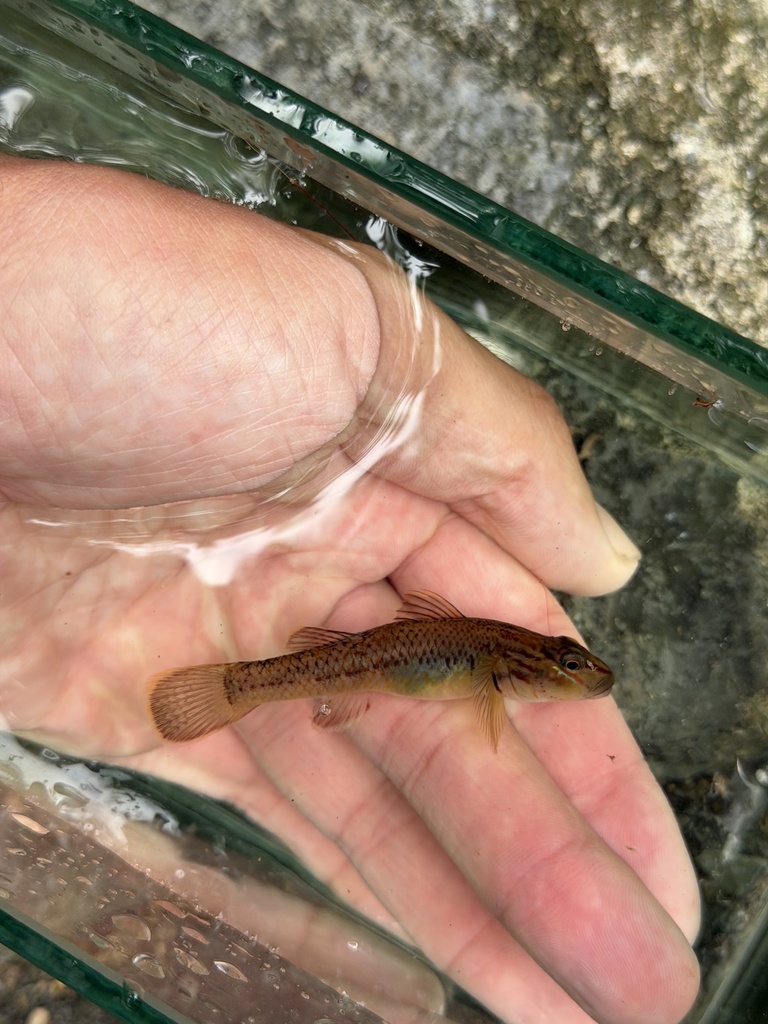 Amur Goby
Rhinogobius brunneus
Sources and credits
Names and taxonomy: WoRMS (CC BY 4.0) and the GBIF Backbone (CC BY 4.0). Photos: iNaturalist observers, each under the licence shown (CC0, CC BY or CC BY-SA).
- Depth, temperature, months and maps: records from OBIS and GBIF under CC0 or CC BY.
- Descriptions: Wikipedia, licensed CC BY-SA, each linked to its article.
- Conservation status as published by GBIF (IUCN Red List).
- 1,013 open-data records from 1906 to 2023.
- Species data updated November 7, 2026.
Log what you see on your next dive
The free DiveHive diver app keeps your logbook with every sighting and shows what lives at the site you dive next.