
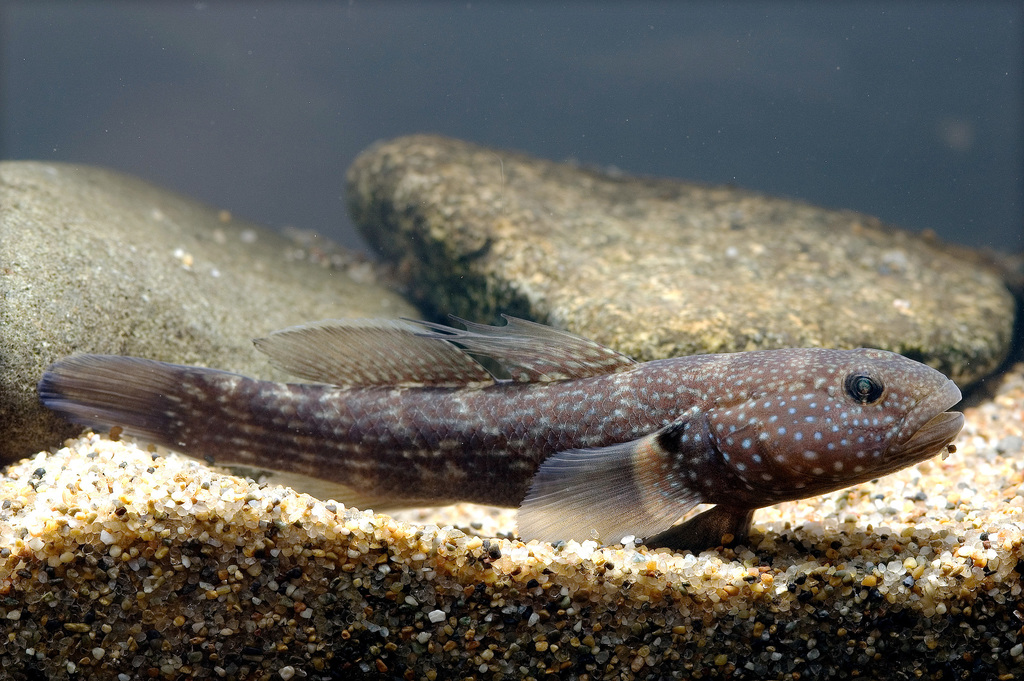
Frog Goby
Tridentiger brevispinis
- Usual depth0–1 m
- Water temperature6–20 °C
- Best monthsJune, July, and August
- How commonCommon
Photo credit: (c) Seotaro, some rights reserved (CC BY-SA) · CC BY-SA · commons.wikimedia.org
About this species
Tridentiger brevispinis is a species of goby native to marine, brackish and fresh waters along the coasts of northeastern Asia. This species can reach a length of 10 centimetres (3.9 in) TL. It is important to local commercial fisheries.
Text from the Wikipedia article “Tridentiger brevispinis”, licensed CC BY-SA 4.0. Read the article
Where and when
Where it has been recorded
Worldwide
Best months
Worldwide (open data)
- January: 4 records
- February: 4 records
- March: 14 records
- April: 14 records
- May: 23 records
- June: 56 records
- July: 59 records
- August: 54 records
- September: 37 records
- October: 32 records
- November: 19 records
- December: 11 records
Depth and water temperature
Depth
Mostly recorded at 0–1 m · Deepest record: 0.6 m
Water temperature
Recorded in surface water of 6–20 °C
Photos
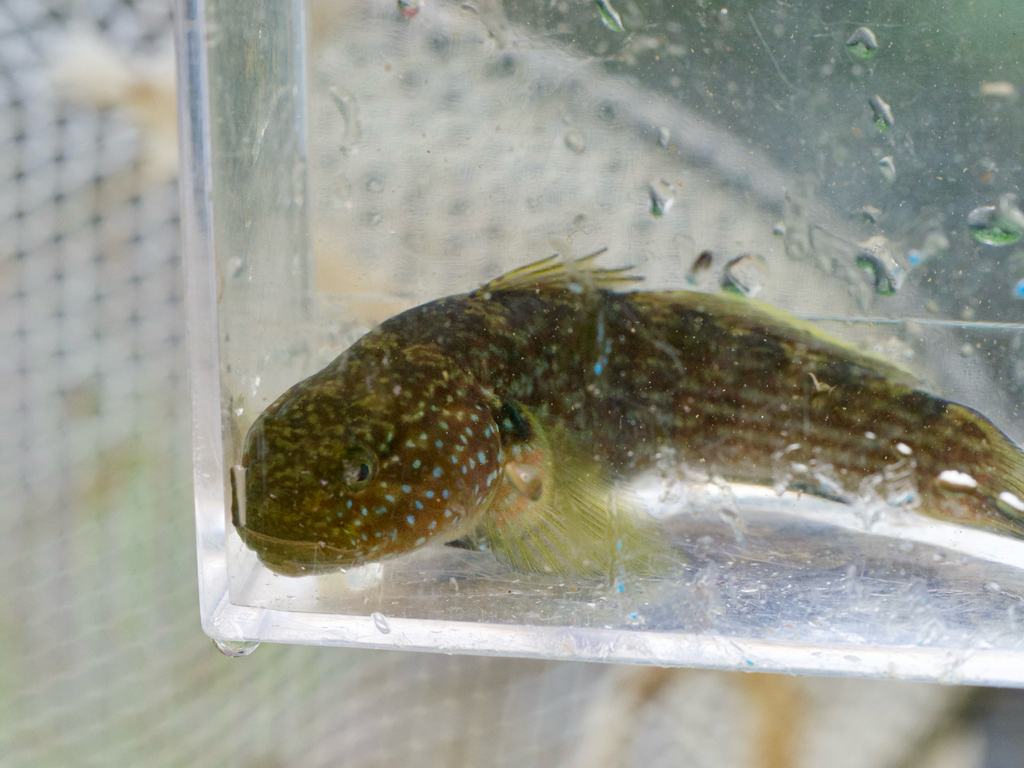
(c) りなべる, some rights reserved (CC BY) · CC BY · iNaturalist 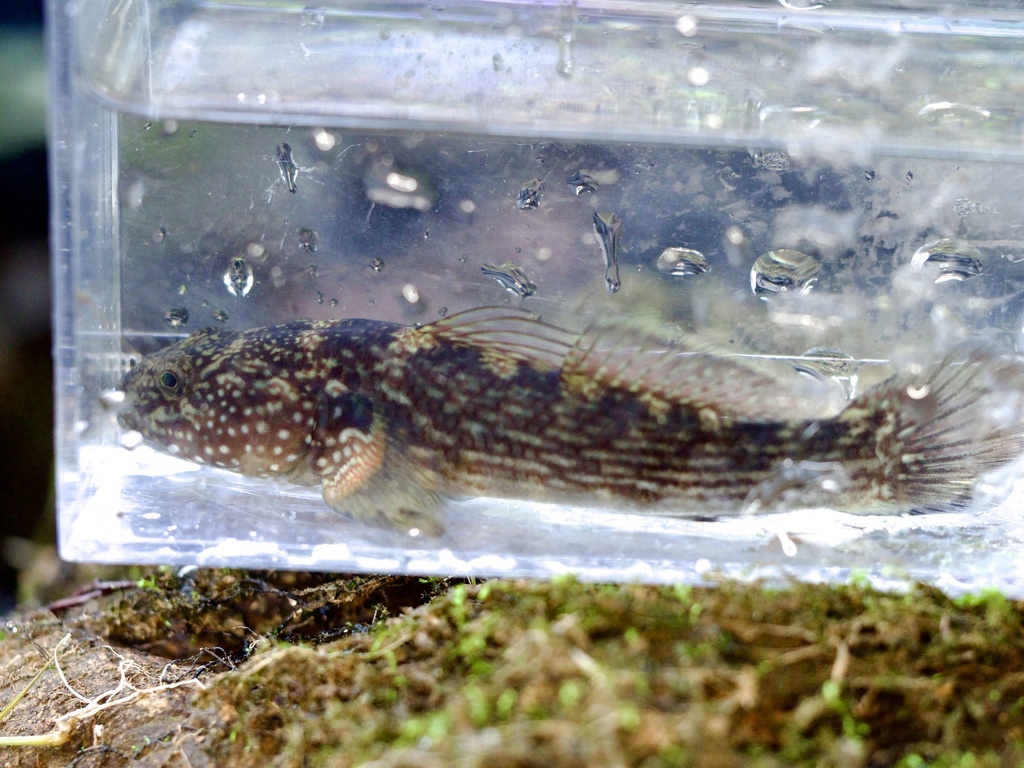
(c) りなべる, some rights reserved (CC BY) · CC BY · iNaturalist 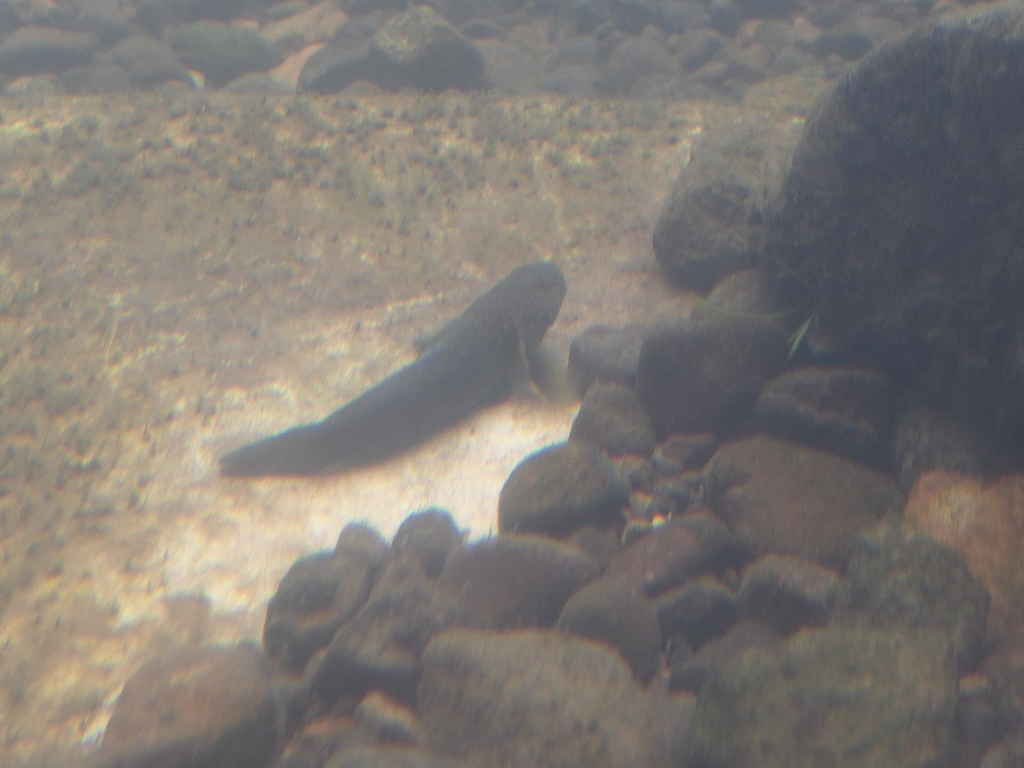
(c) WATANABE Hitoshi 渡辺仁, some rights reserved (CC BY) · CC BY · iNaturalist 
(c) WATANABE Hitoshi 渡辺仁, some rights reserved (CC BY) · CC BY · iNaturalist
Names and classification
- English
- Frog Goby
Names in 3 more languages
- Japanese
- Numachichibu, ヌマチチブ
- Korean
- 민물검정망둑
- Simplified Chinese
- 短棘縞鰕虎, 短棘縞鰕虎魚
Similar species
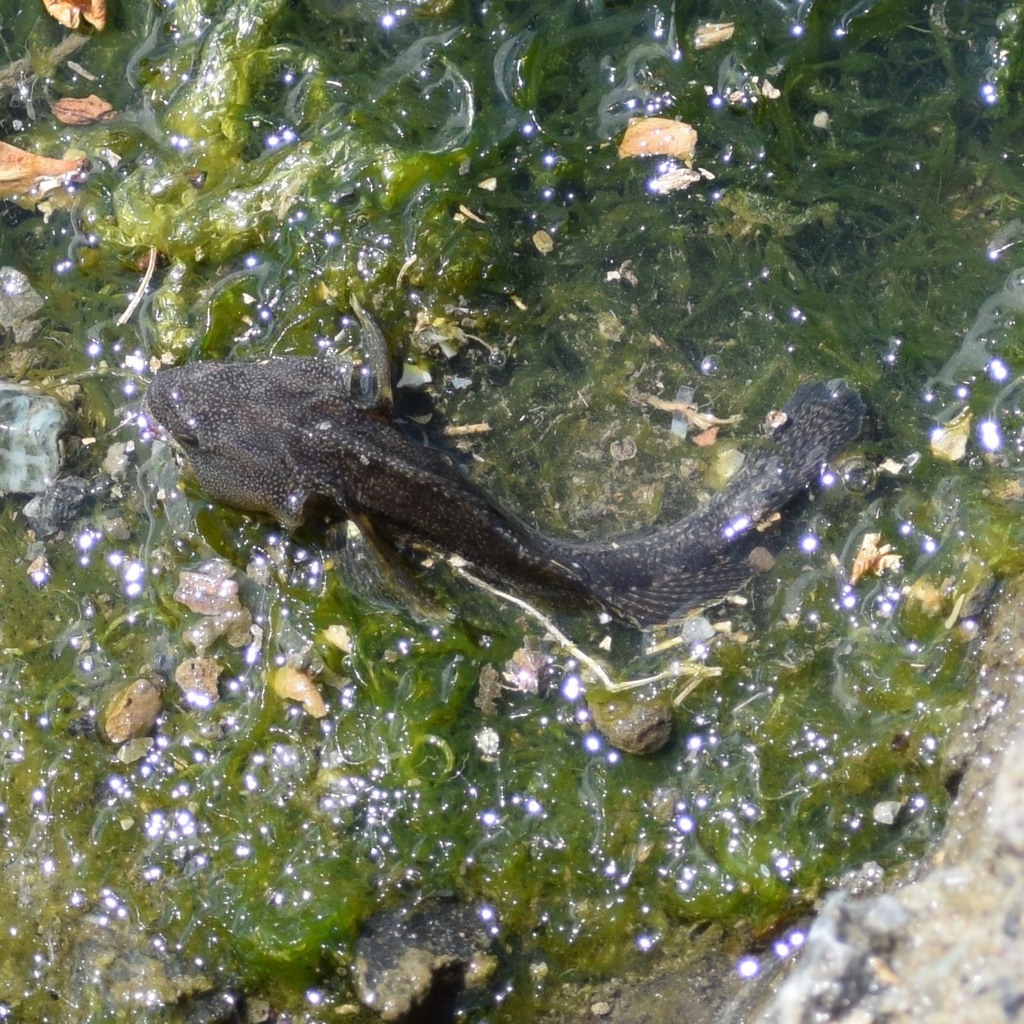 Shimofuri goby
Tridentiger bifasciatus
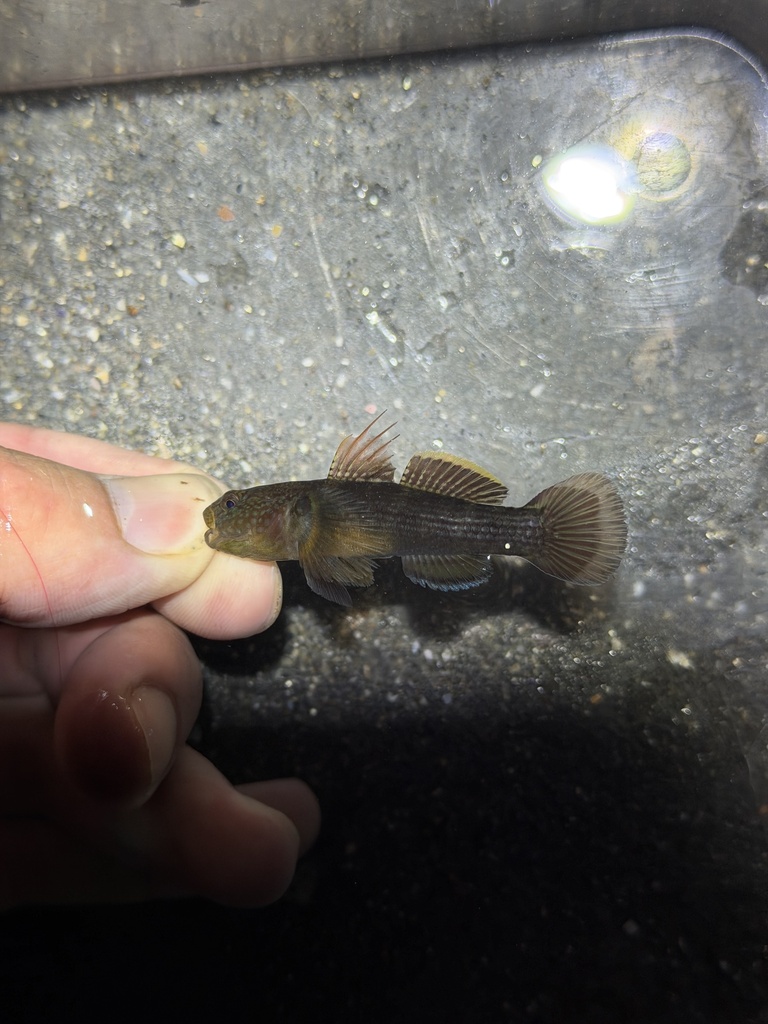 Dusky tripletooth goby
Tridentiger obscurus
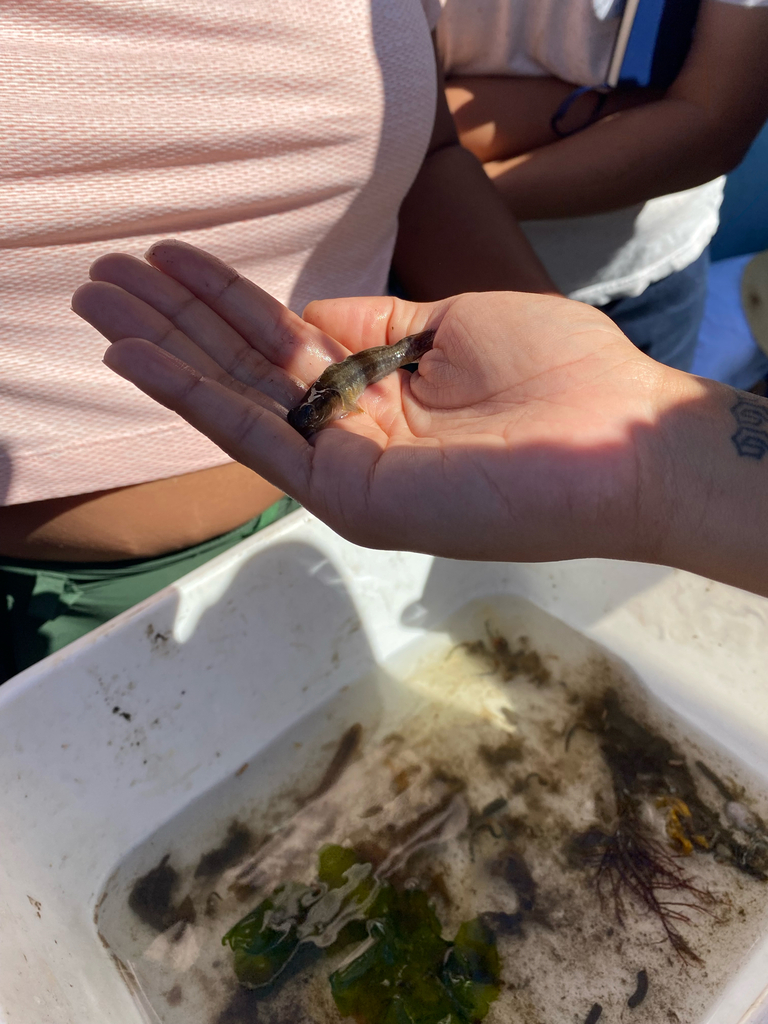 Chameleon goby
Tridentiger trigonocephalus
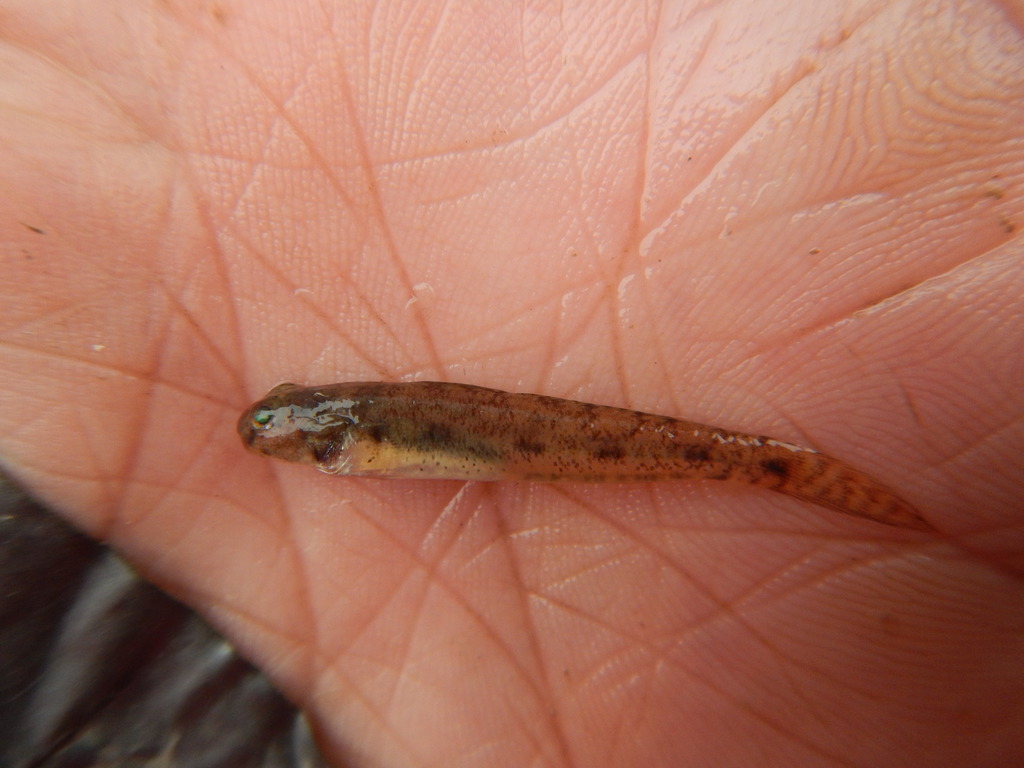 Darter goby
Ctenogobius boleosoma
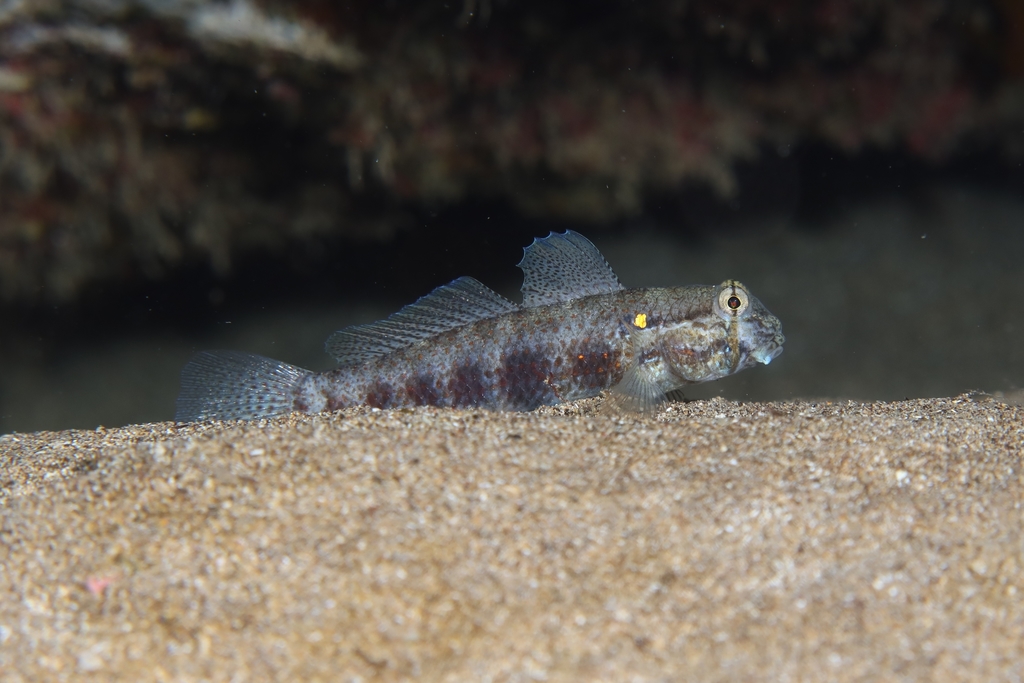 Goldspot goby
Gnatholepis thompsoni
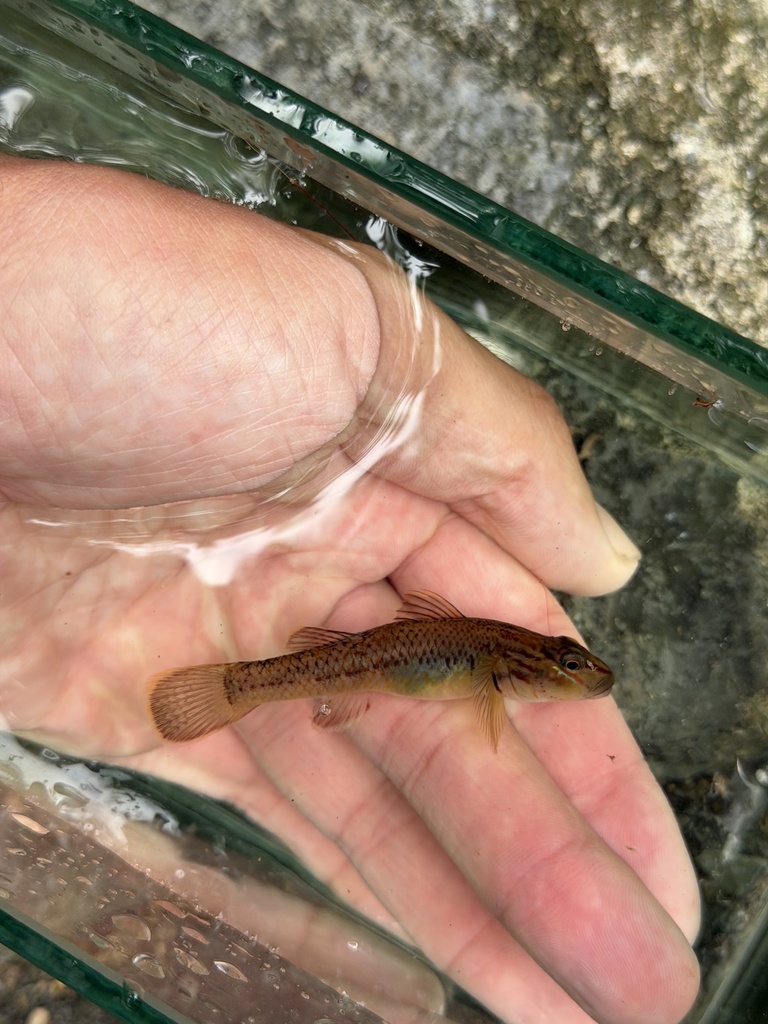 Amur Goby
Rhinogobius brunneus
Sources and credits
Names and taxonomy: WoRMS (CC BY 4.0) and the GBIF Backbone (CC BY 4.0). Photos: iNaturalist observers, each under the licence shown (CC0, CC BY or CC BY-SA).
- Depth, temperature, months and maps: records from OBIS and GBIF under CC0 or CC BY.
- Descriptions: Wikipedia, licensed CC BY-SA, each linked to its article.
- Conservation status as published by GBIF (IUCN Red List).
- 6,118 open-data records from 1949 to 2017.
- Species data updated November 7, 2026.
Log what you see on your next dive
The free DiveHive diver app keeps your logbook with every sighting and shows what lives at the site you dive next.