
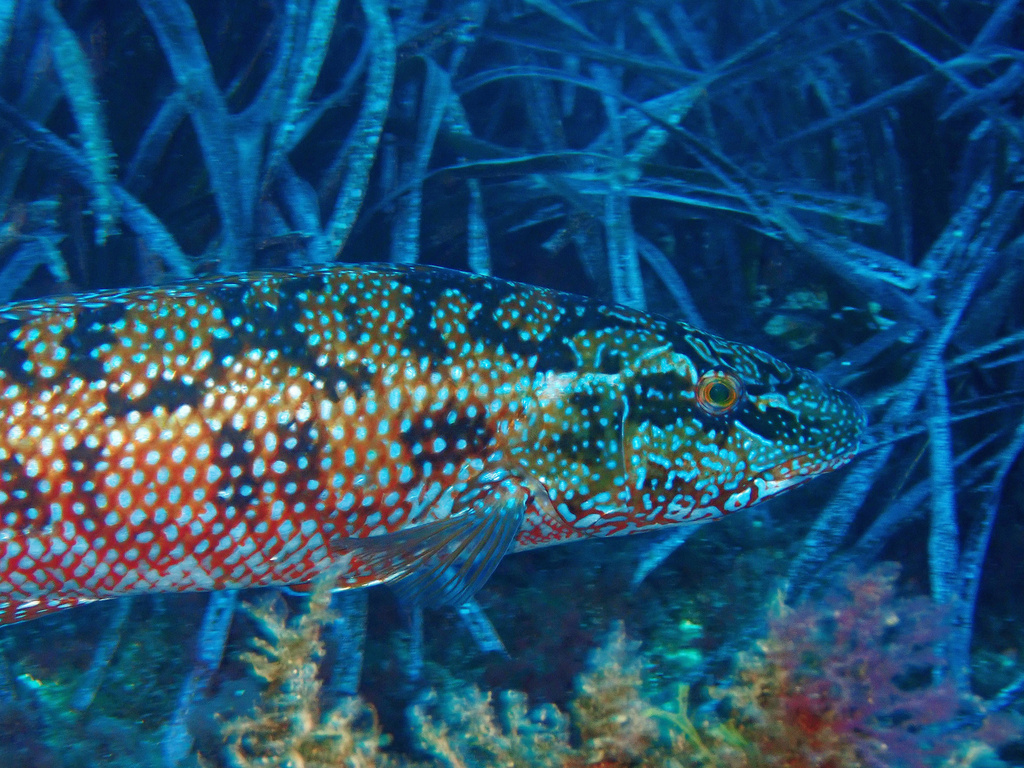
Green wrasse
Labrus viridis
- Usual depth3–12 m
- Water temperature17–22 °C
- Best monthsJune, August, and September
- How commonOccasional
Photo credit: (c) Donald Davesne, some rights reserved (CC BY) · CC BY · iNaturalist
About this species
Labrus viridis is a species of wrasse native to the eastern Atlantic Ocean from Portugal to Morocco, as well as through the Mediterranean Sea to the Black Sea. This species is found around rocky reefs amongst the rocks or in eelgrass beds. It can reach 47 cm (19 in) in standard length, though most do not exceed 37.5 cm (15 in). It is one of several species called green wrasse.
Text from the Wikipedia article “Labrus viridis”, licensed CC BY-SA 4.0. Read the article
Where and when
Where it has been recorded
Worldwide
Best months
Worldwide (open data)
- January: 8 records
- February: 10 records
- March: 2 records
- April: 21 records
- May: 28 records
- June: 58 records
- July: 49 records
- August: 72 records
- September: 67 records
- October: 34 records
- November: 13 records
- December: 9 records
Depth and water temperature
Depth
Mostly recorded at 3–12 m · Deepest record: 57 m
Water temperature
Recorded in surface water of 17–22 °C
Photos
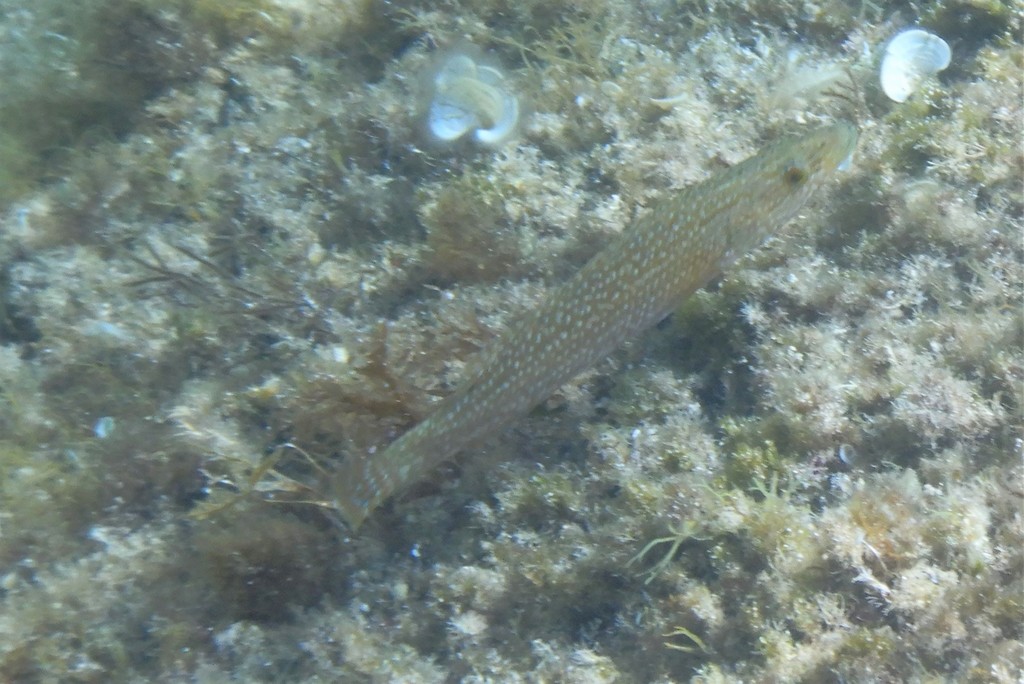
(c) Valentin Moser, some rights reserved (CC BY) · CC BY · iNaturalist 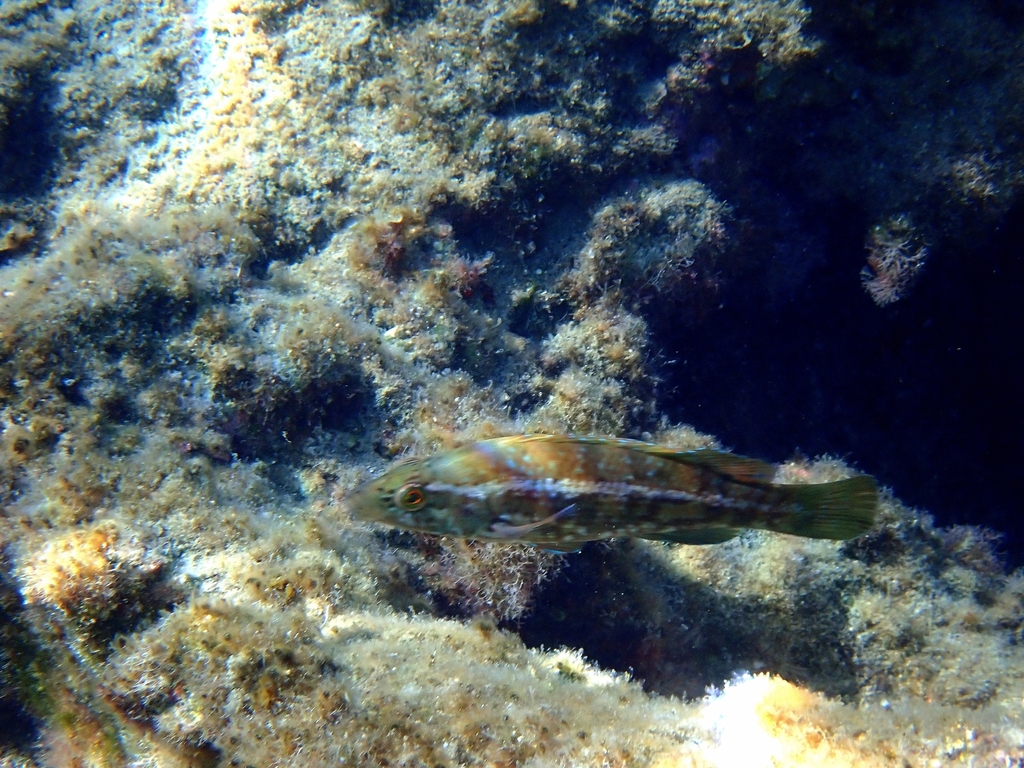
(c) Edoardo Razzetti, some rights reserved (CC BY) · CC BY · iNaturalist 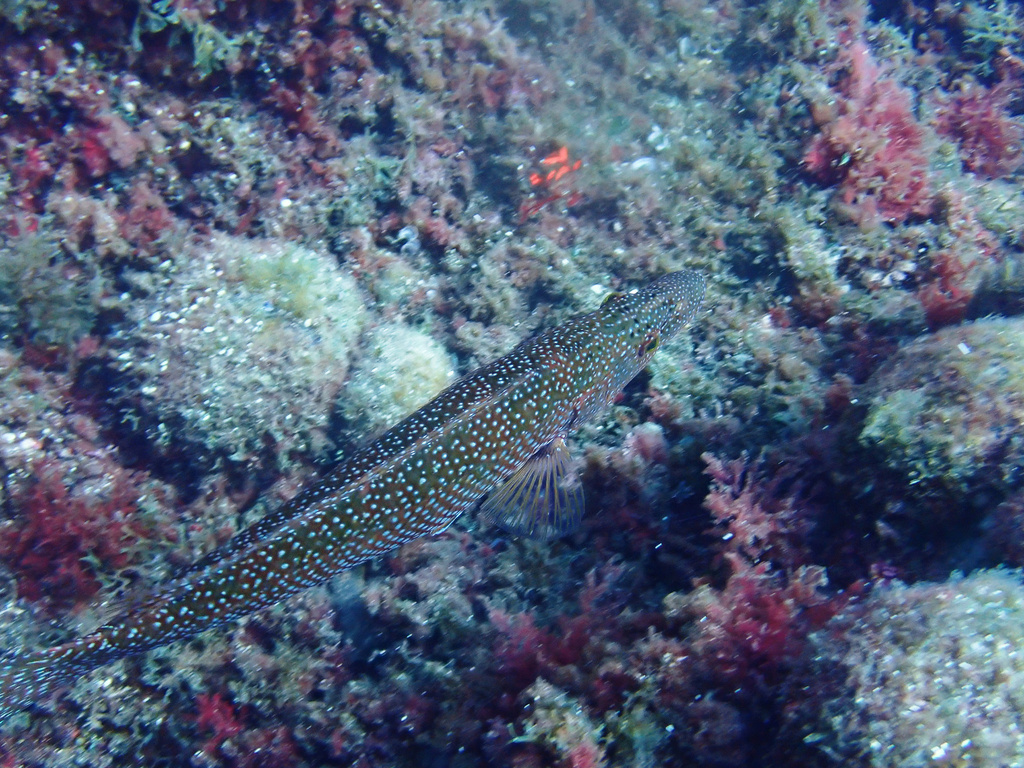
(c) Donald Davesne, some rights reserved (CC BY) · CC BY · iNaturalist 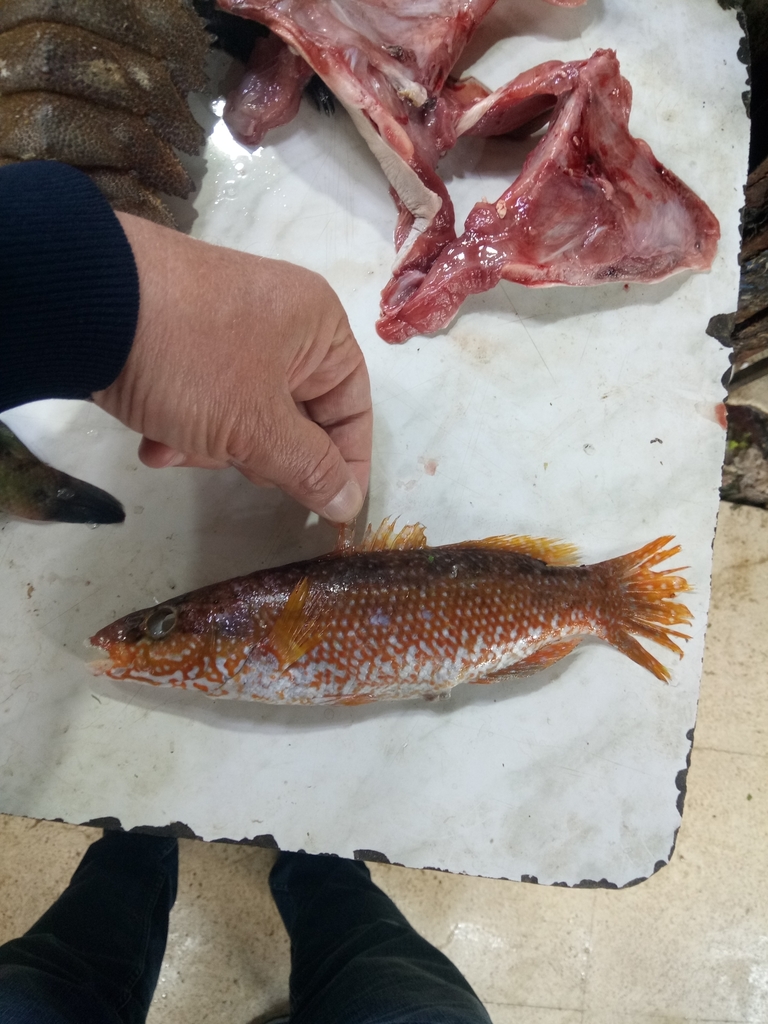
(c) Karim Haddad, some rights reserved (CC BY) · CC BY · iNaturalist 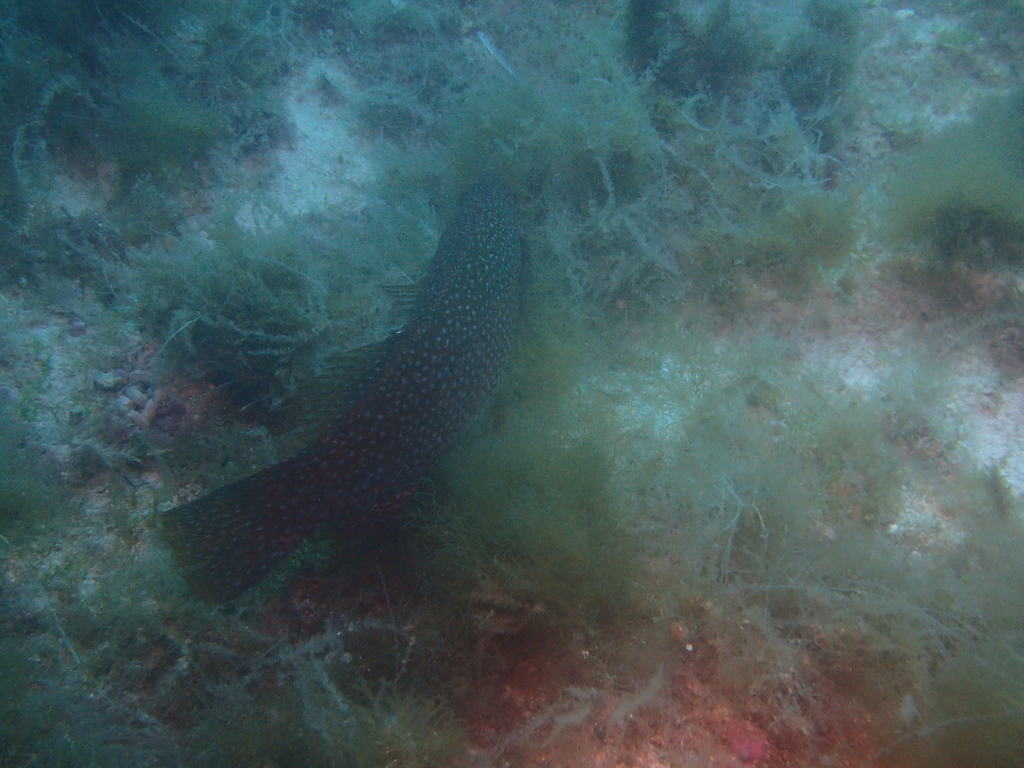
(c) Julien Renoult, some rights reserved (CC BY) · CC BY · iNaturalist 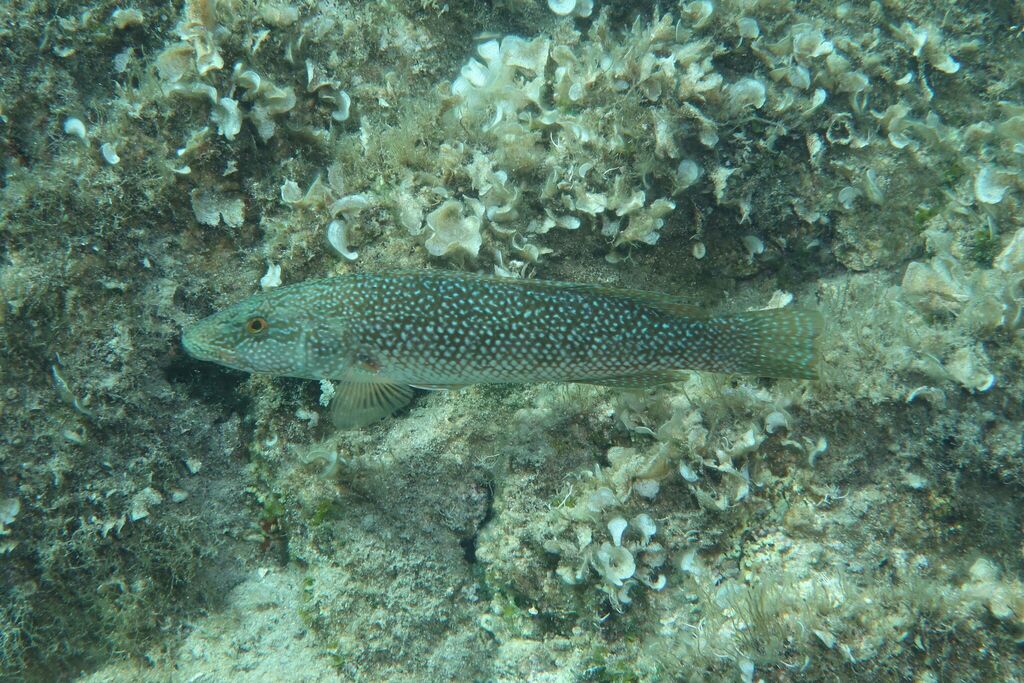
(c) Julien Renoult, some rights reserved (CC BY) · CC BY · iNaturalist 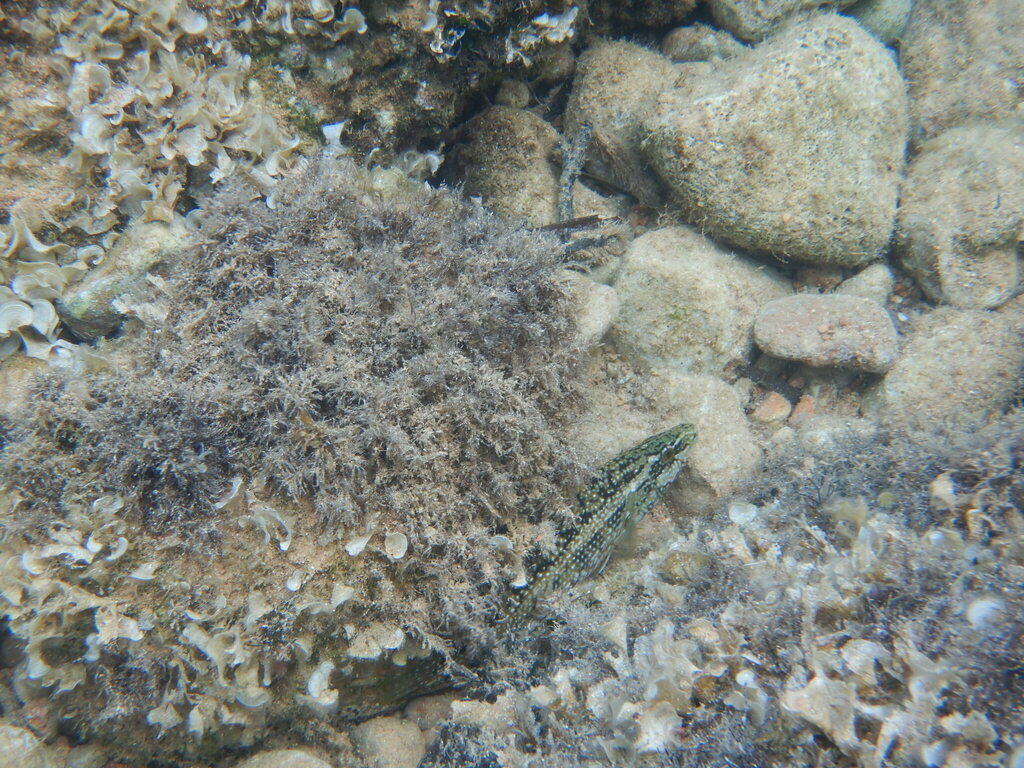
no rights reserved · CC0 1.0 · iNaturalist
Names and classification
- English
- Green wrasse, green wrasse
Names in 3 more languages
- German
- grüner Lippfisch
- Spanish
- tordo, Tordo
- French
- labre vert, Labre vert
Other scientific names: Crenilabrus luscus, Labrus luscus, Labrus prasostictes, Labrus turdus, Labrus viridus
Similar species
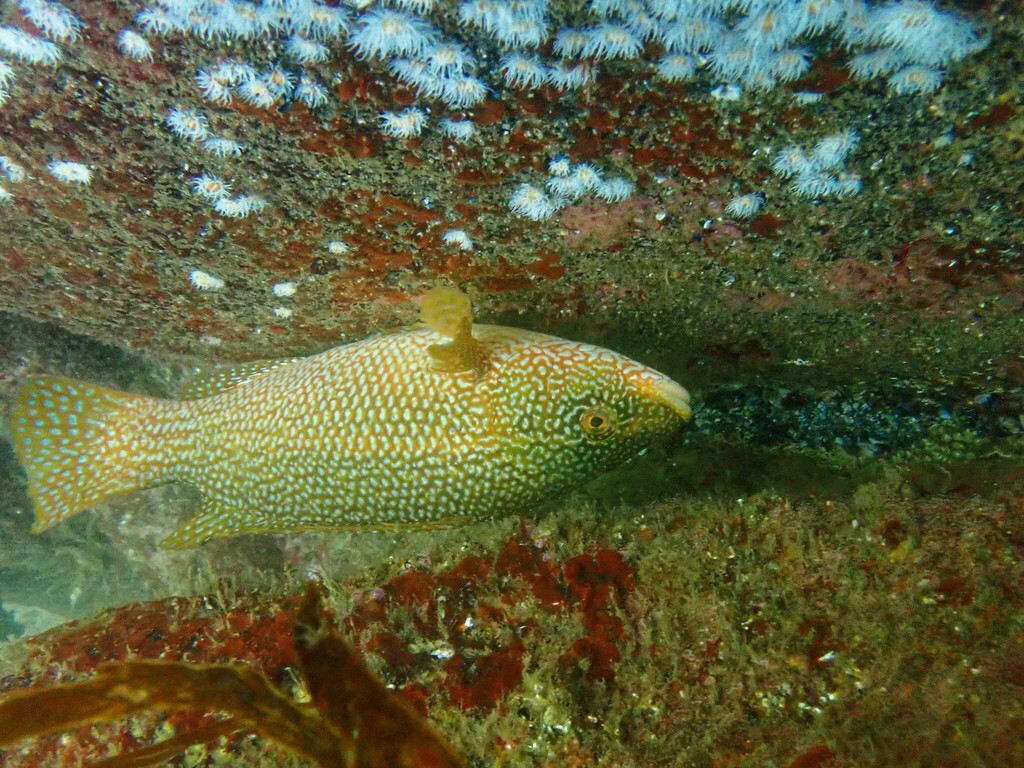 Ballan wrasse
Labrus bergylta
 Cuckoo wrasse
Labrus mixtus
 Brown wrasse
Labrus merula
 Blue Groper
Achoerodus gouldii
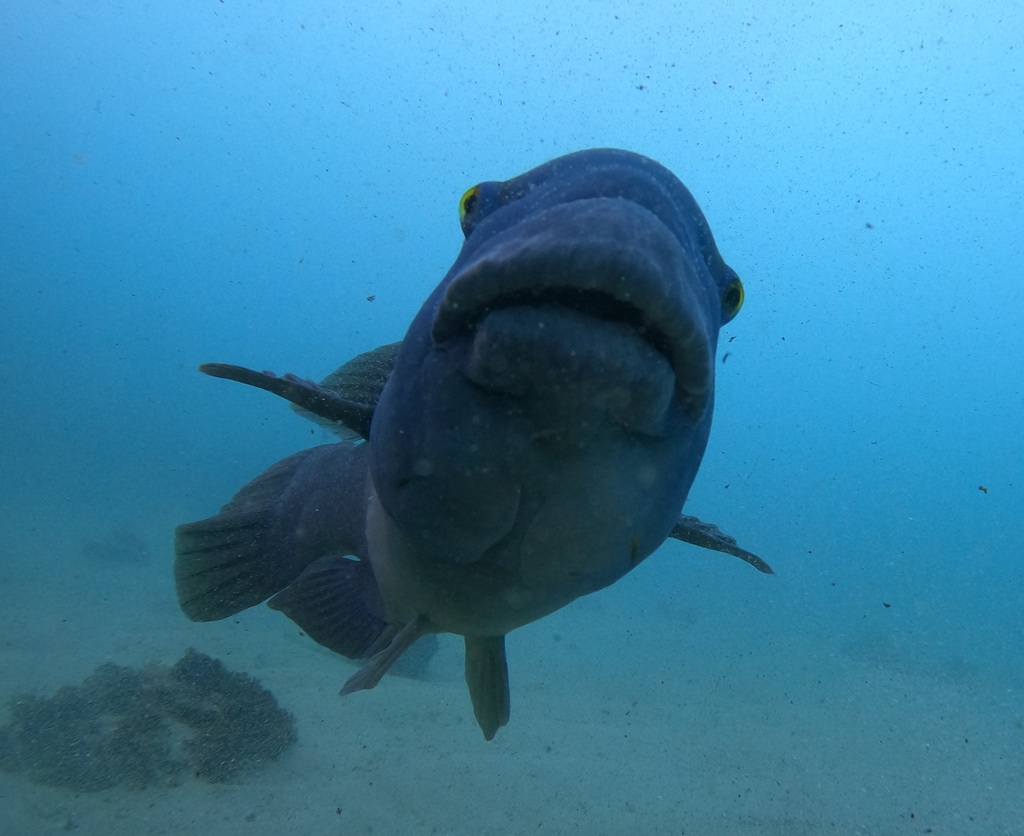 Blue Groper
Achoerodus viridis
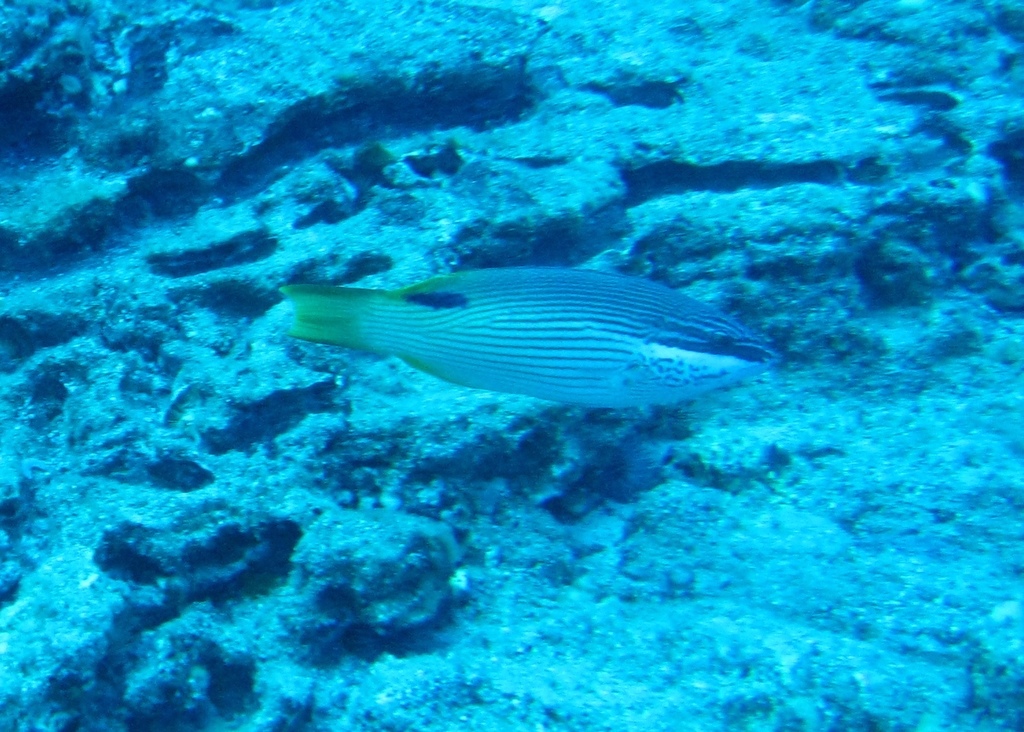 Hawaiian Hogfish
Bodianus albotaeniatus
Sources and credits
Names and taxonomy: WoRMS (CC BY 4.0) and the GBIF Backbone (CC BY 4.0). Photos: iNaturalist observers, each under the licence shown (CC0, CC BY or CC BY-SA).
- Depth, temperature, months and maps: records from OBIS and GBIF under CC0 or CC BY.
- Descriptions: Wikipedia, licensed CC BY-SA, each linked to its article.
- Conservation status as published by GBIF (IUCN Red List).
- 802 open-data records from 1949 to 2016.
- Species data updated November 11, 2026.
Log what you see on your next dive
The free DiveHive diver app keeps your logbook with every sighting and shows what lives at the site you dive next.