

Brown wrasse
Labrus merula
- Usual depth1–40 m
- Water temperature17–22 °C
- Best monthsJuly, August, and September
- How commonOccasional
Photo credit: (c) Donald Davesne, some rights reserved (CC BY) · CC BY · iNaturalist
About this species
The brown wrasse is a species of wrasse native to the Eastern Atlantic from Portugal to Morocco, including the Azores, as well as in the Mediterranean Sea. This species can reach 45 cm (18 in) in standard length, though most do not exceed more than 40 cm (16 in).
Text from the Wikipedia article “Brown wrasse”, licensed CC BY-SA 4.0. Read the article
Where and when
Where it has been recorded
Worldwide
Best months
Worldwide (open data)
- January: 33 records
- February: 36 records
- March: 28 records
- April: 167 records
- May: 130 records
- June: 172 records
- July: 300 records
- August: 318 records
- September: 267 records
- October: 175 records
- November: 89 records
- December: 43 records
Depth and water temperature
Depth
Mostly recorded at 1–40 m · Deepest record: 40 m
Water temperature
Recorded in surface water of 17–22 °C
Photos
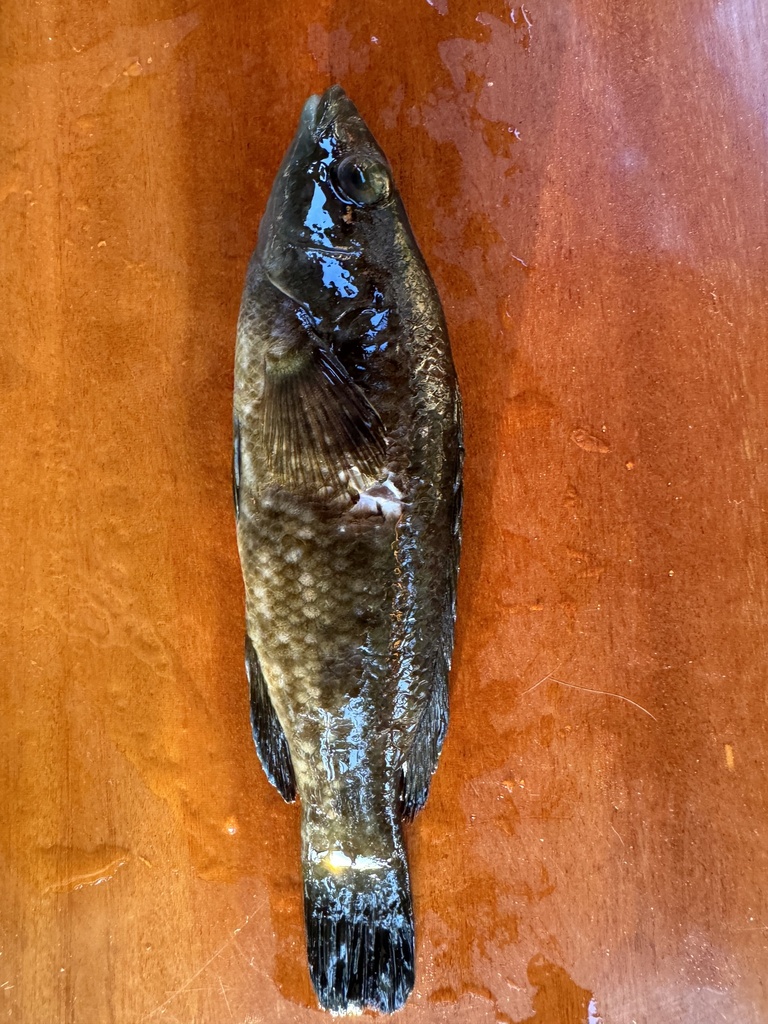
(c) Selim Türeli, some rights reserved (CC BY) · CC BY · iNaturalist 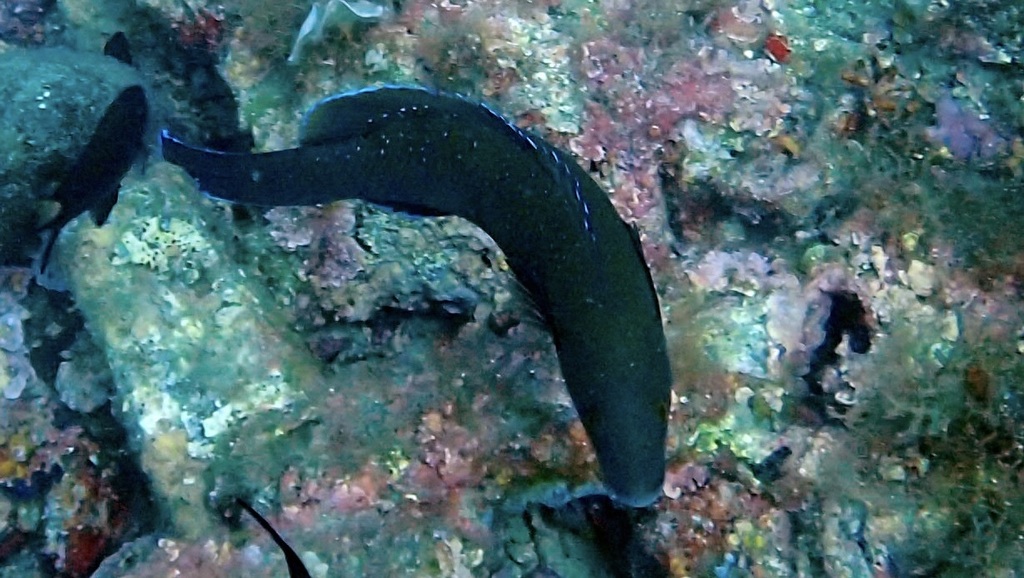
no rights reserved · CC0 1.0 · iNaturalist 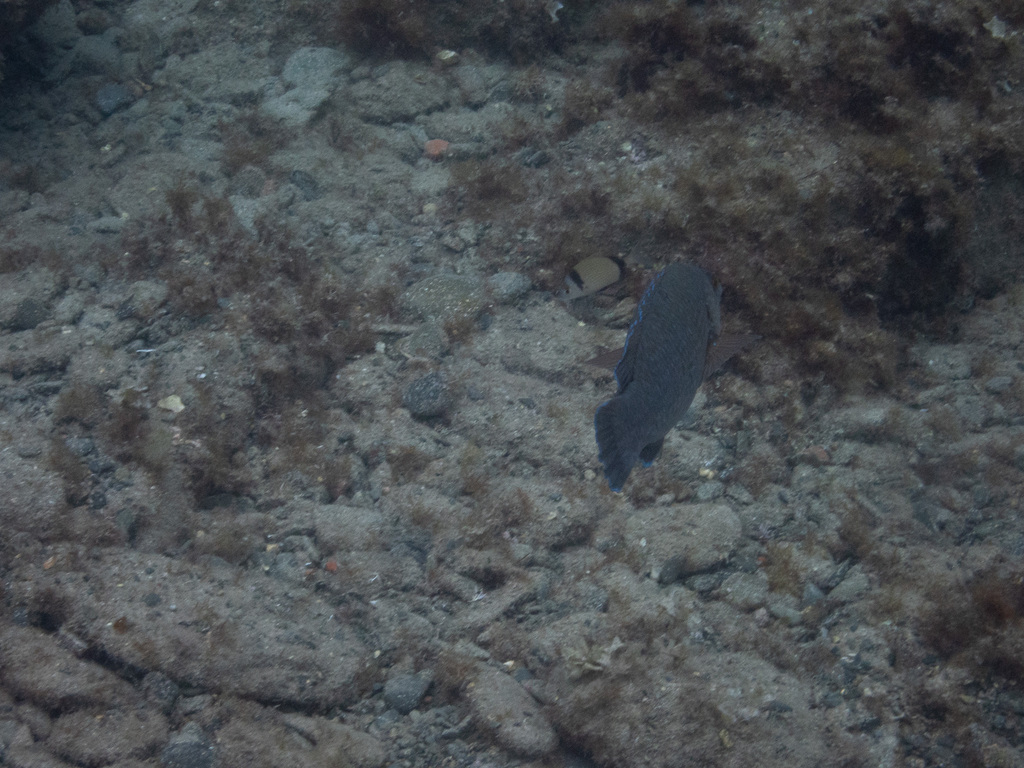
no rights reserved · CC0 1.0 · iNaturalist 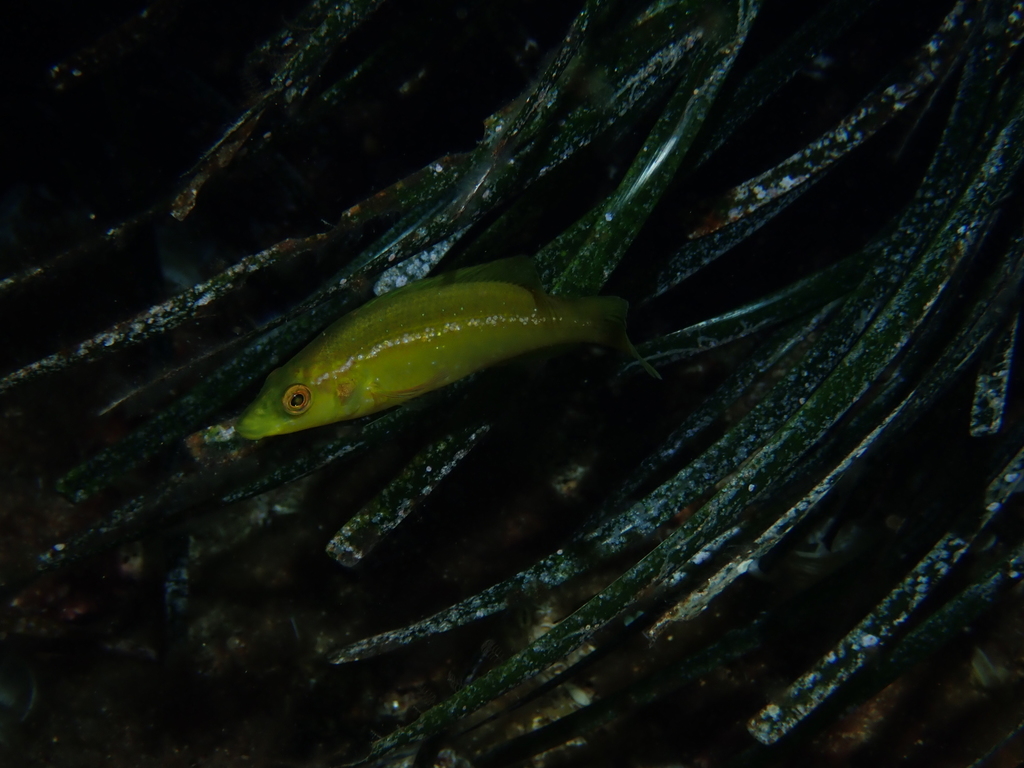
(c) Julien Renoult, some rights reserved (CC BY) · CC BY · iNaturalist 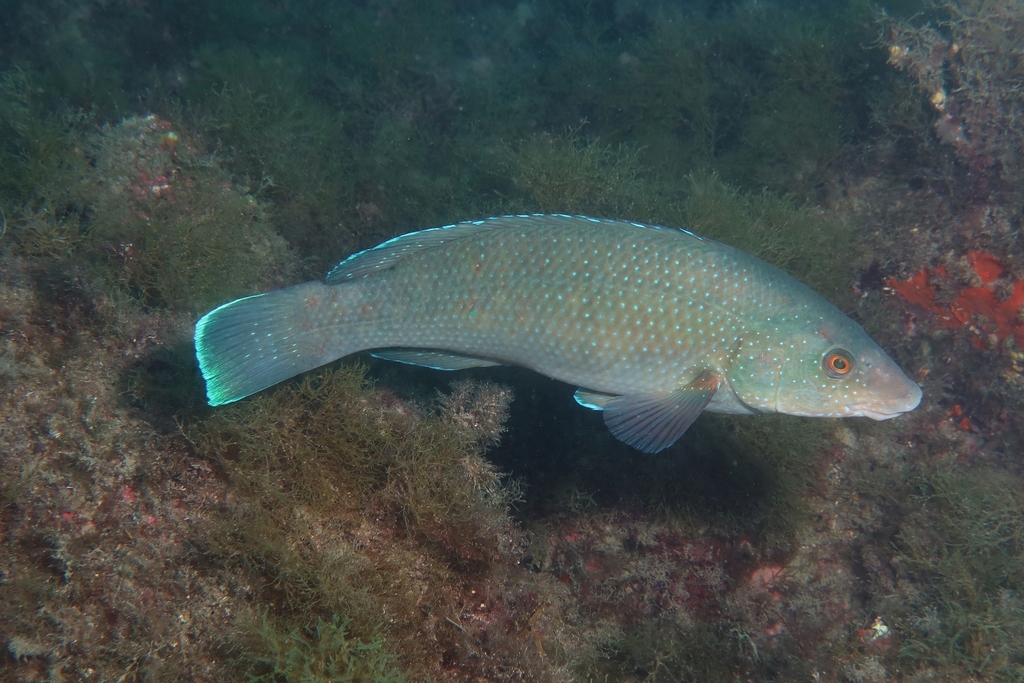
(c) Julien Renoult, some rights reserved (CC BY) · CC BY · iNaturalist 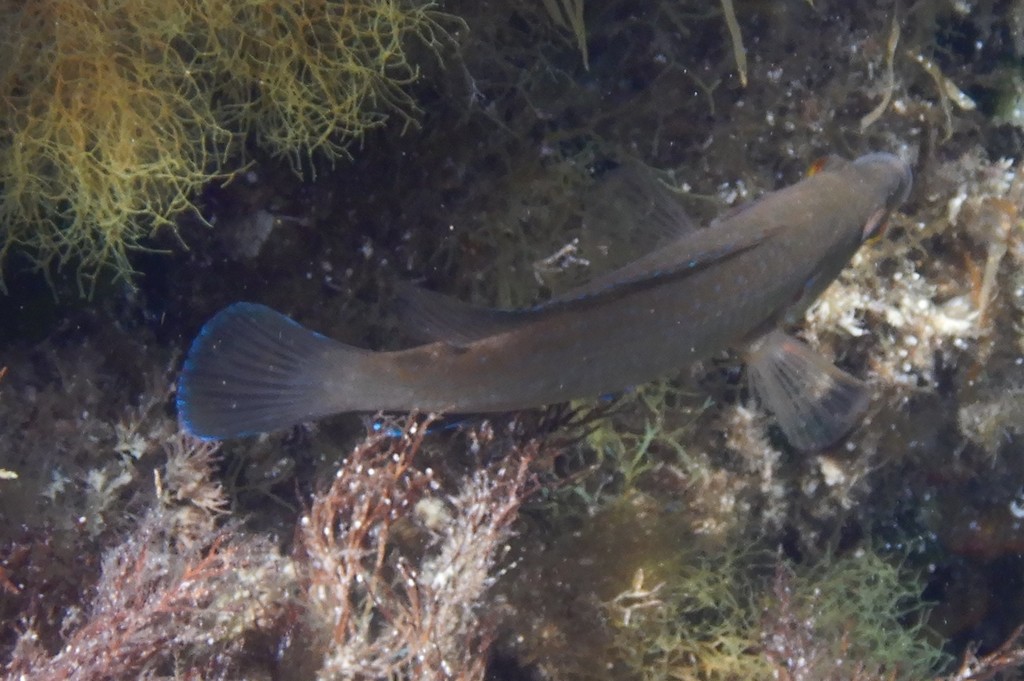
(c) Valentin Moser, some rights reserved (CC BY) · CC BY · iNaturalist 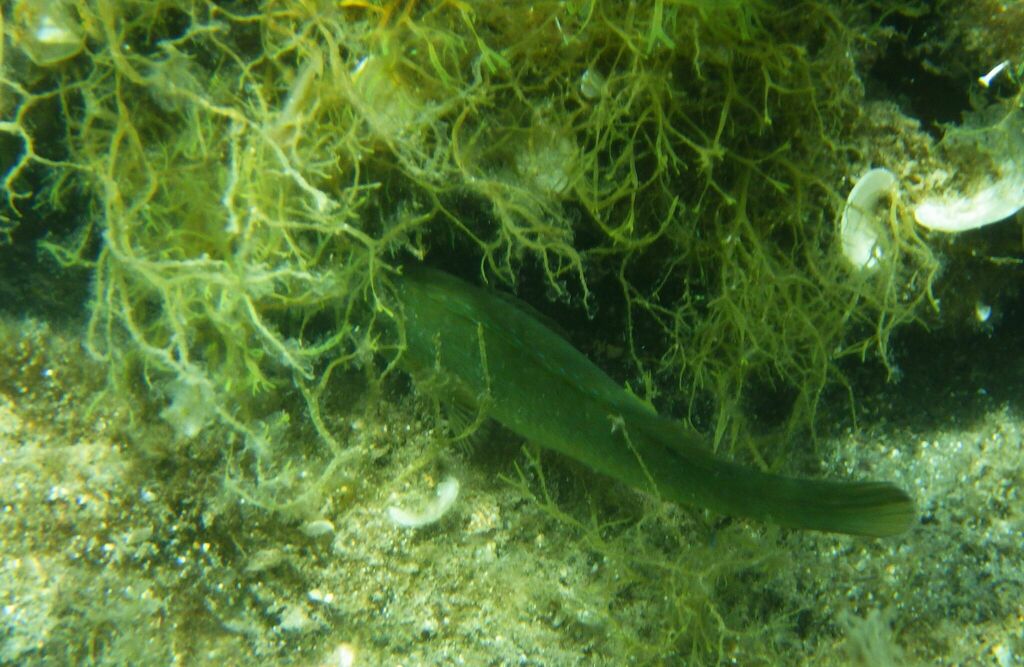
(c) Yves Bas, some rights reserved (CC BY) · CC BY · iNaturalist
Names and classification
- English
- Brown wrasse, brown wrasse, Cuckoo wrasse
Names in 3 more languages
- German
- Brauner Junker, brauner Lippfisch
- Spanish
- merlo, Merlo
- French
- Labre merle, merle, Merle
Other scientific names: Labrus limbatus, Labrus lineolatus, Labrus livens, Labrus nereus, Labrus psittacus, Labrus saxorum
Similar species
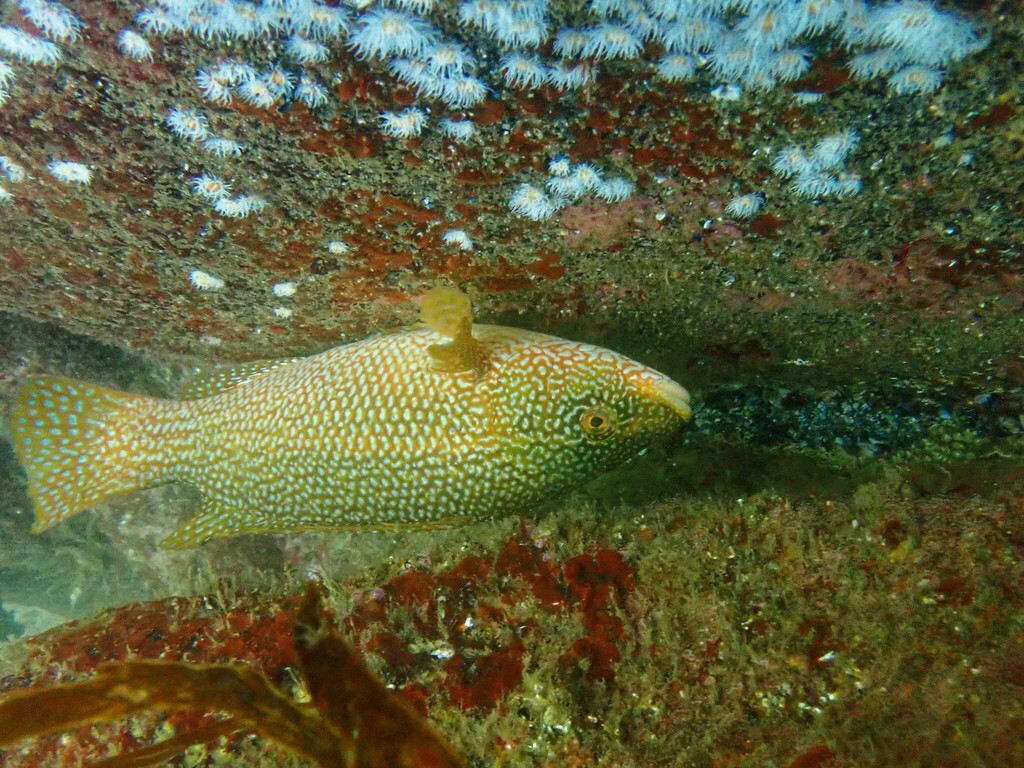 Ballan wrasse
Labrus bergylta
 Cuckoo wrasse
Labrus mixtus
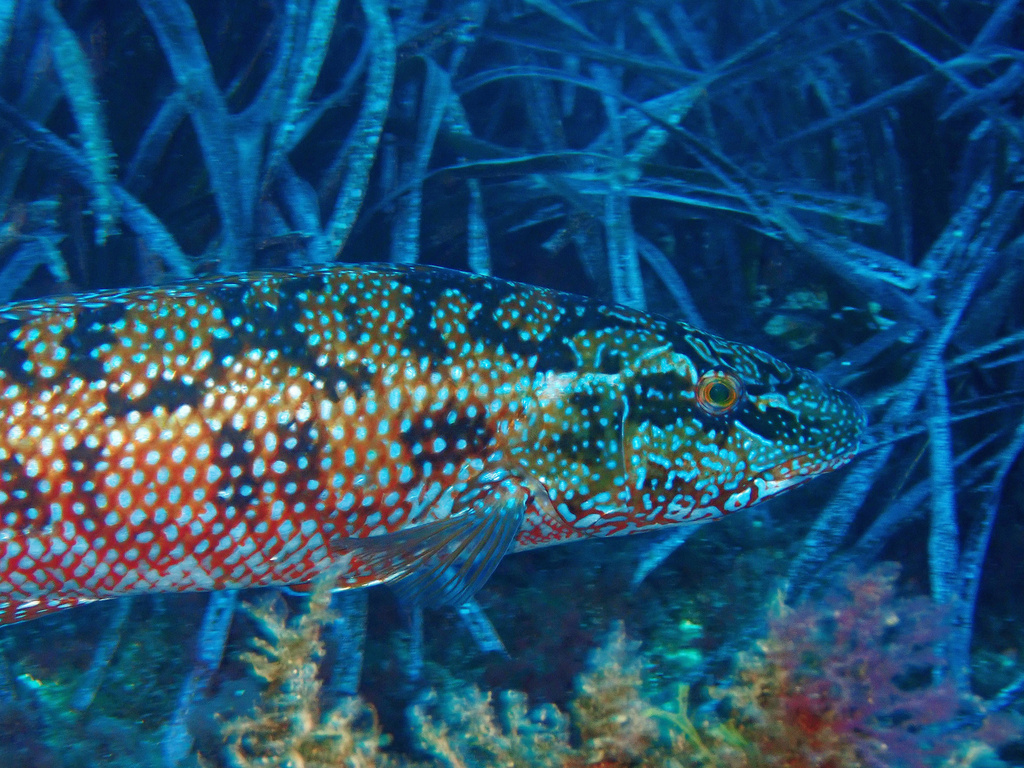 Green wrasse
Labrus viridis
 Blue Groper
Achoerodus gouldii
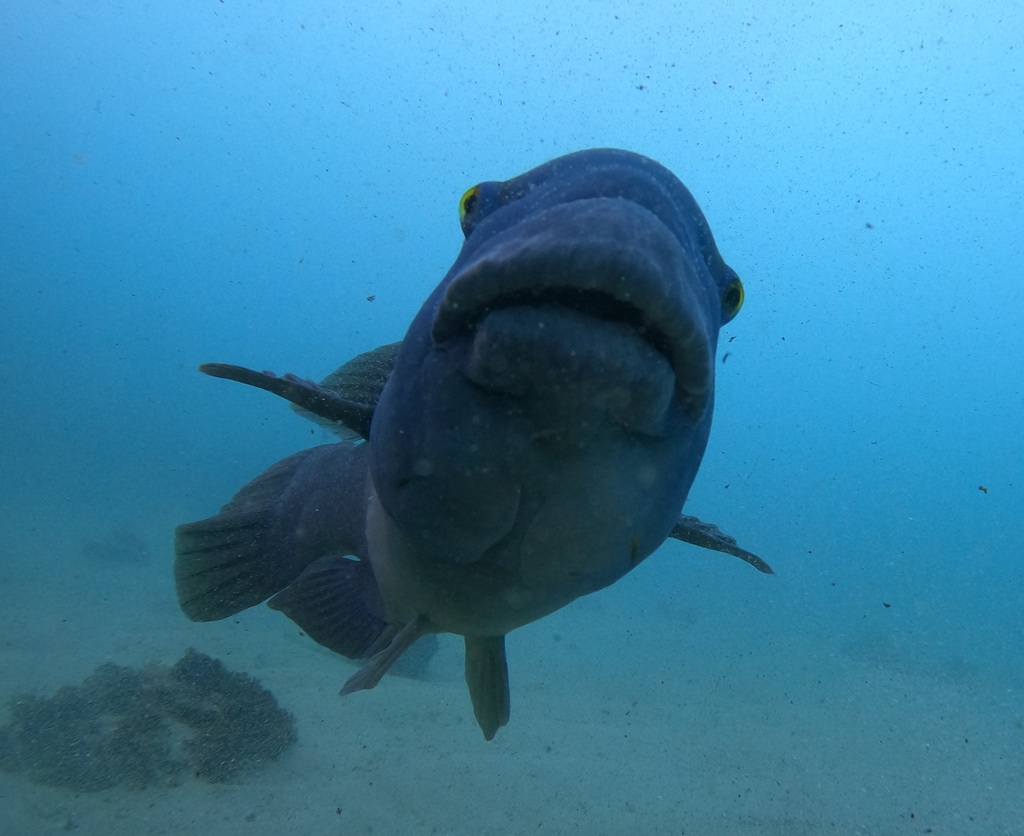 Blue Groper
Achoerodus viridis
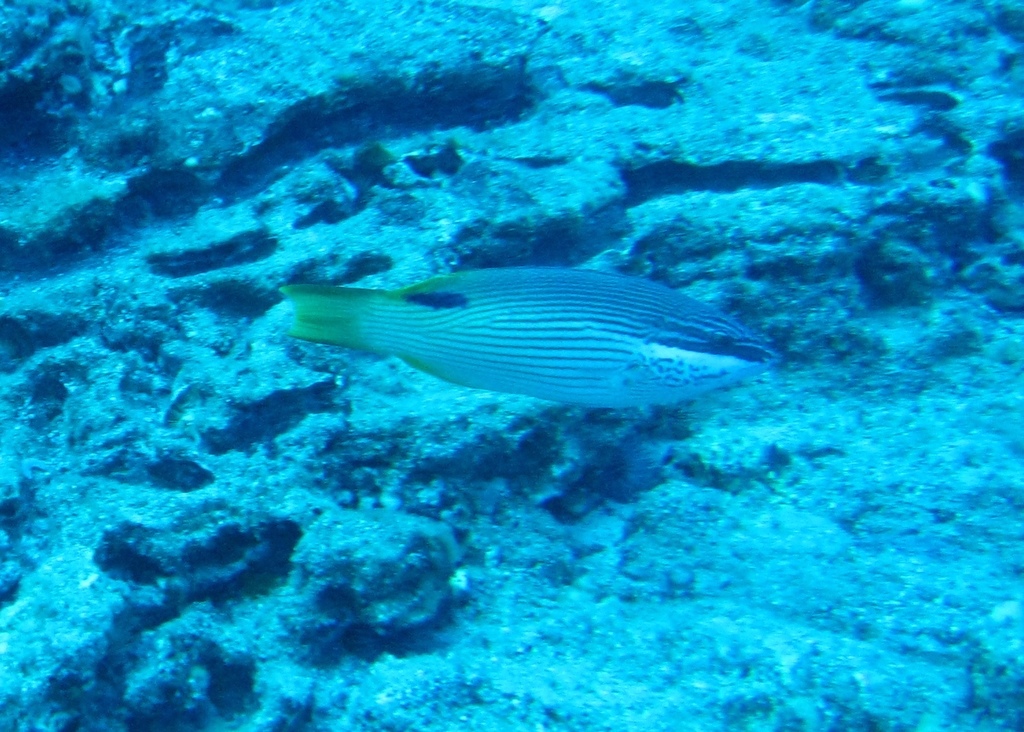 Hawaiian Hogfish
Bodianus albotaeniatus
Sources and credits
Names and taxonomy: WoRMS (CC BY 4.0) and the GBIF Backbone (CC BY 4.0). Photos: iNaturalist observers, each under the licence shown (CC0, CC BY or CC BY-SA).
- Depth, temperature, months and maps: records from OBIS and GBIF under CC0 or CC BY.
- Descriptions: Wikipedia, licensed CC BY-SA, each linked to its article.
- Conservation status as published by GBIF (IUCN Red List).
- 2,127 open-data records from 1967 to 2023.
- Species data updated November 11, 2026.
Log what you see on your next dive
The free DiveHive diver app keeps your logbook with every sighting and shows what lives at the site you dive next.