
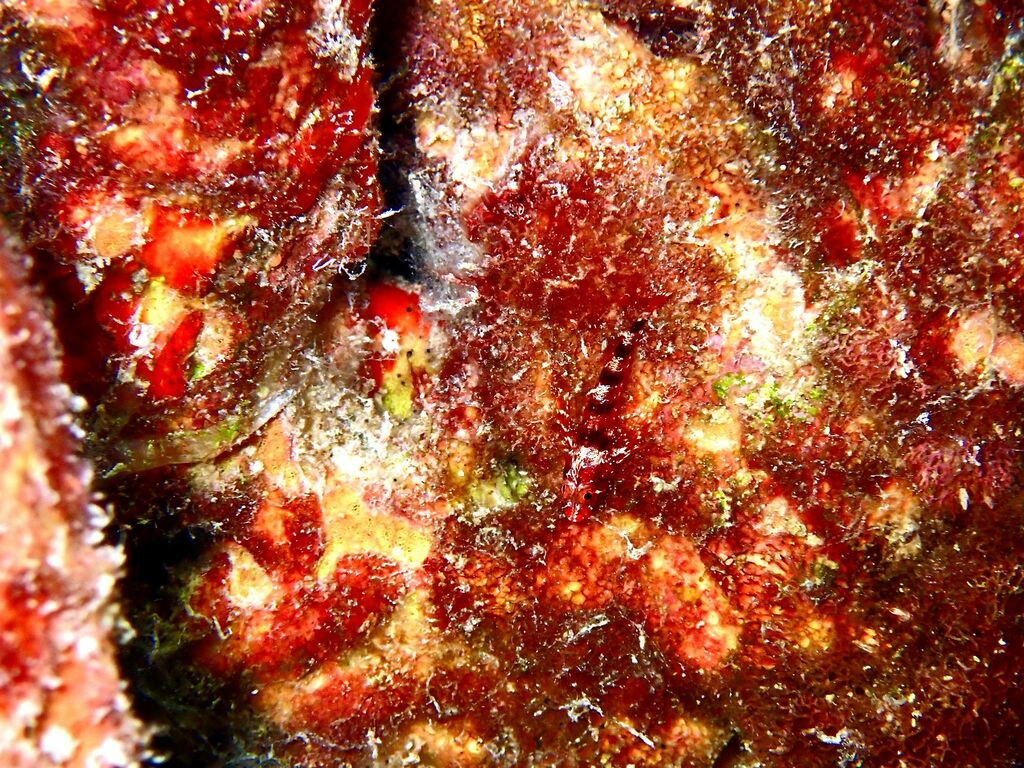
Blackedge triplefin
Enneanectes atrorus
- Usual depth4–27 m
- Water temperature28–28 °C
- Best monthsMay, August, and September
- How commonRare
Photo credit: (c) Josh Noseworthy, some rights reserved (CC BY) · CC BY · iNaturalist
About this species
Enneanectes atrorus, known commonly as the blackedge triplefin, is a species of triplefin blenny. It occurs in the western Atlantic Ocean from southern Florida and the Bahamassouth to St. Kitts. It is absent from the Gulf of Mexico.
Text from the Wikipedia article “Enneanectes atrorus”, licensed CC BY-SA 4.0. Read the article
Where and when
Where it has been recorded
Worldwide
Best months
Worldwide (open data)
- January: 2 records
- February: 1 record
- March: 3 records
- April: 3 records
- May: 5 records
- June: 2 records
- July: 1 record
- August: 6 records
- September: 6 records
- October: 0 records
- November: 2 records
- December: 3 records
Depth and water temperature
Depth
Mostly recorded at 4–27 m · Deepest record: 27 m
Water temperature
Recorded in surface water of 28–28 °C
Photos
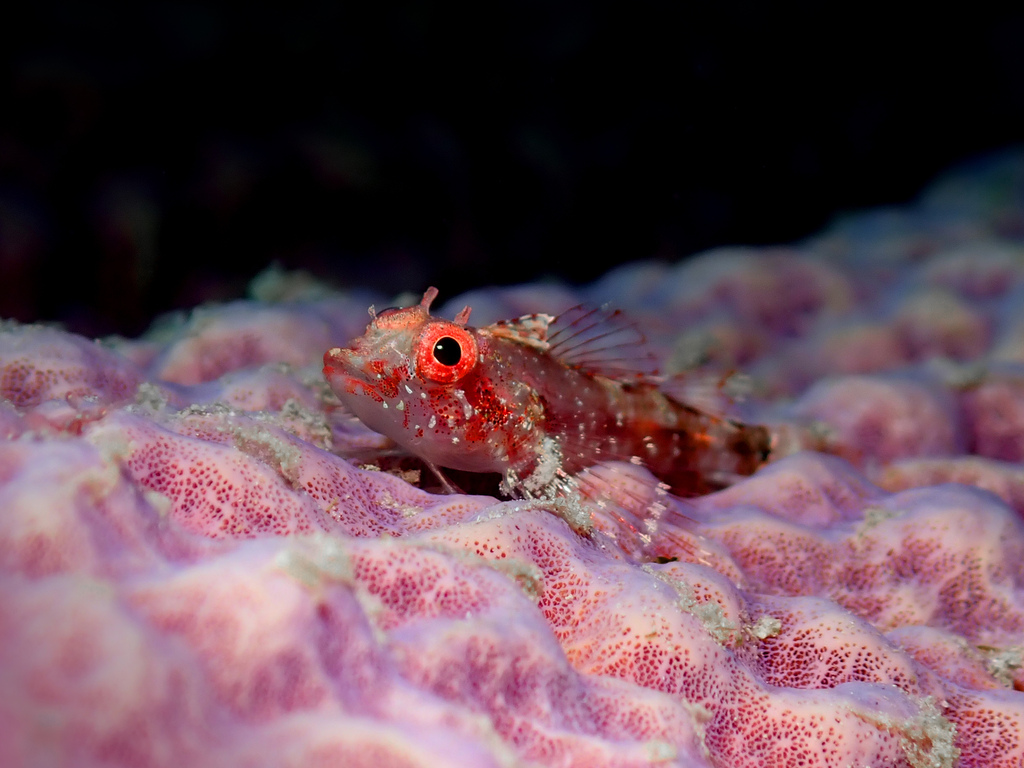
(c) Gregor Bailar, some rights reserved (CC BY) · CC BY · iNaturalist 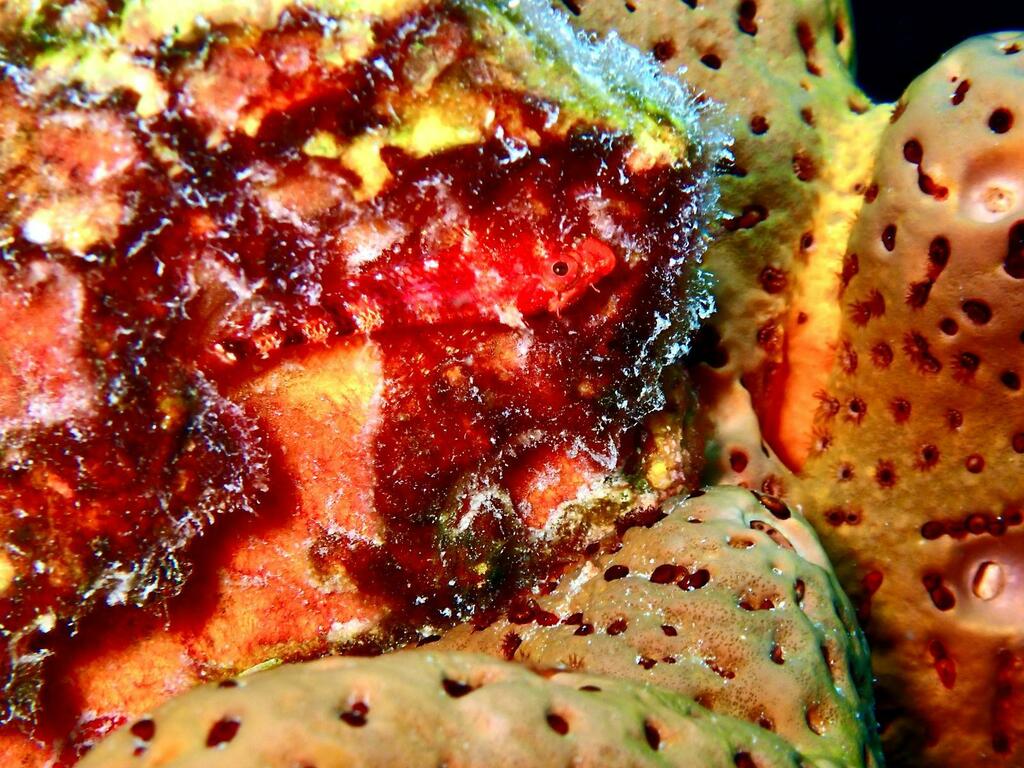
(c) Josh Noseworthy, some rights reserved (CC BY) · CC BY · iNaturalist 
(c) Dan Schofield, some rights reserved (CC BY) · CC BY · iNaturalist
Names and classification
- English
- Blackedge triplefin, blackedge triplefin, Redeye Triplefin
Names in 1 more language
- Spanish
- sapito orleado, tres aletas orlado, tres aletas orleado
Similar species
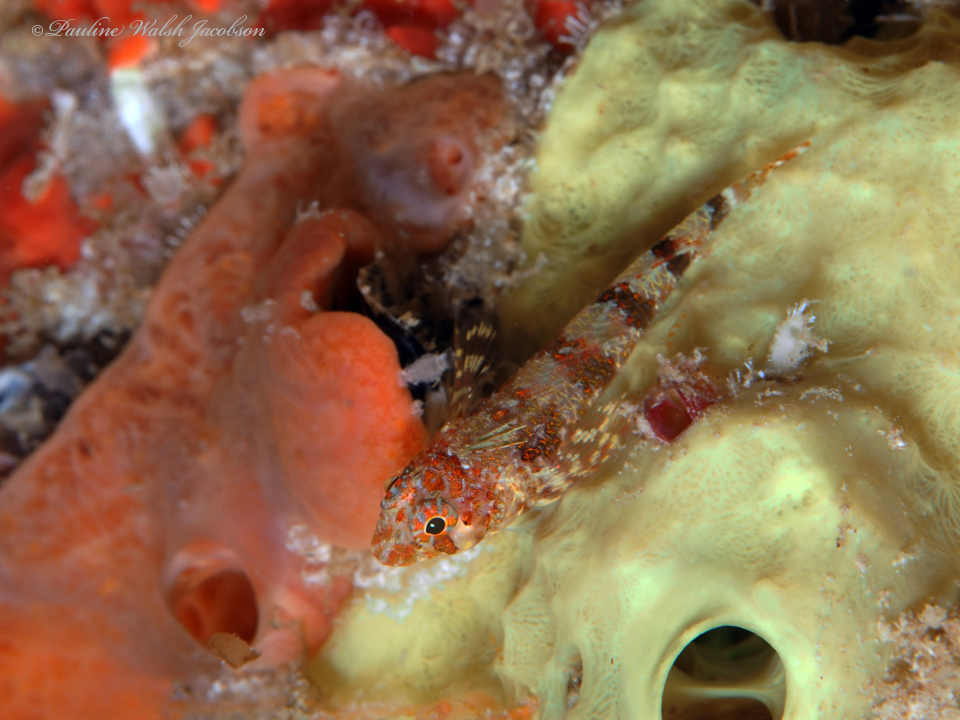 Lofty triplefin
Enneanectes altivelis
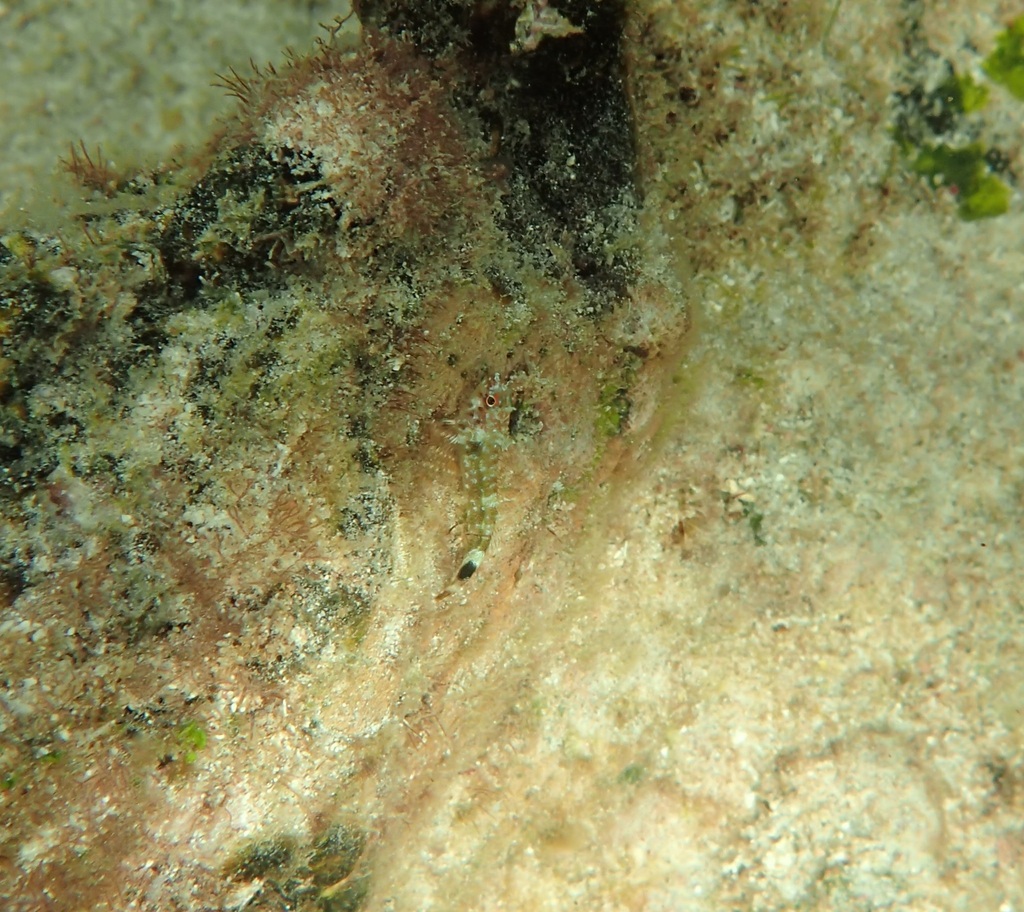 Roughhead triplefin
Enneanectes boehlkei
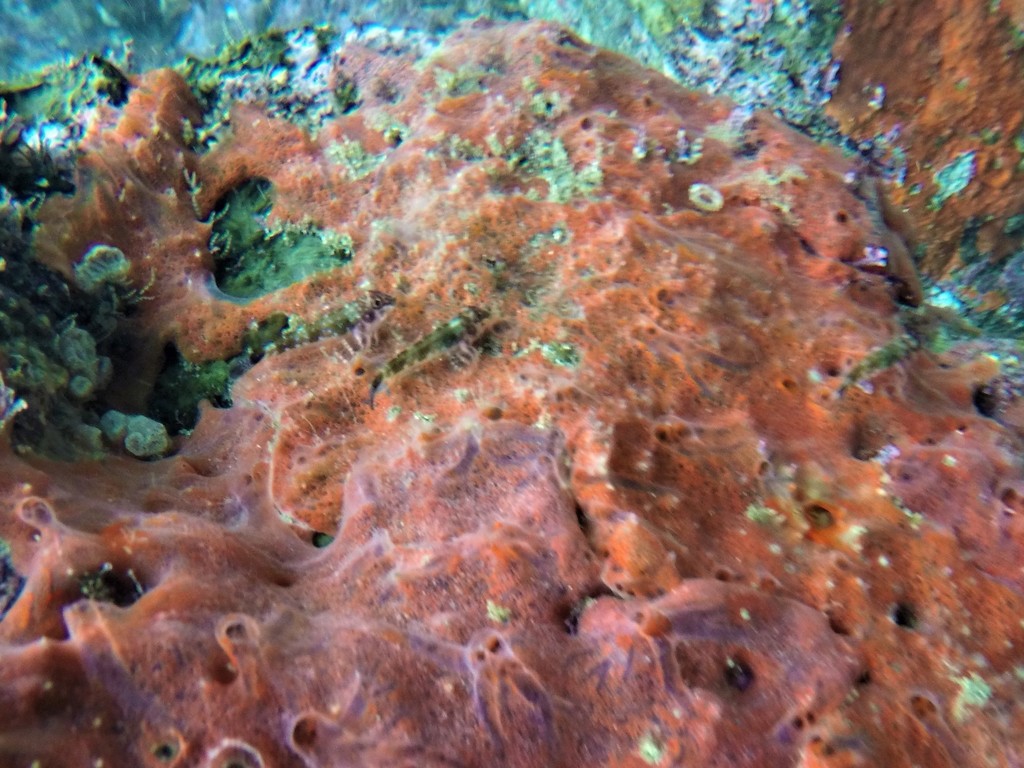 carmine triplefin
Enneanectes carminalis
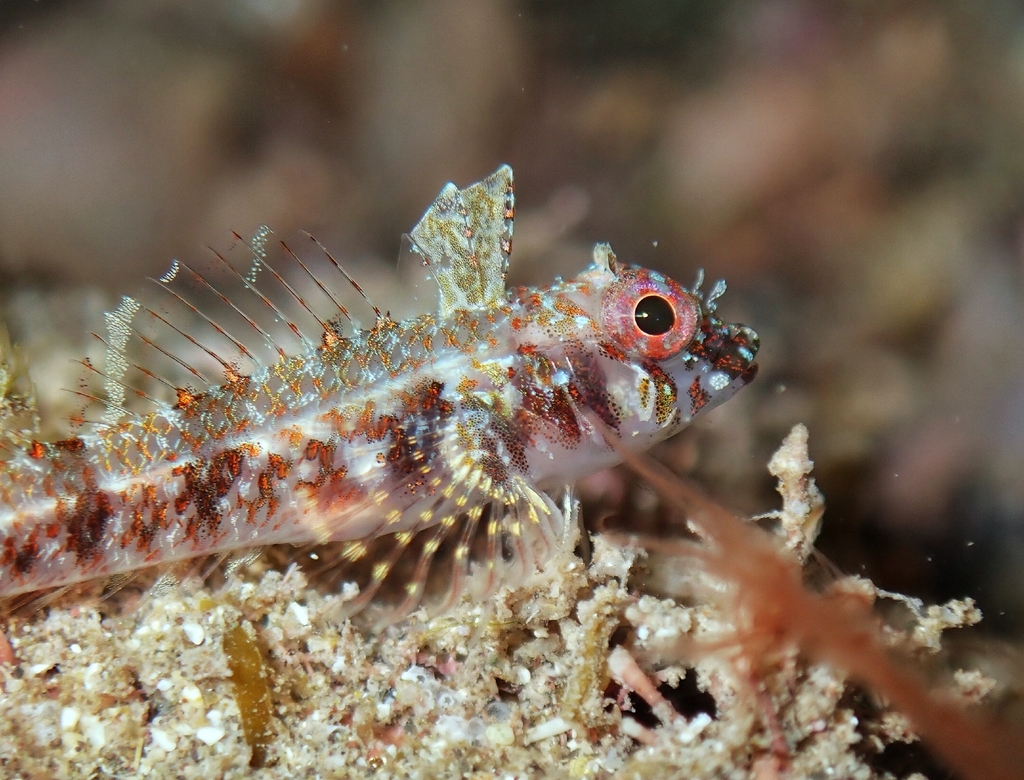 Mexican Triplefin
Enneanectes macrops
- Island Triplefin
Enneanectes exsul
- Mimic triplefin
Enneanectes jordani
Sources and credits
Names and taxonomy: WoRMS (CC BY 4.0) and the GBIF Backbone (CC BY 4.0). Photos: iNaturalist observers, each under the licence shown (CC0, CC BY or CC BY-SA).
- Depth, temperature, months and maps: records from OBIS and GBIF under CC0 or CC BY.
- Descriptions: Wikipedia, licensed CC BY-SA, each linked to its article.
- Conservation status as published by GBIF (IUCN Red List).
- 122 open-data records from 1962 to 2006.
- Species data updated November 10, 2026.
Log what you see on your next dive
The free DiveHive diver app keeps your logbook with every sighting and shows what lives at the site you dive next.