
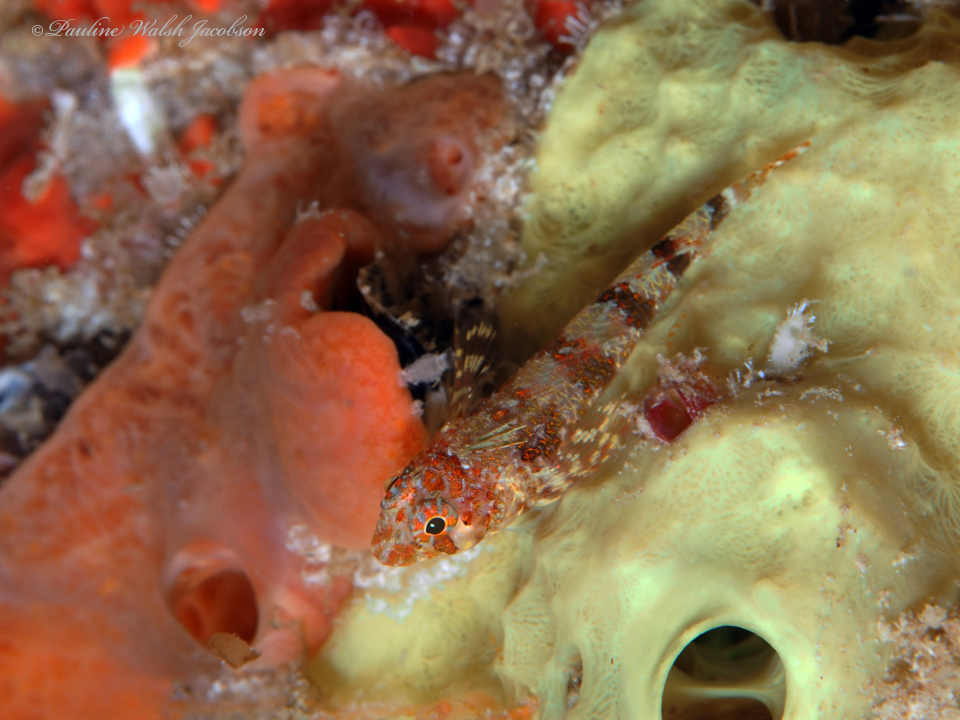
Lofty triplefin
Enneanectes altivelis
- Usual depth2–21 m
- Water temperature24–28 °C
- Best monthsAugust and November
- How commonOccasional
Photo credit: (c) Pauline Walsh Jacobson, some rights reserved (CC BY) · CC BY · iNaturalist
About this species
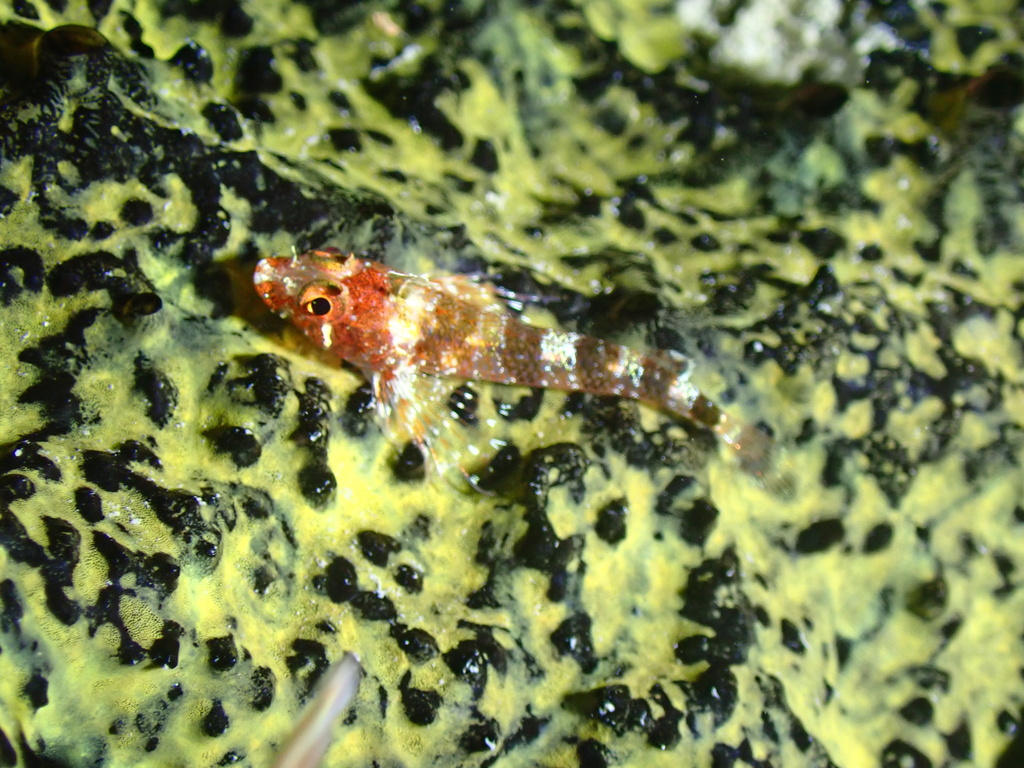
Enneanectes altivelis, known commonly as the lofty triplefin, is a species of triplefin blenny. It is widely distributed in the warmer waters of the western Atlantic from the southern Florida to Touros in Brazil, including the Caribbean and the Gulf of Mexico.
Text from the Wikipedia article “Enneanectes altivelis”, licensed CC BY-SA 4.0. Read the article
Where and when
Where it has been recorded
Worldwide
Best months
Worldwide (open data)
- January: 12 records
- February: 11 records
- March: 2 records
- April: 14 records
- May: 7 records
- June: 8 records
- July: 13 records
- August: 37 records
- September: 15 records
- October: 0 records
- November: 26 records
- December: 0 records
Depth and water temperature
Depth
Mostly recorded at 2–21 m · Deepest record: 29 m
Water temperature
Recorded in surface water of 24–28 °C
Photos
(c) Robin White, some rights reserved (CC BY) · CC BY · iNaturalist 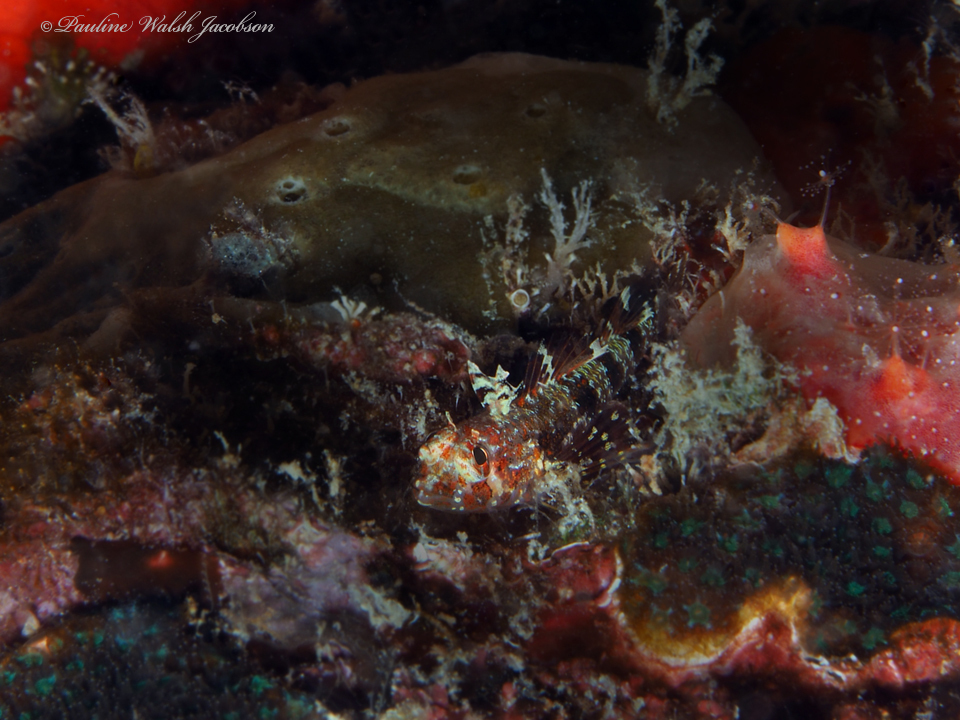
(c) Pauline Walsh Jacobson, some rights reserved (CC BY) · CC BY · iNaturalist 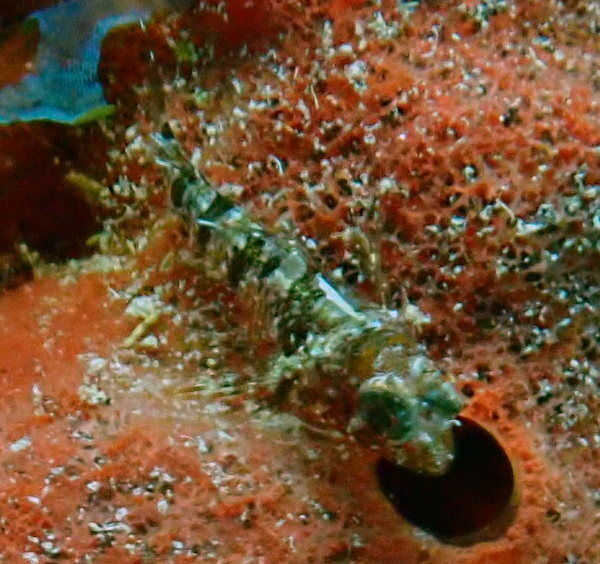
(c) Cos, some rights reserved (CC BY-SA) · CC BY-SA · iNaturalist
Names and classification
- English
- Lofty triplefin, lofty triplefin
Names in 2 more languages
- Spanish
- sapito barreado, tres aletas de barras
- French
- Blennie trois-nageoires des hauts
Similar species
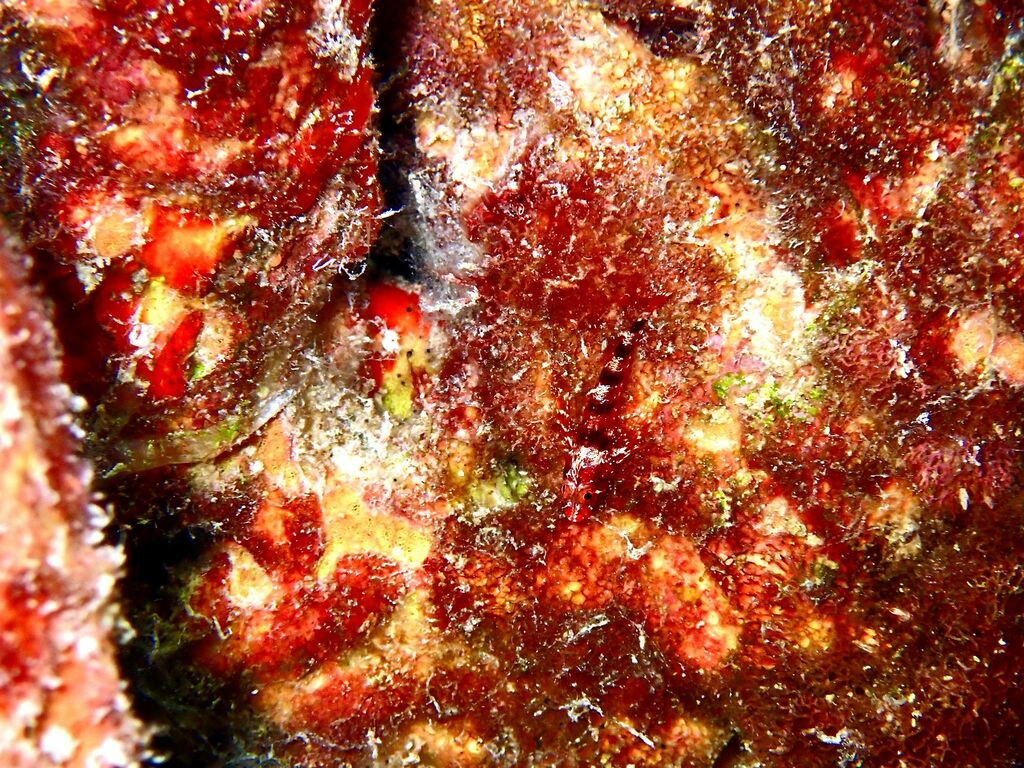 Blackedge triplefin
Enneanectes atrorus
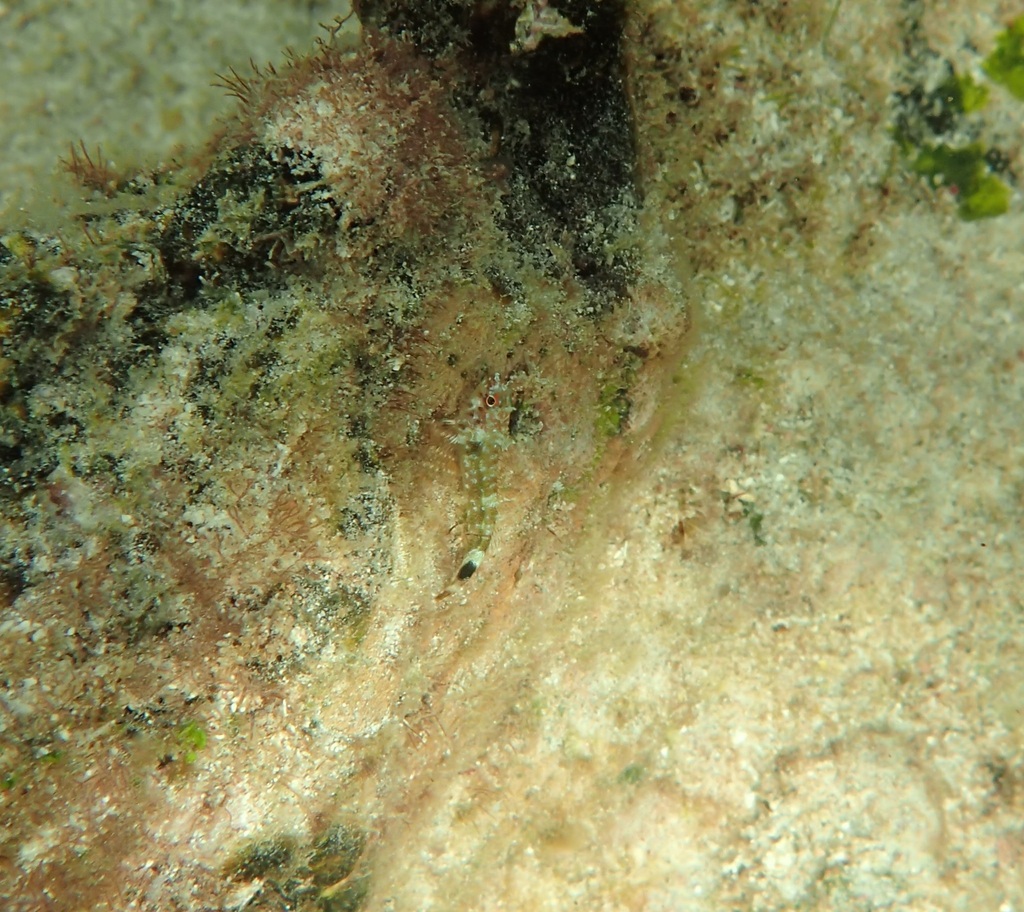 Roughhead triplefin
Enneanectes boehlkei
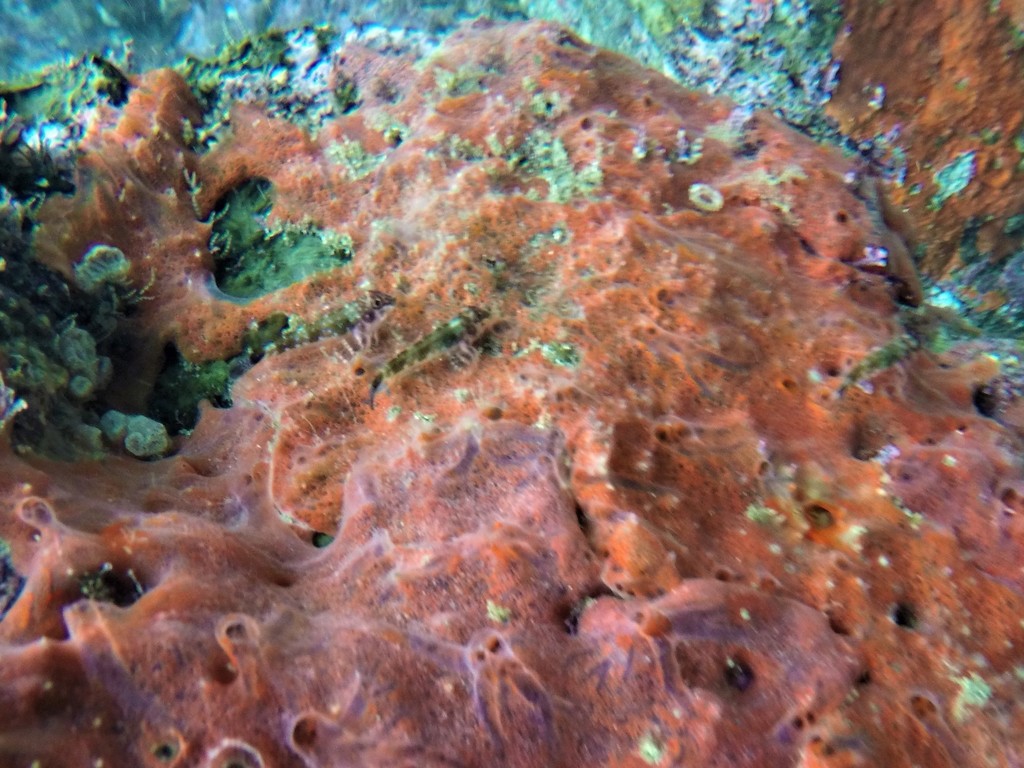 carmine triplefin
Enneanectes carminalis
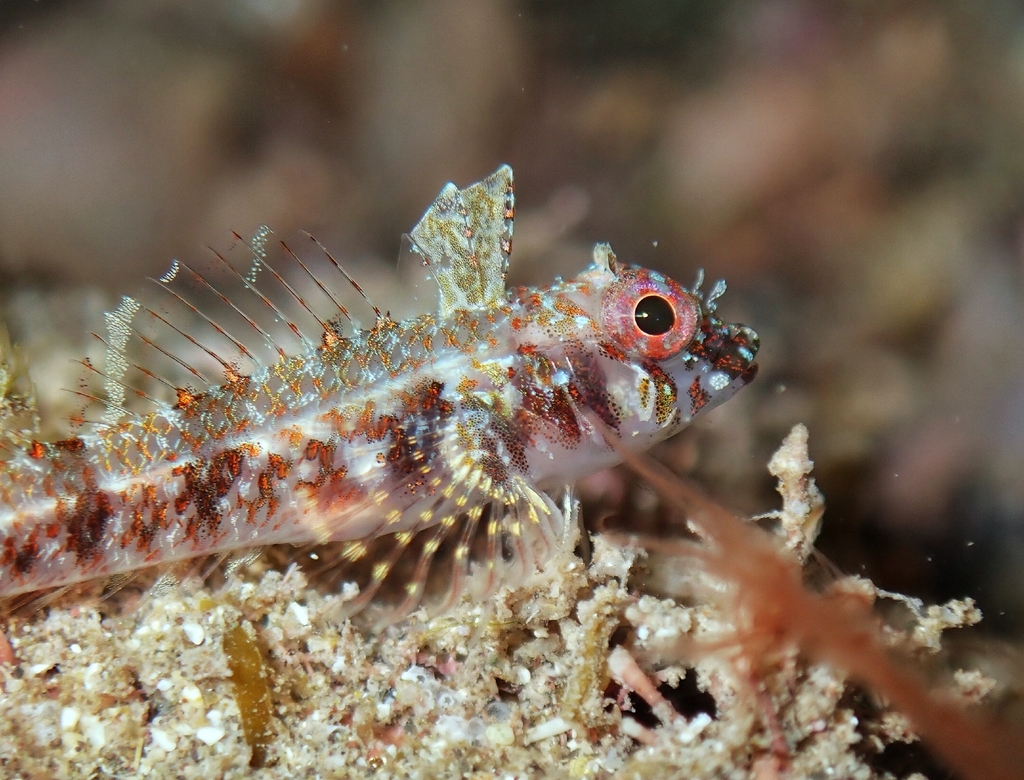 Mexican Triplefin
Enneanectes macrops
- Island Triplefin
Enneanectes exsul
- Mimic triplefin
Enneanectes jordani
Sources and credits
Names and taxonomy: WoRMS (CC BY 4.0) and the GBIF Backbone (CC BY 4.0). Photos: iNaturalist observers, each under the licence shown (CC0, CC BY or CC BY-SA).
- Depth, temperature, months and maps: records from OBIS and GBIF under CC0 or CC BY.
- Descriptions: Wikipedia, licensed CC BY-SA, each linked to its article.
- Conservation status as published by GBIF (IUCN Red List).
- 511 open-data records from 1965 to 2023.
- Species data updated November 10, 2026.
Log what you see on your next dive
The free DiveHive diver app keeps your logbook with every sighting and shows what lives at the site you dive next.