
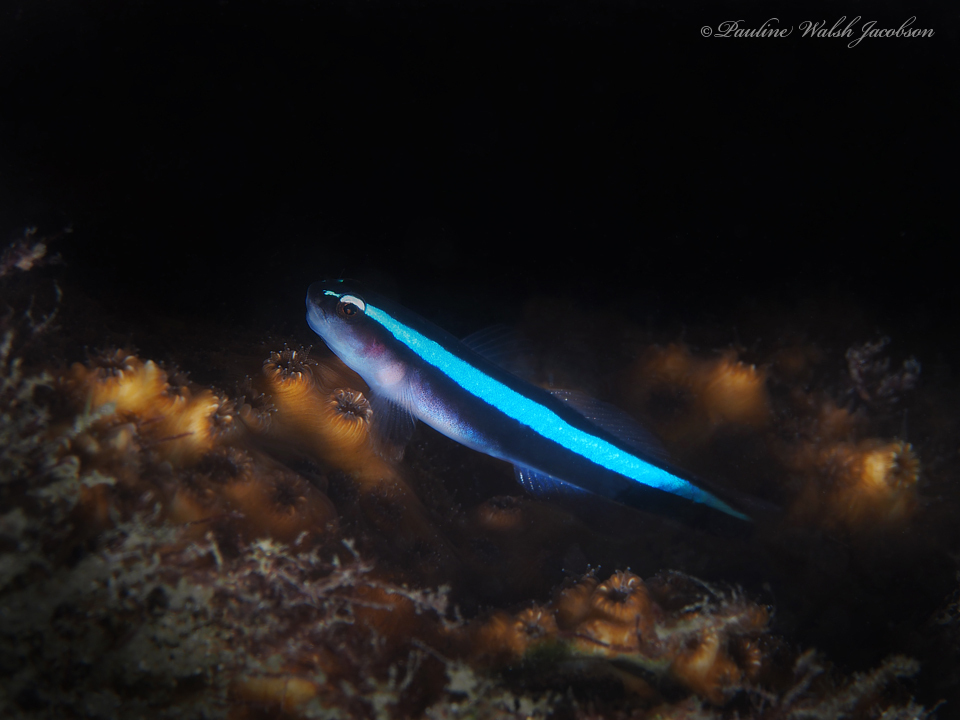
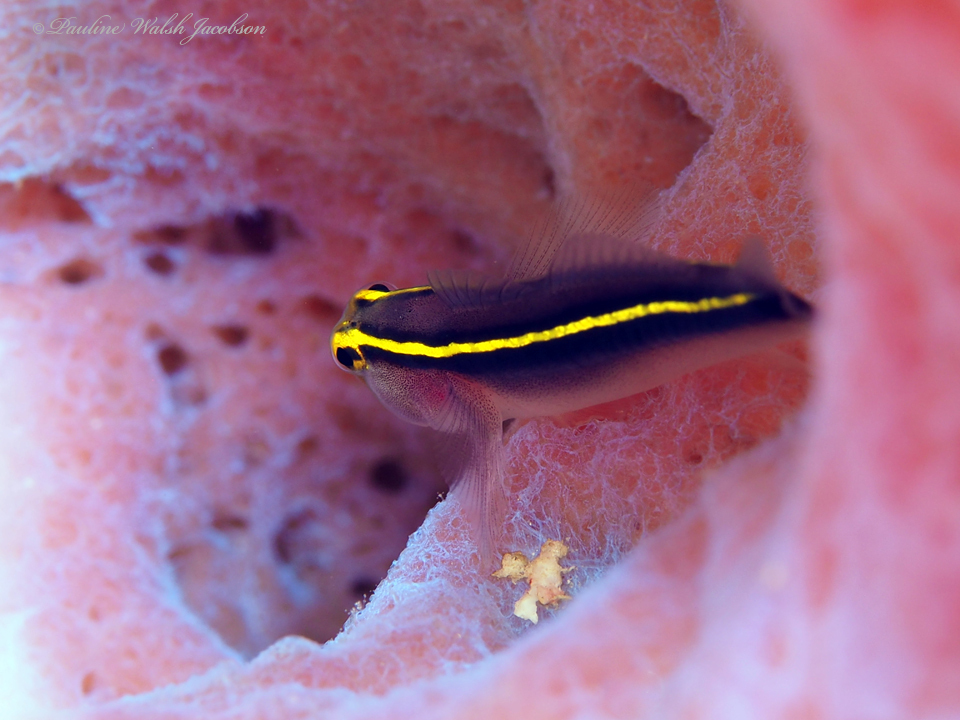
Neon goby
Elacatinus oceanops
- Usual depth4–22 m
- Water temperature26–28 °C
- Best monthsJune
- How commonCommon
Photo credit: (c) Pauline Walsh Jacobson, some rights reserved (CC BY), uploaded by Pauline Walsh Jacobson · CC BY · iNaturalist
About this species
Elacatinus oceanops, commonly known as the neon goby, is a species of goby native to waters of the Atlantic and Gulf coast of North America from Florida to Belize. This cleaner fish can be found on coral heads at depths from 1 to 45 m. This species grows to a total length of 5 cm (2.0 in). This species can also be found in the aquarium trade.
Text from the Wikipedia article “Elacatinus oceanops”, licensed CC BY-SA 4.0. Read the article
Where and when
Where it has been recorded
Worldwide
Best months
Worldwide (open data)
- January: 6 records
- February: 7 records
- March: 13 records
- April: 14 records
- May: 1,695 records
- June: 4,177 records
- July: 1,919 records
- August: 1,507 records
- September: 510 records
- October: 165 records
- November: 58 records
- December: 13 records
Depth and water temperature
Depth
Mostly recorded at 4–22 m · Deepest record: 32.3 m
Water temperature
Recorded in surface water of 26–28 °C
Photos
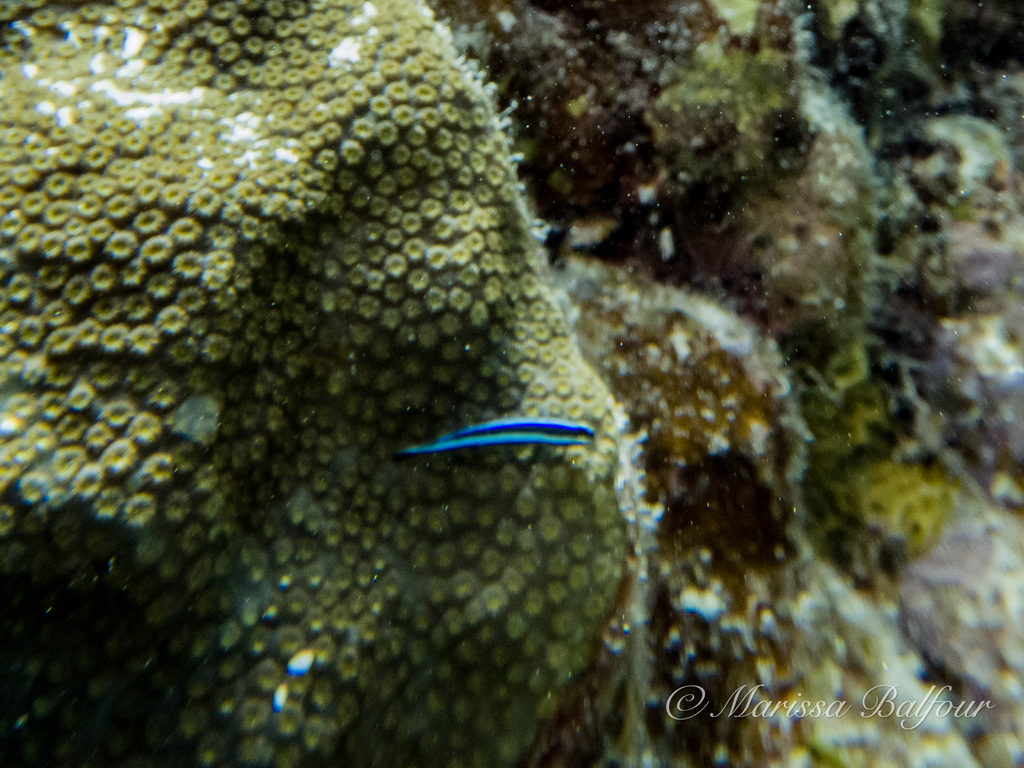
no rights reserved · CC0 1.0 · iNaturalist 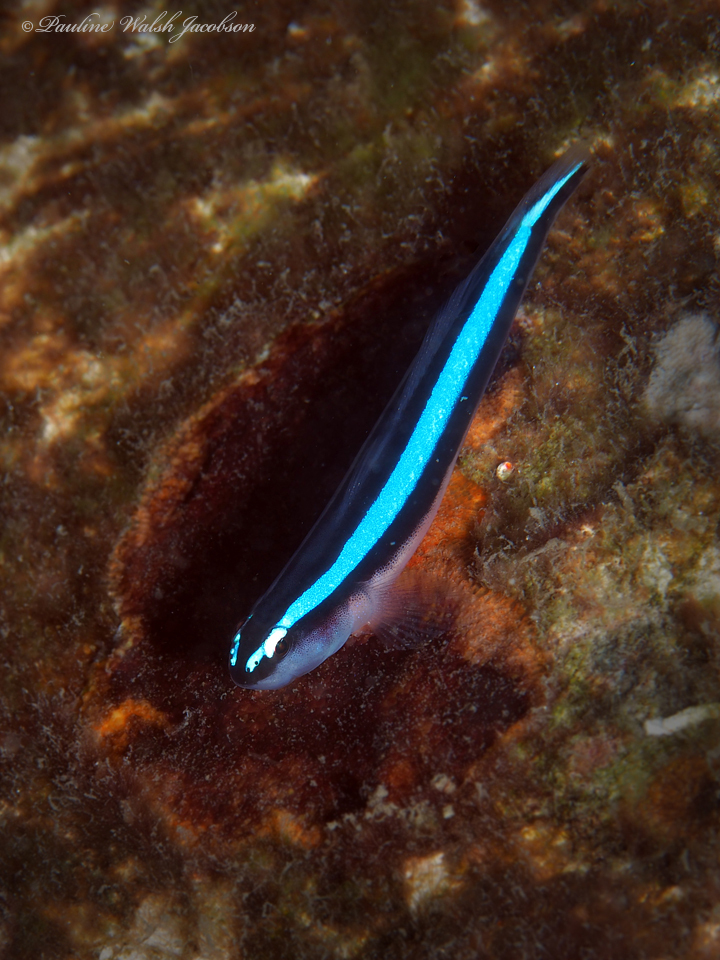
(c) Pauline Walsh Jacobson, some rights reserved (CC BY) · CC BY · iNaturalist 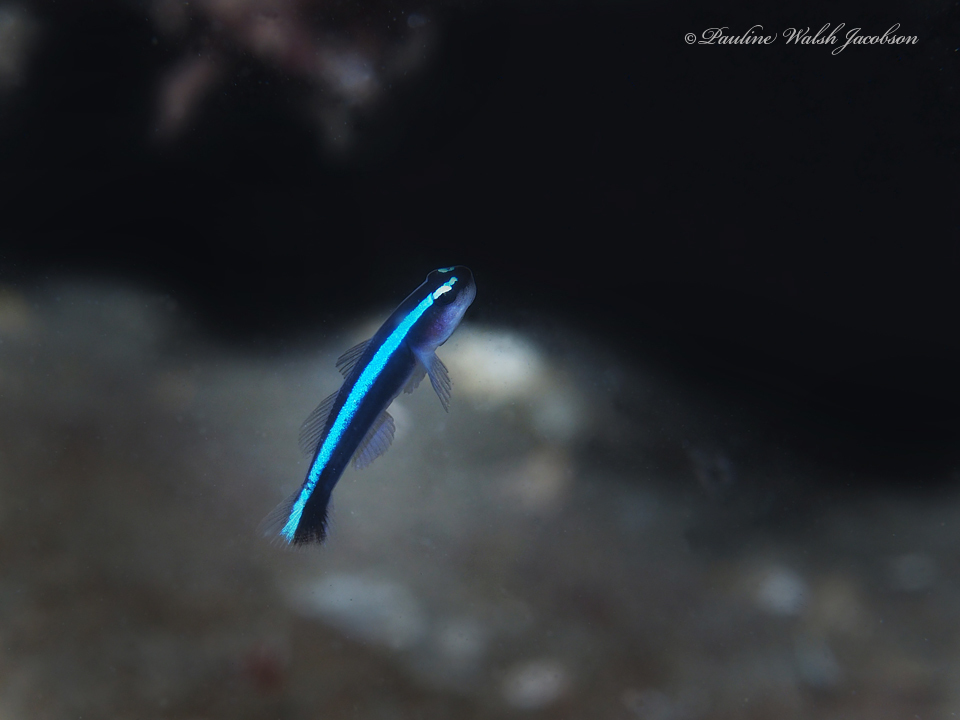
(c) Pauline Walsh Jacobson, some rights reserved (CC BY) · CC BY · iNaturalist 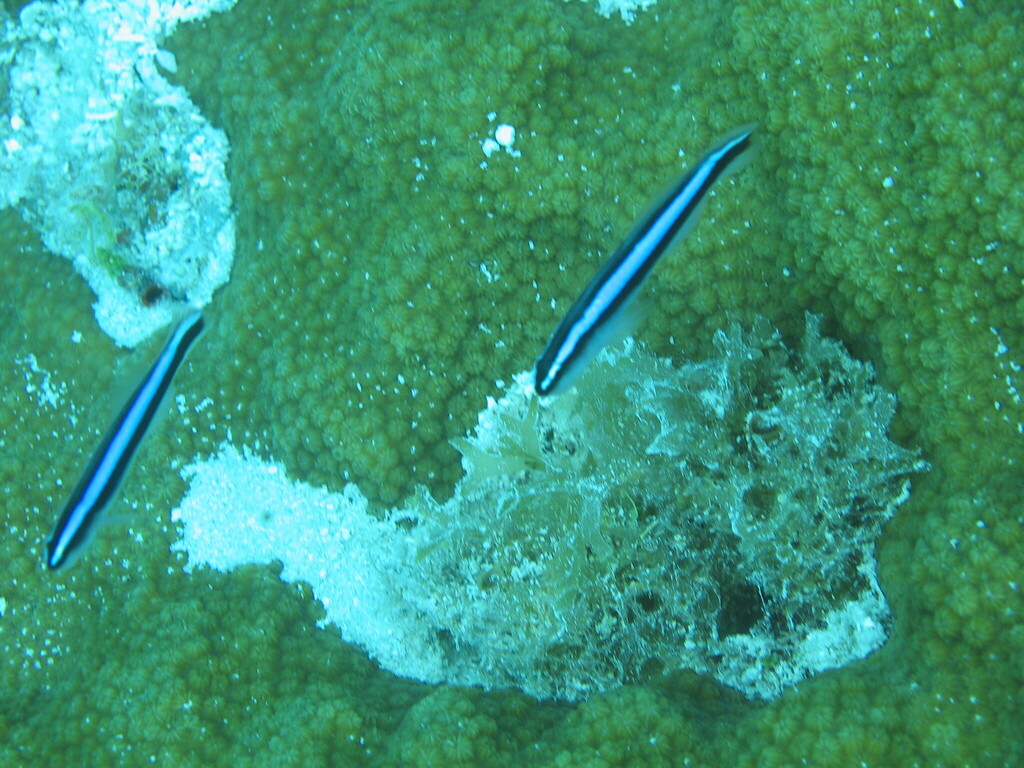
(c) Robert Webster, some rights reserved (CC BY-SA) · CC BY-SA · iNaturalist 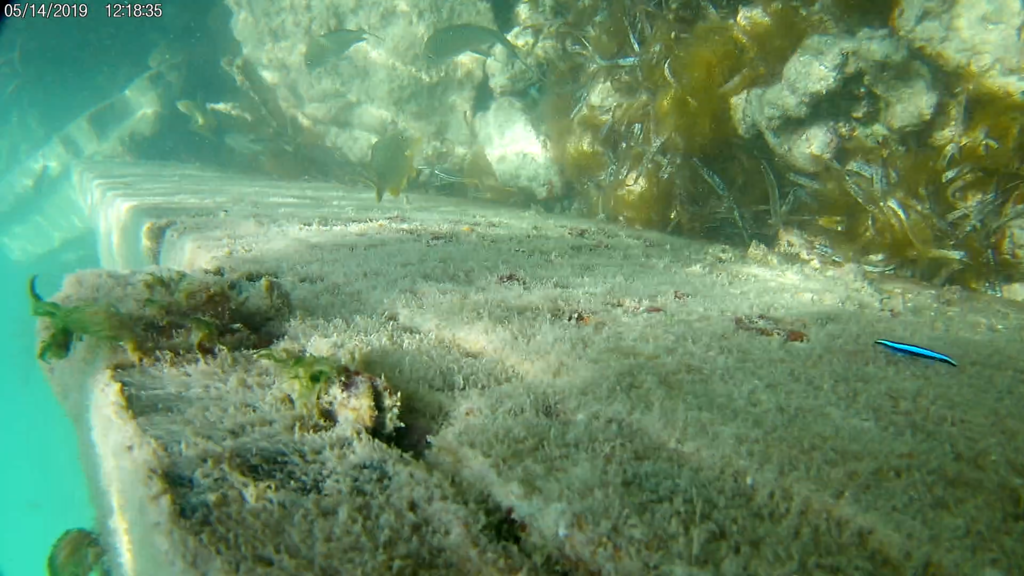
no rights reserved · CC0 1.0 · iNaturalist 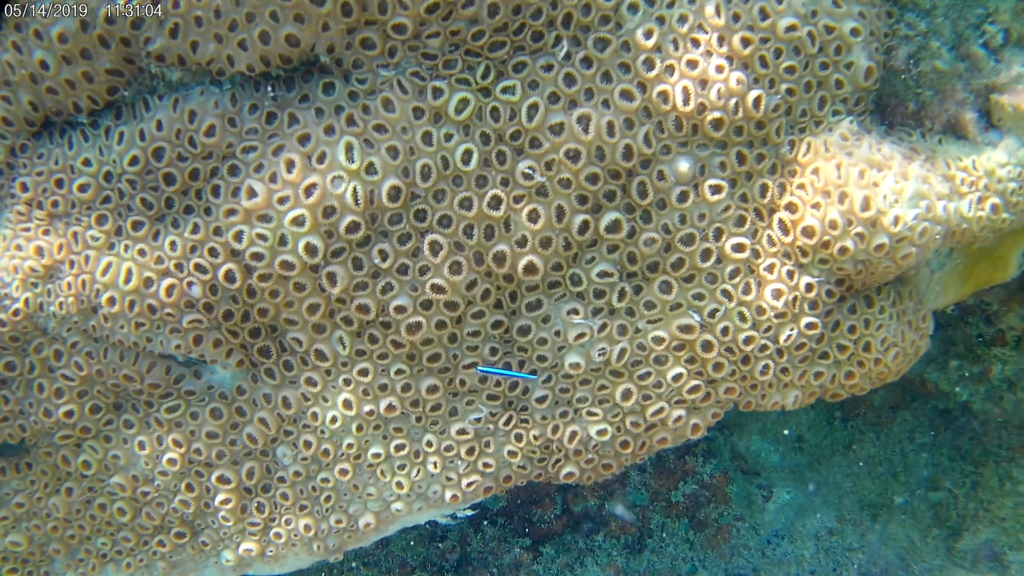
no rights reserved · CC0 1.0 · iNaturalist 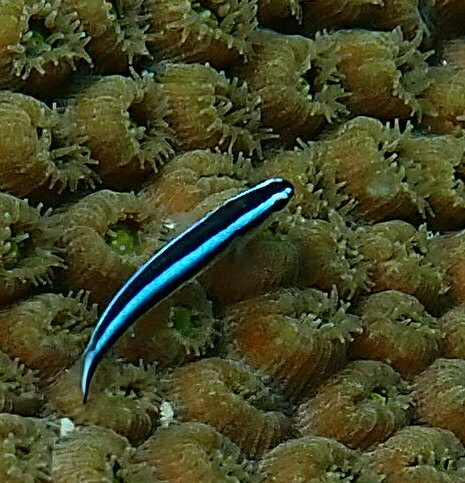
(c) Cos, some rights reserved (CC BY-SA) · CC BY-SA · iNaturalist
Names and classification
- English
- Neon goby, neon goby, Northern Neon Goby
Names in 2 more languages
- Spanish
- Gobio neón
- Simplified Chinese
- 虹鮈鰕虎魚, 霓虹鰕虎魚
Other scientific names: Gobiosoma oceanops
Similar species
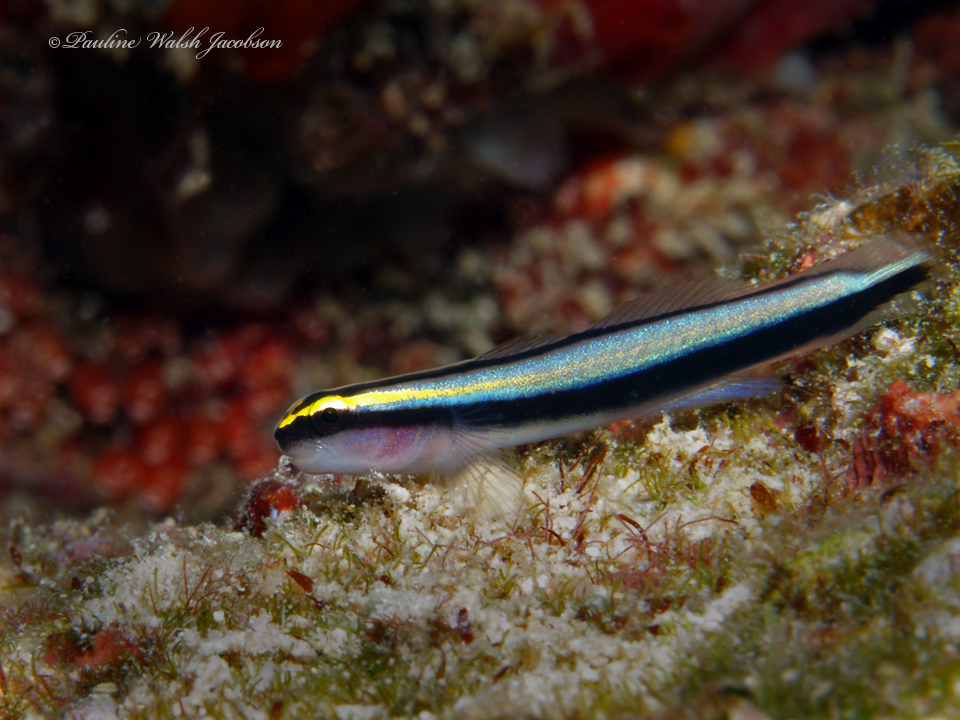 Sharknose goby
Elacatinus evelynae
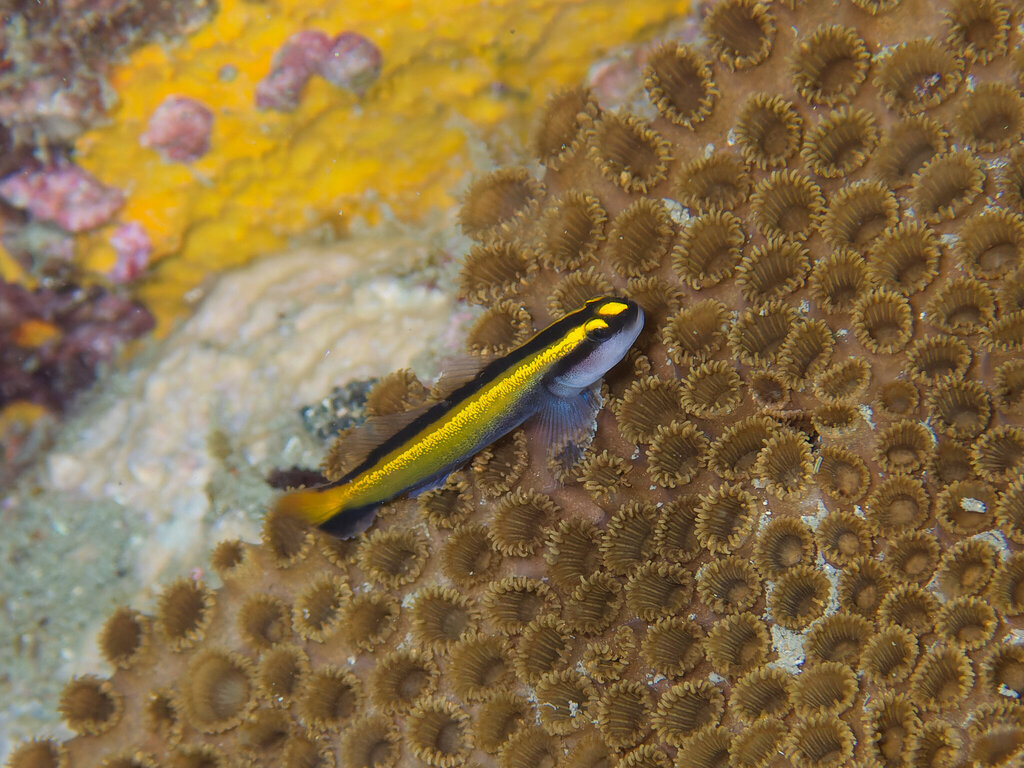 Barber Goby
Elacatinus figaro
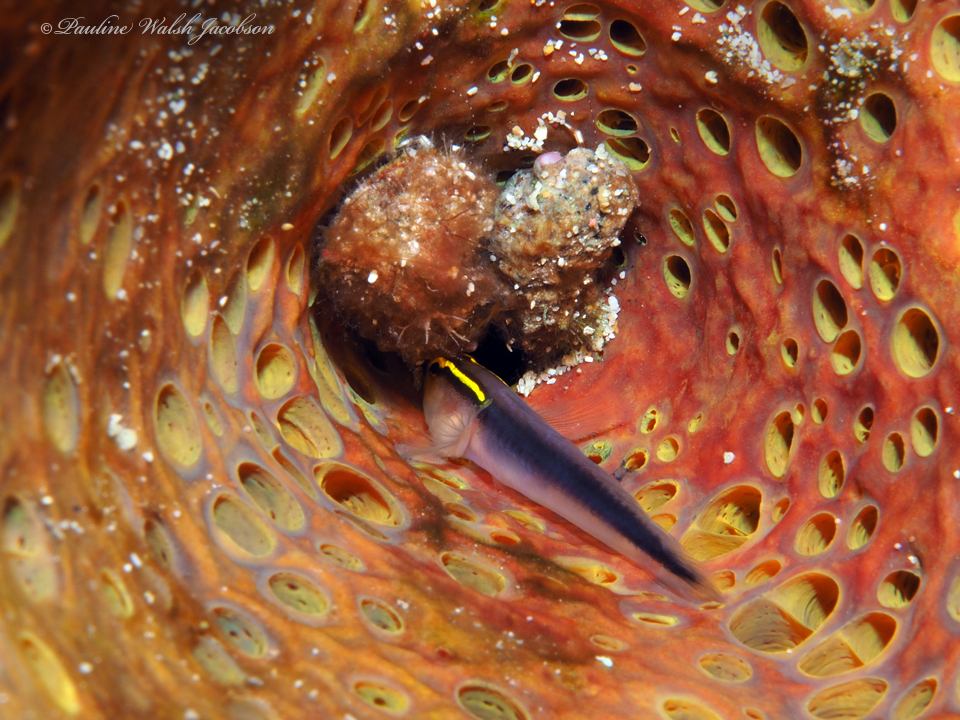 Shortstripe Goby
Elacatinus chancei
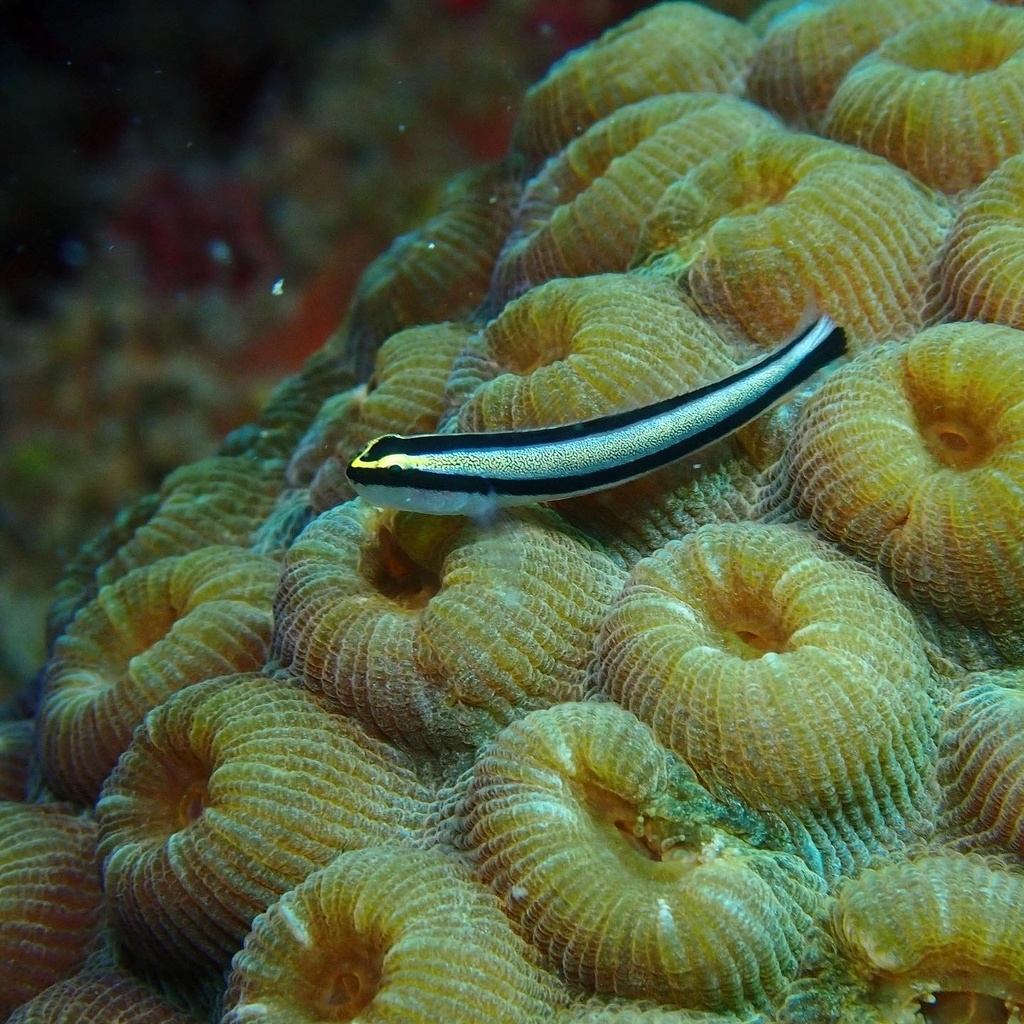 Cleaning goby
Elacatinus genie
 Yellowline goby
Elacatinus horsti
 Barsnout goby
Elacatinus illecebrosus
Sources and credits
Names and taxonomy: WoRMS (CC BY 4.0) and the GBIF Backbone (CC BY 4.0). Photos: iNaturalist observers, each under the licence shown (CC0, CC BY or CC BY-SA).
- Depth, temperature, months and maps: records from OBIS and GBIF under CC0 or CC BY.
- Descriptions: Wikipedia, licensed CC BY-SA, each linked to its article.
- Conservation status as published by GBIF (IUCN Red List).
- 10,172 open-data records from 1962 to 2018.
- Species data updated November 10, 2026.
Log what you see on your next dive
The free DiveHive diver app keeps your logbook with every sighting and shows what lives at the site you dive next.