
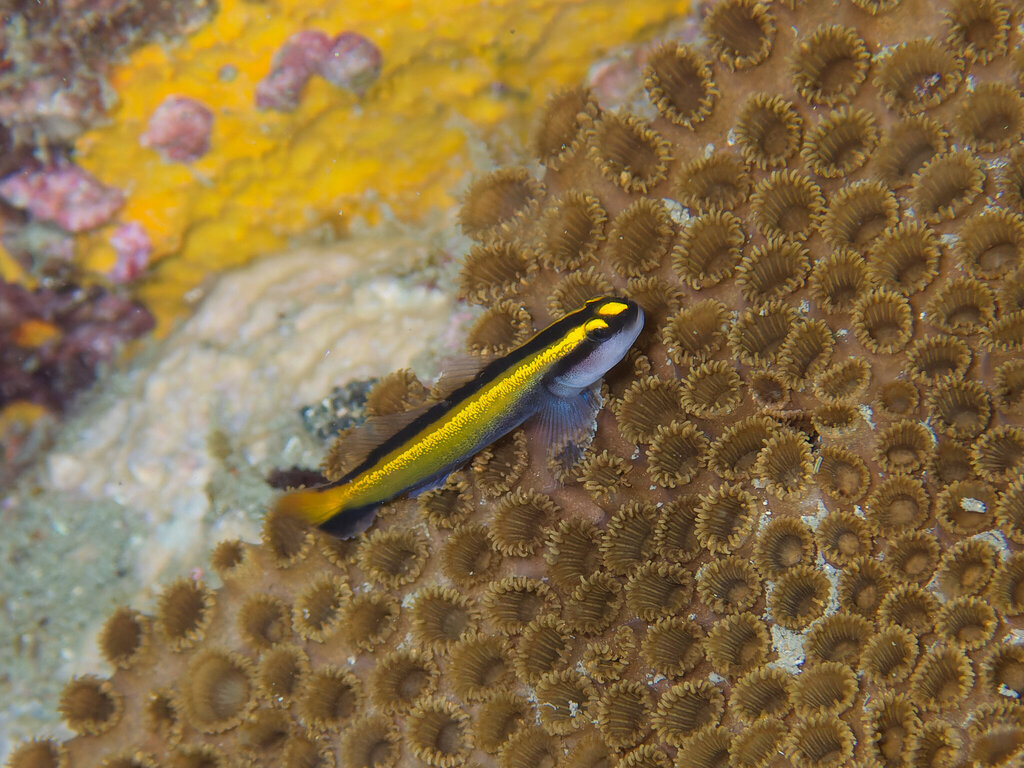
Barber Goby
Elacatinus figaro
- Usual depth4–10 m
- Water temperature23–28 °C
- Best monthsFebruary and March
- How commonOccasional
Photo credit: (c) Donald Davesne, some rights reserved (CC BY) · CC BY · iNaturalist
About this species
Elacatinus figaro, the barber goby or yellow line goby, is a colourful species of marine goby, family Gobiidae, from the southwestern Atlantic, where it is endemic to the coastal waters of Brazil.
Text from the Wikipedia article “Elacatinus figaro”, licensed CC BY-SA 4.0. Read the article
Where and when
Where it has been recorded
Worldwide
Best months
Worldwide (open data)
- January: 43 records
- February: 138 records
- March: 164 records
- April: 79 records
- May: 69 records
- June: 4 records
- July: 4 records
- August: 15 records
- September: 8 records
- October: 30 records
- November: 12 records
- December: 17 records
Depth and water temperature
Depth
Mostly recorded at 4–10 m · Deepest record: 28 m
Water temperature
Recorded in surface water of 23–28 °C
Photos
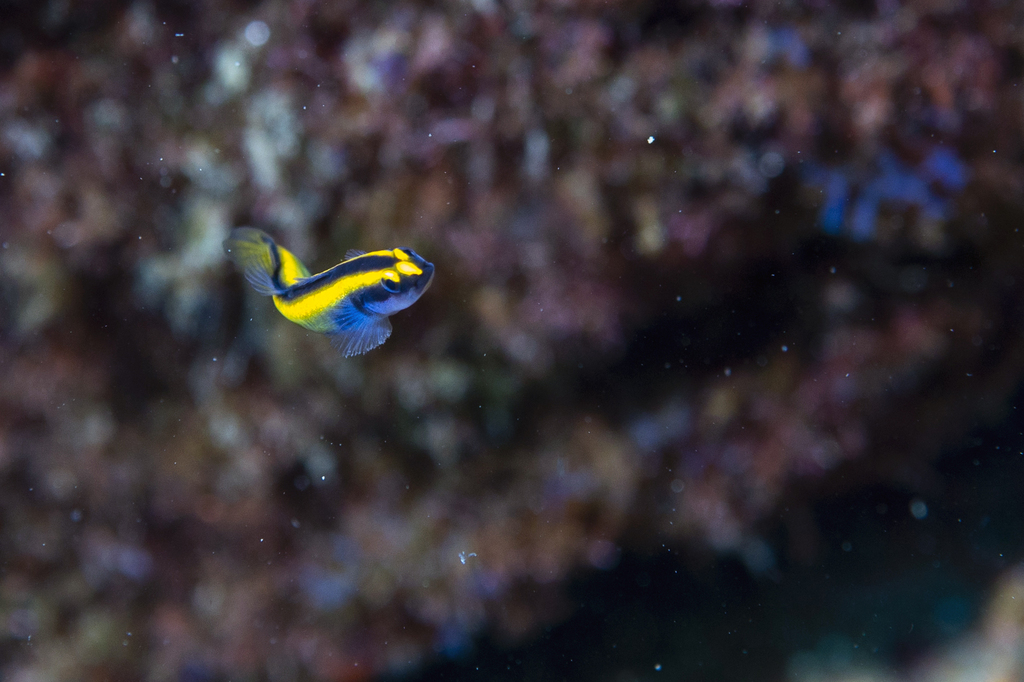
(c) R Vasconcellos, some rights reserved (CC BY) · CC BY · iNaturalist 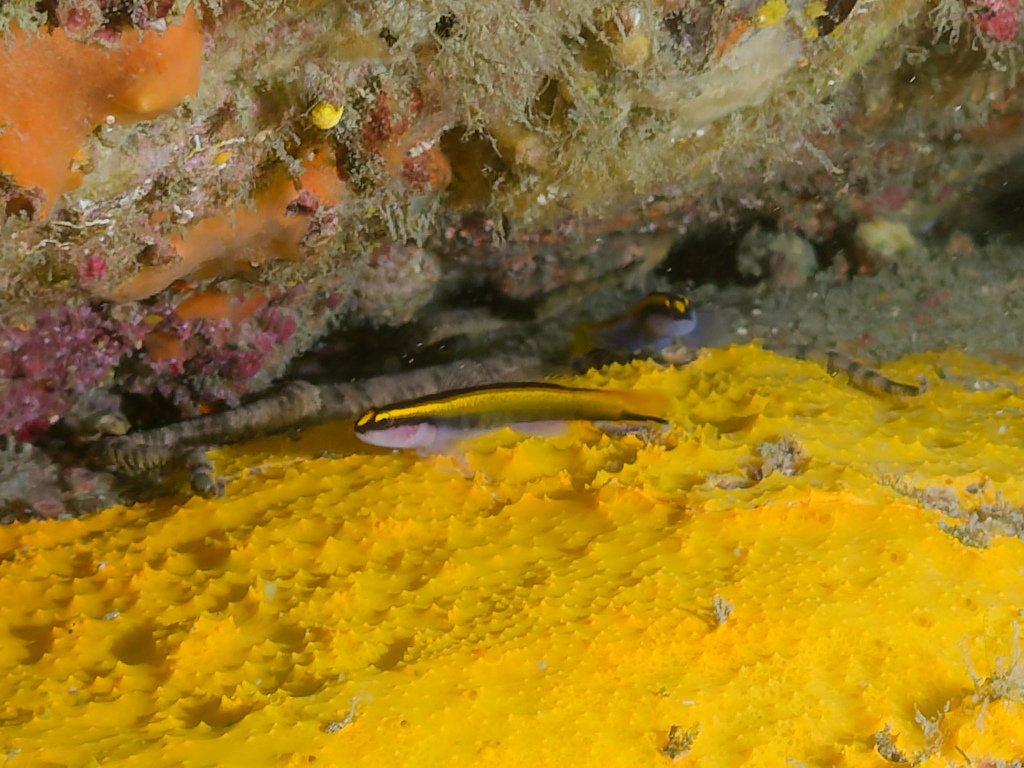
(c) Donald Davesne, some rights reserved (CC BY) · CC BY · iNaturalist
Names and classification
- English
- Barber Goby, Brazilian Neon Goby, Goldline Goby, Gold-line Neon Goby, Yellow line Goby, Yellow-line Goby
Names in 2 more languages
- French
- Gobie néon brésilien
- Simplified Chinese
- 菲格羅霓虹鰕虎魚
Similar species
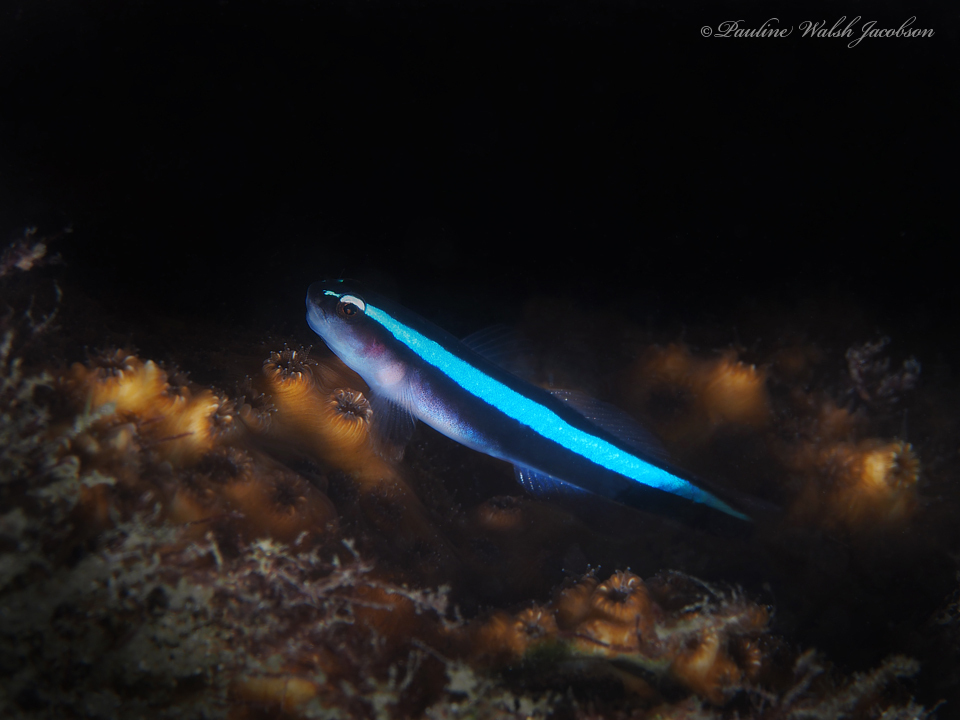 Neon goby
Elacatinus oceanops
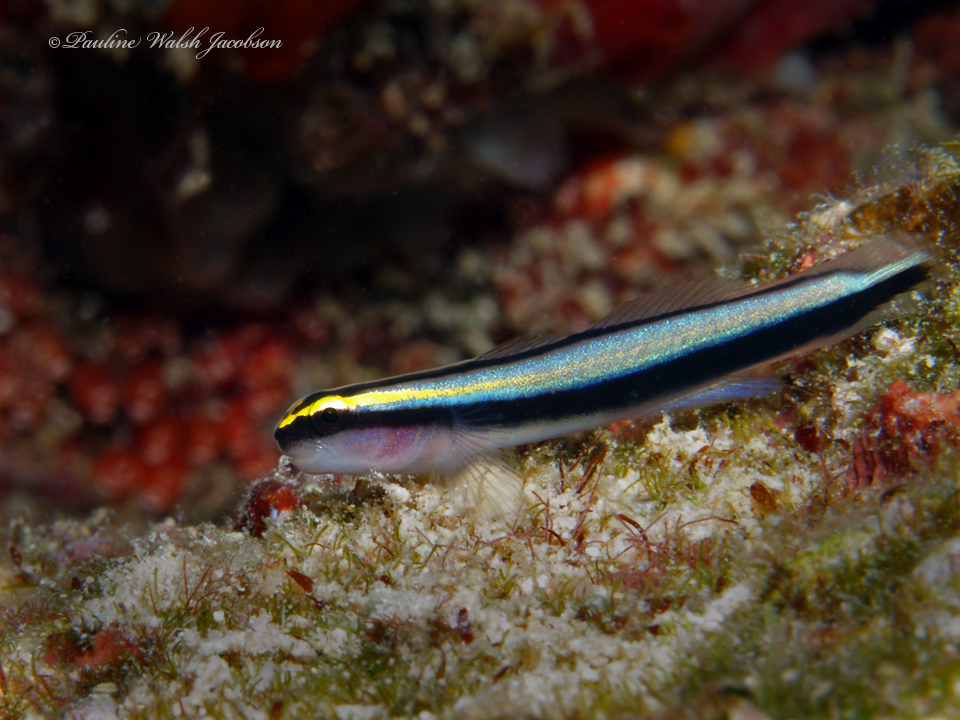 Sharknose goby
Elacatinus evelynae
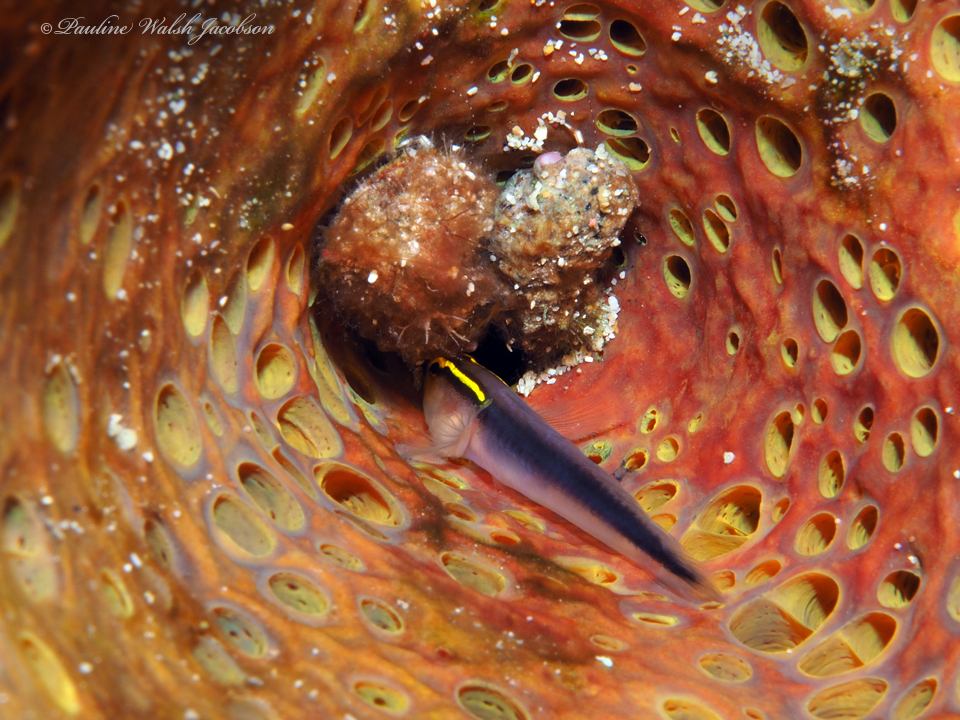 Shortstripe Goby
Elacatinus chancei
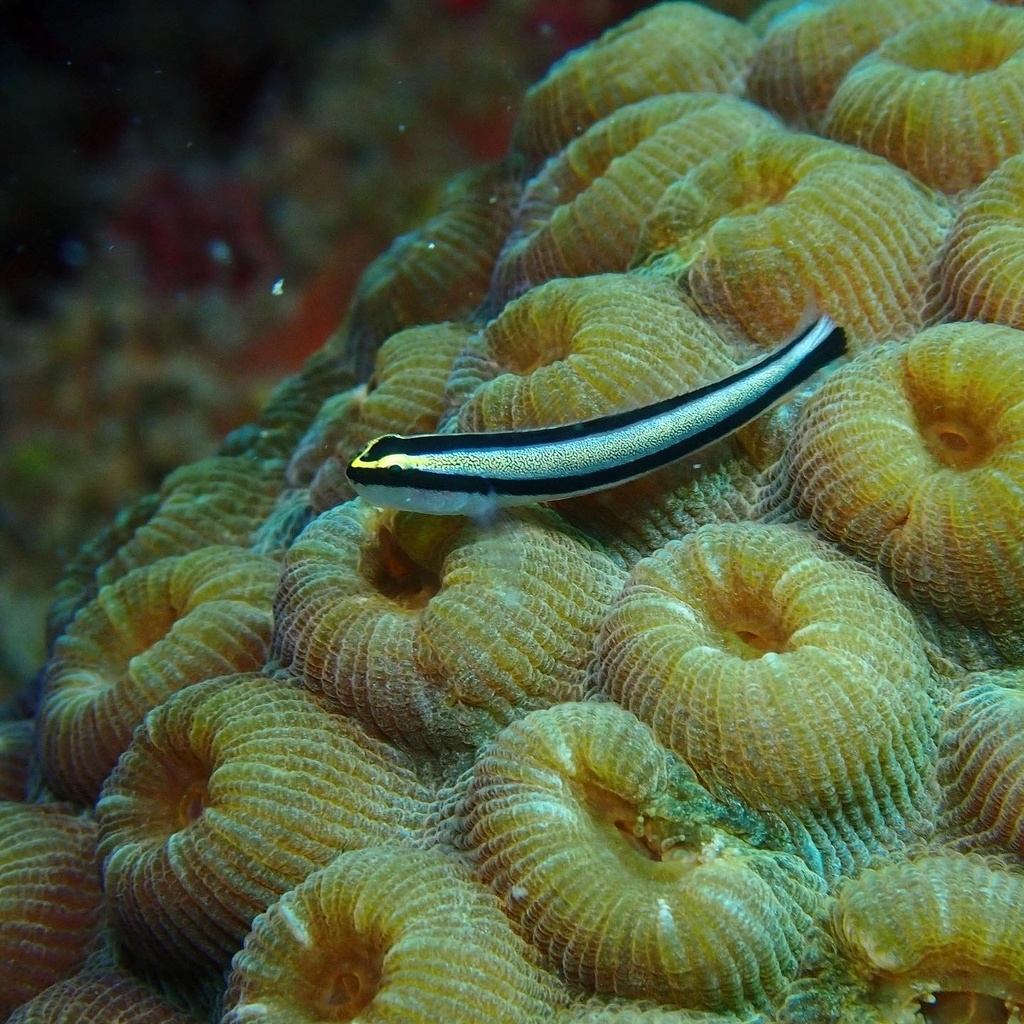 Cleaning goby
Elacatinus genie
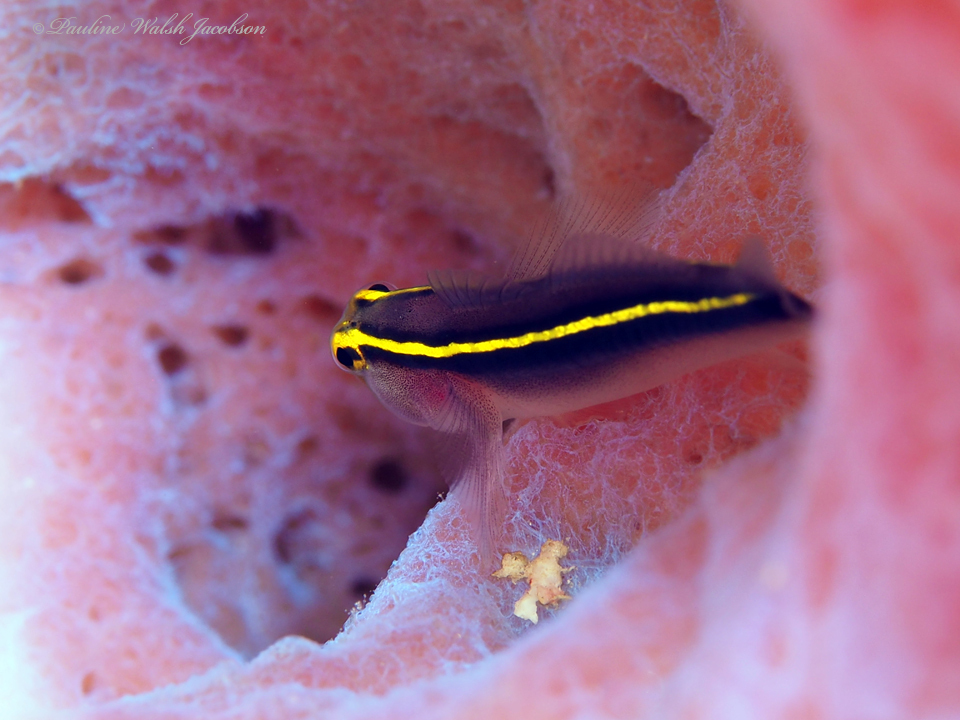 Yellowline goby
Elacatinus horsti
 Barsnout goby
Elacatinus illecebrosus
Sources and credits
Names and taxonomy: WoRMS (CC BY 4.0) and the GBIF Backbone (CC BY 4.0). Photos: iNaturalist observers, each under the licence shown (CC0, CC BY or CC BY-SA).
- Depth, temperature, months and maps: records from OBIS and GBIF under CC0 or CC BY.
- Descriptions: Wikipedia, licensed CC BY-SA, each linked to its article.
- Conservation status as published by GBIF (IUCN Red List).
- 1,091 open-data records from 2000 to 2022.
- Species data updated November 10, 2026.
Log what you see on your next dive
The free DiveHive diver app keeps your logbook with every sighting and shows what lives at the site you dive next.