

Pacific crevalle jack
Caranx caninus
- Usual depth0–15 m
- Water temperature22–29 °C
- Best monthsFebruary, March, and April
- How commonOccasional
Photo credit: (c) Alberto Alcalá, some rights reserved (CC BY), uploaded by Alberto Alcalá · CC BY · iNaturalist
About this species
The Pacific crevalle jack is a species of large marine fish classified in the jack family Carangidae. The species is distributed through the tropical waters of the eastern Pacific Ocean from California in the north to Peru in the south, including several offshore islands. The species is best identified by its deep body and mostly unscaled breast, as well as other more detailed anatomical features. The species is known to grow to a maximum length of 101 cm and a weight of 19.7 kg. Disagreement on the status of the species has been significant in the scientific literature, with many claiming it to be conspecific with or subspecific to the Atlantic Caranx hippos. The most recent review of the crevalle jacks strongly concluded it to be a separate species based on the development of hyperostosis and fin colouring. It is predominantly a schooling inshore species, inhabiting sandy and rocky substrates, although larger individuals are occasionally found living pelagically to depths of 350 m. The Pacific crevalle jack is a fast-swimming predator, taking a variety of fish, crustaceans, and other small invertebrates. Spawning is thought to occur year-round, although peaks occur during November and May. The Pacific crevalle jack is an important species to commercial fisheries, with data available from Colima in Mexico indicating it accounts for up to 15% of the entire yearly catch.
Text from the Wikipedia article “Pacific crevalle jack”, licensed CC BY-SA 4.0. Read the article
Where and when
Where it has been recorded
Worldwide
Best months
Worldwide (open data)
- January: 69 records
- February: 111 records
- March: 76 records
- April: 110 records
- May: 72 records
- June: 51 records
- July: 63 records
- August: 58 records
- September: 48 records
- October: 62 records
- November: 46 records
- December: 62 records
Depth and water temperature
Depth
Mostly recorded at 0–15 m · Deepest record: 16.5 m
Water temperature
Recorded in surface water of 22–29 °C
Photos

(c) keesgroenendijk, some rights reserved (CC BY), uploaded by keesgroenendijk · CC BY · iNaturalist 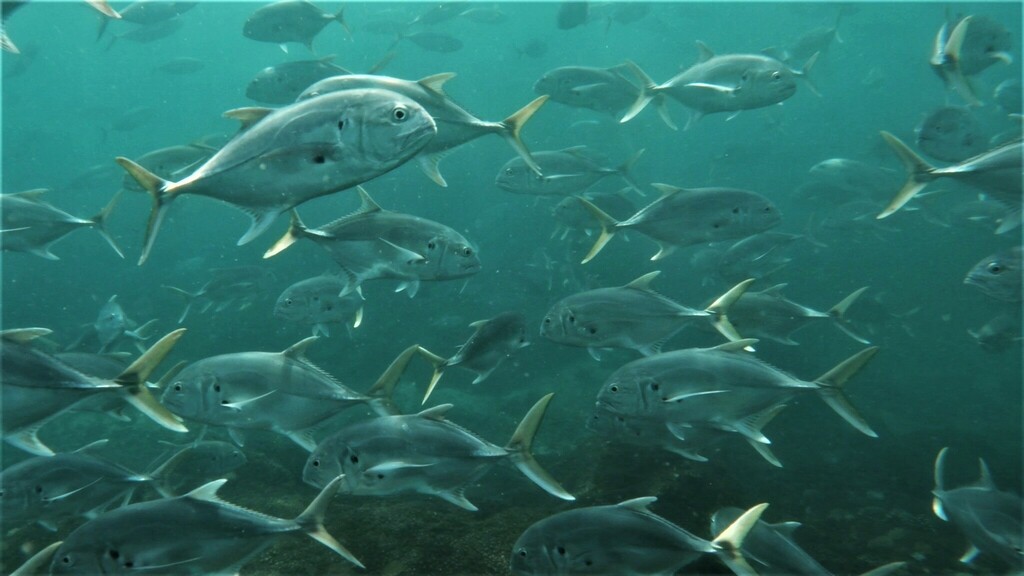
(c) Alberto Alcalá, some rights reserved (CC BY), uploaded by Alberto Alcalá · CC BY · iNaturalist 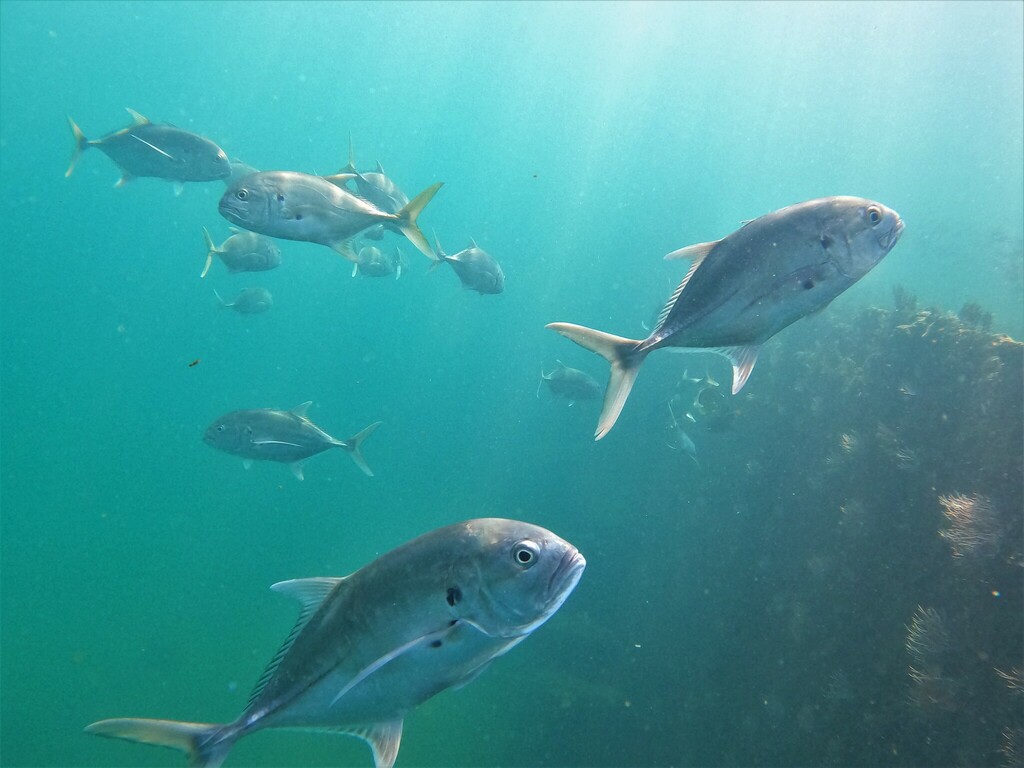
(c) Alberto Alcalá, some rights reserved (CC BY), uploaded by Alberto Alcalá · CC BY · iNaturalist 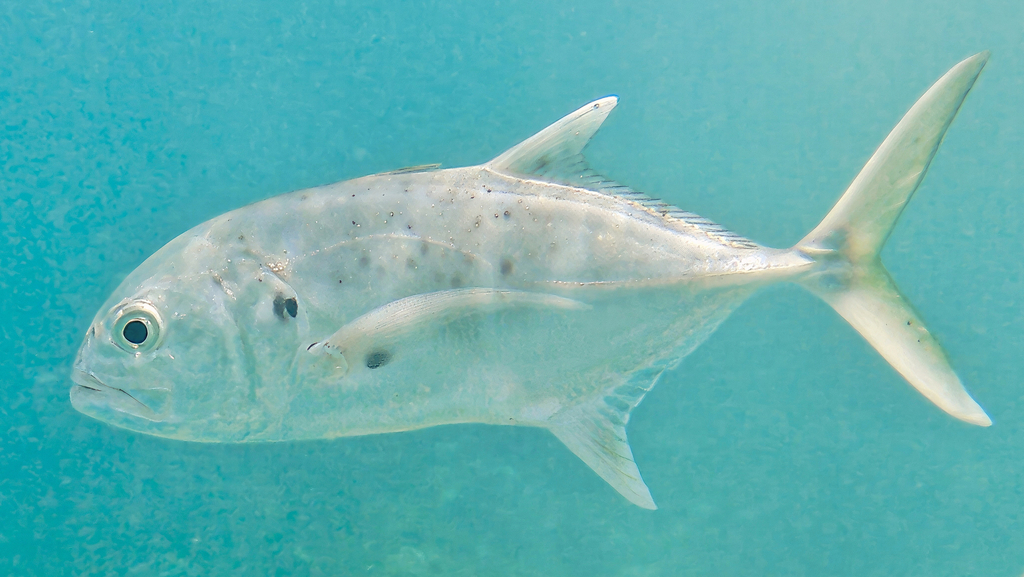
(c) Bill Levine, some rights reserved (CC BY) · CC BY · iNaturalist 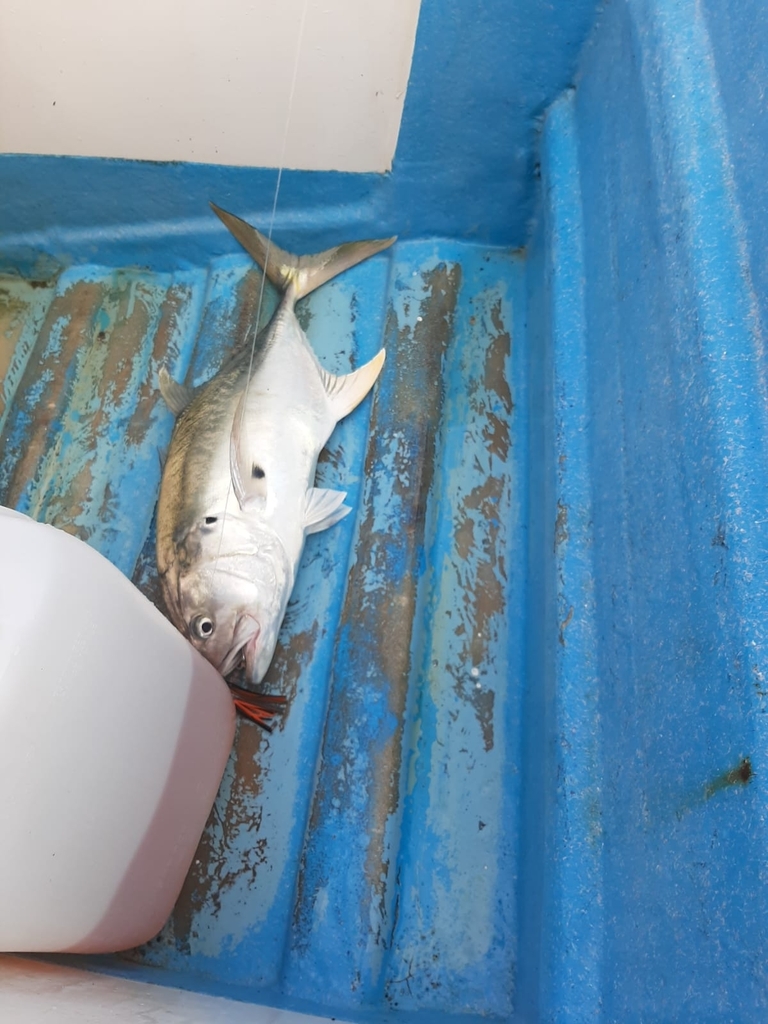
(c) Carlos Martínez, some rights reserved (CC BY) · CC BY · iNaturalist 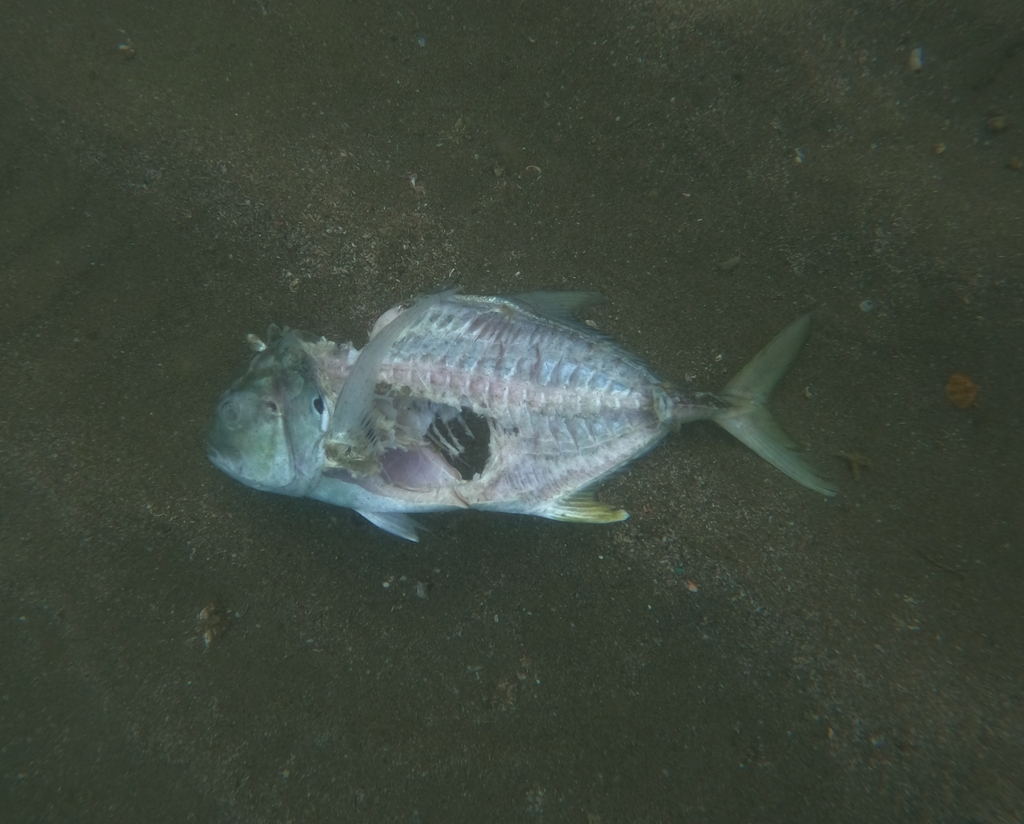
(c) Alberto Alcalá, some rights reserved (CC BY) · CC BY · iNaturalist 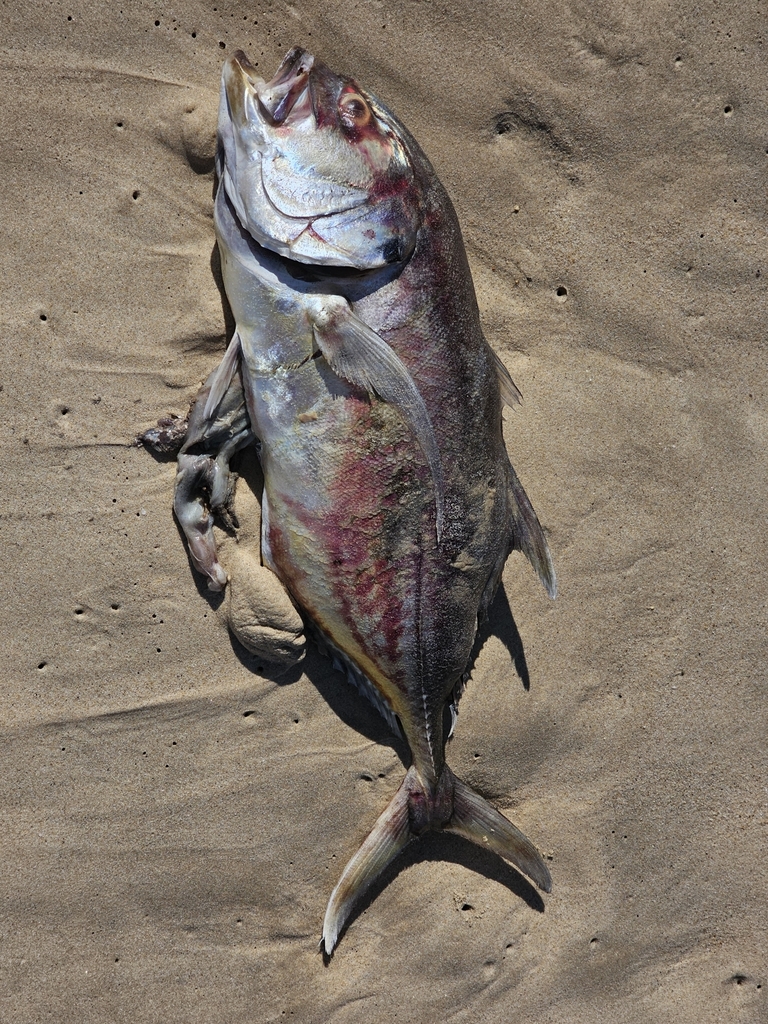
(c) Erick Vélez Sánchez, some rights reserved (CC BY) · CC BY · iNaturalist
Names and classification
- English
- Pacific crevalle jack, Pacific Crevalle Jack
Names in 3 more languages
- Spanish
- Aurel, Burel, Burro, Canche Jurel, Chumbo, Cocinero, Jiguagua, Jiguajua, Jurel, Jurel Caninus, Jurel Común, Jurelito, jurel toro, Sargentillo, Sargento, Toro
- French
- Carangue Crevalle
- Simplified Chinese
- 犬鰺
Similar species
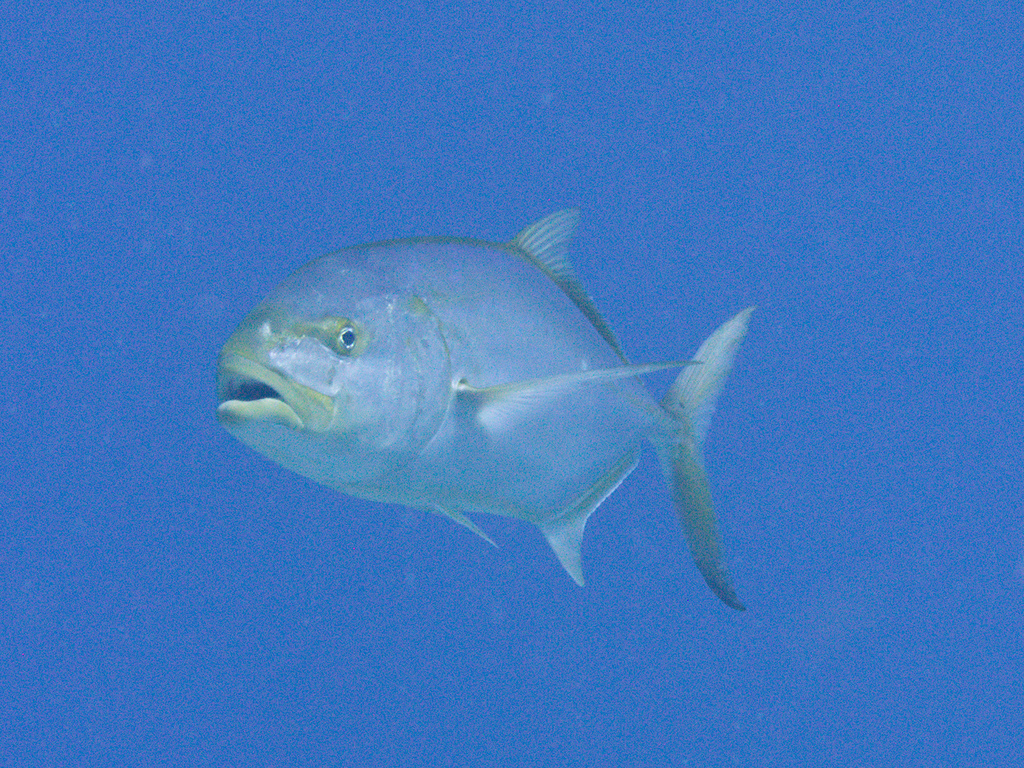 Yellow jack
Caranx bartholomaei
 Blue runner
Caranx crysos
 Cevalle jack
Caranx hippos
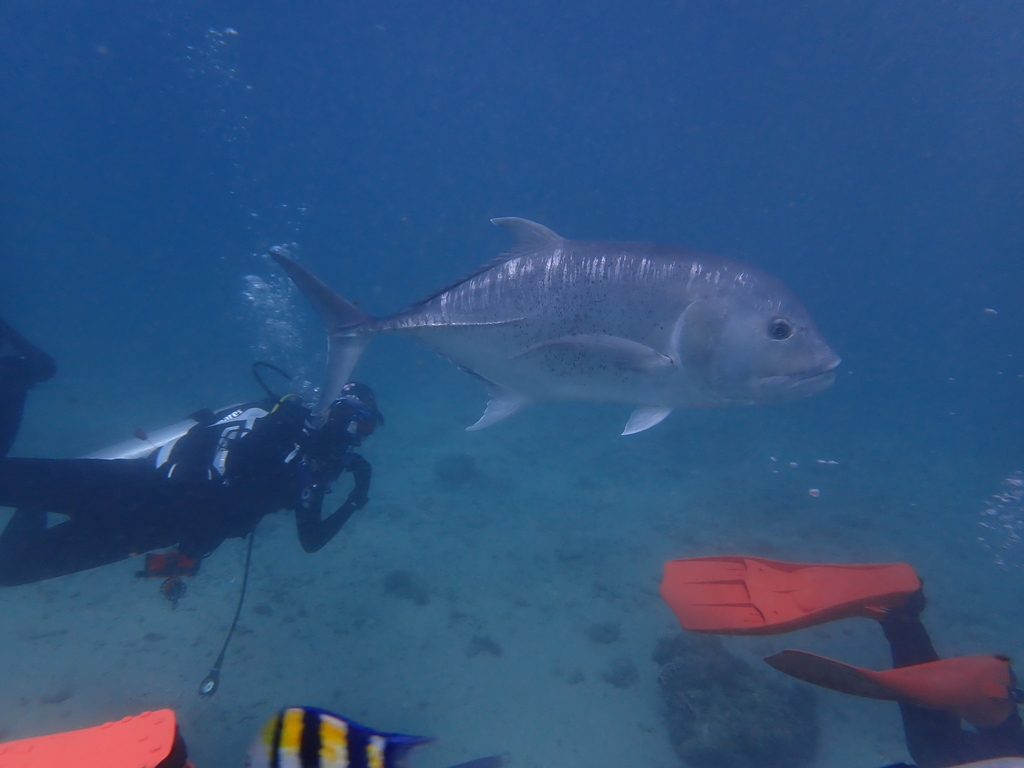 Giant trevally
Caranx ignobilis
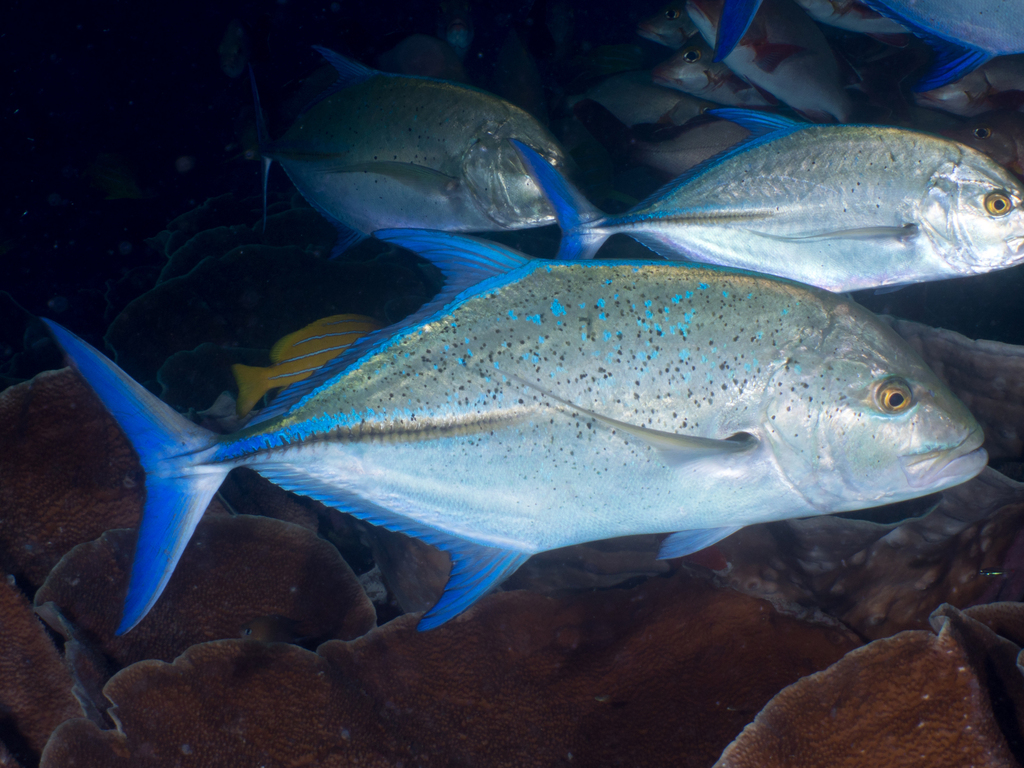 Bluefin trevally
Caranx melampygus
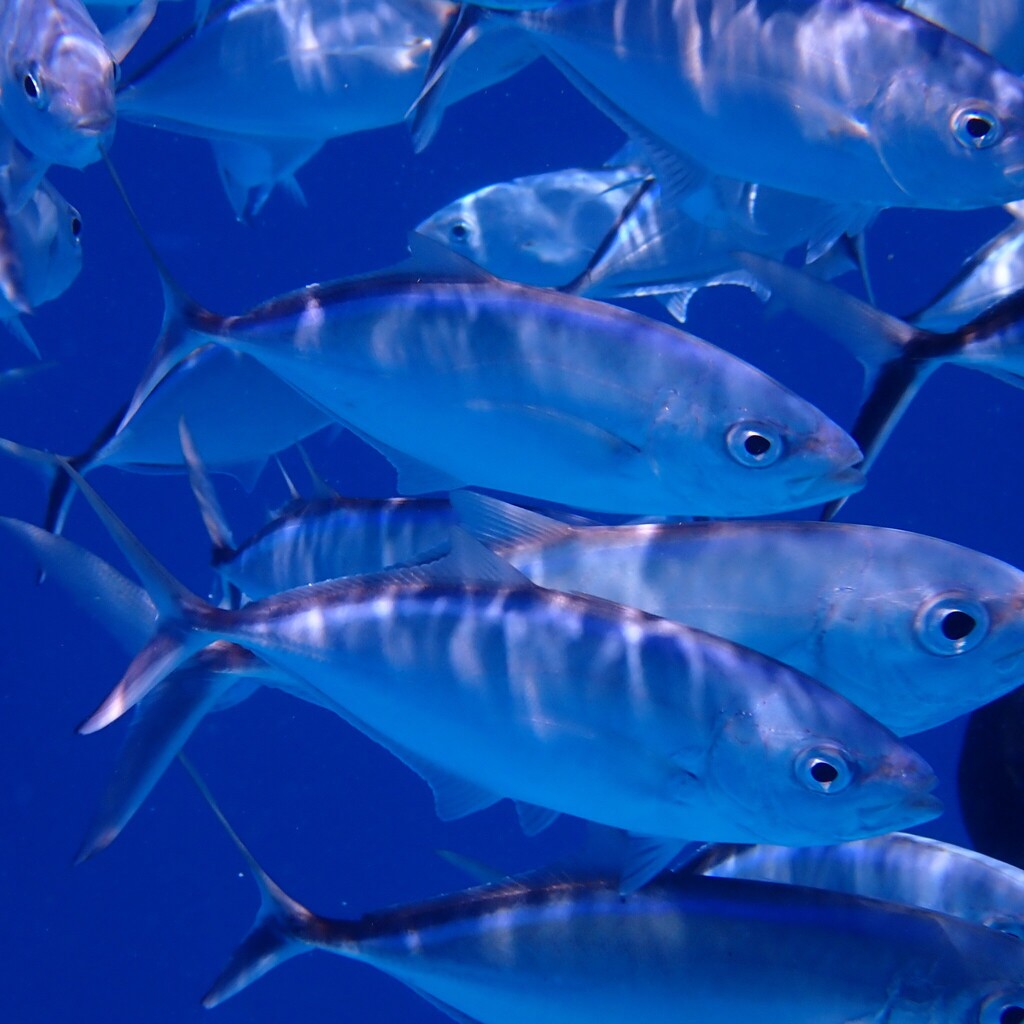 Bar jack
Caranx ruber
Sources and credits
Names and taxonomy: WoRMS (CC BY 4.0) and the GBIF Backbone (CC BY 4.0). Photos: iNaturalist observers, each under the licence shown (CC0, CC BY or CC BY-SA).
- Depth, temperature, months and maps: records from OBIS and GBIF under CC0 or CC BY.
- Descriptions: Wikipedia, licensed CC BY-SA, each linked to its article.
- Conservation status as published by GBIF (IUCN Red List).
- 479 open-data records from 1921 to 2024.
- Species data updated November 9, 2026.
Log what you see on your next dive
The free DiveHive diver app keeps your logbook with every sighting and shows what lives at the site you dive next.