

Blue runner
Caranx crysos
- Usual depth4–29 m
- Water temperature9–28 °C
- Best monthsAugust and September
- How commonCommon
Photo credit: (c) NOAA Photo Library, some rights reserved (CC BY) · CC BY · flickr.com
About this species
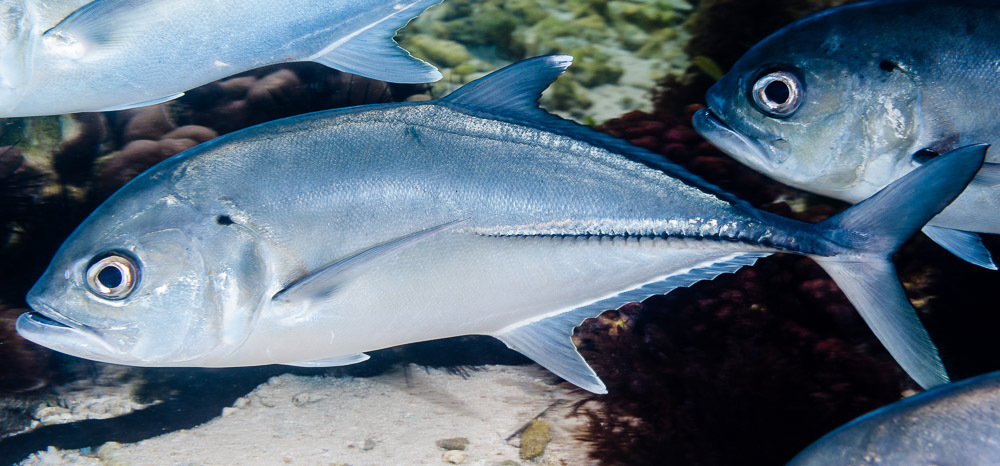
The blue runner, also known as the bluestripe jack, Egyptian scad, hardtail jack, or hardnose, is a common species of moderately large marine fish classified in the jack family, Carangidae. The blue runner is distributed across the Atlantic Ocean, ranging from Brazil to Canada in the western Atlantic and from Angola to Great Britain including the Mediterranean in the east Atlantic. The blue runner is distinguished from similar species by several morphological features, including the extent of the upper jaw, gill raker count, and lateral line scale counts. The blue runner is known to reach a maximum length of 70 cm and 5.05 kg in weight, but is much more common below 35 cm. The species inhabits both inshore and offshore environments, predominantly over reefs, but it is known to congregate around large, man-made, offshore structures such as oil platforms. Juveniles tend to inhabit shallower reef and lagoon waters, before moving to deeper waters as adults.
Text from the Wikipedia article “Blue runner”, licensed CC BY-SA 4.0. Read the article
Where and when
Where it has been recorded
Worldwide
Best months
Worldwide (open data)
- January: 159 records
- February: 137 records
- March: 253 records
- April: 231 records
- May: 365 records
- June: 638 records
- July: 589 records
- August: 883 records
- September: 1,458 records
- October: 863 records
- November: 261 records
- December: 172 records
Depth and water temperature
Depth
Mostly recorded at 4–29 m · Deepest record: 548.6 m
Water temperature
Recorded in surface water of 9–28 °C
Photos
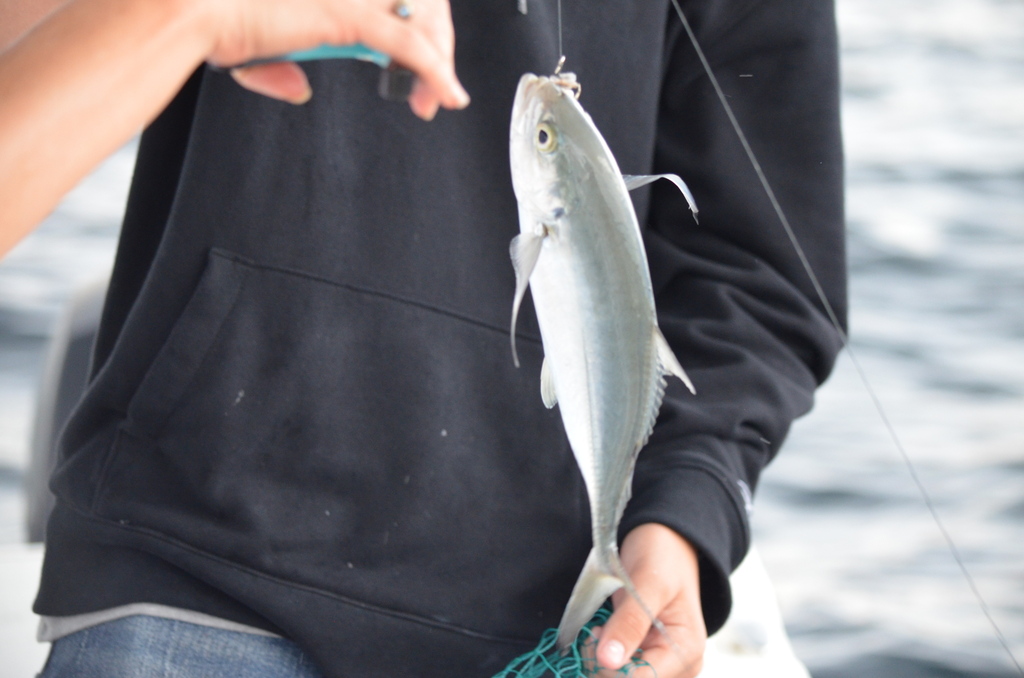
(c) Josiah Londerée, some rights reserved (CC BY) · CC BY · iNaturalist 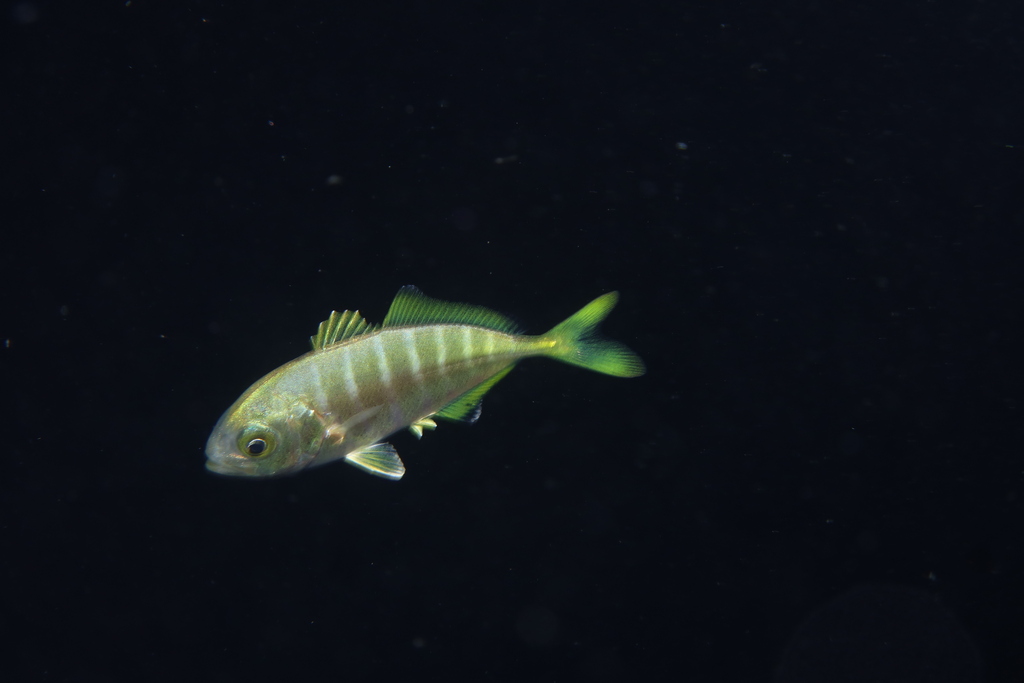
(c) Julien Renoult, some rights reserved (CC BY) · CC BY · iNaturalist 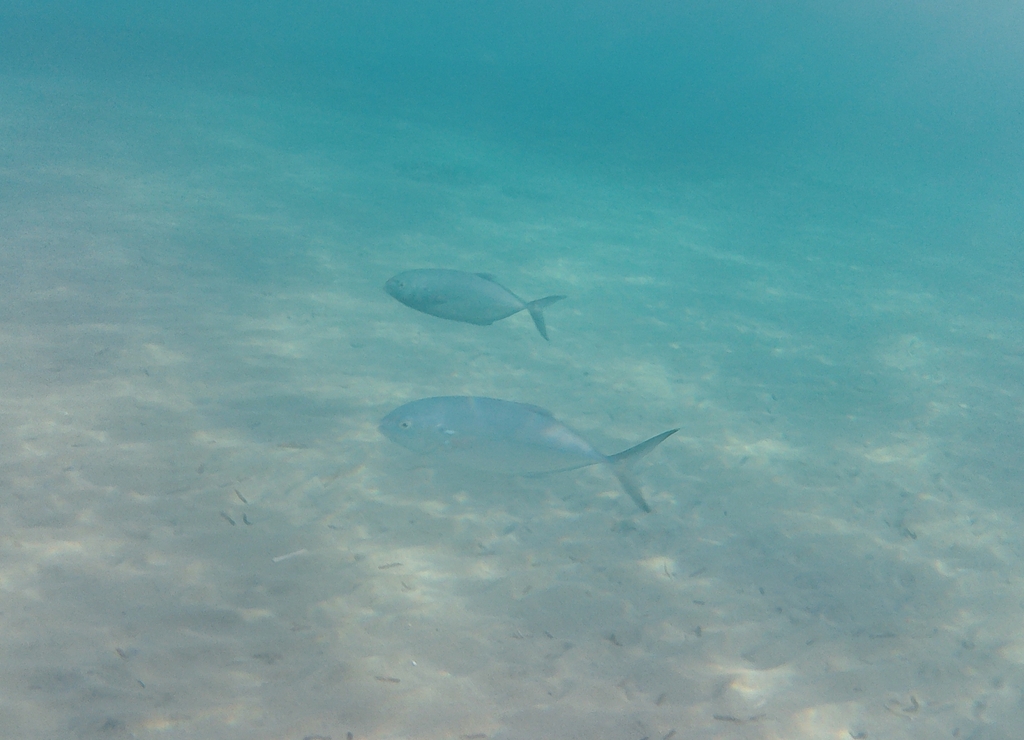
no rights reserved · CC0 1.0 · iNaturalist 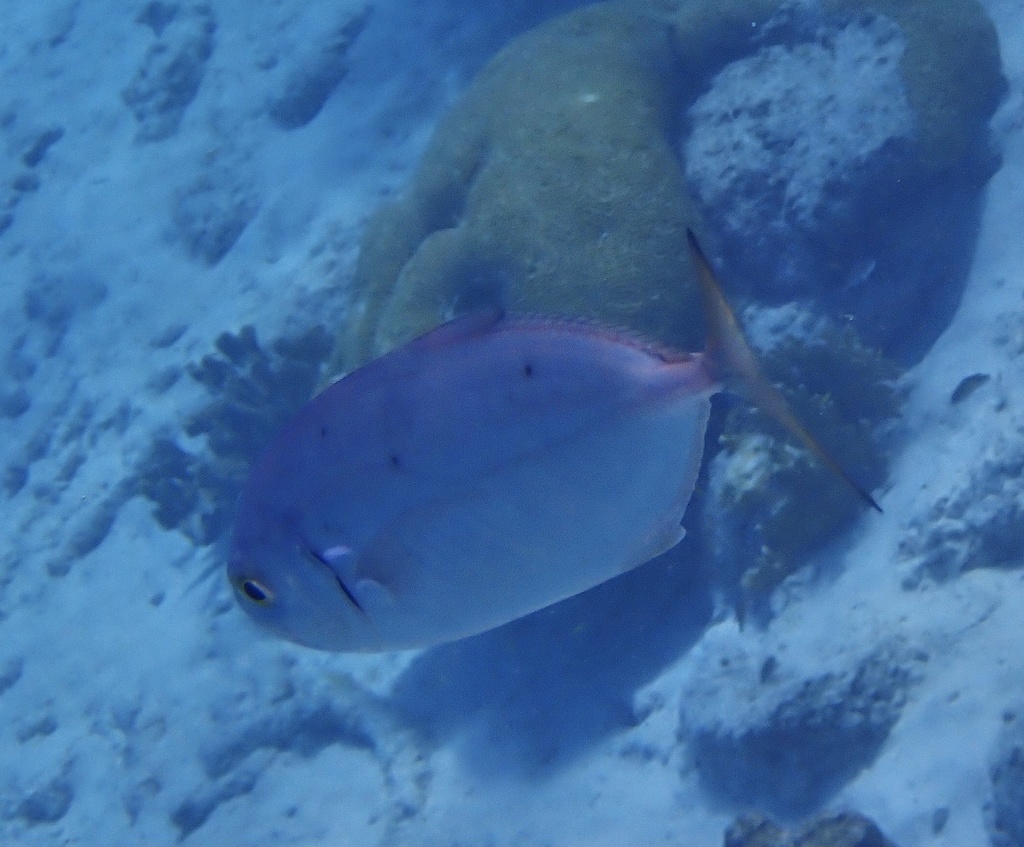
no rights reserved · CC0 1.0 · iNaturalist 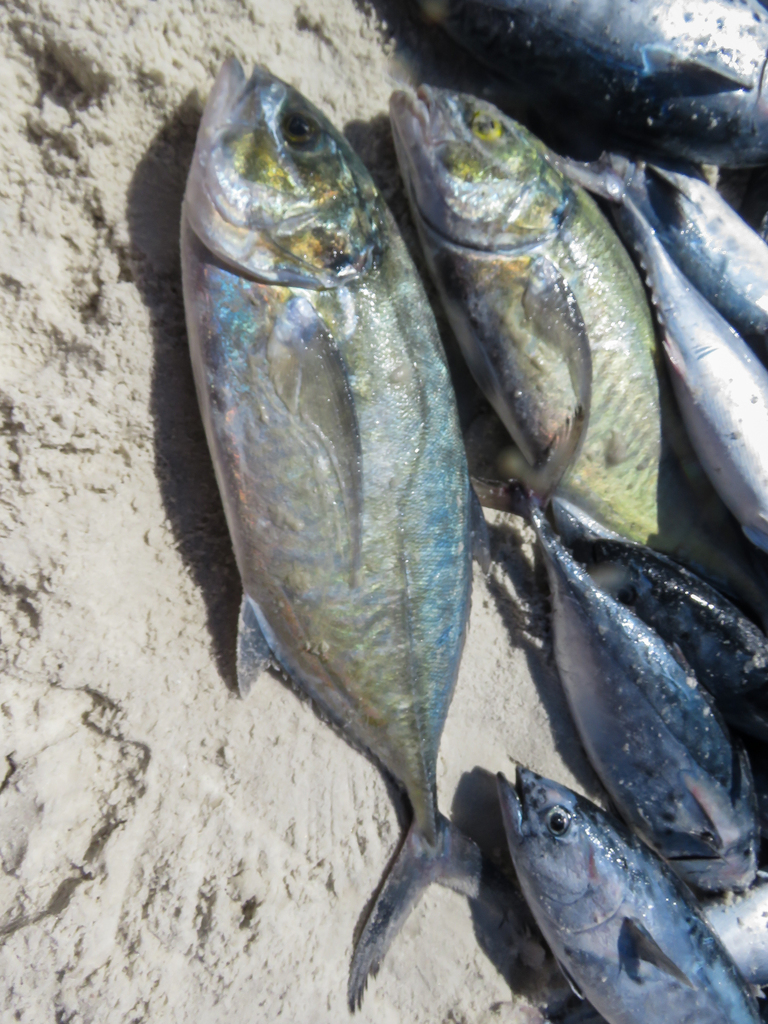
(c) Diogo Luiz, some rights reserved (CC BY) · CC BY · iNaturalist 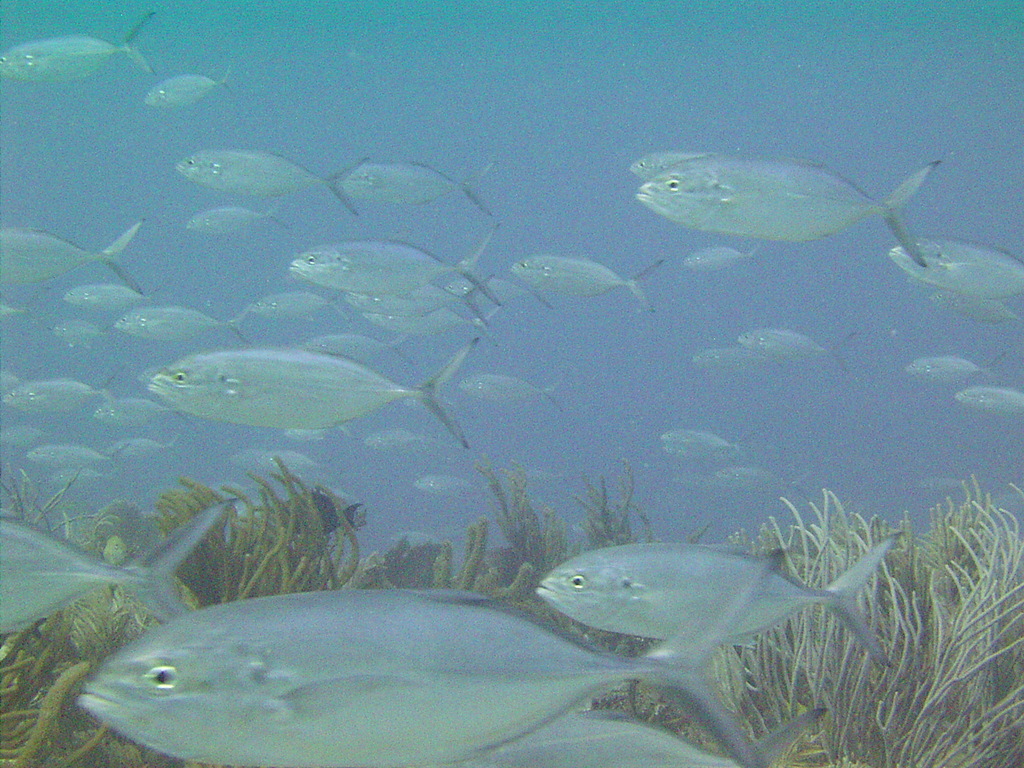
(c) Christine Loew, some rights reserved (CC BY) · CC BY · iNaturalist 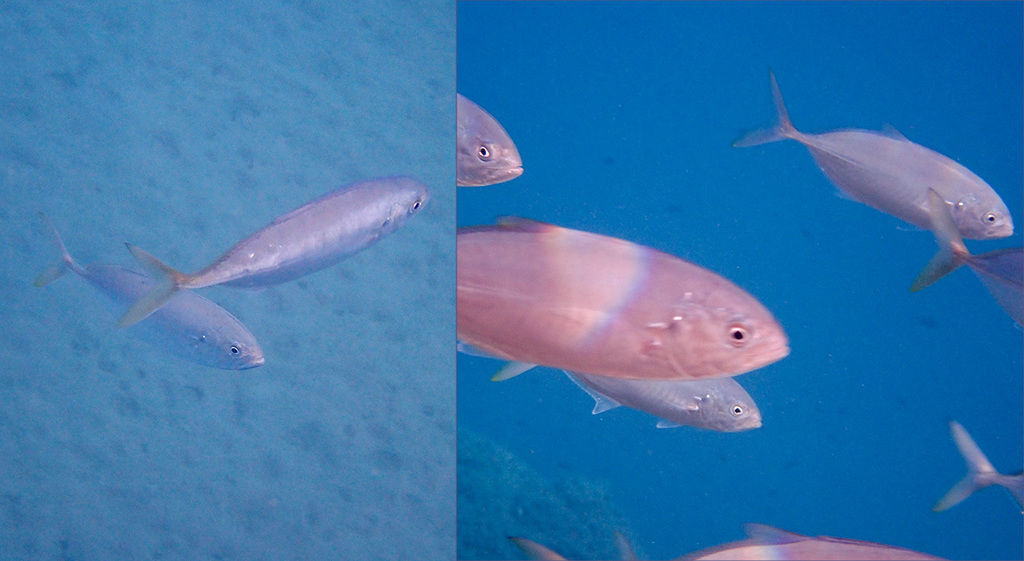
(c) Golfopolikayak, some rights reserved (CC BY) · CC BY · iNaturalist
Names and classification
- English
- Blue runner, Hardtail, Black Jack, blue runner, Blue Runner, Bluestripe Jack, Boca Abou, Crevalle, Deepwater Cavaly, Egyptian scad, Golden Jack, Green Jack, Hardnose, hardtail, Hardtailed Jack, hardtail jack, Horse Mackerel, Jack, Mackerel, Runner, White Back Cavalli, Yara Yag, Yaru Boca Abau, Yellow Mackerel, Yellow Tail Cavalli
Names in 5 more languages
- German
- Stachelmakrele
- Spanish
- Atún, Cachorreta, Cojinoa, Cojinoa negra, Cojinua, cojinúa, Cojinúa Azul, cojinua negra, Cojinúa Negra, Cojinúa Prieta, Cojinuda, cojinuda negra, Crevallé, Guïra, jurel, Jurel Azul, Jurel Trompa de Hierro, Madregal, Medregal, Palometa, Surell
- French
- Caran, Carangue, Carangue Bonite, carangue coubali, Carangue coubali, Carangue Cuisinière, Carangue Dorée, Carangue Grasse, carangue jaune, Carangue Macoque, Carangue Tête Ronde, Chinchard, Crevaille, Jurel
- Japanese
- クロカイワリ
- Simplified Chinese
- 金鰺
Other scientific names: Carangoides crysos, Carangoides fusus, Caranx fusus, Caranx pisquetus, Paratractus crysos, Scomber chrysos, Scomber crysos, Trachurus squamosus
Similar species
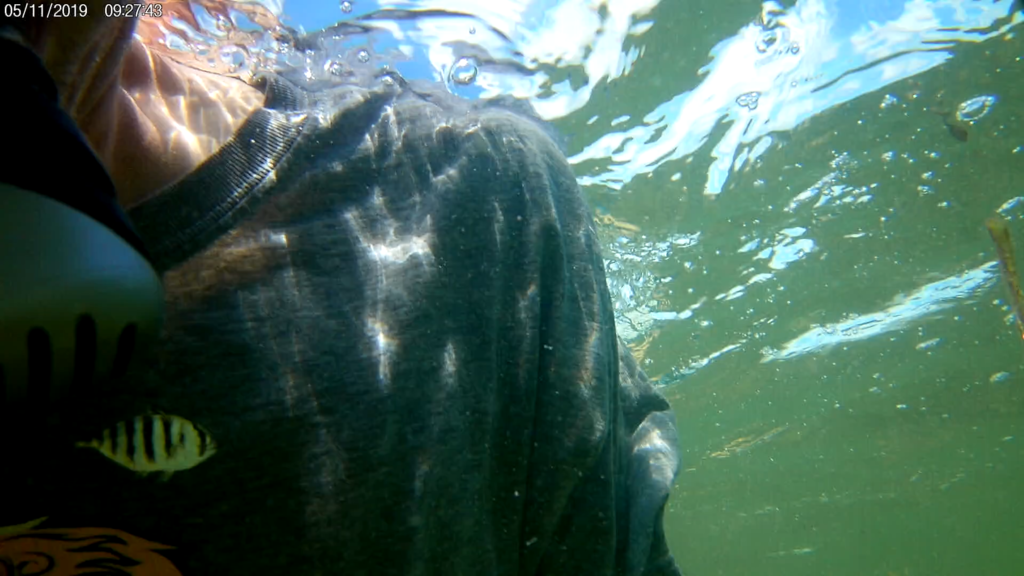
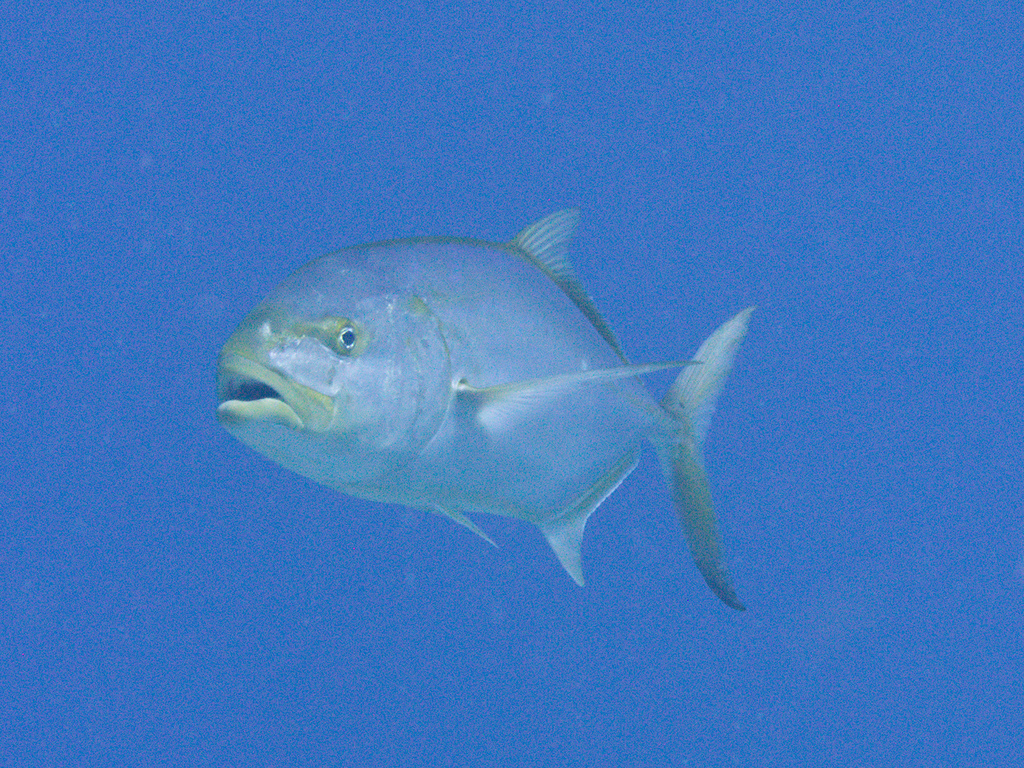 Yellow jack
Caranx bartholomaei
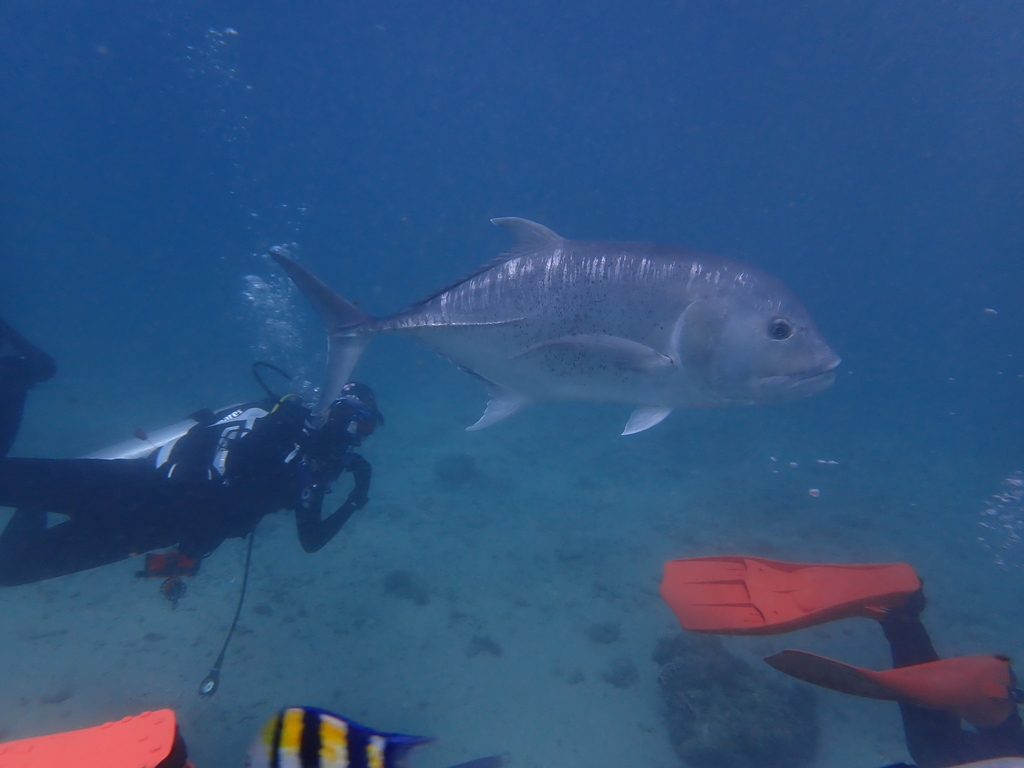
 Cevalle jack
Caranx hippos
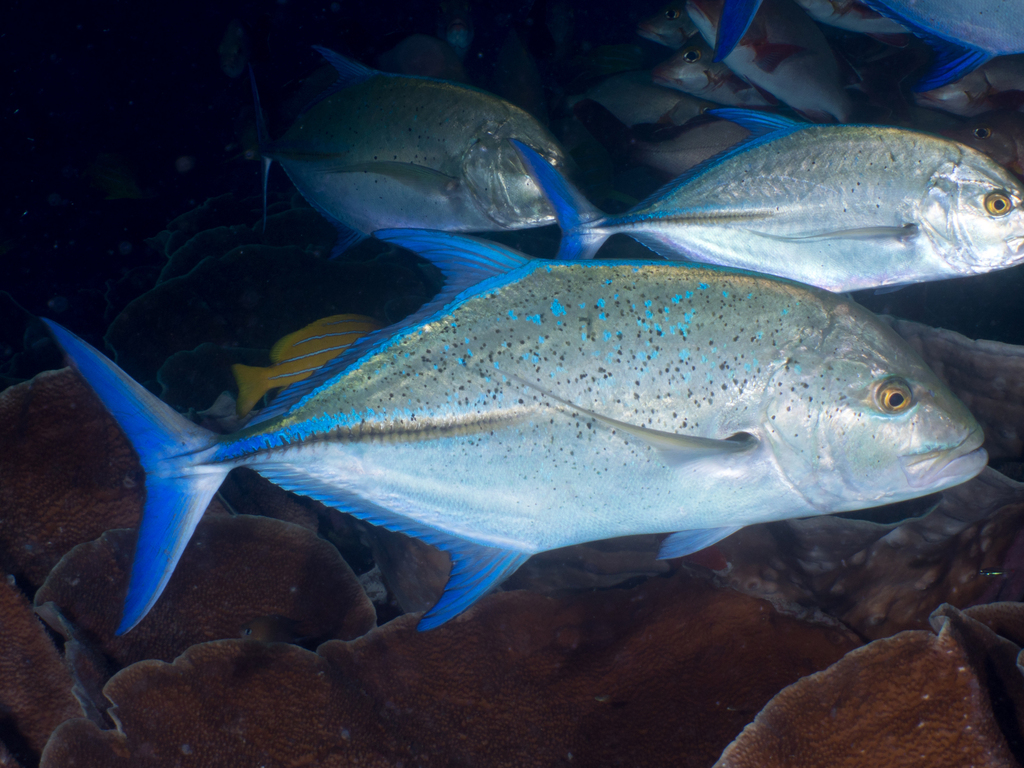
 Giant trevally
Caranx ignobilis
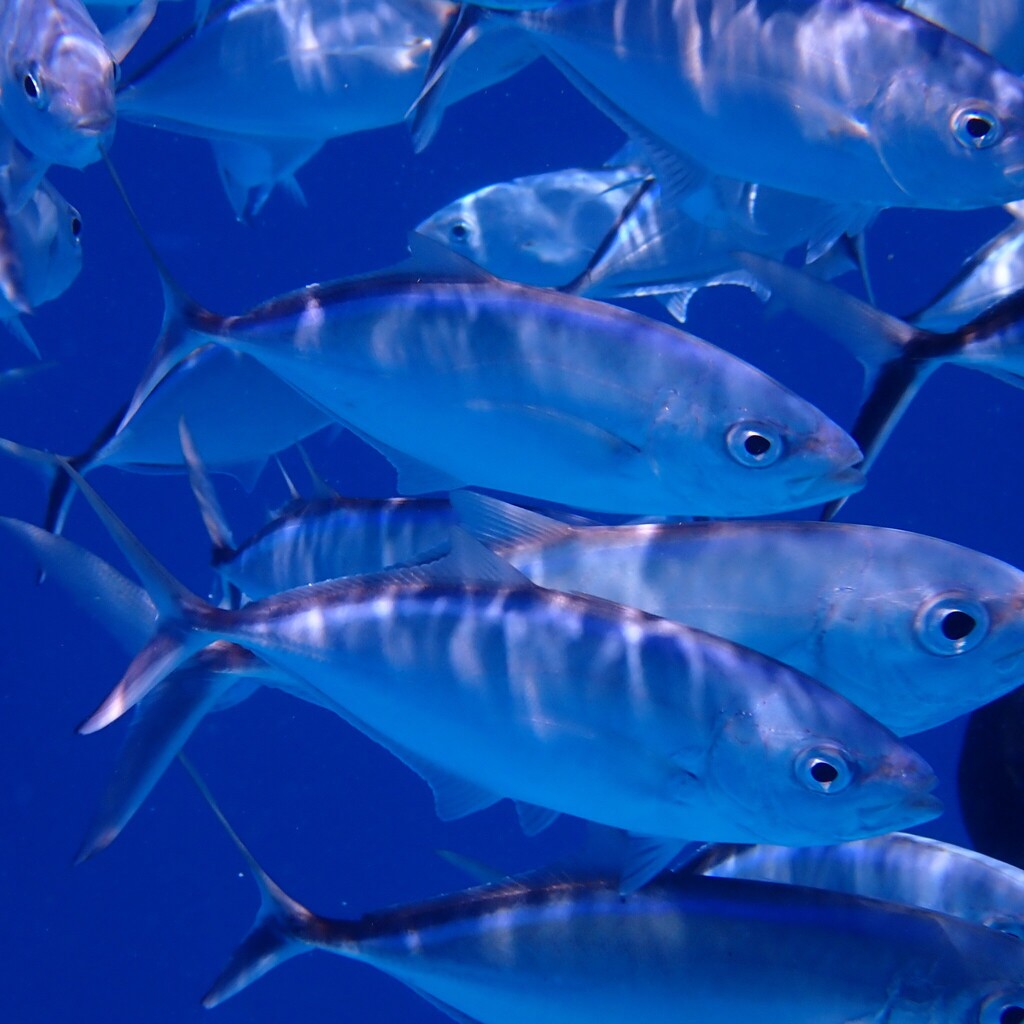
 Bluefin trevally
Caranx melampygus
 Bar jack
Caranx ruber
 Bigeye trevally
Caranx sexfasciatus
Sources and credits
Names and taxonomy: WoRMS (CC BY 4.0) and the GBIF Backbone (CC BY 4.0). Photos: iNaturalist observers, each under the licence shown (CC0, CC BY or CC BY-SA).
- Depth, temperature, months and maps: records from OBIS and GBIF under CC0 or CC BY.
- Descriptions: Wikipedia, licensed CC BY-SA, each linked to its article.
- Conservation status as published by GBIF (IUCN Red List).
- 13,351 open-data records from 1885 to 2023.
- Species data updated November 1, 2026.
Log what you see on your next dive
The free DiveHive diver app keeps your logbook with every sighting and shows what lives at the site you dive next.