
DiscoverSpeciesOther invertebrates
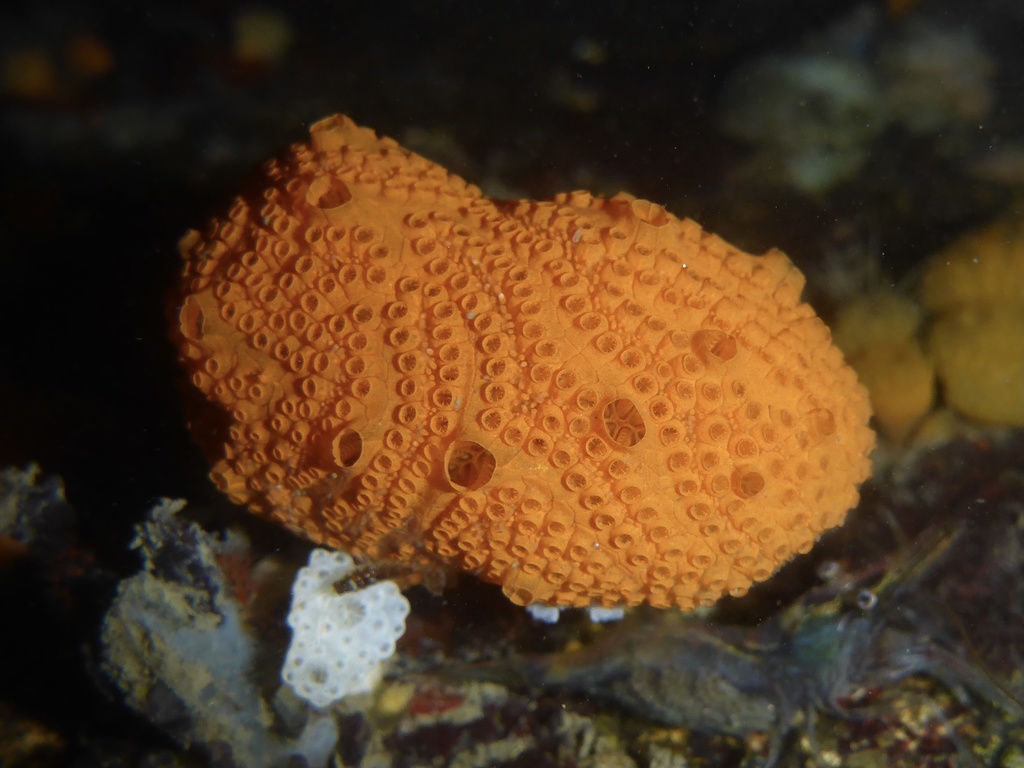
Chain tunicate
Botrylloides violaceus
- Usual depth1–46 m
- Water temperature8–29 °C
- Best monthsAugust, September, and October
- How commonCommon
Photo credit: (c) Cricket Raspet, some rights reserved (CC BY), uploaded by Cricket Raspet · CC BY · iNaturalist
About this species
Botrylloides violaceus is a colonial ascidian. It is commonly known as the chain tunicate, but has also been called several other common names, including: lined colonial tunicate, orange sheath tunicate, orange tunicate, and violet tunicate. Its native range is in the northwest Pacific from southern China to Japan and Siberia. Colonies grow on solid substrates and consist of individuals arranged in twisting rows. Outside its native range, it is considered an invasive species and is becoming more common in coastal waters of North America and other waters around the world, likely being spread by shipping activity.
Text from the Wikipedia article “Botrylloides violaceus”, licensed CC BY-SA 4.0. Read the article
Where and when
Where it has been recorded
Worldwide
Best months
Worldwide (open data)
- January: 179 records
- February: 152 records
- March: 255 records
- April: 221 records
- May: 323 records
- June: 459 records
- July: 625 records
- August: 801 records
- September: 948 records
- October: 720 records
- November: 296 records
- December: 159 records
Depth and water temperature
Depth
Mostly recorded at 1–46 m · Deepest record: 100 m
Water temperature
Recorded in surface water of 8–29 °C
Photos
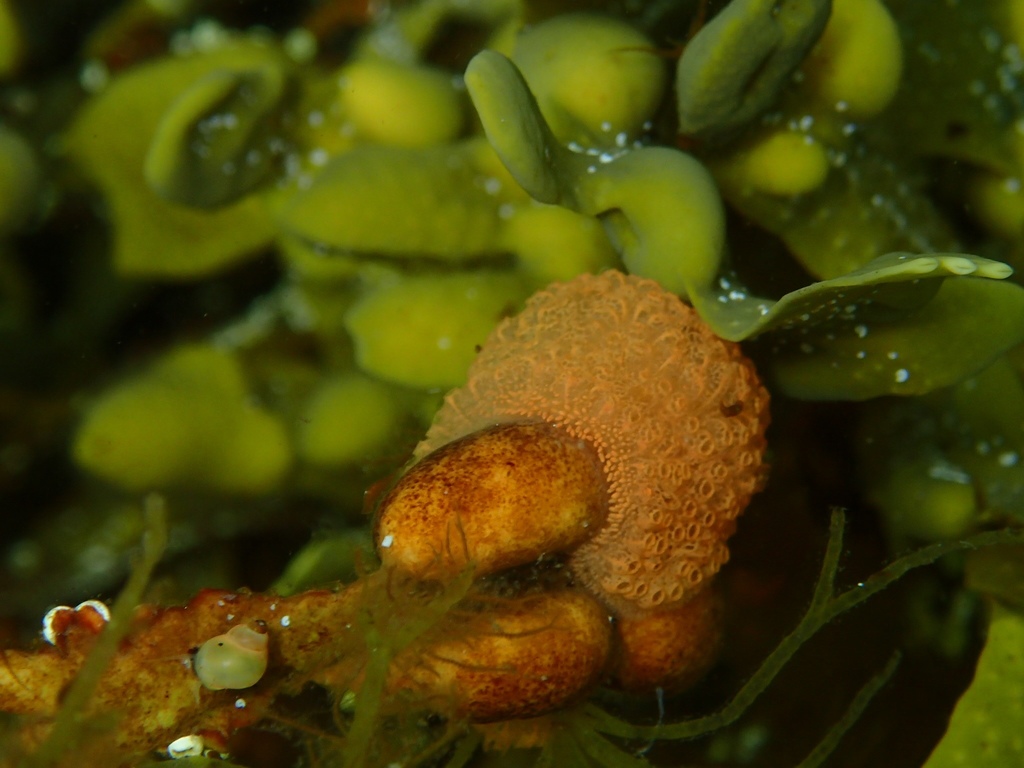
(c) Lara Gibson, some rights reserved (CC BY) · CC BY · iNaturalist 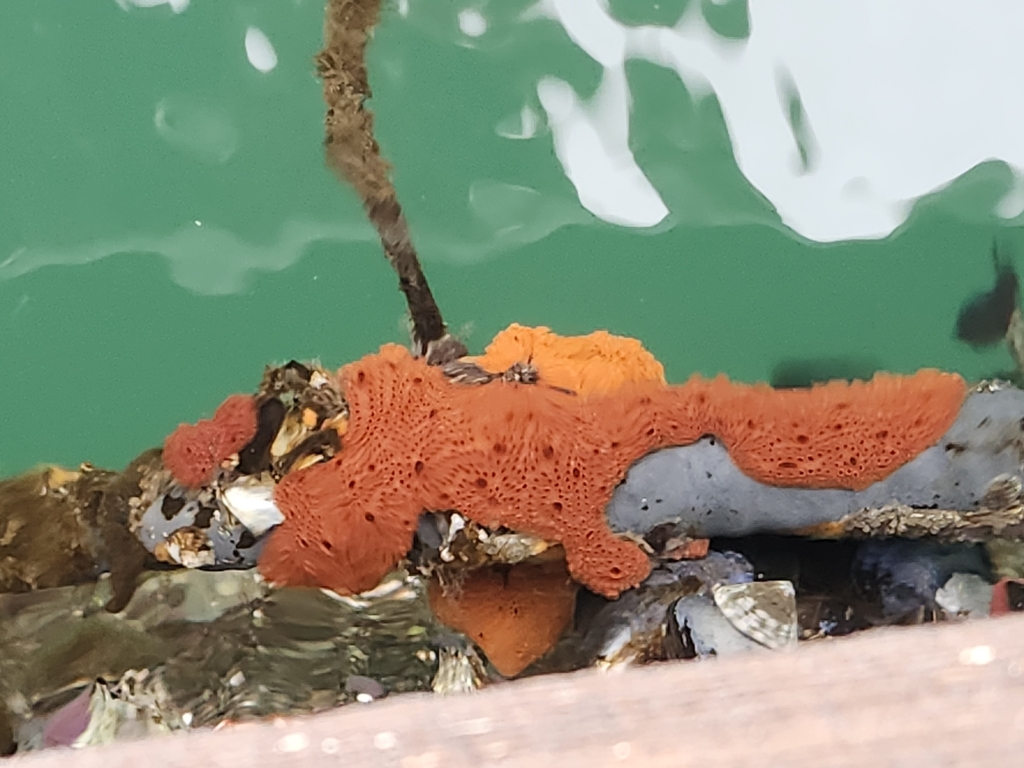
(c) Lisa Zhang, some rights reserved (CC BY) · CC BY · iNaturalist 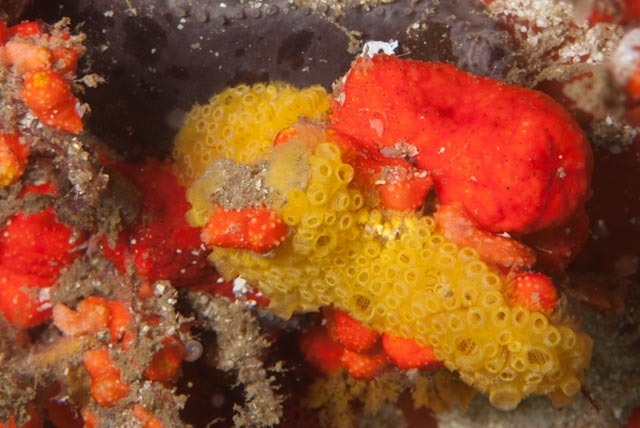
(c) Georgina Jones, some rights reserved (CC BY-SA) · CC BY-SA · iNaturalist 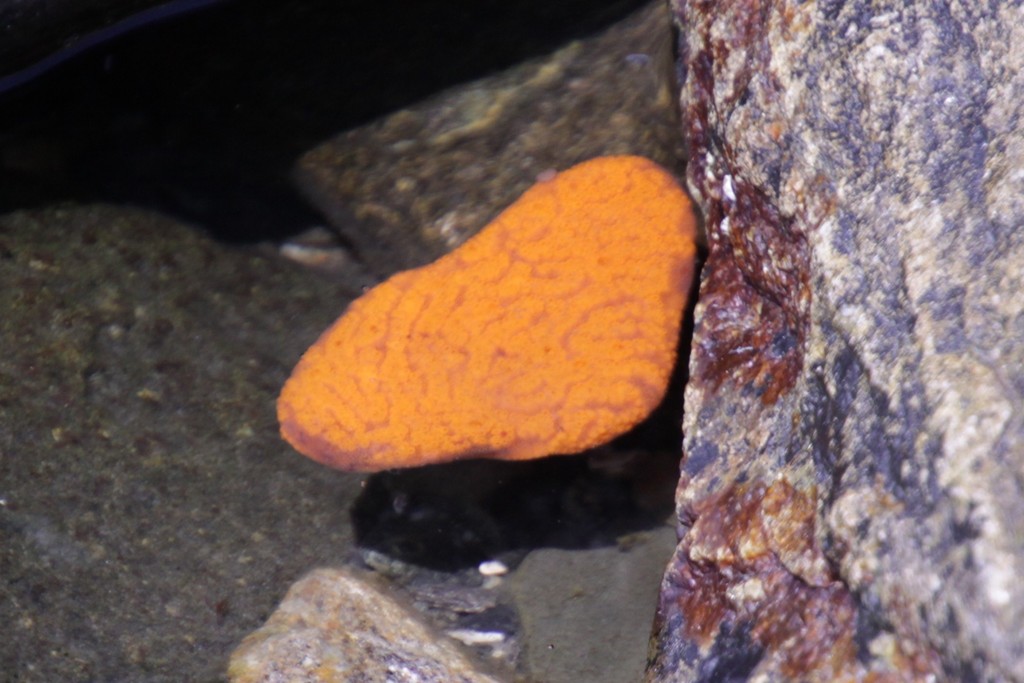
(c) Kathy Richardson, some rights reserved (CC BY) · CC BY · iNaturalist 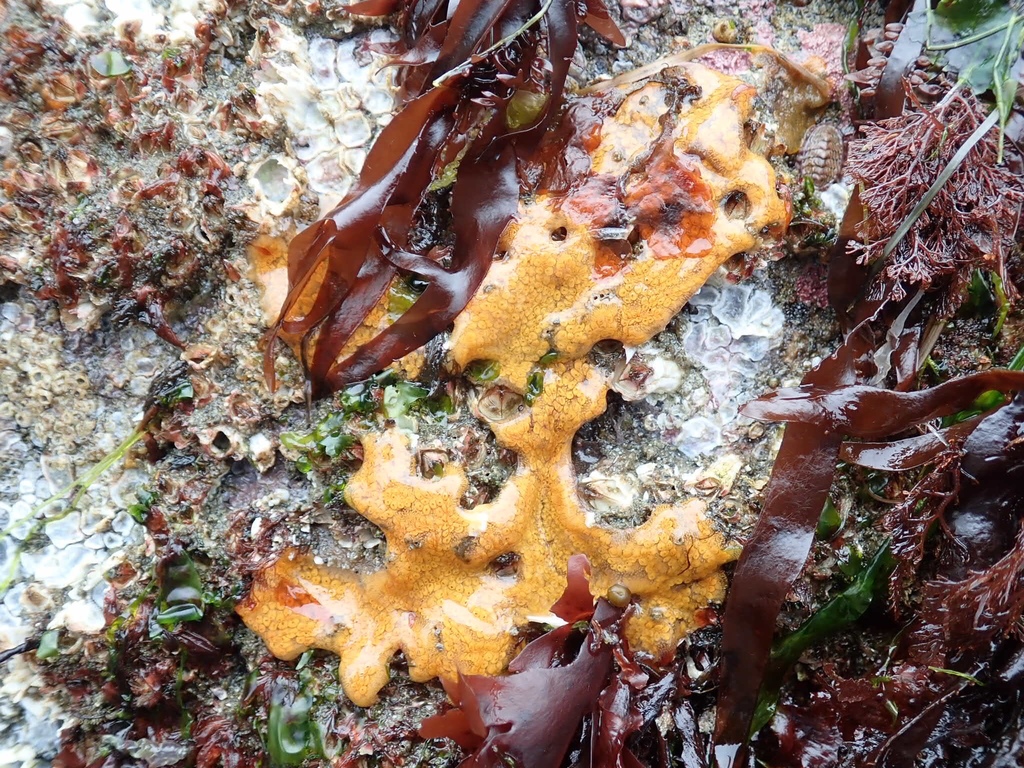
(c) John Brew, some rights reserved (CC BY) · CC BY · iNaturalist 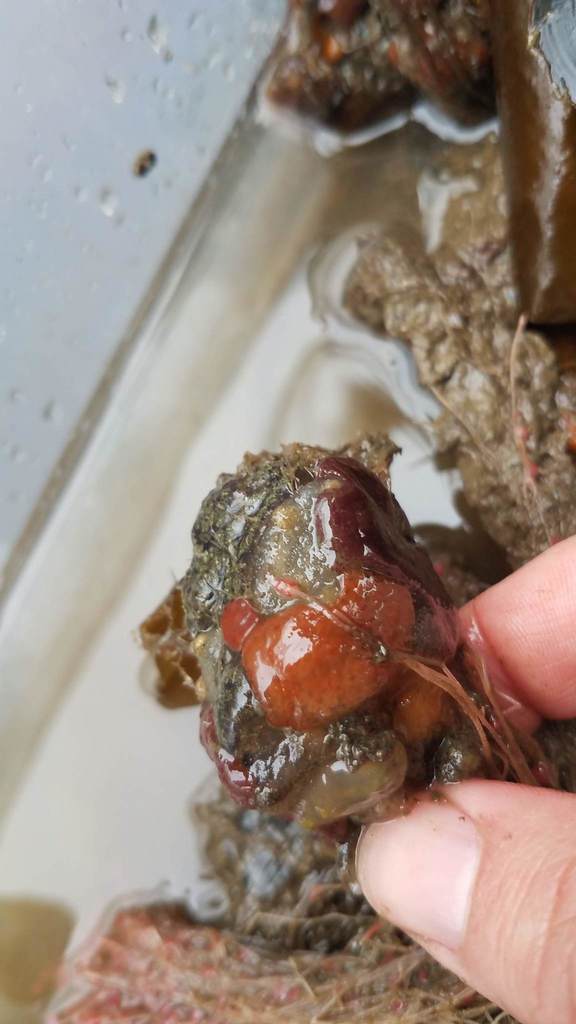
(c) Sylvia Scharf, some rights reserved (CC BY) · CC BY · iNaturalist 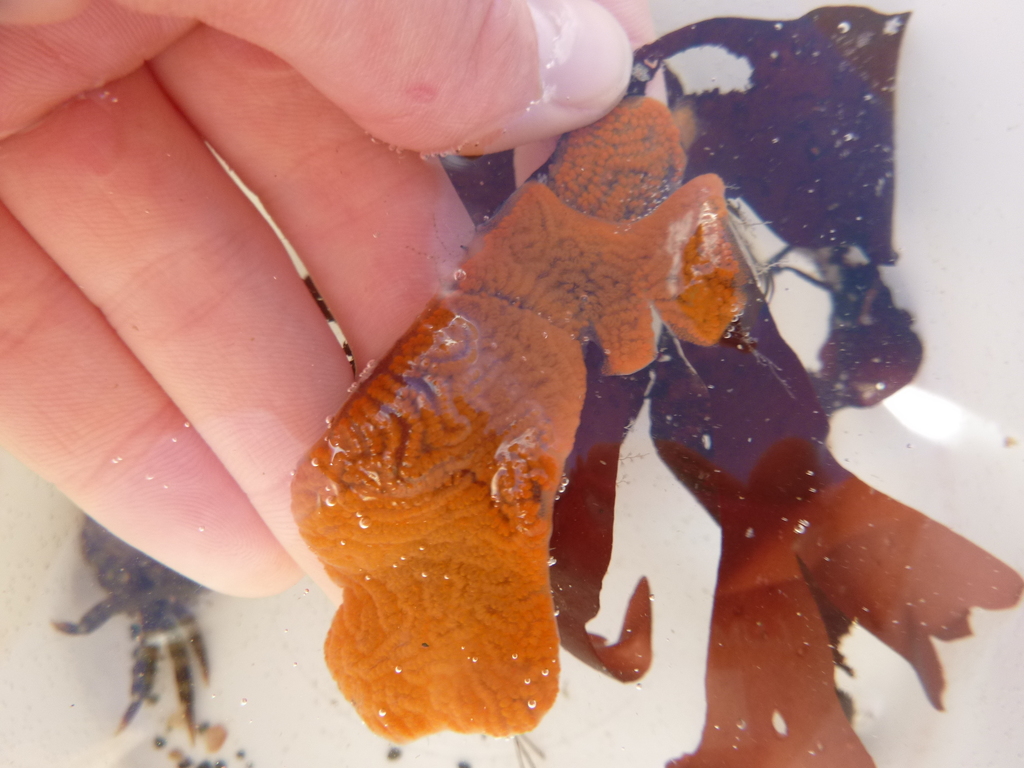
(c) Annie Evankow, some rights reserved (CC BY) · CC BY · iNaturalist
Names and classification
- English
- Chain tunicate, Colonial sea squirt, Lined colonial tunicate, Orange sheath tunicate, Violet tunicate, chain tunicate, Chain Tunicate, colonial sea squirt, Colonial Sea Squirt, Colonial Tunicate, lined colonial tunicate, Lined Colonial Tunicate, orange sheath tunicate, Orange Sheath Tunicate, violet tunicate, Violet Tunicate
Names in 2 more languages
- French
- botrylle violet, Botrylle violet
- Japanese
- イタボヤ
Other scientific names: Botrylloides aurantium, Botrylloides carnosum, Botrylloides lateritium, Botrylloides violaceum, Botryllus aurantius
Similar species
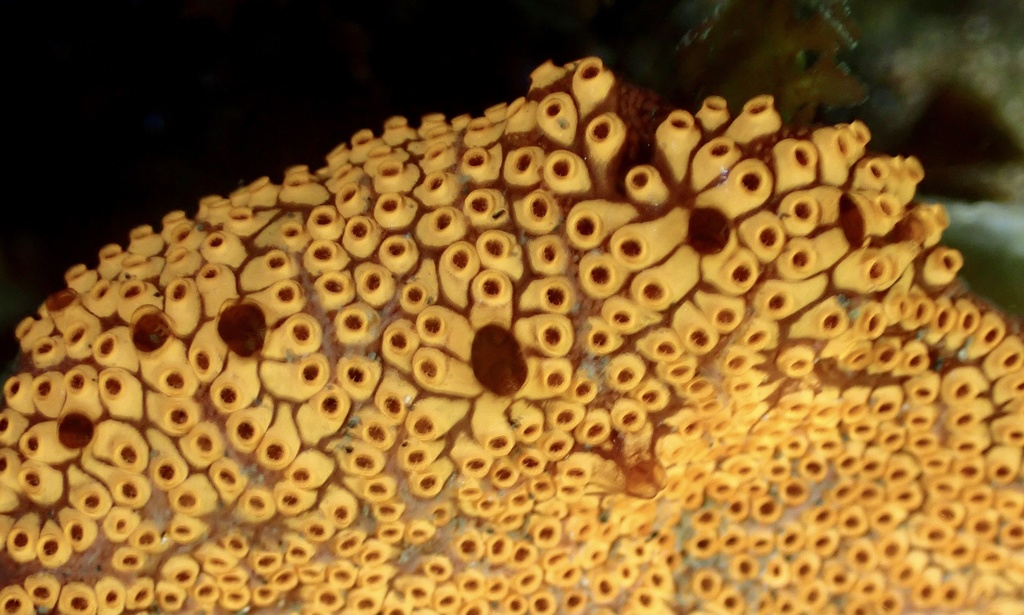
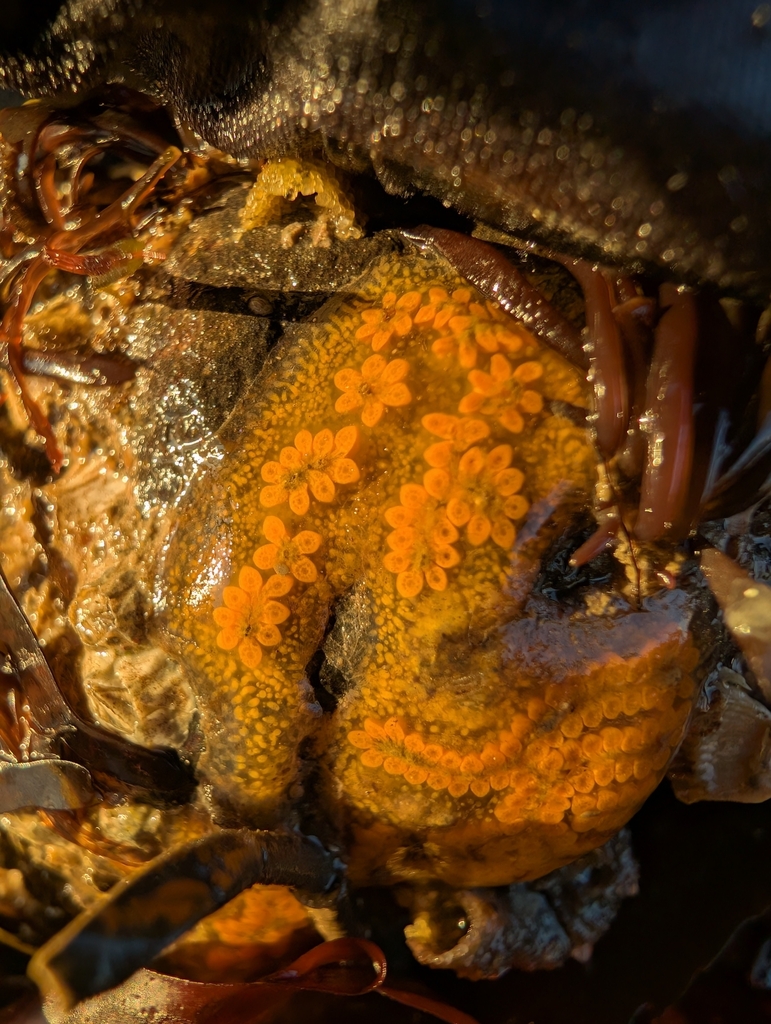 botrylloid
Botrylloides leachii
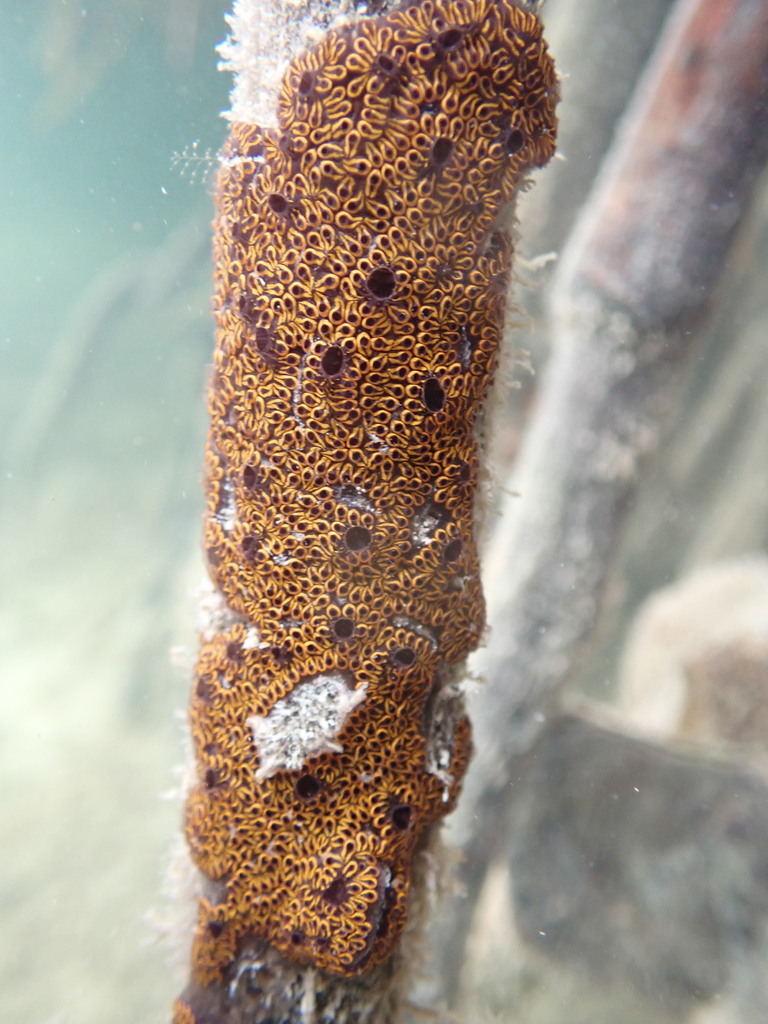 Black synascidia
Botrylloides niger
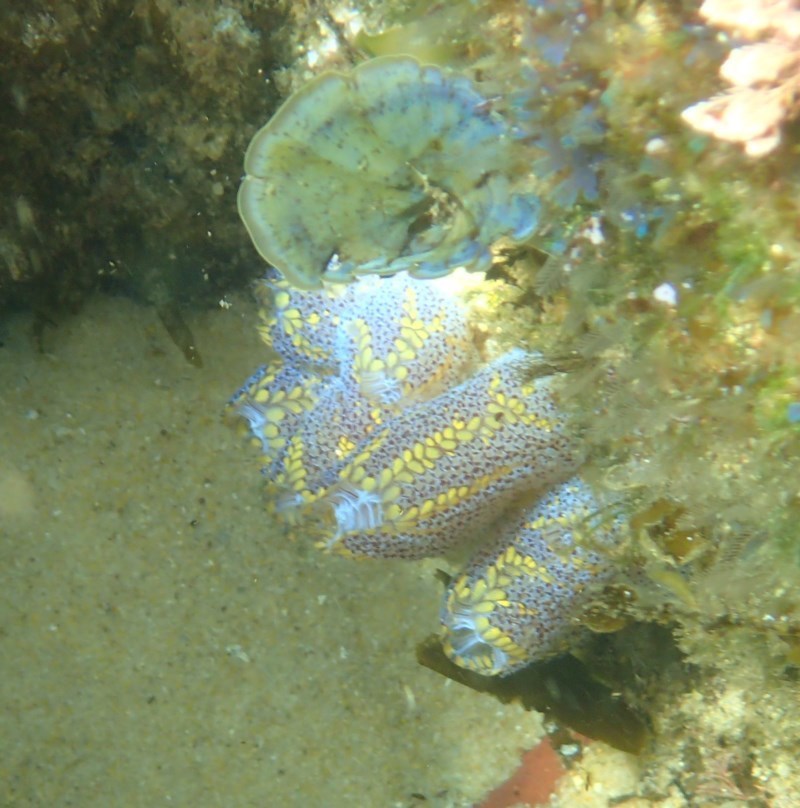
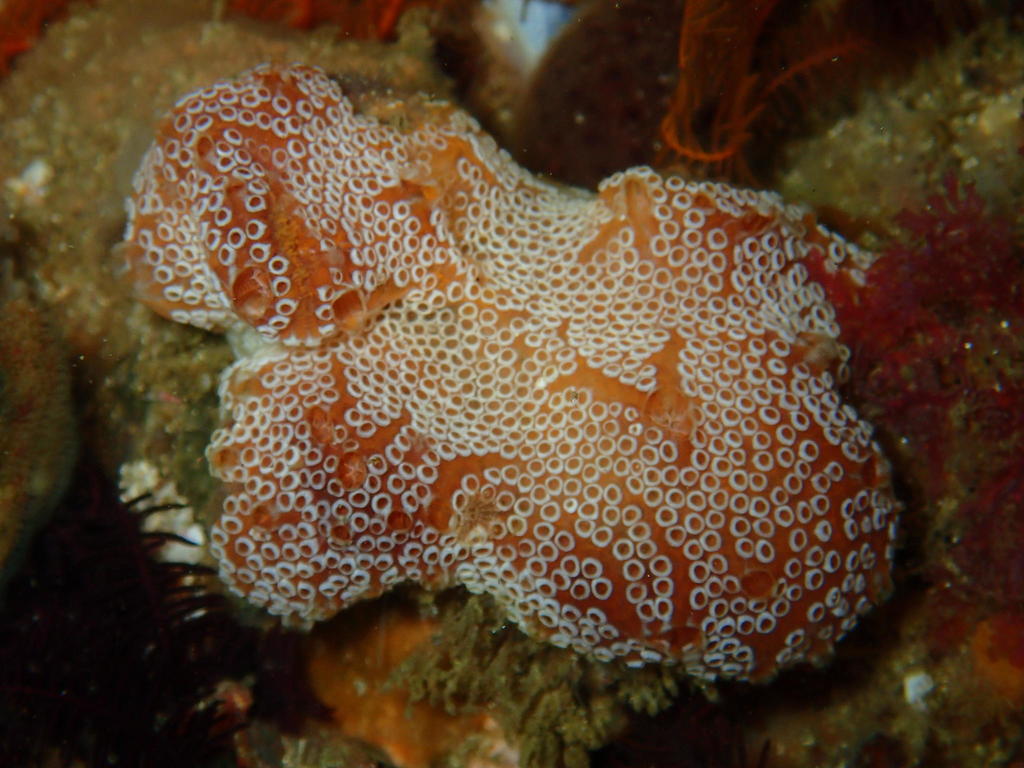
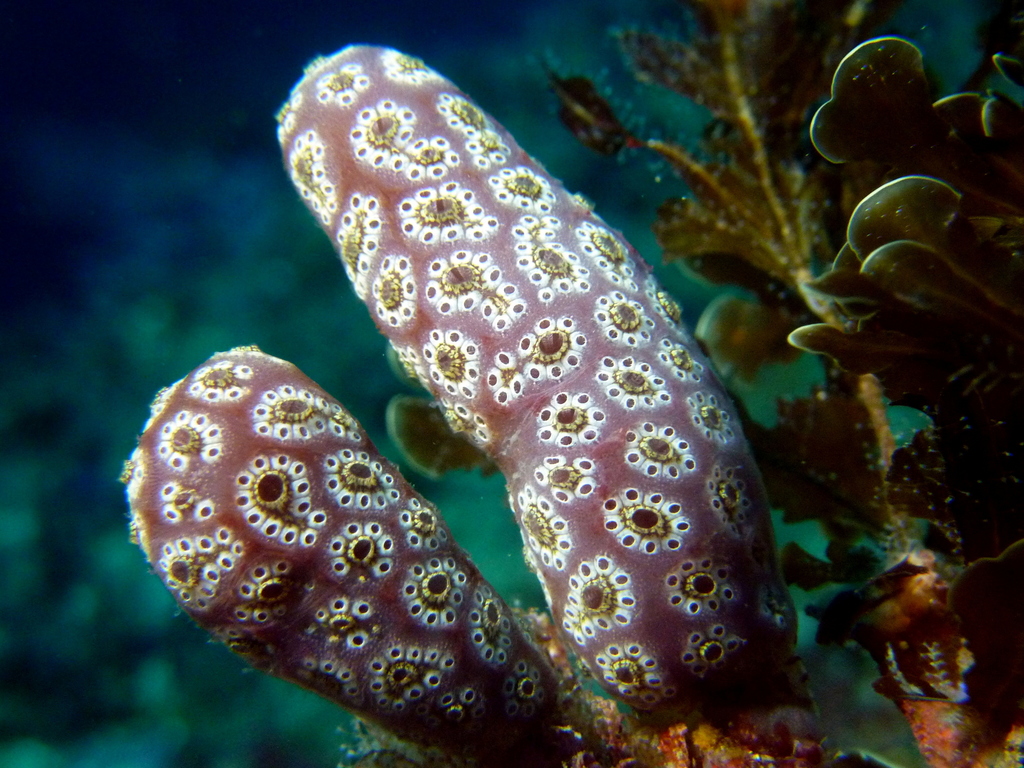 Ascidian
Botrylloides perspicuus
Sources and credits
Names and taxonomy: WoRMS (CC BY 4.0) and the GBIF Backbone (CC BY 4.0). Photos: iNaturalist observers, each under the licence shown (CC0, CC BY or CC BY-SA).
- Depth, temperature, months and maps: records from OBIS and GBIF under CC0 or CC BY.
- Descriptions: Wikipedia, licensed CC BY-SA, each linked to its article.
- Conservation status as published by GBIF (IUCN Red List).
- 2,959 open-data records from 1910 to 2025.
- Species data updated October 31, 2026.
Log what you see on your next dive
The free DiveHive diver app keeps your logbook with every sighting and shows what lives at the site you dive next.