
DiscoverSpeciesOther invertebrates
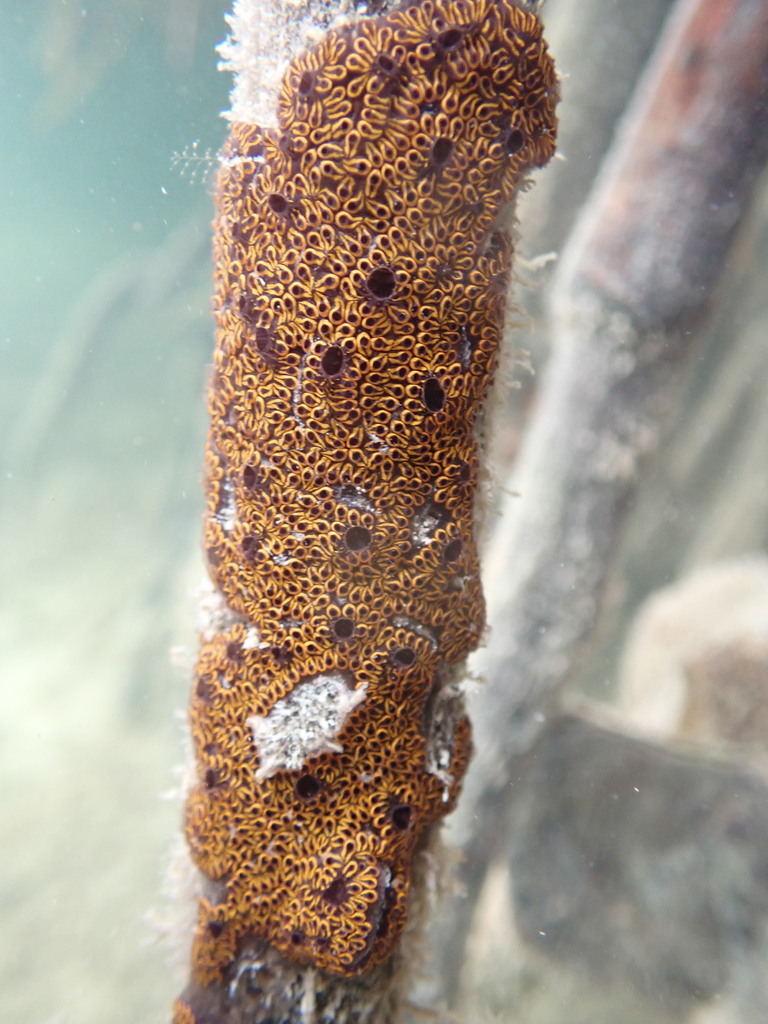
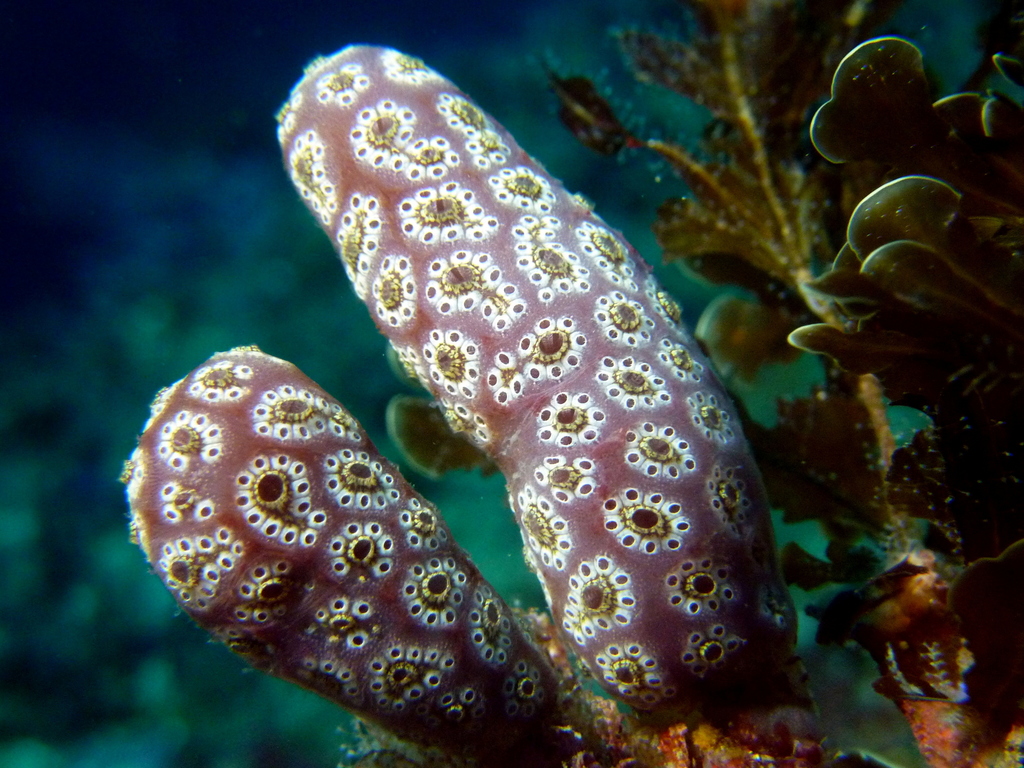
Black synascidia
Botrylloides niger
- Usual depth1–17 m
- Water temperature21–28 °C
- Best monthsAugust
- How commonOccasional
Photo credit: (c) Alison Northup, some rights reserved (CC BY), uploaded by Alison Northup · CC BY · iNaturalist
Where and when
Where it has been recorded
Worldwide
Best months
Worldwide (open data)
- January: 48 records
- February: 32 records
- March: 49 records
- April: 38 records
- May: 50 records
- June: 61 records
- July: 80 records
- August: 144 records
- September: 69 records
- October: 73 records
- November: 82 records
- December: 45 records
Depth and water temperature
Depth
Mostly recorded at 1–17 m · Deepest record: 38 m
Water temperature
Recorded in surface water of 21–28 °C
Photos
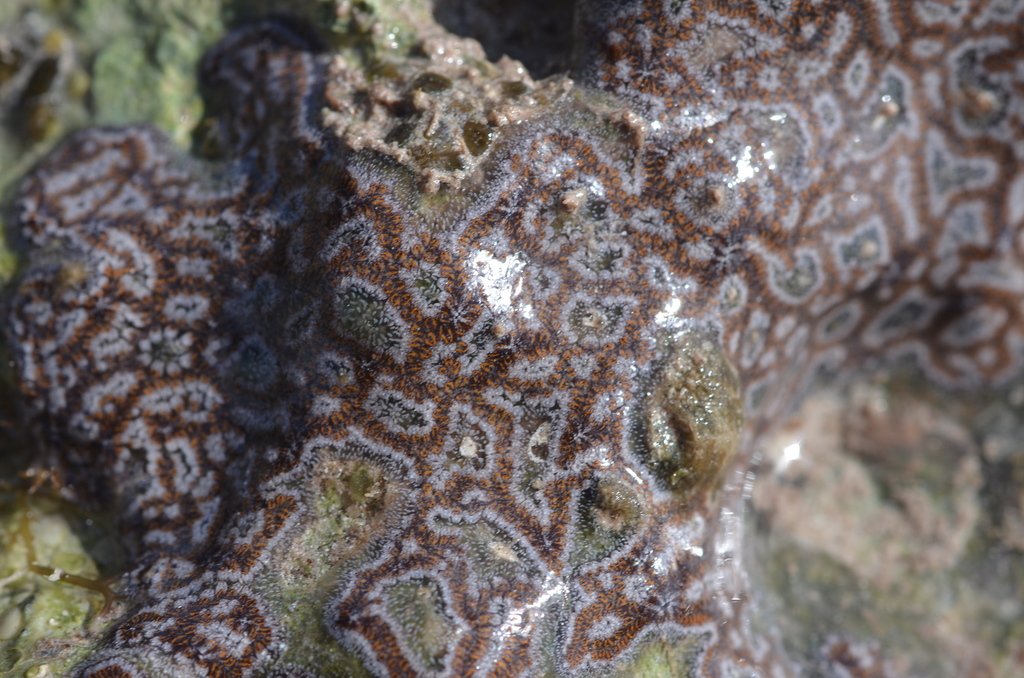
(c) Josiah Londerée, some rights reserved (CC BY), uploaded by Josiah Londerée · CC BY · iNaturalist 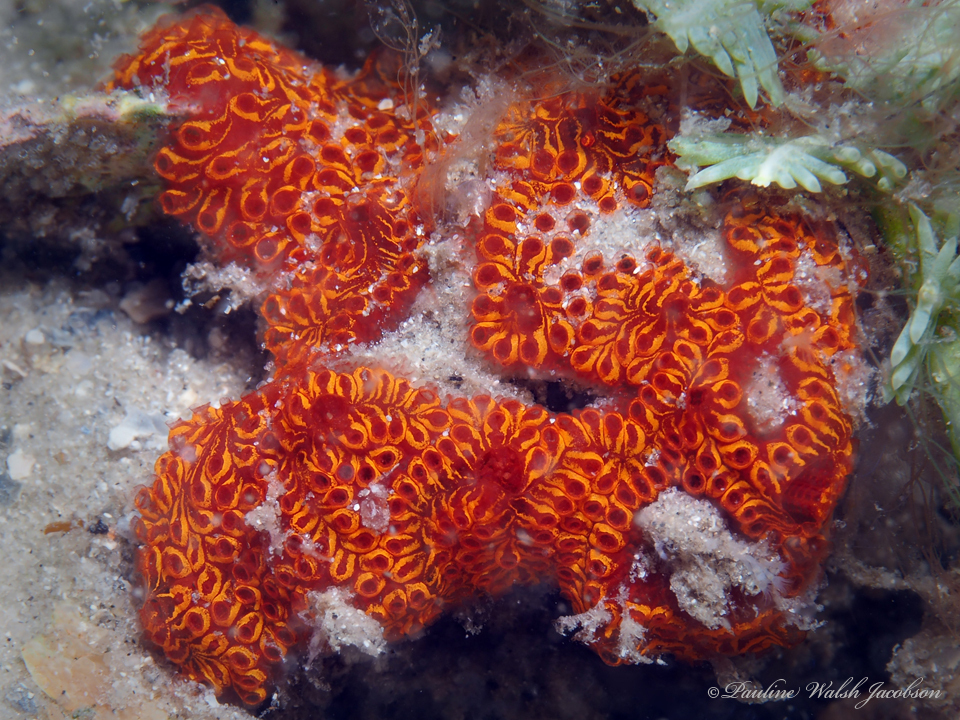
(c) Pauline Walsh Jacobson, some rights reserved (CC BY), uploaded by Pauline Walsh Jacobson · CC BY · iNaturalist 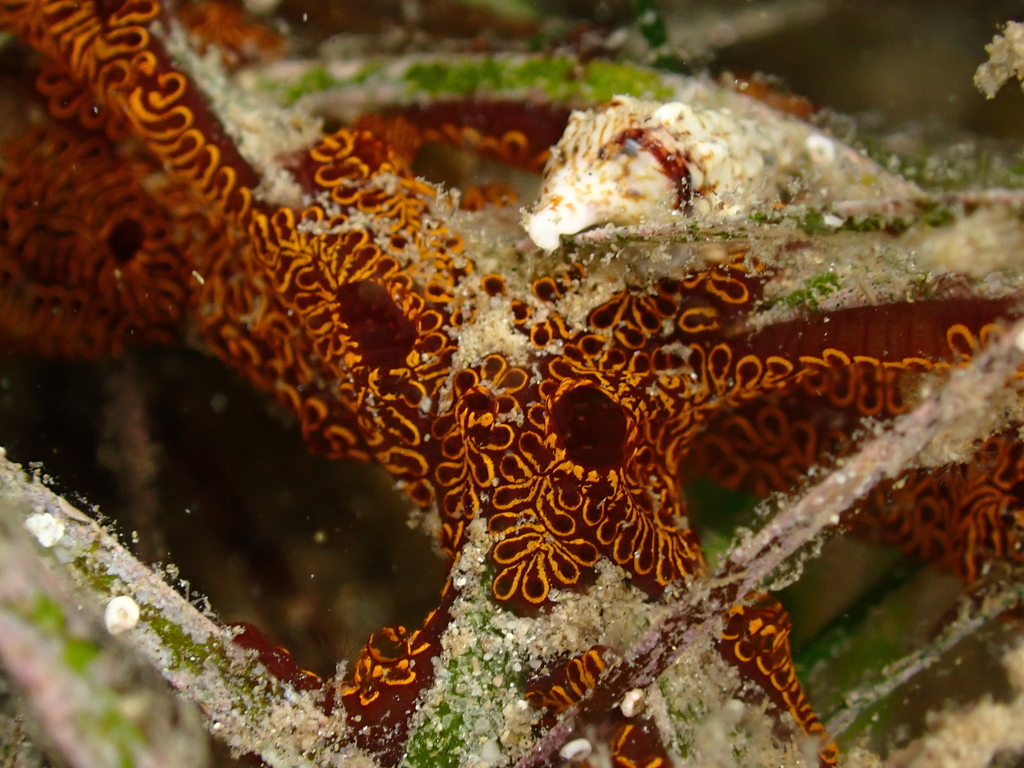
(c) Fish and Dive, some rights reserved (CC BY) · CC BY · iNaturalist 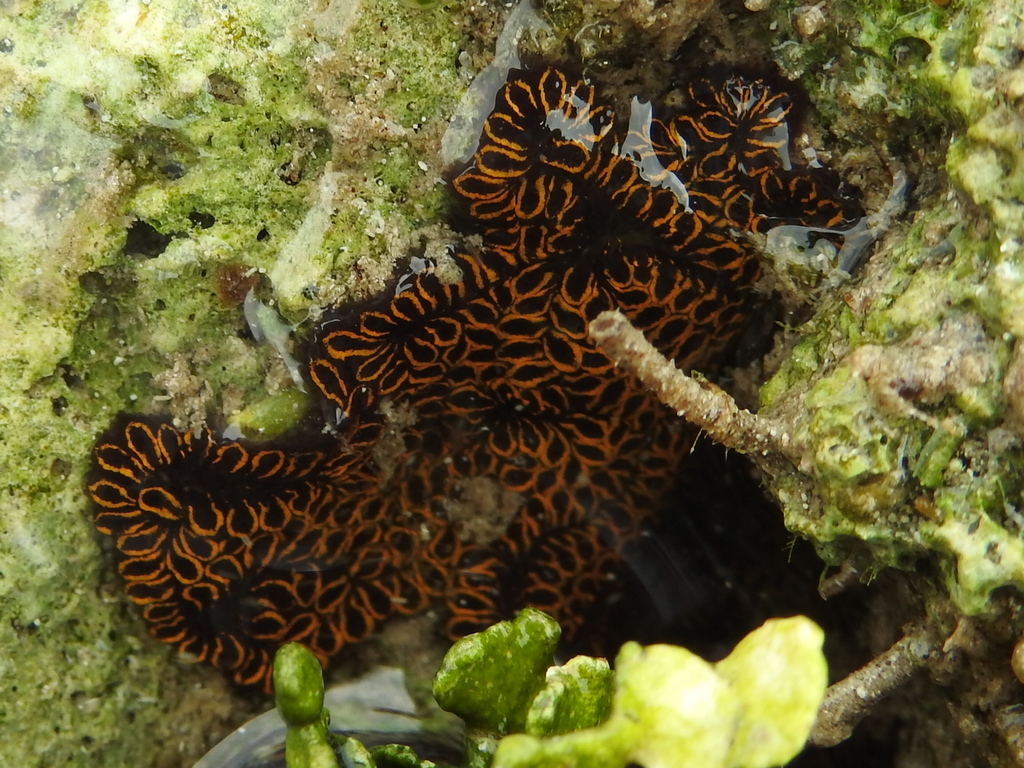
(c) Sam Kieschnick, some rights reserved (CC BY) · CC BY · iNaturalist 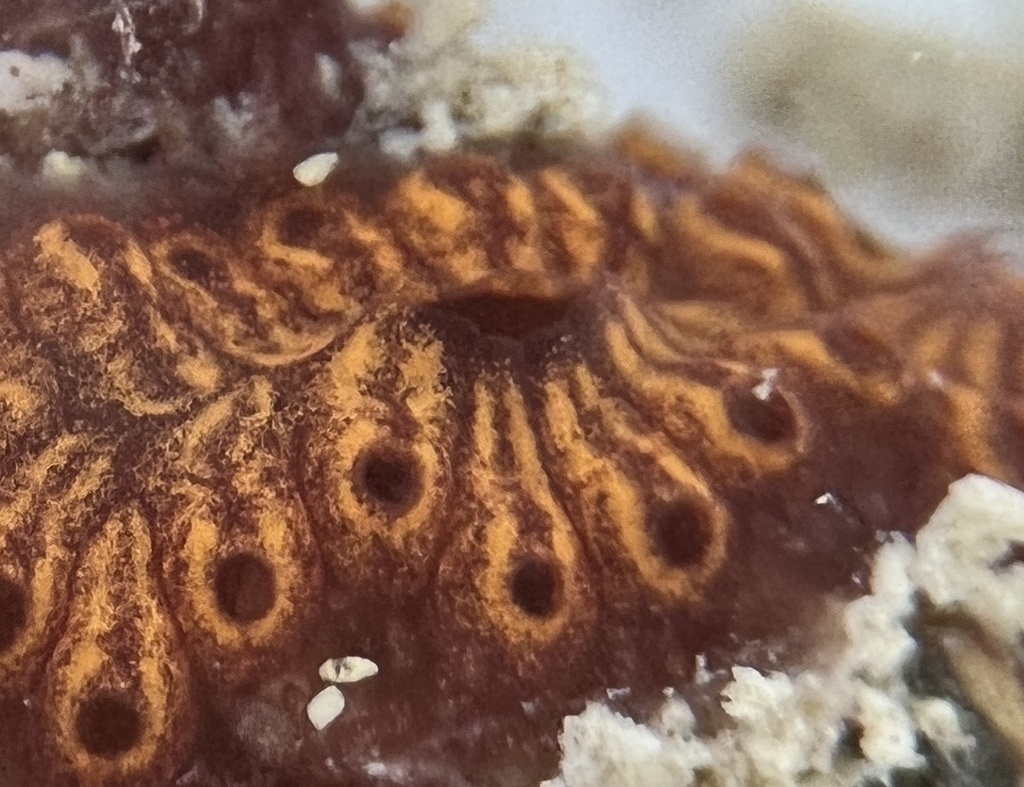
(c) Thomas Irvine, some rights reserved (CC BY) · CC BY · iNaturalist 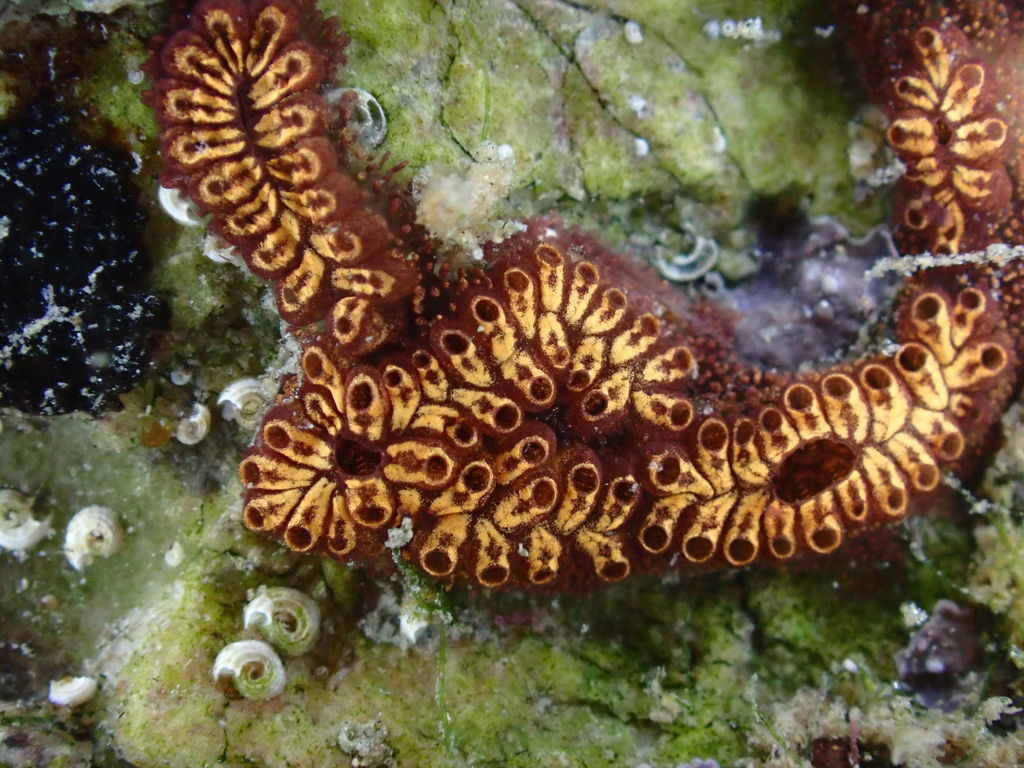
(c) Fish and Dive, some rights reserved (CC BY) · CC BY · iNaturalist
Names and classification
- English
- Black synascidia, black synascidia
Names in 1 more language
- French
- synascidie noire
Other scientific names: Botrylloides chazaliei, Botrylloides nigrum, Botryllus niger, Botryllus nigrum, Metrocarpa nigrum
Similar species
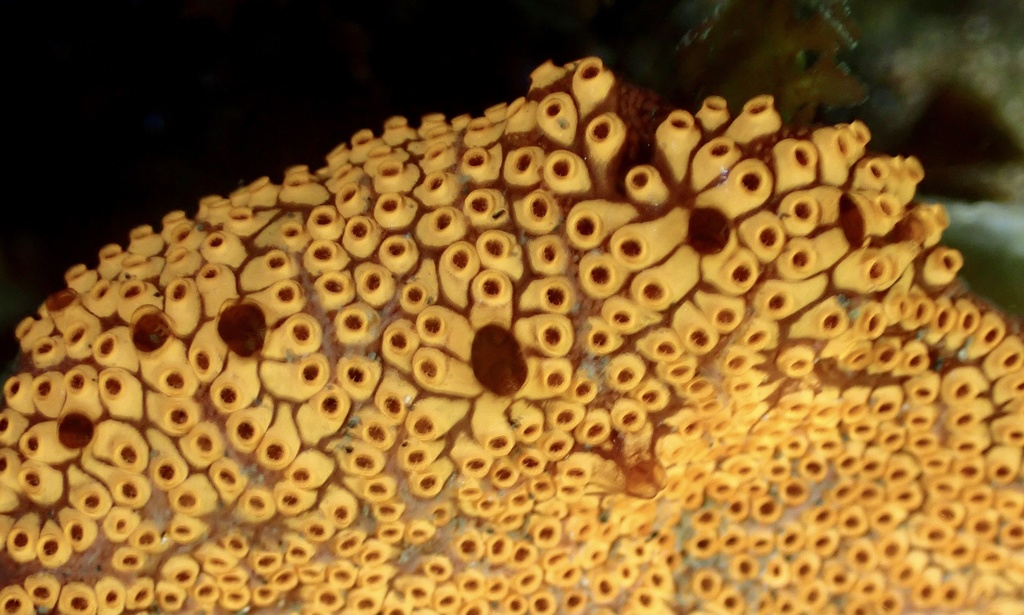
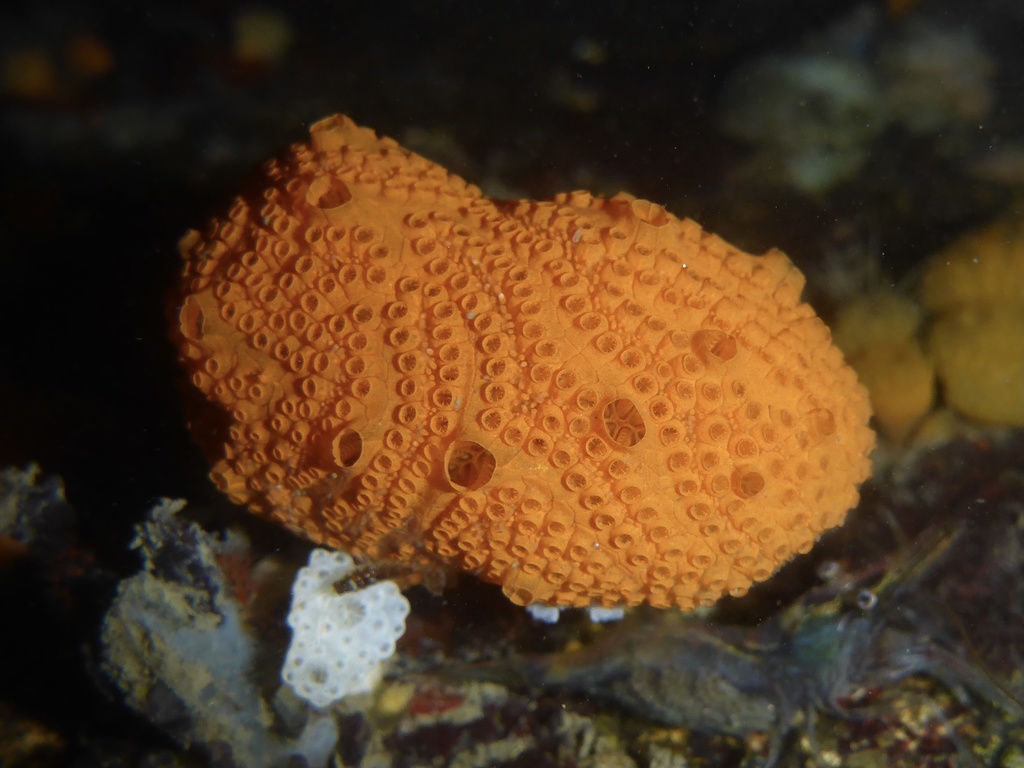 Chain tunicate
Botrylloides violaceus
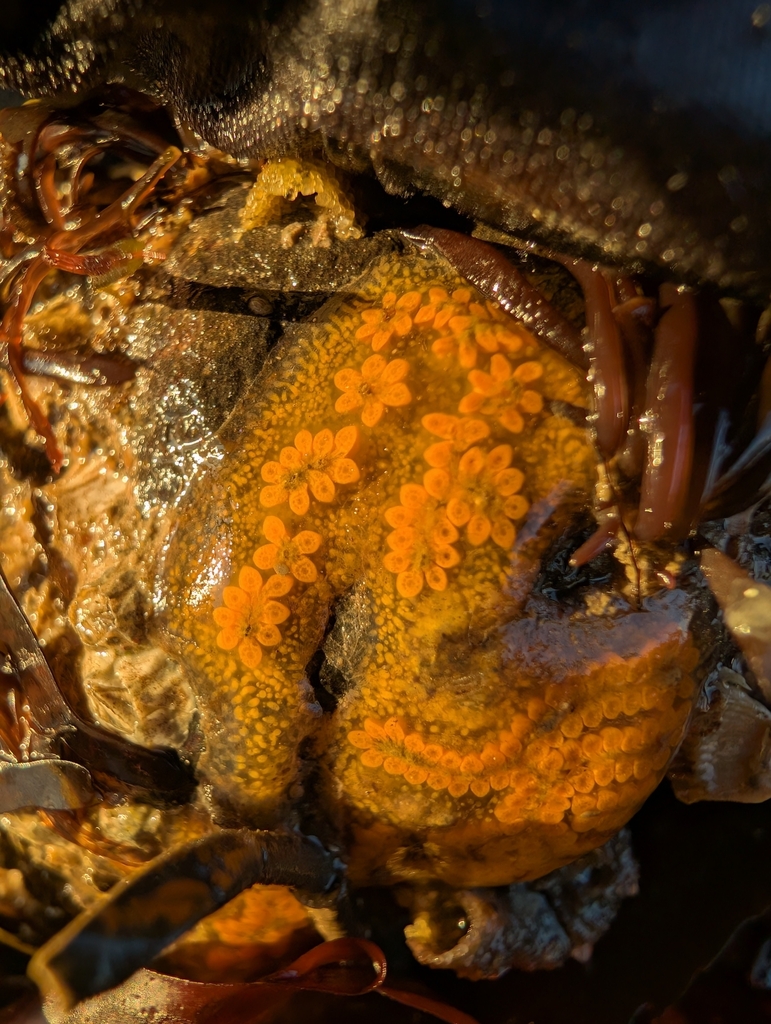 botrylloid
Botrylloides leachii
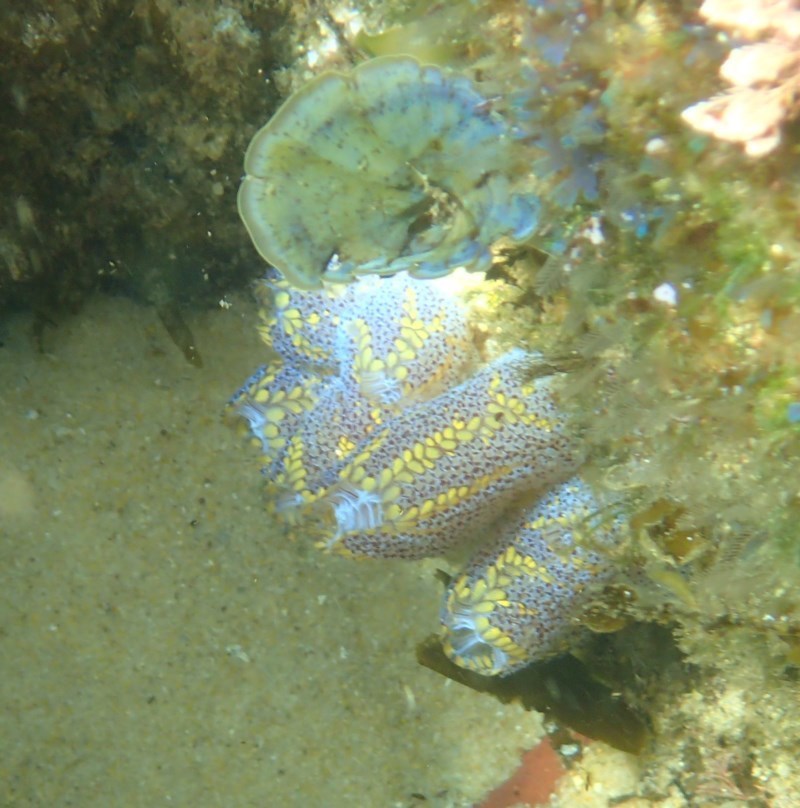
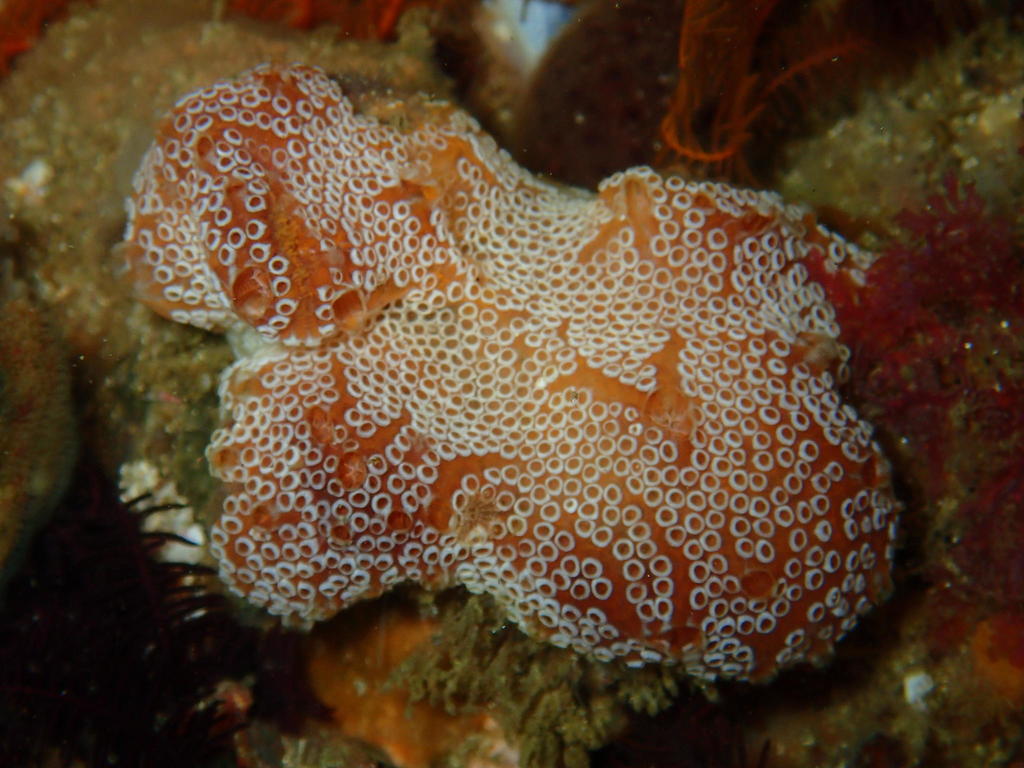
 Ascidian
Botrylloides perspicuus
Sources and credits
Names and taxonomy: WoRMS (CC BY 4.0) and the GBIF Backbone (CC BY 4.0). Photos: iNaturalist observers, each under the licence shown (CC0, CC BY or CC BY-SA).
- Depth, temperature, months and maps: records from OBIS and GBIF under CC0 or CC BY.
- Conservation status as published by GBIF (IUCN Red List).
- 306 open-data records from 1885 to 2023.
- Species data updated October 31, 2026.
Log what you see on your next dive
The free DiveHive diver app keeps your logbook with every sighting and shows what lives at the site you dive next.