
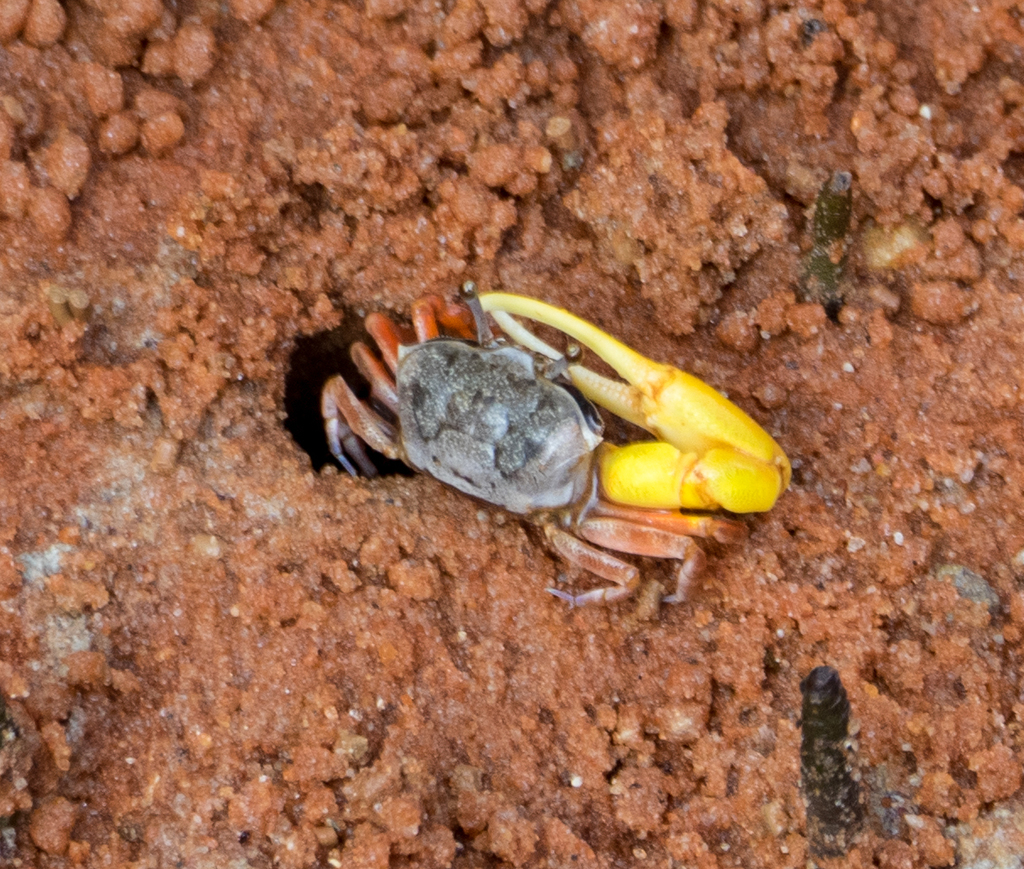
Banana Fiddler Crab
Austruca mjobergi
- Water temperature27–28 °C
- Best monthsMay, September, and November
- How commonRare
Photo credit: (c) Kerri-Lee Harris, some rights reserved (CC BY), uploaded by Kerri-Lee Harris · CC BY · iNaturalist
Where and when
Where it has been recorded
Worldwide
Best months
Worldwide (open data)
- January: 11 records
- February: 7 records
- March: 4 records
- April: 9 records
- May: 13 records
- June: 3 records
- July: 12 records
- August: 10 records
- September: 13 records
- October: 6 records
- November: 18 records
- December: 5 records
Depth and water temperature
Water temperature
Recorded in surface water of 27–28 °C
Photos
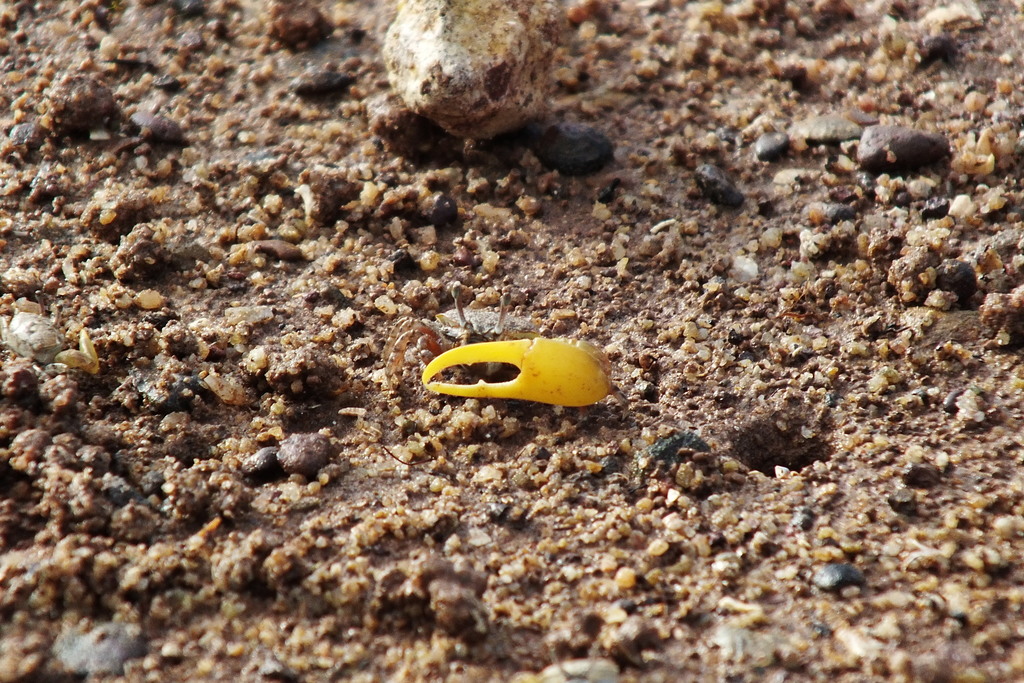
(c) coenobita, some rights reserved (CC BY) · CC BY · iNaturalist 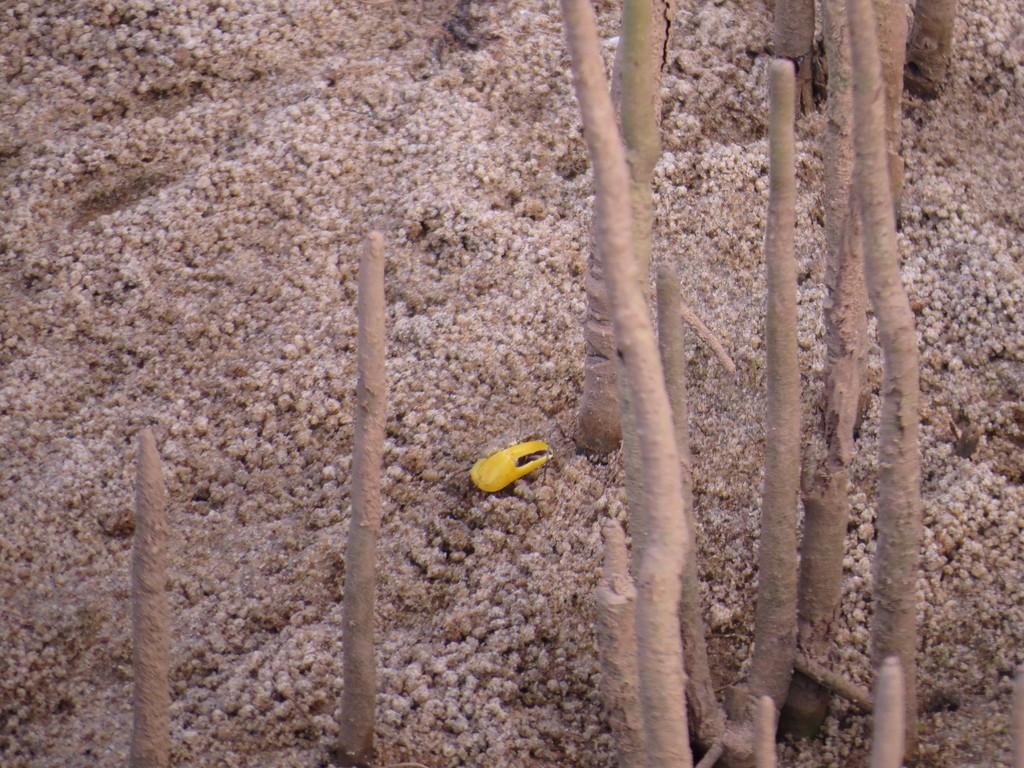
(c) coenobita, some rights reserved (CC BY) · CC BY · iNaturalist 
(c) Andrew Thornhill, some rights reserved (CC BY) · CC BY · iNaturalist 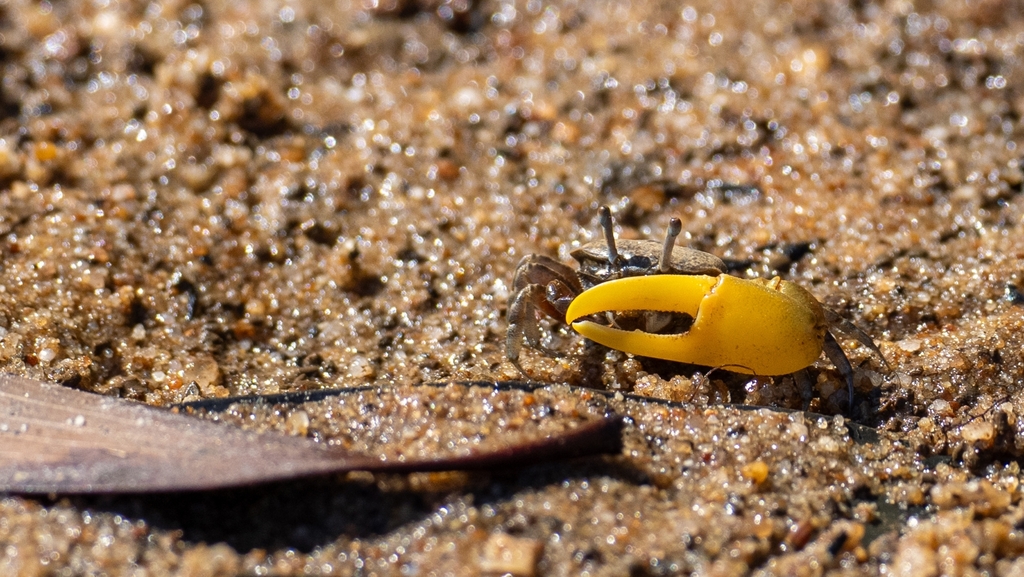
(c) Genevieve Early, some rights reserved (CC BY) · CC BY · iNaturalist 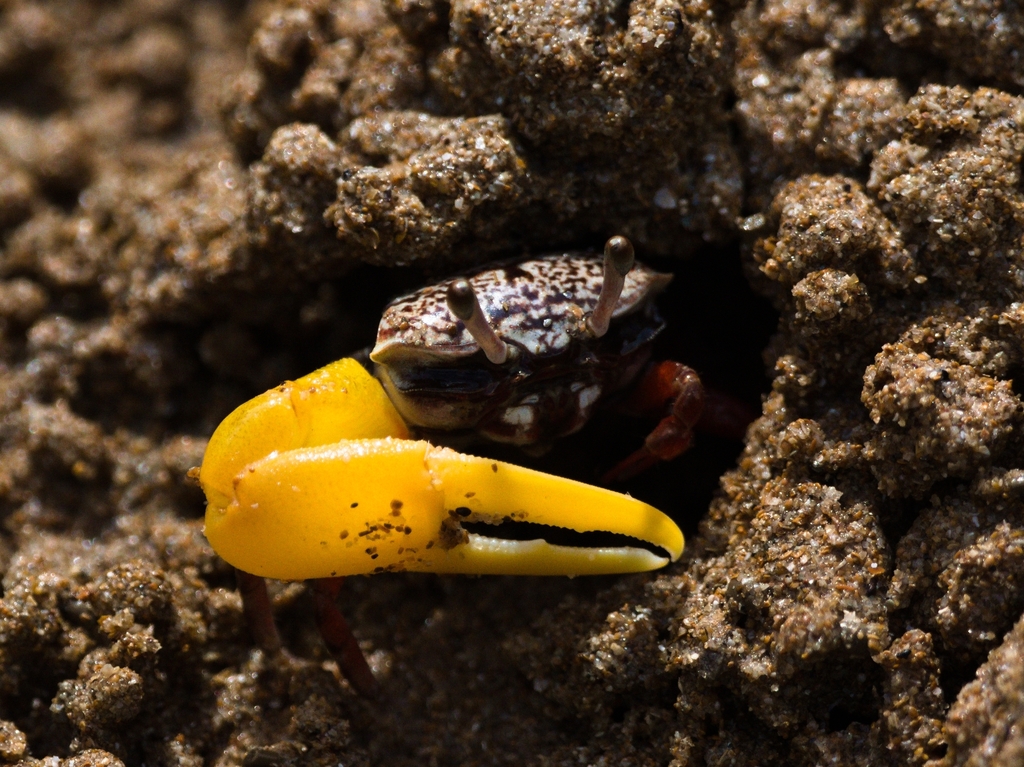
(c) James Cunningham, some rights reserved (CC BY) · CC BY · iNaturalist 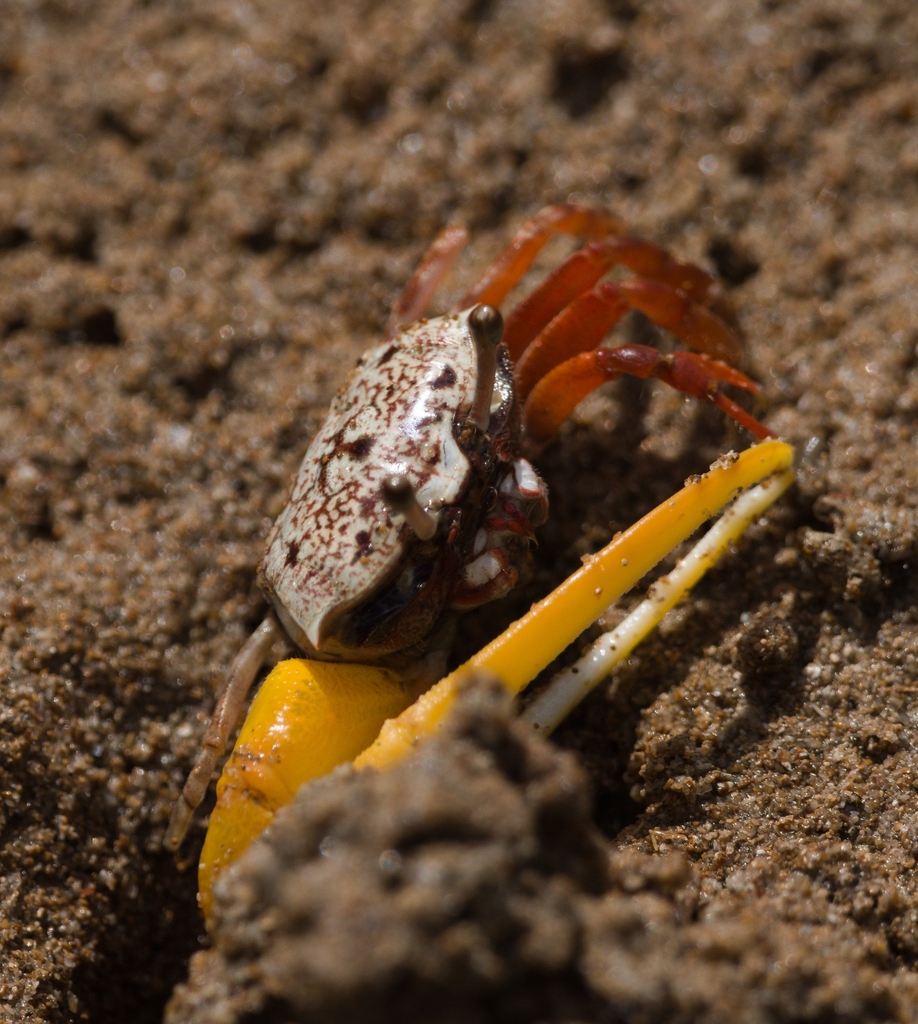
(c) James Cunningham, some rights reserved (CC BY) · CC BY · iNaturalist
Names and classification
- English
- Banana Fiddler Crab, Mjöberg's Fiddler Crab
Names in 1 more language
- Simplified Chinese
- 米氏南方招潮
Other scientific names: Uca (Austruca) mjobergi, Uca (Paraleptuca) mjobergi, Uca mjobergi, Uca mjöbergi
Similar species
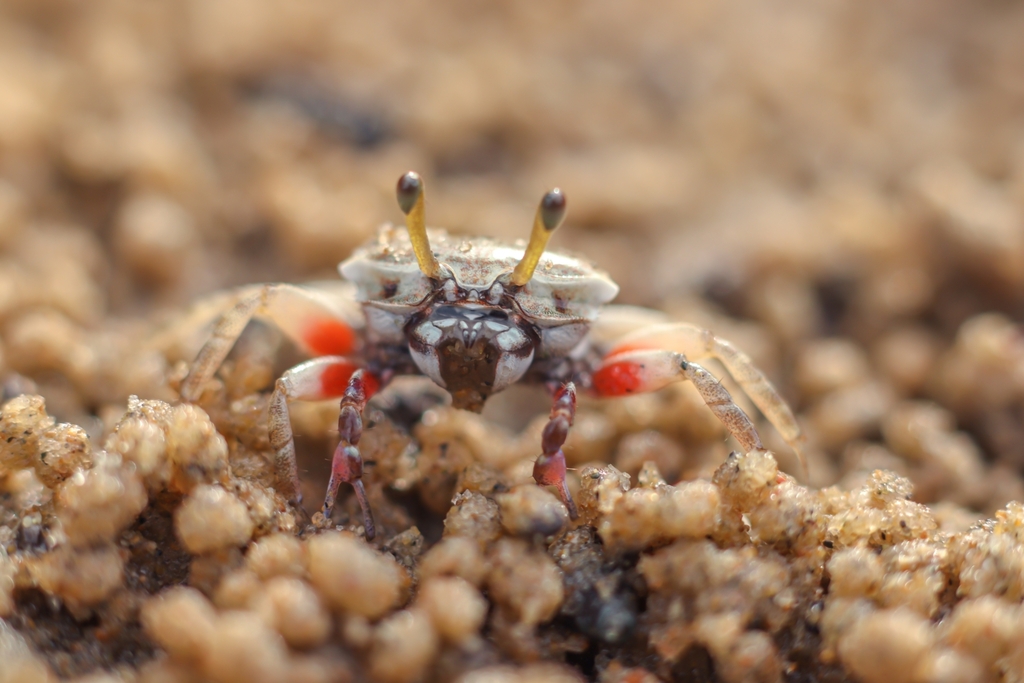 Pink-clawed Fiddler Crab
Austruca annulipes
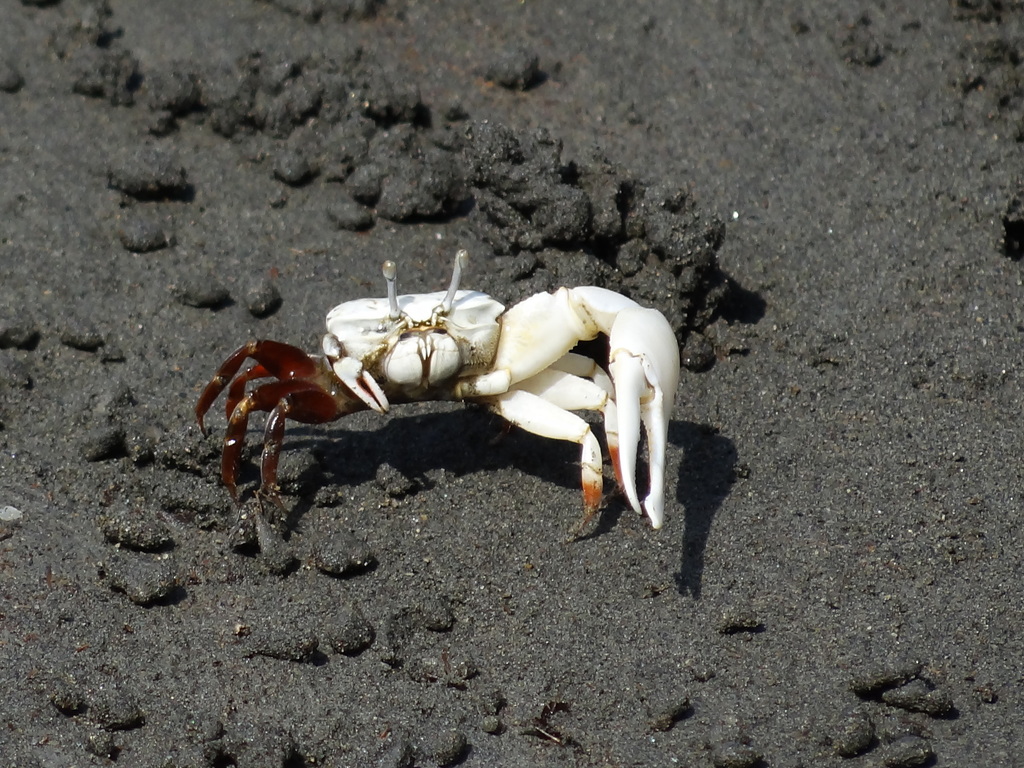 Milky Fiddler Crab
Austruca lactea
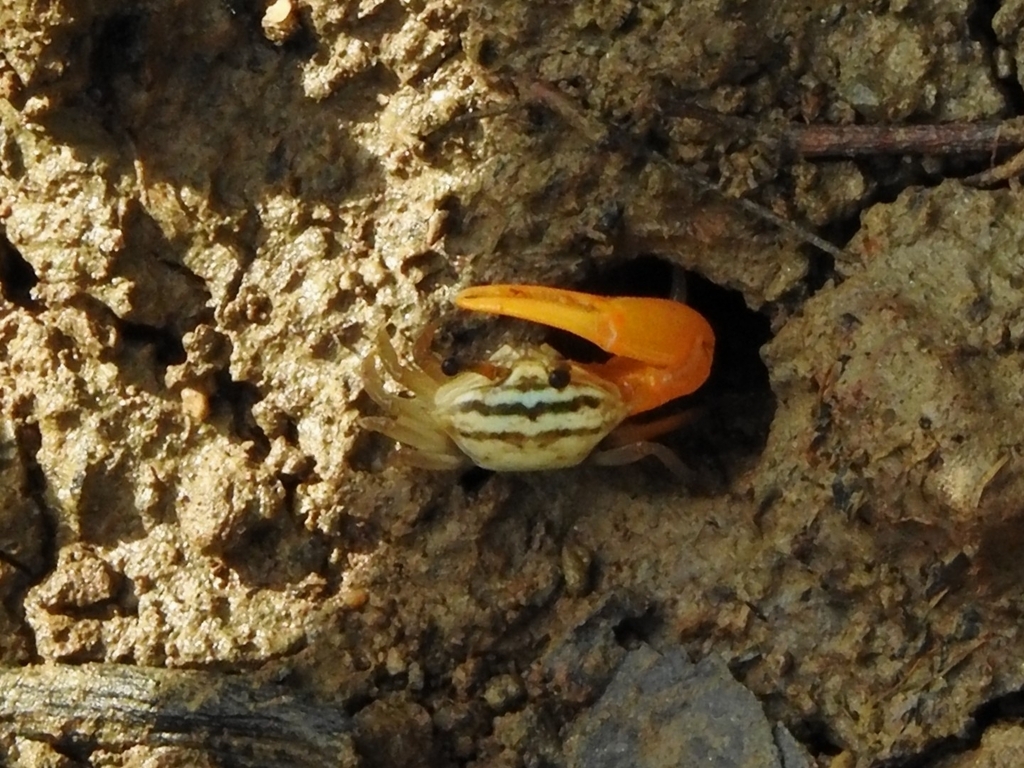 Bengal Fiddler Crab
Austruca bengali
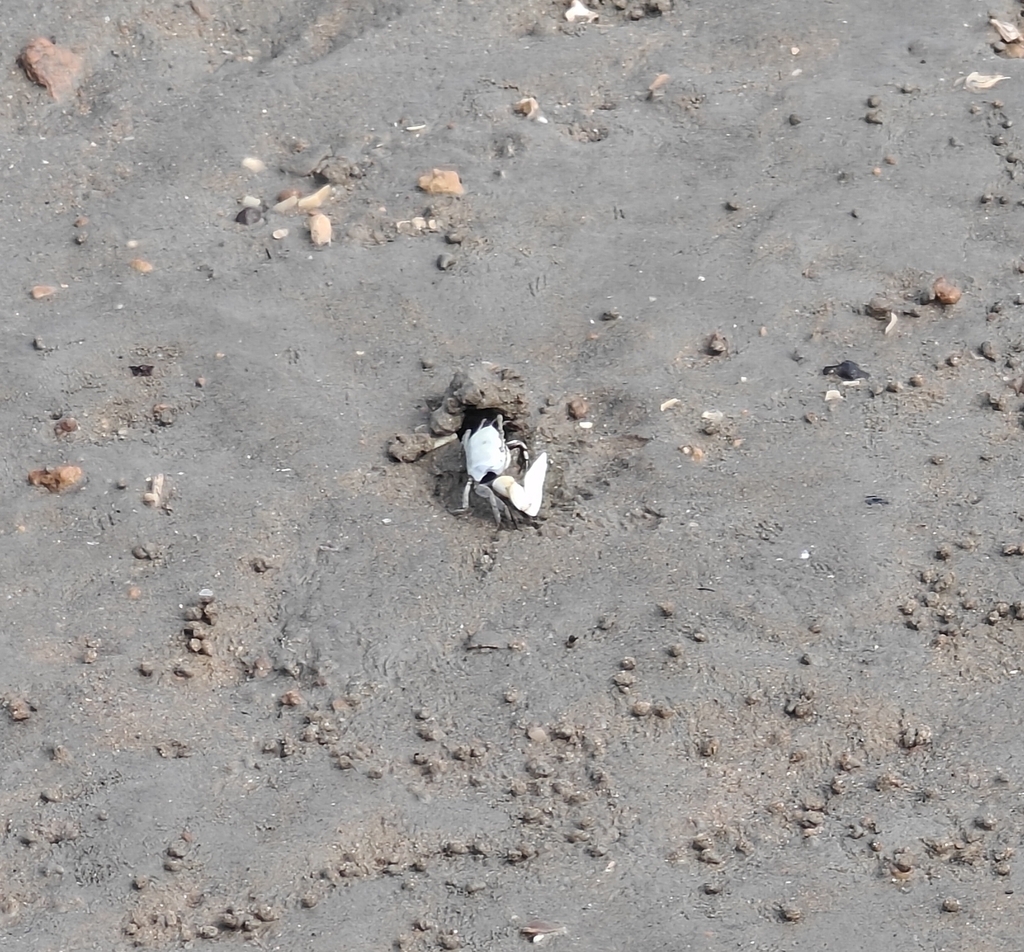
 Citrus Fiddler Crab
Austruca citrus
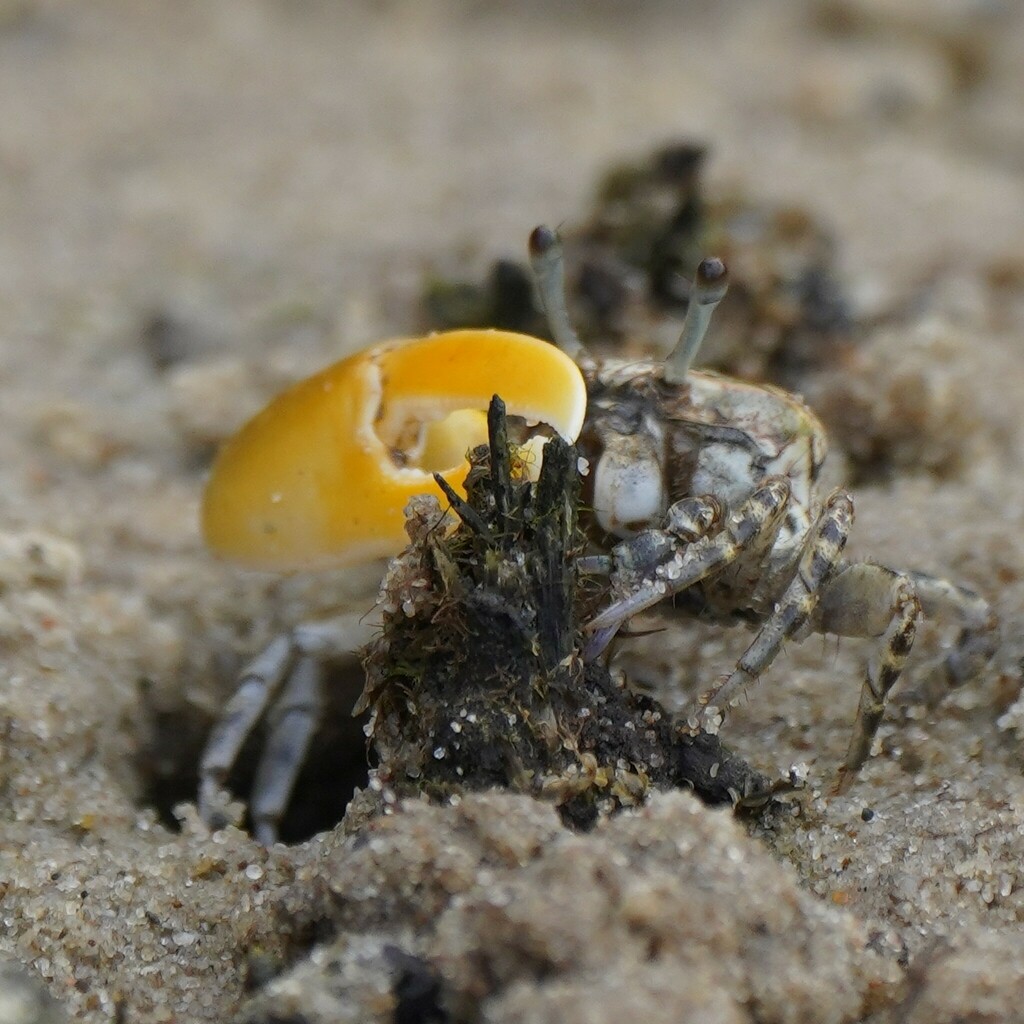
 Iranian Fiddler Crab
Austruca iranica
 Perplexing Fiddler Crab
Austruca perplexa
Sources and credits
Names and taxonomy: WoRMS (CC BY 4.0) and the GBIF Backbone (CC BY 4.0). Photos: iNaturalist observers, each under the licence shown (CC0, CC BY or CC BY-SA).
- Depth, temperature, months and maps: records from OBIS and GBIF under CC0 or CC BY.
- Conservation status as published by GBIF (IUCN Red List).
- 66 open-data records from 1993 to 2002.
- Species data updated October 31, 2026.
Log what you see on your next dive
The free DiveHive diver app keeps your logbook with every sighting and shows what lives at the site you dive next.