
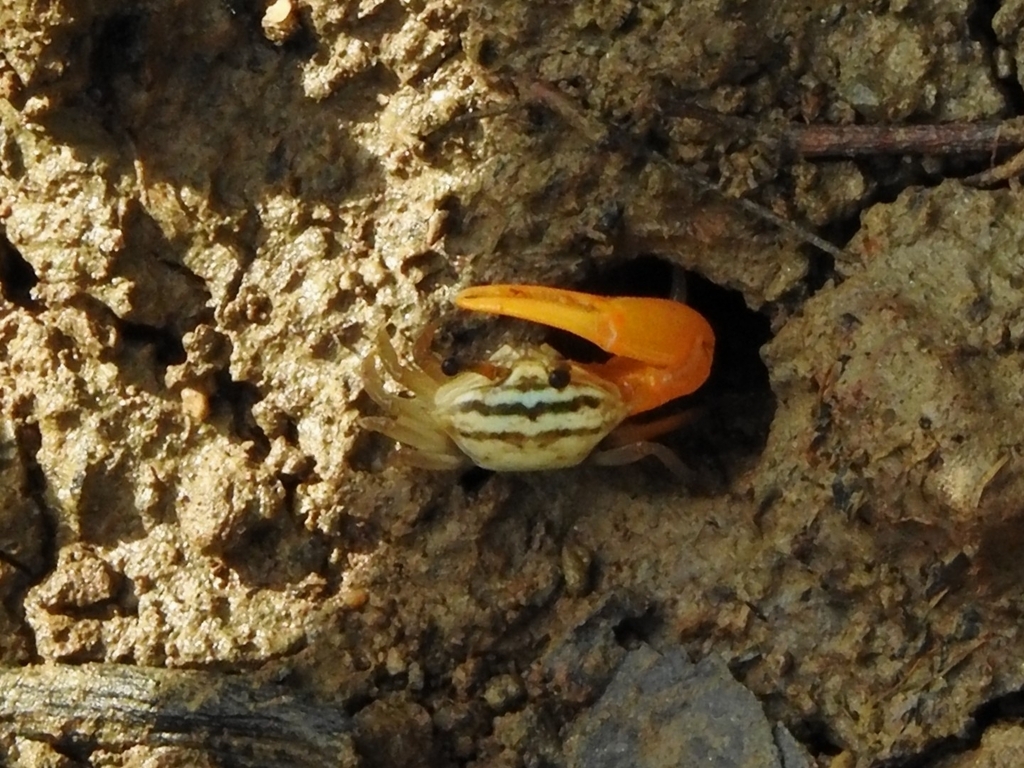
Bengal Fiddler Crab
Austruca bengali
- Water temperature28–29 °C
- Best monthsMarch, April, and December
- How commonRare
Photo credit: (c) Carlos Otávio Gussoni, some rights reserved (CC BY) · CC BY · iNaturalist
Where and when
Where it has been recorded
Worldwide
Best months
Worldwide (open data)
- January: 20 records
- February: 21 records
- March: 27 records
- April: 28 records
- May: 26 records
- June: 19 records
- July: 16 records
- August: 6 records
- September: 7 records
- October: 7 records
- November: 12 records
- December: 31 records
Depth and water temperature
Water temperature
Recorded in surface water of 28–29 °C
Photos
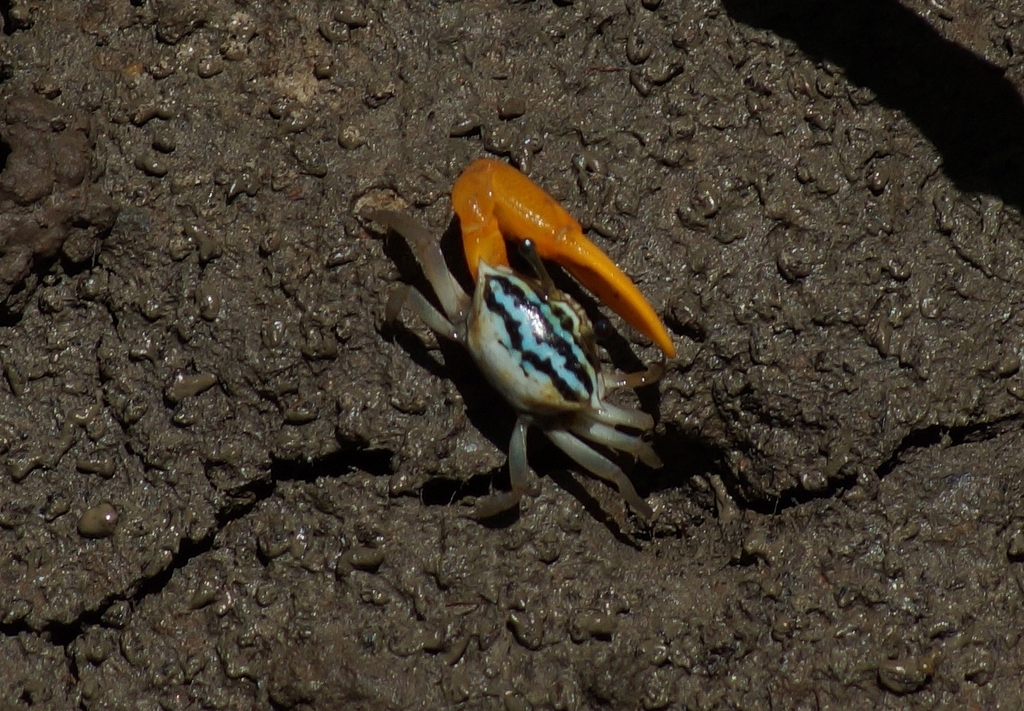
(c) Cheryl Stinchcomb, some rights reserved (CC BY) · CC BY · iNaturalist 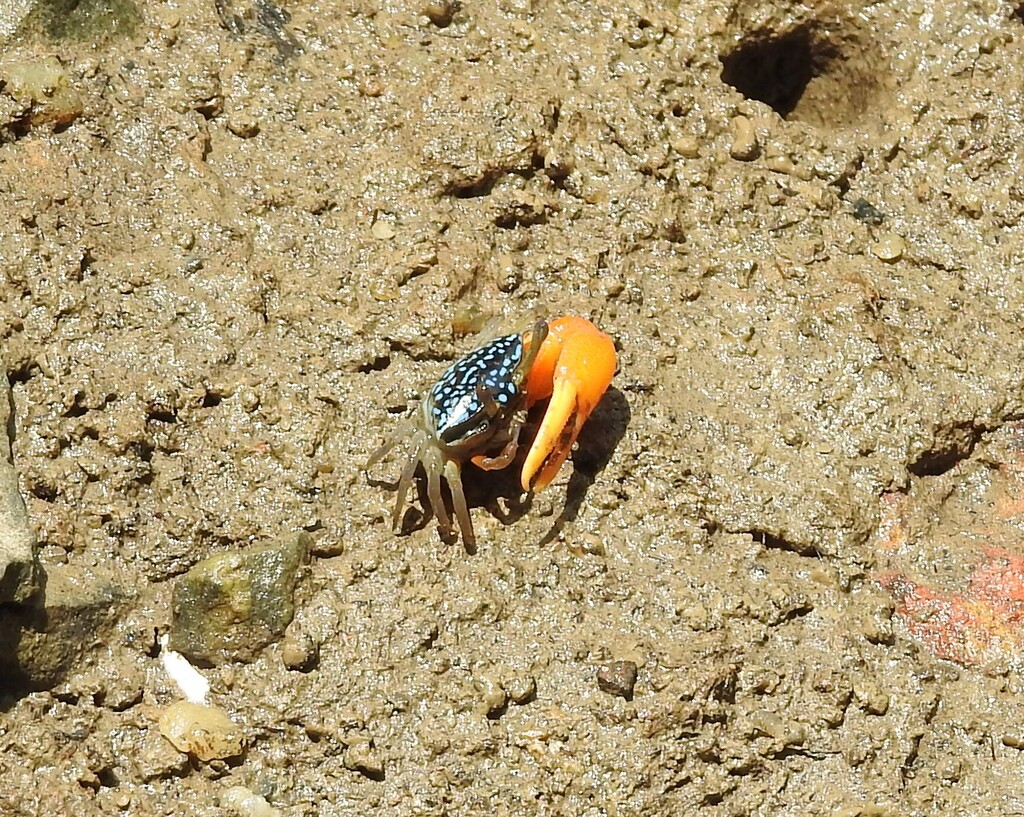
(c) Ashwin Viswanathan, some rights reserved (CC BY) · CC BY · iNaturalist 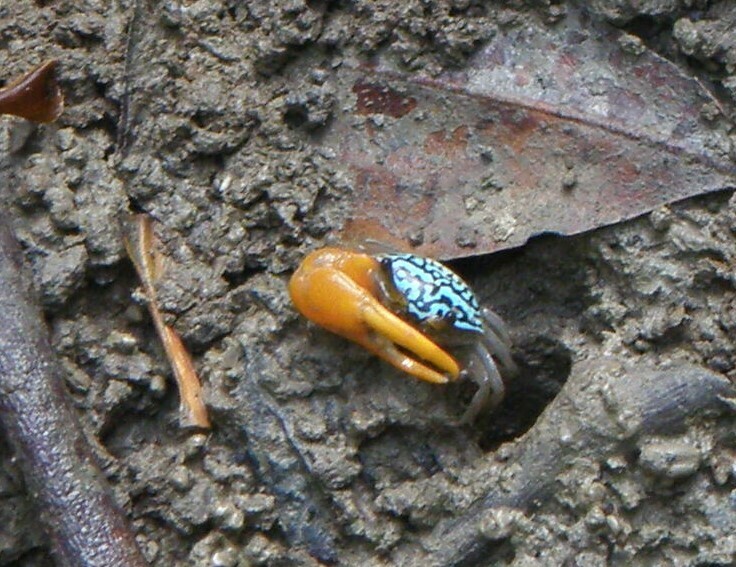
(c) Jean Jacques Godon, some rights reserved (CC BY) · CC BY · iNaturalist 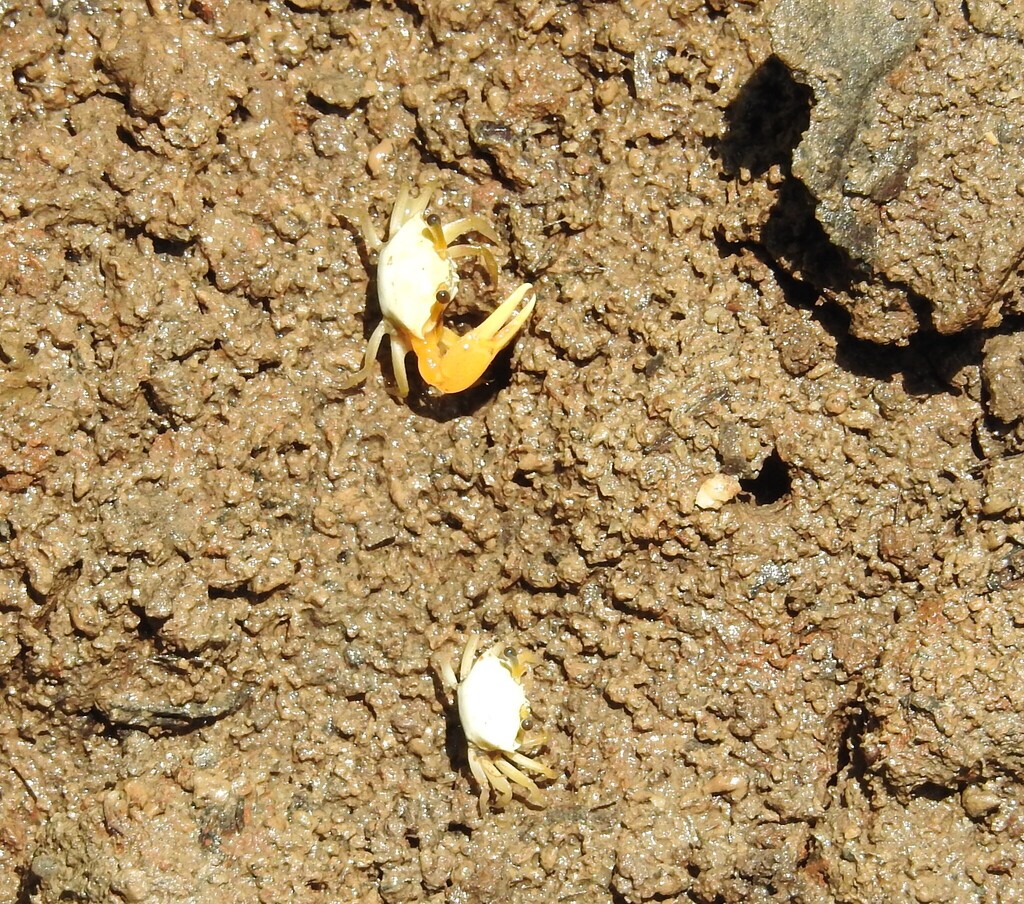
(c) Ashwin Viswanathan, some rights reserved (CC BY) · CC BY · iNaturalist 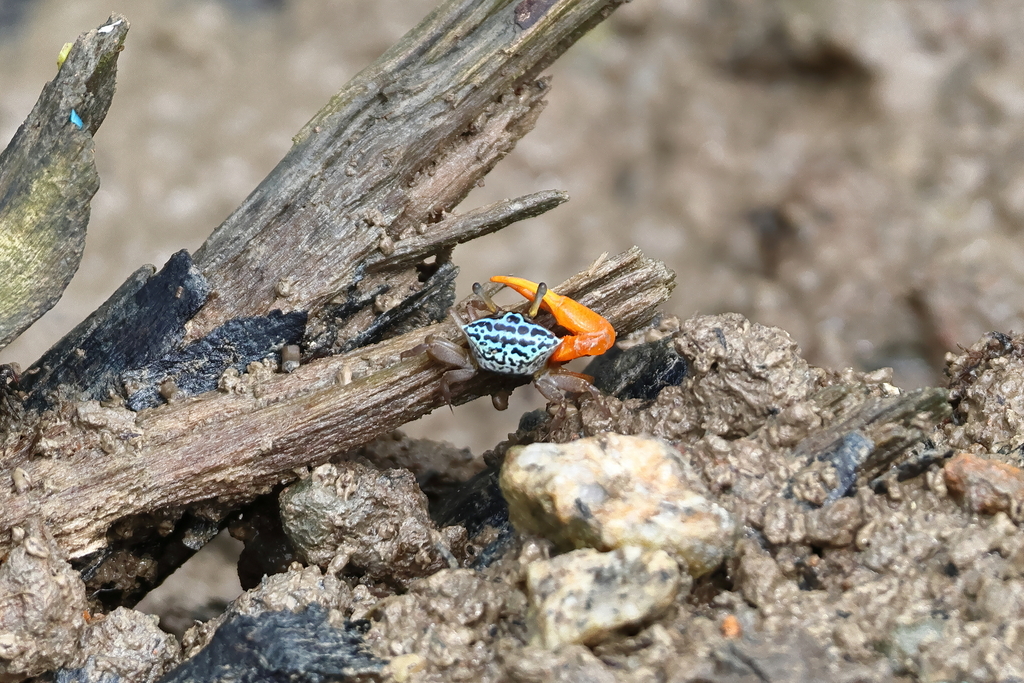
(c) Wolfgang Ahlmer, some rights reserved (CC BY) · CC BY · iNaturalist 
(c) bernhard_hiller, some rights reserved (CC BY) · CC BY · iNaturalist 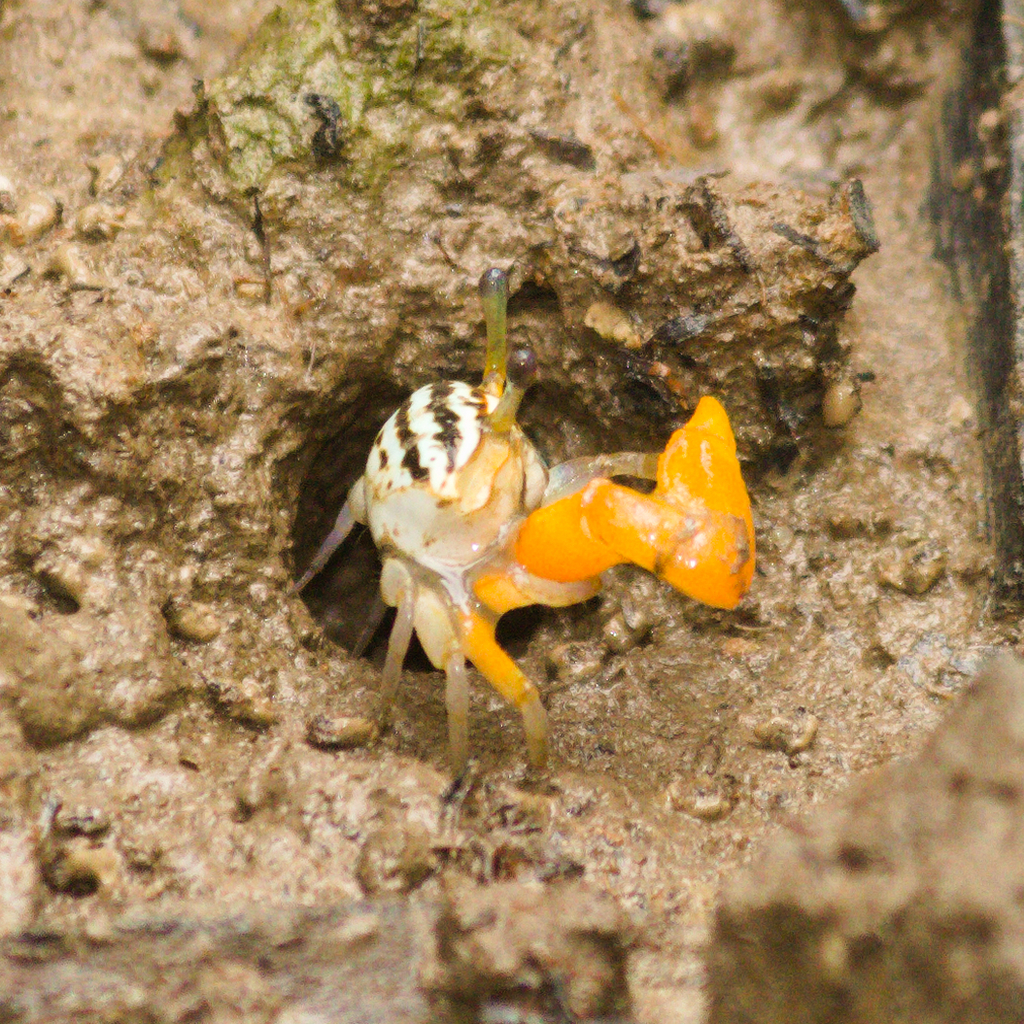
no rights reserved · CC0 1.0 · iNaturalist
Names and classification
- English
- Bengal Fiddler Crab
Names in 2 more languages
- Thai
- ปูก้ามดาบเหลือง
- Simplified Chinese
- 孟加拉南方招潮
Other scientific names: Uca (Paraleptuca) bengali
Similar species
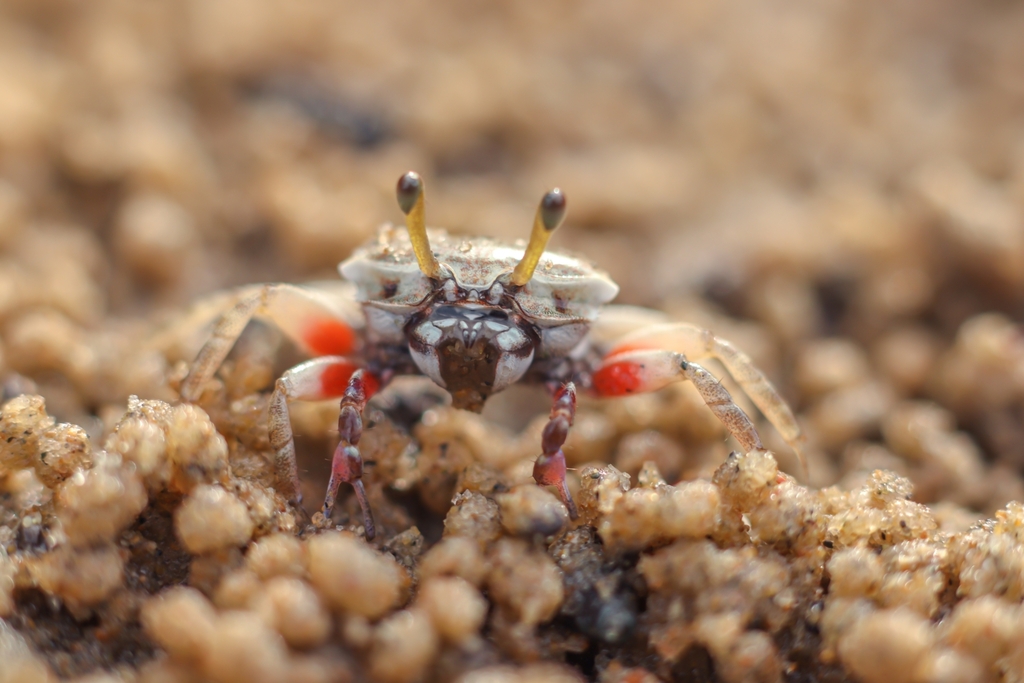 Pink-clawed Fiddler Crab
Austruca annulipes
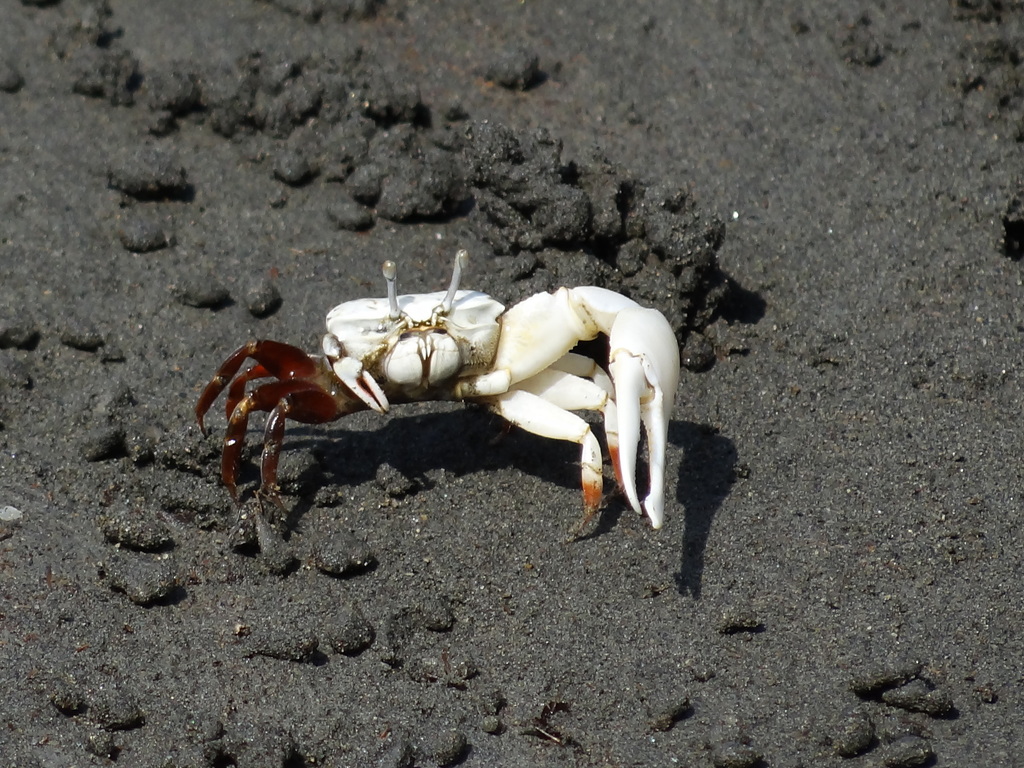 Milky Fiddler Crab
Austruca lactea
 Citrus Fiddler Crab
Austruca citrus
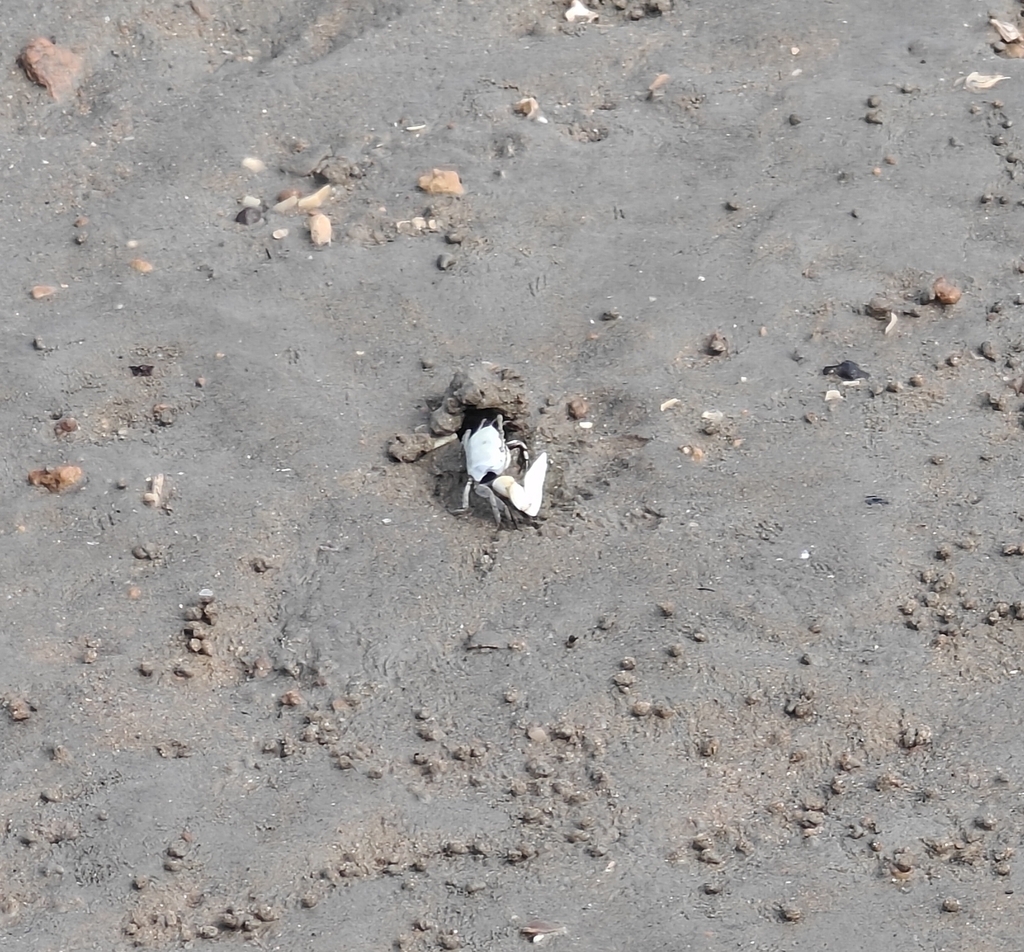 Iranian Fiddler Crab
Austruca iranica
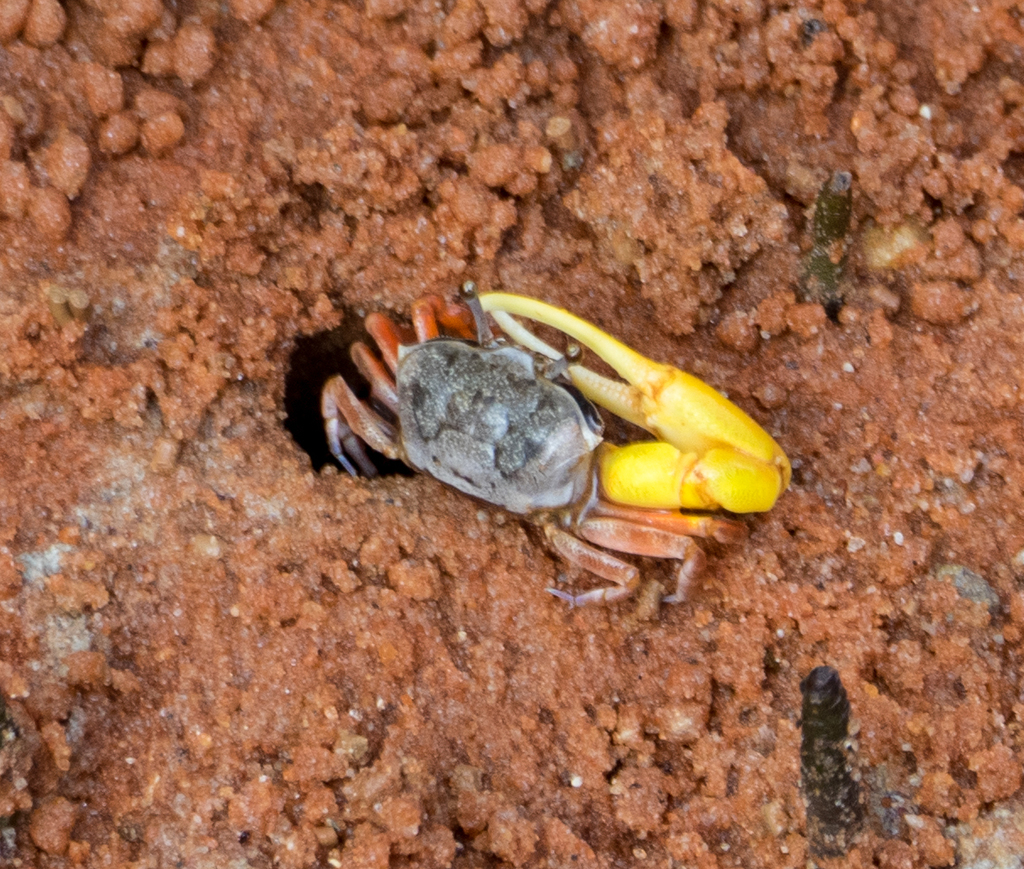 Banana Fiddler Crab
Austruca mjobergi
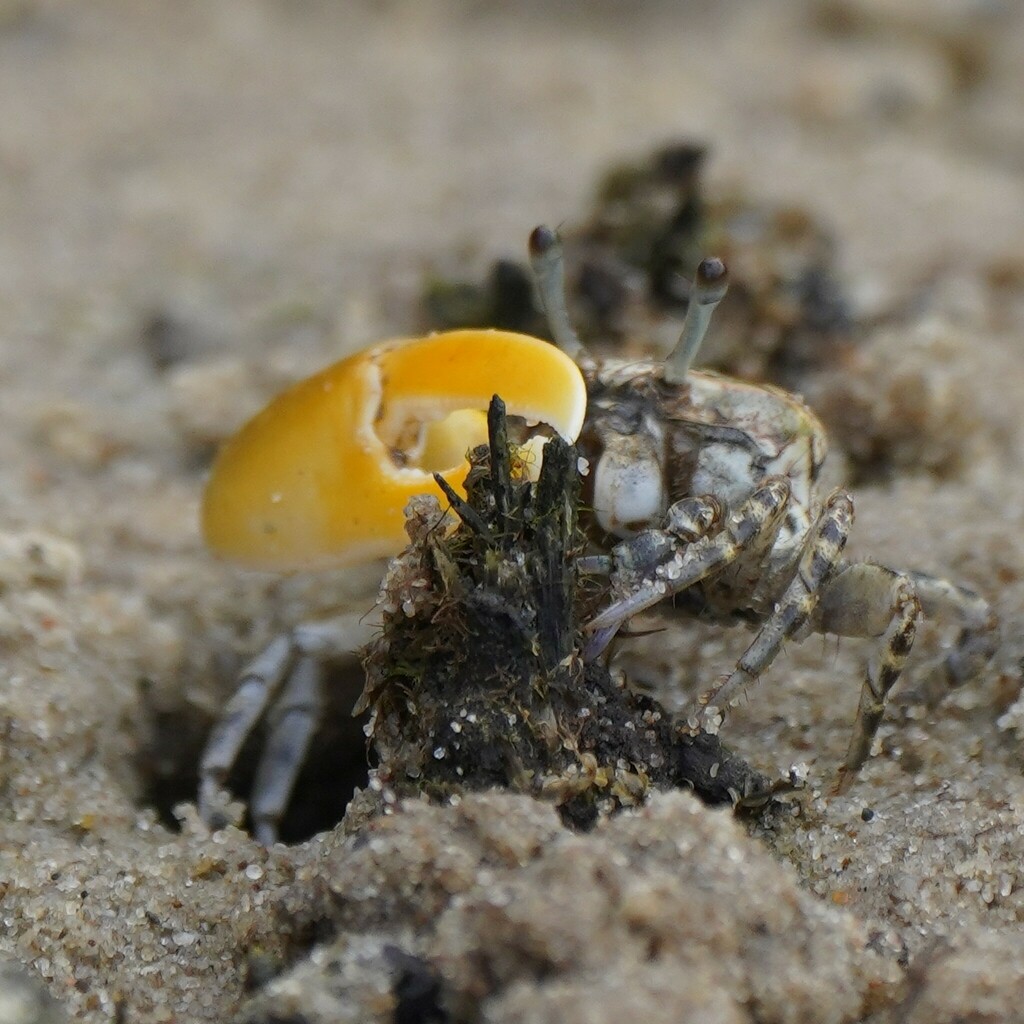 Perplexing Fiddler Crab
Austruca perplexa
Sources and credits
Names and taxonomy: WoRMS (CC BY 4.0) and the GBIF Backbone (CC BY 4.0). Photos: iNaturalist observers, each under the licence shown (CC0, CC BY or CC BY-SA).
- Depth, temperature, months and maps: records from OBIS and GBIF under CC0 or CC BY.
- Conservation status as published by GBIF (IUCN Red List).
- 39 open-data records from 1975 to 1982.
- Species data updated October 31, 2026.
Log what you see on your next dive
The free DiveHive diver app keeps your logbook with every sighting and shows what lives at the site you dive next.