
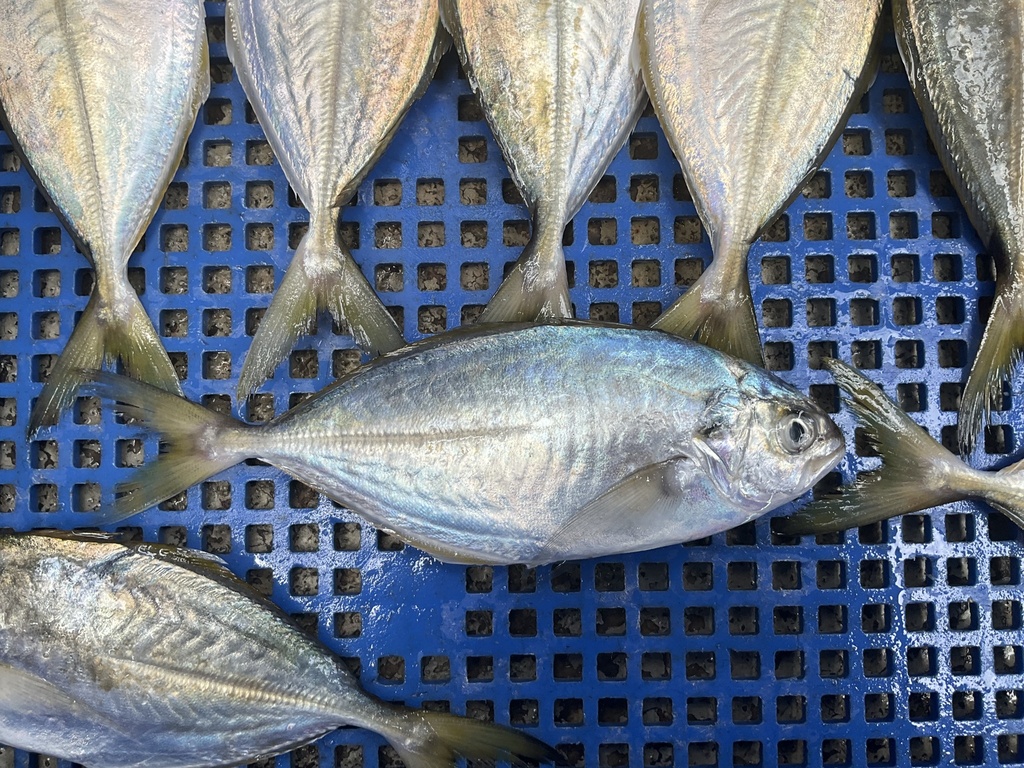
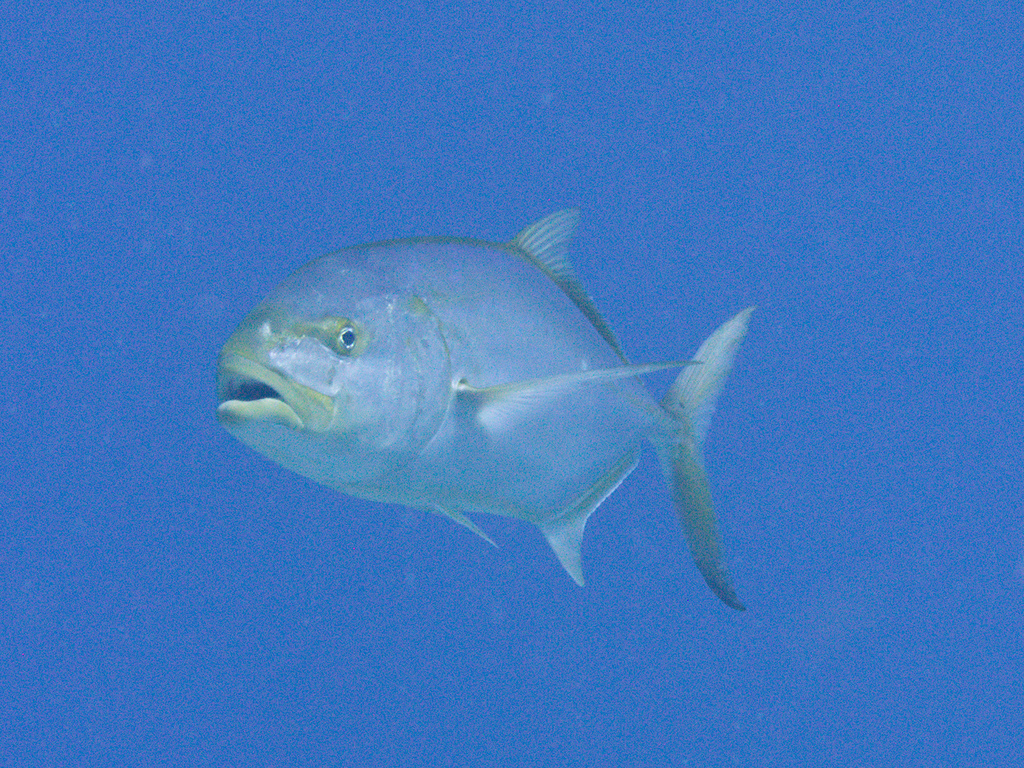
Banded Scad
Alepes apercna
- Usual depth17–59 m
- Water temperature20–29 °C
- Best monthsApril, June, and October
- How commonOccasional
Photo credit: (c) James H, some rights reserved (CC BY) · CC BY · iNaturalist
About this species
The smallmouth scad, is a species of tropical marine fish in the jack family Carangidae. The species is endemic to northern Australia, inhabiting primarily inshore waters. It is similar to other scads in the genus Alepes, and is distinguished by a well-developed posterior adipose eyelid, as well as fin membrane spotting and gill raker counts. It is not a large species, with the maximum length reported to be 29.5 cm. It feeds primarily on a variety of small invertebrates, and is of very minor economic importance.
Text from the Wikipedia article “Smallmouth scad”, licensed CC BY-SA 4.0. Read the article
Where and when
Where it has been recorded
Worldwide
Best months
Worldwide (open data)
- January: 35 records
- February: 36 records
- March: 29 records
- April: 48 records
- May: 25 records
- June: 58 records
- July: 13 records
- August: 21 records
- September: 36 records
- October: 40 records
- November: 36 records
- December: 17 records
Depth and water temperature
Depth
Mostly recorded at 17–59 m · Deepest record: 125 m
Water temperature
Recorded in surface water of 20–29 °C
Names and classification
- English
- Banded Scad, Roundfin Trevally, Smallmouth scad
Names in 1 more language
- Simplified Chinese
- 細尾副葉鰺
Similar species
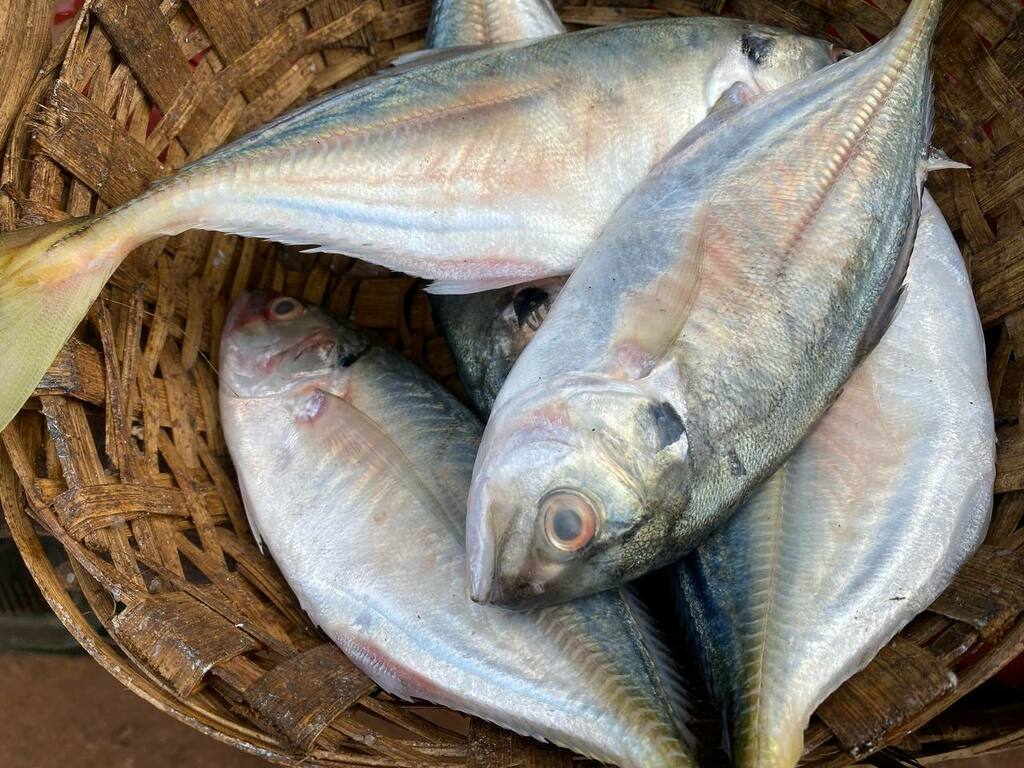 Shrimp scad
Alepes djedaba
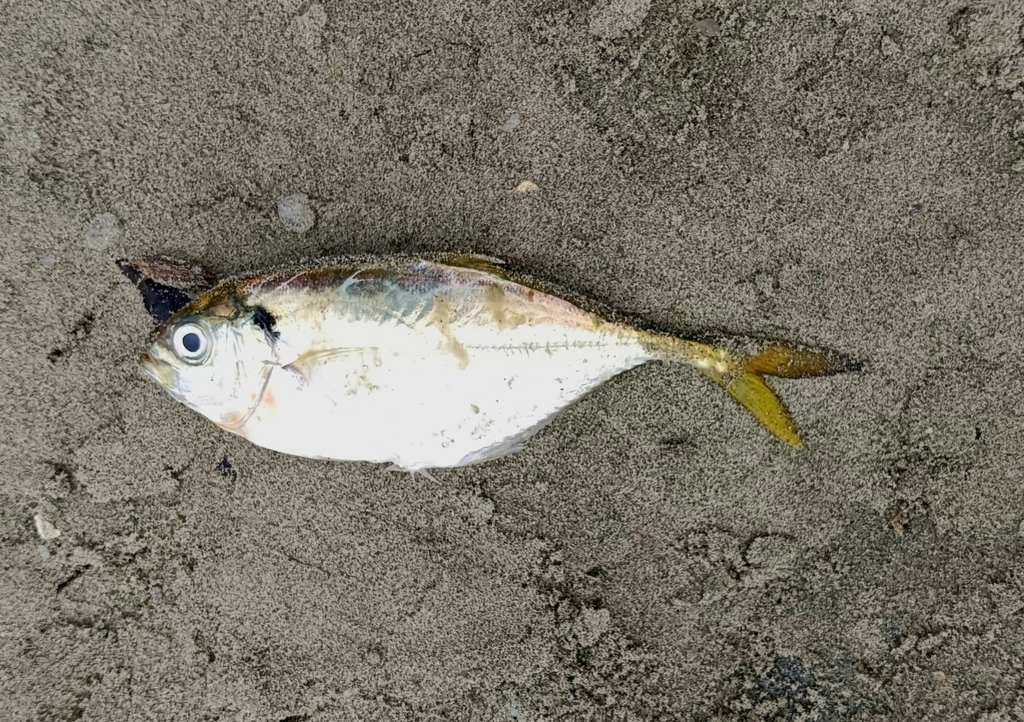 banded scad
Alepes kleinii
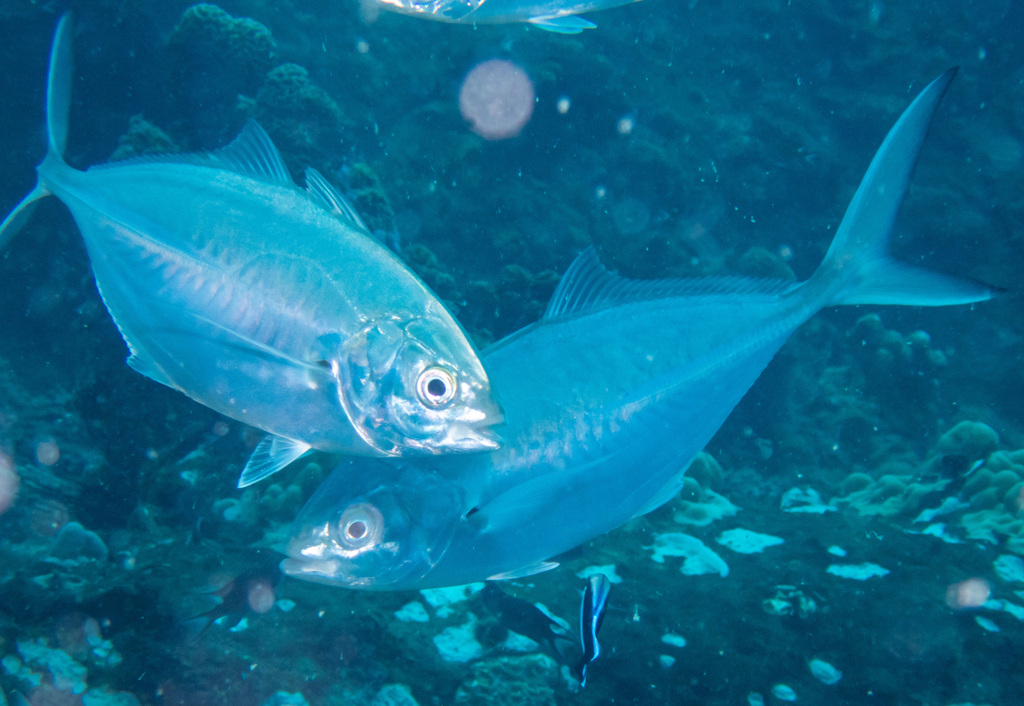 Herring scad
Alepes vari
- blackfin scad
Alepes melanoptera
 Yellow jack
Caranx bartholomaei
 Blue runner
Caranx crysos
Sources and credits
Names and taxonomy: WoRMS (CC BY 4.0) and the GBIF Backbone (CC BY 4.0). Photos: iNaturalist observers, each under the licence shown (CC0, CC BY or CC BY-SA).
- Depth, temperature, months and maps: records from OBIS and GBIF under CC0 or CC BY.
- Descriptions: Wikipedia, licensed CC BY-SA, each linked to its article.
- Conservation status as published by GBIF (IUCN Red List).
- 467 open-data records from 1910 to 2020.
- Species data updated October 31, 2026.
Log what you see on your next dive
The free DiveHive diver app keeps your logbook with every sighting and shows what lives at the site you dive next.