
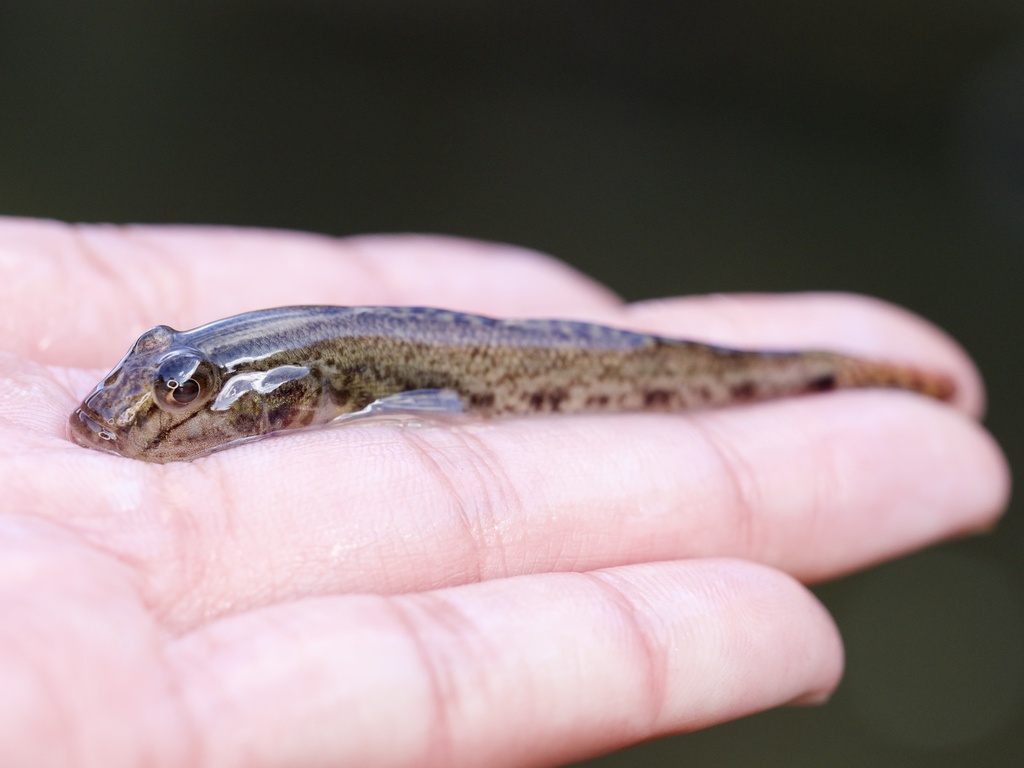
Yellowfin goby
Acanthogobius flavimanus
- Usual depth0–5 m
- Water temperature13–25 °C
- Best monthsAugust, September, and October
- How commonOccasional
Photo credit: (c) りなべる, some rights reserved (CC BY) · CC BY · iNaturalist
About this species
Acanthogobius flavimanus, commonly referred to as the yellowfin goby, mahaze, and Japanese river goby, is a goby native to the northwestern Pacific Ocean. It has spread beyond its native range to become an introduced, and often invasive, species. It has been recorded in Australia, Mexico, and Florida and California in the United States.
Text from the Wikipedia article “Acanthogobius flavimanus”, licensed CC BY-SA 4.0. Read the article
Where and when
Where it has been recorded
Worldwide
Best months
Worldwide (open data)
- January: 57 records
- February: 46 records
- March: 56 records
- April: 56 records
- May: 71 records
- June: 102 records
- July: 133 records
- August: 167 records
- September: 156 records
- October: 166 records
- November: 89 records
- December: 71 records
Depth and water temperature
Depth
Mostly recorded at 0–5 m · Deepest record: 30 m
Water temperature
Recorded in surface water of 13–25 °C
Photos
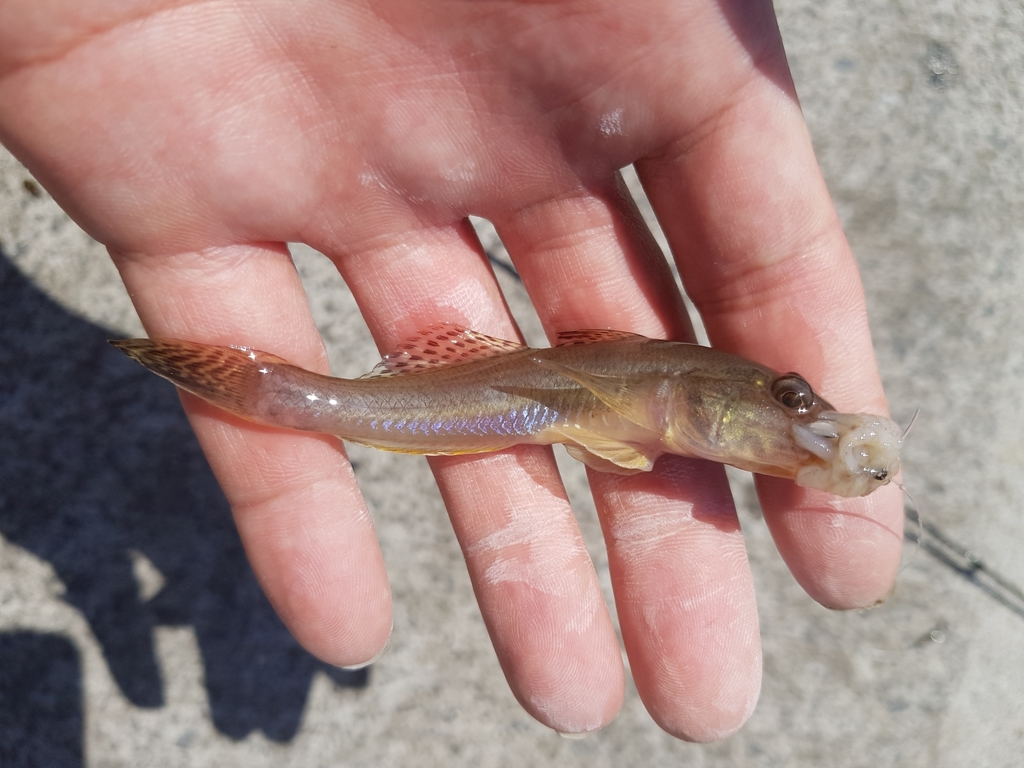
(c) Lek Khauv, some rights reserved (CC BY) · CC BY · iNaturalist 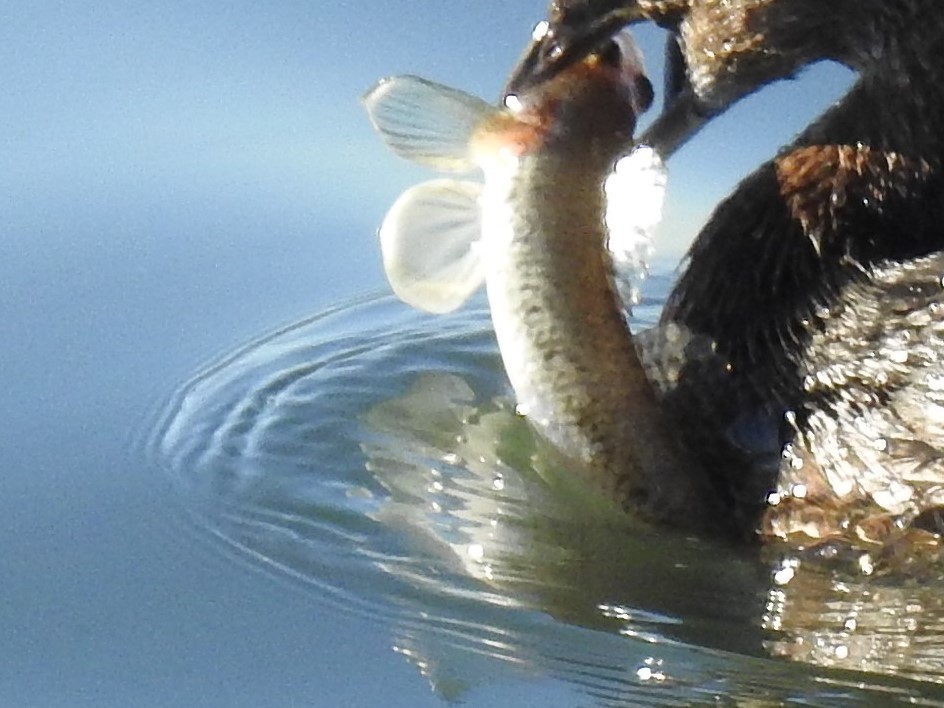
(c) P Holroyd, some rights reserved (CC BY) · CC BY · iNaturalist 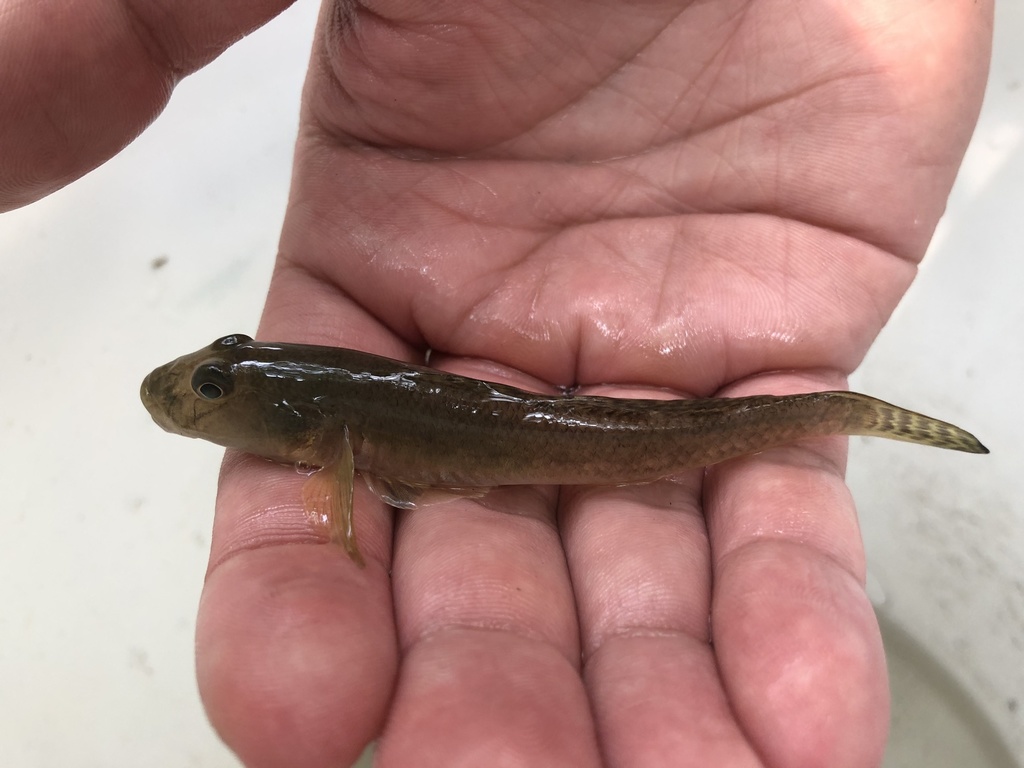
(c) Christopher Martin, some rights reserved (CC BY) · CC BY · iNaturalist 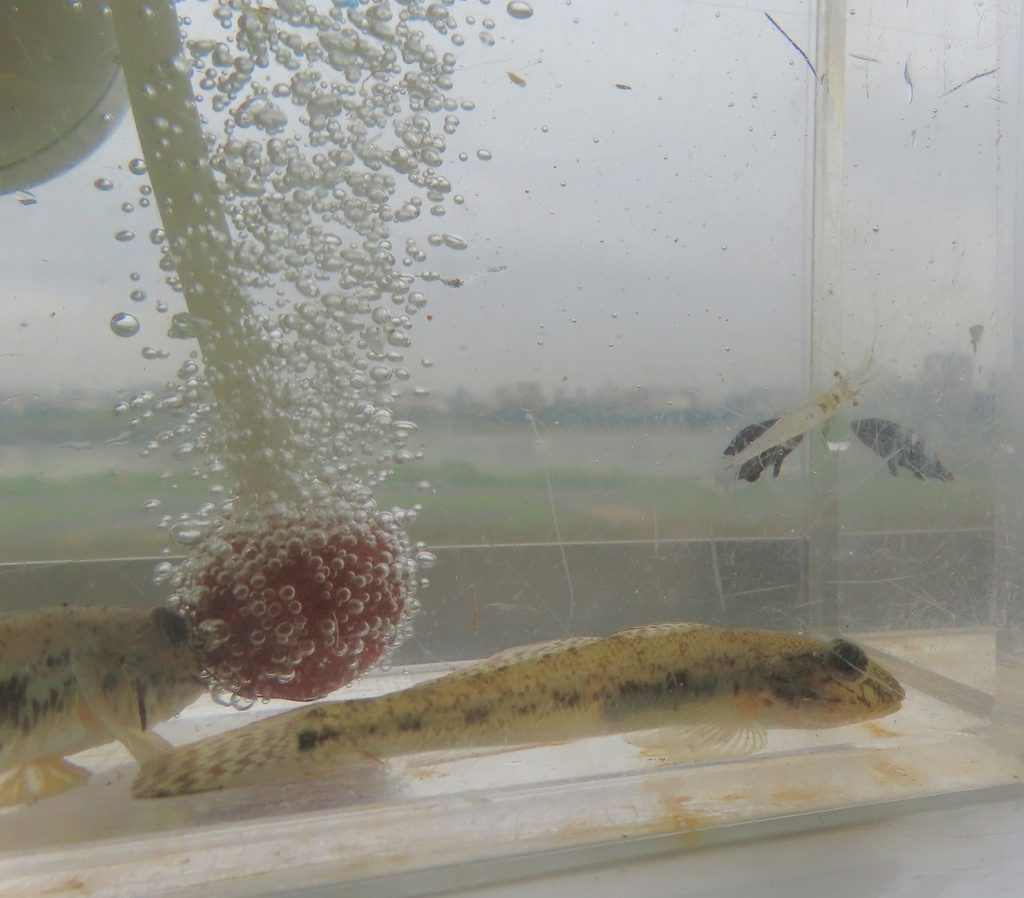
(c) mami_t_t, some rights reserved (CC BY) · CC BY · iNaturalist 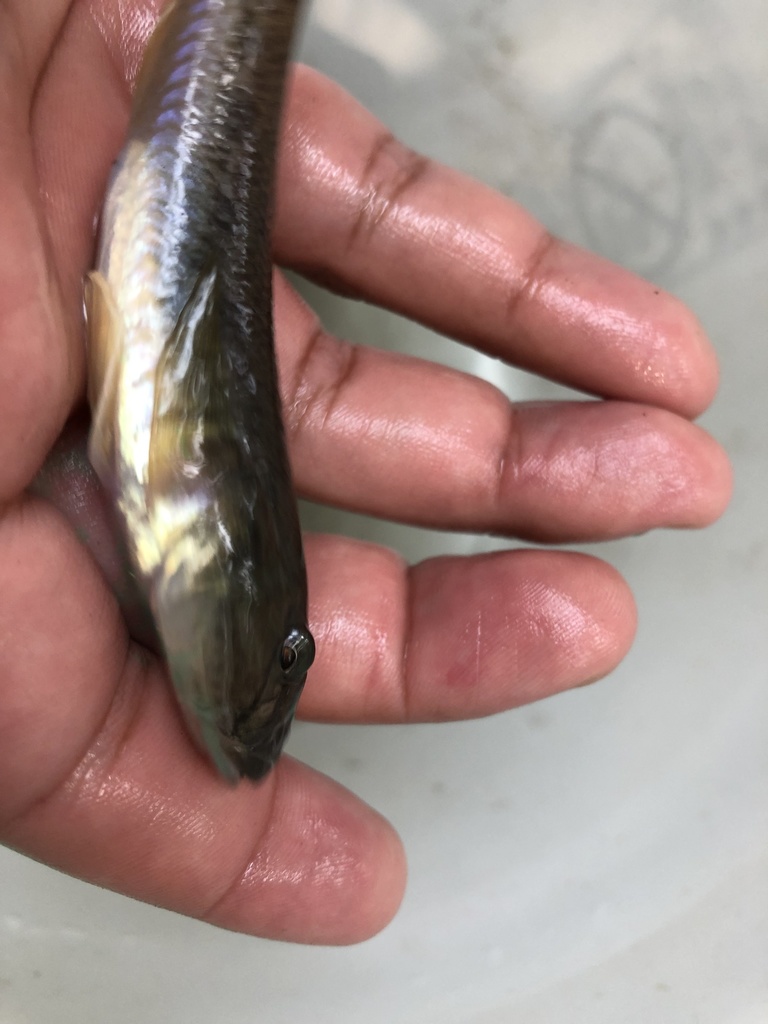
(c) Christopher Martin, some rights reserved (CC BY) · CC BY · iNaturalist 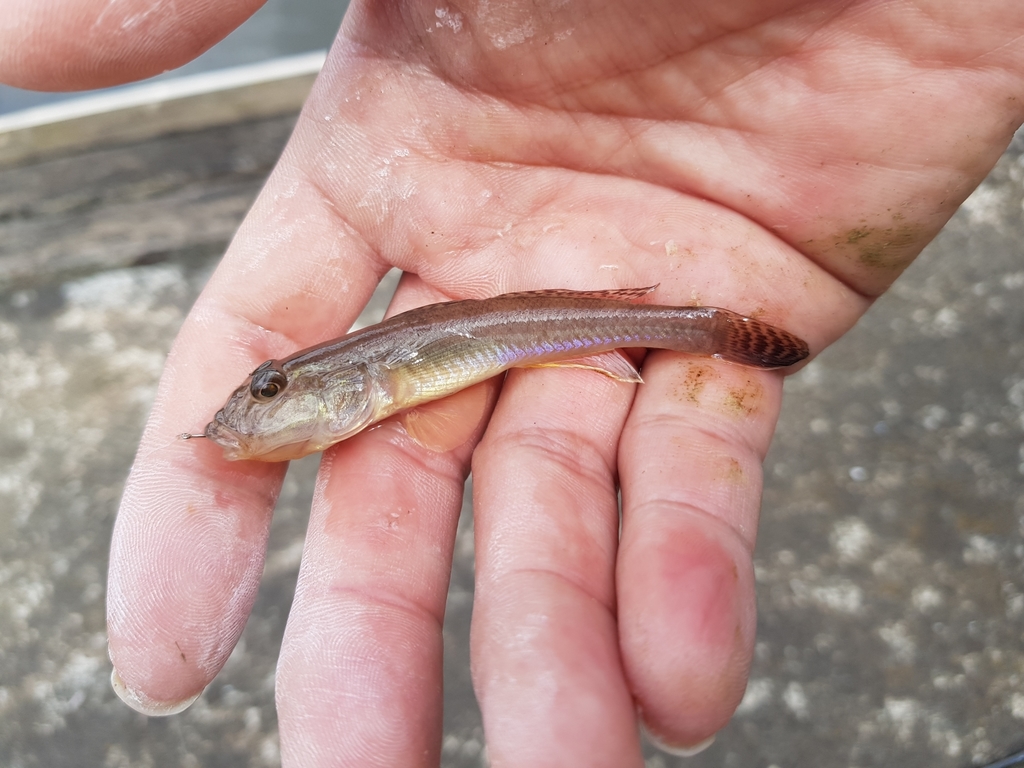
(c) Lek Khauv, some rights reserved (CC BY) · CC BY · iNaturalist 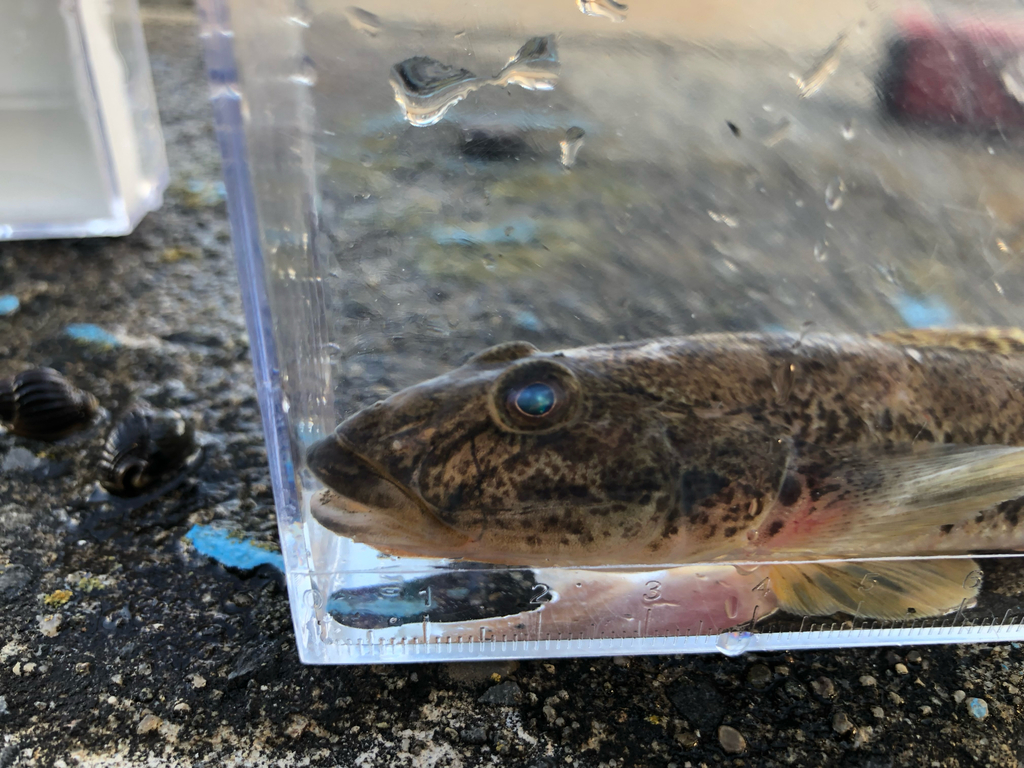
(c) 大澤風季 ohsawa_Fuki, some rights reserved (CC BY) · CC BY · iNaturalist
Names and classification
- English
- Yellowfin goby, yellowfin goby
Names in 3 more languages
- Spanish
- gobio extranjero
- Japanese
- Mahaze, マハゼ
- Simplified Chinese
- 黃鰭刺鰕虎魚, 黄鳍刺鰕虎鱼
Other scientific names: Aboma snyderi, Acanthogobius flavimannus, Gobius flavimanus
Similar species
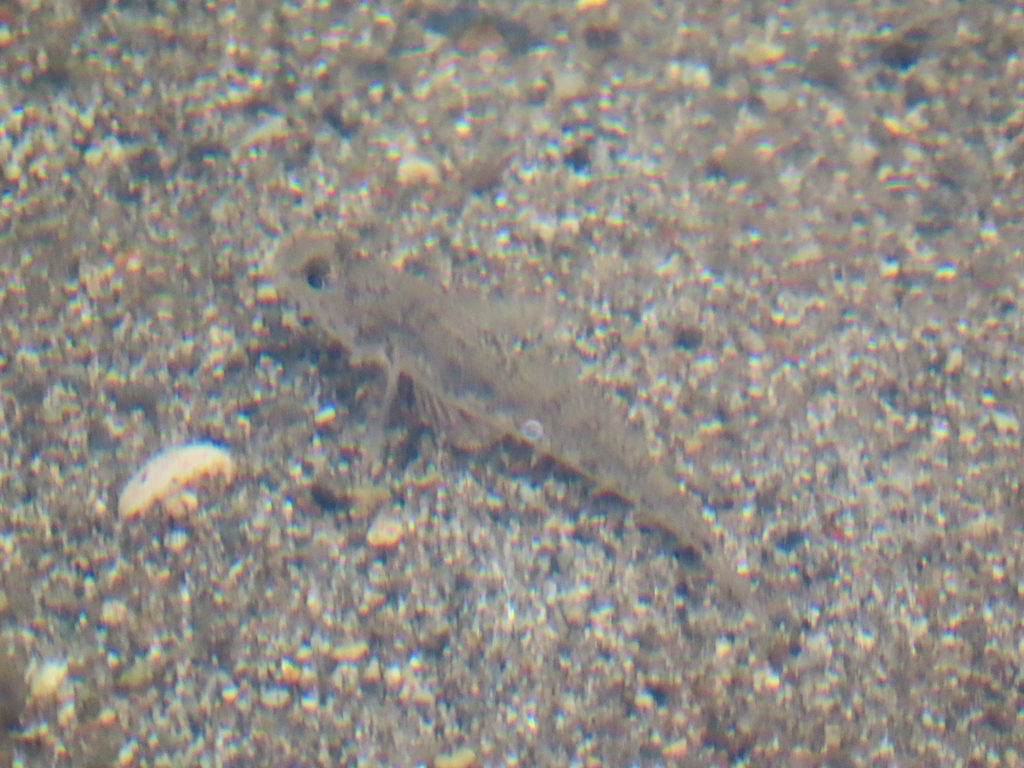 Light-beige Goby
Acanthogobius lactipes
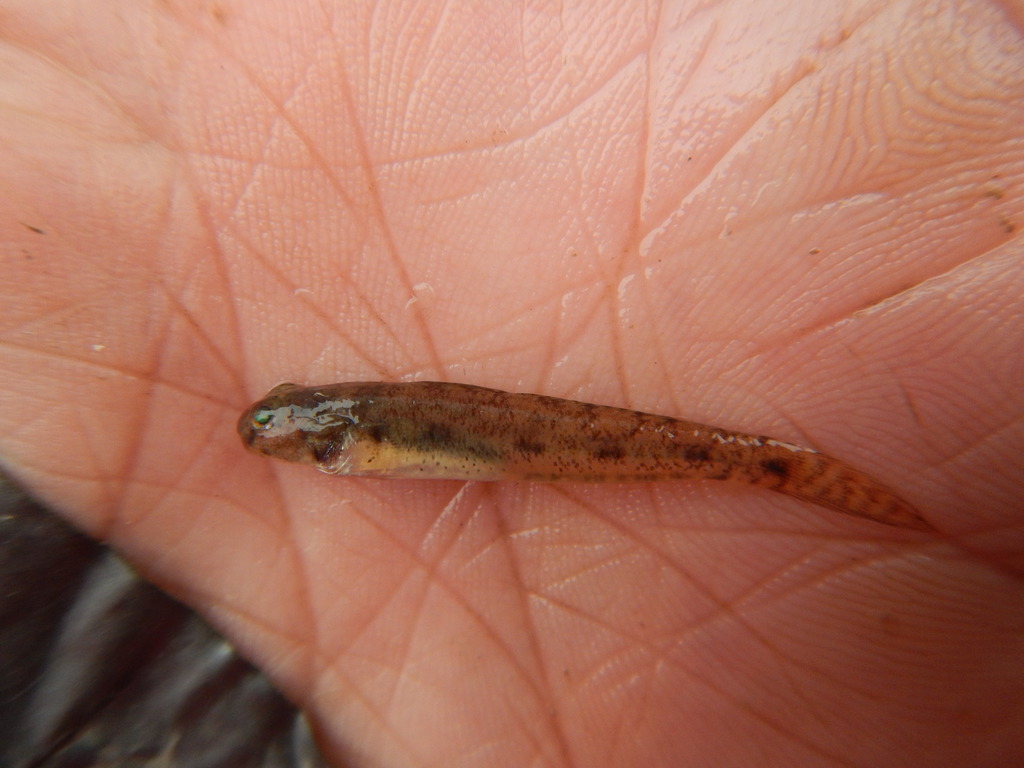 Darter goby
Ctenogobius boleosoma
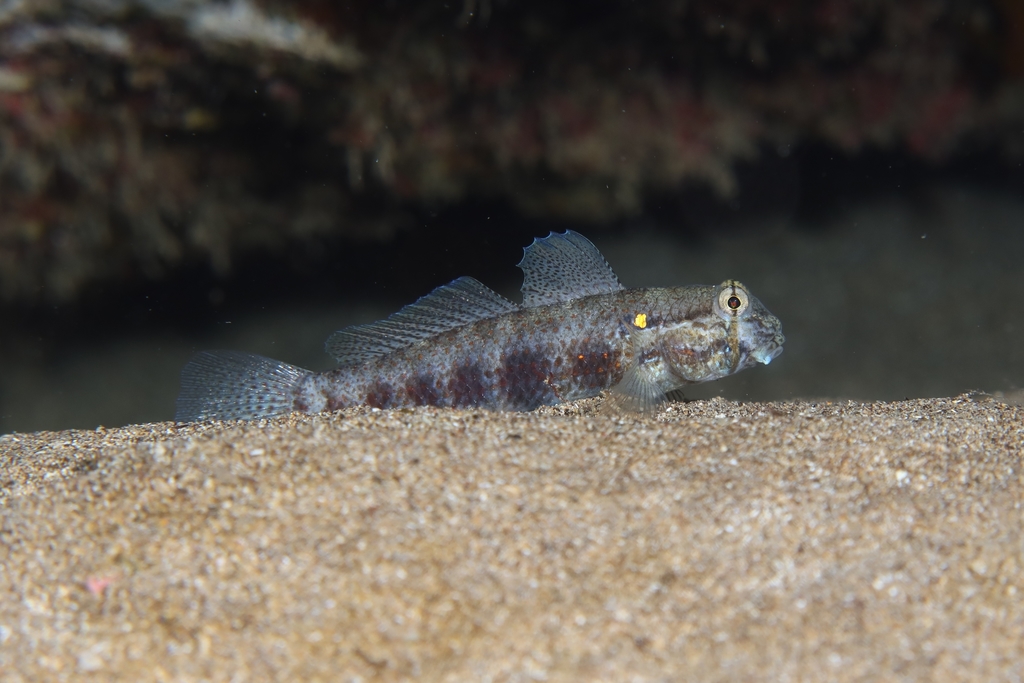 Goldspot goby
Gnatholepis thompsoni
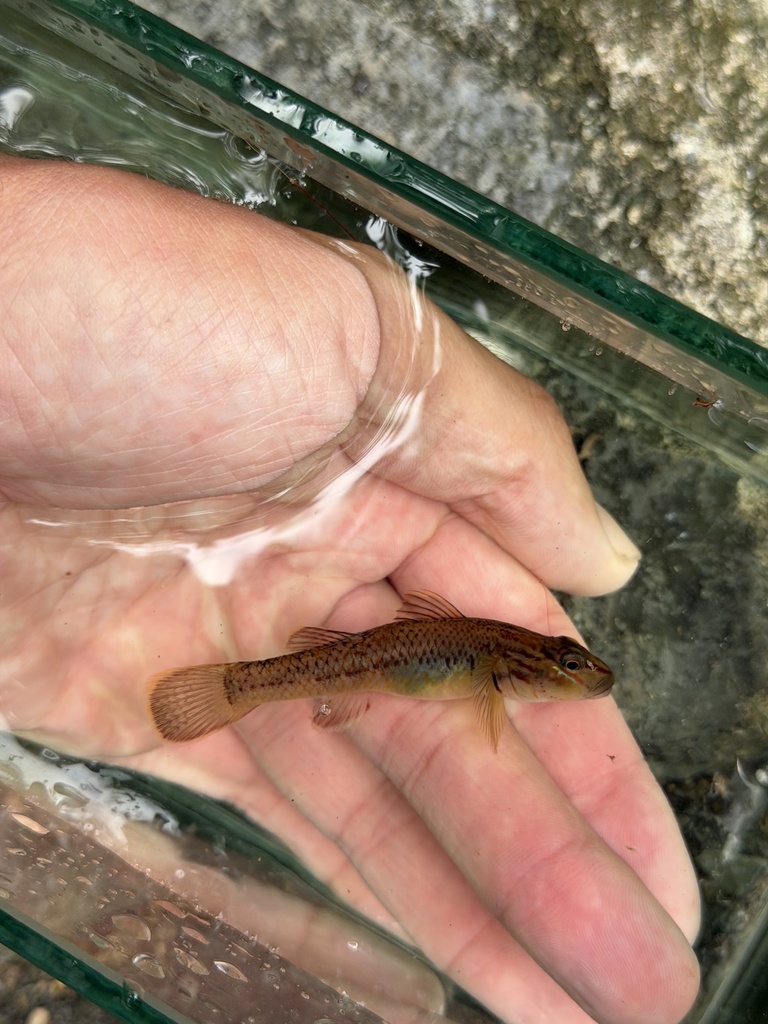 Amur Goby
Rhinogobius brunneus
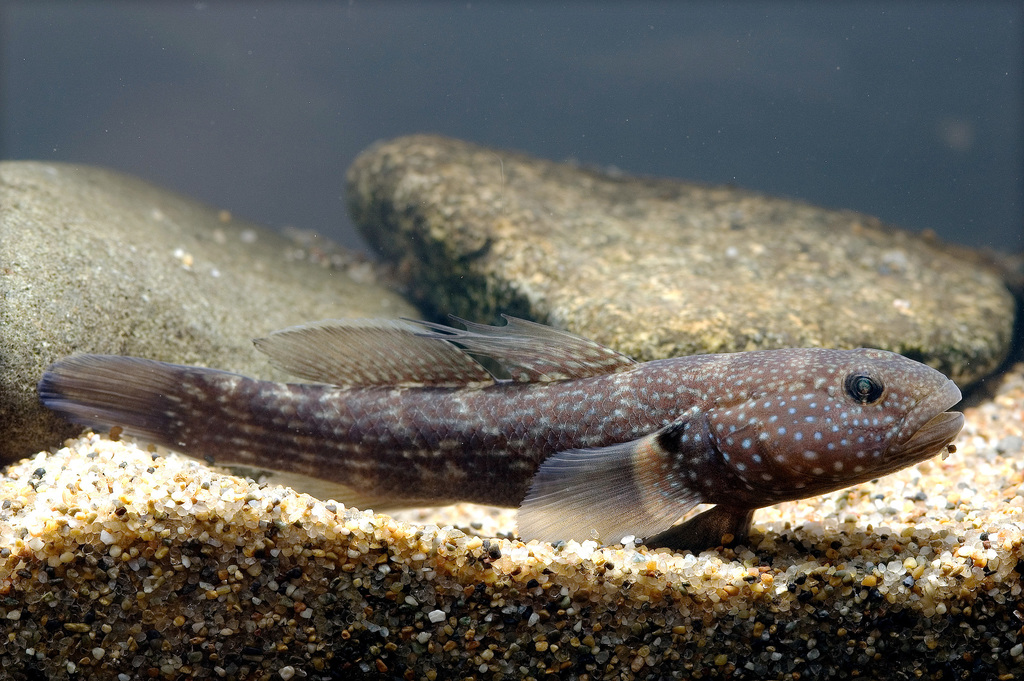 Frog Goby
Tridentiger brevispinis
- Halfblind goby
Lethops connectens
Sources and credits
Names and taxonomy: WoRMS (CC BY 4.0) and the GBIF Backbone (CC BY 4.0). Photos: iNaturalist observers, each under the licence shown (CC0, CC BY or CC BY-SA).
- Depth, temperature, months and maps: records from OBIS and GBIF under CC0 or CC BY.
- Descriptions: Wikipedia, licensed CC BY-SA, each linked to its article.
- Conservation status as published by GBIF (IUCN Red List).
- 4,235 open-data records from 1900 to 2021.
- Species data updated October 31, 2026.
Log what you see on your next dive
The free DiveHive diver app keeps your logbook with every sighting and shows what lives at the site you dive next.