
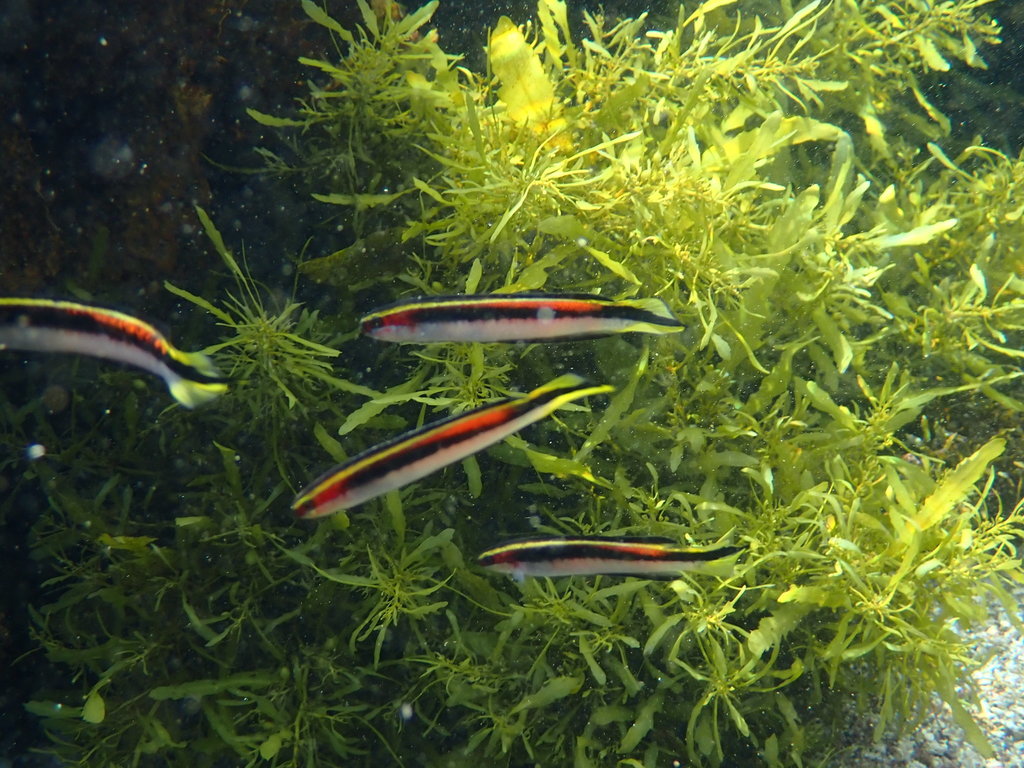
Eastern Hulafish
Trachinops taeniatus
- Usual depth4–13 m
- Water temperature15–23 °C
- Best monthsJanuary, March, and April
- How commonOccasional
Photo credit: (c) libby hepburn, some rights reserved (CC BY) · CC BY · iNaturalist
Where and when
Where it has been recorded
Worldwide
Best months
Worldwide (open data)
- January: 174 records
- February: 153 records
- March: 176 records
- April: 178 records
- May: 109 records
- June: 141 records
- July: 82 records
- August: 73 records
- September: 95 records
- October: 106 records
- November: 123 records
- December: 119 records
Depth and water temperature
Depth
Mostly recorded at 4–13 m · Deepest record: 15.5 m
Water temperature
Recorded in surface water of 15–23 °C
Photos
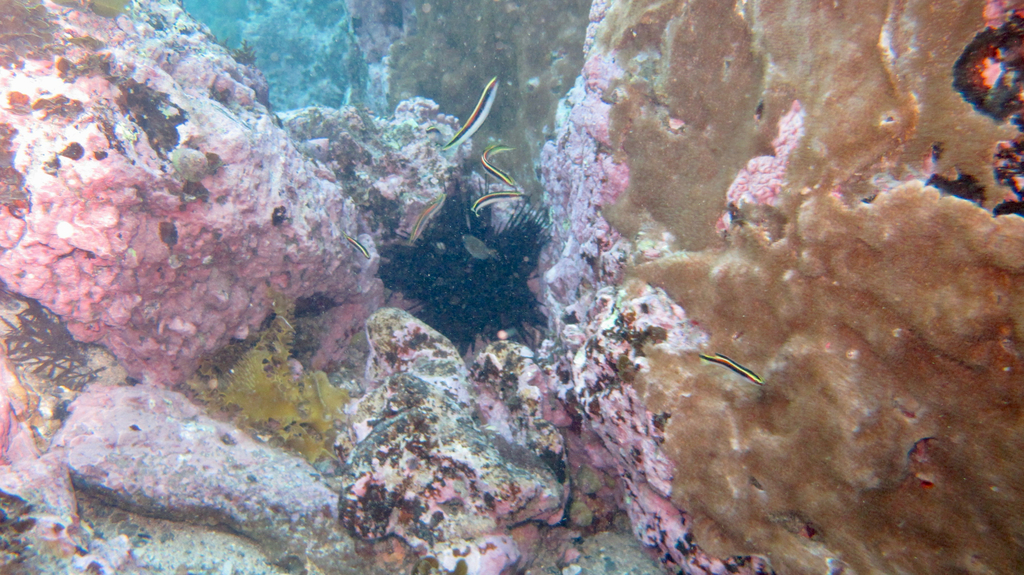
(c) Bryce Watts-Parker, some rights reserved (CC BY) · CC BY · iNaturalist 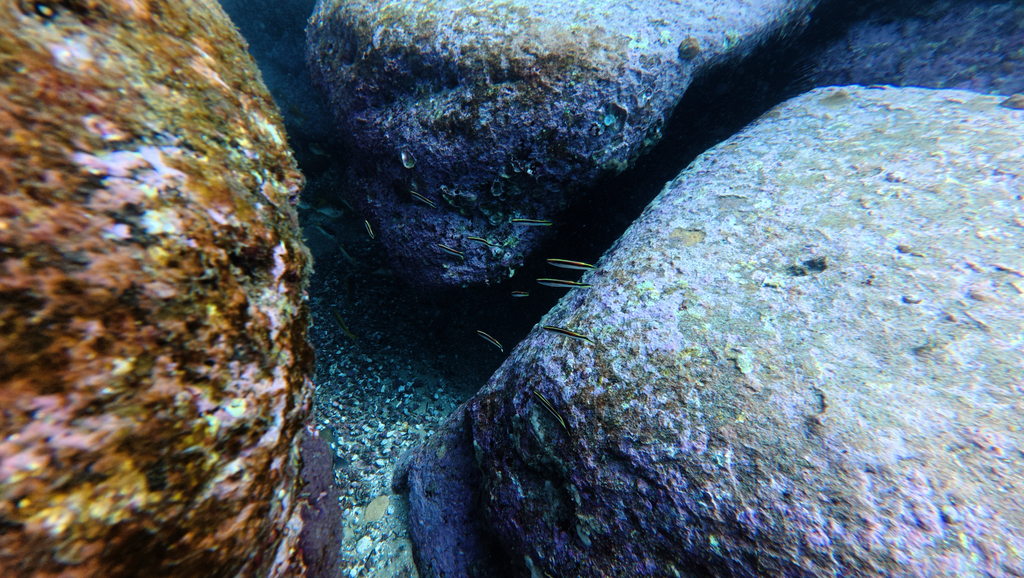
(c) Bryce Watts-Parker, some rights reserved (CC BY) · CC BY · iNaturalist 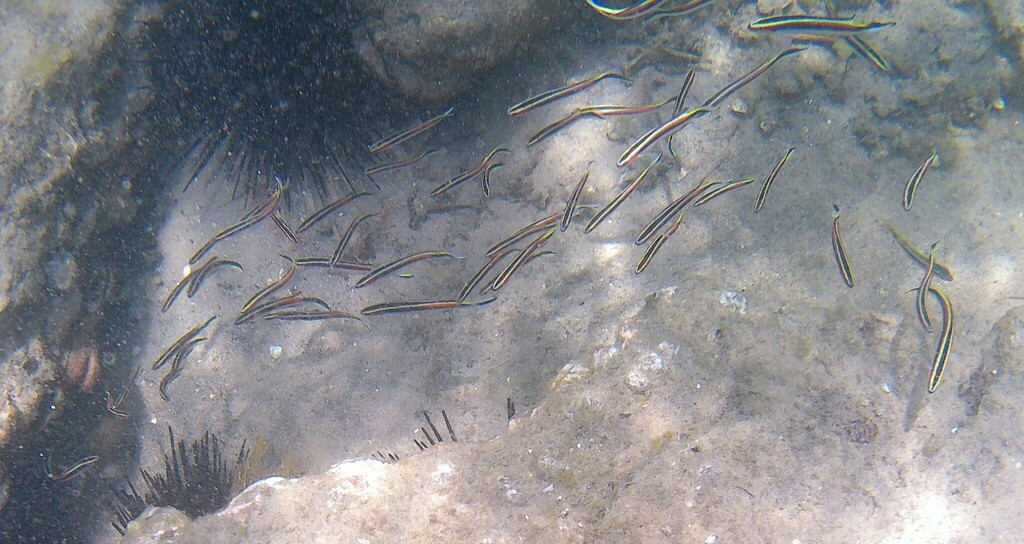
no rights reserved · CC0 1.0 · iNaturalist 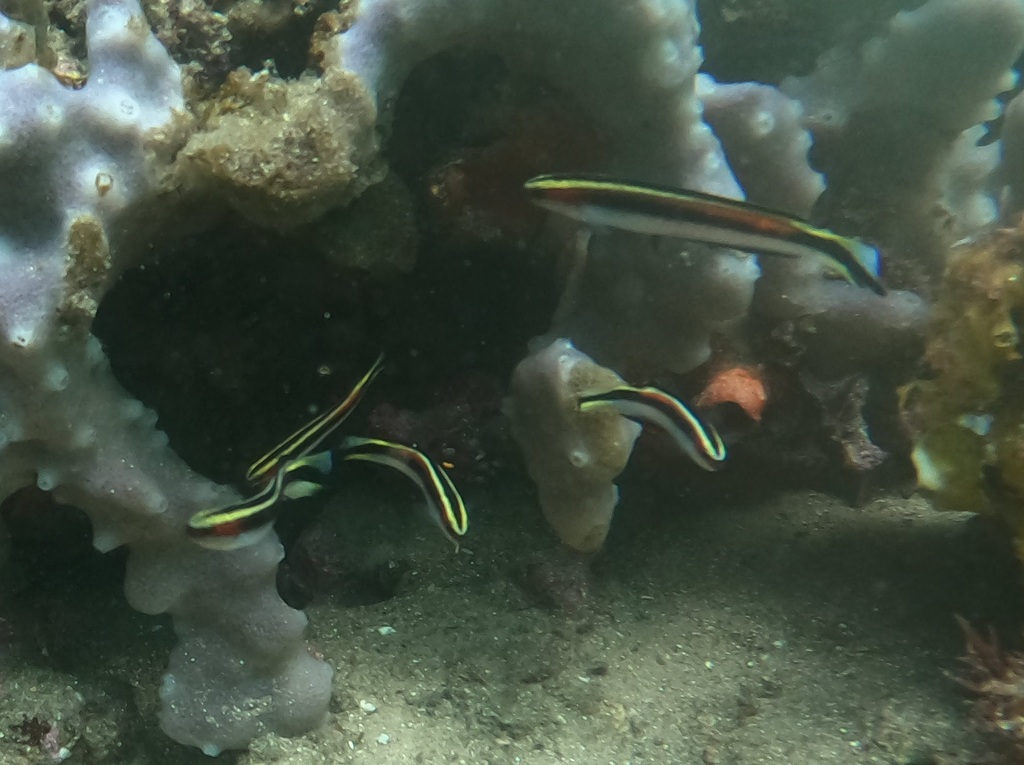
(c) Tim, some rights reserved (CC BY) · CC BY · iNaturalist 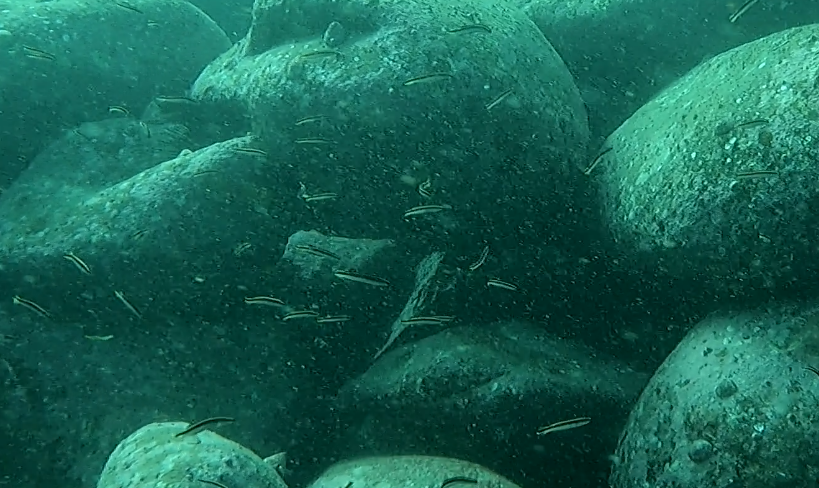
(c) Tim, some rights reserved (CC BY) · CC BY · iNaturalist 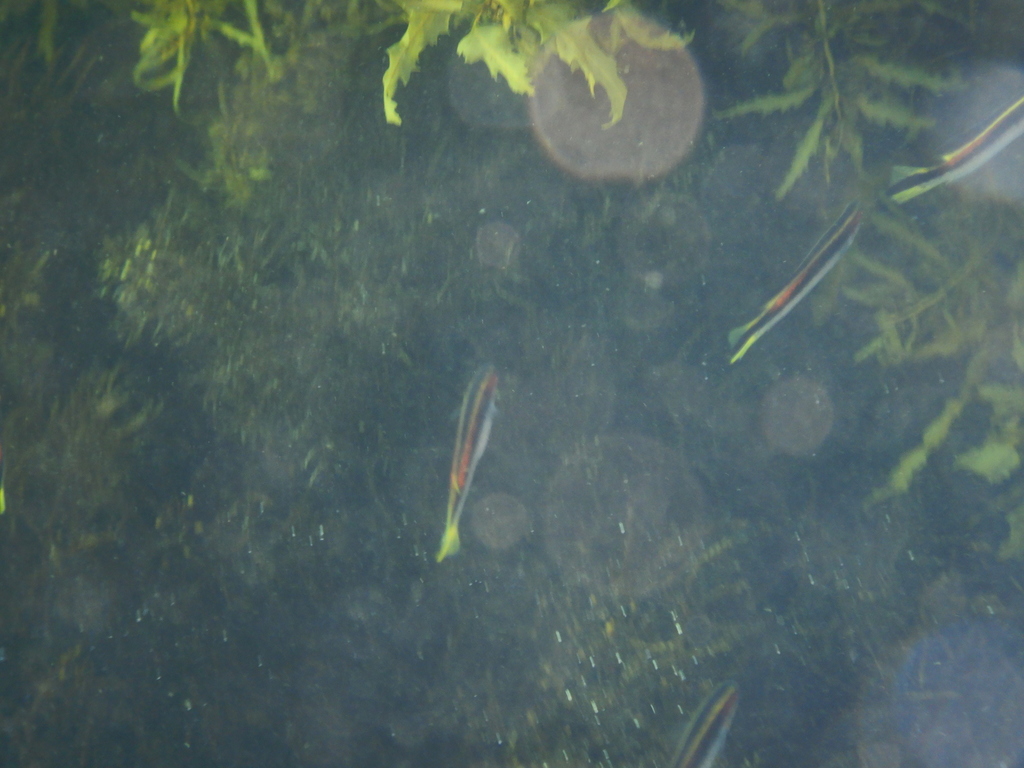
(c) Valentin Moser, some rights reserved (CC BY) · CC BY · iNaturalist 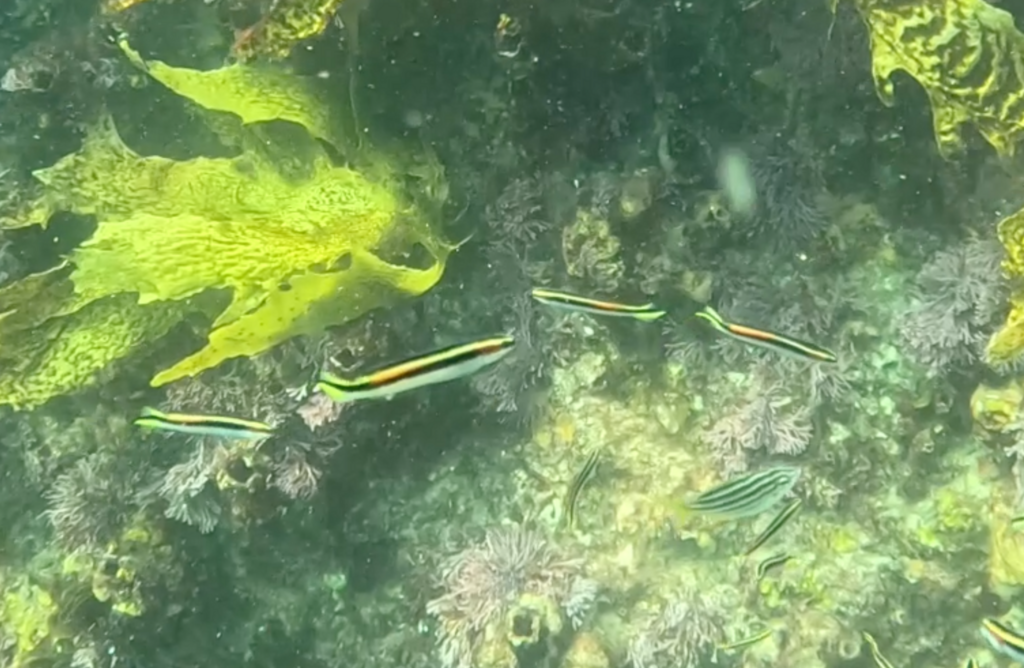
(c) Hugh Chan, some rights reserved (CC BY) · CC BY · iNaturalist
Names and classification
- English
- Eastern Hulafish
Names in 2 more languages
- Spanish
- Pez hula-hula oriental
- Simplified Chinese
- 条纹粗眼鮗
Similar species
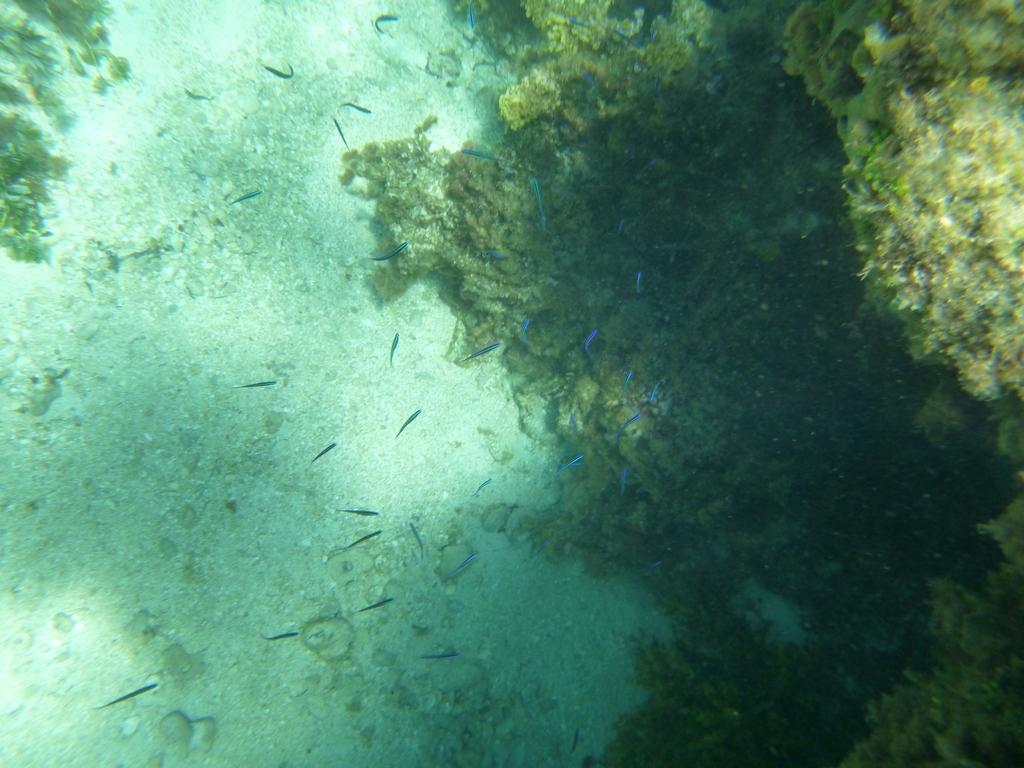 Blue-lined Hulafish
Trachinops brauni
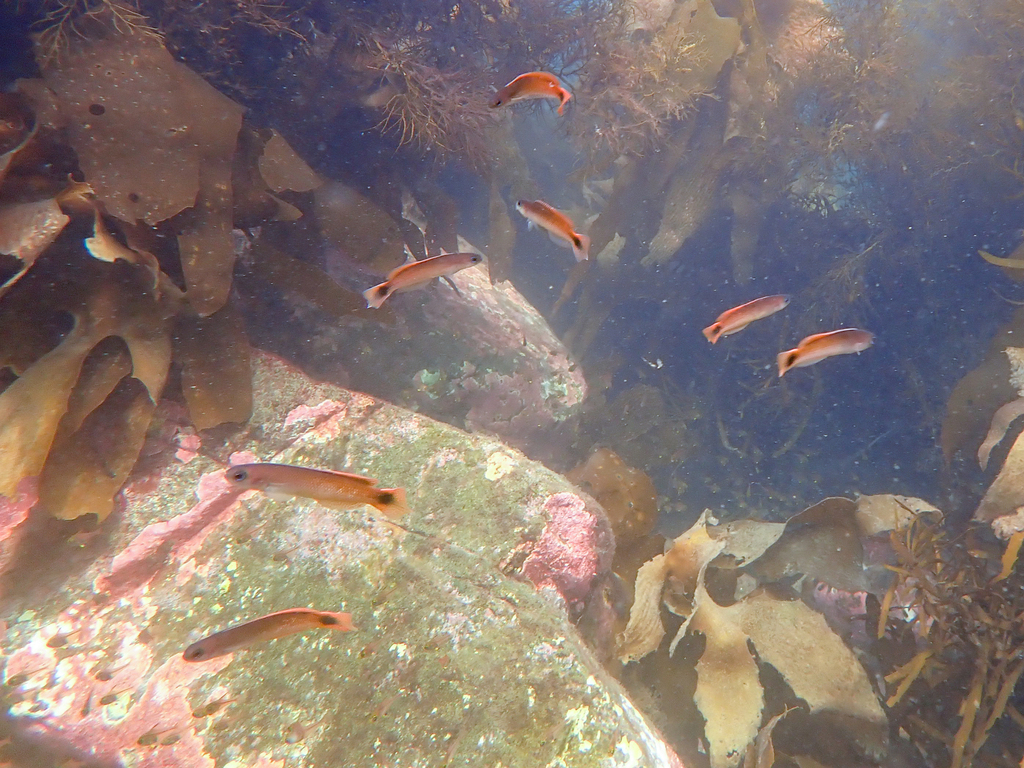 Blotched-tailed Trachinops
Trachinops caudimaculatus
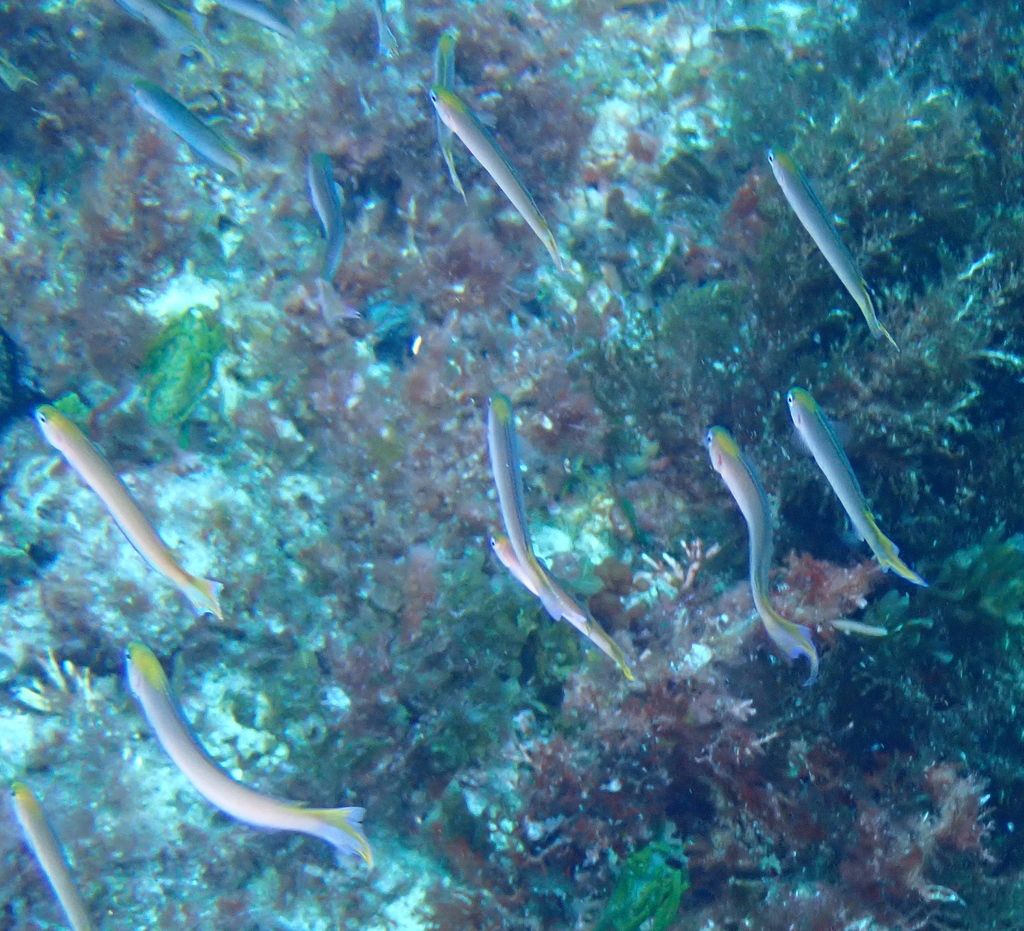 Noarlunga Hulafish
Trachinops noarlungae
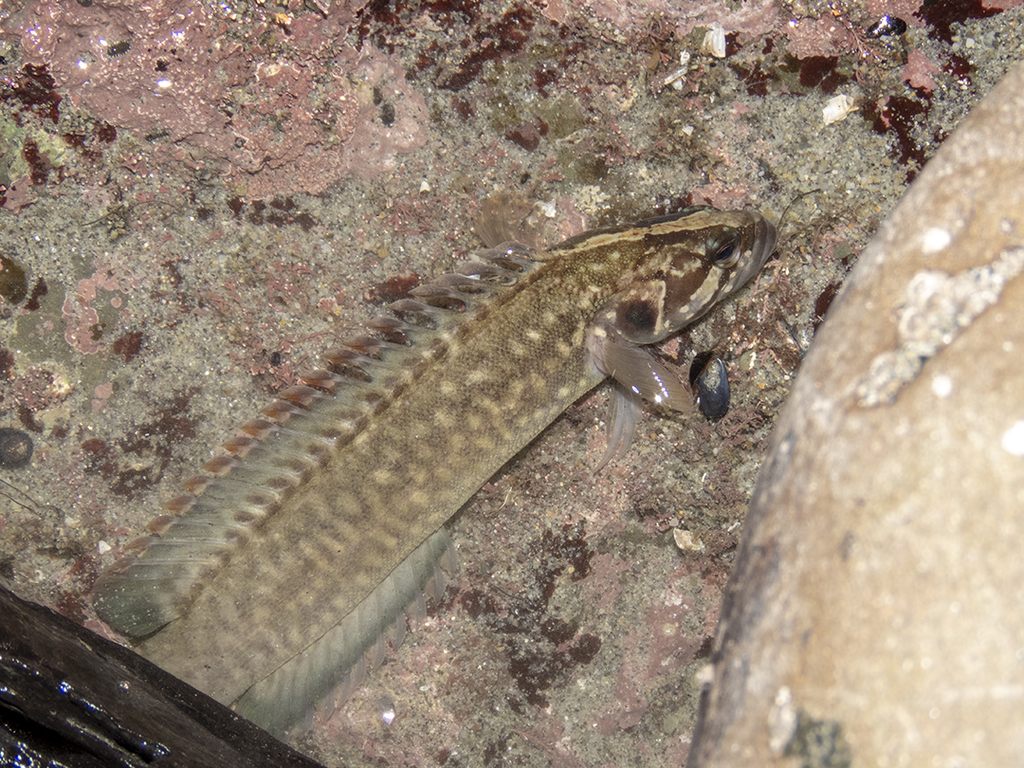 Olive Rockfish
Acanthoclinus fuscus
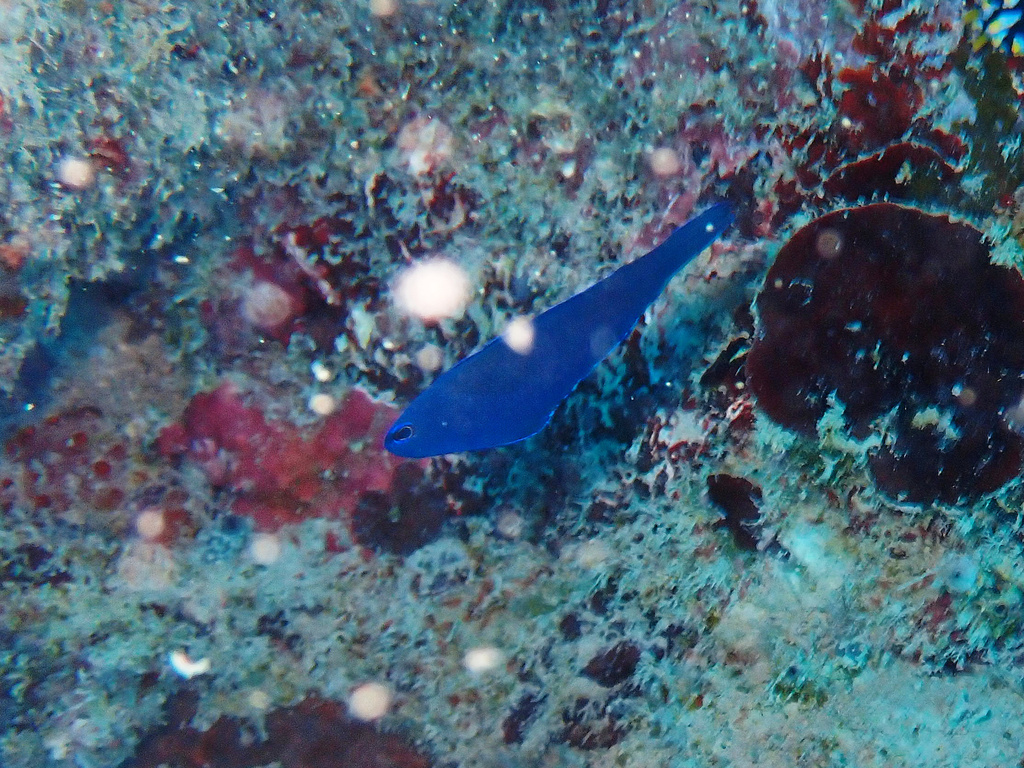 Blue Assessor
Assessor macneilli
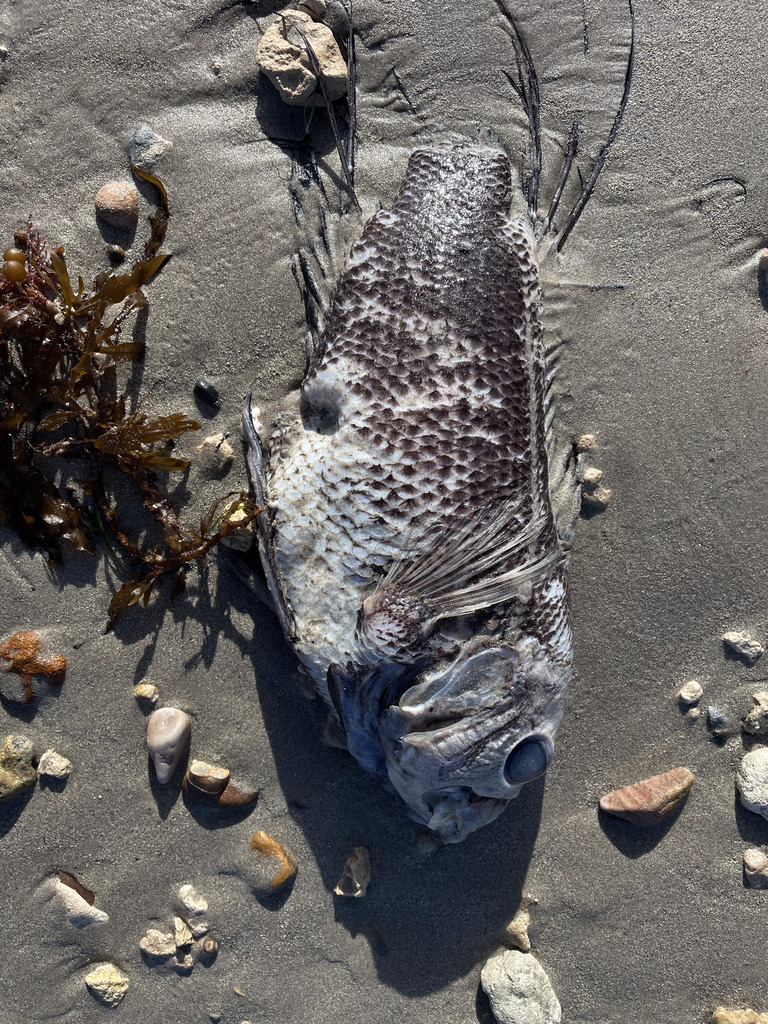 Bluedevil
Paraplesiops meleagris
Sources and credits
Names and taxonomy: WoRMS (CC BY 4.0) and the GBIF Backbone (CC BY 4.0). Photos: iNaturalist observers, each under the licence shown (CC0, CC BY or CC BY-SA).
- Depth, temperature, months and maps: records from OBIS and GBIF under CC0 or CC BY.
- Conservation status as published by GBIF (IUCN Red List).
- 3,400 open-data records from 1965 to 2023.
- Species data updated November 7, 2026.
Log what you see on your next dive
The free DiveHive diver app keeps your logbook with every sighting and shows what lives at the site you dive next.