
DiscoverSpeciesOther invertebrates
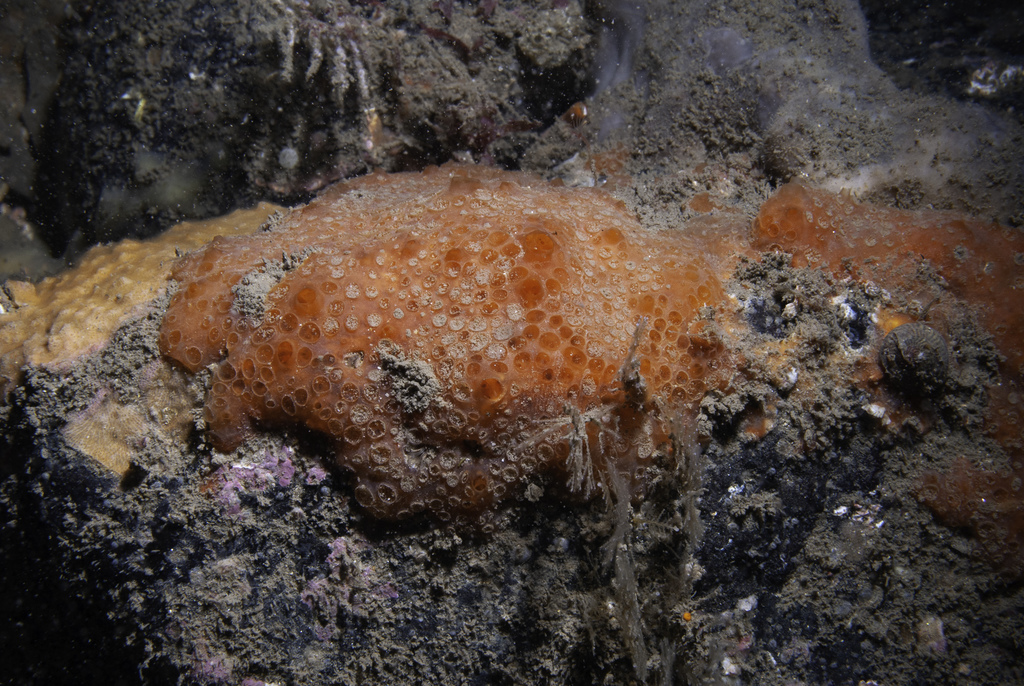
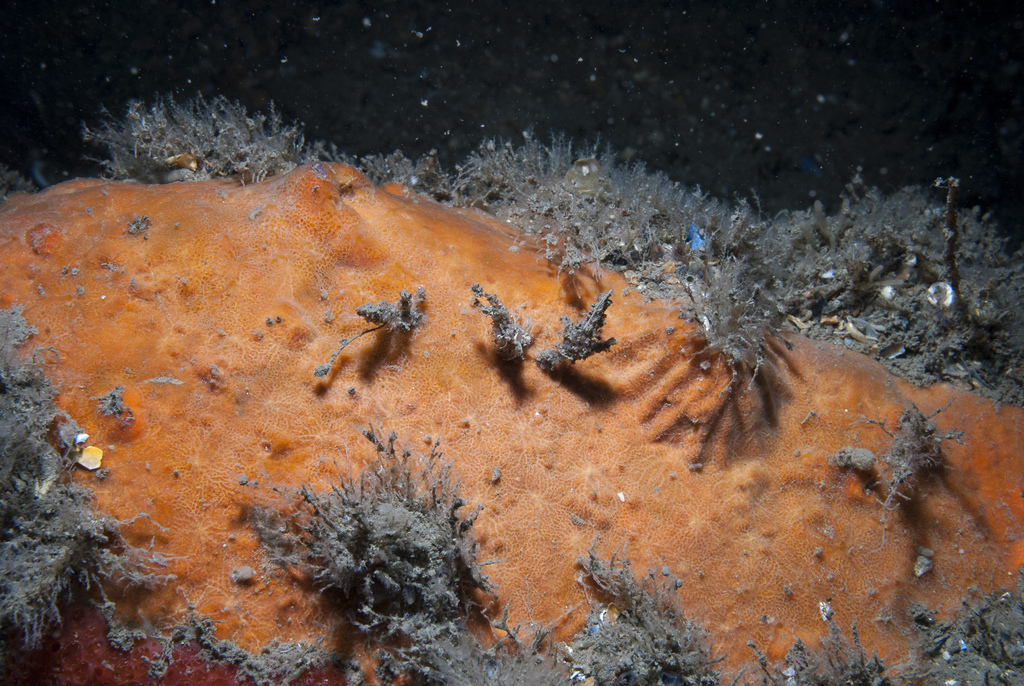
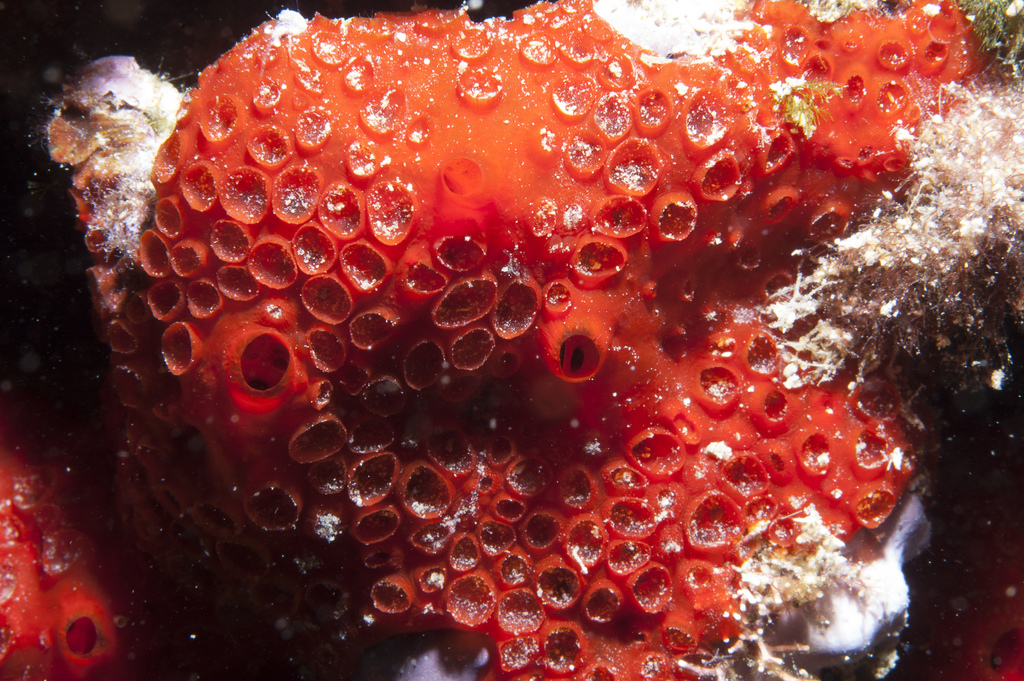
Phorbas fictitius
- Usual depth10–30 m
- Water temperature10–20 °C
- Best monthsJuly and August
- How commonOccasional
Photo credit: (c) Bernard Picton, some rights reserved (CC BY) · CC BY · iNaturalist
Where and when
Where it has been recorded
Worldwide
Best months
Worldwide (open data)
- January: 14 records
- February: 5 records
- March: 11 records
- April: 26 records
- May: 94 records
- June: 129 records
- July: 243 records
- August: 203 records
- September: 78 records
- October: 24 records
- November: 11 records
- December: 10 records
Depth and water temperature
Depth
Mostly recorded at 10–30 m · Deepest record: 84.3 m
Water temperature
Recorded in surface water of 10–20 °C
Photos
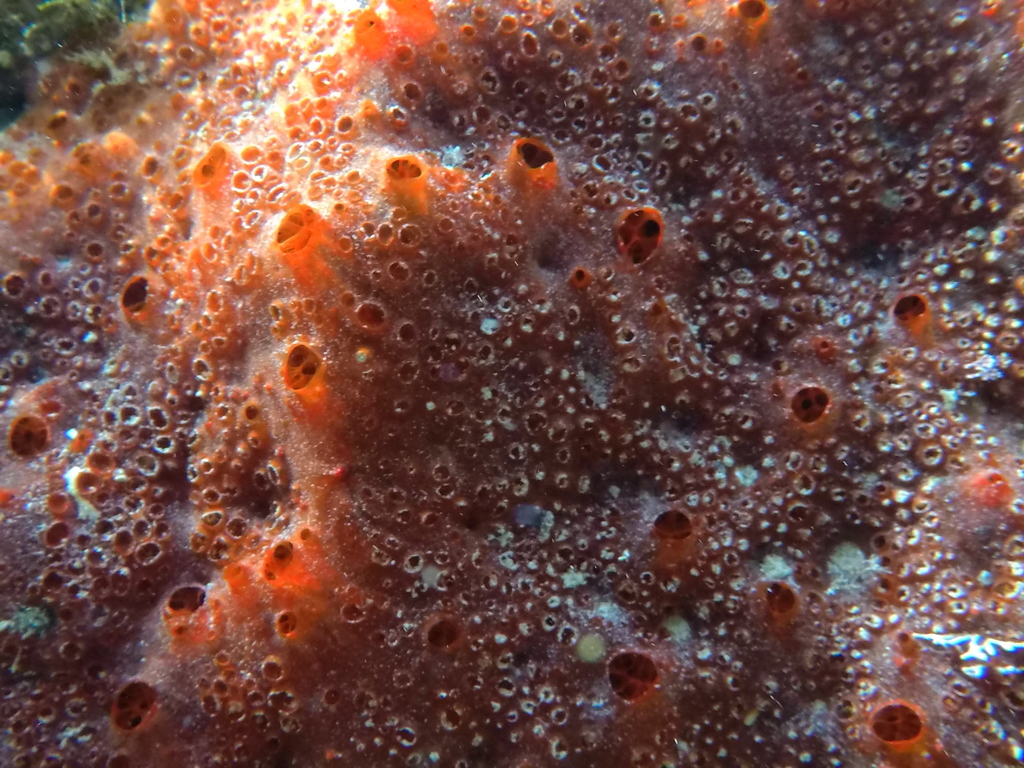
(c) Eridan Xharahi, some rights reserved (CC BY) · CC BY · iNaturalist 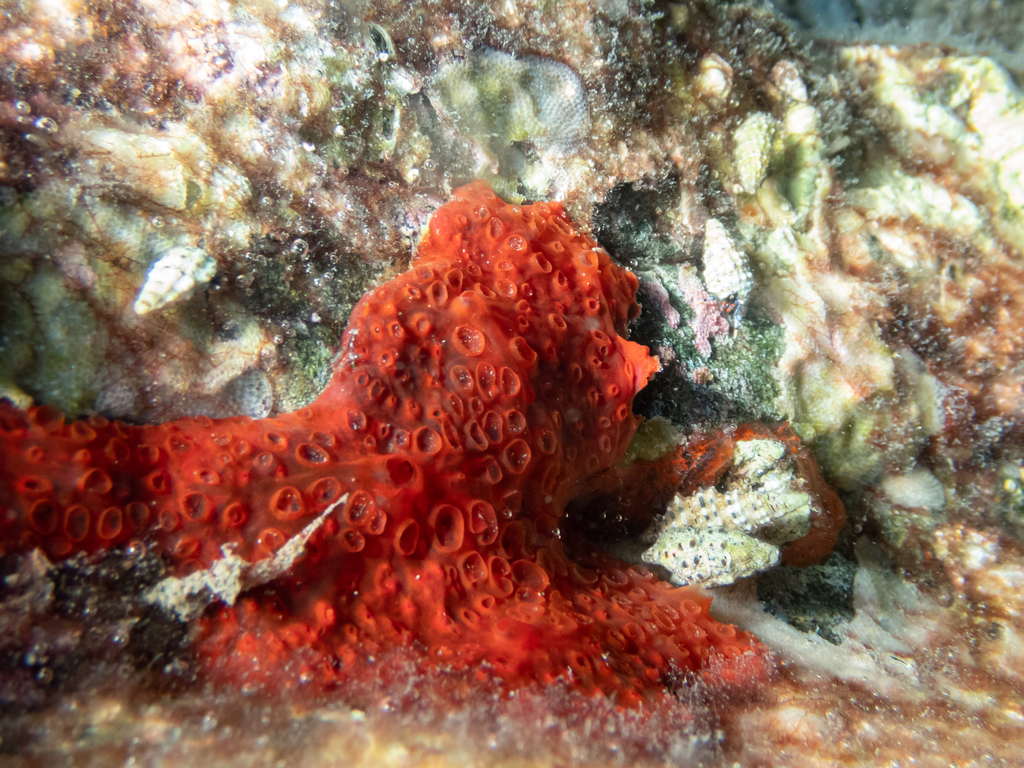
(c) Eleftherios Katsillis, some rights reserved (CC BY) · CC BY · iNaturalist 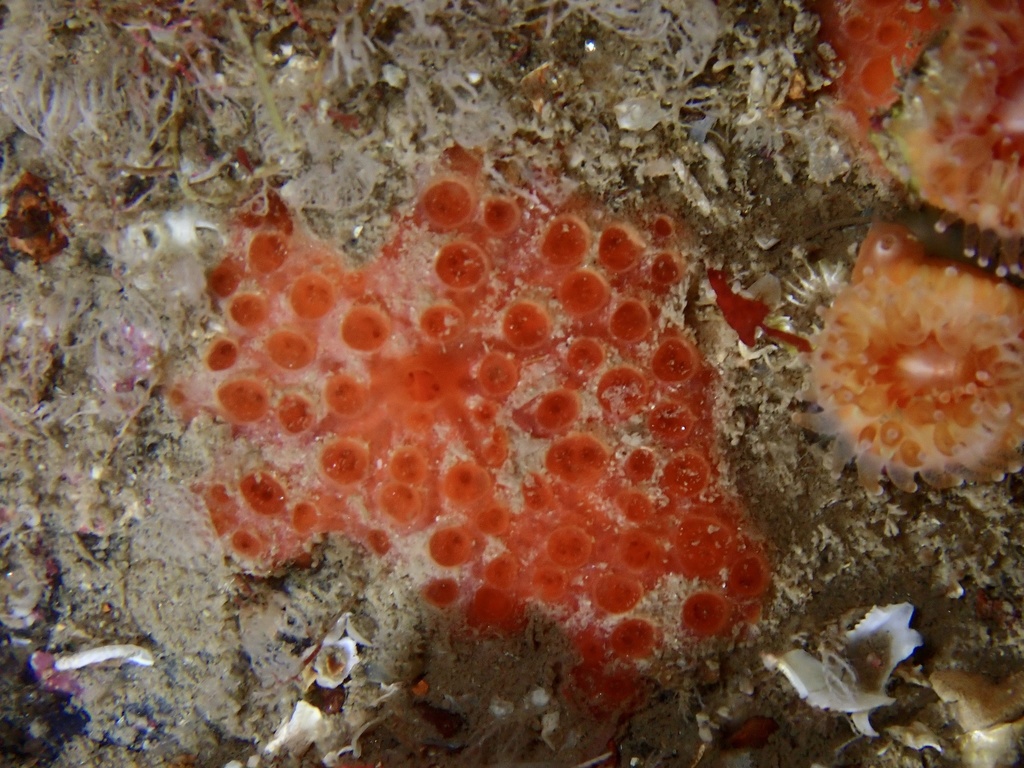
(c) Libby Keatley, some rights reserved (CC BY) · CC BY · iNaturalist 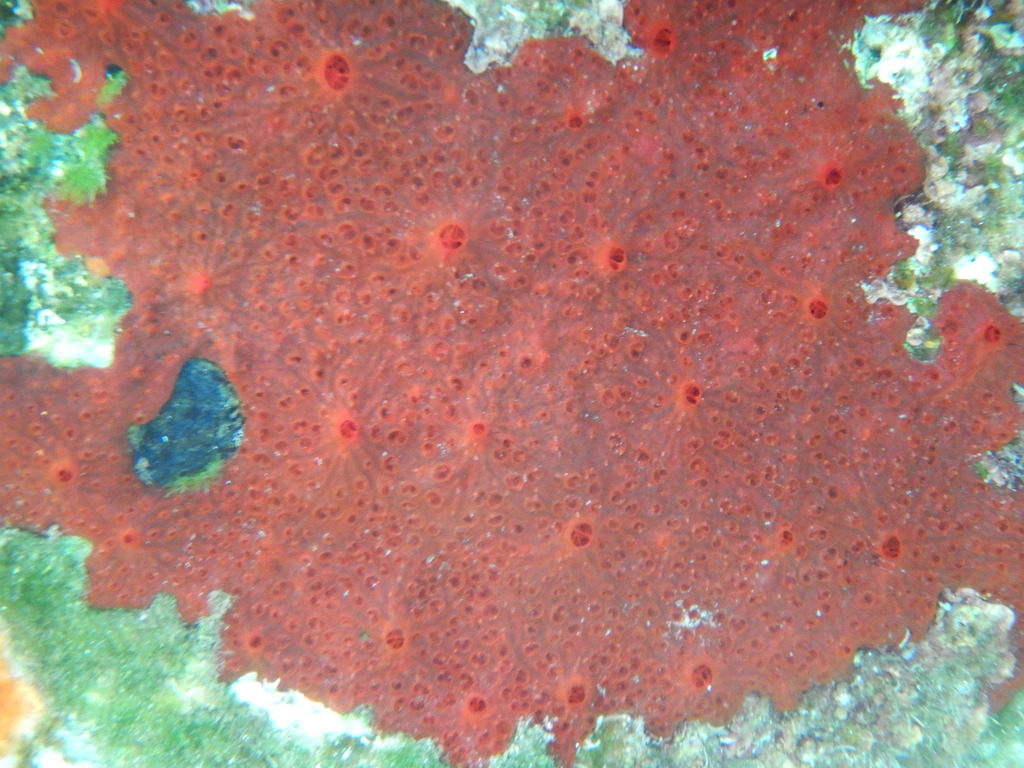
(c) Chris Taklis, some rights reserved (CC BY) · CC BY · iNaturalist 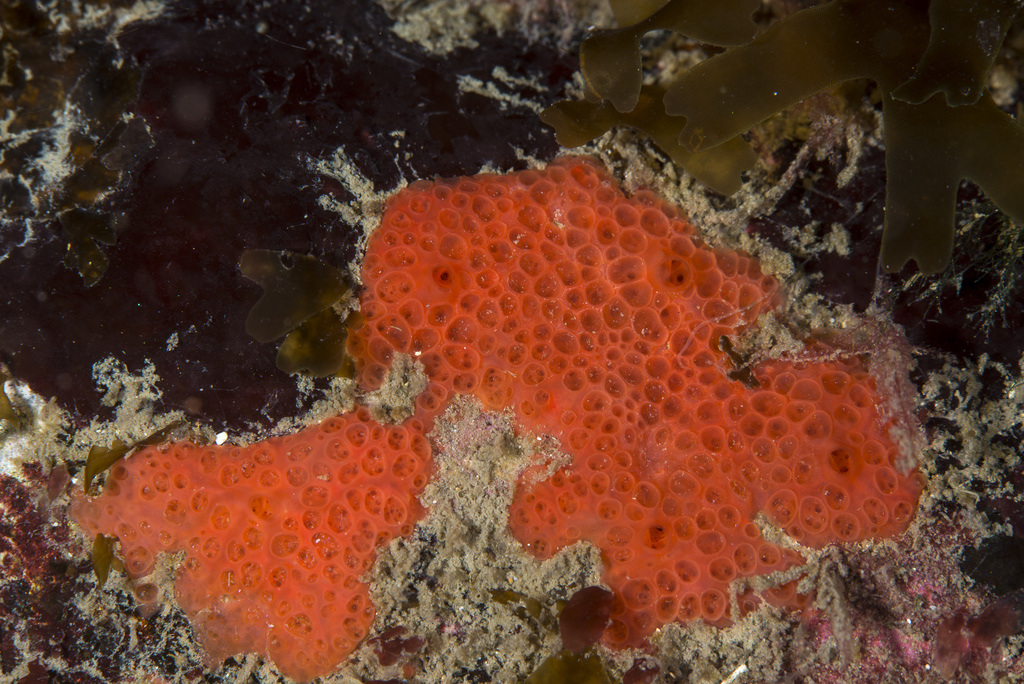
(c) Bernard Picton, some rights reserved (CC BY) · CC BY · iNaturalist
Names and classification
Names in 3 more languages
- German
- Blutkraterschwamm
- Spanish
- esponja masiva roja
- French
- Éponge nid d’abeille
Other scientific names: Anchinoe fictitius, Hymedesmia (Hymedesmia) proteidea, Hymedesmia fictitia, Hymedesmia proteidea, Microciona fictitia, Myxilla proteidea, Plumohalichondria fictitia
Similar species
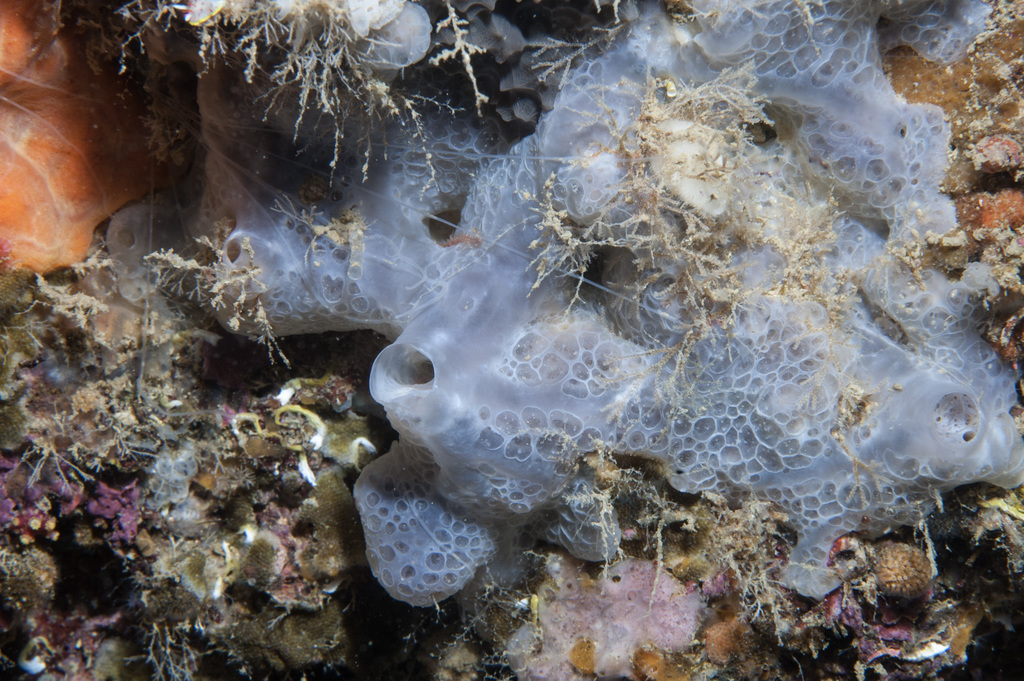 Bluish encrusting sponge
Phorbas tenacior
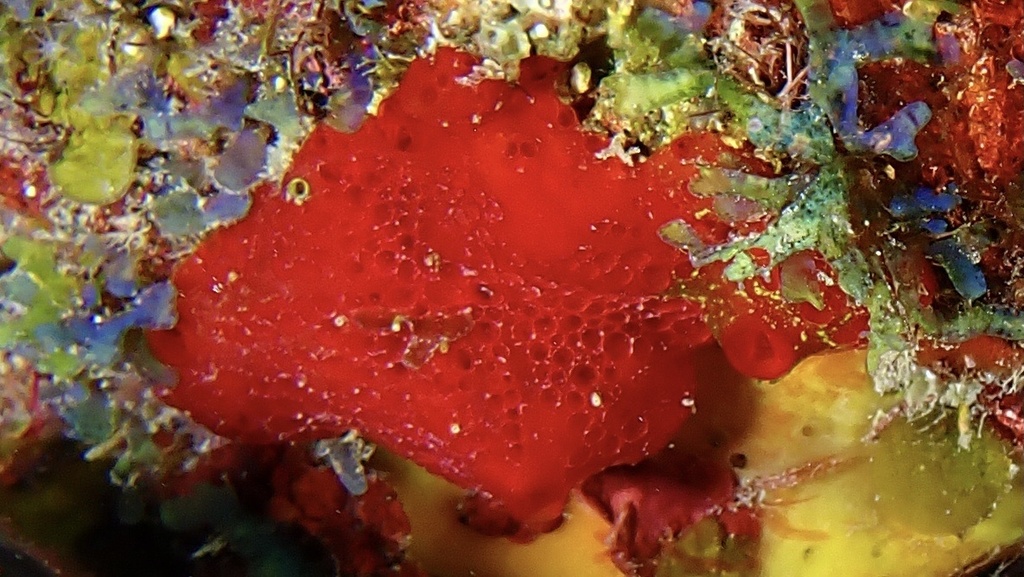 Red Sieve Encrusting Sponge
Phorbas amaranthus
Sources and credits
Names and taxonomy: WoRMS (CC BY 4.0) and the GBIF Backbone (CC BY 4.0). Photos: iNaturalist observers, each under the licence shown (CC0, CC BY or CC BY-SA).
- Depth, temperature, months and maps: records from OBIS and GBIF under CC0 or CC BY.
- Conservation status as published by GBIF (IUCN Red List).
- 883 open-data records from 1979 to 2022.
- Species data updated November 13, 2026.
Log what you see on your next dive
The free DiveHive diver app keeps your logbook with every sighting and shows what lives at the site you dive next.