
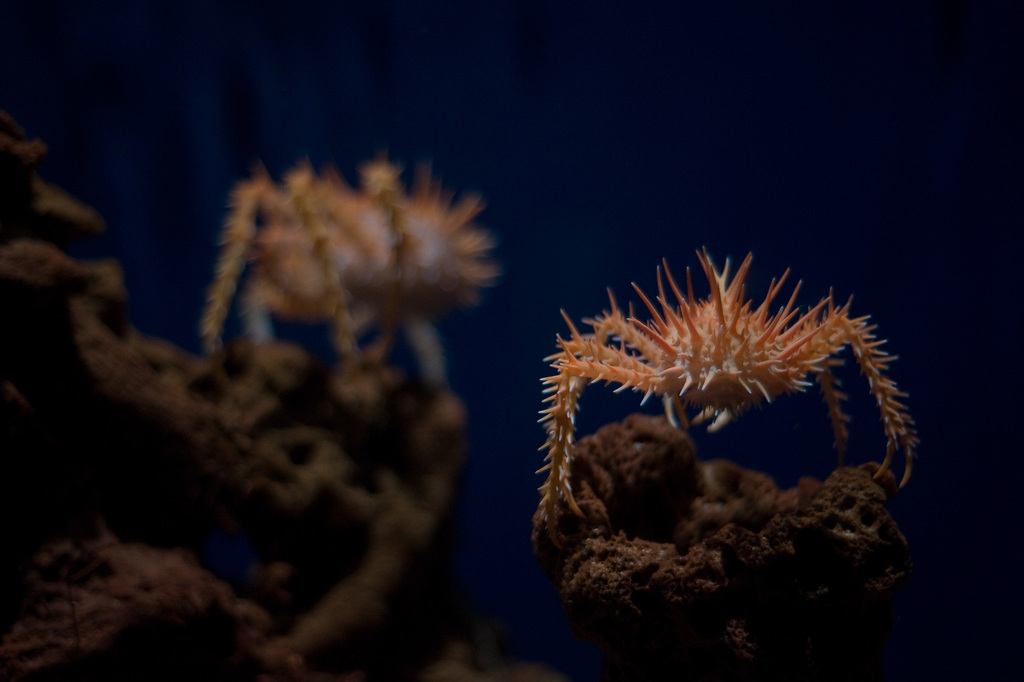
Spiny King Crab
Paralithodes rathbuni
- Usual depth84–366 m
- Water temperature12–18 °C
- Best monthsApril, June, and September
- How commonRare
Photo credit: (c) oliver.dodd, some rights reserved (CC BY) · CC BY · flickr.com
About this species
Paralithodes rathbuni, the spiny king crab or California king crab, is a species of king crab. It is closely related to P. californiensis, with the same common name California king crab being used for the two and some authorities suggest that they might be conspecific. P. rathbuni is found on sandy, muddy or rocky bottoms at depths of 86–380 m (282–1,247 ft) in the Pacific Ocean off California and Baja California.
Text from the Wikipedia article “Paralithodes rathbuni”, licensed CC BY-SA 4.0. Read the article
Where and when
Where it has been recorded
Worldwide
Best months
Worldwide (open data)
- January: 1 record
- February: 1 record
- March: 0 records
- April: 3 records
- May: 0 records
- June: 2 records
- July: 2 records
- August: 2 records
- September: 3 records
- October: 2 records
- November: 0 records
- December: 1 record
Depth and water temperature
Depth
Mostly recorded at 84–366 m · Deepest record: 768.1 m
Water temperature
Recorded in surface water of 12–18 °C
Photos
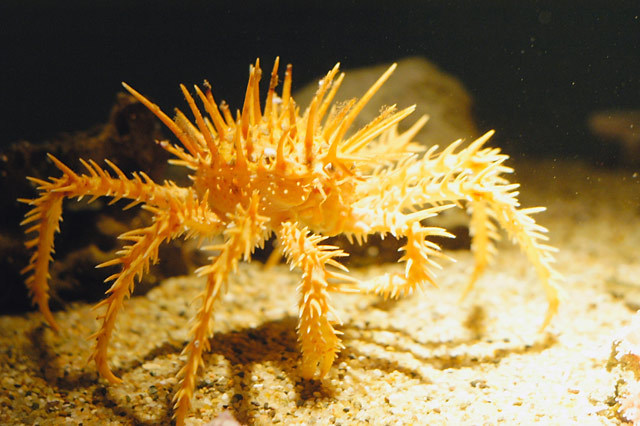
(c) anonymous, some rights reserved (CC BY-SA) · CC BY-SA · commons.wikimedia.org
Names and classification
- English
- Spiny King Crab
Names in 1 more language
- Spanish
- Centolla espinosa
Other scientific names: Lithodes rathbuni
Similar species
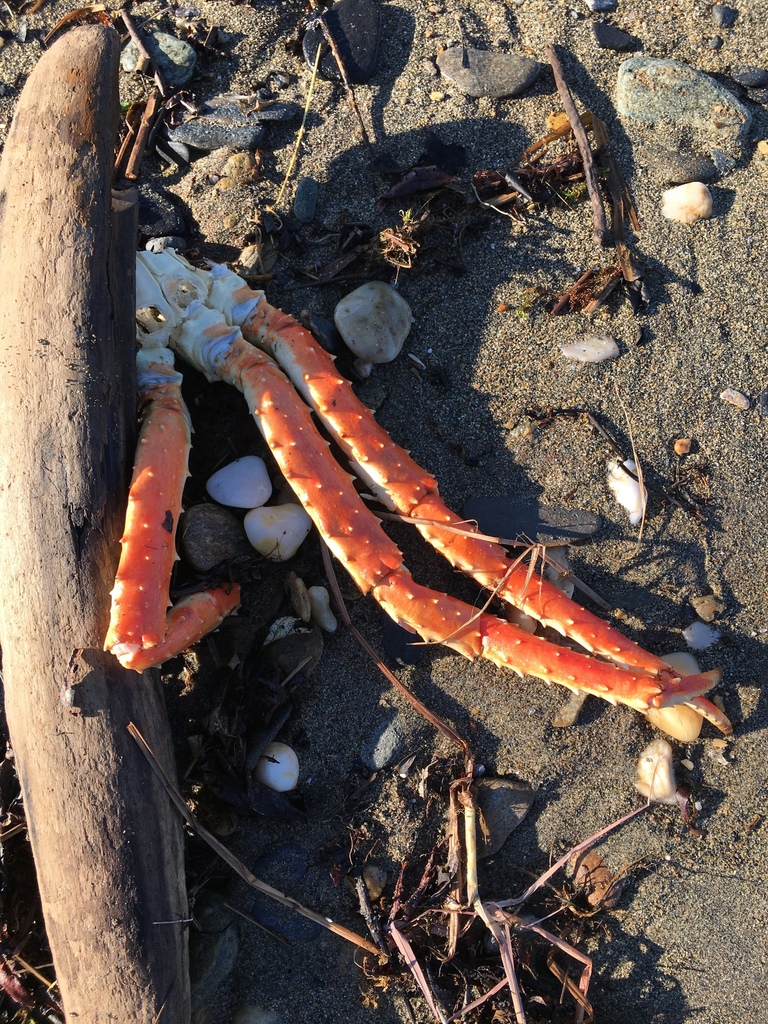 Alaskan king crab
Paralithodes camtschaticus
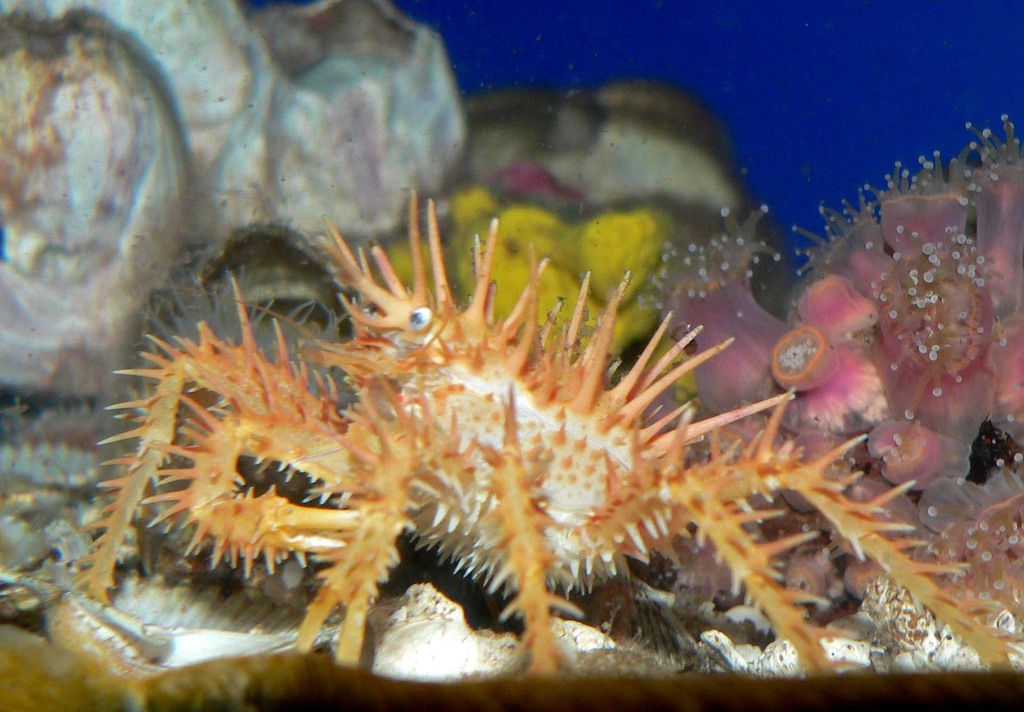 California king crab
Paralithodes californiensis
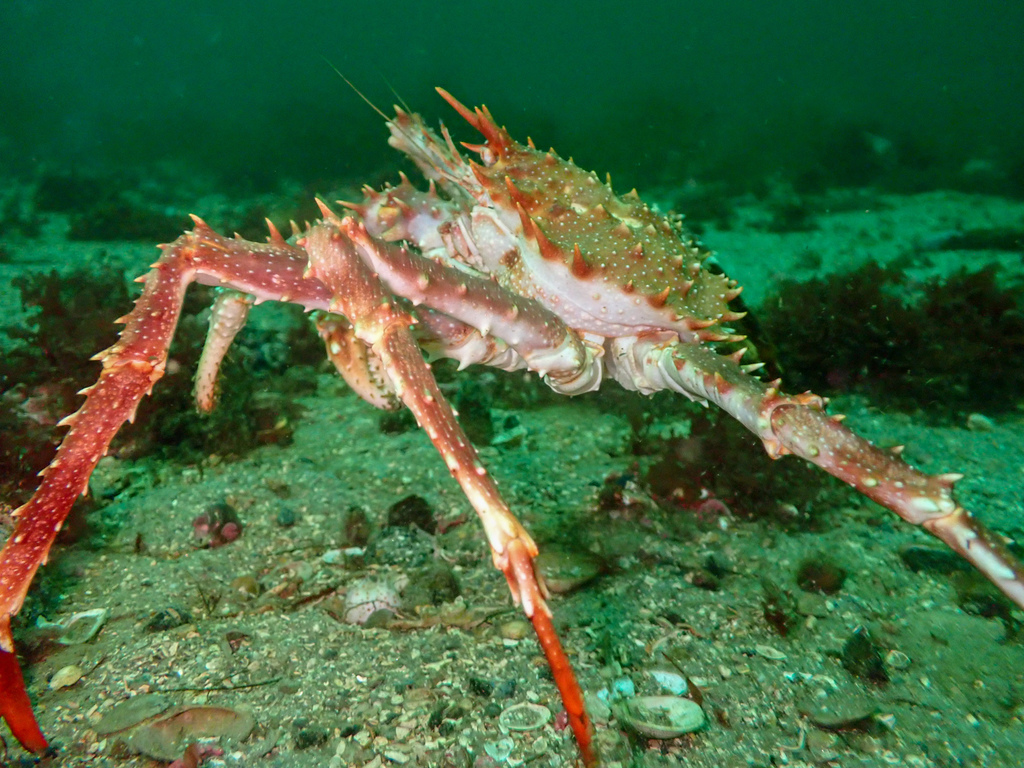 Devil's crab
Lithodes maja
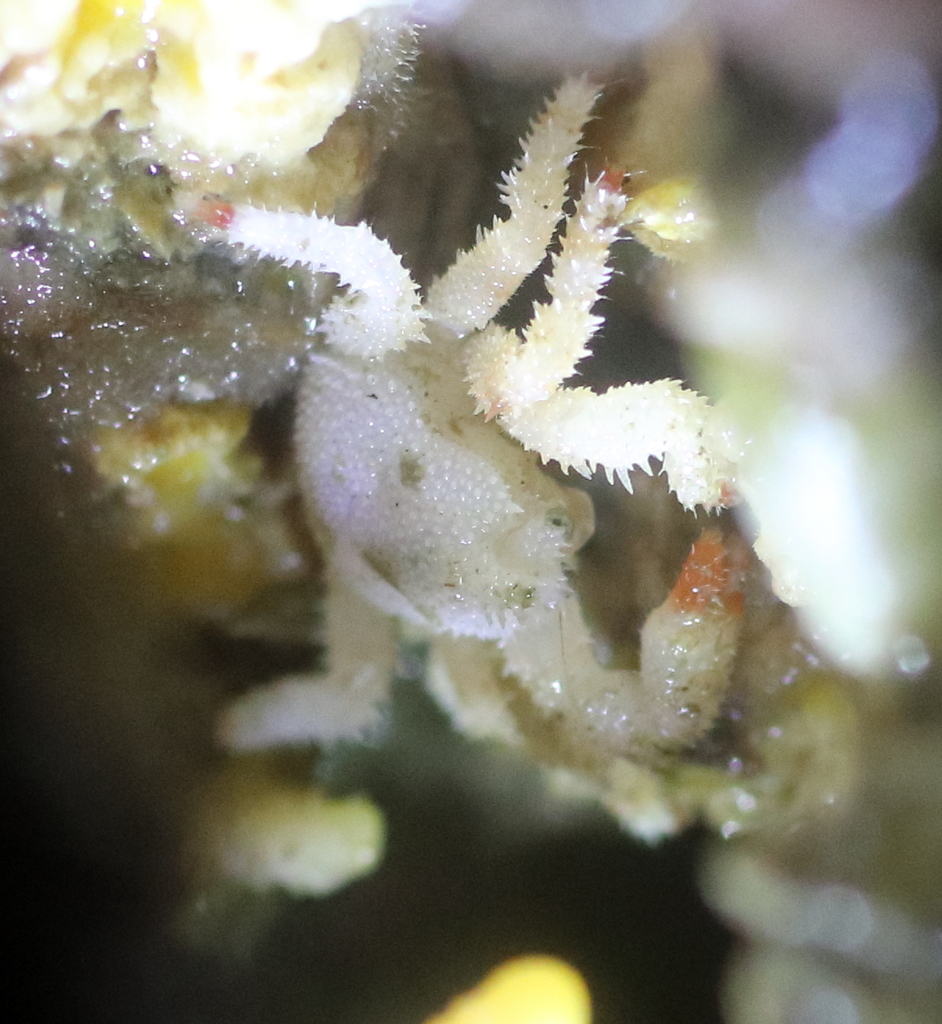 Spiny king crab
Acantholithodes hispidus
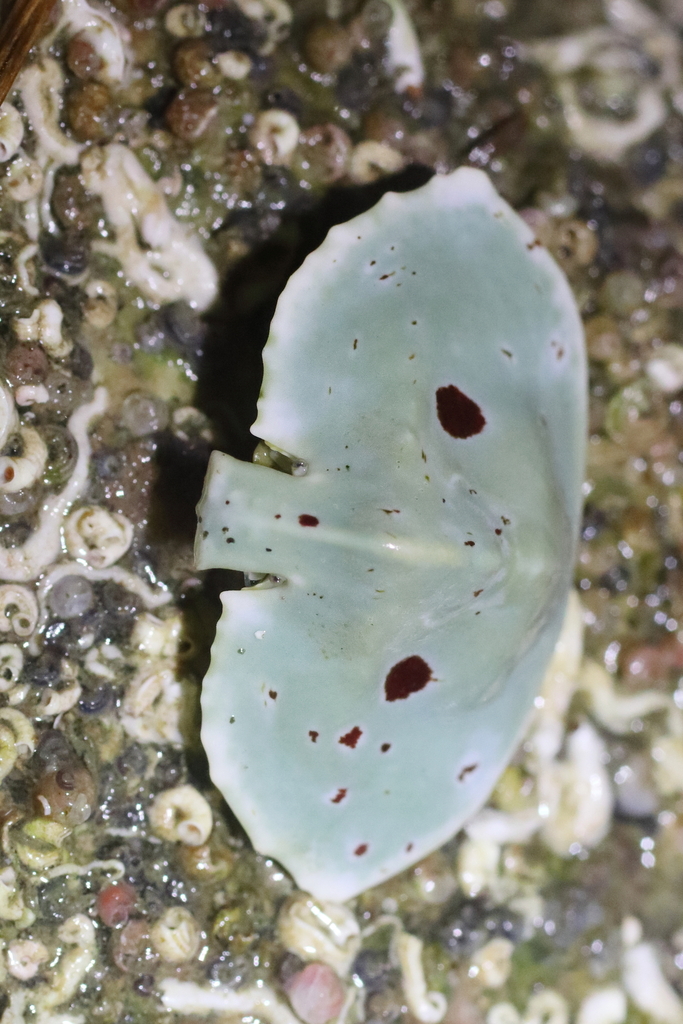 Turtle crab
Cryptolithodes sitchensis
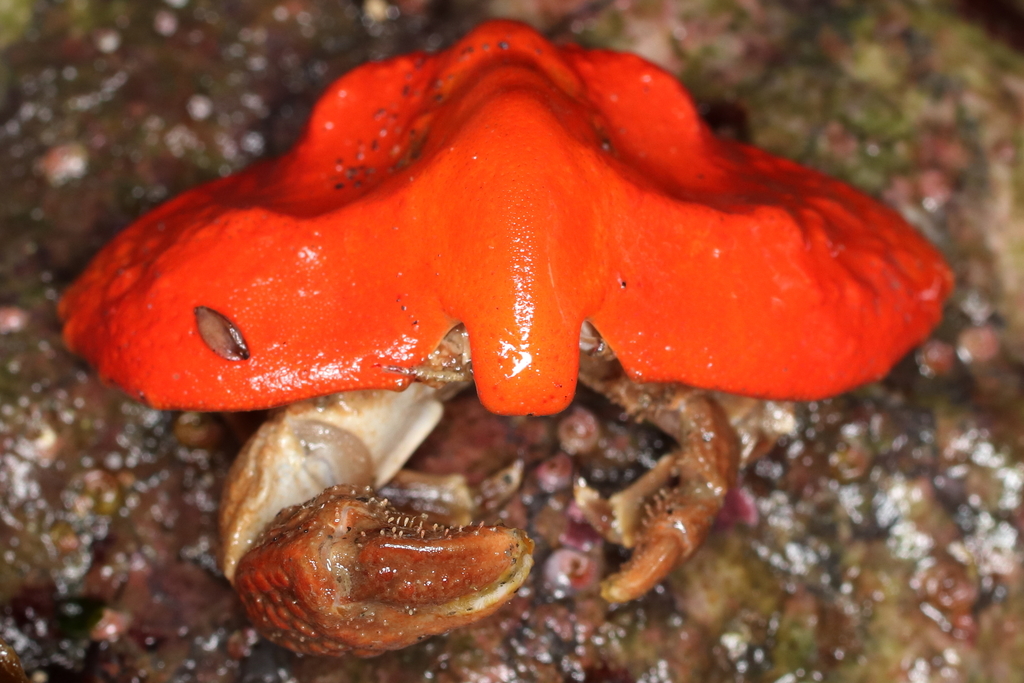 Butterfly crab
Cryptolithodes typicus
Sources and credits
Names and taxonomy: WoRMS (CC BY 4.0) and the GBIF Backbone (CC BY 4.0). Photos: iNaturalist observers, each under the licence shown (CC0, CC BY or CC BY-SA).
- Depth, temperature, months and maps: records from OBIS and GBIF under CC0 or CC BY.
- Descriptions: Wikipedia, licensed CC BY-SA, each linked to its article.
- Conservation status as published by GBIF (IUCN Red List).
- 48 open-data records from 1890 to 1995.
- Species data updated November 13, 2026.
Log what you see on your next dive
The free DiveHive diver app keeps your logbook with every sighting and shows what lives at the site you dive next.