
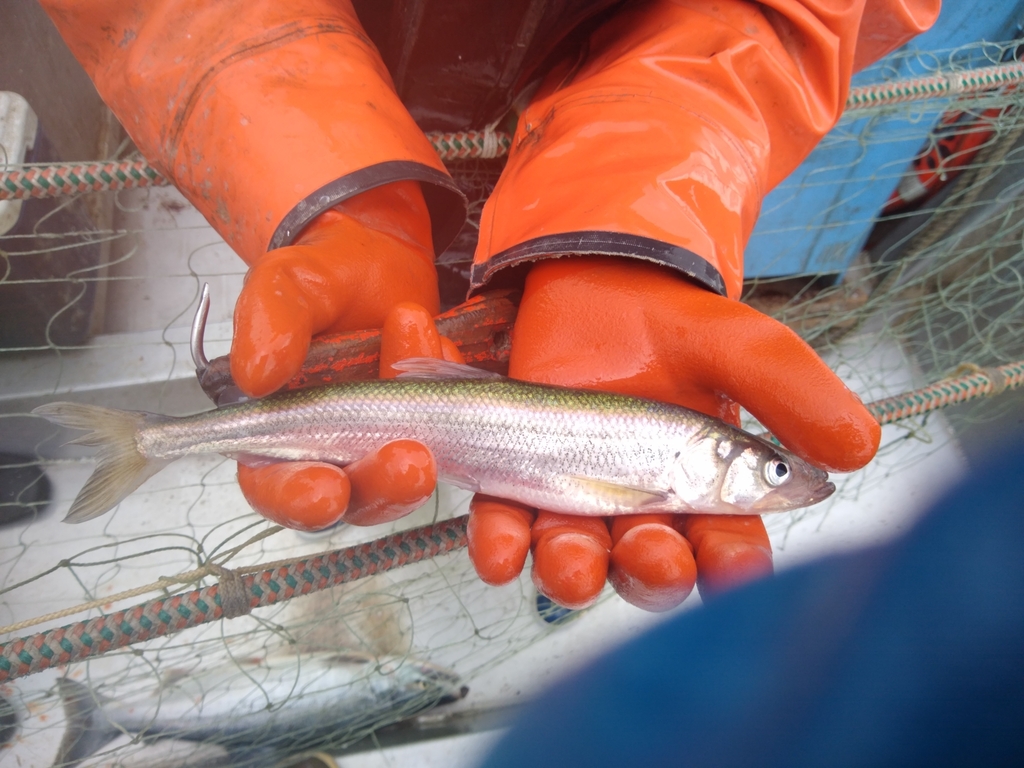
Arctic rainbow smelt
Osmerus dentex
- Usual depth0–420 m
- Water temperature-1–20 °C
- Best monthsAugust
- How commonOccasional
Photo credit: no rights reserved · CC0 1.0 · iNaturalist
About this species
The Pacific rainbow smelt, also known as the Arctic rainbow smelt or cucumber fish in Japan, is a North Pacific species of fish of the family Osmeridae. The fish usually lives in marine and brackish environment, with a wide distribution from North Korea, Sea of Okhotsk to Bering Sea and British Columbia. They are also seen in estuaries and coastal waters of European and Siberian shores of Arctic Ocean from White Sea to Chukota in Russian Far East.
Text from the Wikipedia article “Pacific rainbow smelt”, licensed CC BY-SA 4.0. Read the article
Where and when
Where it has been recorded
Worldwide
Best months
Worldwide (open data)
- January: 2 records
- February: 2 records
- March: 3 records
- April: 5 records
- May: 15 records
- June: 21 records
- July: 55 records
- August: 97 records
- September: 34 records
- October: 3 records
- November: 0 records
- December: 0 records
Depth and water temperature
Depth
Mostly recorded at 0–420 m · Deepest record: 3,475 m
Water temperature
Recorded in surface water of -1–20 °C
Photos
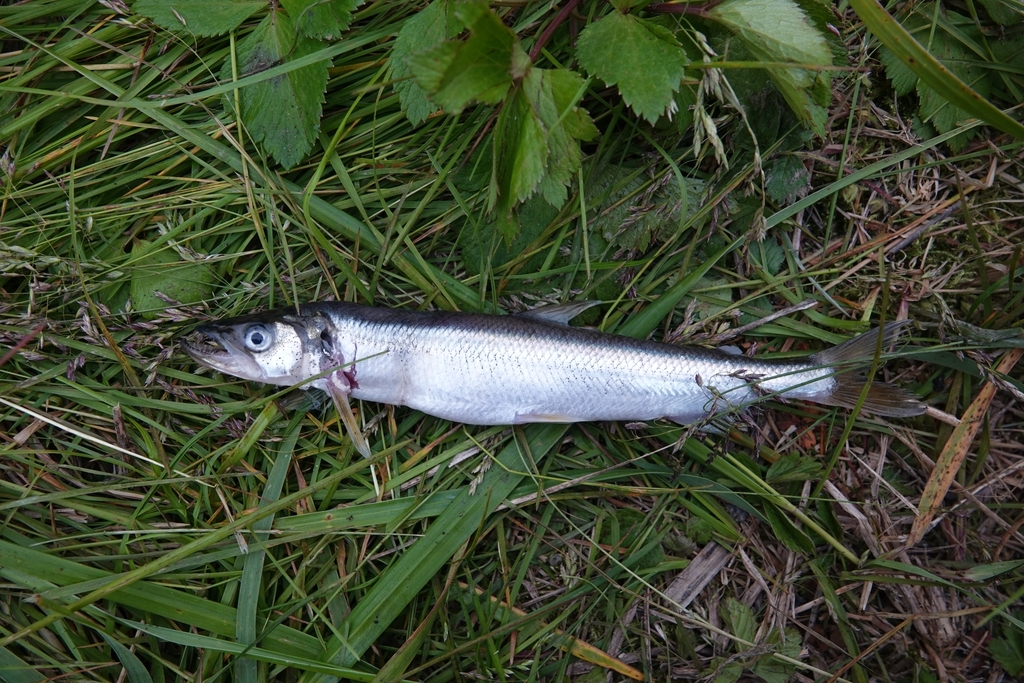
(c) Валерия Ковалева, some rights reserved (CC BY) · CC BY · iNaturalist
Names and classification
- English
- Arctic rainbow smelt, Pacific Rainbow Smelt, rainbow smelt
Names in 2 more languages
- French
- éperlan du Pacifique
- Japanese
- Kyuriuo, キュウリウオ
Similar species
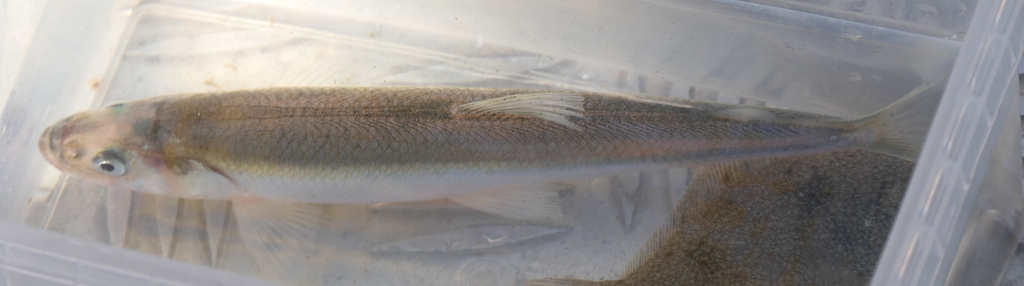 European smelt
Osmerus eperlanus
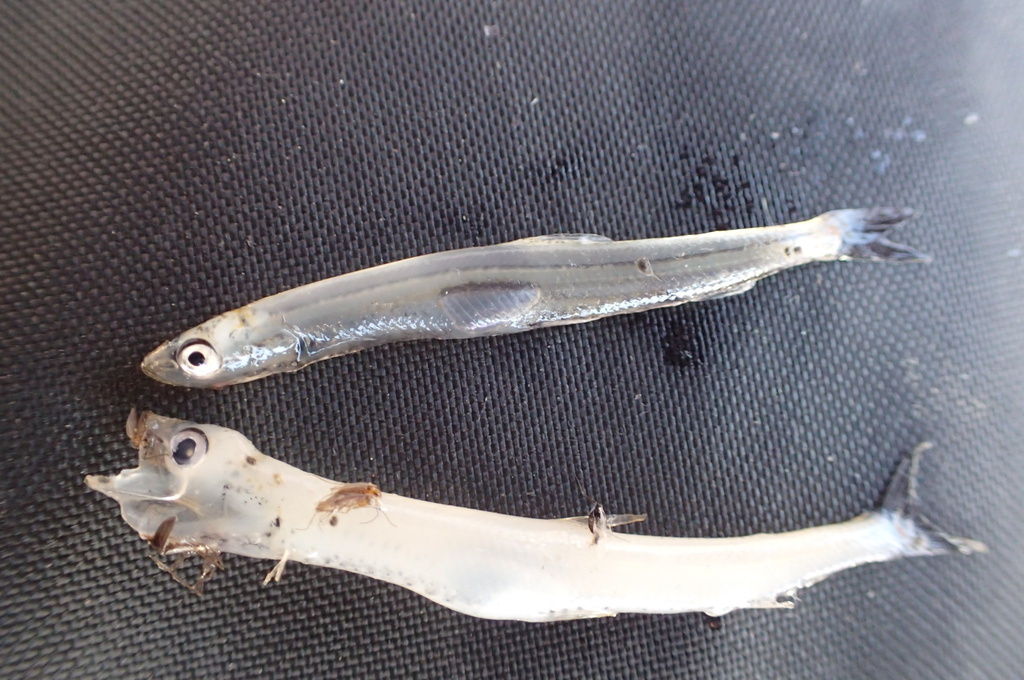 Rainbow smelt
Osmerus mordax
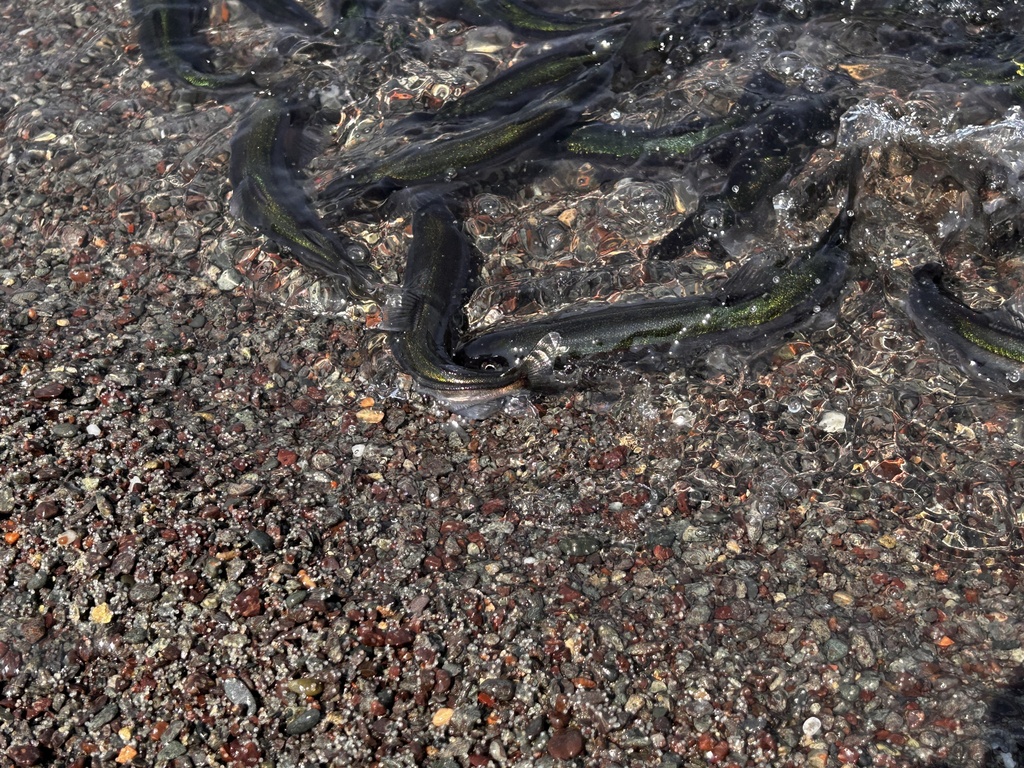 Capelin
Mallotus villosus
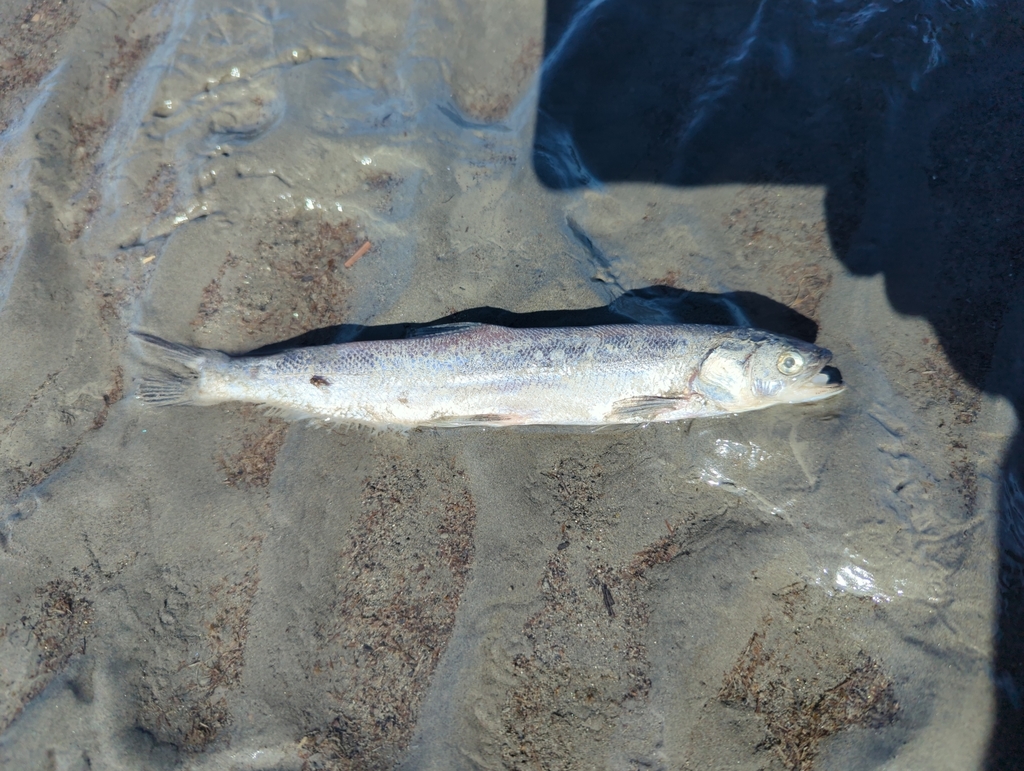 Eulachon
Thaleichthys pacificus
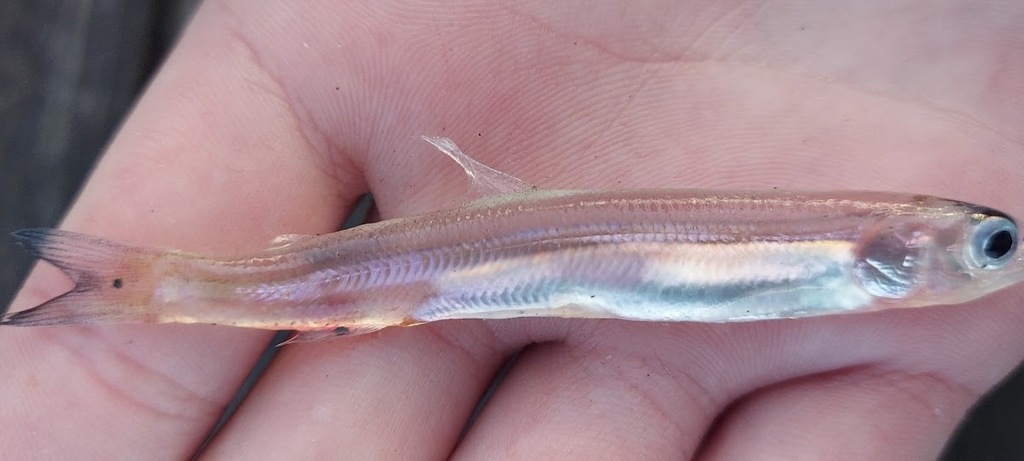 Whitebait smelt
Allosmerus elongatus
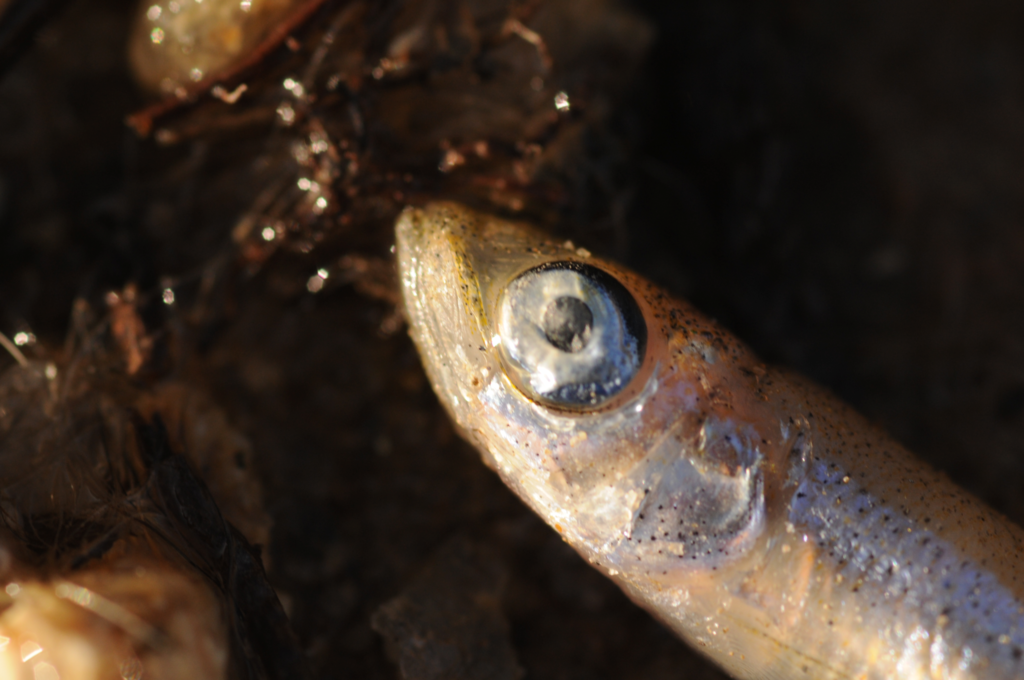 Japanese smelt
Hypomesus nipponensis
Sources and credits
Names and taxonomy: WoRMS (CC BY 4.0) and the GBIF Backbone (CC BY 4.0). Photos: iNaturalist observers, each under the licence shown (CC0, CC BY or CC BY-SA).
- Depth, temperature, months and maps: records from OBIS and GBIF under CC0 or CC BY.
- Descriptions: Wikipedia, licensed CC BY-SA, each linked to its article.
- Conservation status as published by GBIF (IUCN Red List).
- 942 open-data records from 1880 to 2011.
- Species data updated November 12, 2026.
Log what you see on your next dive
The free DiveHive diver app keeps your logbook with every sighting and shows what lives at the site you dive next.