
DiscoverSpeciesCorals and anemones
Crustal fire coral
Millepora squarrosa
- Usual depth3–29 m
- Water temperature27–29 °C
- Best monthsMay, July, and September
- How commonRare
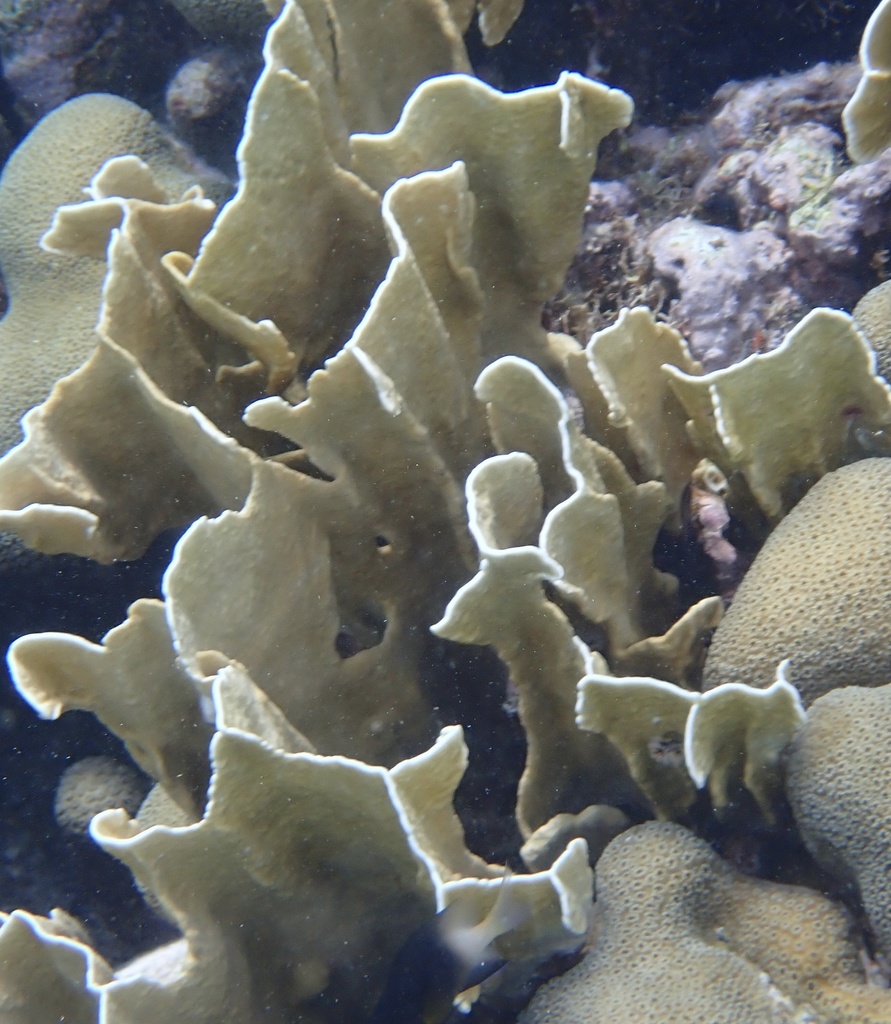
Photo credit: no rights reserved · CC0 1.0 · iNaturalist
About this species
Millepora squarrosa is a species of fire coral that can be found in the Caribbean Sea as well as in the western Atlantic. They are very common on fringing reefs in patches. They have a smooth surface covered in tiny pores from which polyps protrude. They can reach up to 5 centimeters in height and can range from brown or tan in color with slight purple or red tints. It is commonly known as "box fire coral", which refers to its box-like structure and the stinging sensation felt when touched with a bare hand. These corals are important to reef-building.
Text from the Wikipedia article “Millepora squarrosa”, licensed CC BY-SA 4.0. Read the article
Where and when
Where it has been recorded
Worldwide
Best months
Worldwide (open data)
- January: 4 records
- February: 1 record
- March: 5 records
- April: 6 records
- May: 7 records
- June: 6 records
- July: 7 records
- August: 6 records
- September: 9 records
- October: 3 records
- November: 2 records
- December: 4 records
Depth and water temperature
Depth
Mostly recorded at 3–29 m · Deepest record: 44 m
Water temperature
Recorded in surface water of 27–29 °C
Photos
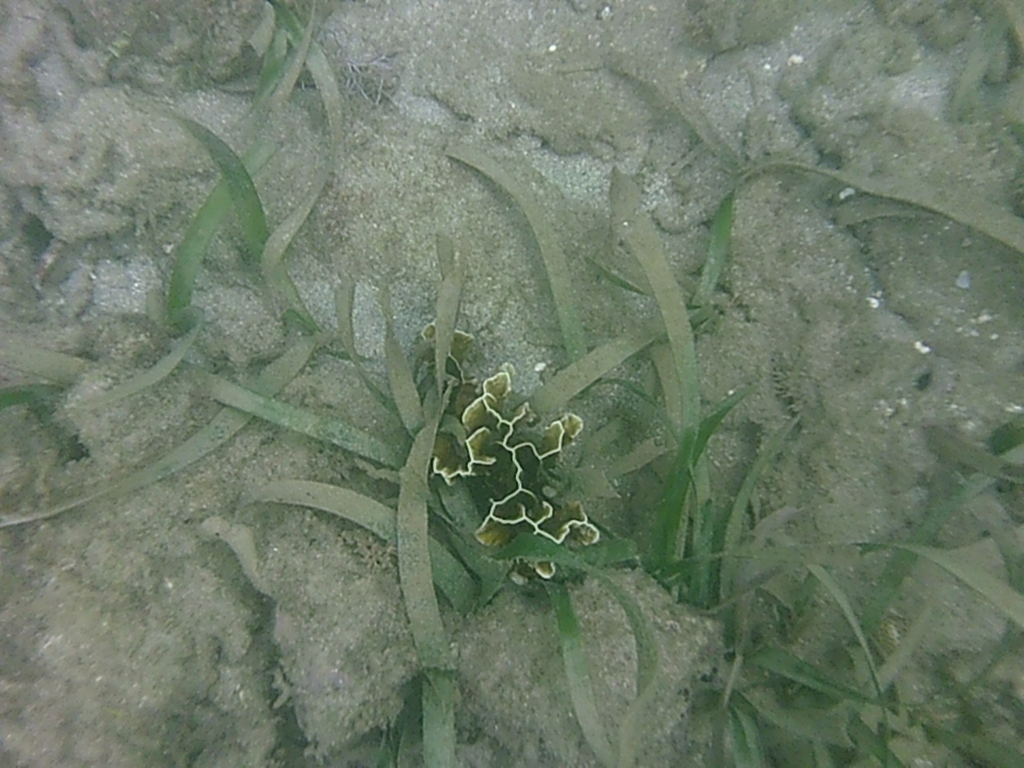
(c) Maïté Waagmeester, some rights reserved (CC BY) · CC BY · iNaturalist 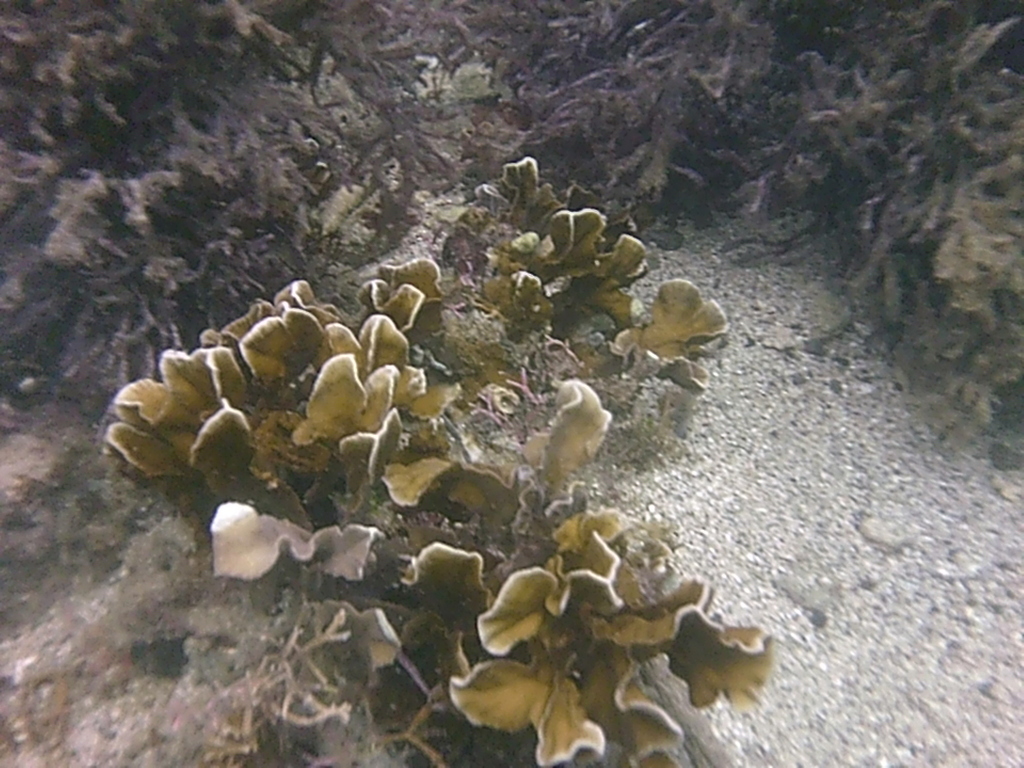
(c) Maïté Waagmeester, some rights reserved (CC BY) · CC BY · iNaturalist 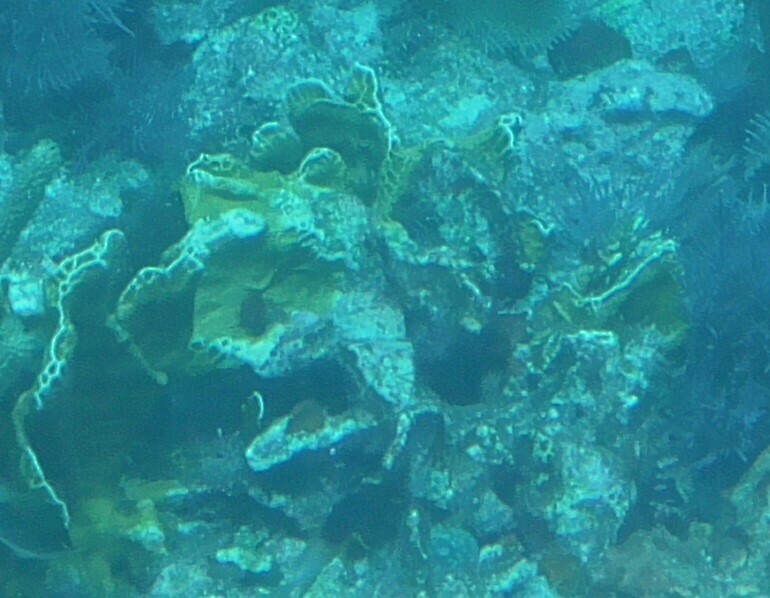
(c) Ashwin Srinivasan, some rights reserved (CC BY) · CC BY · iNaturalist 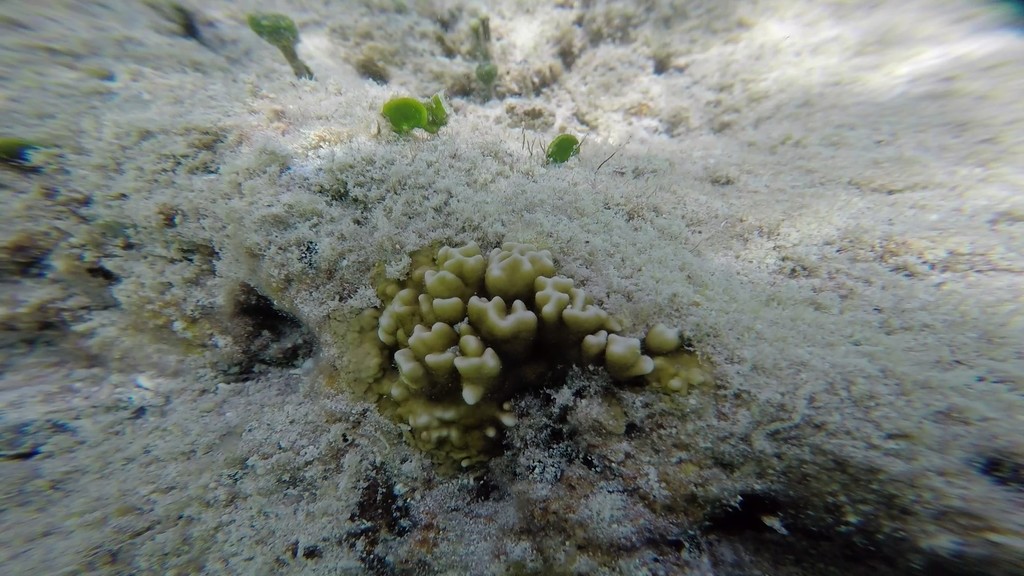
(c) Eric Knight, some rights reserved (CC BY) · CC BY · iNaturalist
Names and classification
- English
- Crustal fire coral, Box Fire Coral, crustal fire coral
Names in 3 more languages
- German
- Krustige Feuerkoralle
- Spanish
- Coral de Fuego
- French
- Corail de feu quadrangulaire
Other scientific names: Millepora faveolata, Millepora folliata, Millepora tuberculata, Palmipora squarrosa, Palmipora tuberculata
Similar species
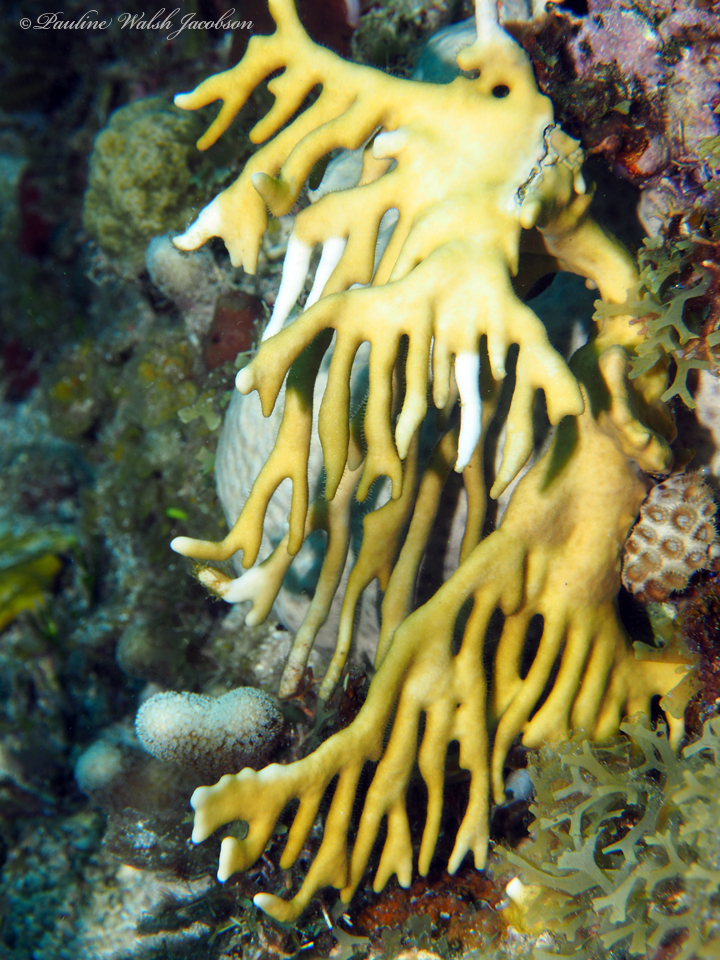 Branching fire coral
Millepora alcicornis
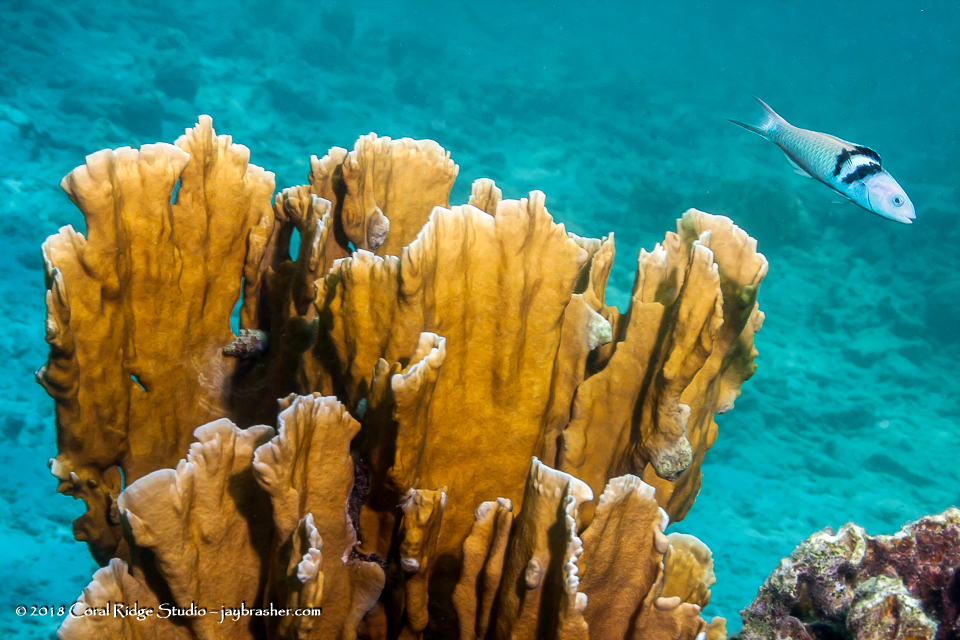 Bladed fire coral
Millepora complanata
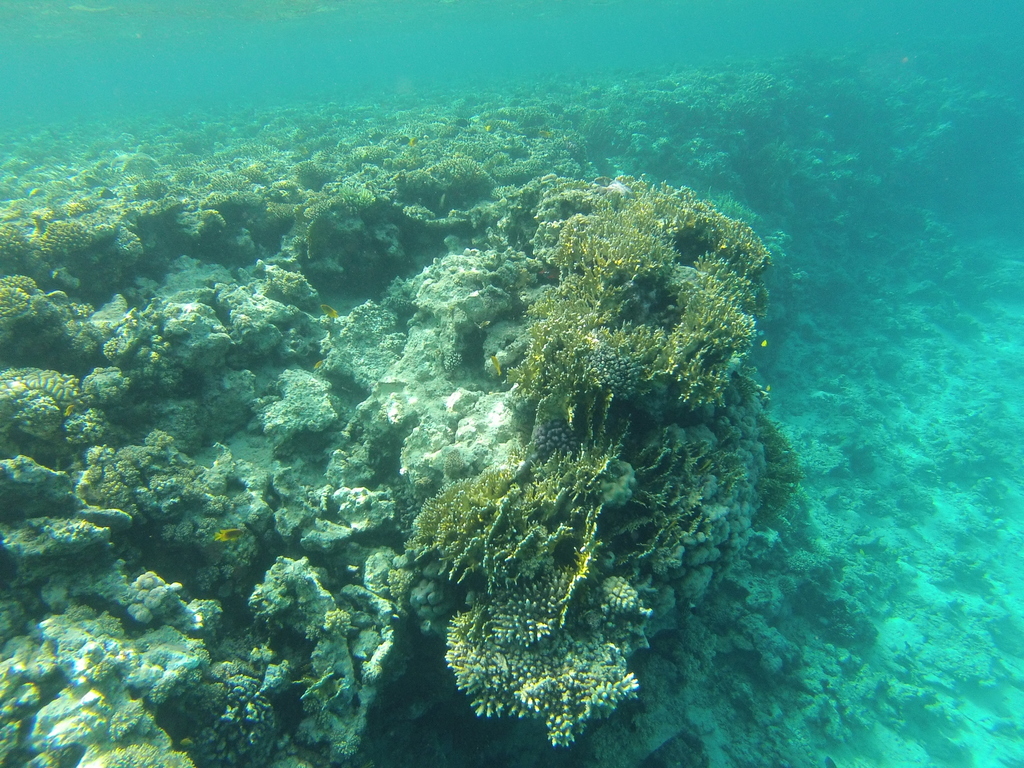 Ramified fire coral
Millepora dichotoma
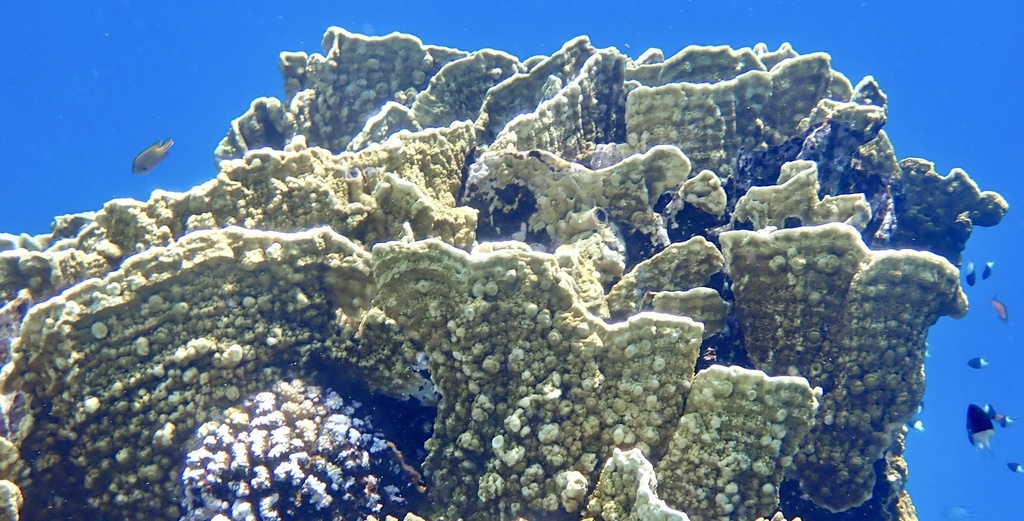 Sheet fire coral
Millepora platyphylla
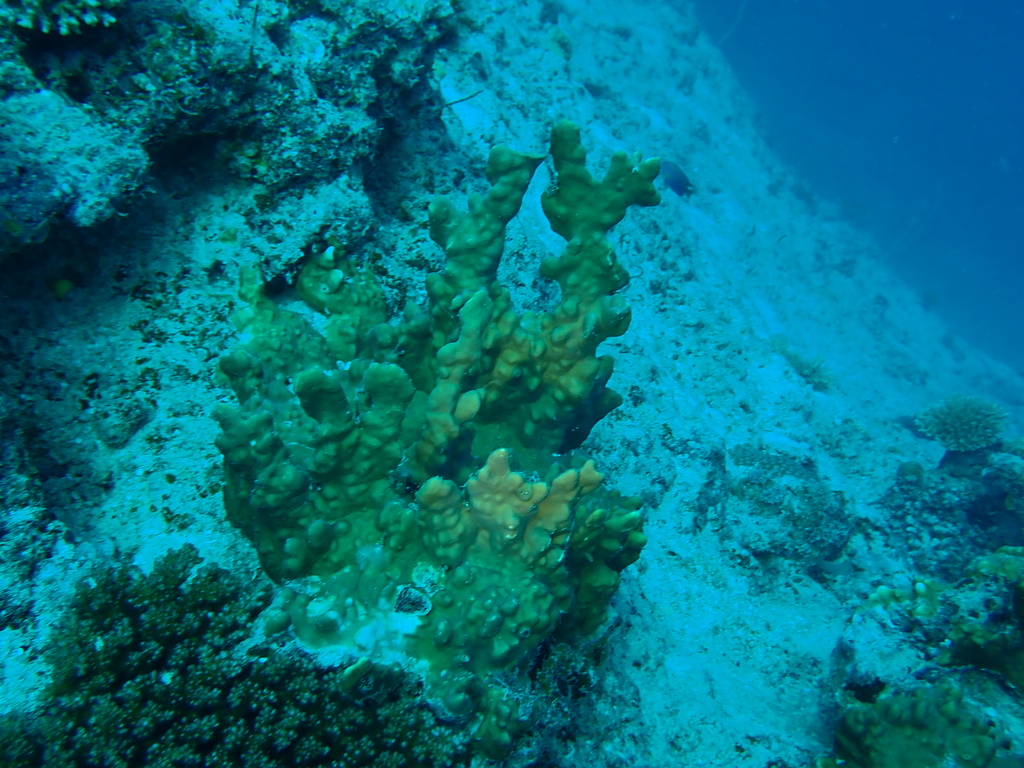 Fire Coral
Millepora exaesa
Sources and credits
Names and taxonomy: WoRMS (CC BY 4.0) and the GBIF Backbone (CC BY 4.0). Photos: iNaturalist observers, each under the licence shown (CC0, CC BY or CC BY-SA).
- Depth, temperature, months and maps: records from OBIS and GBIF under CC0 or CC BY.
- Descriptions: Wikipedia, licensed CC BY-SA, each linked to its article.
- Conservation status as published by GBIF (IUCN Red List).
- 172 open-data records from 1918 to 2016.
- Species data updated November 12, 2026.
Log what you see on your next dive
The free DiveHive diver app keeps your logbook with every sighting and shows what lives at the site you dive next.