
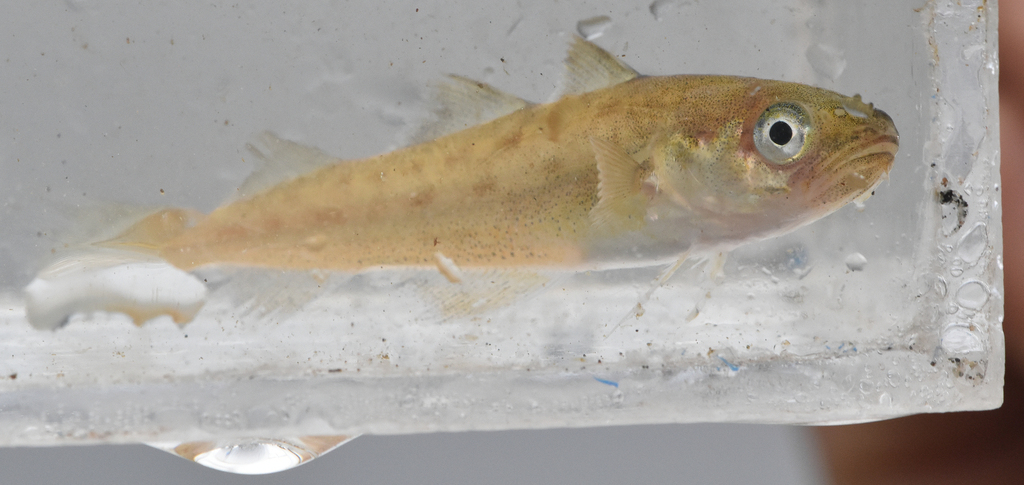
Pacific tomcod
Microgadus proximus
- Usual depth27–98 m
- Water temperature7–15 °C
- Best monthsJune
- How commonCommon
Photo credit: no rights reserved · CC0 1.0 · iNaturalist
About this species
Microgadus proximus, also commonly known as Pacific tomcod, is a type of cod fish found in North American coastal waters from the southeastern Bering Sea to central California. This species can reach a length of 30.5 cm (12.0 in).
Text from the Wikipedia article “Microgadus proximus”, licensed CC BY-SA 4.0. Read the article
Where and when
Where it has been recorded
Worldwide
Best months
Worldwide (open data)
- January: 34 records
- February: 31 records
- March: 58 records
- April: 166 records
- May: 4,638 records
- June: 10,443 records
- July: 340 records
- August: 123 records
- September: 149 records
- October: 52 records
- November: 56 records
- December: 19 records
Depth and water temperature
Depth
Mostly recorded at 27–98 m · Deepest record: 247 m
Water temperature
Recorded in surface water of 7–15 °C
Photos
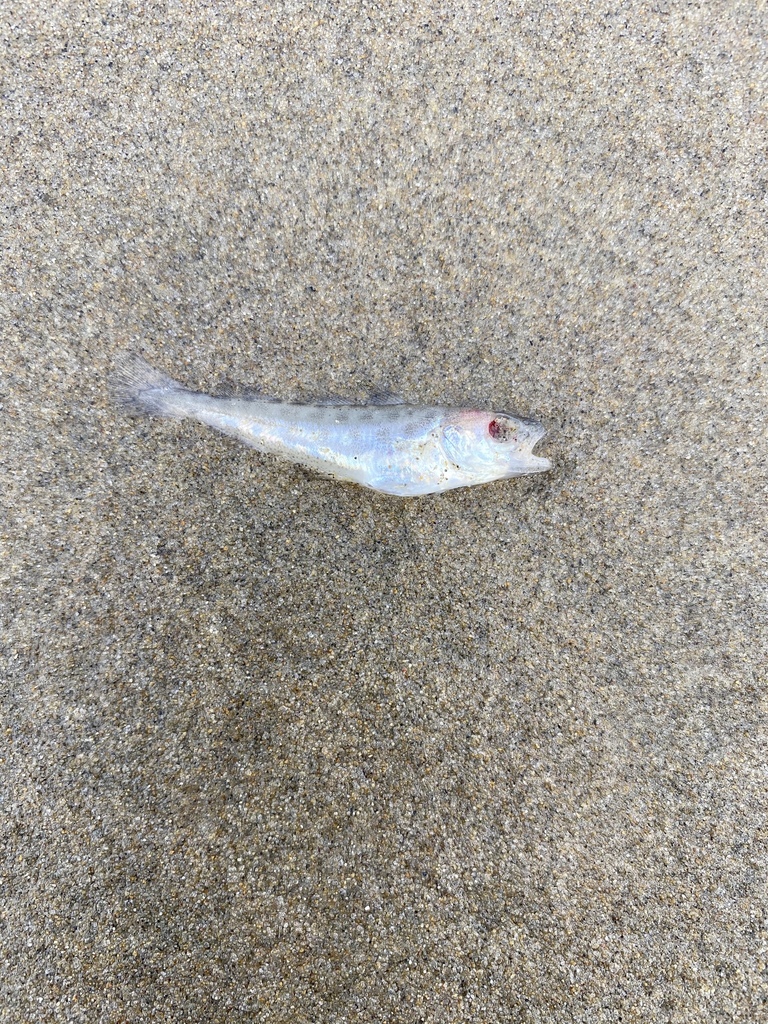
no rights reserved · CC0 1.0 · iNaturalist 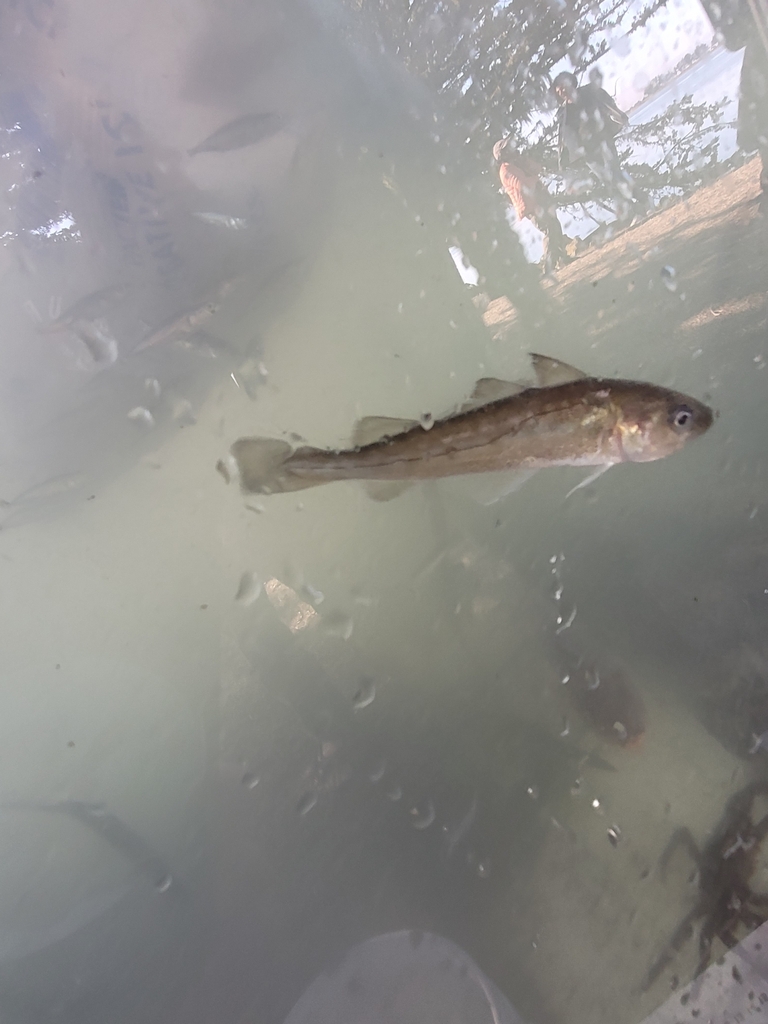
(c) Konshau Duman, some rights reserved (CC BY) · CC BY · iNaturalist
Names and classification
- English
- Pacific tomcod
Names in 2 more languages
- French
- poulamon du Pacifique
- Simplified Chinese
- 太平洋小鱈
Other scientific names: Gadus californicus, Gadus proximus, Morrhua californica, Morrhua proxima
Similar species
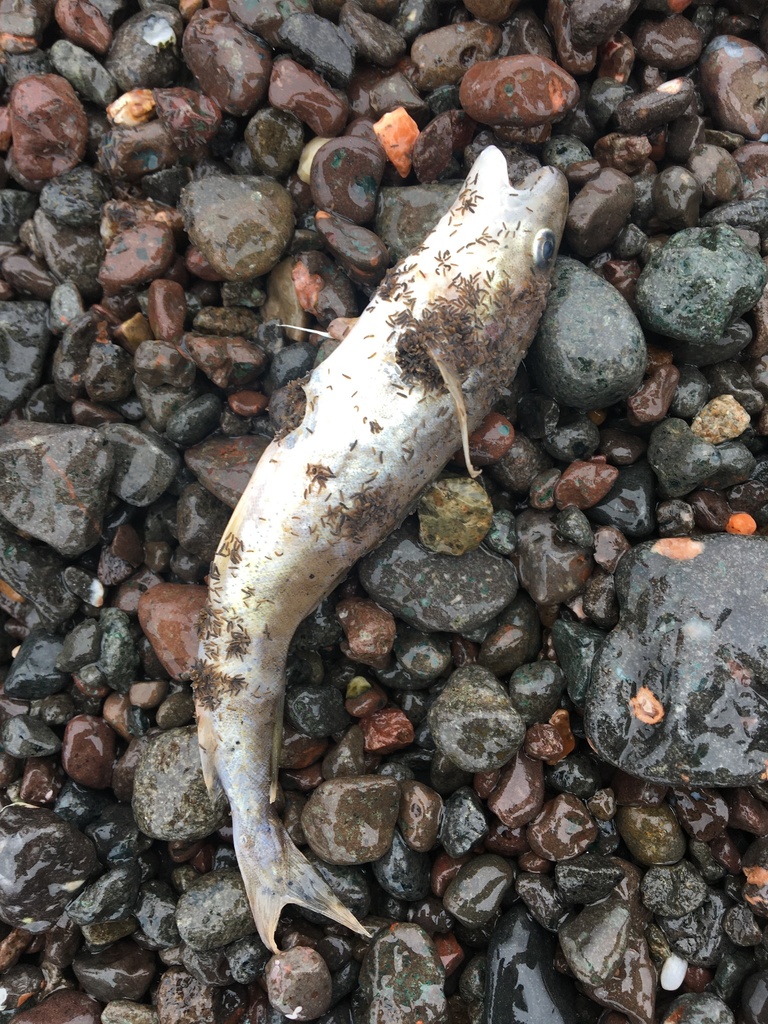 Atlantic tomcod
Microgadus tomcod
 Arctic cod
Boreogadus saida
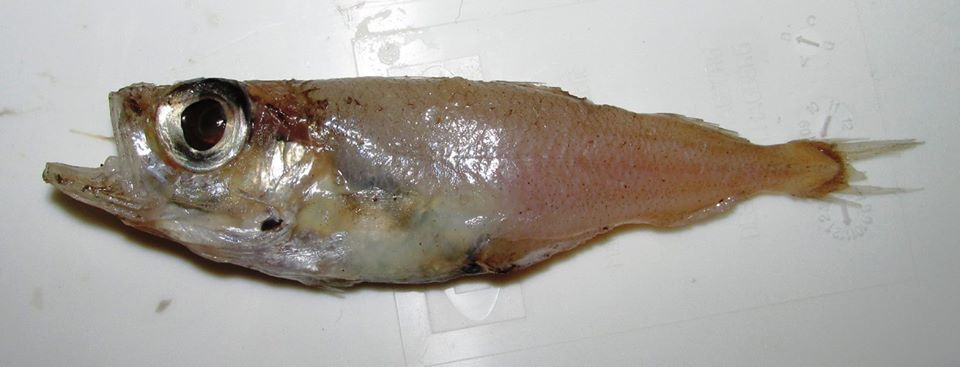 Silvery pout
Gadiculus argenteus
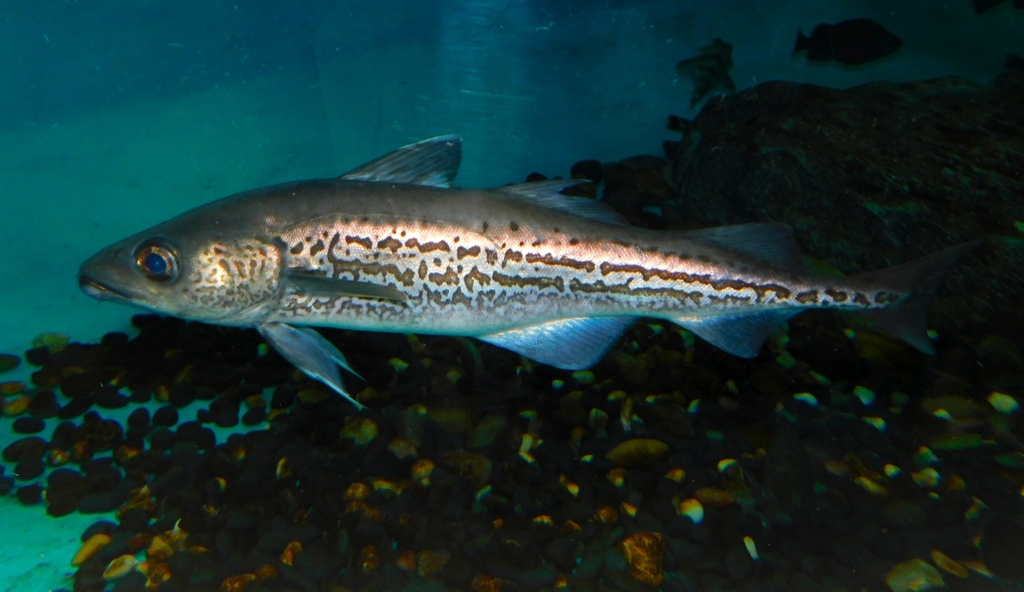 Alaska pollock
Gadus chalcogrammus
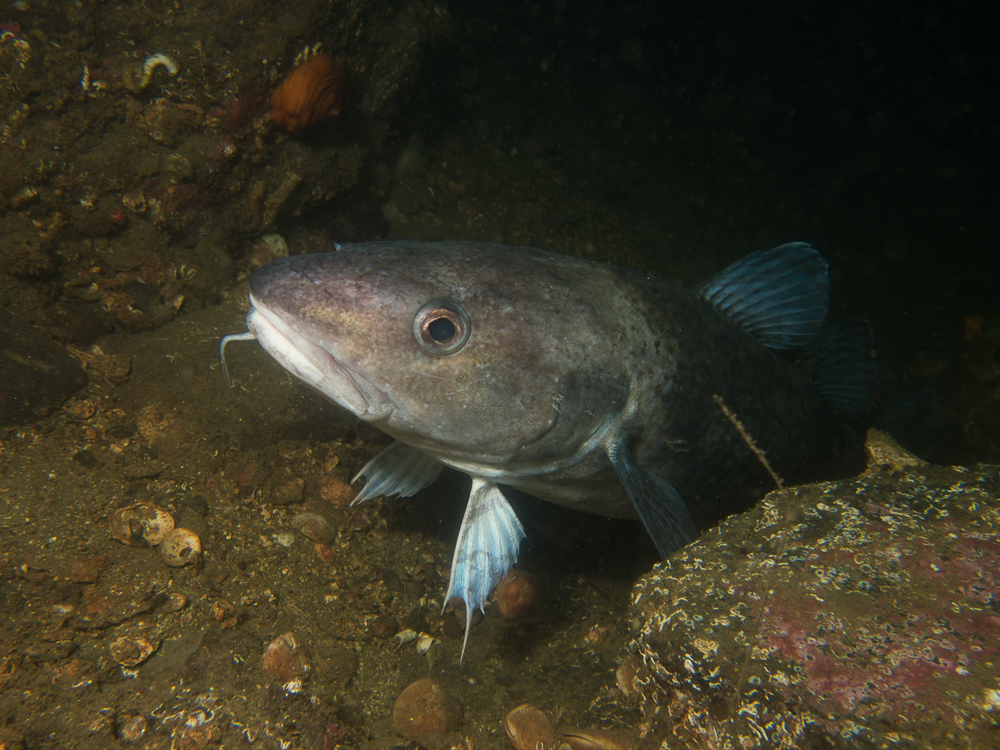 Pacific cod
Gadus macrocephalus
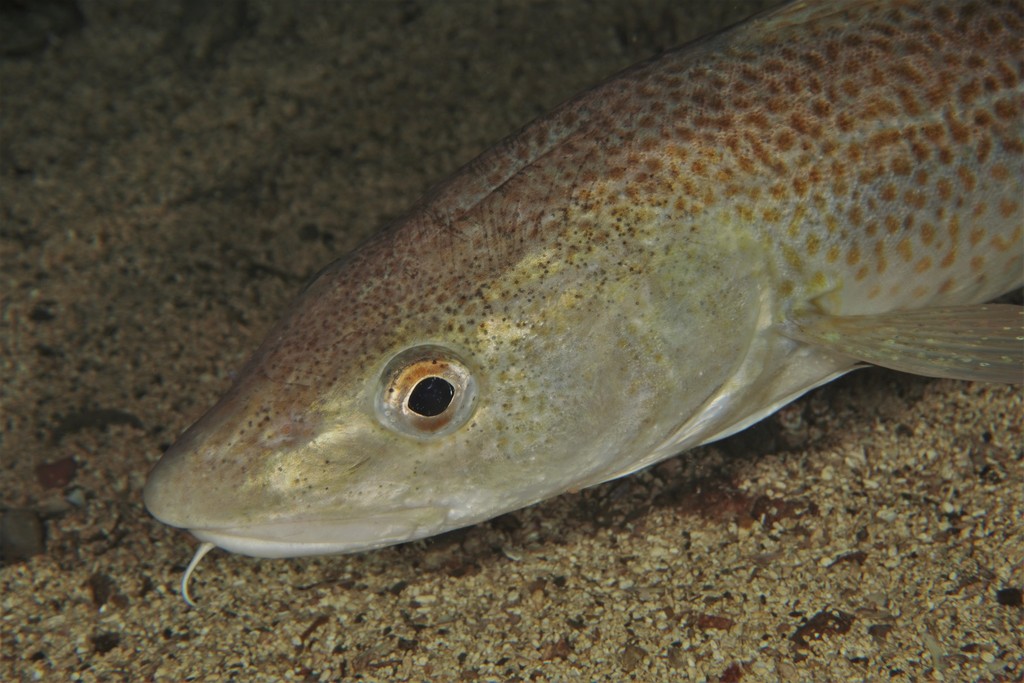 Atlantic cod
Gadus morhua
Sources and credits
Names and taxonomy: WoRMS (CC BY 4.0) and the GBIF Backbone (CC BY 4.0). Photos: iNaturalist observers, each under the licence shown (CC0, CC BY or CC BY-SA).
- Depth, temperature, months and maps: records from OBIS and GBIF under CC0 or CC BY.
- Descriptions: Wikipedia, licensed CC BY-SA, each linked to its article.
- Conservation status as published by GBIF (IUCN Red List).
- 17,324 open-data records from 1889 to 2024.
- Species data updated November 12, 2026.
Log what you see on your next dive
The free DiveHive diver app keeps your logbook with every sighting and shows what lives at the site you dive next.