
DiscoverSpeciesOther invertebrates
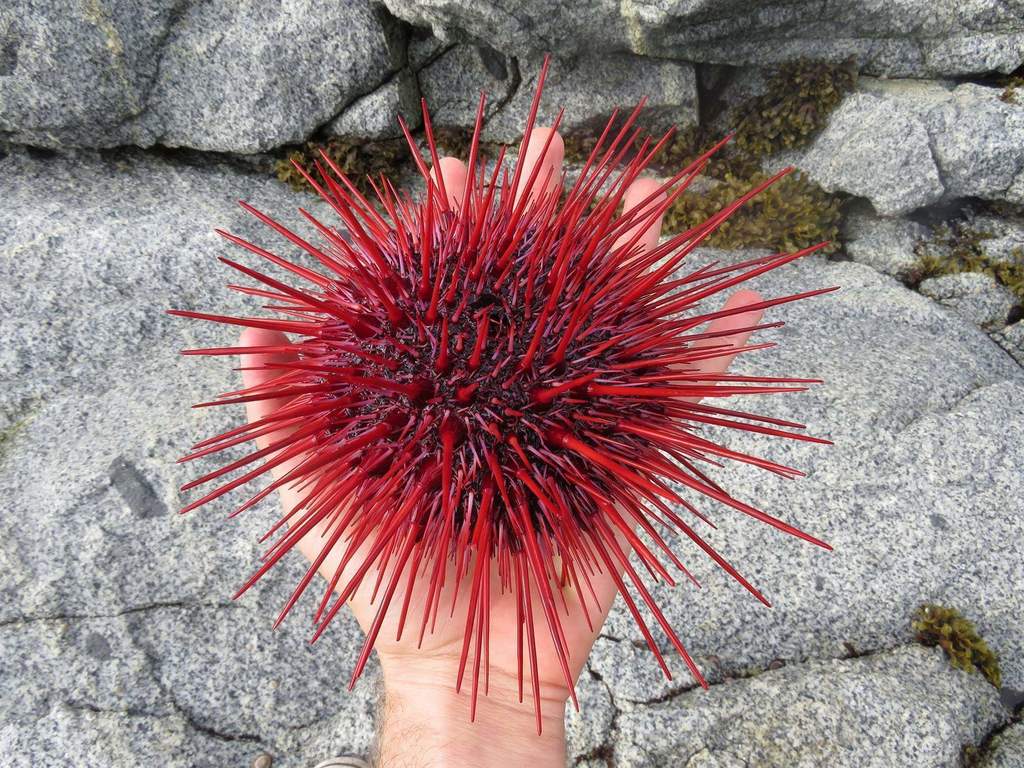
Red sea urchin
Mesocentrotus franciscanus
- Usual depth5–19 m
- Water temperature10–18 °C
- Best monthsNovember
- How commonCommon
Photo credit: no rights reserved, uploaded by Braden J. Judson · CC0 1.0 · iNaturalist
About this species
The red sea urchin is a sea urchin found in the northeastern Pacific Ocean from Alaska to Baja California. It lives in shallow waters from the low-tide line to greater than 280 m (920 ft) deep, and is typically found on rocky shores sheltered from extreme wave action in areas where kelp is available.
Text from the Wikipedia article “Red sea urchin”, licensed CC BY-SA 4.0. Read the article
Where and when
Where it has been recorded
Worldwide
Best months
Worldwide (open data)
- January: 452 records
- February: 385 records
- March: 406 records
- April: 556 records
- May: 777 records
- June: 1,107 records
- July: 1,563 records
- August: 1,367 records
- September: 1,242 records
- October: 754 records
- November: 26,045 records
- December: 349 records
Depth and water temperature
Depth
Mostly recorded at 5–19 m · Deepest record: 74.6 m
Water temperature
Recorded in surface water of 10–18 °C
Photos
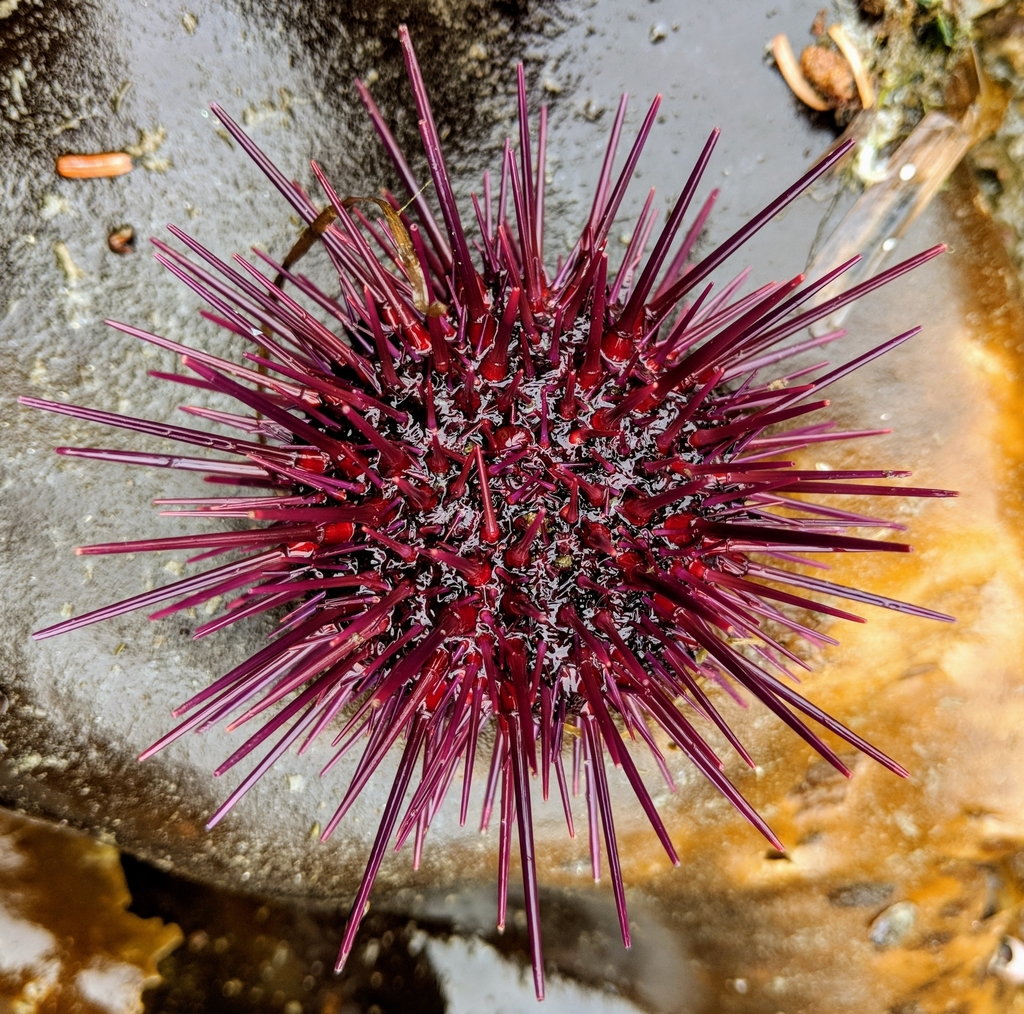
(c) Erin McKittrick, some rights reserved (CC BY) · CC BY · iNaturalist 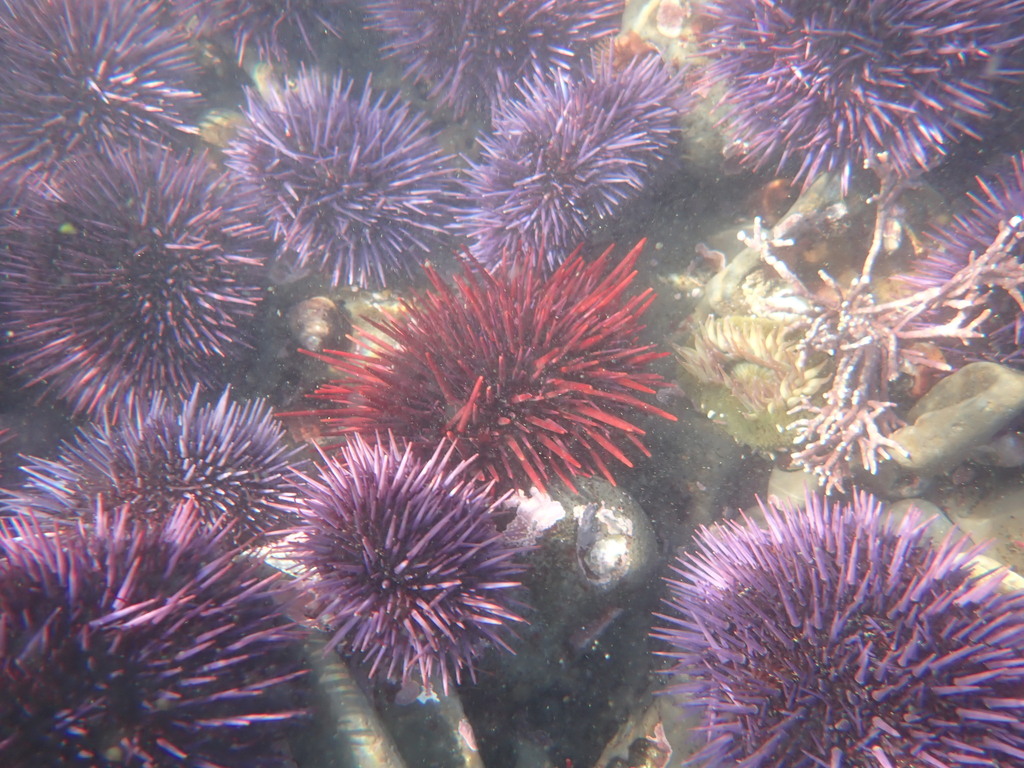
(c) Cricket Raspet, some rights reserved (CC BY) · CC BY · iNaturalist 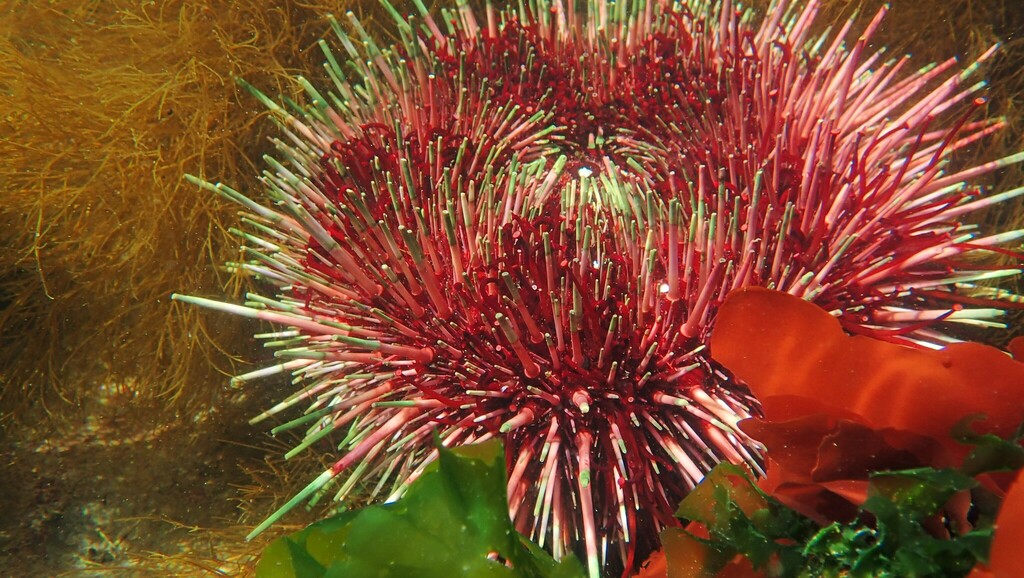
(c) rlacroix, some rights reserved (CC BY) · CC BY · iNaturalist 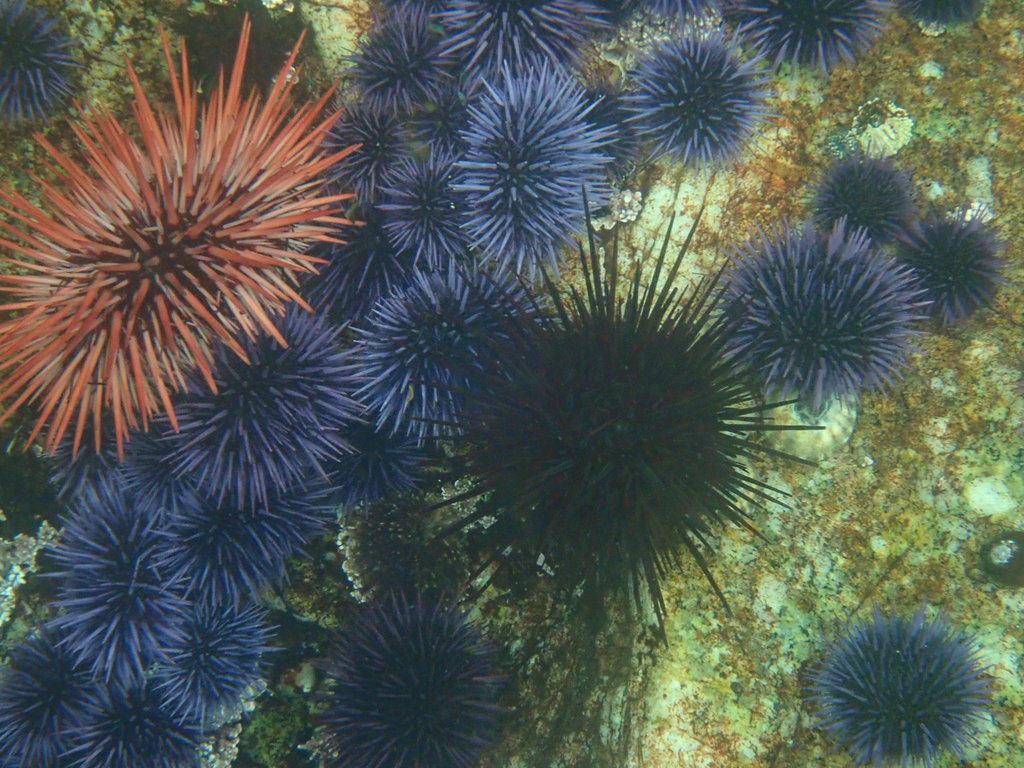
(c) Henrik Kibak, some rights reserved (CC BY) · CC BY · iNaturalist 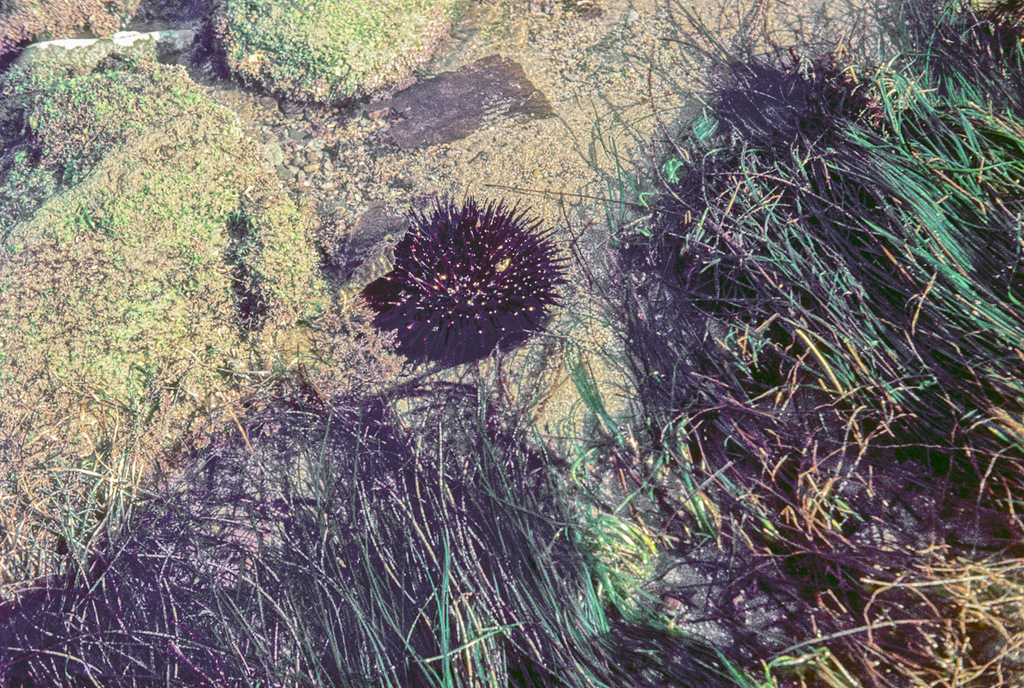
(c) Drepanostoma, some rights reserved (CC BY) · CC BY · iNaturalist 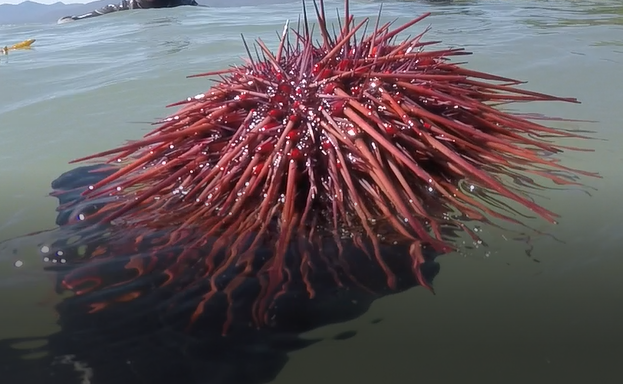
(c) Eric Knight, some rights reserved (CC BY) · CC BY · iNaturalist 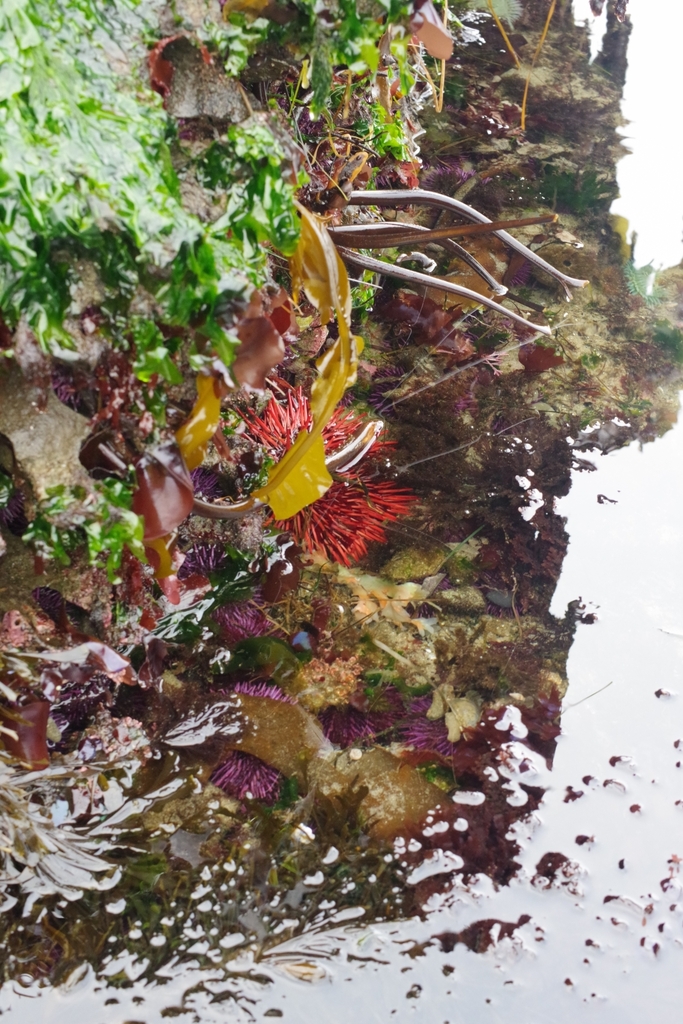
(c) Sage Sharp, some rights reserved (CC BY) · CC BY · iNaturalist
Names and classification
- English
- Red sea urchin, red sea urchin
Names in 2 more languages
- Spanish
- Erizo rojo de mar
- French
- oursin rouge, Oursin rouge géant
Other scientific names: Strongylocentrotus franciscanus, Toxocidaris franciscana, Toxocidaris franciscanus
Similar species
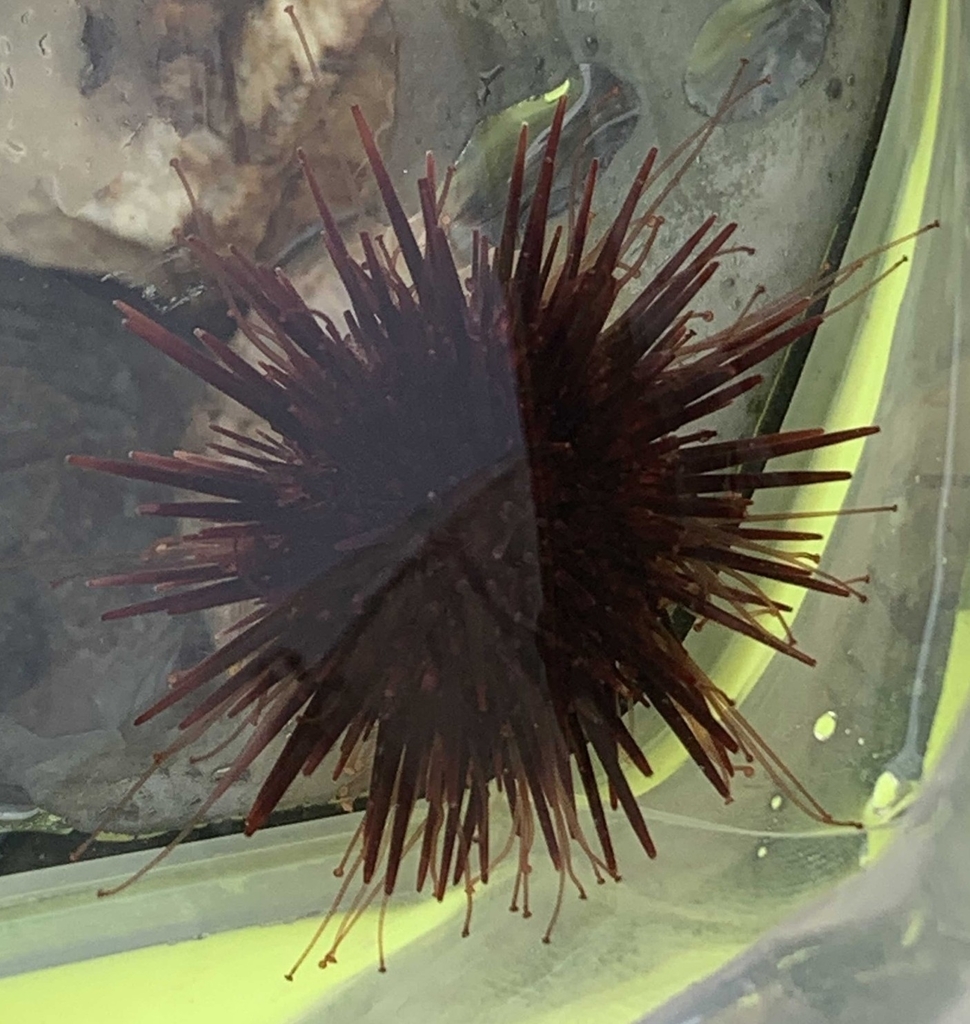
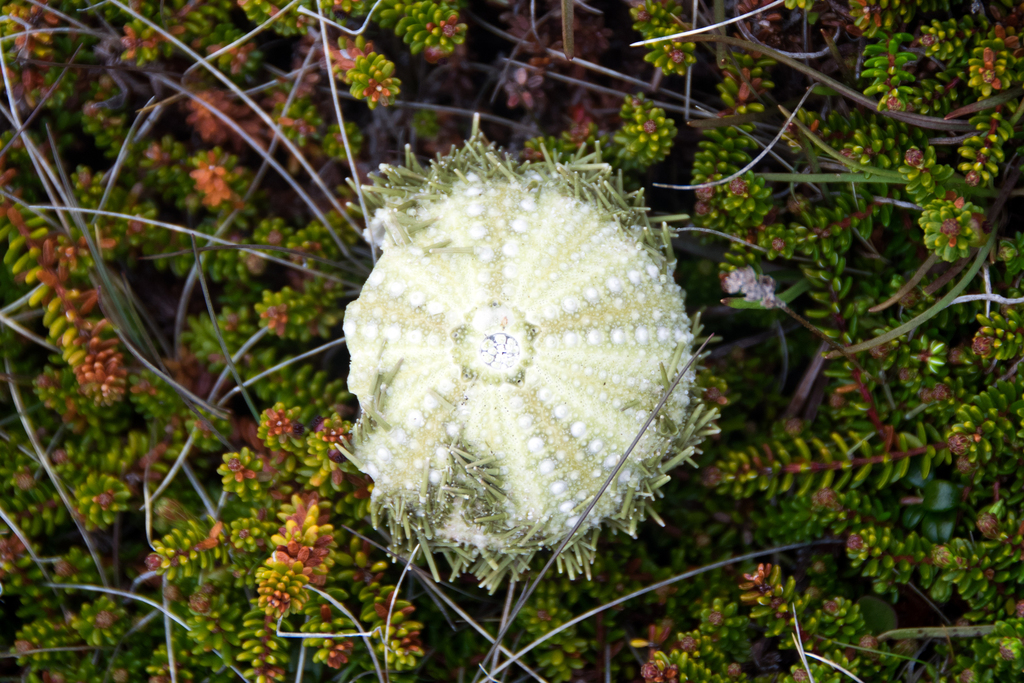 Green sea urchin
Strongylocentrotus droebachiensis
 Purple sea urchin
Strongylocentrotus purpuratus
- Fragile sea urchin
Strongylocentrotus fragilis
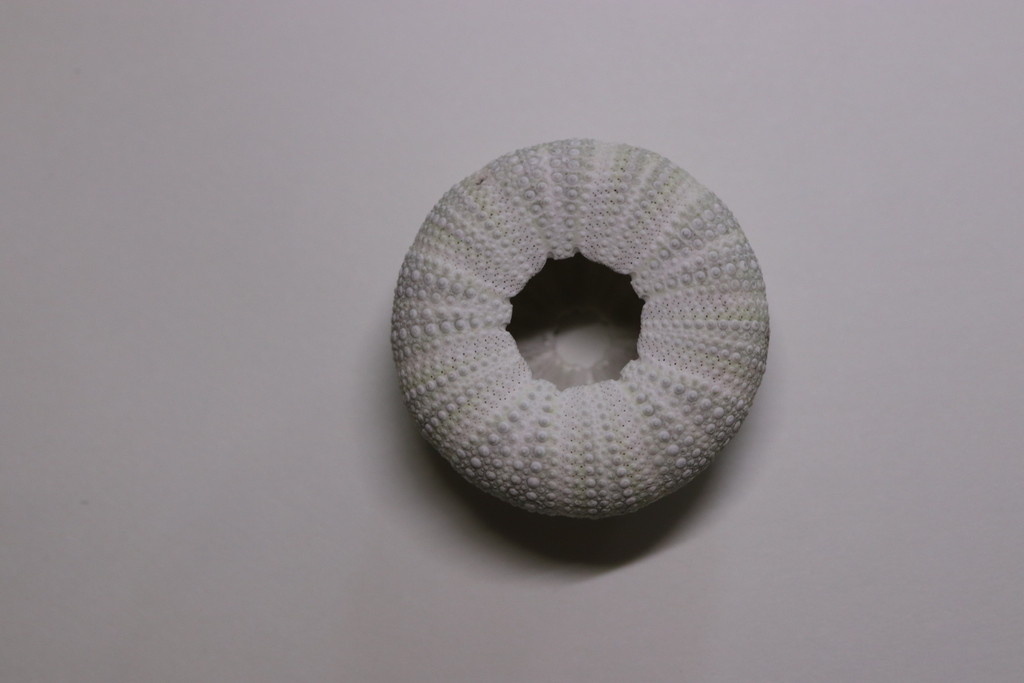
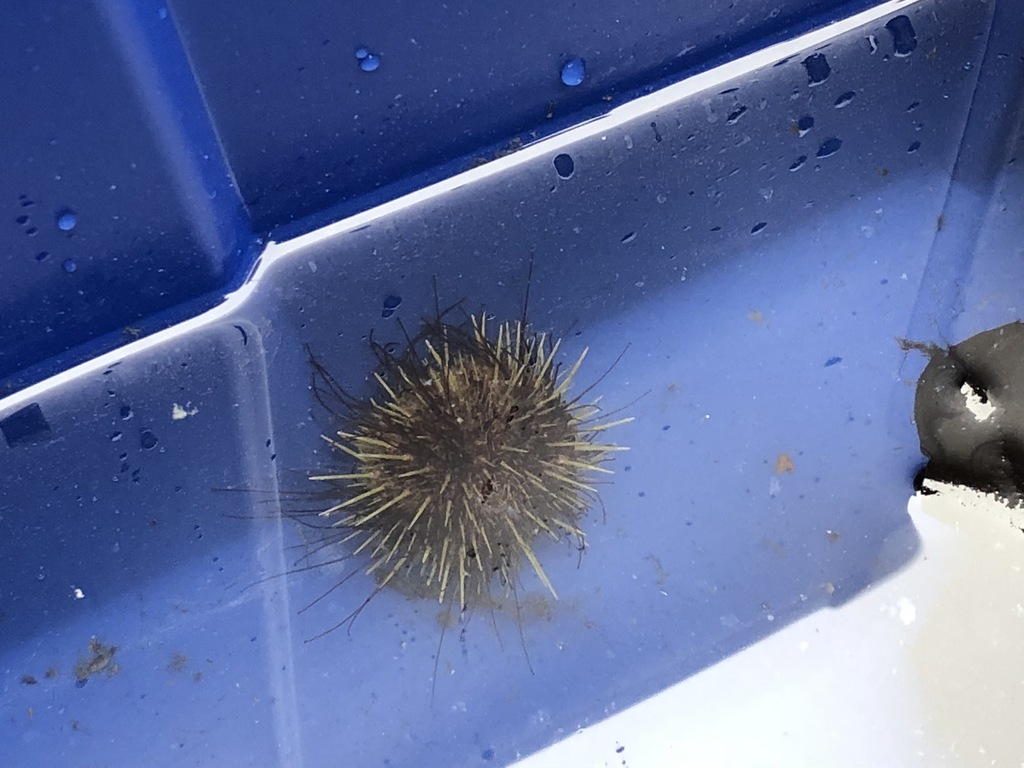 Pale sea urchin
Strongylocentrotus pallidus
Sources and credits
Names and taxonomy: WoRMS (CC BY 4.0) and the GBIF Backbone (CC BY 4.0). Photos: iNaturalist observers, each under the licence shown (CC0, CC BY or CC BY-SA).
- Depth, temperature, months and maps: records from OBIS and GBIF under CC0 or CC BY.
- Descriptions: Wikipedia, licensed CC BY-SA, each linked to its article.
- Conservation status as published by GBIF (IUCN Red List).
- 366,705 open-data records from 1927 to 2025.
- Species data updated November 12, 2026.
Log what you see on your next dive
The free DiveHive diver app keeps your logbook with every sighting and shows what lives at the site you dive next.