
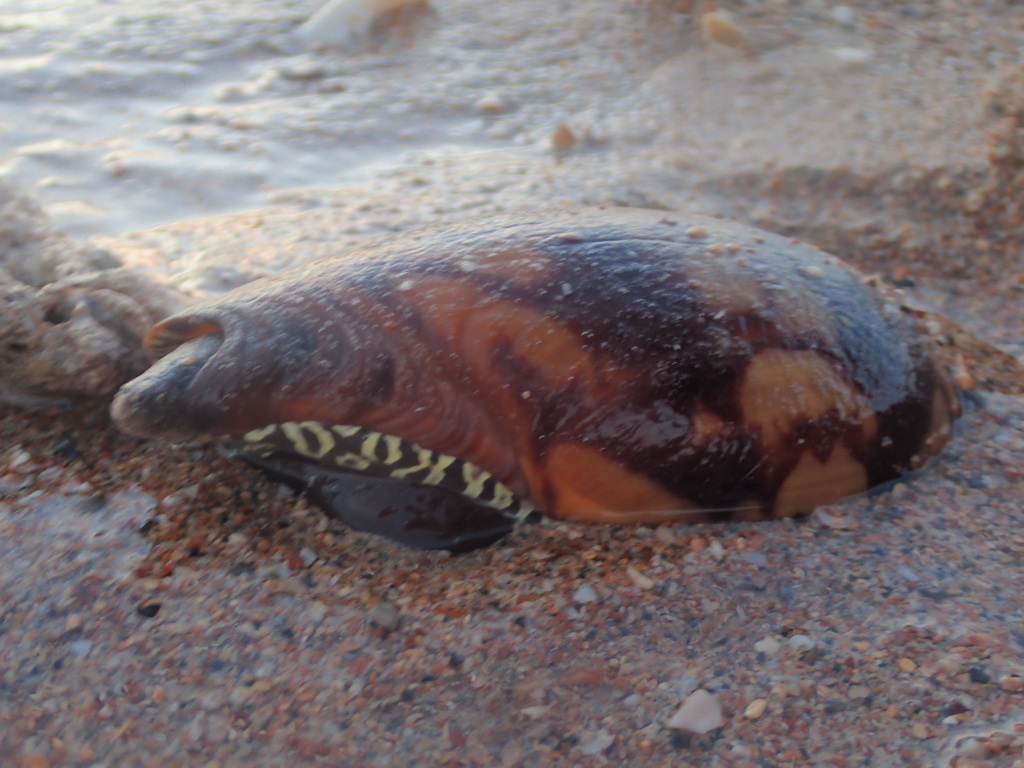
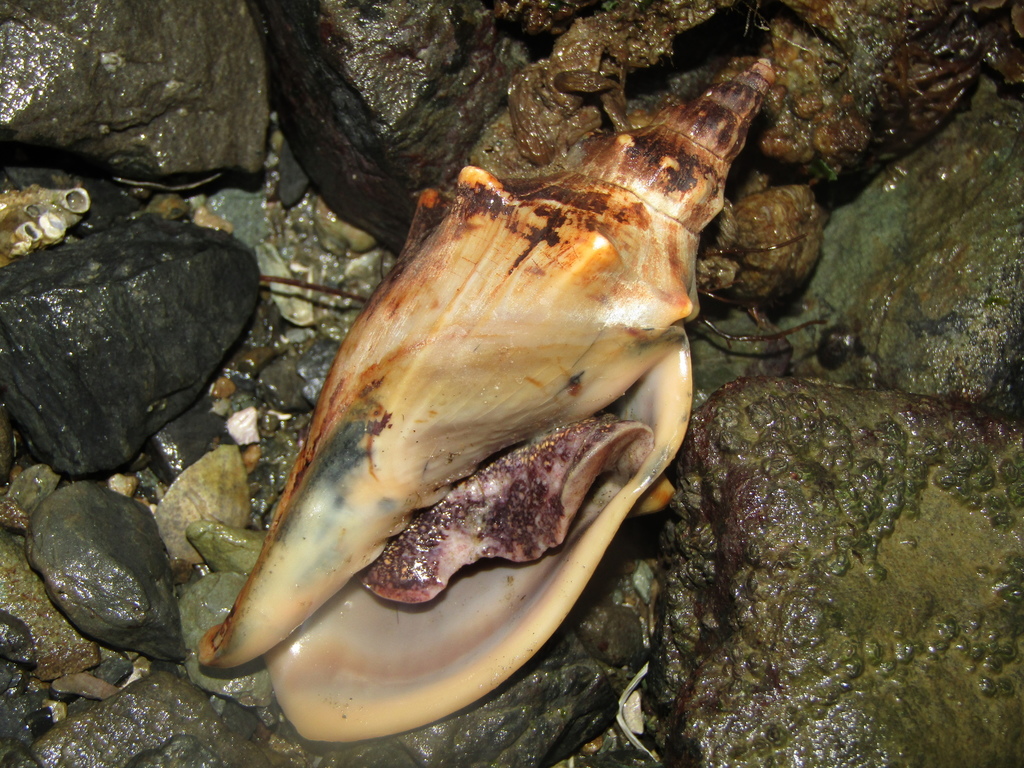
Diadem volute
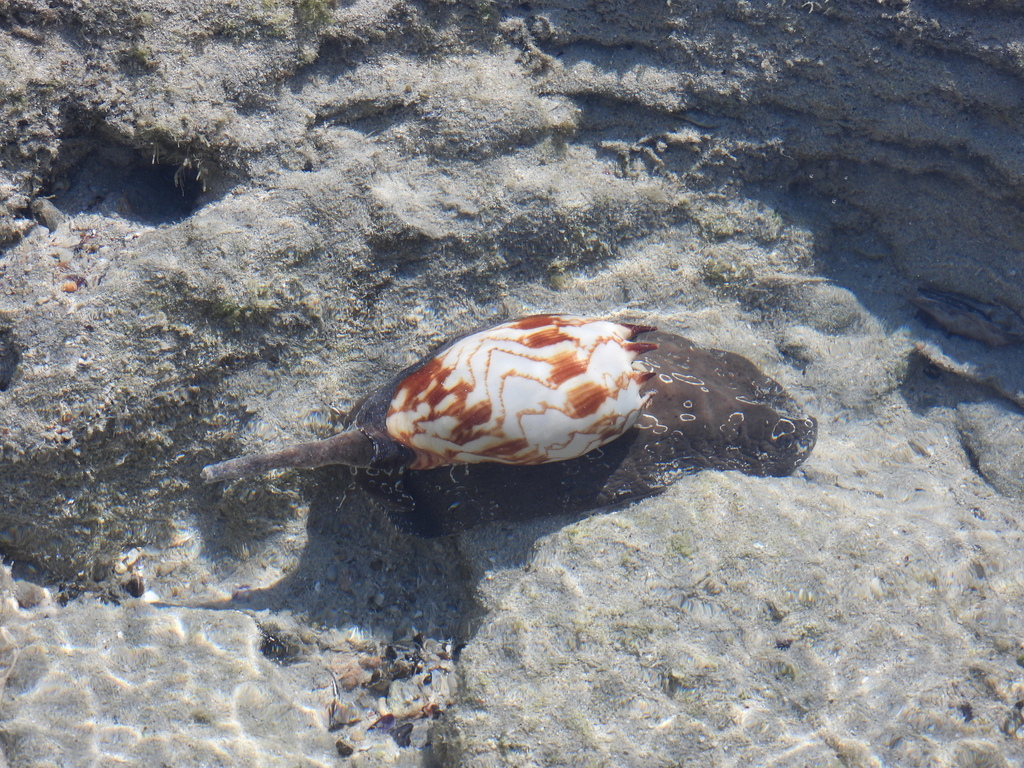
Melo amphora
- Usual depth6–166 m
- Water temperature15–30 °C
- Best monthsAugust, September, and October
- How commonOccasional
Photo credit: (c) Hugo Innes, some rights reserved (CC BY) · CC BY · iNaturalist
About this species
Melo amphora is a large sea snail, a marine gastropod mollusc in the family Volutidae, the volutes.
Text from the Wikipedia article “Melo amphora”, licensed CC BY-SA 4.0. Read the article
Where and when
Where it has been recorded
Worldwide
Best months
Worldwide (open data)
- January: 30 records
- February: 34 records
- March: 34 records
- April: 32 records
- May: 30 records
- June: 56 records
- July: 50 records
- August: 61 records
- September: 72 records
- October: 83 records
- November: 26 records
- December: 19 records
Depth and water temperature
Depth
Mostly recorded at 6–166 m · Deepest record: 166 m
Water temperature
Recorded in surface water of 15–30 °C
Photos
(c) Mark Clarke, some rights reserved (CC BY) · CC BY · iNaturalist 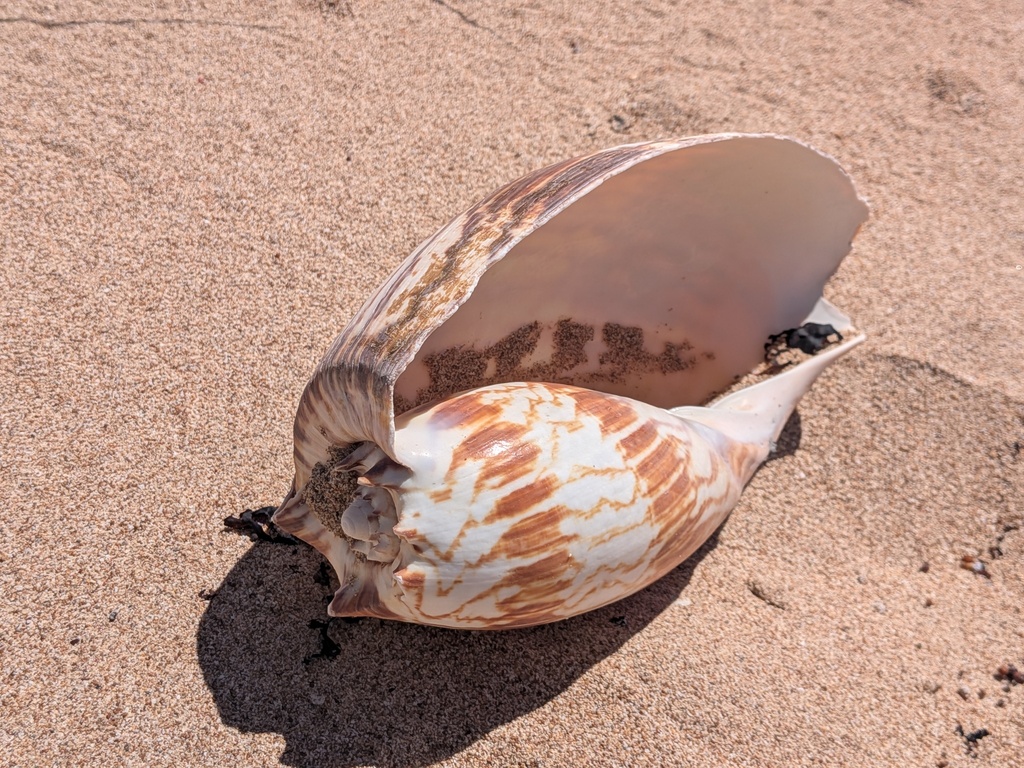
(c) Hugo Innes, some rights reserved (CC BY) · CC BY · iNaturalist 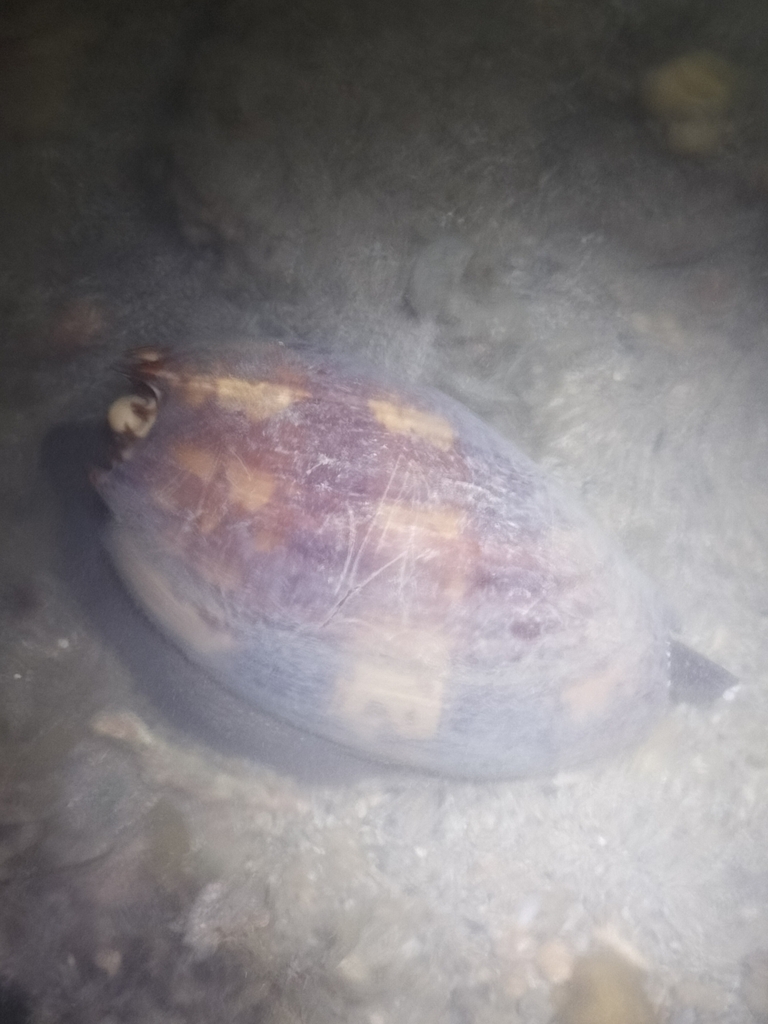
(c) Matt B, some rights reserved (CC BY) · CC BY · iNaturalist 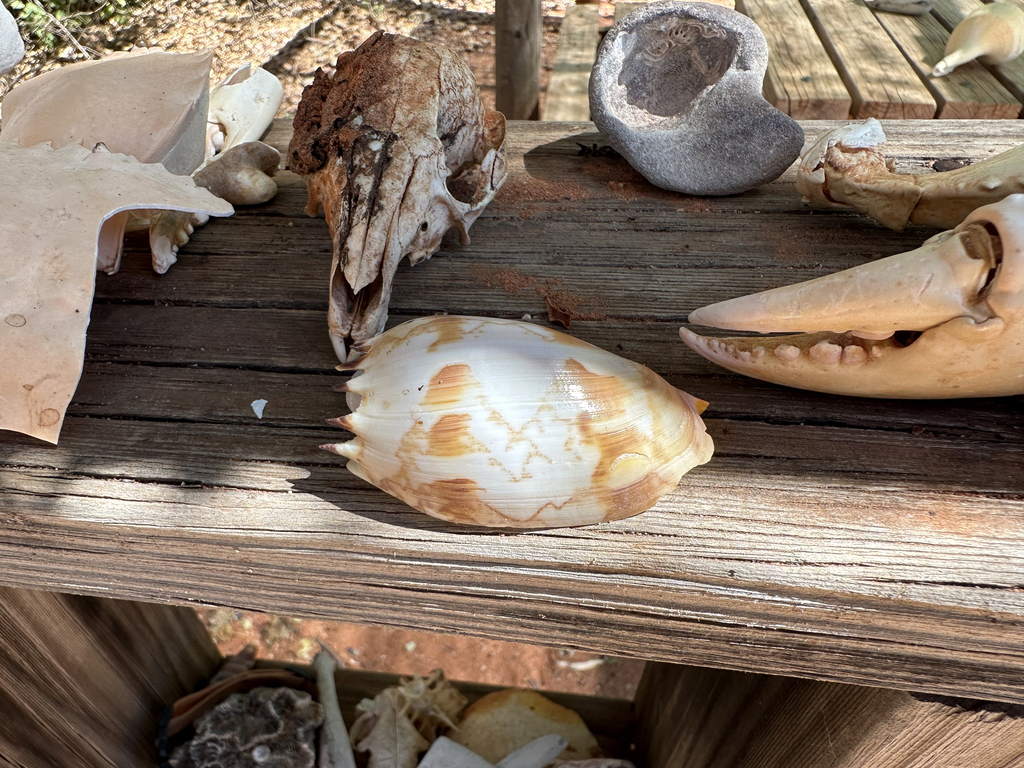
(c) Richard Jacob, some rights reserved (CC BY) · CC BY · iNaturalist 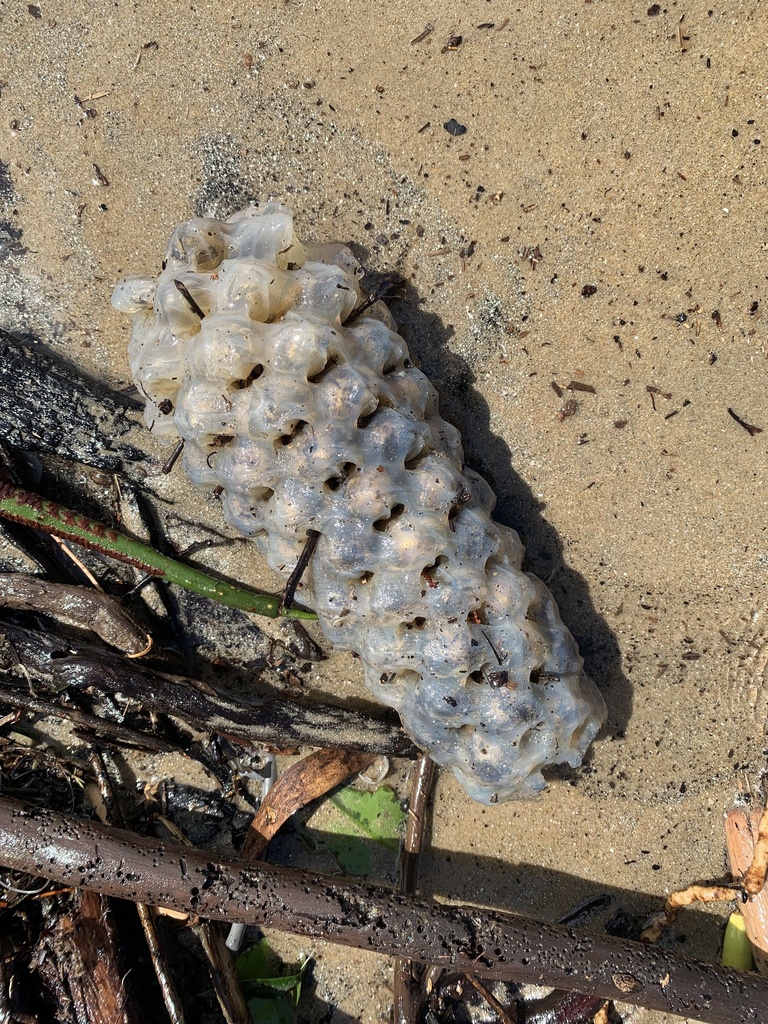
(c) Nicole Kearney, some rights reserved (CC BY) · CC BY · iNaturalist
Names and classification
- English
- Diadem volute, diadem volute, Giant Baler, Melon Shell
Names in 2 more languages
- German
- Diadem-Walzenschnecke
- Spanish
- Caracol Melón Gigante
Other scientific names: Cymbium flammeum, Voluta amphora, Voluta armata, Voluta cithara, Voluta diadema, Voluta regia
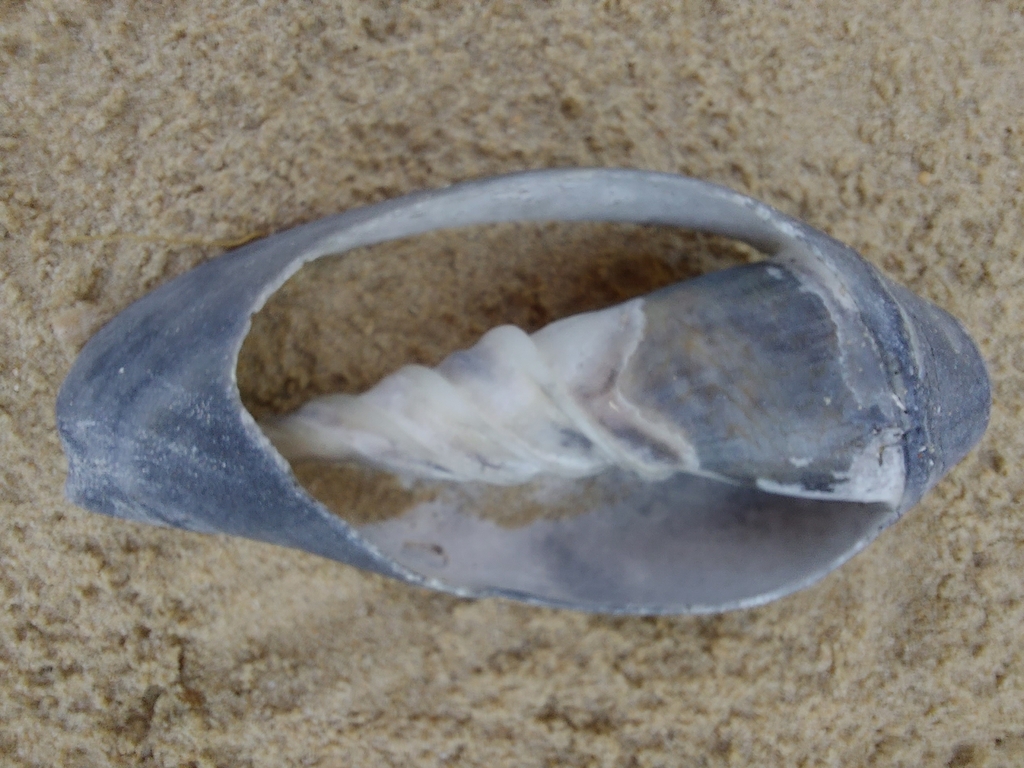
Similar species
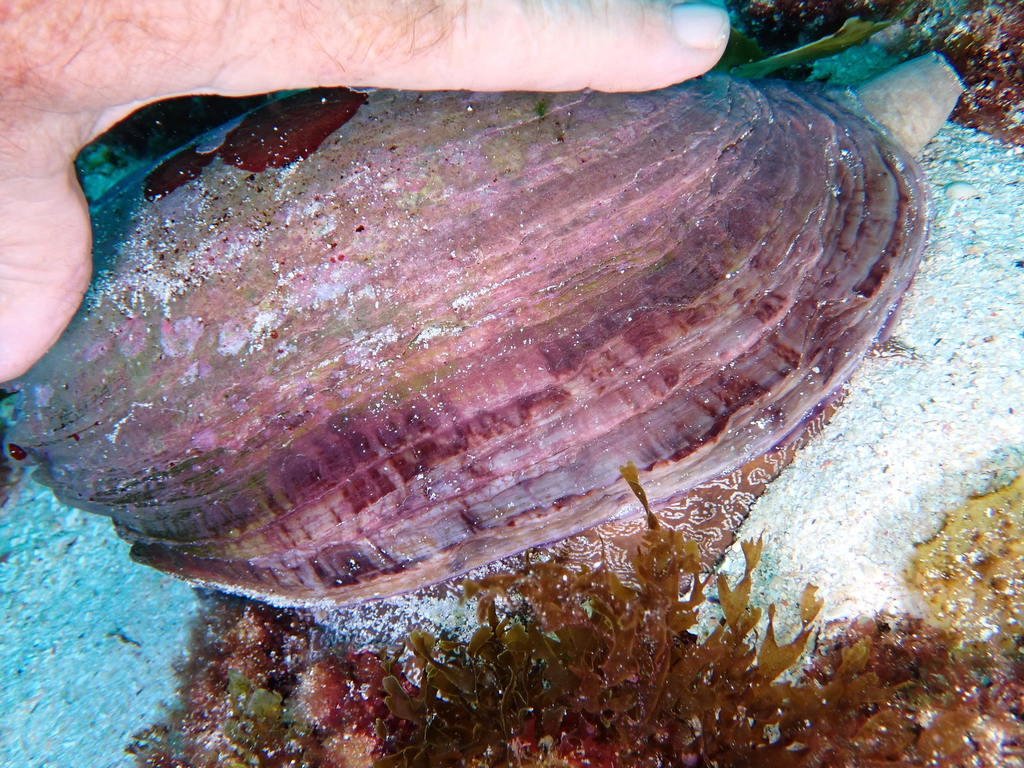 Southern Baler
Melo miltonis
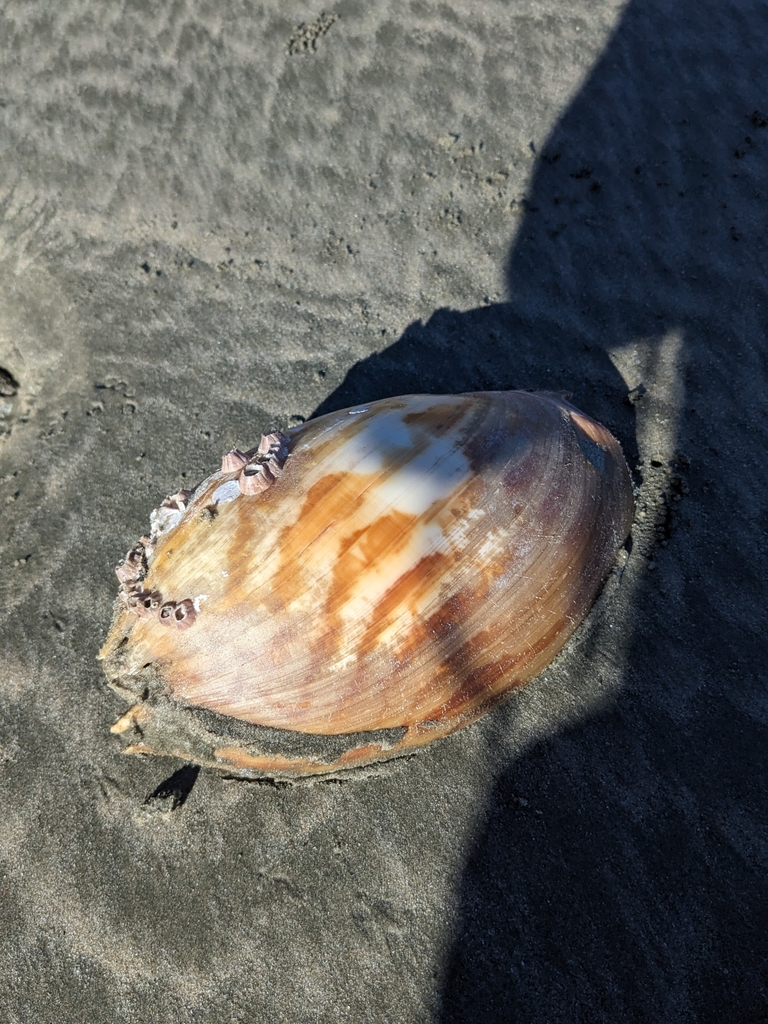 Heavy Baler
Melo umbilicatus
- Baler shell
Melo melo
 Waved volute
Amoria undulata
Sources and credits
Names and taxonomy: WoRMS (CC BY 4.0) and the GBIF Backbone (CC BY 4.0). Photos: iNaturalist observers, each under the licence shown (CC0, CC BY or CC BY-SA).
- Depth, temperature, months and maps: records from OBIS and GBIF under CC0 or CC BY.
- Descriptions: Wikipedia, licensed CC BY-SA, each linked to its article.
- Conservation status as published by GBIF (IUCN Red List).
- 476 open-data records from 1903 to 2014.
- Species data updated November 4, 2026.
Log what you see on your next dive
The free DiveHive diver app keeps your logbook with every sighting and shows what lives at the site you dive next.