
DiscoverSpeciesOther invertebrates
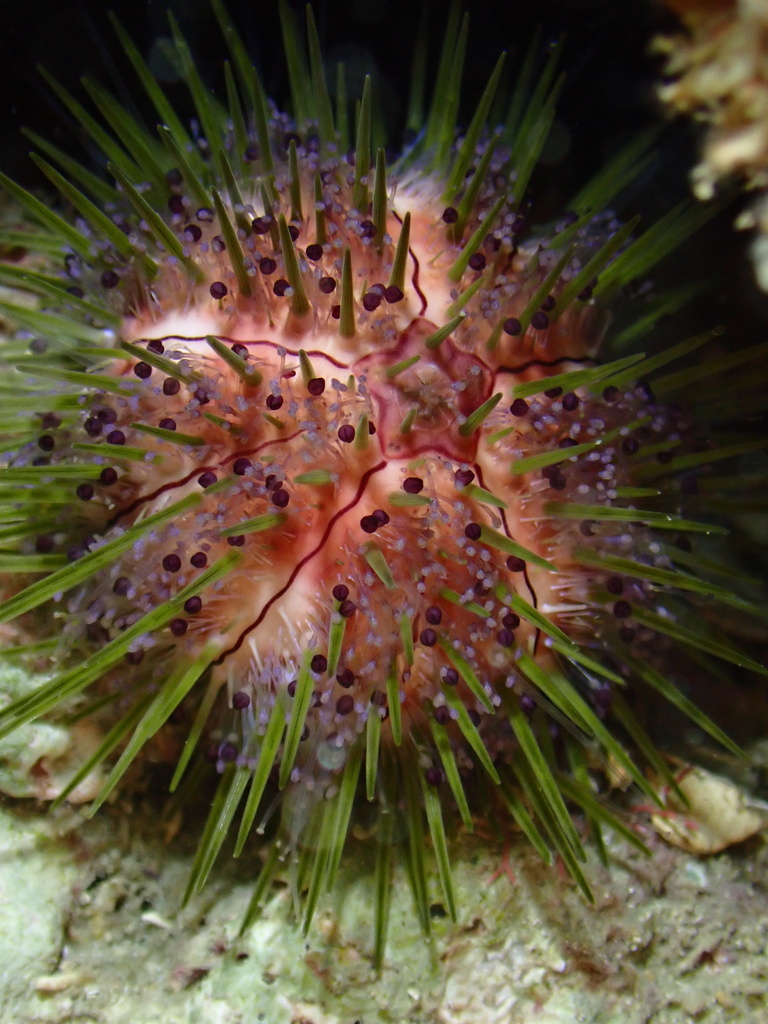
Williams' Variable Sea Urchin
Lytechinus williamsi
- Usual depth5–14 m
- Water temperature26–29 °C
- Best monthsMay and December
- How commonRare
Photo credit: (c) Robin White, some rights reserved (CC BY) · CC BY · iNaturalist
About this species
Lytechinus williamsi, the jewel urchin, is a sea urchin in the family Toxopneustidae. It occurs on shallow reefs off the coasts of Panama, Belize, the Florida Keys and Jamaica.
Text from the Wikipedia article “Lytechinus williamsi”, licensed CC BY-SA 4.0. Read the article
Where and when
Where it has been recorded
Worldwide
Best months
Worldwide (open data)
- January: 7 records
- February: 6 records
- March: 5 records
- April: 14 records
- May: 67 records
- June: 8 records
- July: 9 records
- August: 16 records
- September: 23 records
- October: 16 records
- November: 8 records
- December: 41 records
Depth and water temperature
Depth
Mostly recorded at 5–14 m · Deepest record: 170 m
Water temperature
Recorded in surface water of 26–29 °C
Photos

(c) Jay Brasher, some rights reserved (CC BY) · CC BY · iNaturalist 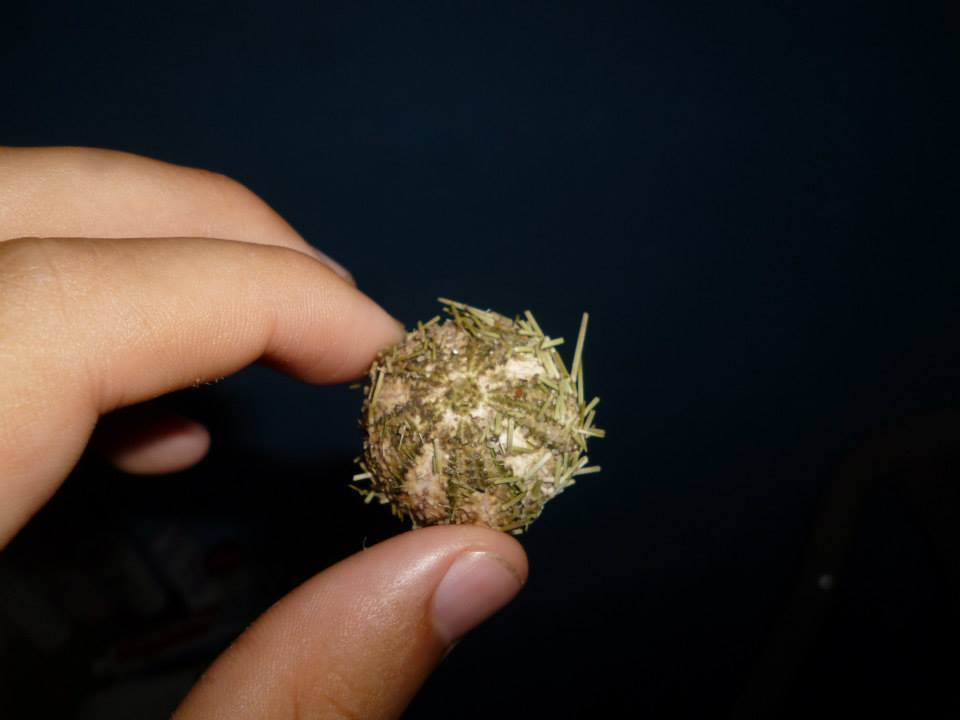
(c) bewambay, some rights reserved (CC BY) · CC BY · iNaturalist 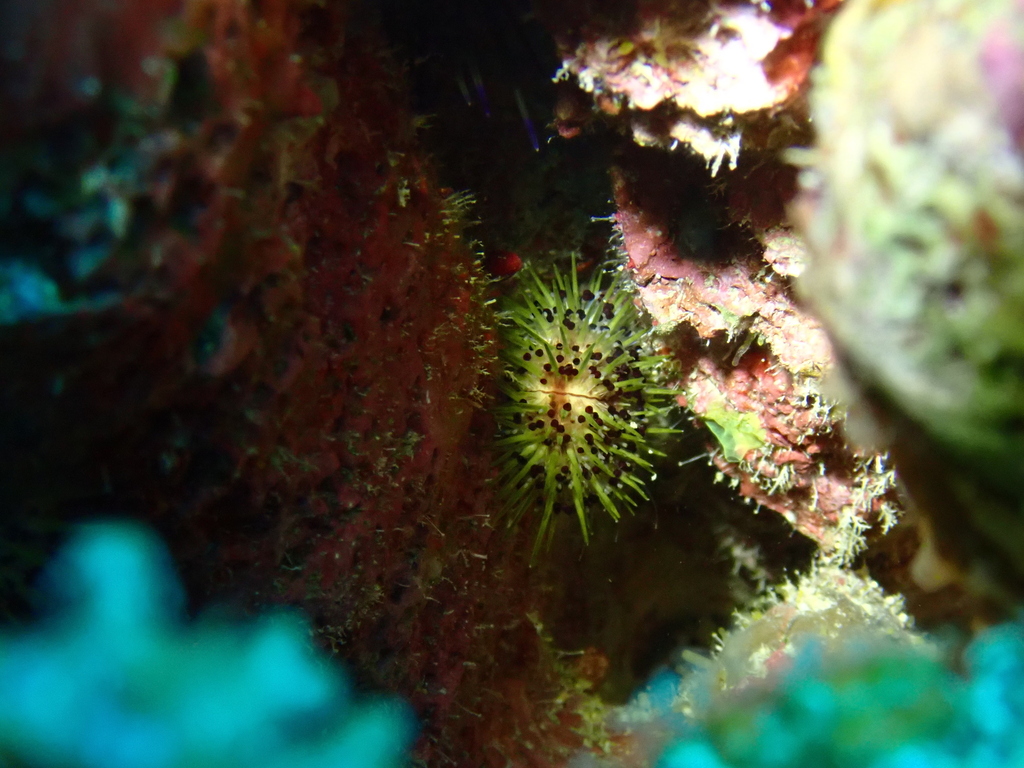
(c) Austen Novis, some rights reserved (CC BY) · CC BY · iNaturalist
Names and classification
- English
- Williams' Variable Sea Urchin
Similar species
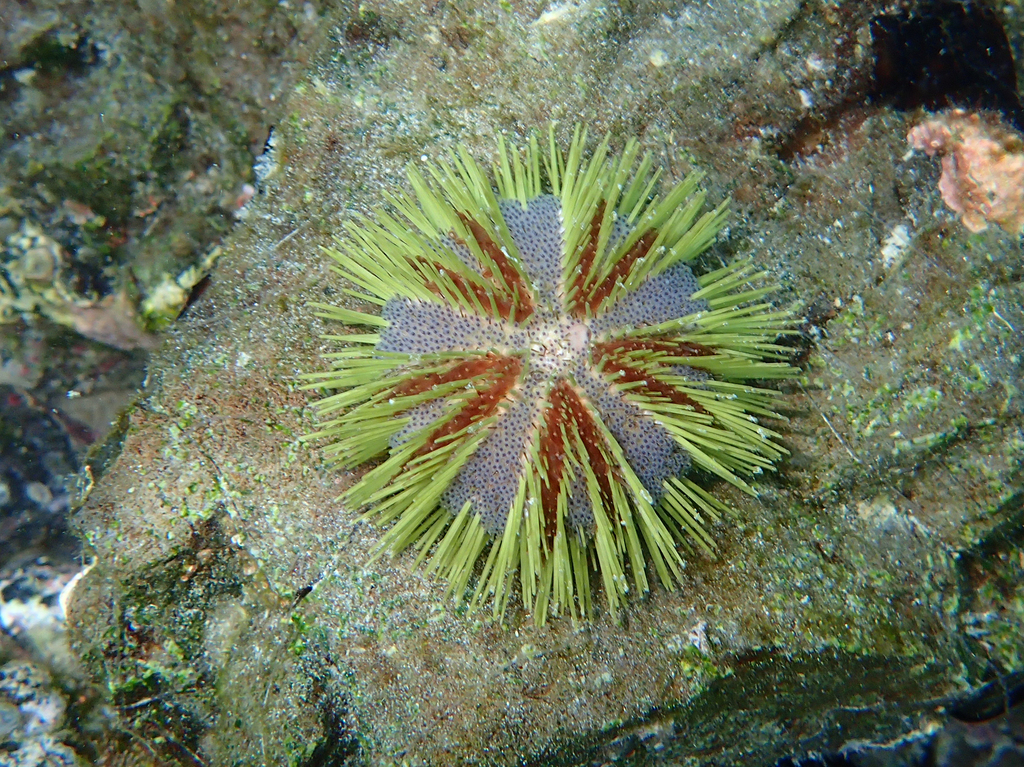
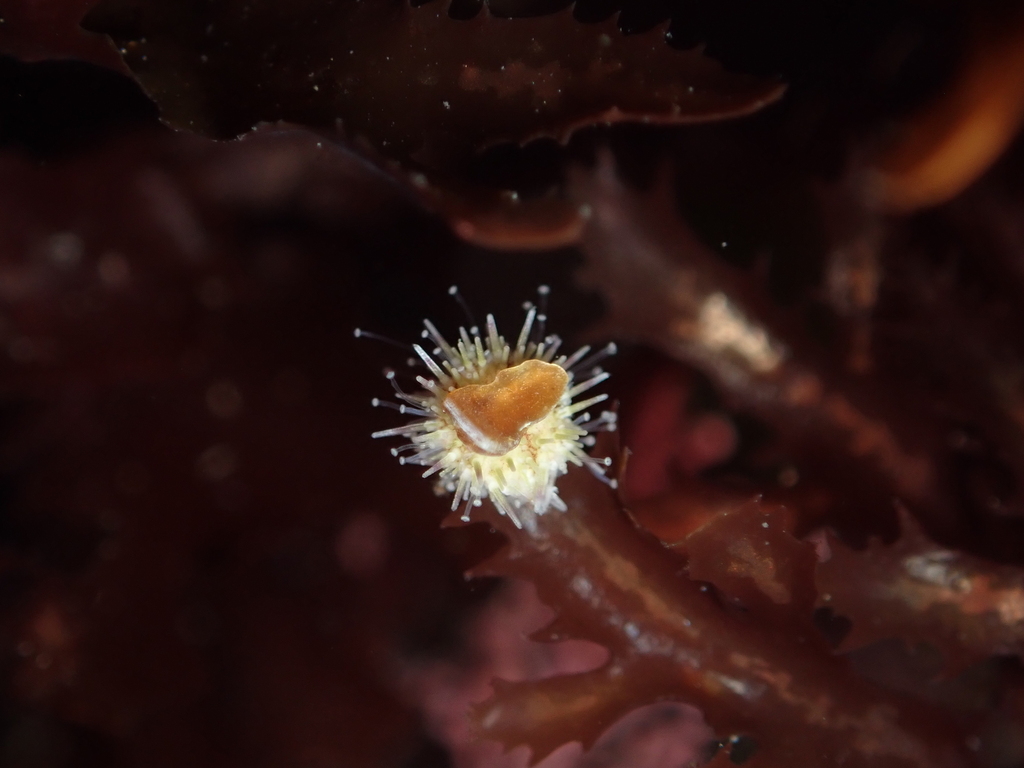 white sea urchin
Lytechinus pictus
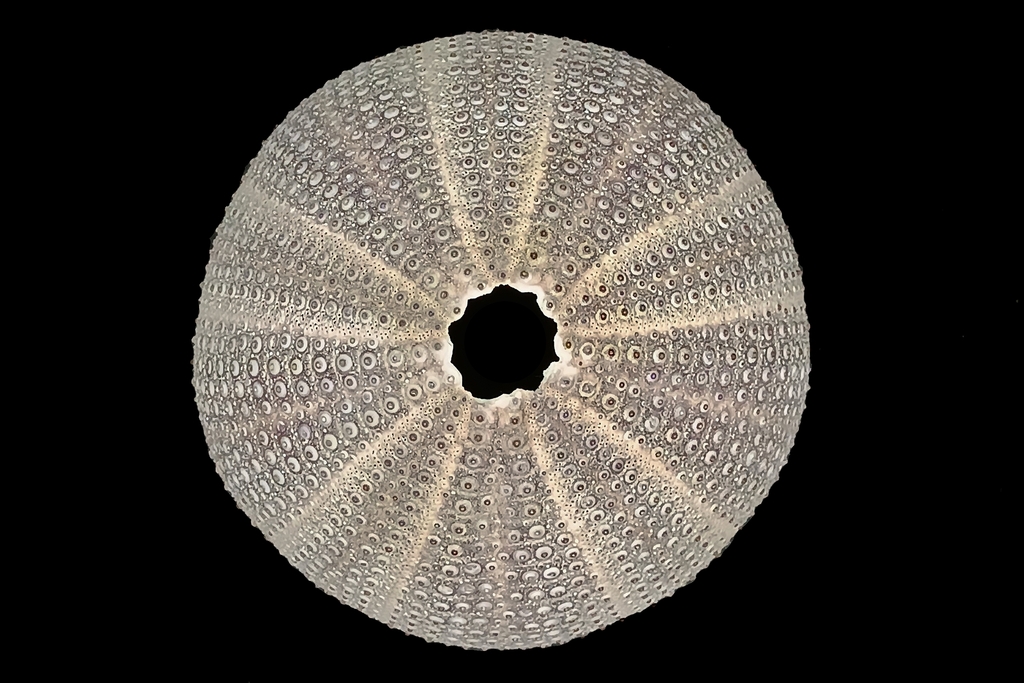
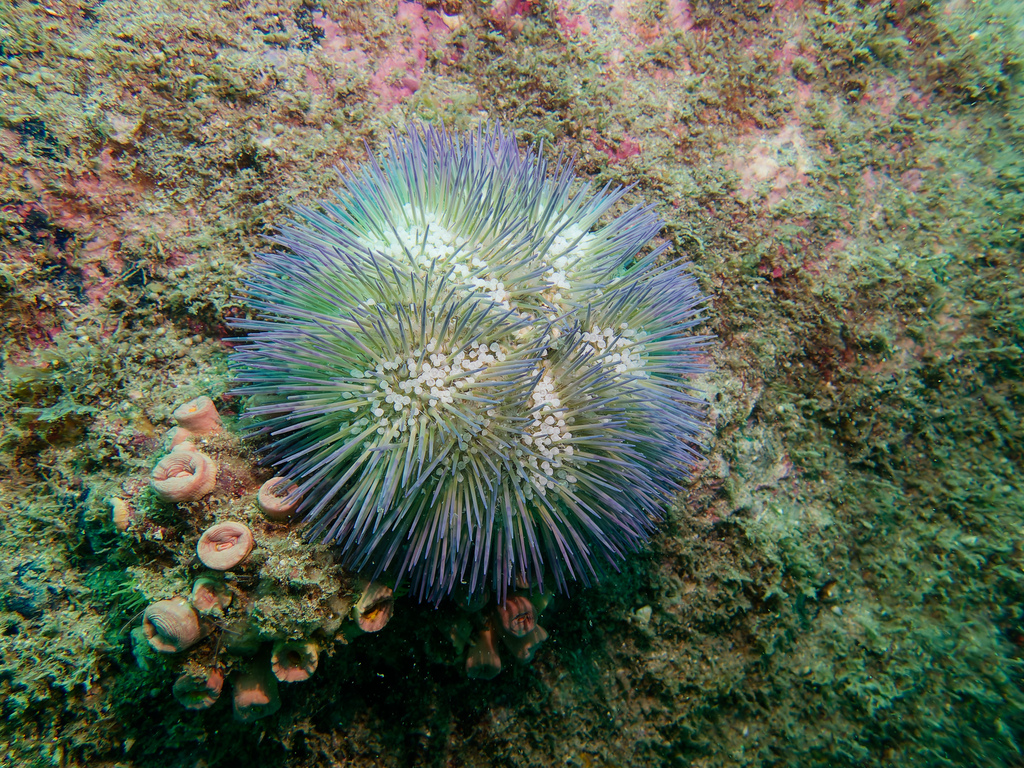 green sea urchin
Lytechinus variegatus
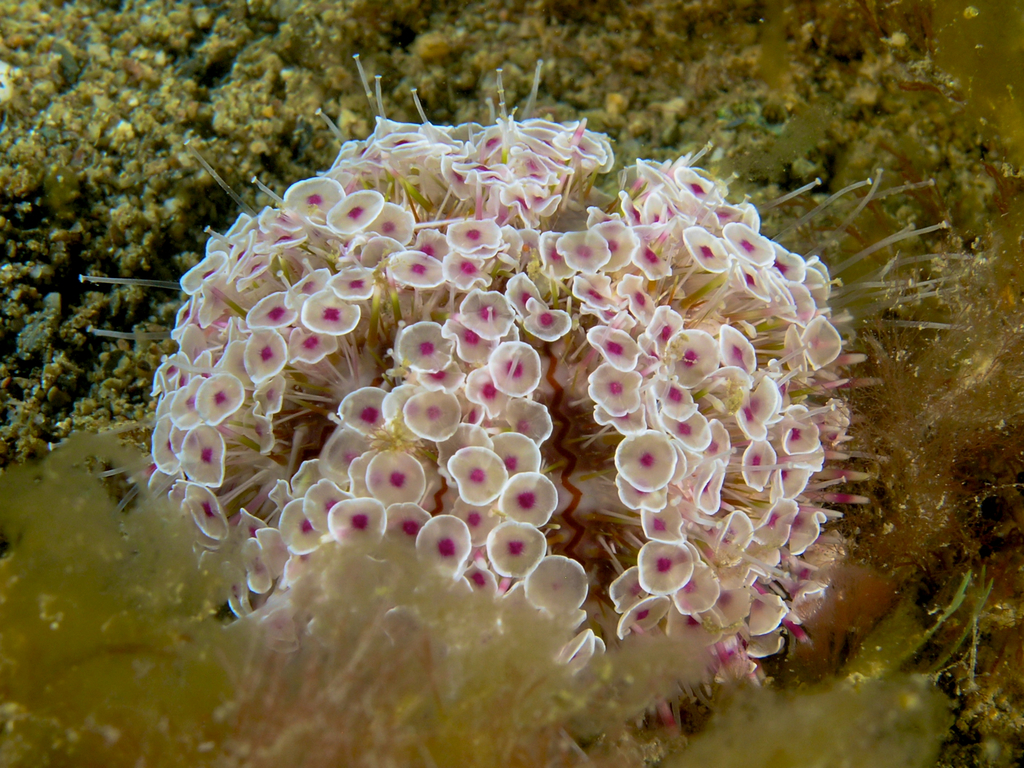
 Violet sea urchin
Sphaerechinus granularis
Sources and credits
Names and taxonomy: WoRMS (CC BY 4.0) and the GBIF Backbone (CC BY 4.0). Photos: iNaturalist observers, each under the licence shown (CC0, CC BY or CC BY-SA).
- Depth, temperature, months and maps: records from OBIS and GBIF under CC0 or CC BY.
- Descriptions: Wikipedia, licensed CC BY-SA, each linked to its article.
- Conservation status as published by GBIF (IUCN Red List).
- 347 open-data records from 1969 to 2023.
- Species data updated November 11, 2026.
Log what you see on your next dive
The free DiveHive diver app keeps your logbook with every sighting and shows what lives at the site you dive next.