
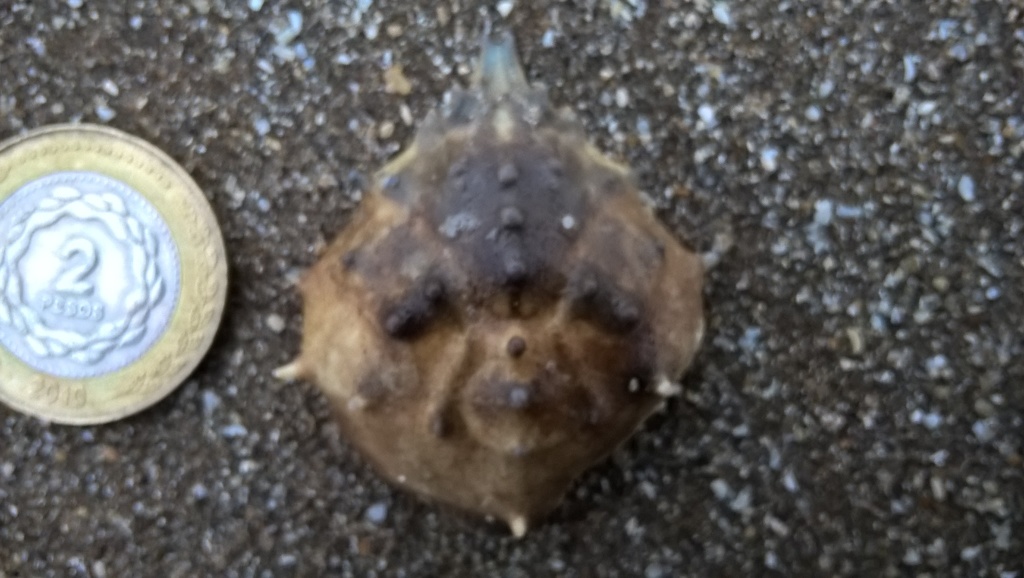
Spinyback Spider Crab
Libinia spinosa
- Water temperature23–24 °C
- Best monthsJanuary and February
- How commonRare
Photo credit: no rights reserved · CC0 1.0 · iNaturalist
About this species
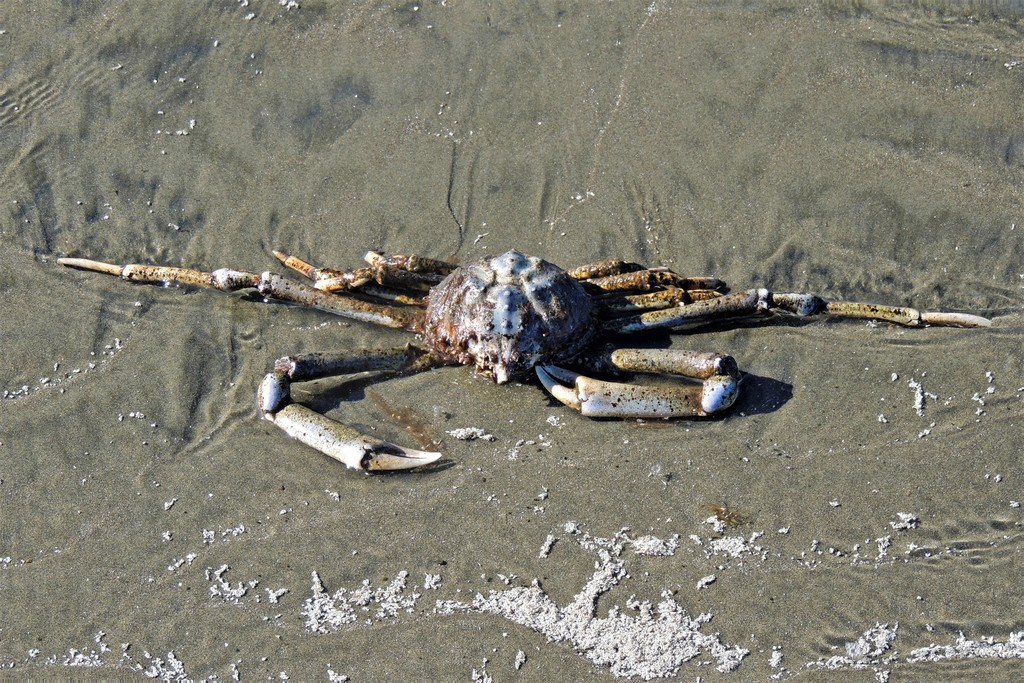
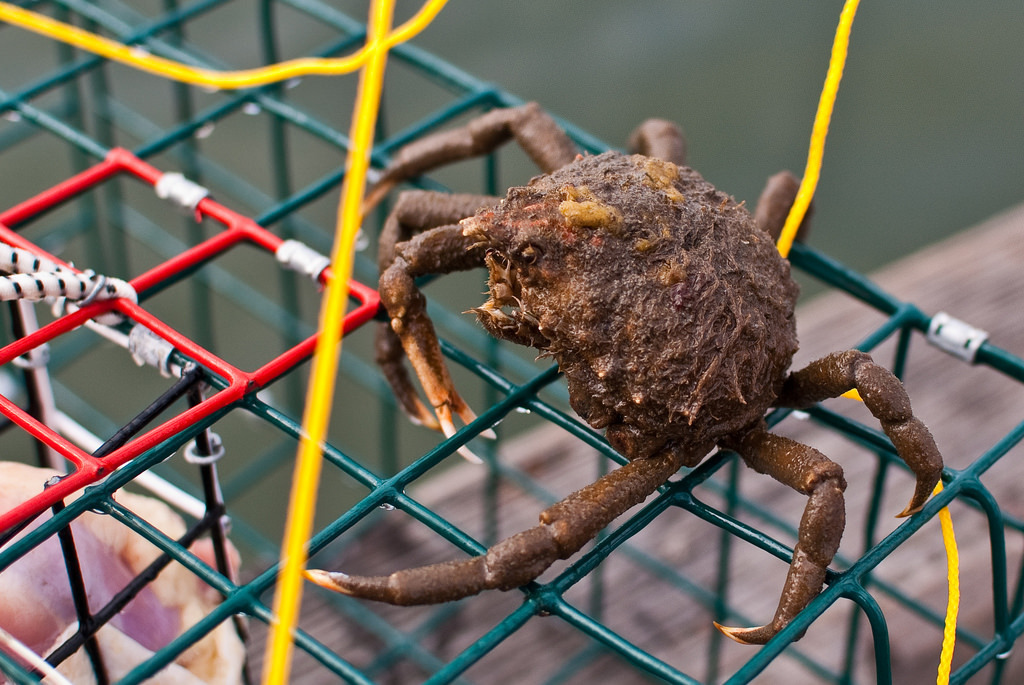
Libinia spinosa is a majoid crab found in mud and sand bottoms of the Southwestern Atlantic and Pacific oceans. It is a generalist feeder on organisms such as algae, sponges, cnidarians, mollusks, polychaetes, crustaceans, and small fish. It commonly engages in a symbiotic relationship with the medusa Lychnorhiza lucerna.
Text from the Wikipedia article “Libinia spinosa”, licensed CC BY-SA 4.0. Read the article
Where and when
Where it has been recorded
Worldwide
Best months
Worldwide (open data)
- January: 39 records
- February: 43 records
- March: 23 records
- April: 21 records
- May: 13 records
- June: 19 records
- July: 5 records
- August: 10 records
- September: 8 records
- October: 10 records
- November: 5 records
- December: 19 records
Depth and water temperature
Water temperature
Recorded in surface water of 23–24 °C
Photos
no rights reserved · CC0 1.0 · iNaturalist 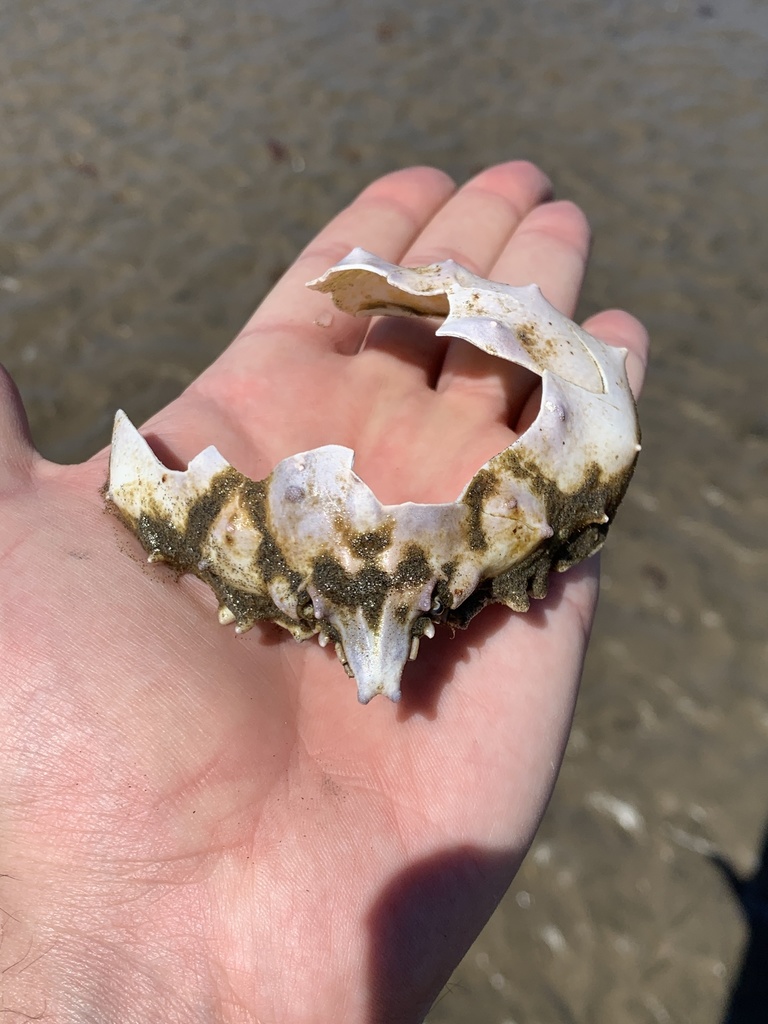
(c) Leonel Roget, some rights reserved (CC BY) · CC BY · iNaturalist 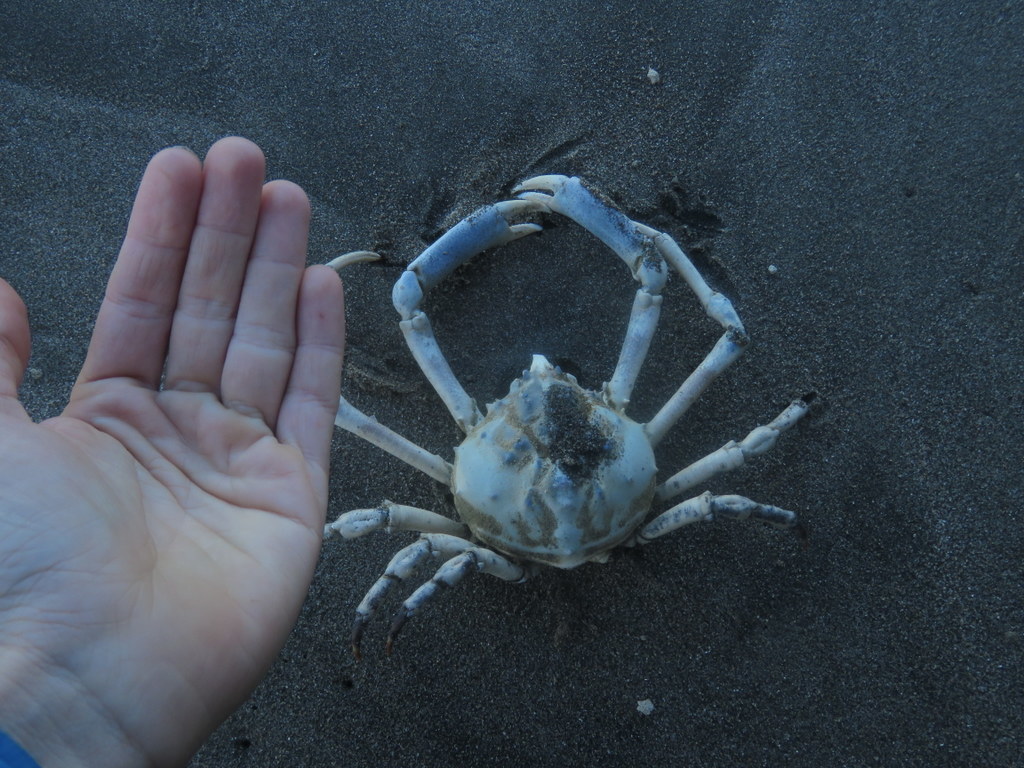
no rights reserved · CC0 1.0 · iNaturalist 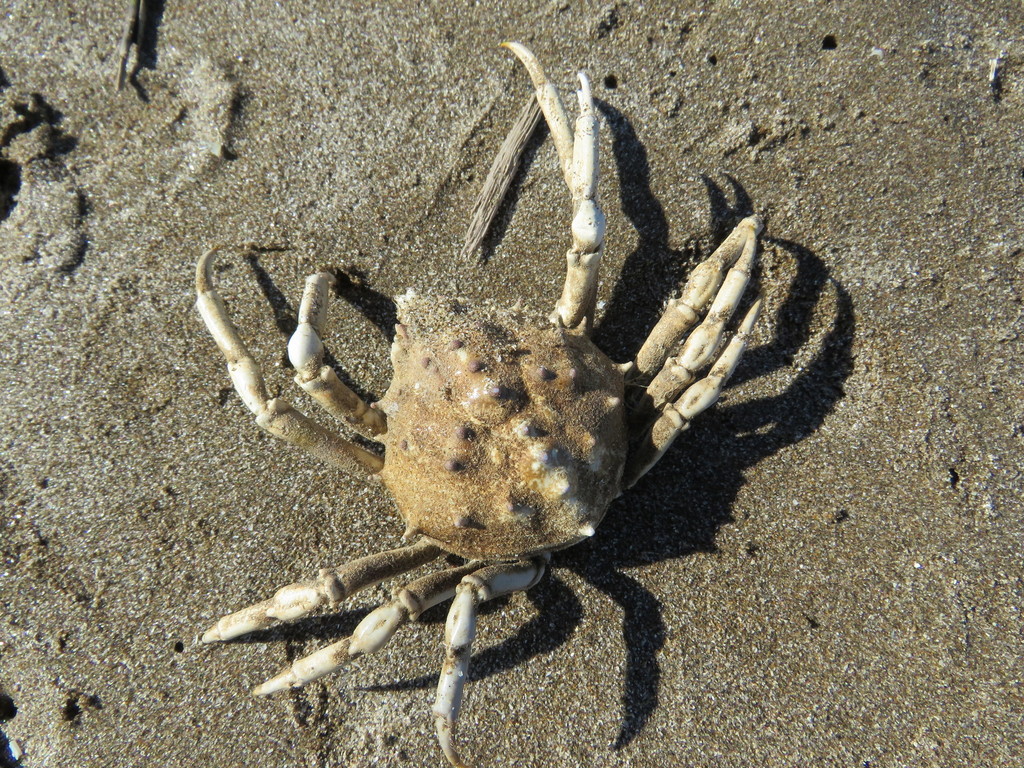
(c) Nicolas Olejnik, some rights reserved (CC BY) · CC BY · iNaturalist 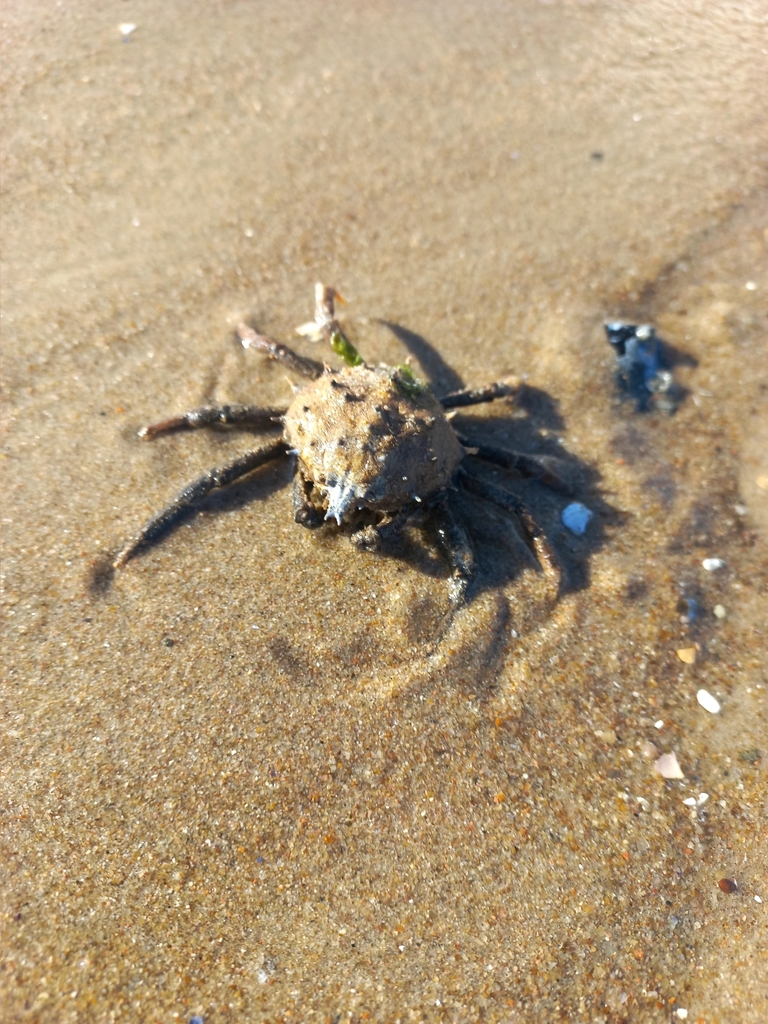
no rights reserved · CC0 1.0 · iNaturalist 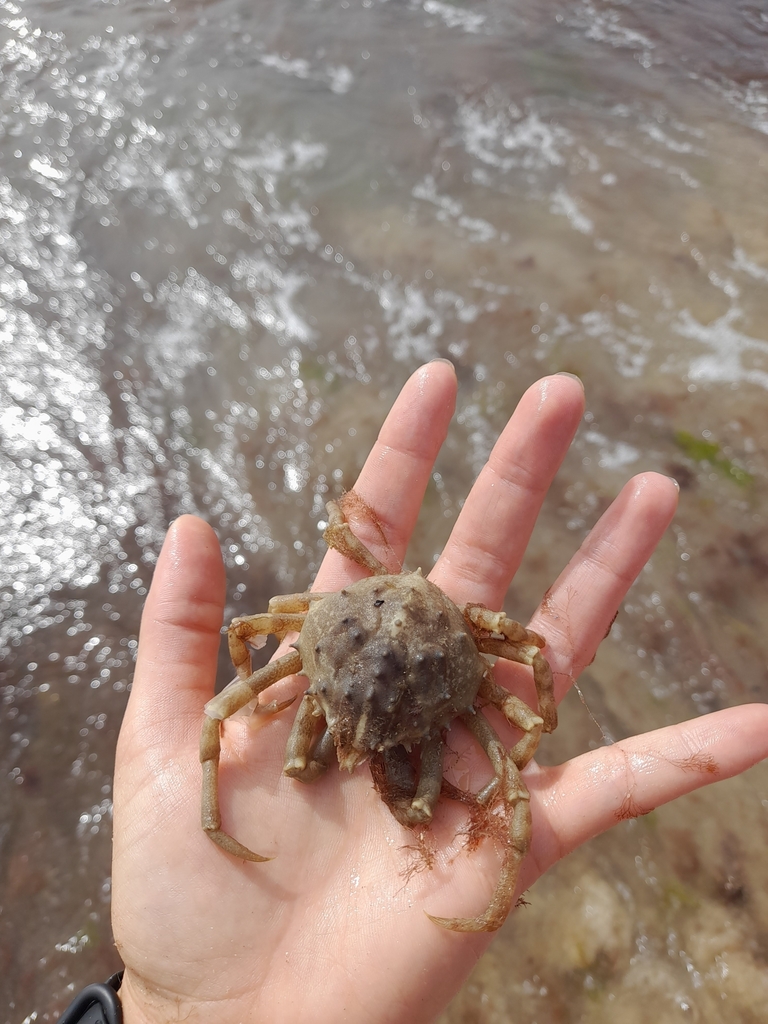
(c) Agustina Medina, some rights reserved (CC BY) · CC BY · iNaturalist
Names and classification
- English
- Spinyback Spider Crab
Other scientific names: Libidoclaea brasiliensis, Libinia espinosa
Similar species
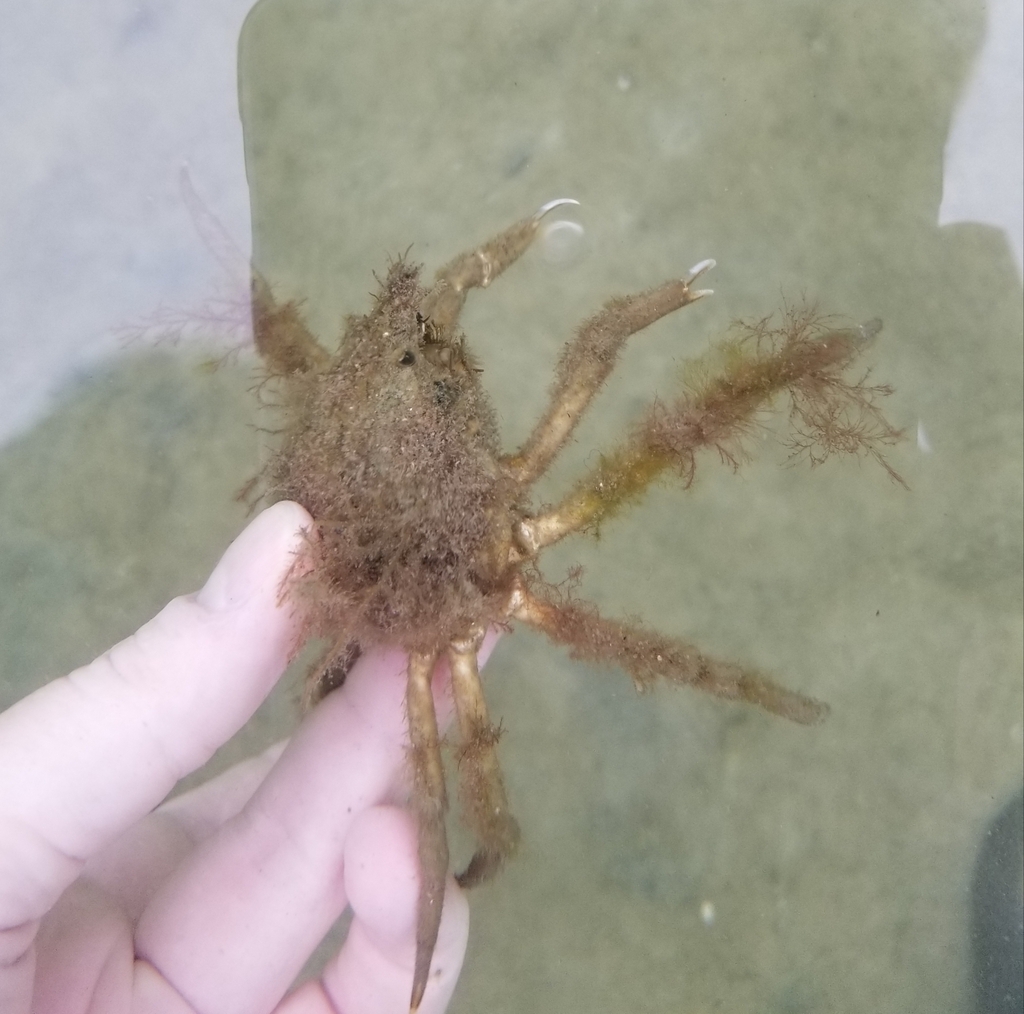 Doubtful spider crab
Libinia dubia
 Common spider crab
Libinia emarginata
- Seagrass spider crab
Libinia erinacea
- Ferreira's Spider Crab
Libinia ferreirae
- Mexican Spider Crab
Libinia mexicana
- Insular Spider Crab
Libinia setosa
Sources and credits
Names and taxonomy: WoRMS (CC BY 4.0) and the GBIF Backbone (CC BY 4.0). Photos: iNaturalist observers, each under the licence shown (CC0, CC BY or CC BY-SA).
- Depth, temperature, months and maps: records from OBIS and GBIF under CC0 or CC BY.
- Descriptions: Wikipedia, licensed CC BY-SA, each linked to its article.
- Conservation status as published by GBIF (IUCN Red List).
- 86 open-data records from 2001 to 2002.
- Species data updated November 11, 2026.
Log what you see on your next dive
The free DiveHive diver app keeps your logbook with every sighting and shows what lives at the site you dive next.