
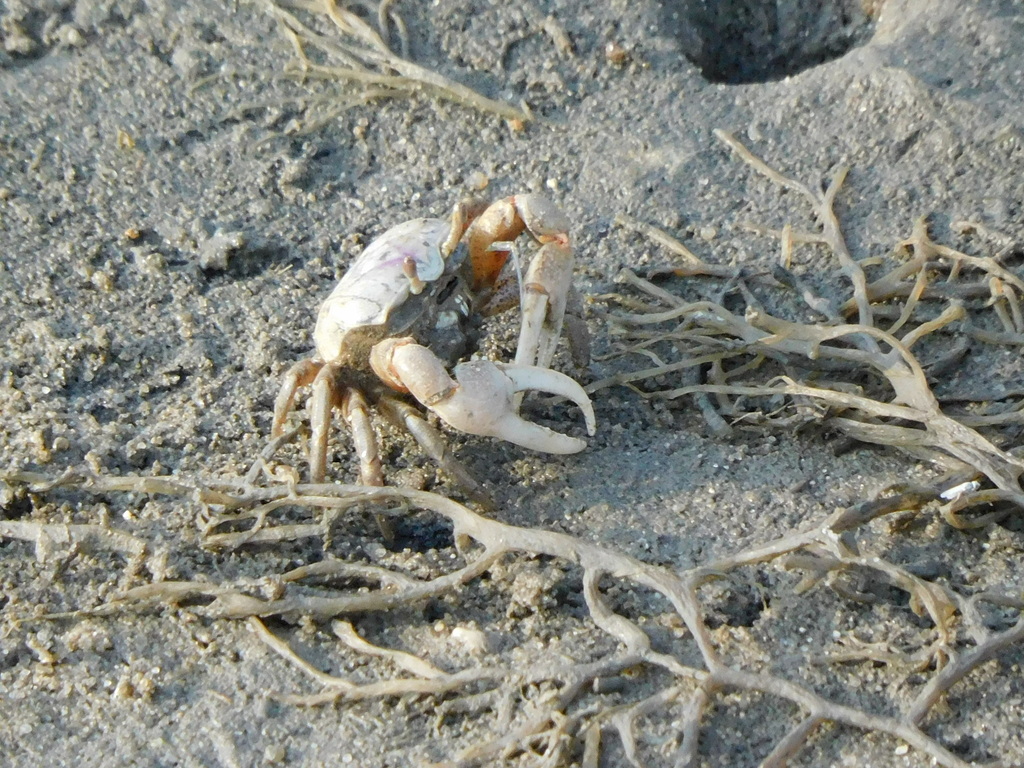
Atlantic sand fiddler
Leptuca pugilator
- Usual depth0–5 m
- Water temperature21–23 °C
- Best monthsMay, June, and July
- How commonCommon
Photo credit: no rights reserved · CC0 1.0 · iNaturalist
About this species
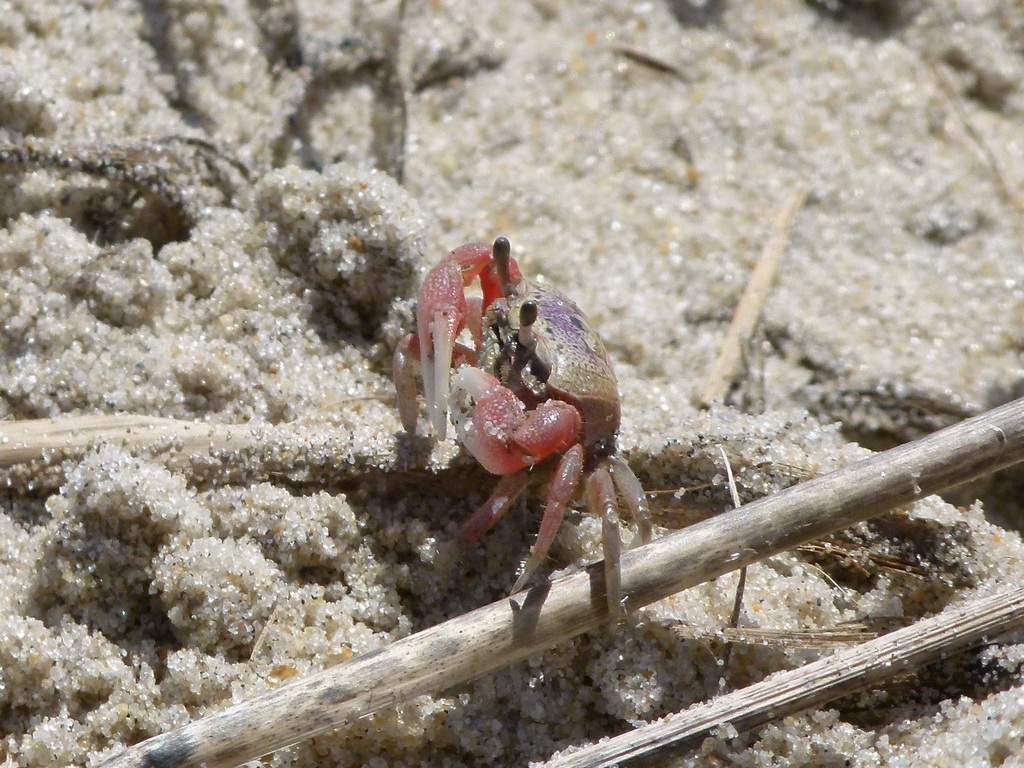
Leptuca pugilator, the sand fiddler crab, Atlantic sand fiddler crab, or Calico fiddler, is a species of fiddler crab that is found from Massachusetts to the Gulf of Mexico. It lives in burrows in coastal and estuarine mud-flats, and can be extremely abundant. It can be differentiated from the morphologically similar Minuca pugnax and Minuca minax by the smoothness of the inside of its claws. One claw is larger than the other, and can be much larger than the crab's body, at up to 41 mm (1.6 in) long.
Text from the Wikipedia article “Leptuca pugilator”, licensed CC BY-SA 4.0. Read the article
Where and when
Where it has been recorded
Worldwide
Best months
Worldwide (open data)
- January: 121 records
- February: 150 records
- March: 440 records
- April: 723 records
- May: 995 records
- June: 1,290 records
- July: 1,138 records
- August: 967 records
- September: 688 records
- October: 354 records
- November: 176 records
- December: 116 records
Depth and water temperature
Depth
Mostly recorded at 0–5 m · Deepest record: 12.2 m
Water temperature
Recorded in surface water of 21–23 °C
Photos
(c) botanygirl, some rights reserved (CC BY) · CC BY · iNaturalist 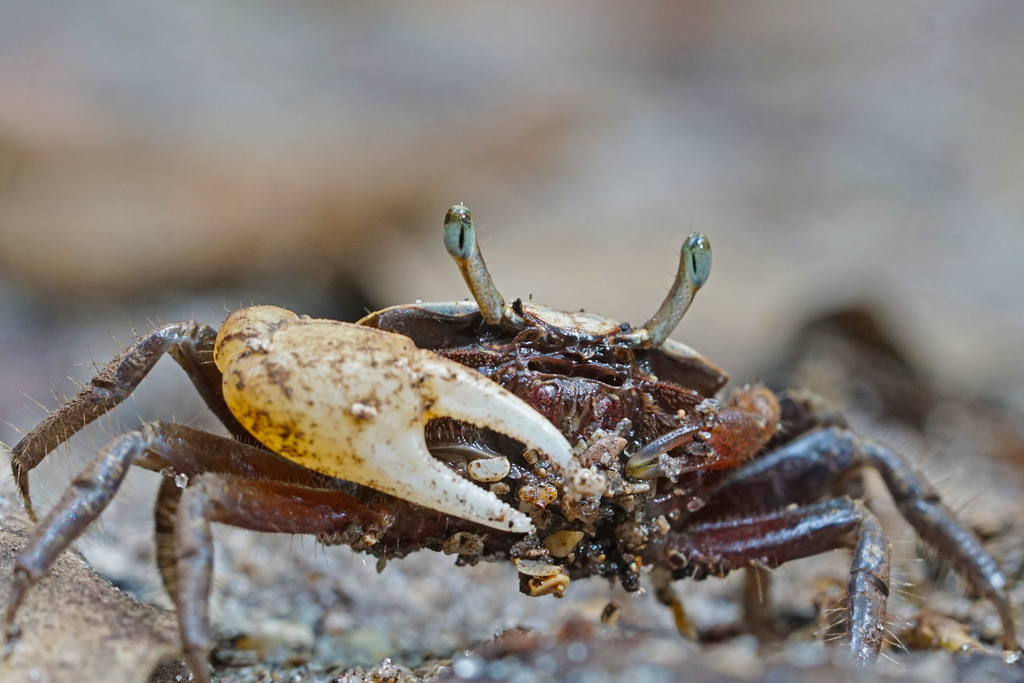
(c) Eridan Xharahi, some rights reserved (CC BY) · CC BY · iNaturalist 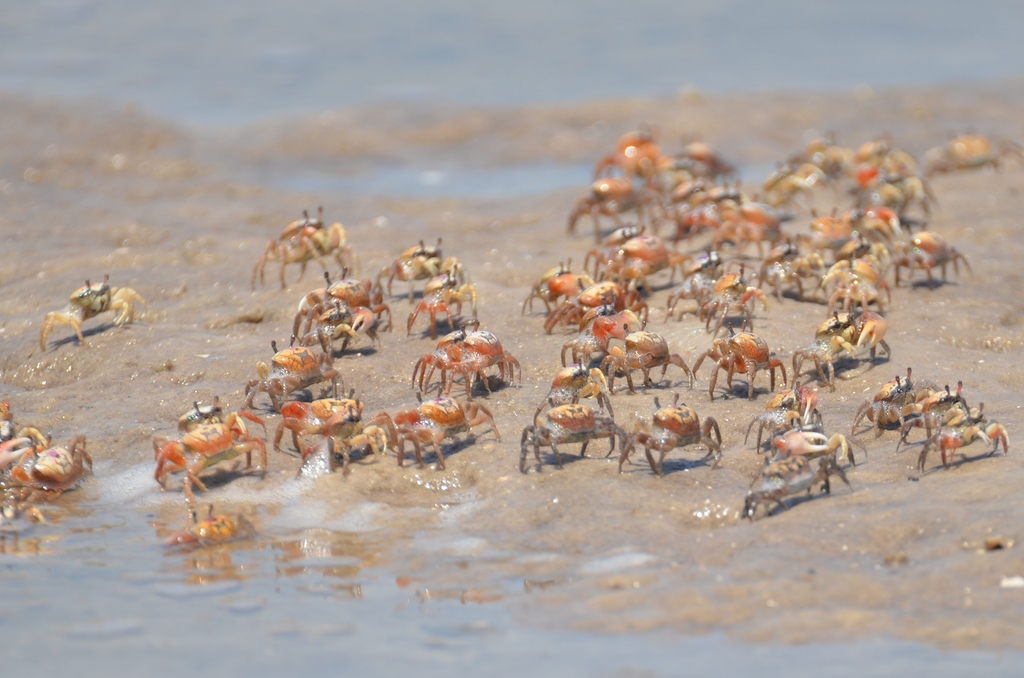
(c) Jody Shugart, some rights reserved (CC BY) · CC BY · iNaturalist 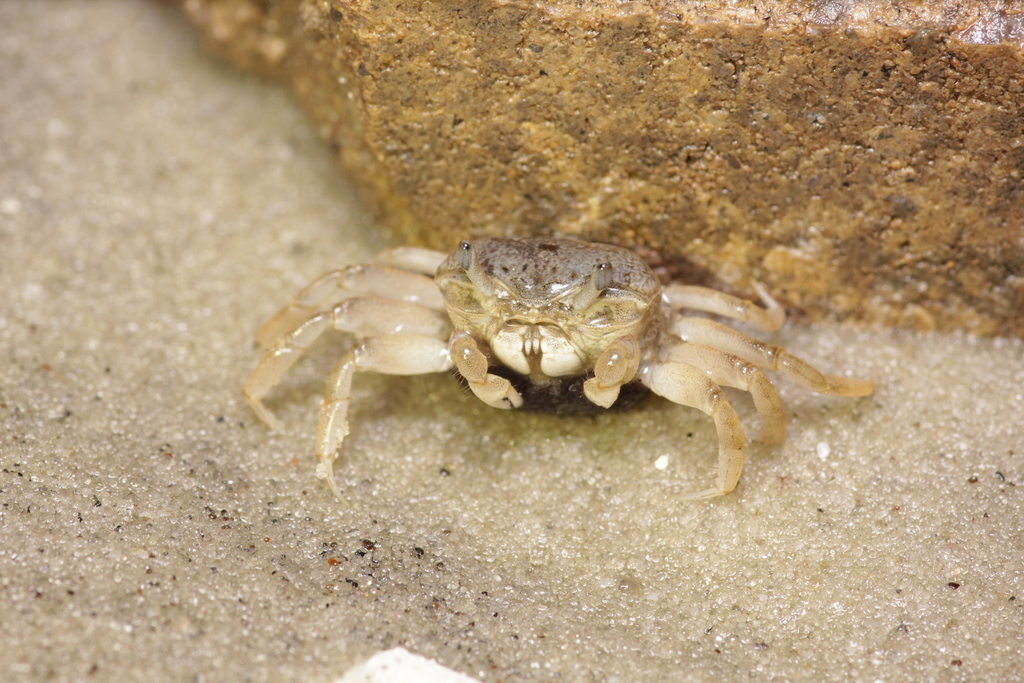
(c) Sarah Abbate, some rights reserved (CC BY) · CC BY · iNaturalist 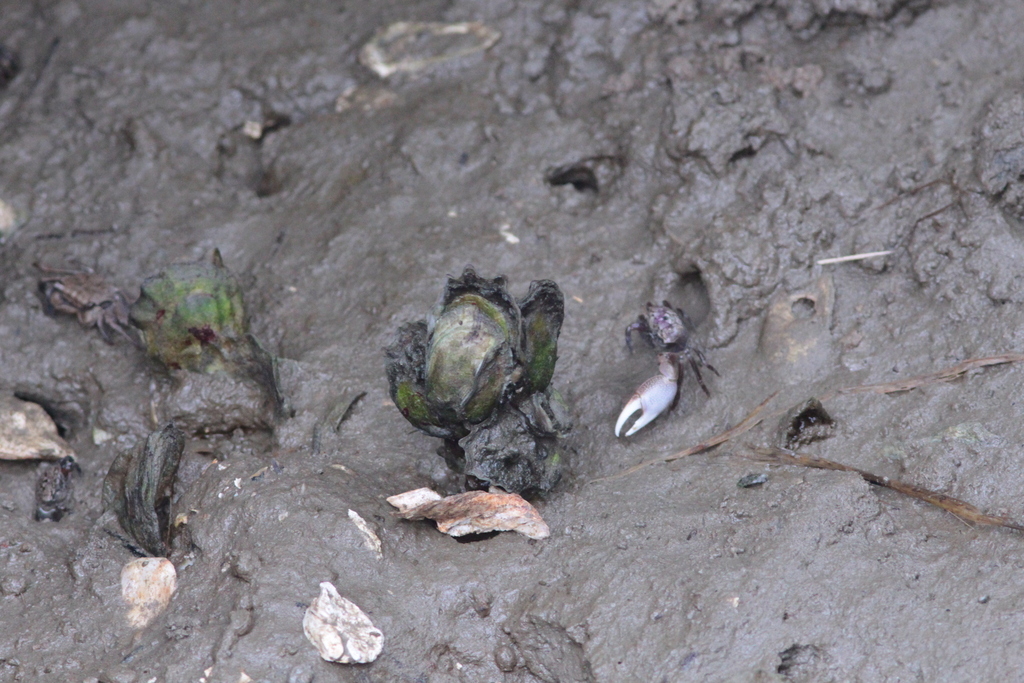
(c) William Harmon, some rights reserved (CC BY) · CC BY · iNaturalist 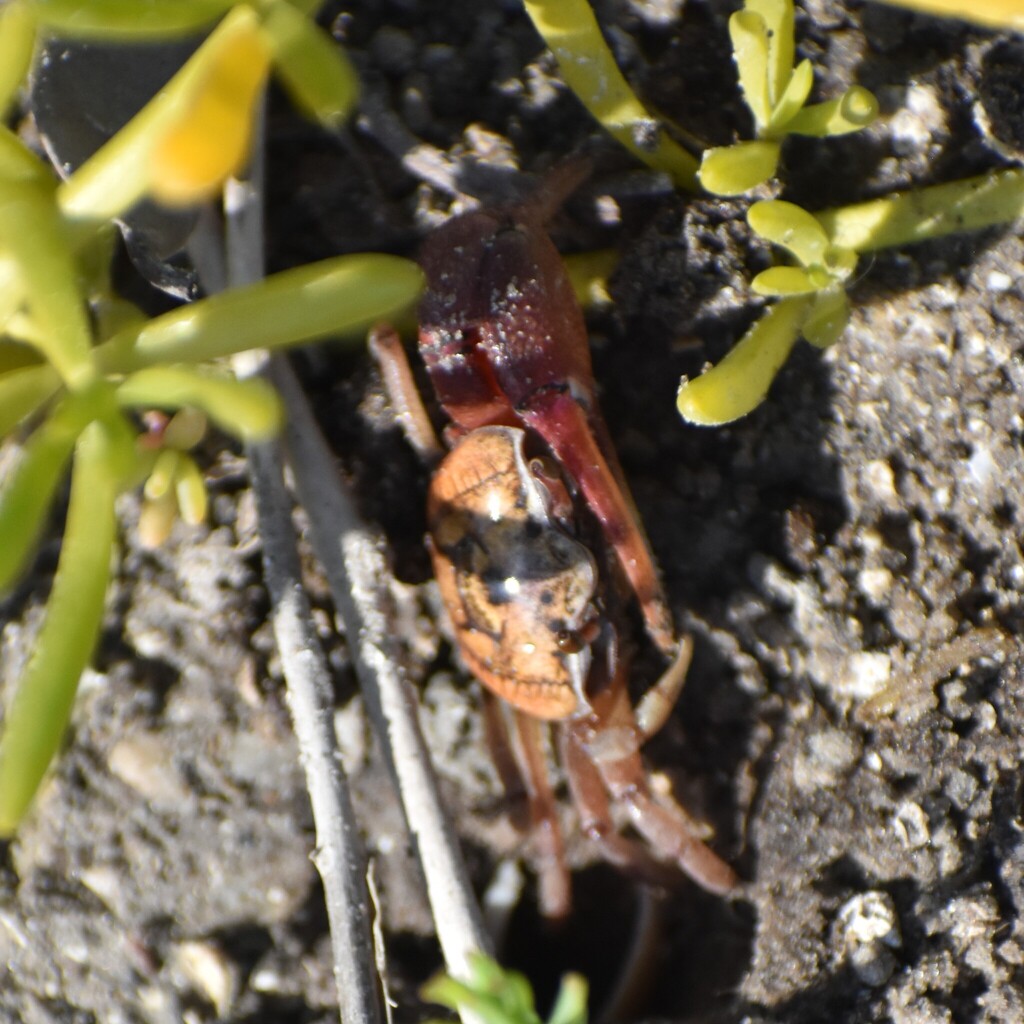
no rights reserved · CC0 1.0 · iNaturalist 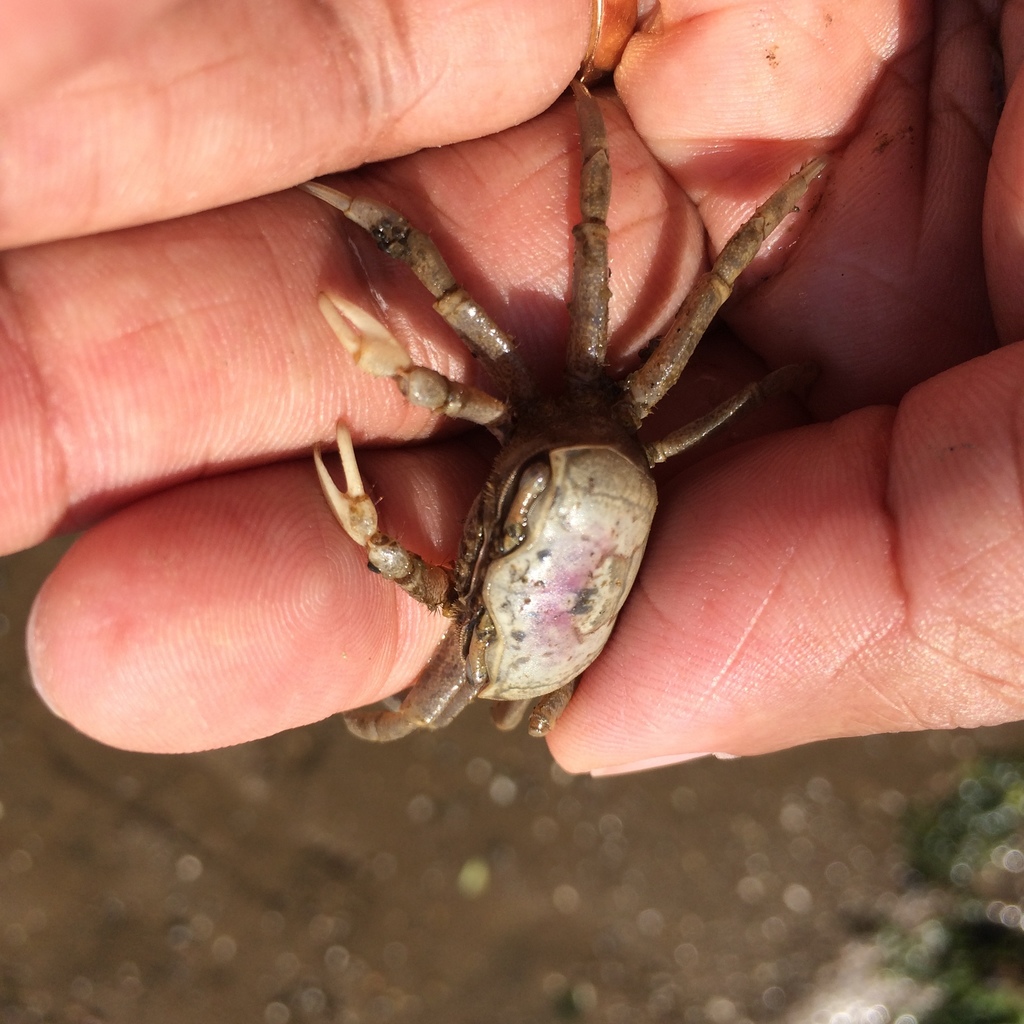
(c) Dilrukshan Priyantha Wijesinghe, some rights reserved (CC BY) · CC BY · iNaturalist
Names and classification
- English
- Atlantic sand fiddler, Atlantic Sand Fiddler Crab, Sand fiddler crab
Names in 1 more language
- French
- Crabe violoniste
Other scientific names: Gelasimus pugilator, Ocypoda pugilator, Uca (Leptuca) pugilator, Uca citharoedicus, Uca pugilator
Similar species
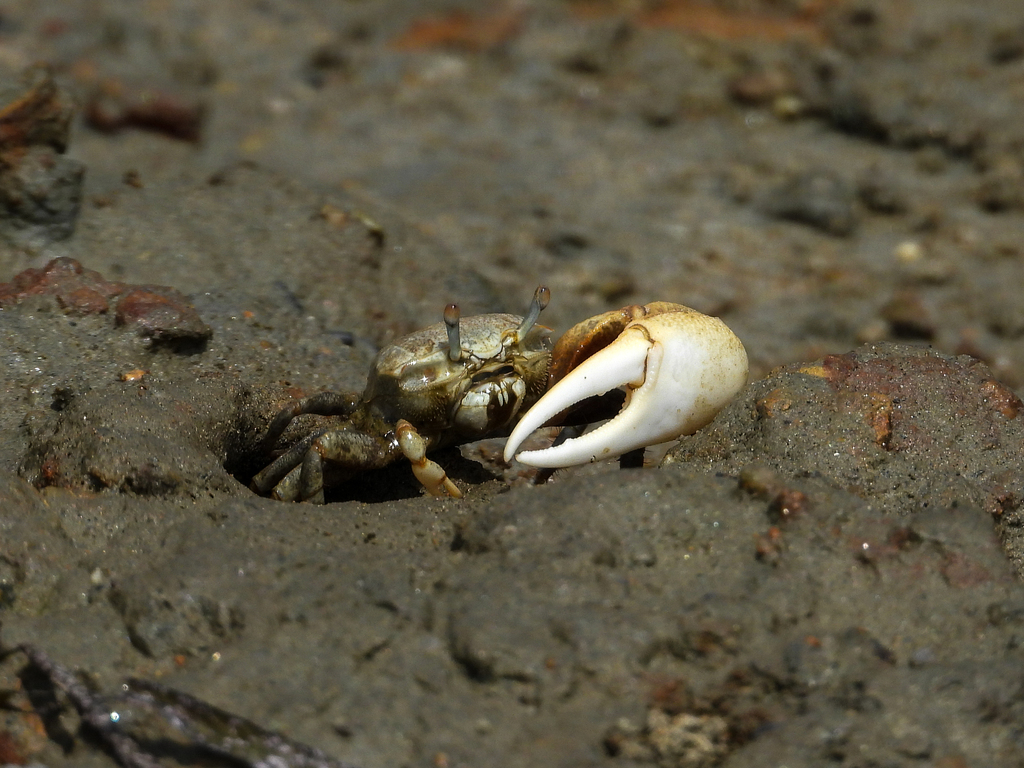 Crenulated Fiddler Crab
Leptuca crenulata
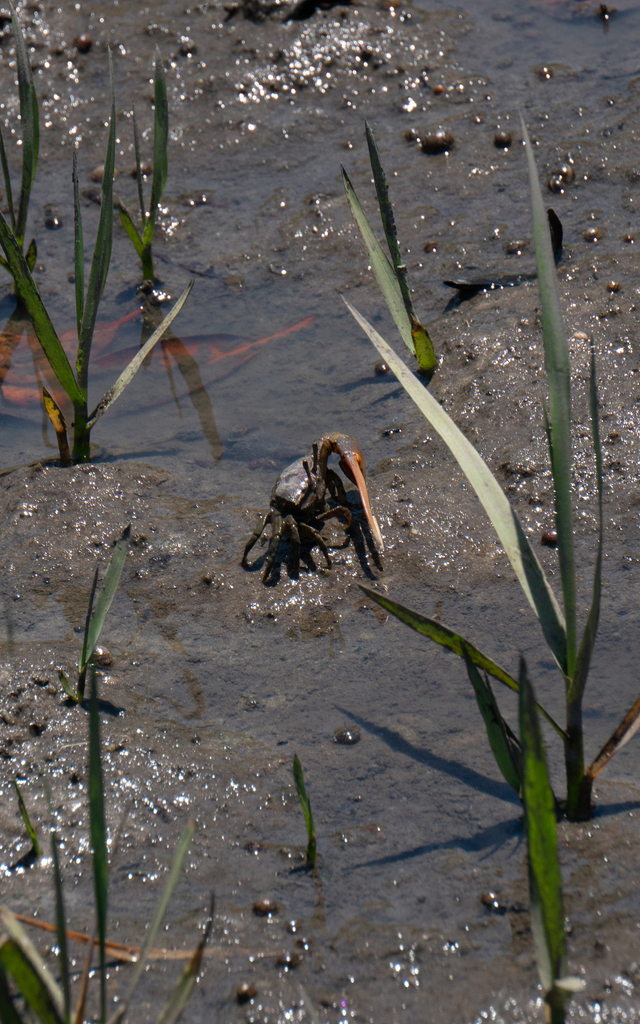 Atlantic mangrove fiddler
Leptuca thayeri
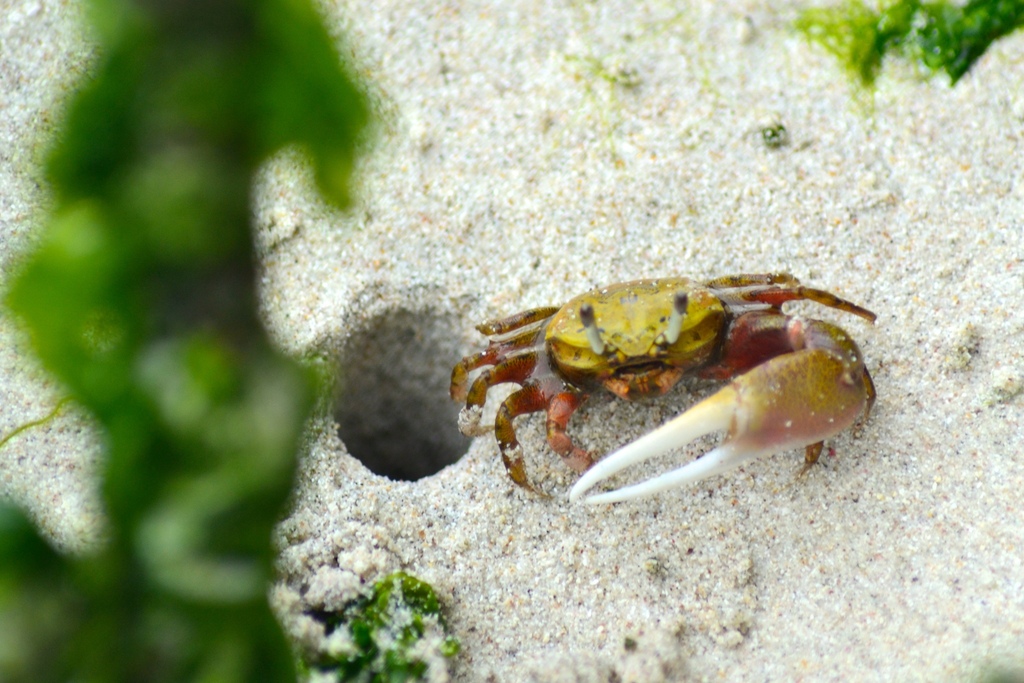 Heller's Fiddler Crab
Leptuca helleri
 Musical Fiddler Crab
Leptuca musica
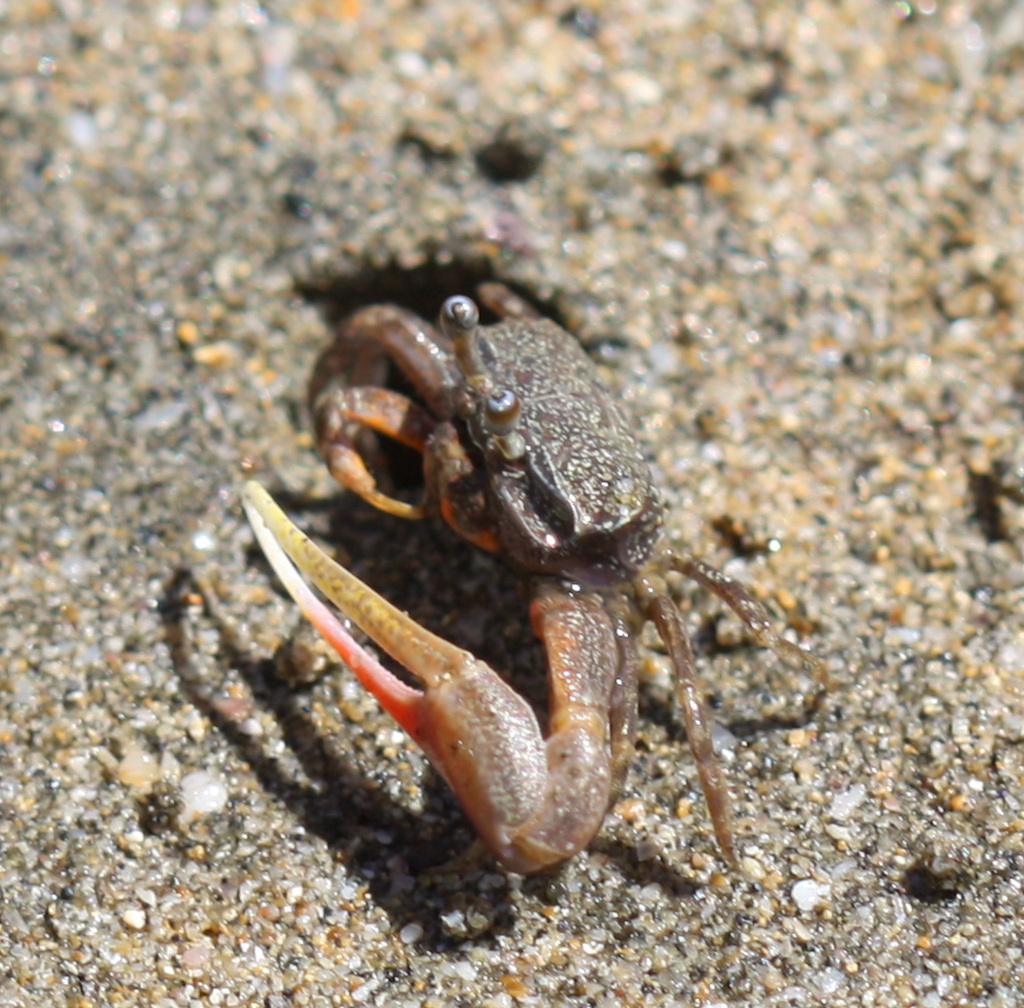 Dancing Fiddler Crab
Leptuca terpsichores
- Beebe's Fiddler Crab
Leptuca beebei
Sources and credits
Names and taxonomy: WoRMS (CC BY 4.0) and the GBIF Backbone (CC BY 4.0). Photos: iNaturalist observers, each under the licence shown (CC0, CC BY or CC BY-SA).
- Depth, temperature, months and maps: records from OBIS and GBIF under CC0 or CC BY.
- Descriptions: Wikipedia, licensed CC BY-SA, each linked to its article.
- Conservation status as published by GBIF (IUCN Red List).
- 1,048 open-data records from 1900 to 2018.
- Species data updated November 11, 2026.
Log what you see on your next dive
The free DiveHive diver app keeps your logbook with every sighting and shows what lives at the site you dive next.