
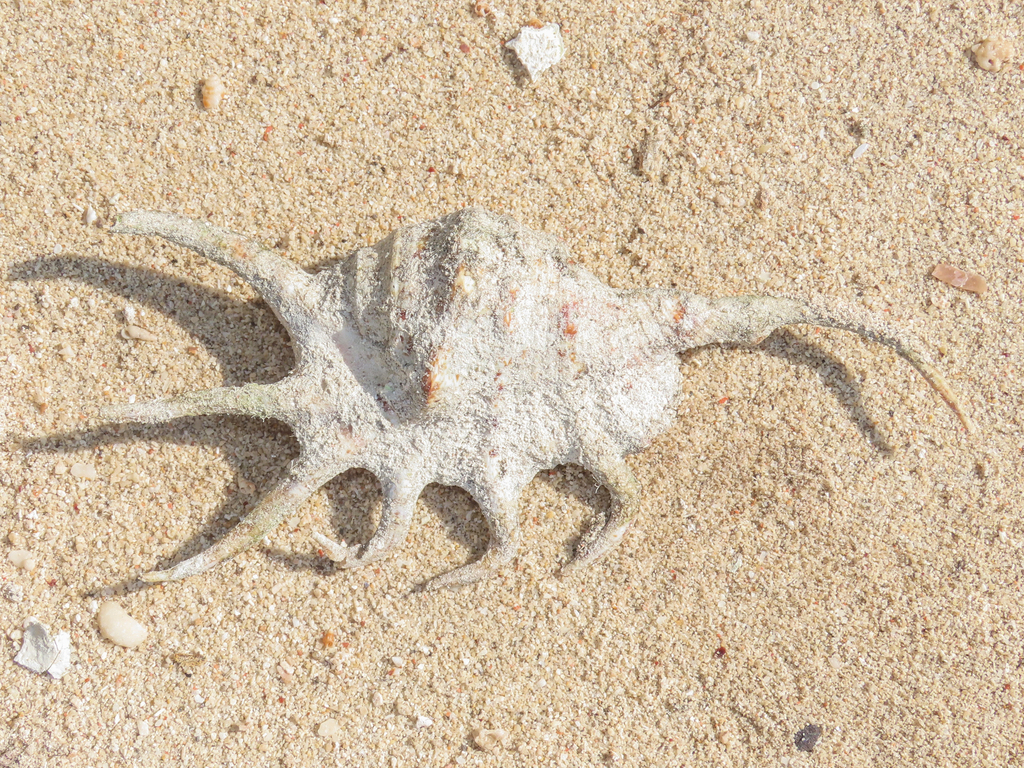
Orange spider conch
Lambis crocata
- Usual depth13–27 m
- Water temperature24–30 °C
- Best monthsFebruary, July, and October
- How commonRare
Photo credit: (c) Emanuele Santarelli, some rights reserved (CC BY-SA) · CC BY-SA · iNaturalist
About this species
Lambis crocata, the orange spider conch, is a species of large sea snail, a marine gastropod mollusc in the family Strombidae, the true conchs.
Text from the Wikipedia article “Lambis crocata”, licensed CC BY-SA 4.0. Read the article
Where and when
Where it has been recorded
Worldwide
Best months
Worldwide (open data)
- January: 8 records
- February: 15 records
- March: 6 records
- April: 4 records
- May: 1 record
- June: 2 records
- July: 10 records
- August: 6 records
- September: 5 records
- October: 13 records
- November: 5 records
- December: 7 records
Depth and water temperature
Depth
Mostly recorded at 13–27 m · Deepest record: 52 m
Water temperature
Recorded in surface water of 24–30 °C
Photos
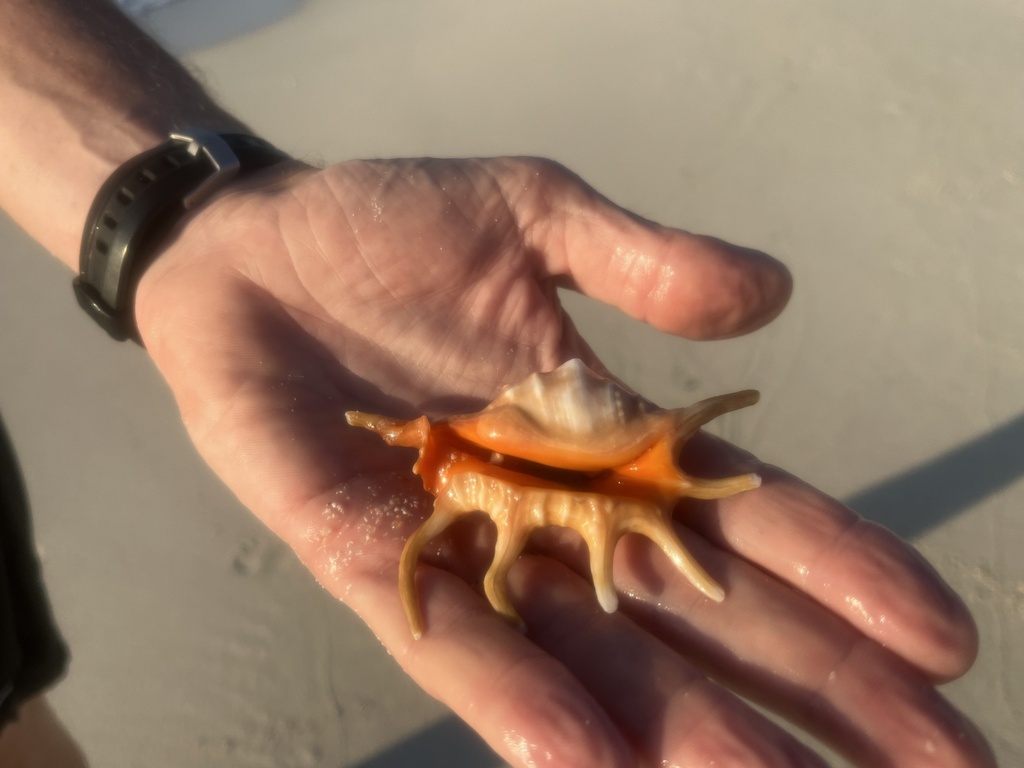
(c) Rob Foster, some rights reserved (CC BY) · CC BY · iNaturalist 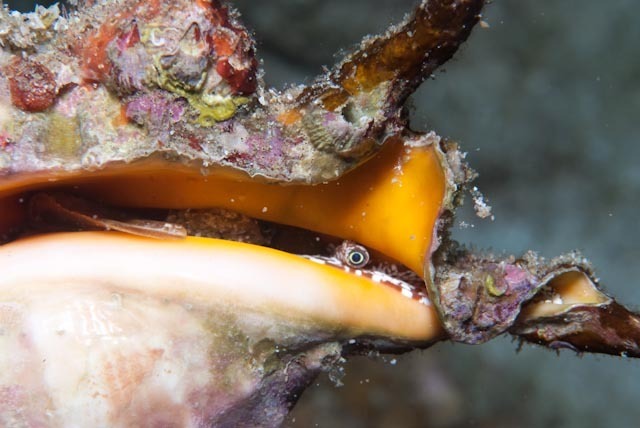
(c) Georgina Jones, some rights reserved (CC BY-SA) · CC BY-SA · iNaturalist 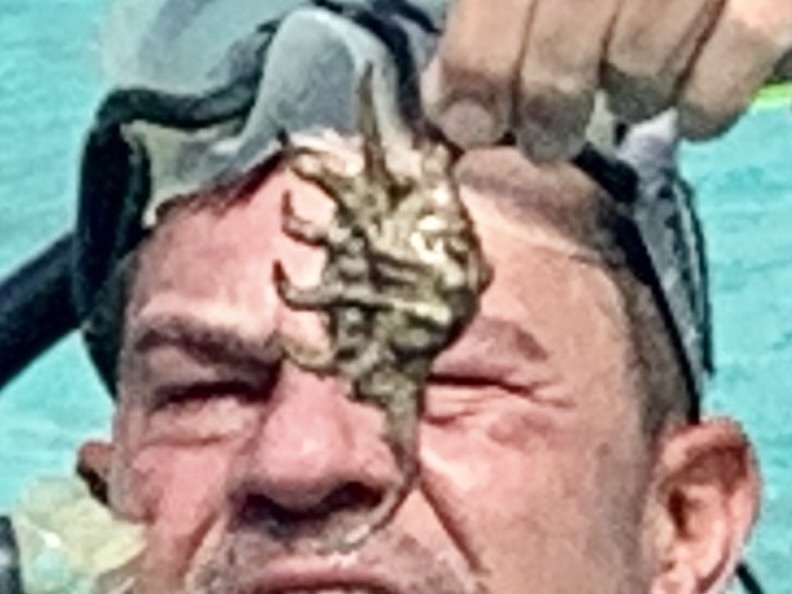
(c) pavlaki1968, some rights reserved (CC BY) · CC BY · iNaturalist
Names and classification
- English
- Orange spider conch, orange spider conch
Names in 3 more languages
- German
- Orange Spinnenschnecke, Rote Spinnenschnecke
- Japanese
- サソリガイ
- Simplified Chinese
- 金黃蜘蛛螺, 金黄蜘蛛螺
Other scientific names: Lambis (Lambis) crocata, Lambis aurantia, Pterocera aurantia, Pterocera crocata, Strombus aculeatus
Similar species
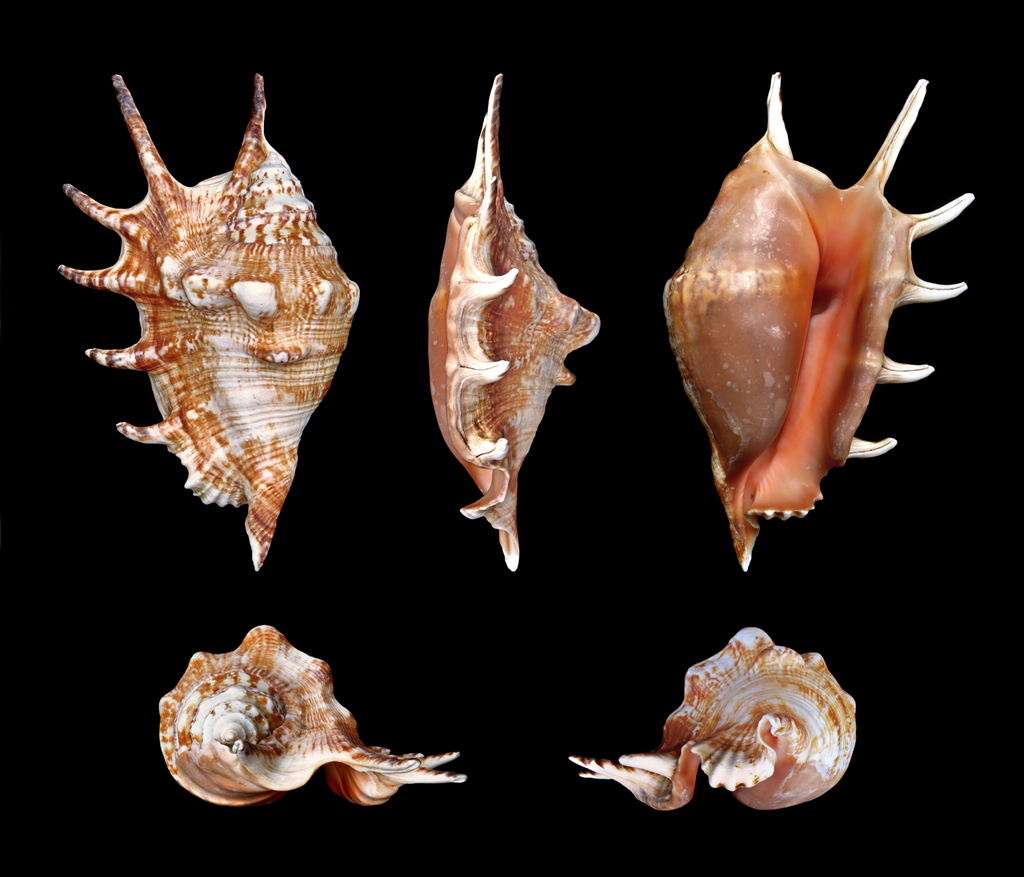 Common spider conch
Lambis lambis
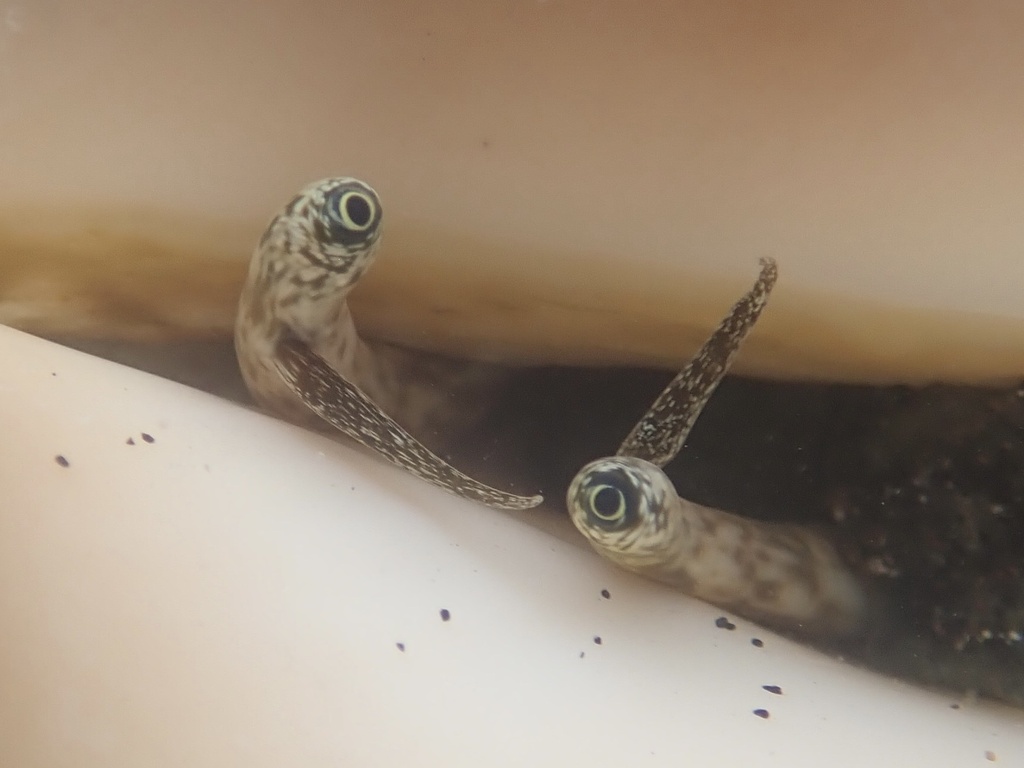 Giant spider conch
Lambis truncata
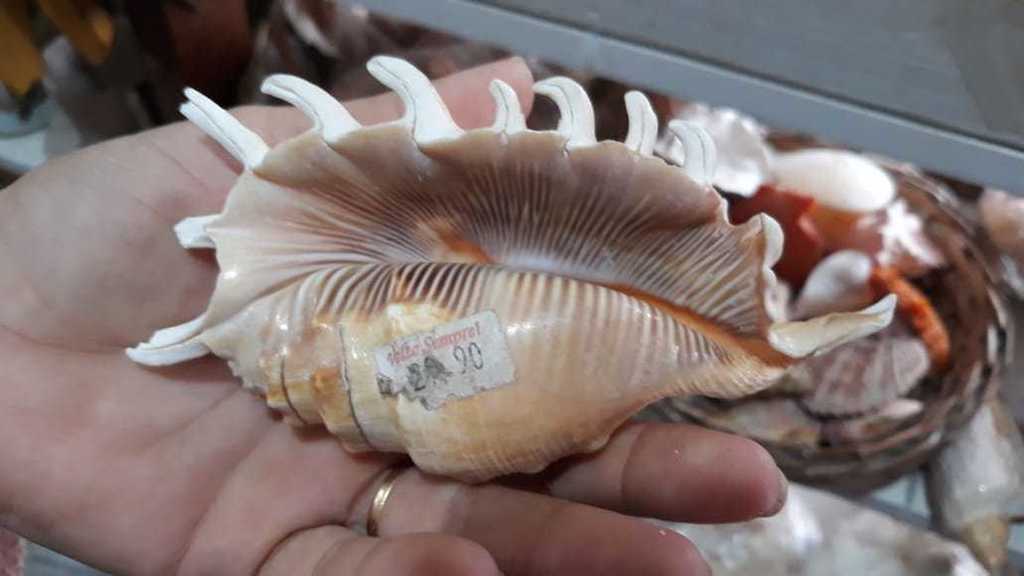 Milleped spider conch
Lambis millepeda
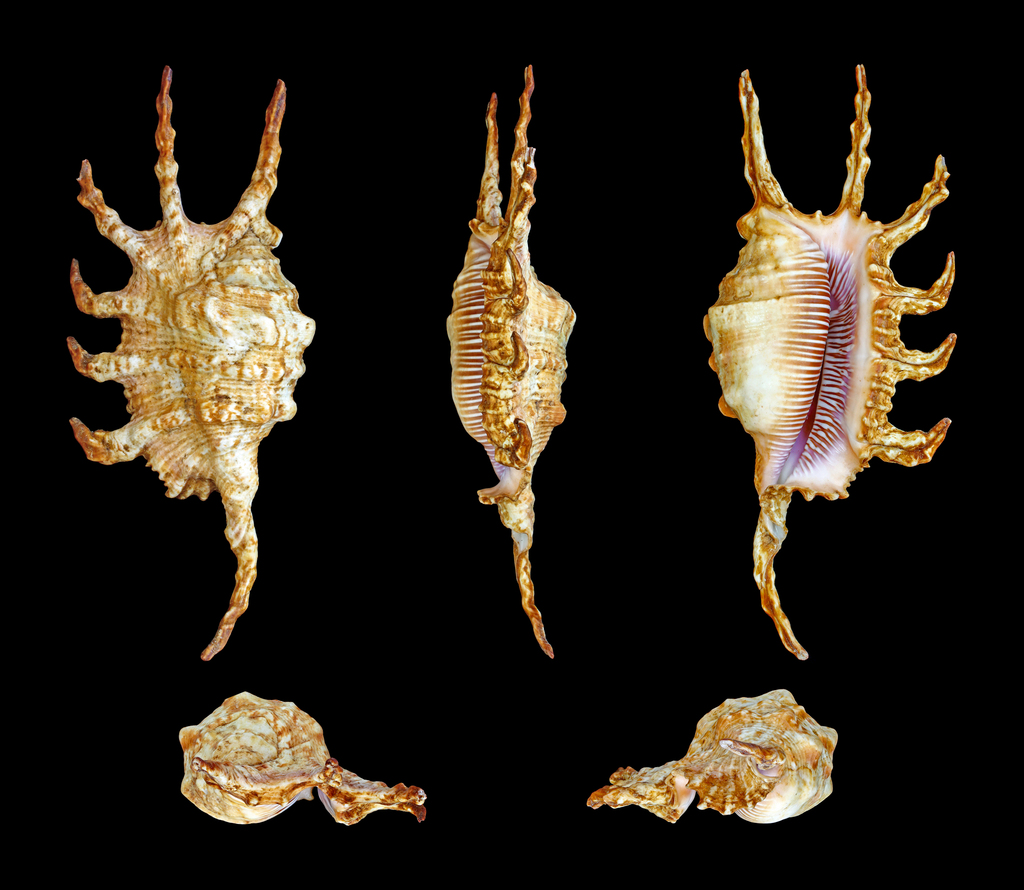 Scorpion spider conch
Lambis scorpius
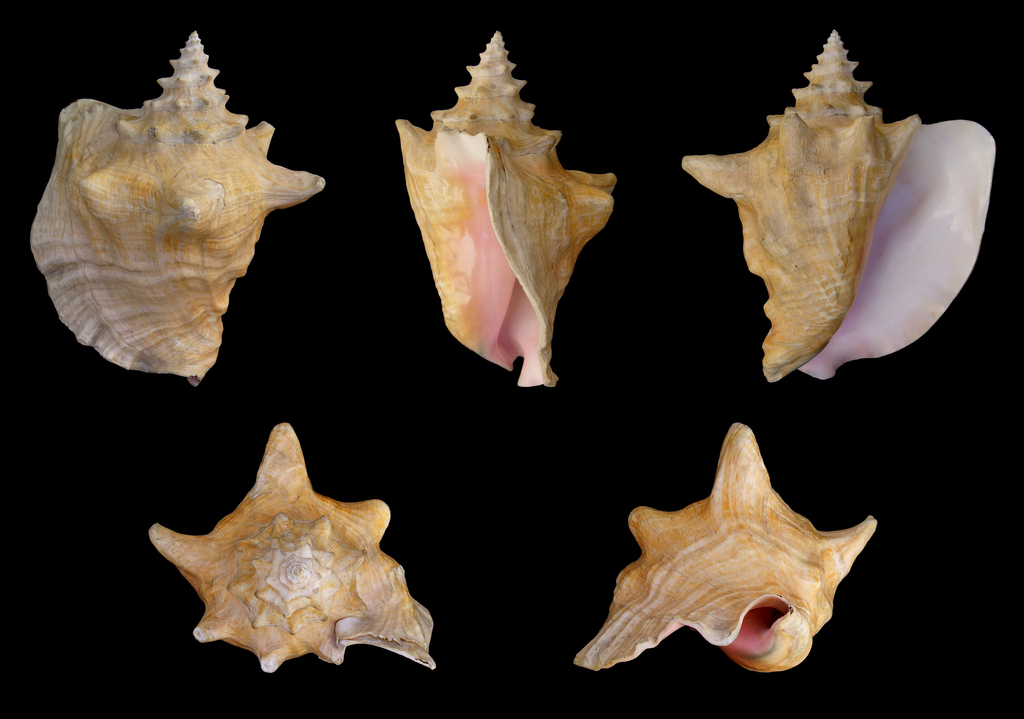 Conch
Aliger gigas
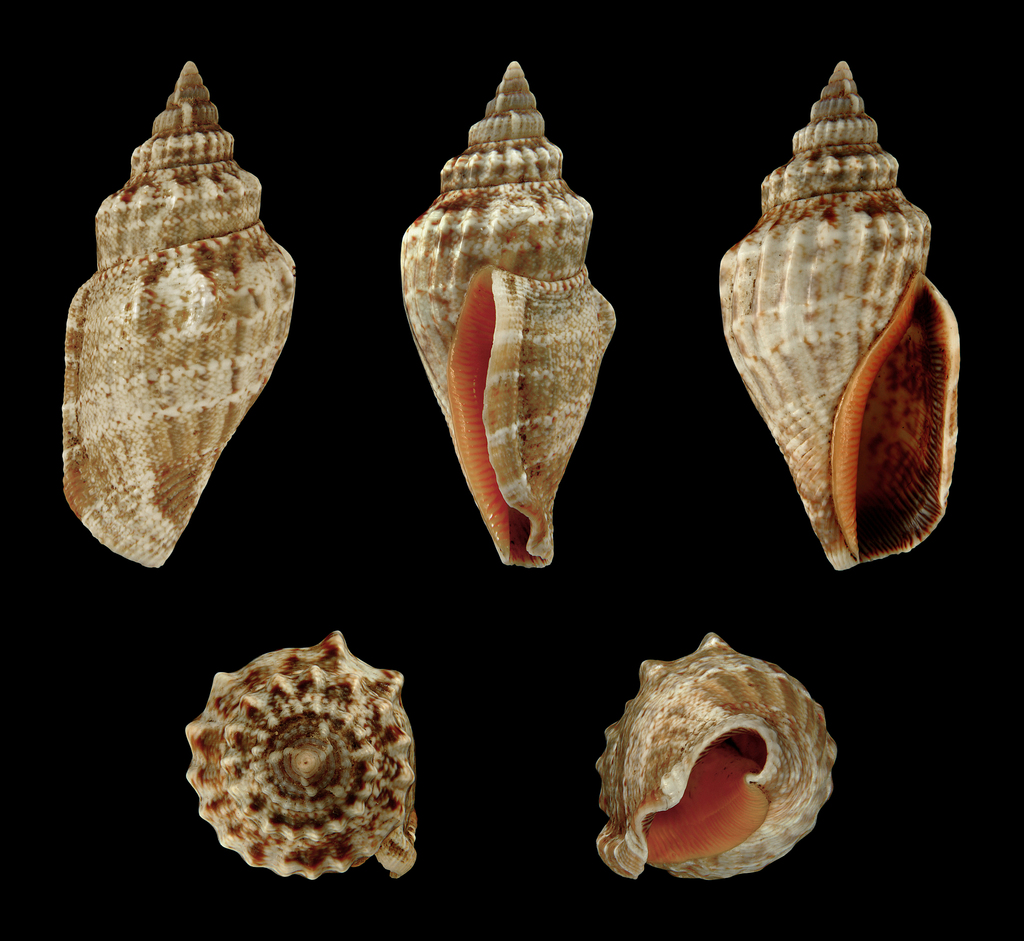 Labiate Stromb
Canarium labiatum
Sources and credits
Names and taxonomy: WoRMS (CC BY 4.0) and the GBIF Backbone (CC BY 4.0). Photos: iNaturalist observers, each under the licence shown (CC0, CC BY or CC BY-SA).
- Depth, temperature, months and maps: records from OBIS and GBIF under CC0 or CC BY.
- Descriptions: Wikipedia, licensed CC BY-SA, each linked to its article.
- Conservation status as published by GBIF (IUCN Red List).
- 140 open-data records from 1807 to 2009.
- Species data updated October 30, 2026.
Log what you see on your next dive
The free DiveHive diver app keeps your logbook with every sighting and shows what lives at the site you dive next.