
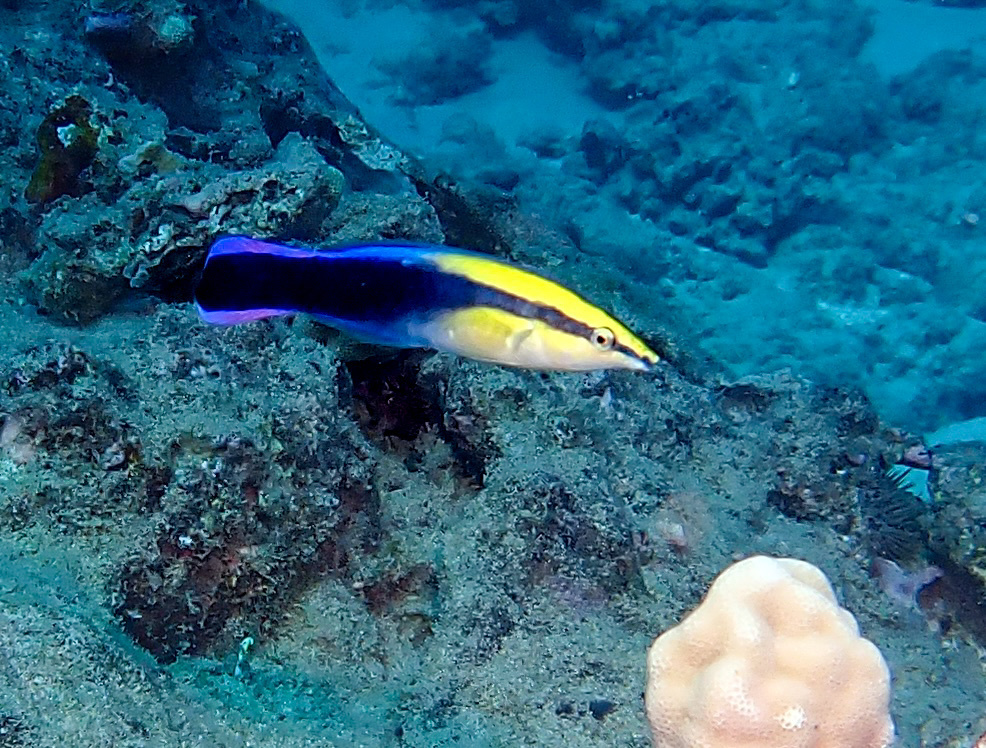
Cleaner Wrasse
Labroides phthirophagus
- Usual depth4–22 m
- Water temperature24–27 °C
- Best monthsAugust and September
- How commonOccasional
Photo credit: (c) Robin White, some rights reserved (CC BY), uploaded by Robin White · CC BY · iNaturalist
About this species
The Hawaiian cleaner wrasse or golden cleaner wrasse, is a species of wrasse found in the waters surrounding the Hawaiian Islands. The fish is endemic to Hawaii. These cleaner fish inhabit coral reefs, setting up a territory referred to as a cleaning station. They obtain a diet of small crustacean parasites by removing them from other reef fish in a cleaning symbiosis.
Text from the Wikipedia article “Hawaiian cleaner wrasse”, licensed CC BY-SA 4.0. Read the article
Where and when
Where it has been recorded
Worldwide
Best months
Worldwide (open data)
- January: 89 records
- February: 76 records
- March: 74 records
- April: 77 records
- May: 78 records
- June: 225 records
- July: 352 records
- August: 727 records
- September: 1,119 records
- October: 668 records
- November: 129 records
- December: 62 records
Depth and water temperature
Depth
Mostly recorded at 4–22 m · Deepest record: 94 m
Water temperature
Recorded in surface water of 24–27 °C
Photos
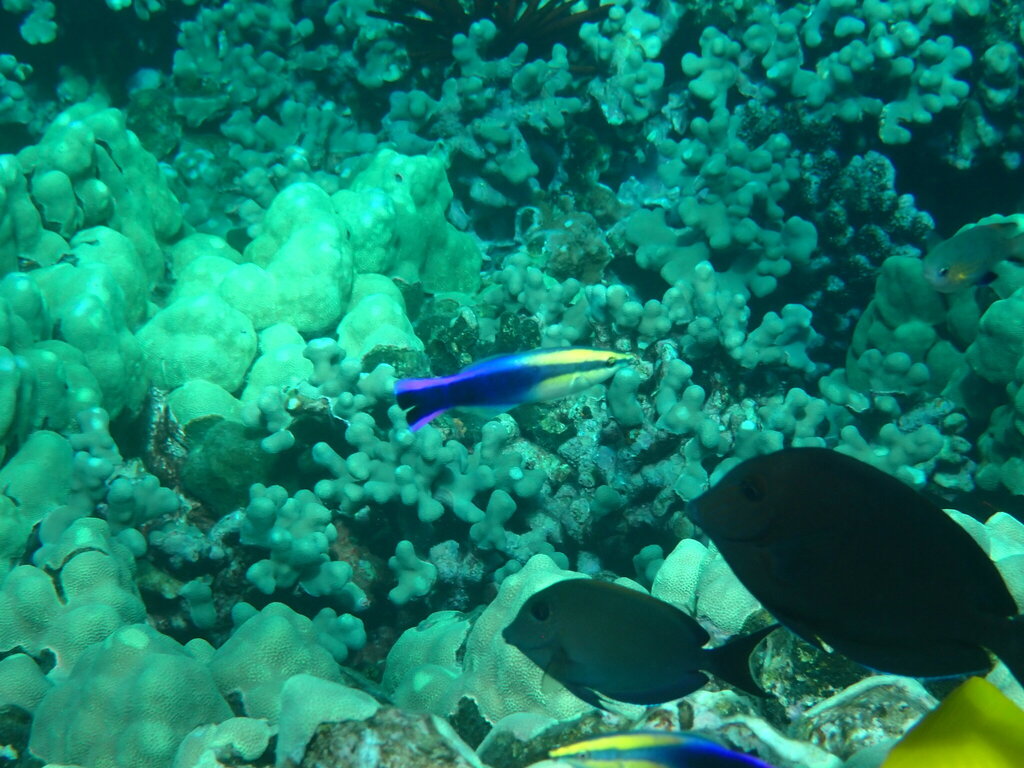
no rights reserved · CC0 1.0 · iNaturalist 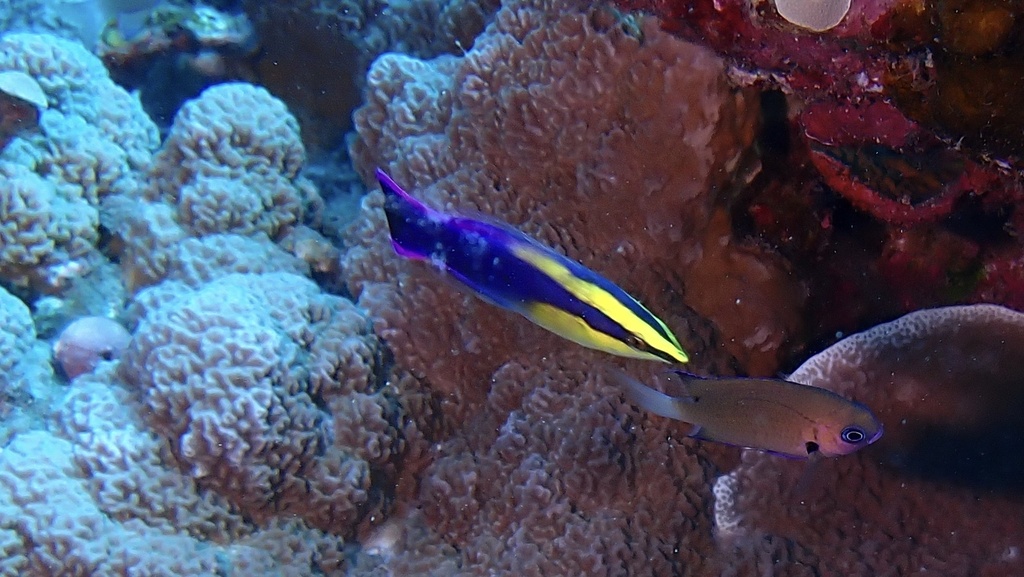
(c) Robin White, some rights reserved (CC BY) · CC BY · iNaturalist 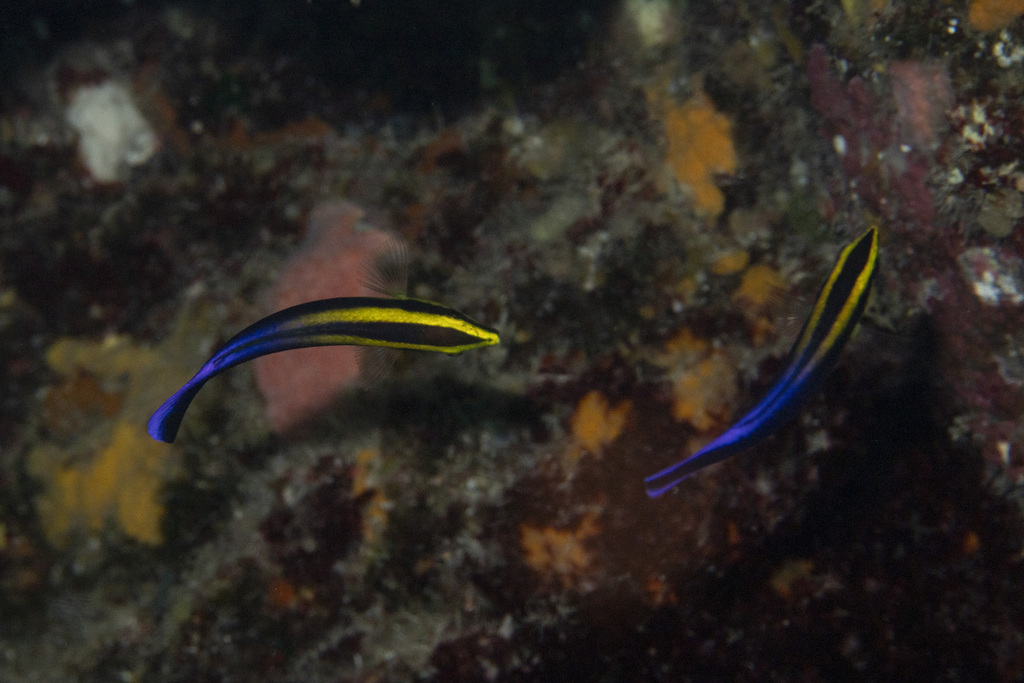
(c) cello caruso-turiello, some rights reserved (CC BY) · CC BY · iNaturalist 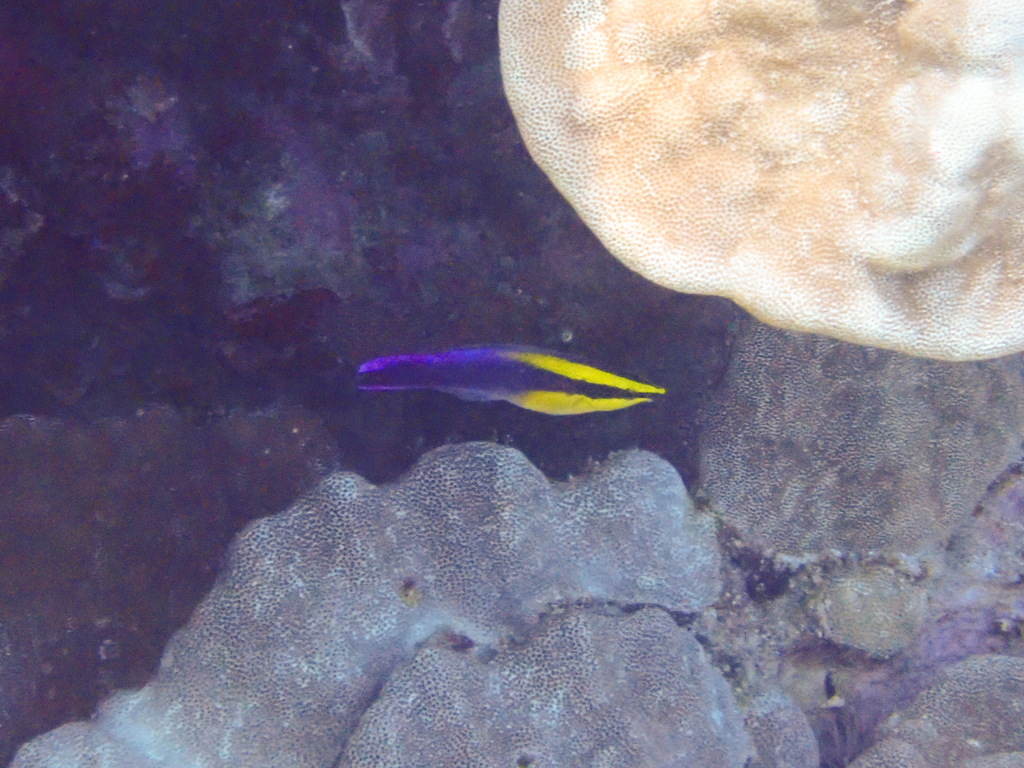
(c) cello caruso-turiello, some rights reserved (CC BY) · CC BY · iNaturalist 
no rights reserved · CC0 1.0 · iNaturalist 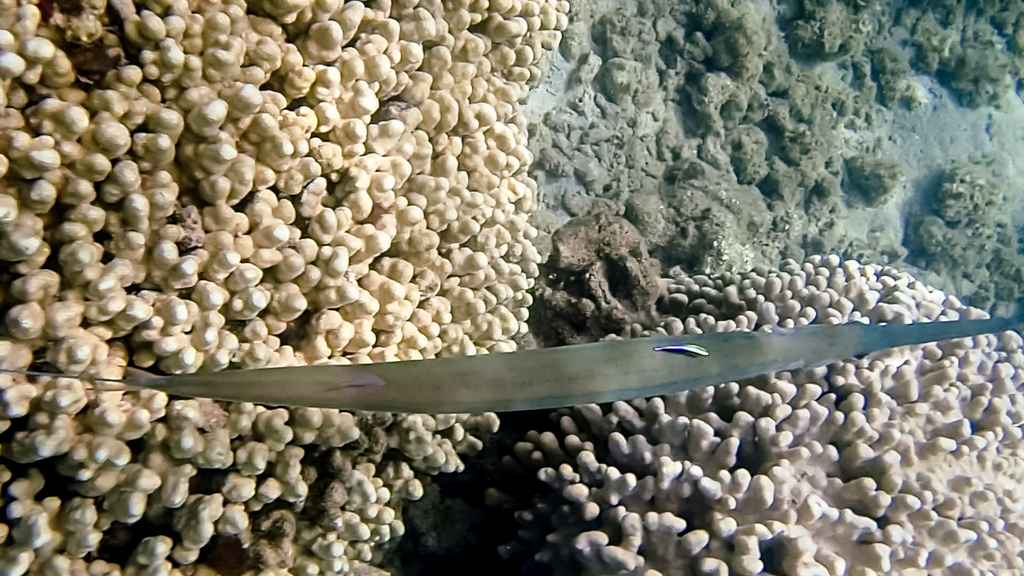
(c) Meghan Cassidy, some rights reserved (CC BY-SA) · CC BY-SA · iNaturalist 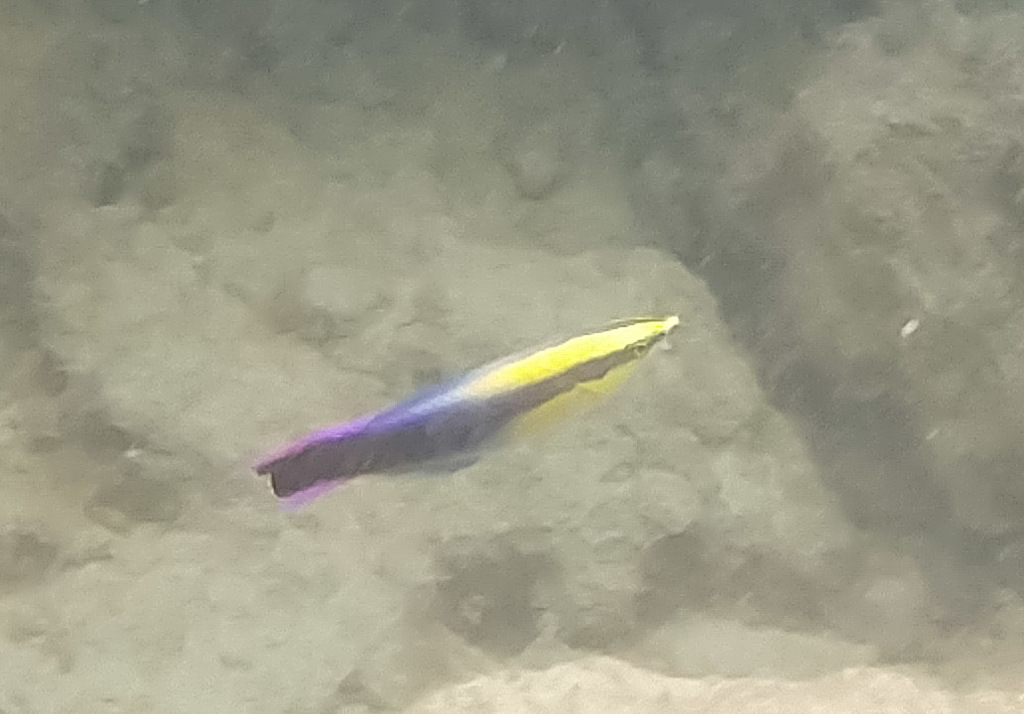
(c) Rolf Lawrenz, some rights reserved (CC BY) · CC BY · iNaturalist
Names and classification
- English
- Cleaner Wrasse, Hawaiian Cleaner Wrasse, Louse-eating Wrasse
Names in 1 more language
- Spanish
- Lábrido Limpiador Hawaiano
Similar species
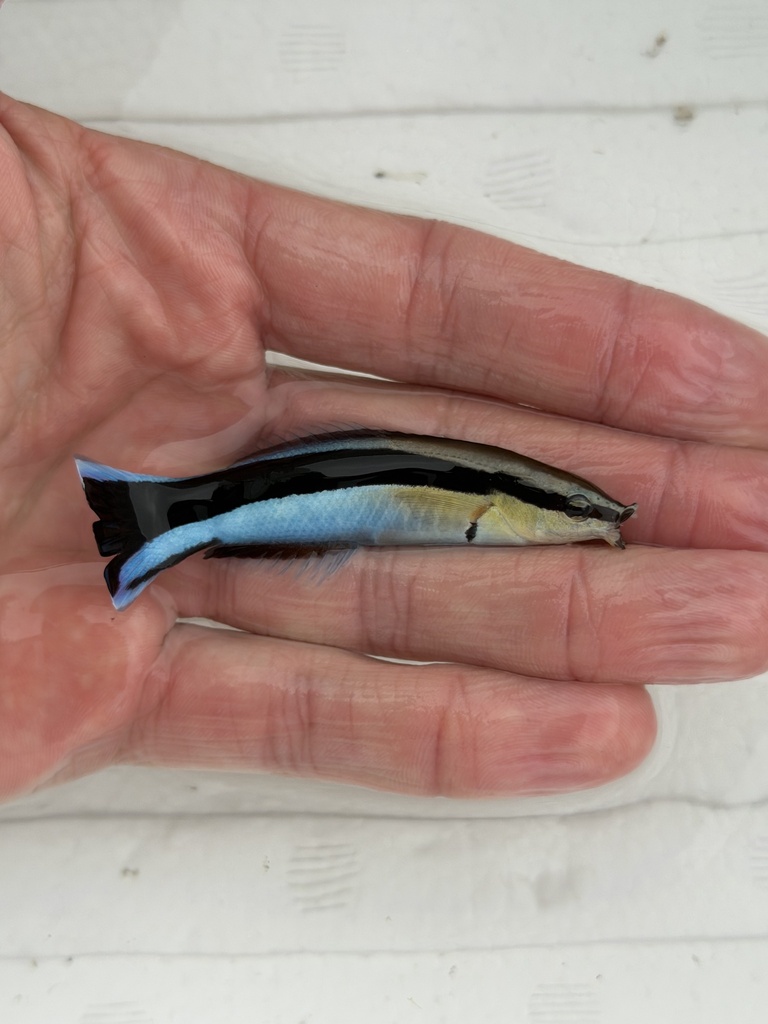 Bluestreak cleaner wrasse
Labroides dimidiatus
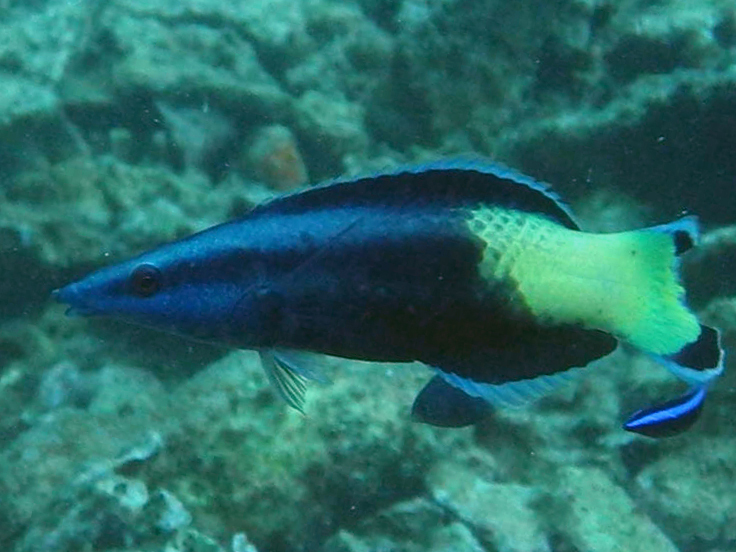 Bicolor cleaner wrasse
Labroides bicolor
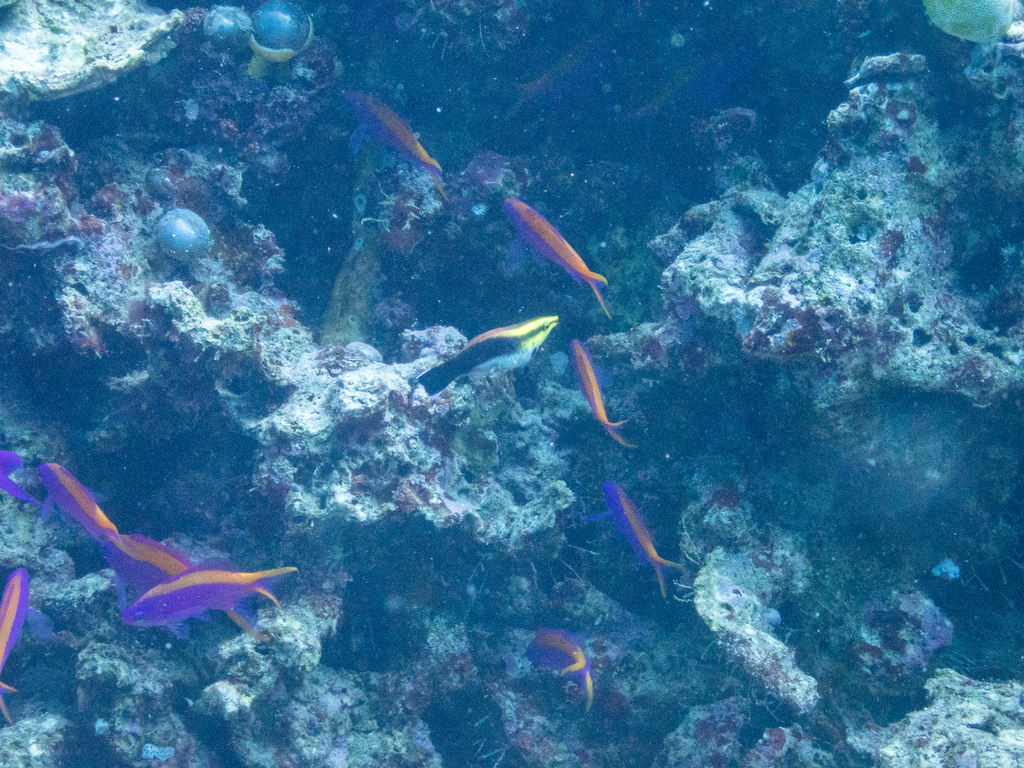 Black-spot Cleaner Wrasse
Labroides pectoralis
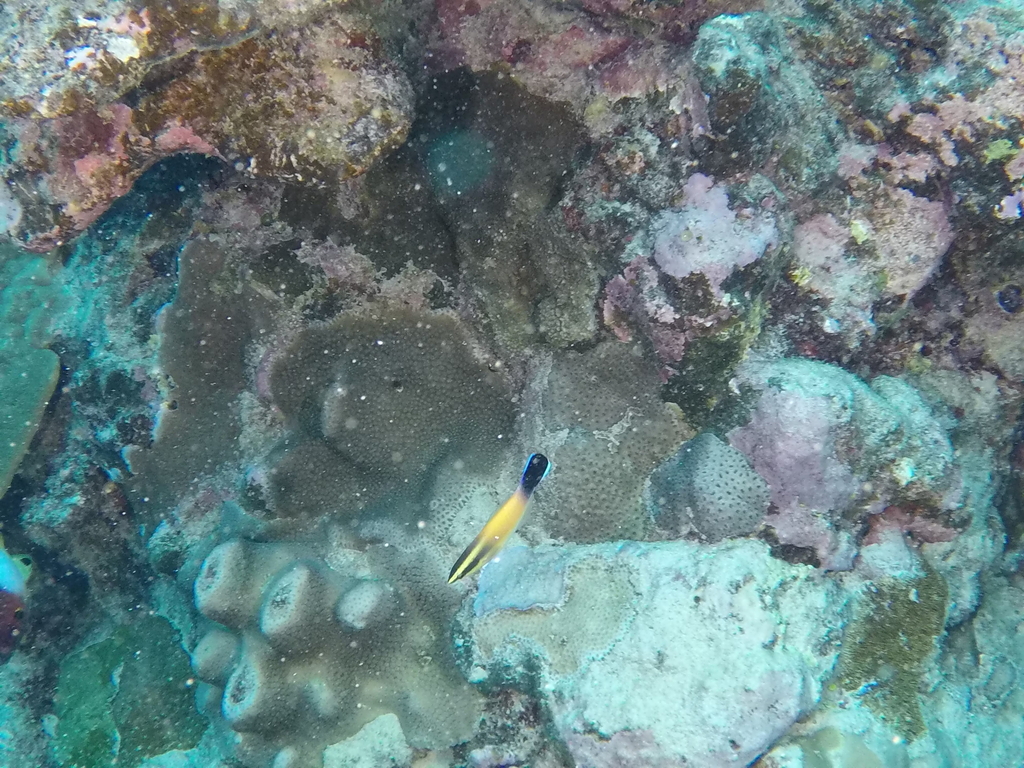 Golden Cleaner Wrasse
Labroides rubrolabiatus
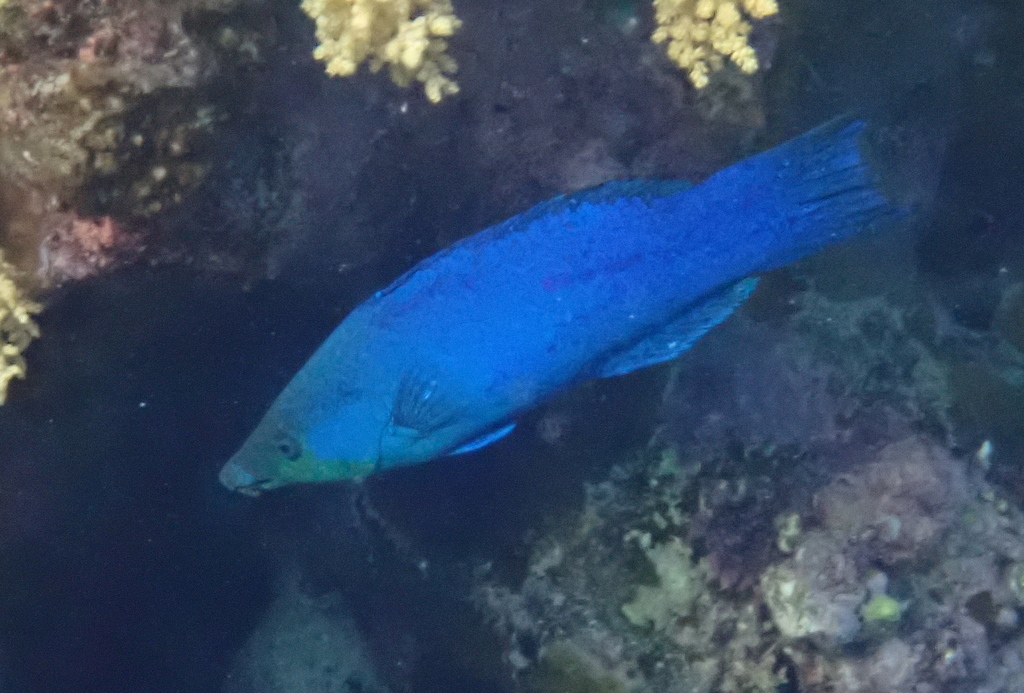
 Blue Groper
Achoerodus gouldii
Sources and credits
Names and taxonomy: WoRMS (CC BY 4.0) and the GBIF Backbone (CC BY 4.0). Photos: iNaturalist observers, each under the licence shown (CC0, CC BY or CC BY-SA).
- Depth, temperature, months and maps: records from OBIS and GBIF under CC0 or CC BY.
- Descriptions: Wikipedia, licensed CC BY-SA, each linked to its article.
- Conservation status as published by GBIF (IUCN Red List).
- 3,105 open-data records from 1951 to 2019.
- Species data updated November 3, 2026.
Log what you see on your next dive
The free DiveHive diver app keeps your logbook with every sighting and shows what lives at the site you dive next.