
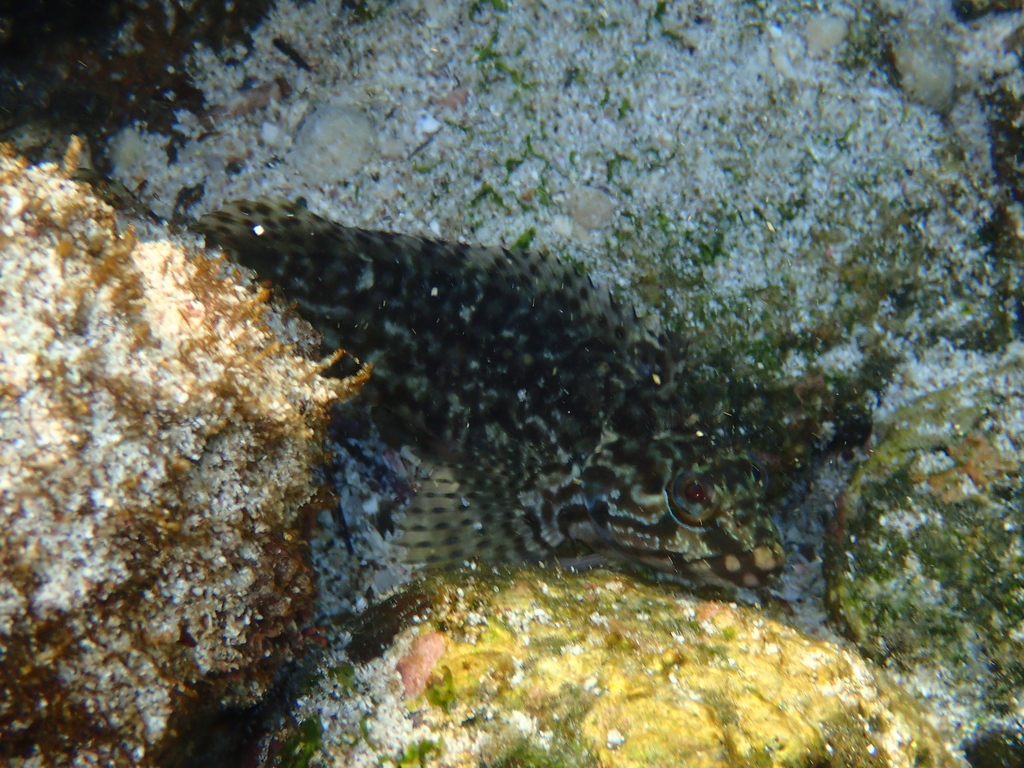
Porehead blenny
Labrisomus multiporosus
- Usual depth0–3 m
- Water temperature18–29 °C
- Best monthsJuly, August, and September
- How commonRare
Photo credit: (c) Julien Renoult, some rights reserved (CC BY) · CC BY · iNaturalist
About this species
Labrisomus multiporosus, the Porehead blenny, is a species of labrisomid blenny native to the eastern Pacific Ocean from Mexico to Peru including the Galapagos Islands. This species lives on reefs from very shallow waters to a depth of 5 metres (16 ft). It can reach a length of 18 centimetres (7.1 in) TL though most do not exceed 10 centimetres (3.9 in).
Text from the Wikipedia article “Labrisomus multiporosus”, licensed CC BY-SA 4.0. Read the article
Where and when
Where it has been recorded
Worldwide
Best months
Worldwide (open data)
- January: 12 records
- February: 9 records
- March: 8 records
- April: 14 records
- May: 9 records
- June: 6 records
- July: 17 records
- August: 20 records
- September: 16 records
- October: 15 records
- November: 7 records
- December: 3 records
Depth and water temperature
Depth
Mostly recorded at 0–3 m · Deepest record: 12 m
Water temperature
Recorded in surface water of 18–29 °C
Photos

(c) Alberto Alcalá, some rights reserved (CC BY) · CC BY · iNaturalist 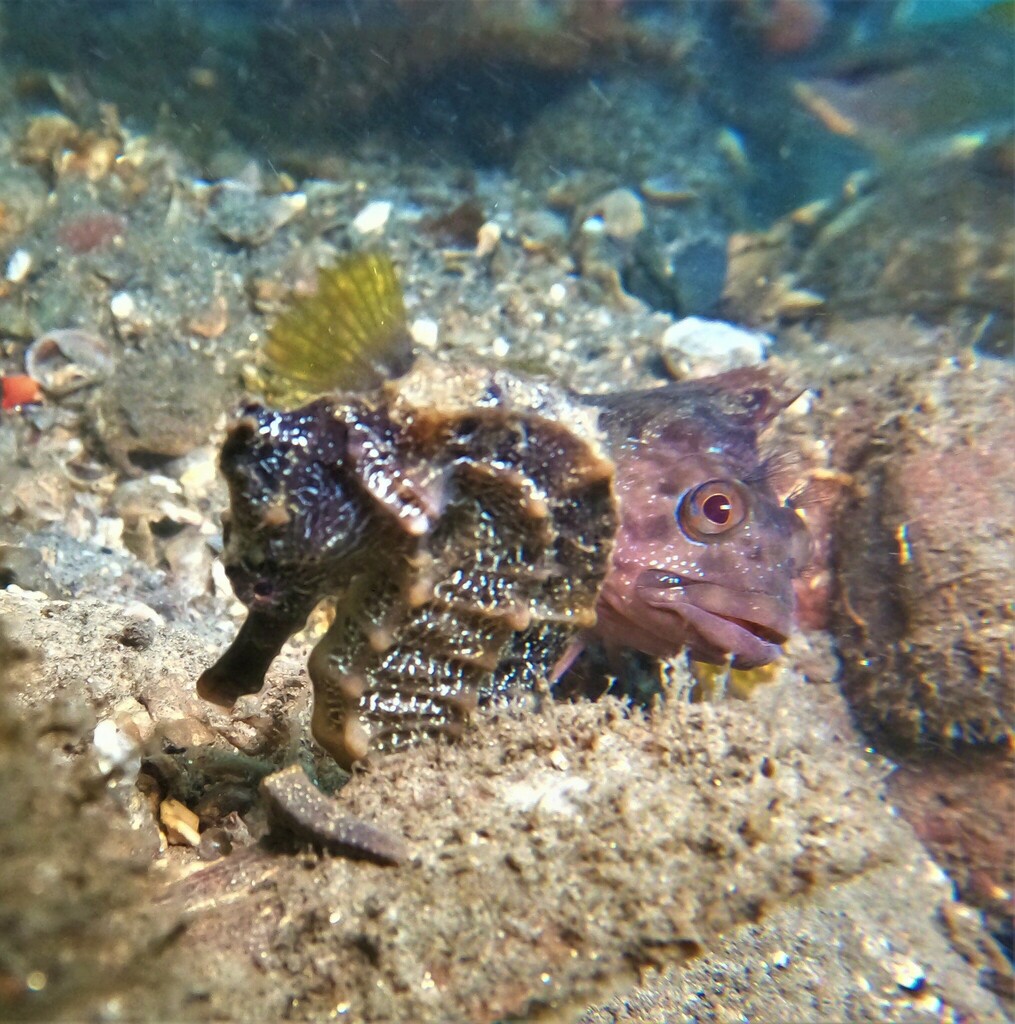
(c) Alberto Alcalá, some rights reserved (CC BY) · CC BY · iNaturalist
Names and classification
- English
- Porehead blenny, Curiche Clinid, porehead blenny
Names in 1 more language
- Spanish
- Blenia Porosa, Curiche, trambollo cabeza porosa, Trambollo Curiche
Similar species
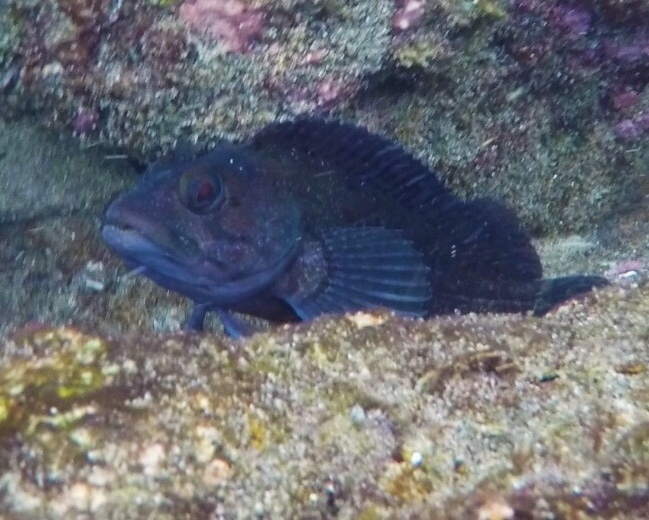 Largemouth blenny
Labrisomus xanti
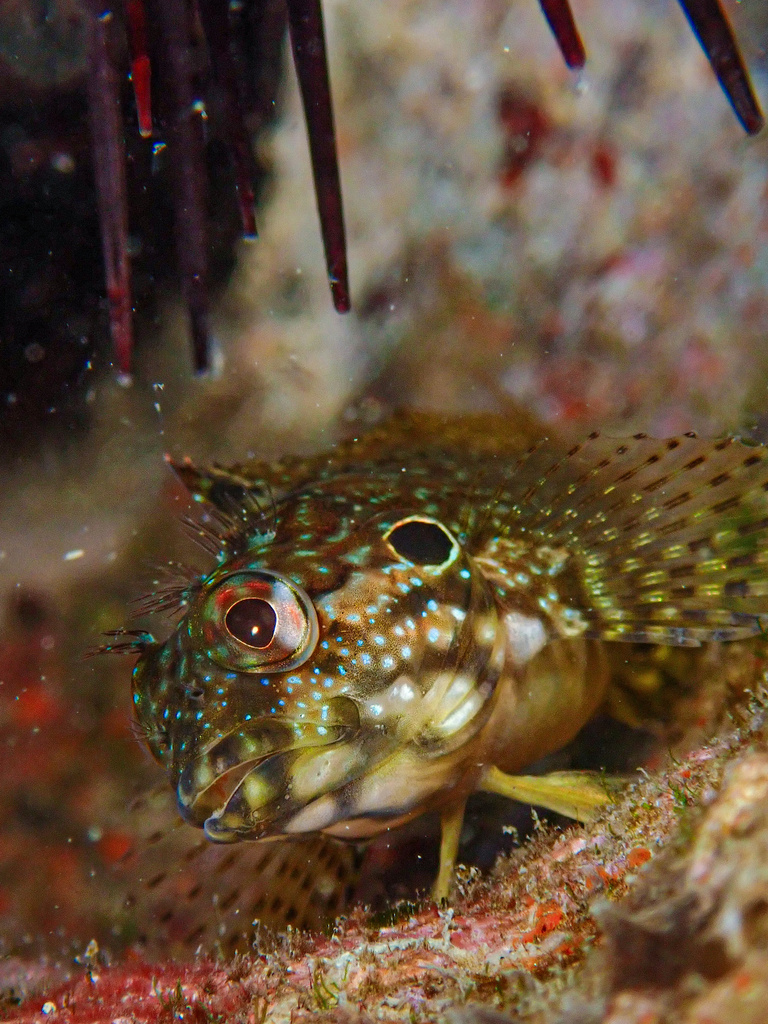 Hairy blenny
Labrisomus nuchipinnis
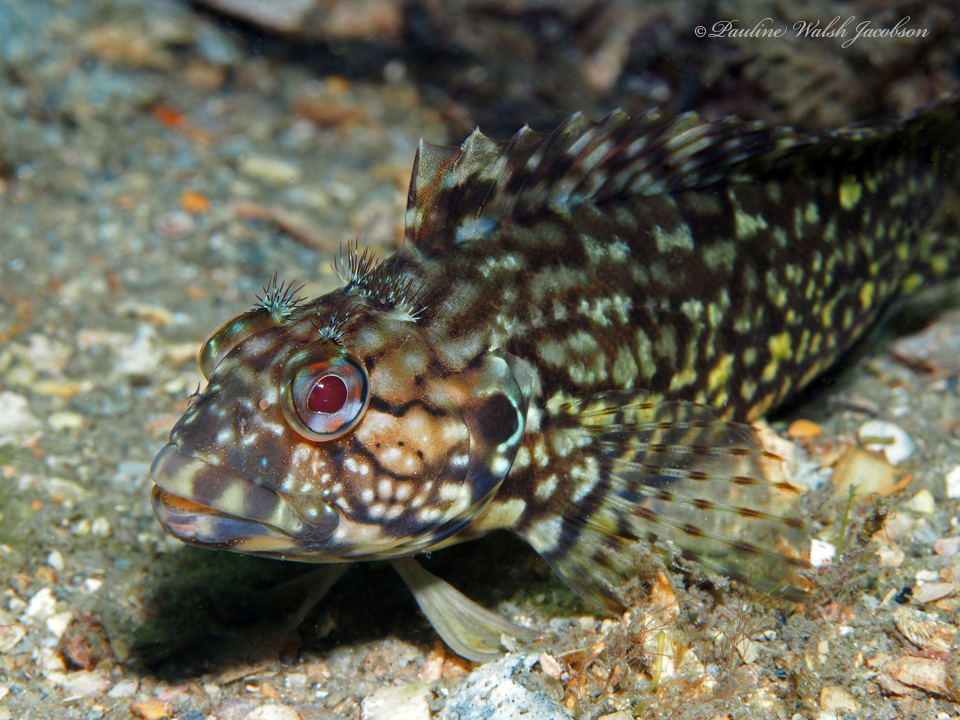 Masquerader Hairy Blenny
Labrisomus conditus
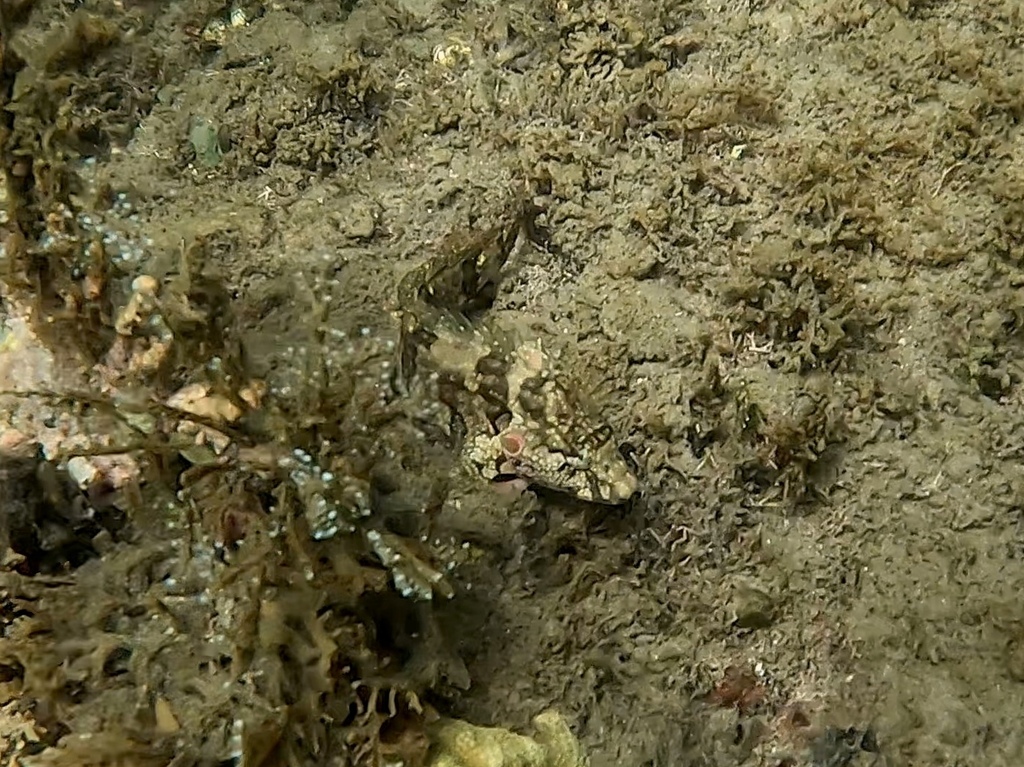 Mock Blenny
Labrisomus cricota
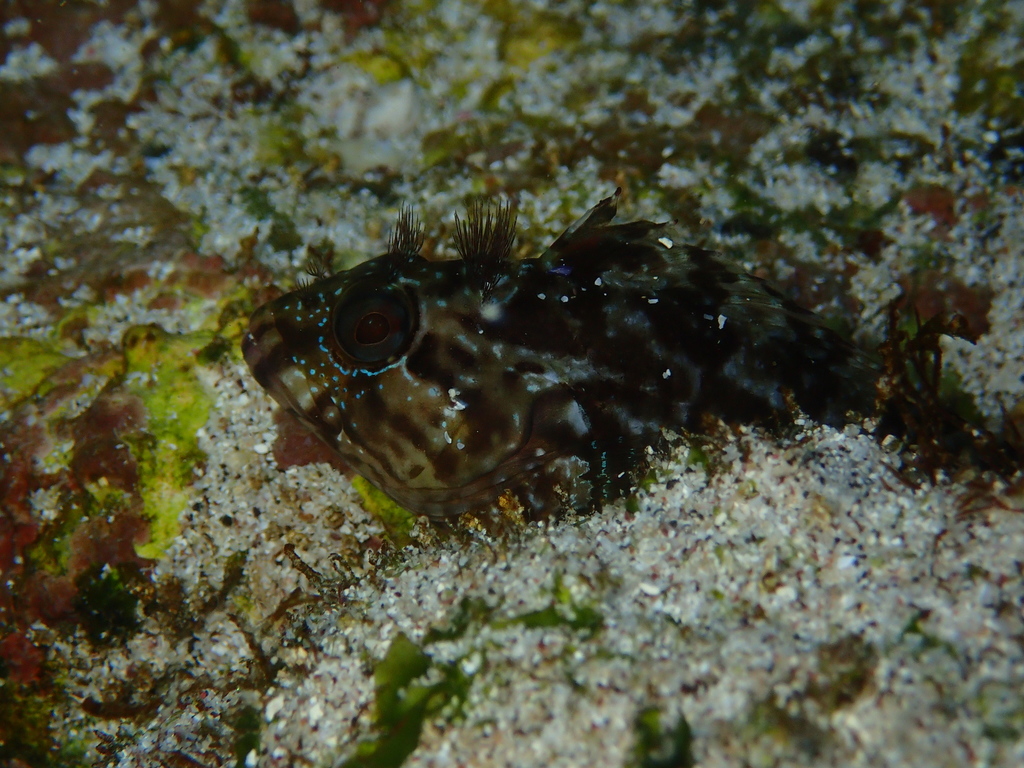 Jenkins' Blenny
Labrisomus jenkinsi
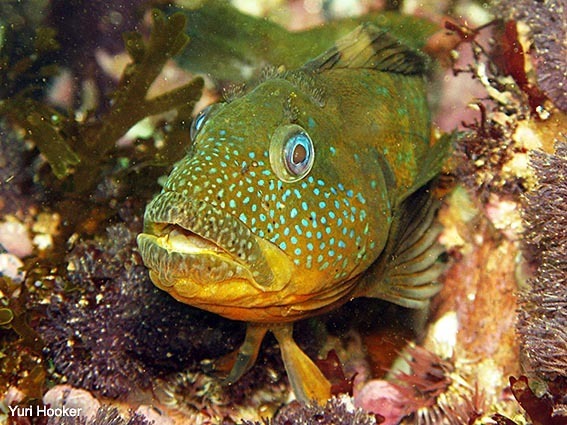 Chalapo Clinid
Labrisomus philippii
Sources and credits
Names and taxonomy: WoRMS (CC BY 4.0) and the GBIF Backbone (CC BY 4.0). Photos: iNaturalist observers, each under the licence shown (CC0, CC BY or CC BY-SA).
- Depth, temperature, months and maps: records from OBIS and GBIF under CC0 or CC BY.
- Descriptions: Wikipedia, licensed CC BY-SA, each linked to its article.
- Conservation status as published by GBIF (IUCN Red List).
- 471 open-data records from 1895 to 2023.
- Species data updated November 11, 2026.
Log what you see on your next dive
The free DiveHive diver app keeps your logbook with every sighting and shows what lives at the site you dive next.