
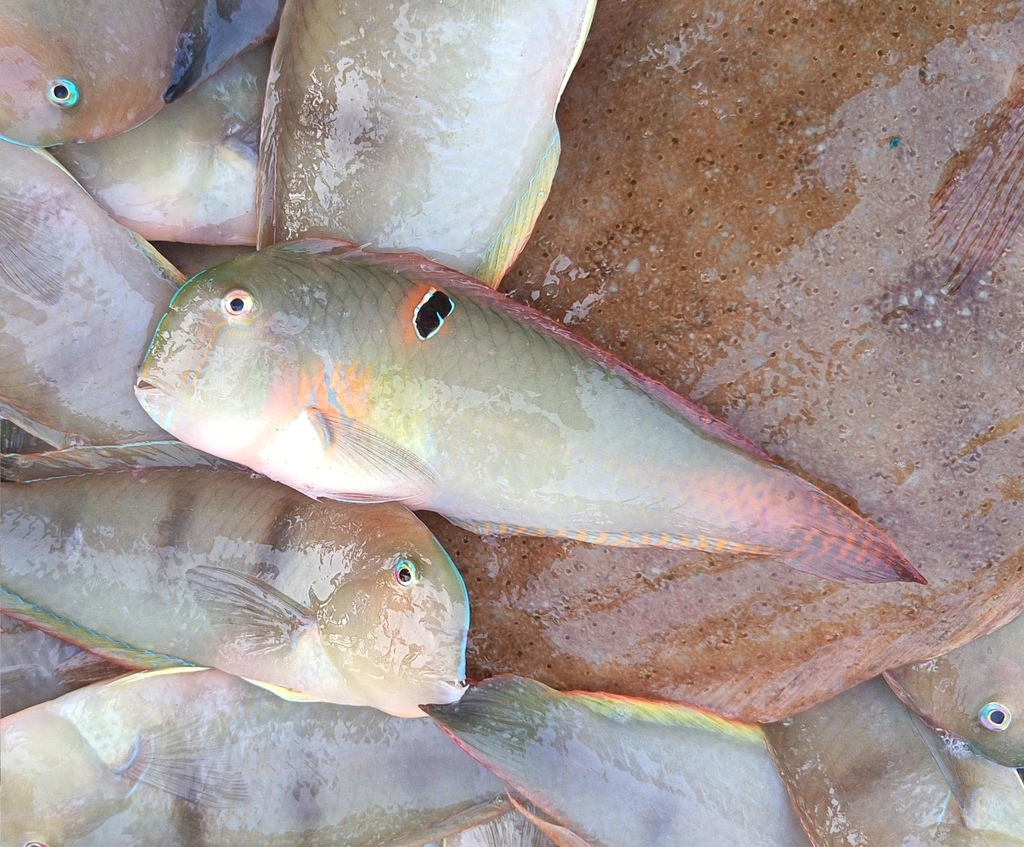
Blackspot Razorfish
Iniistius evides
- Usual depth5 m
- Water temperature25–29 °C
- Best monthsAugust
- How commonRare
Photo credit: no rights reserved · CC0 1.0 · iNaturalist
About this species
Iniistius evides is a species of marine ray-finned fish from the wrasse family Labridae. It is found in the western Pacific Ocean.
Text from the Wikipedia article “Iniistius evides”, licensed CC BY-SA 4.0. Read the article
Where and when
Where it has been recorded
Worldwide
Best months
Worldwide (open data)
- January: 1 record
- February: 1 record
- March: 2 records
- April: 0 records
- May: 1 record
- June: 4 records
- July: 2 records
- August: 10 records
- September: 5 records
- October: 0 records
- November: 0 records
- December: 0 records
Depth and water temperature
Depth
Mostly recorded at 5 m · Deepest record: 5 m
Water temperature
Recorded in surface water of 25–29 °C
Photos
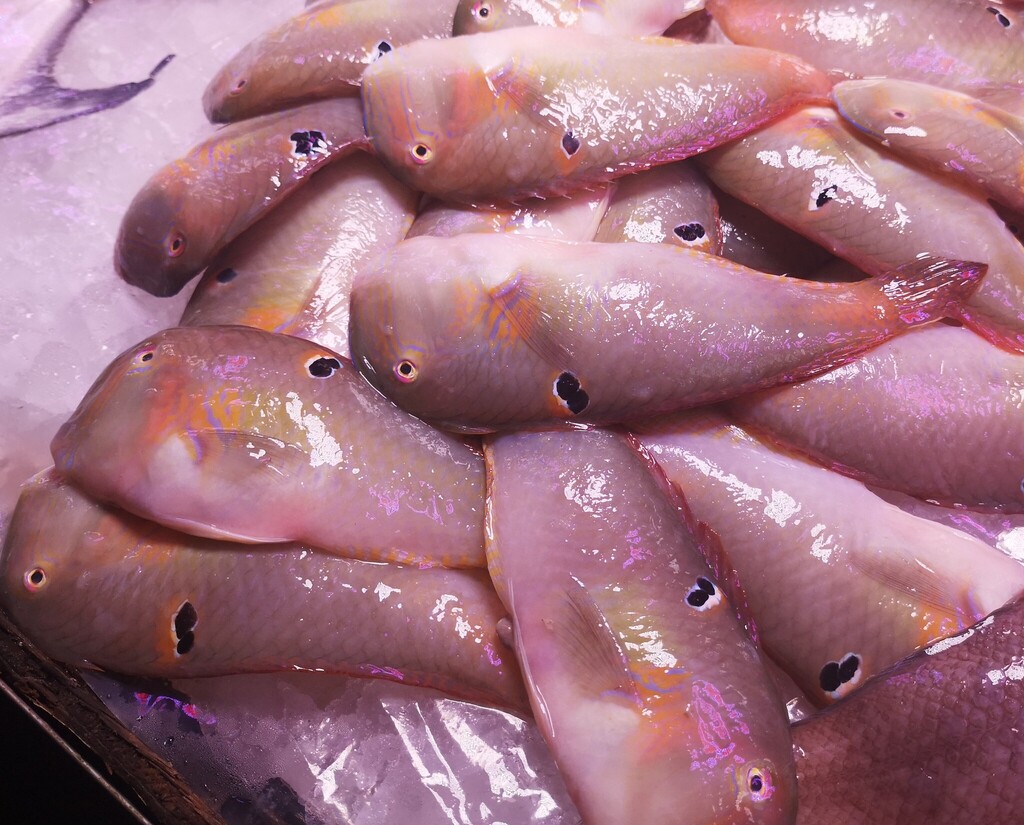
no rights reserved · CC0 1.0 · iNaturalist
Names and classification
- English
- Blackspot Razorfish
Names in 3 more languages
- Japanese
- Hoshihirabera, ホシヒラベラ
- Thai
- ปลานกขุนทองบางหลังแต้มดำ
- Simplified Chinese
- 麗虹彩鯛
Other scientific names: Hemipteronotus evides, Hemipteronotus maculosus, Xyrichthys evides, Xyrichtys evides
Similar species
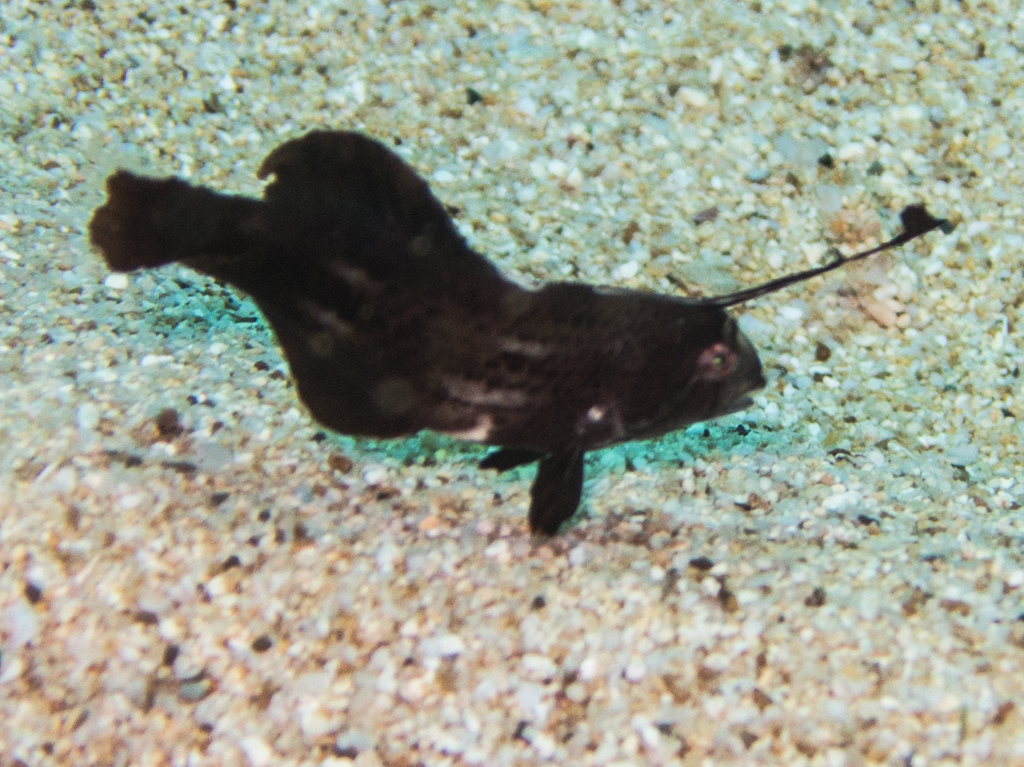 Peacock razorfish
Iniistius pavo
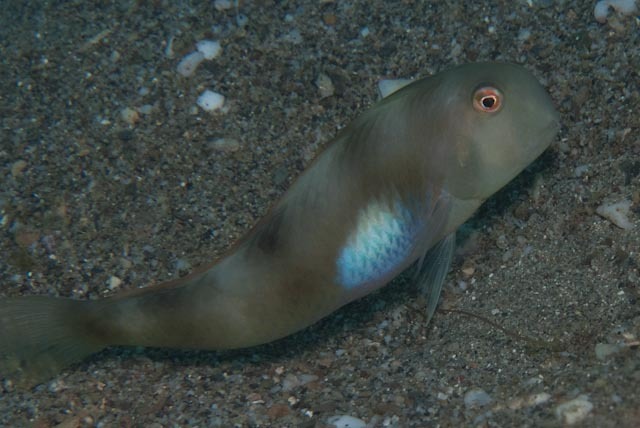 Pale Razorfish
Iniistius aneitensis
 Two-spot Razorfish
Iniistius bimaculatus
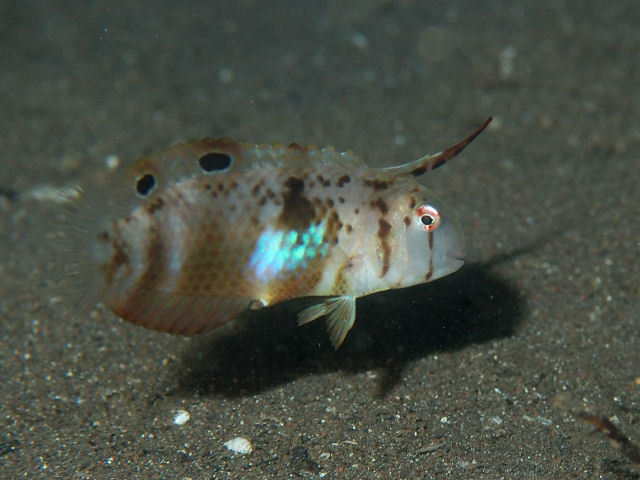 Blackspot Razorfish
Iniistius dea
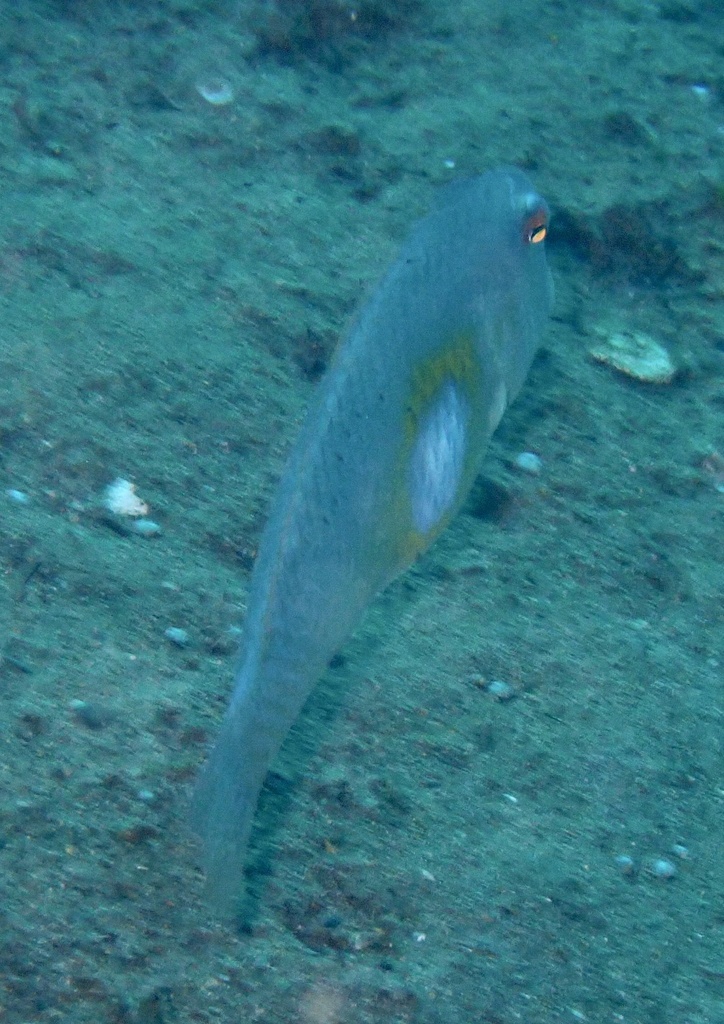 Fin-spot Razor Wrasse
Iniistius melanopus
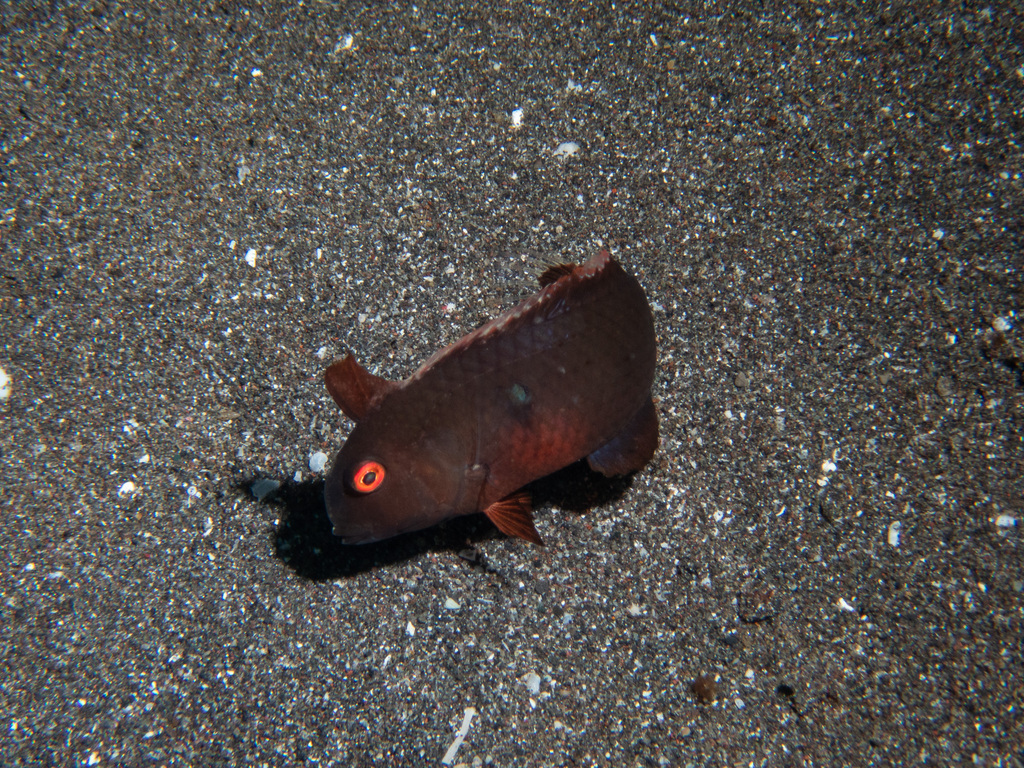 Five-finger Razorfish
Iniistius pentadactylus
Sources and credits
Names and taxonomy: WoRMS (CC BY 4.0) and the GBIF Backbone (CC BY 4.0). Photos: iNaturalist observers, each under the licence shown (CC0, CC BY or CC BY-SA).
- Depth, temperature, months and maps: records from OBIS and GBIF under CC0 or CC BY.
- Descriptions: Wikipedia, licensed CC BY-SA, each linked to its article.
- Conservation status as published by GBIF (IUCN Red List).
- 59 open-data records from 1988 to 2018.
- Species data updated November 3, 2026.
Log what you see on your next dive
The free DiveHive diver app keeps your logbook with every sighting and shows what lives at the site you dive next.