
DiscoverSpeciesCorals and anemones
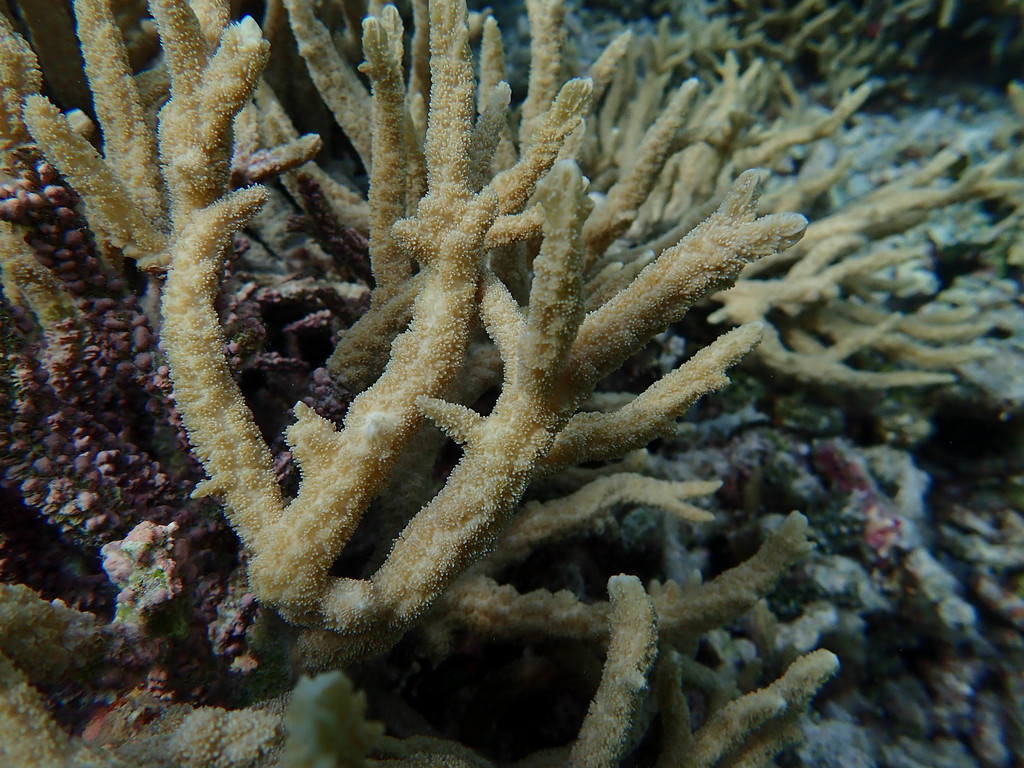
Spine coral
Hydnophora rigida
- Usual depth3–43 m
- Water temperature23–30 °C
- Best monthsFebruary
- How commonOccasional
Photo credit: (c) Ryan McMinds, some rights reserved (CC BY) · CC BY · flickr.com
About this species
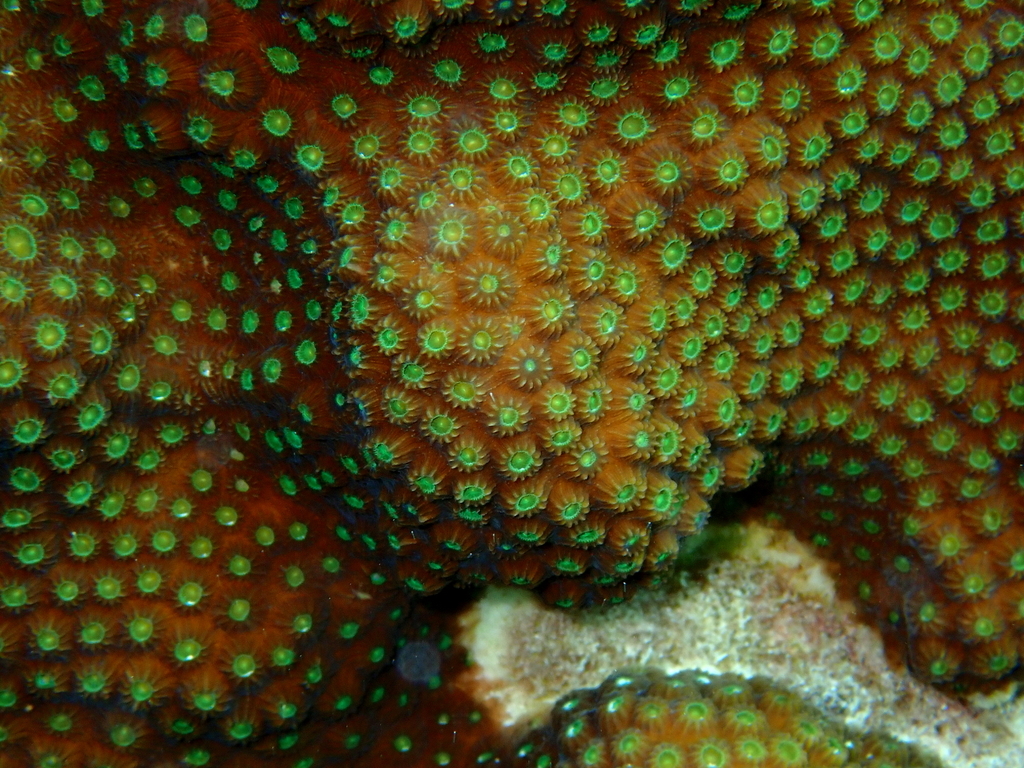
Hydnophora rigida, commonly known as horn coral, are found in reefs and are in the genus Hydnophora. They were first described by James Dwight Dana in 1846. Their color is naturally green and brown, or sometimes cream. They can also become fluorescent green and cyano-red emission.
Text from the Wikipedia article “Hydnophora rigida”, licensed CC BY-SA 4.0. Read the article
Where and when
Where it has been recorded
Worldwide
Best months
Worldwide (open data)
- January: 19 records
- February: 219 records
- March: 23 records
- April: 30 records
- May: 49 records
- June: 34 records
- July: 28 records
- August: 62 records
- September: 36 records
- October: 19 records
- November: 28 records
- December: 22 records
Depth and water temperature
Depth
Mostly recorded at 3–43 m · Deepest record: 67 m
Water temperature
Recorded in surface water of 23–30 °C
Photos
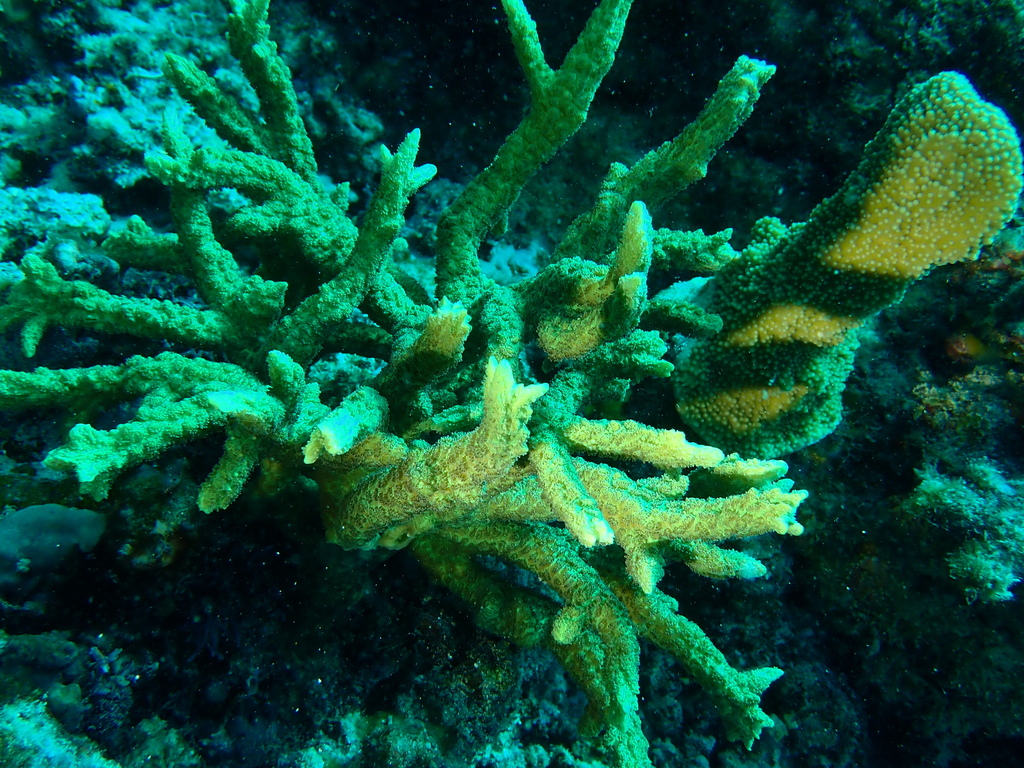
(c) Debra Baker, some rights reserved (CC BY) · CC BY · iNaturalist 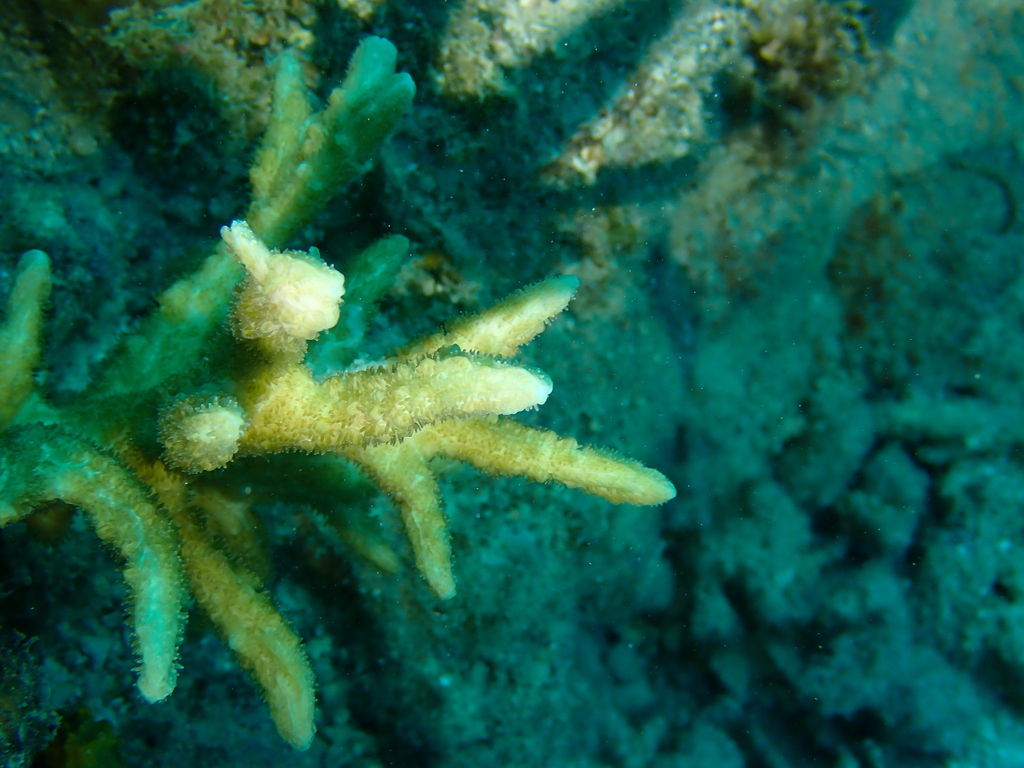
(c) Debra Baker, some rights reserved (CC BY) · CC BY · iNaturalist 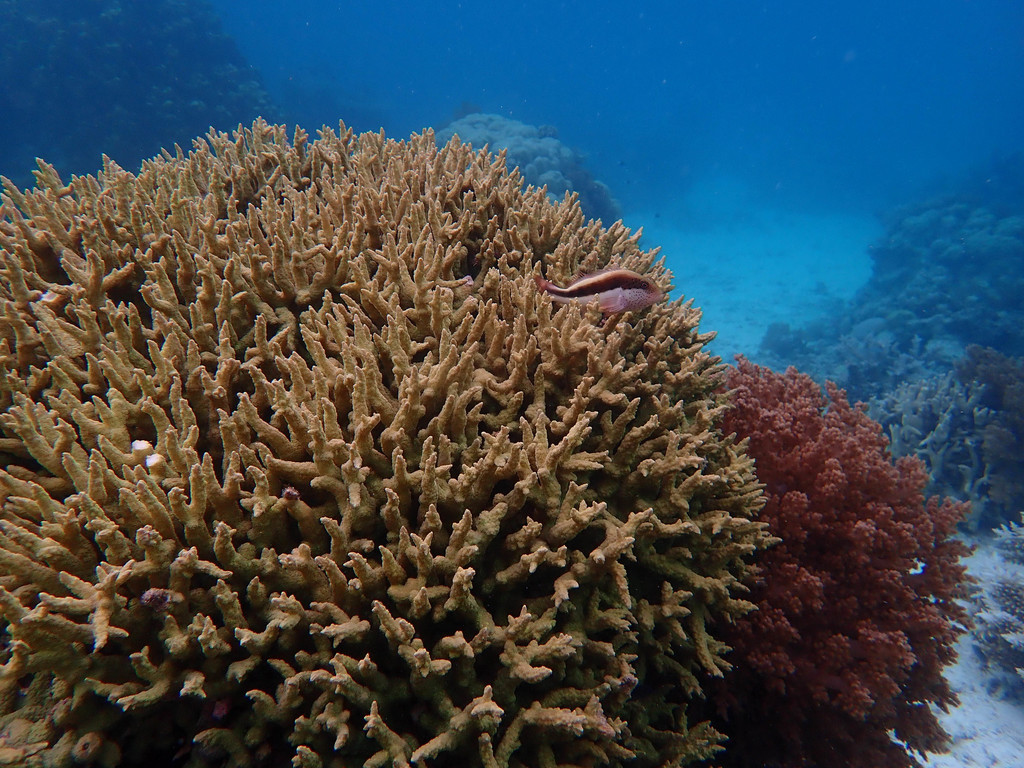
(c) Ryan McMinds, some rights reserved (CC BY) · CC BY · iNaturalist 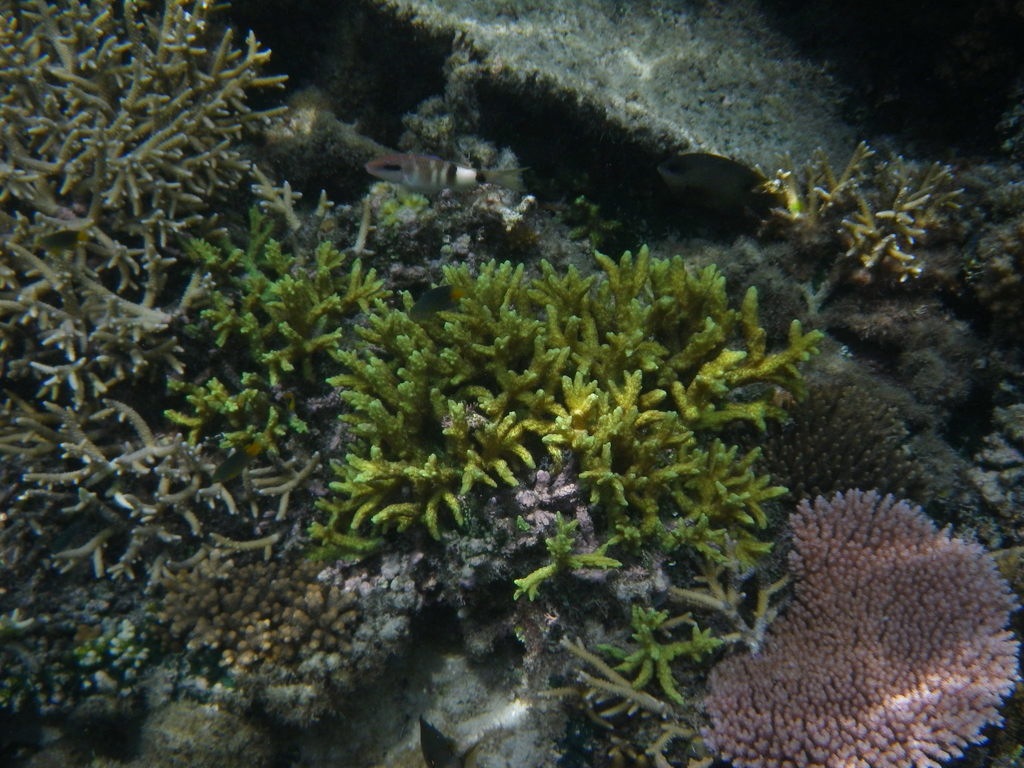
(c) Yves Bas, some rights reserved (CC BY) · CC BY · iNaturalist 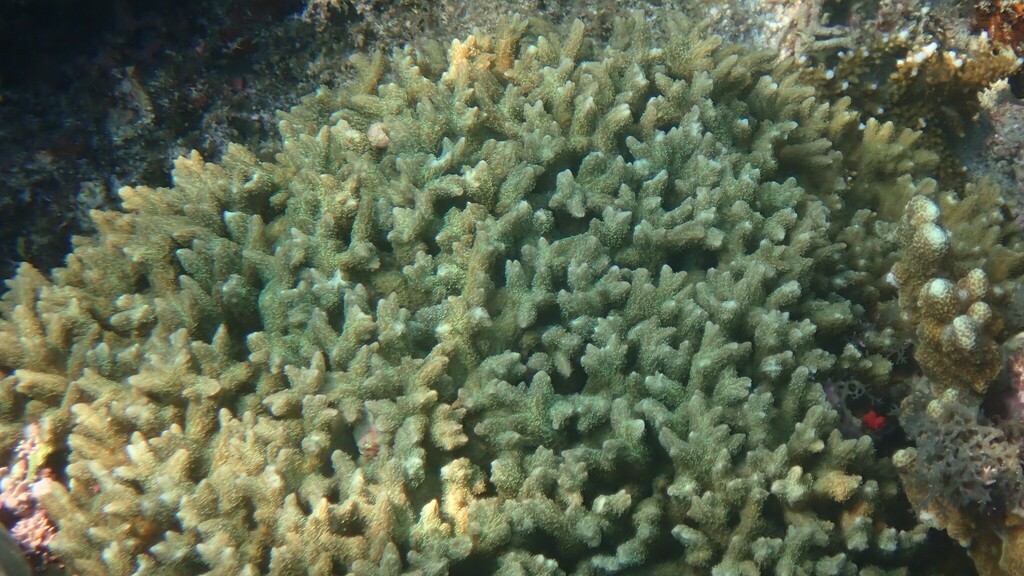
(c) Nicola Crockford, some rights reserved (CC BY) · CC BY · iNaturalist 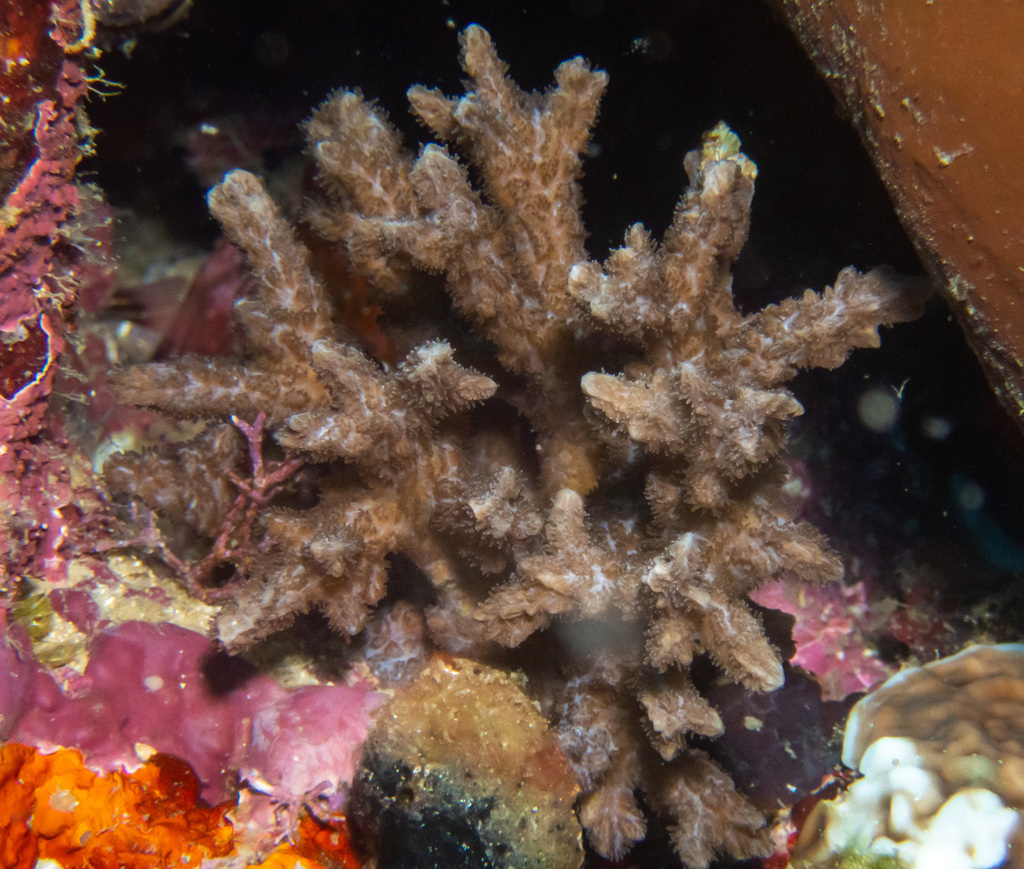
(c) portioid, some rights reserved (CC BY) · CC BY · iNaturalist 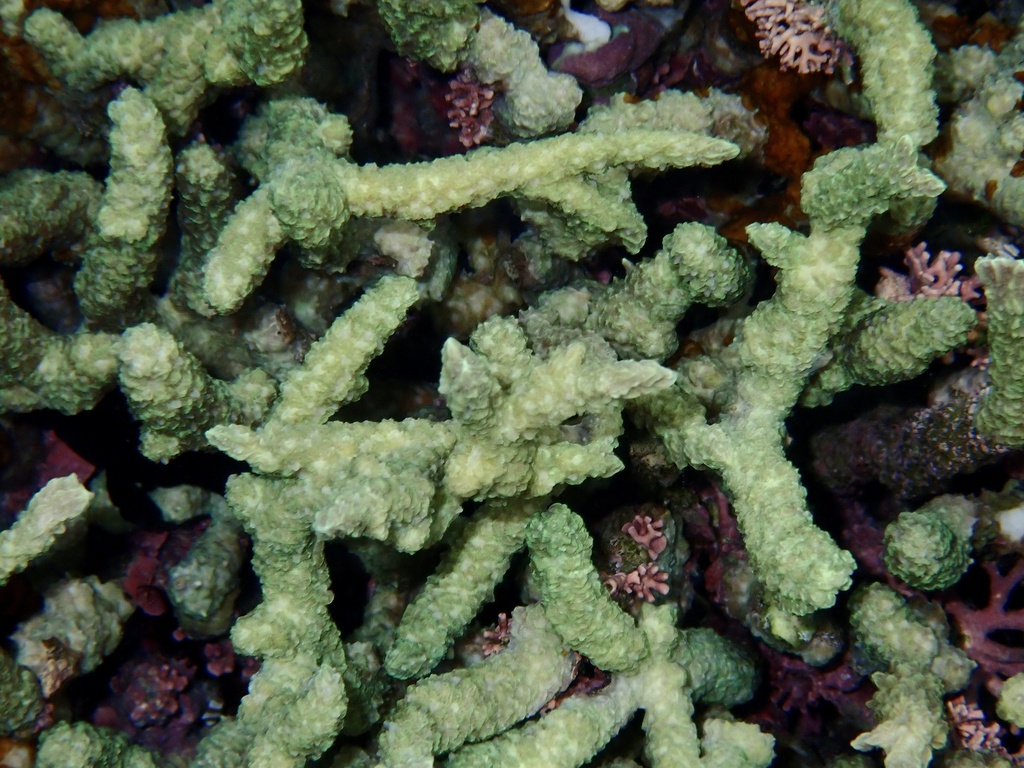
no rights reserved · CC0 1.0 · iNaturalist
Names and classification
- English
- Spine coral, spine coral
Names in 2 more languages
- German
- Stachelkoralle
- Japanese
- エダイボサンゴ
Other scientific names: Clavarina composita, Hydnophora (Clavarina) rigida, Hydnophora breviconus, Hydnophora columellata, Hydnophora laxa, Hydnophora mayori, Hydnophora ramosa, Merulina laxa, Merulina prolifera, Merulina rigida
Similar species
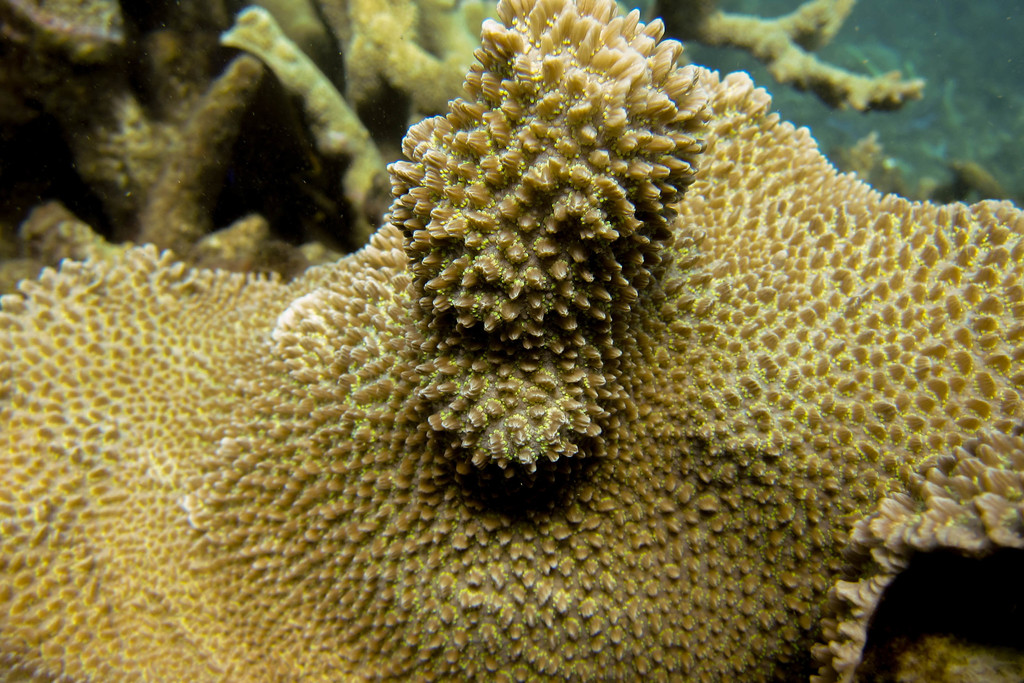 Spine coral
Hydnophora exesa
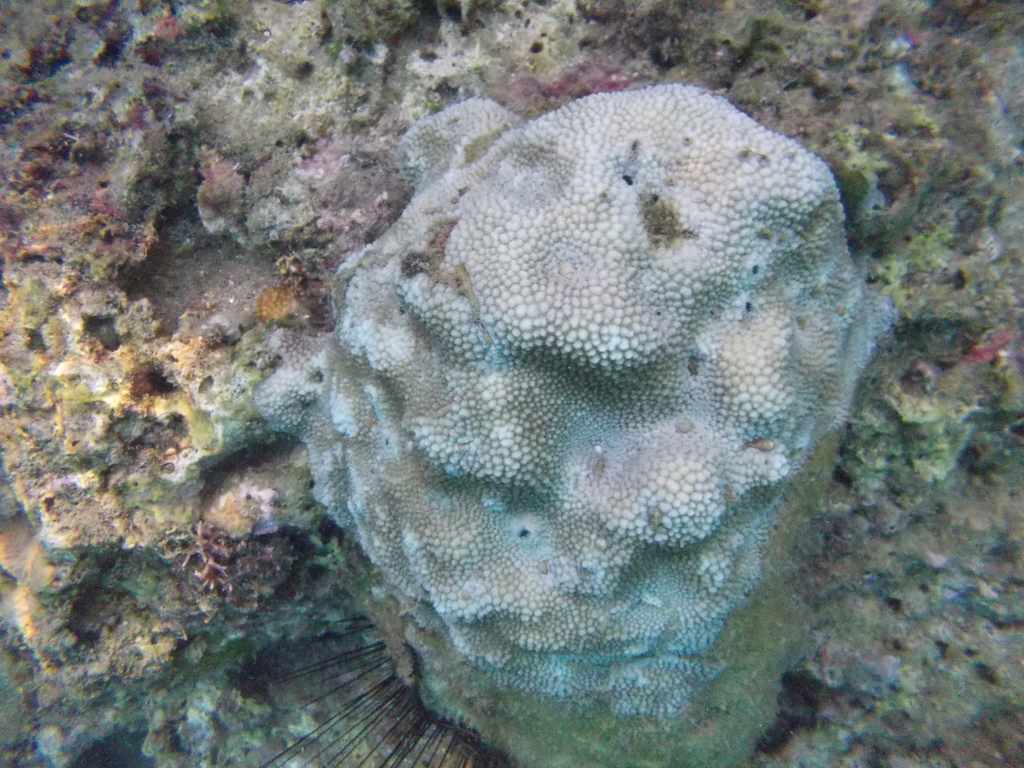 Spine coral
Hydnophora microconos
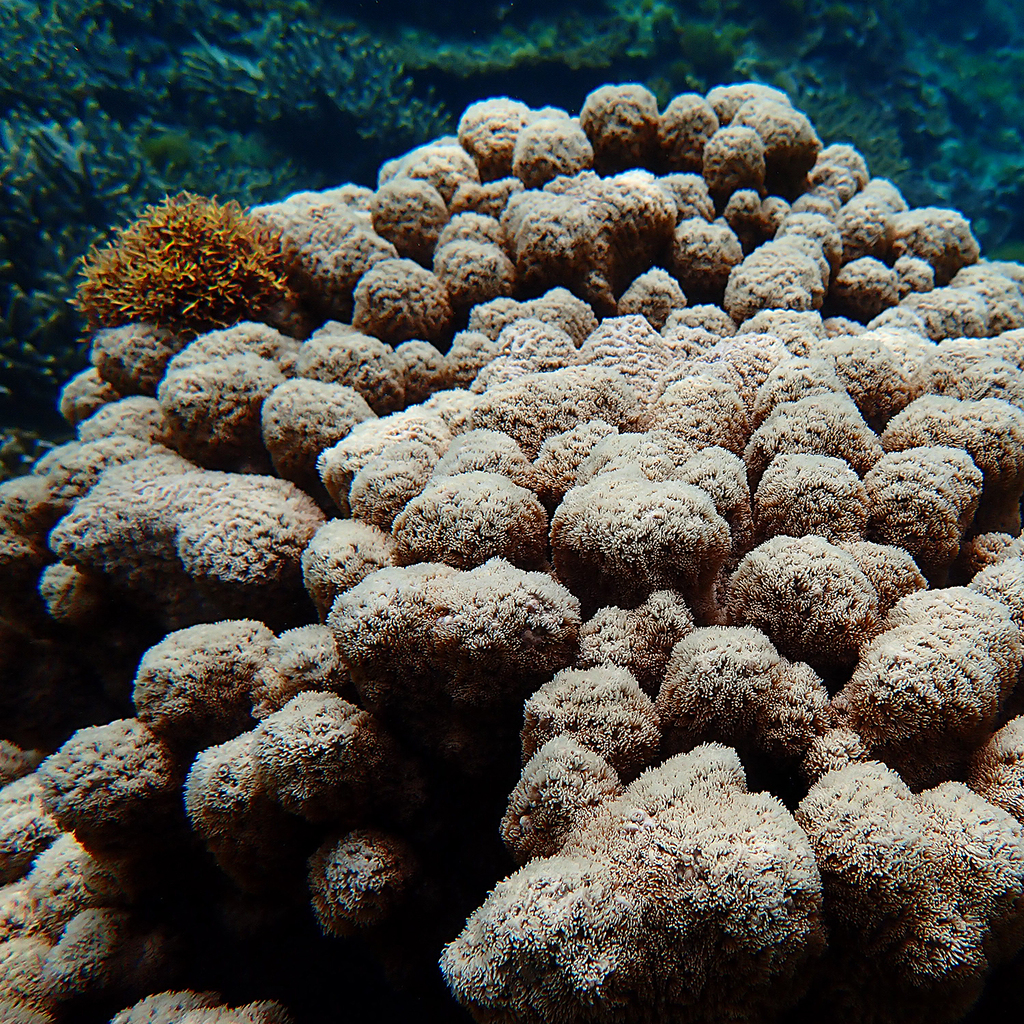 Spine coral
Hydnophora pilosa
- Spine coral
Hydnophora grandis
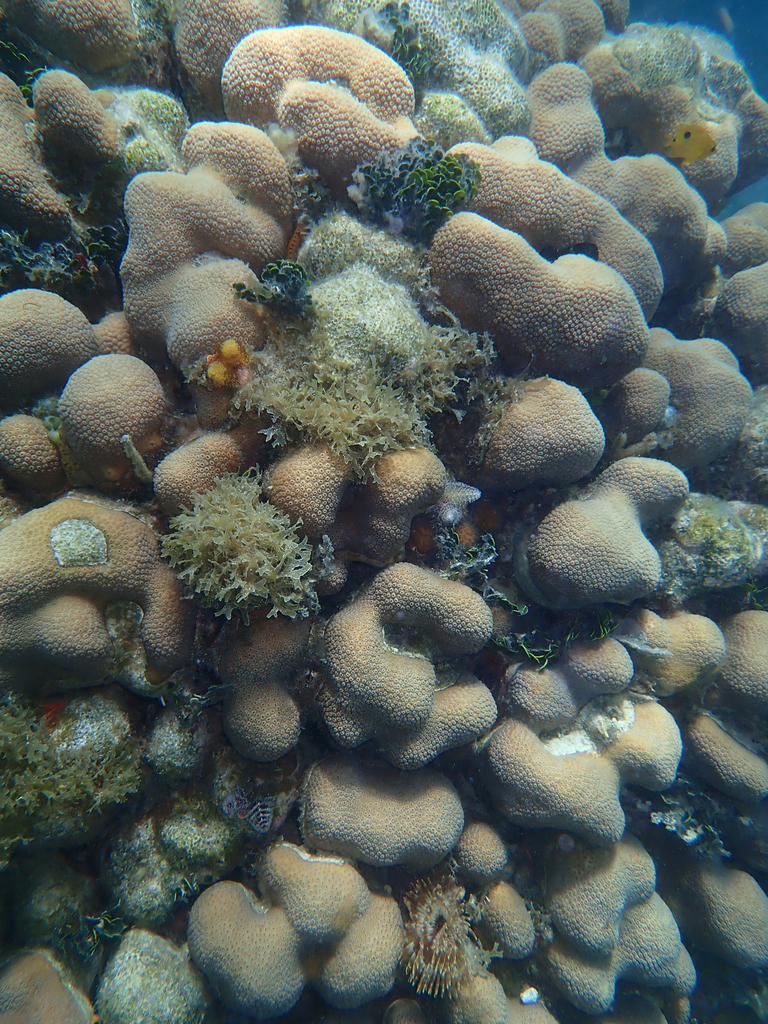 boulder coral
Orbicella annularis
 Boulder star coral
Orbicella faveolata
Sources and credits
Names and taxonomy: WoRMS (CC BY 4.0) and the GBIF Backbone (CC BY 4.0). Photos: iNaturalist observers, each under the licence shown (CC0, CC BY or CC BY-SA).
- Depth, temperature, months and maps: records from OBIS and GBIF under CC0 or CC BY.
- Descriptions: Wikipedia, licensed CC BY-SA, each linked to its article.
- Conservation status as published by GBIF (IUCN Red List).
- 601 open-data records from 1846 to 2012.
- Species data updated October 30, 2026.
Log what you see on your next dive
The free DiveHive diver app keeps your logbook with every sighting and shows what lives at the site you dive next.