
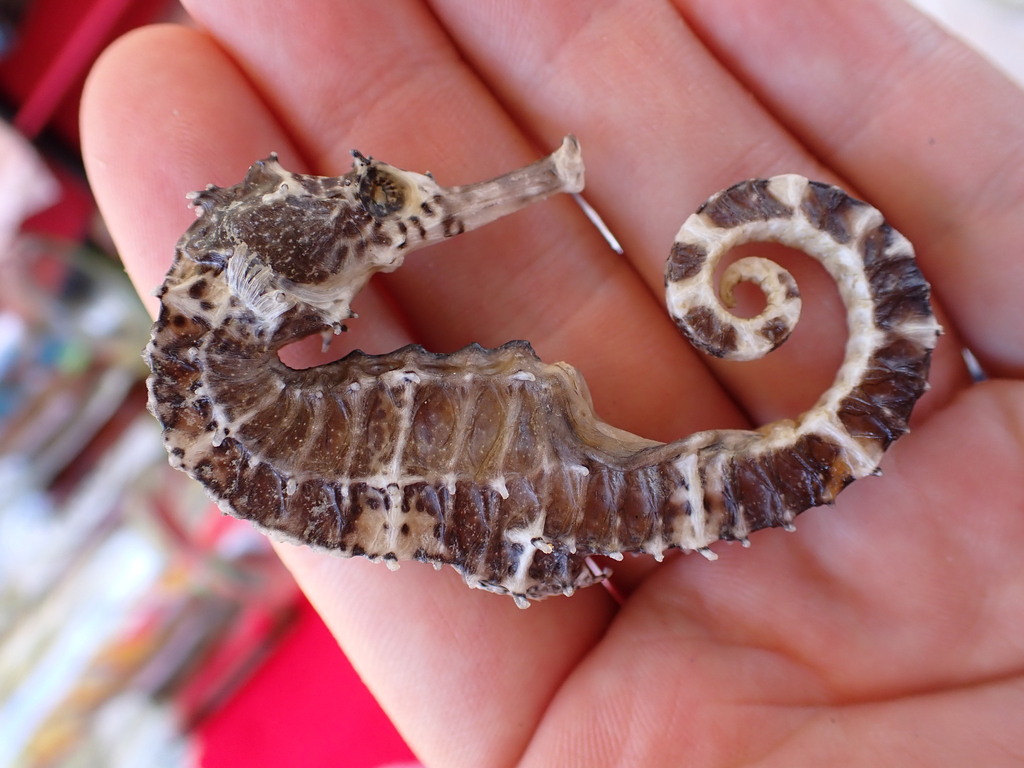
Tiger-tailed Seahorse
Hippocampus comes
- Usual depth265 m
- Water temperature26–29 °C
- Best monthsFebruary, March, and April
- How commonRare
Photo credit: (c) Louis Aureglia, some rights reserved (CC BY) · CC BY · iNaturalist
About this species
The tiger tail seahorse is a species of fish in the family Syngnathidae. The species was first described by Theodore Cantor in 1850. It is found in India, Indonesia, Malaysia, the Philippines, Singapore, Thailand and Vietnam. Its natural habitats are subtidal aquatic beds and coral reefs. It is threatened by habitat loss.
Text from the Wikipedia article “Tiger tail seahorse”, licensed CC BY-SA 4.0. Read the article
Where and when
Where it has been recorded
Worldwide
Best months
Worldwide (open data)
- January: 42 records
- February: 44 records
- March: 57 records
- April: 57 records
- May: 44 records
- June: 33 records
- July: 20 records
- August: 19 records
- September: 16 records
- October: 20 records
- November: 31 records
- December: 43 records
Depth and water temperature
Depth
Mostly recorded at 265 m · Deepest record: 265 m
Water temperature
Recorded in surface water of 26–29 °C
Photos
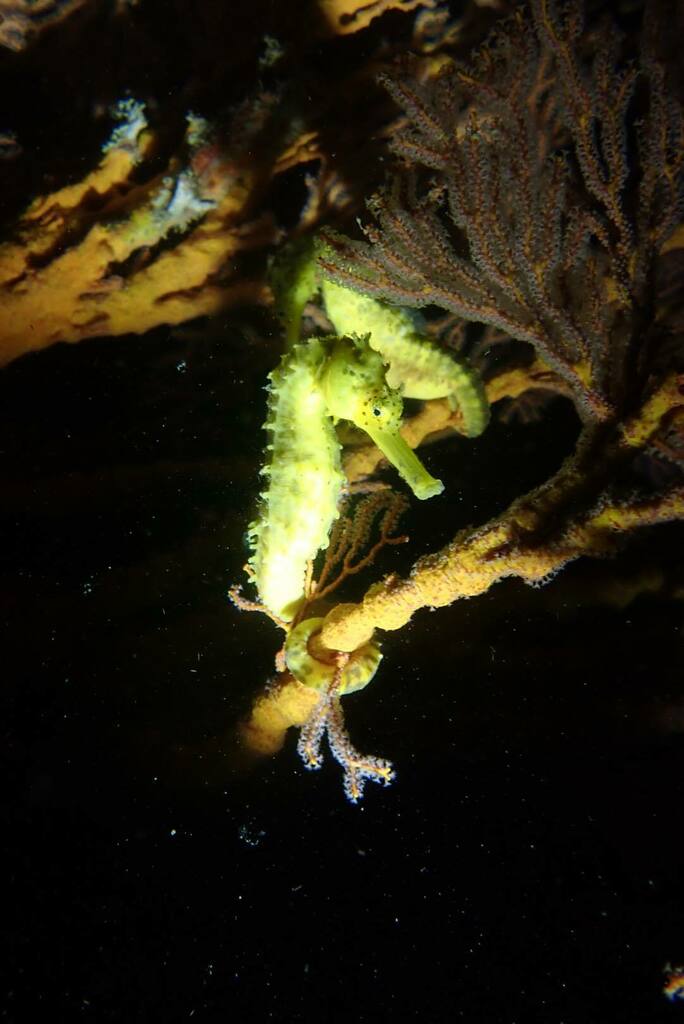
(c) ATMEC Team, some rights reserved (CC BY) · CC BY · iNaturalist 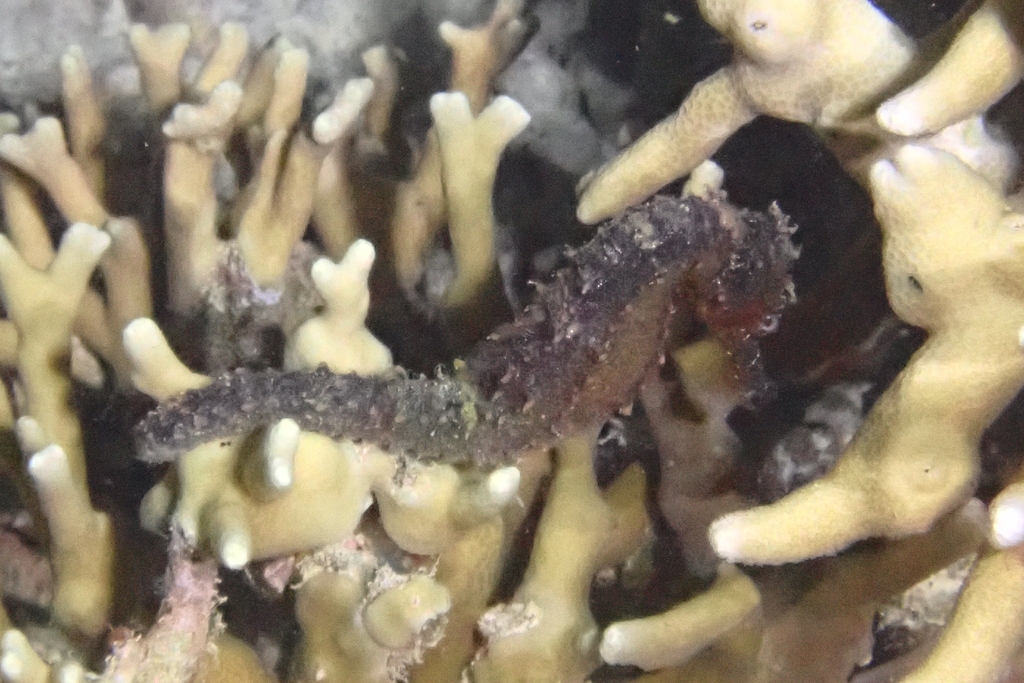
(c) Ben Costamagna, some rights reserved (CC BY) · CC BY · iNaturalist 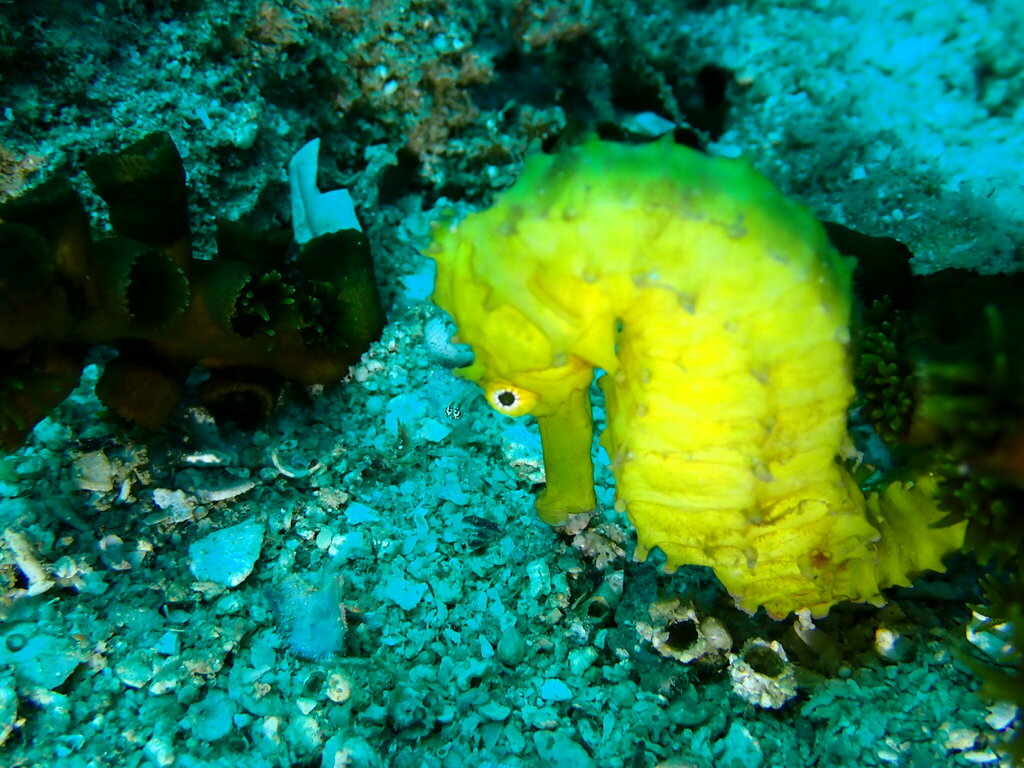
(c) Jakkarin Burananit, some rights reserved (CC BY) · CC BY · iNaturalist 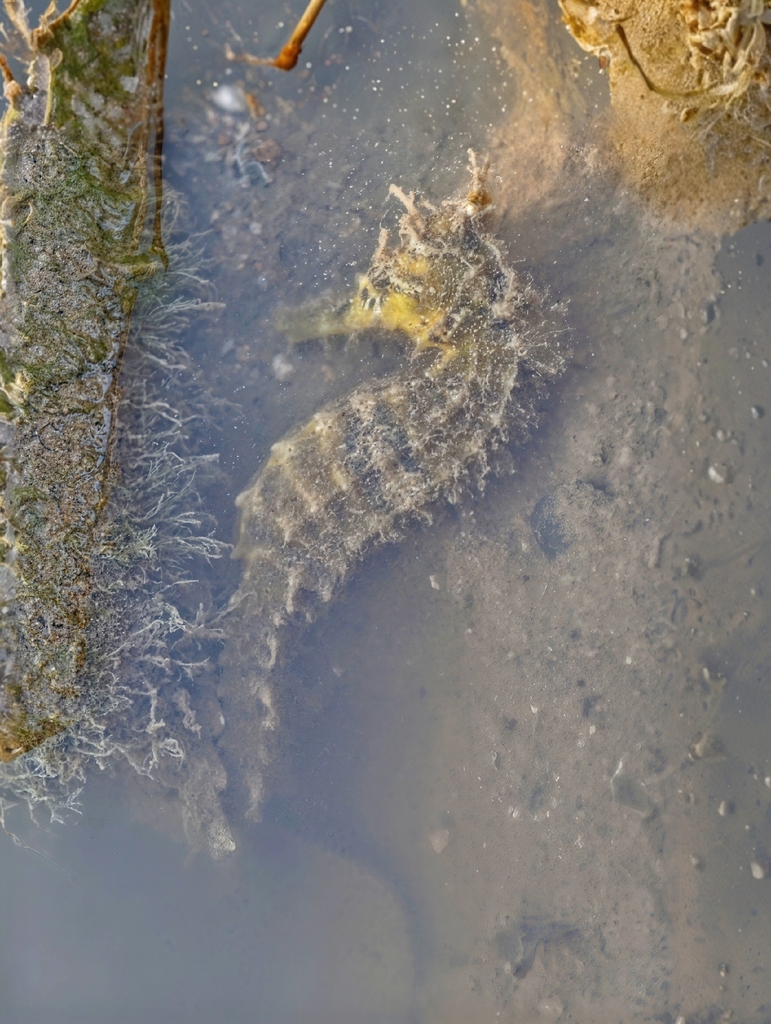
(c) Doreen, some rights reserved (CC BY) · CC BY · iNaturalist 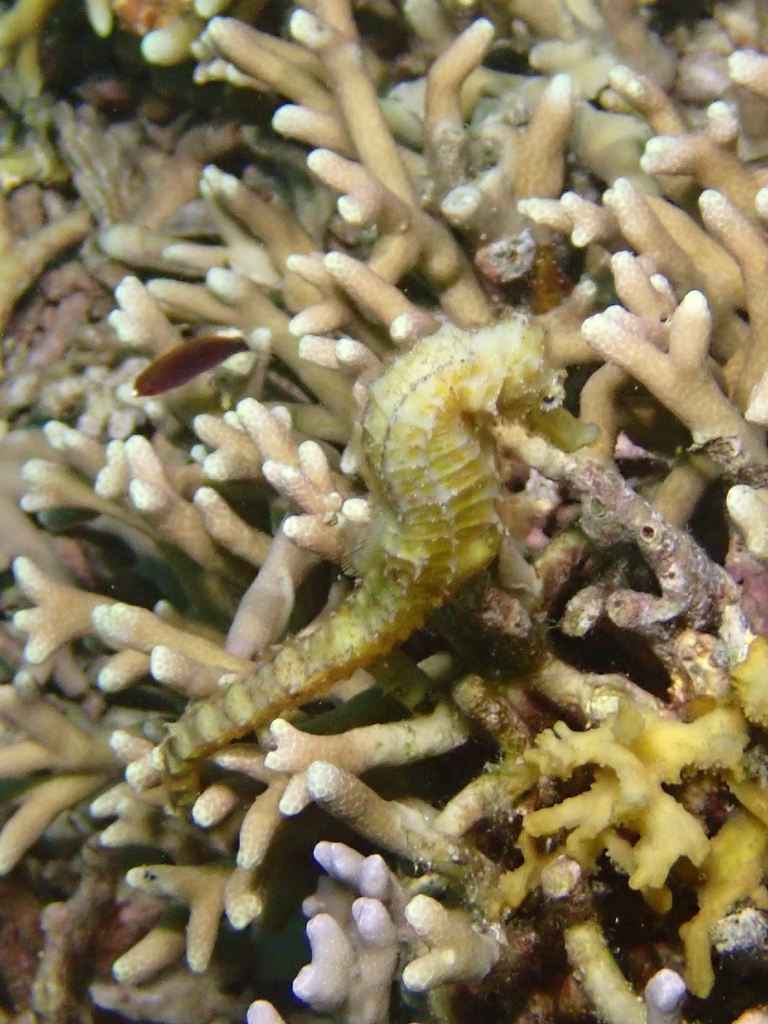
(c) Ben Costamagna, some rights reserved (CC BY) · CC BY · iNaturalist 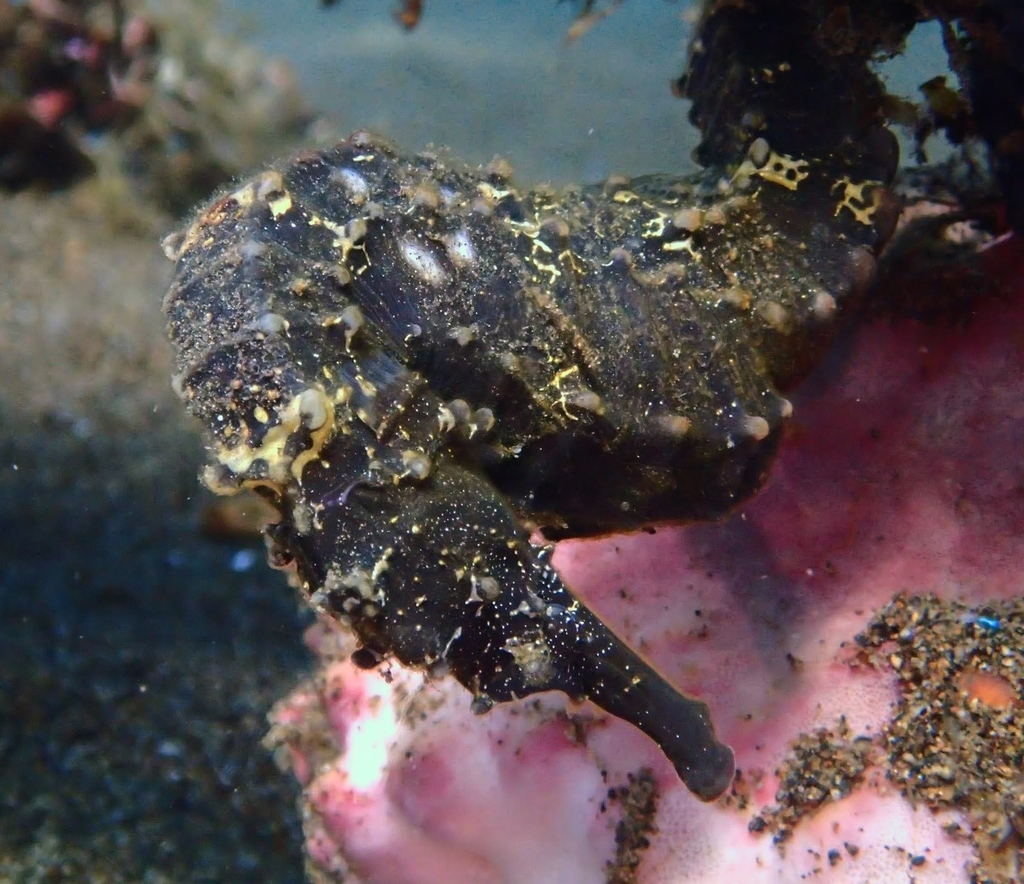
(c) Dan Schofield, some rights reserved (CC BY) · CC BY · iNaturalist 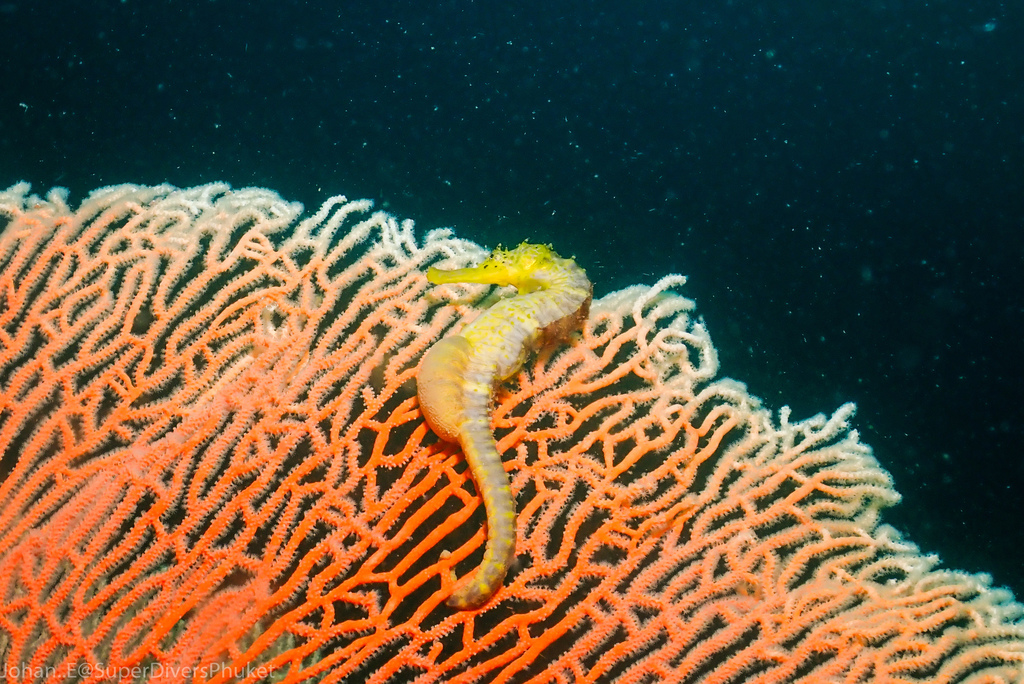
(c) ATMEC Team, some rights reserved (CC BY) · CC BY · iNaturalist
Names and classification
- English
- Tiger-tailed Seahorse, Tiger-tail Seahorse, Tiger Tail Seahorse
Names in 5 more languages
- German
- Tigerschwanz-Seepferdchen
- Spanish
- Caballito de Mar Cola de Tigre
- Indonesian
- Kuda laut ekor harimau
- Thai
- Ma Num Hang Plong, ม้าน้ำหางลายเสือ
- Simplified Chinese
- 虎尾海馬
Similar species
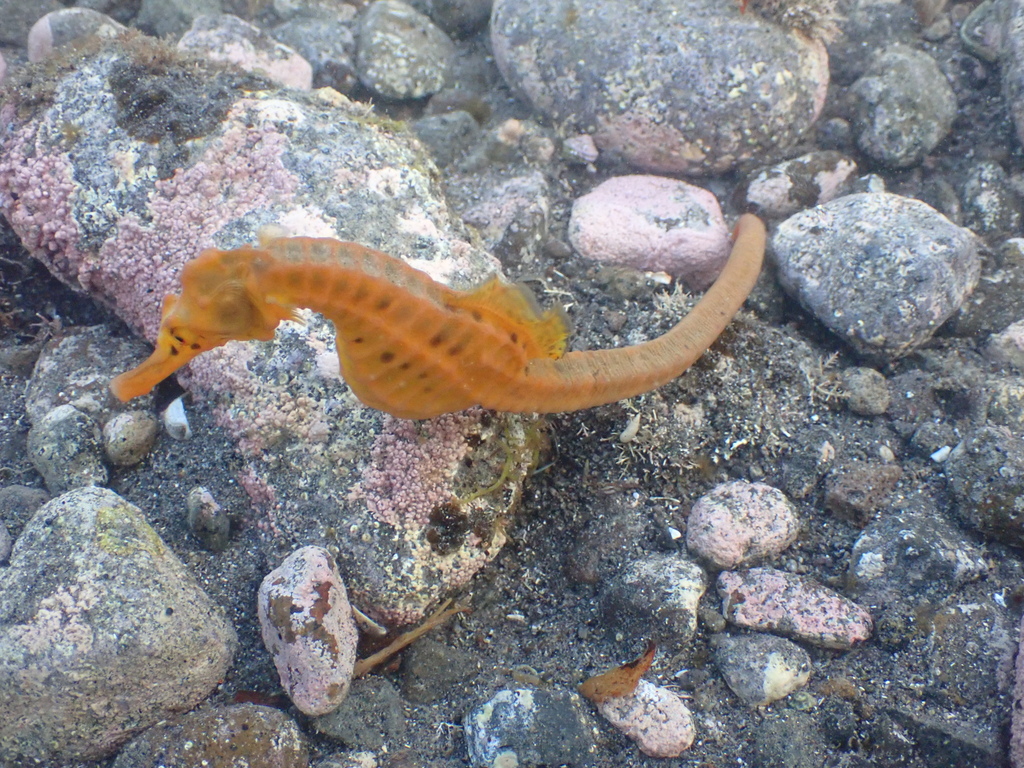 Australian Pot-belly Seahorse
Hippocampus abdominalis
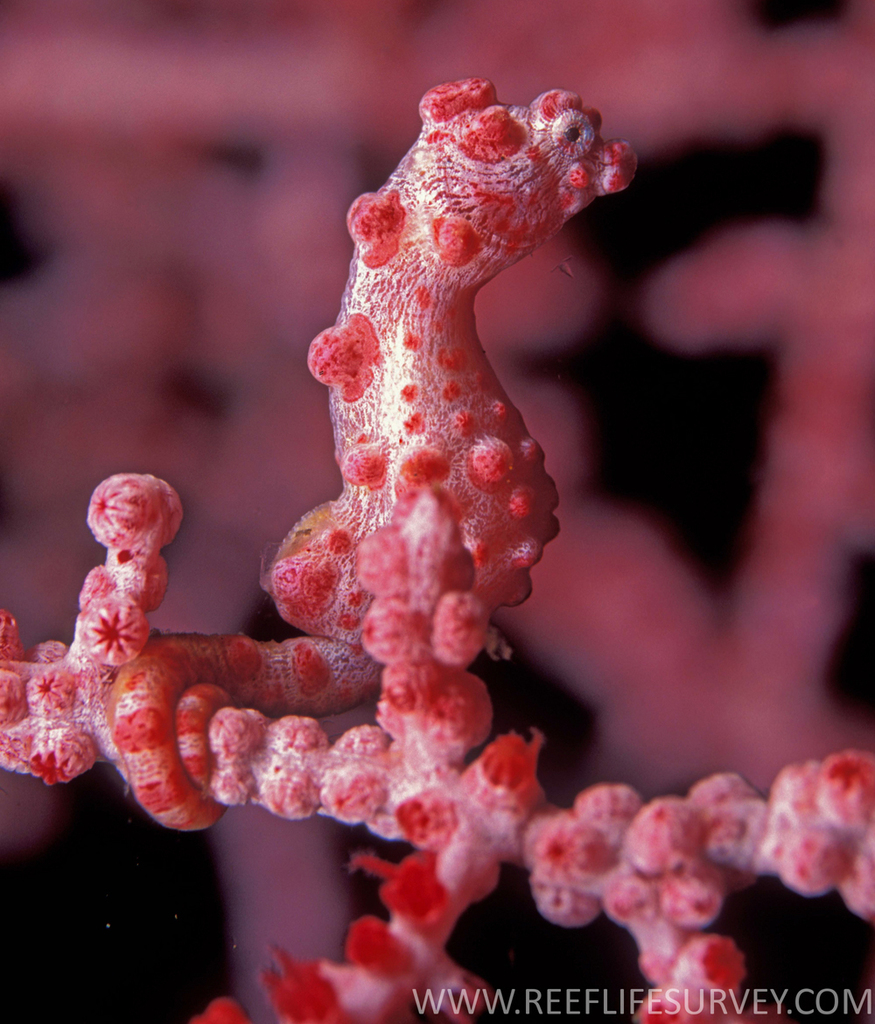 Bargibant's Pygmy Seahorse
Hippocampus bargibanti
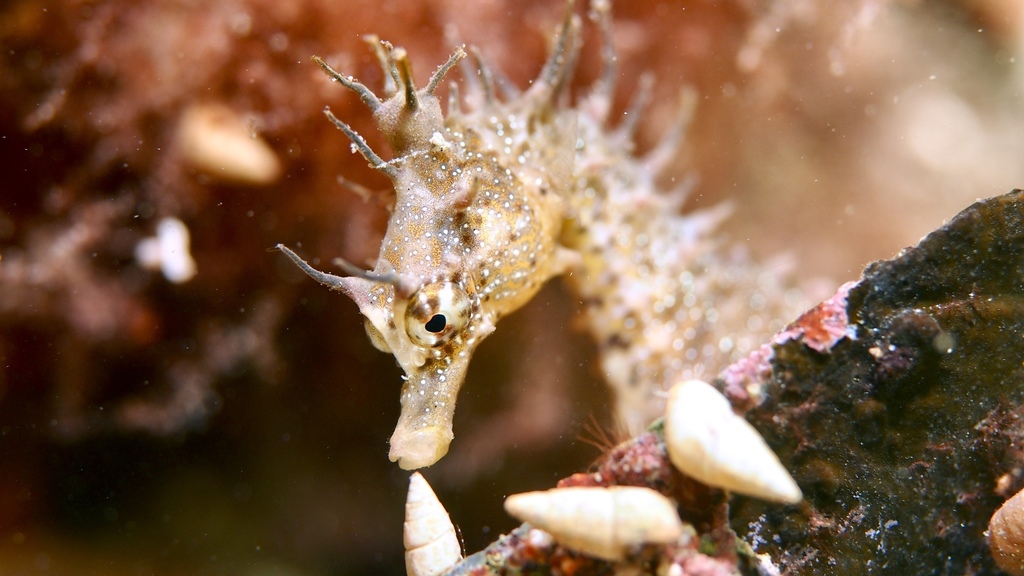 Knobby Seahorse
Hippocampus breviceps
 Lined seahorse
Hippocampus erectus
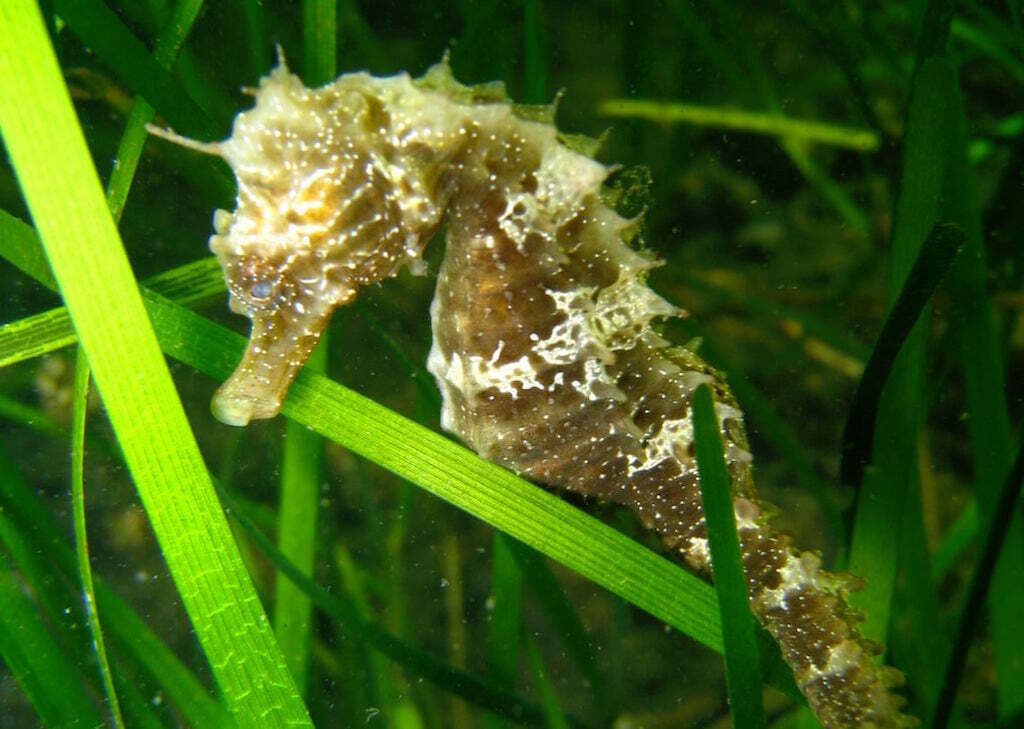 Long-snouted seahorse
Hippocampus guttulatus
 Seahorse
Hippocampus hippocampus
Sources and credits
Names and taxonomy: WoRMS (CC BY 4.0) and the GBIF Backbone (CC BY 4.0). Photos: iNaturalist observers, each under the licence shown (CC0, CC BY or CC BY-SA).
- Depth, temperature, months and maps: records from OBIS and GBIF under CC0 or CC BY.
- Descriptions: Wikipedia, licensed CC BY-SA, each linked to its article.
- Conservation status as published by GBIF (IUCN Red List).
- 137 open-data records from 1996 to 2024.
- Species data updated November 3, 2026.
Log what you see on your next dive
The free DiveHive diver app keeps your logbook with every sighting and shows what lives at the site you dive next.