

DiscoverSpeciesOther invertebrates
Pacific blood star
Henricia leviuscula
- Usual depth6–20 m
- Water temperature7–16 °C
- Best monthsNovember
- How commonCommon
Photo credit: (c) Jerry Kirkhart, some rights reserved (CC BY) · CC BY · flickr.com
About this species
Henricia leviuscula, commonly called the Pacific blood star, is a species of sea star found along the Pacific coast of North America.
Text from the Wikipedia article “Henricia leviuscula”, licensed CC BY-SA 4.0. Read the article
Where and when
Where it has been recorded
Worldwide
Best months
Worldwide (open data)
- January: 106 records
- February: 146 records
- March: 144 records
- April: 210 records
- May: 267 records
- June: 273 records
- July: 212 records
- August: 210 records
- September: 146 records
- October: 125 records
- November: 28,812 records
- December: 102 records
Depth and water temperature
Depth
Mostly recorded at 6–20 m · Deepest record: 730 m
Water temperature
Recorded in surface water of 7–16 °C
Photos
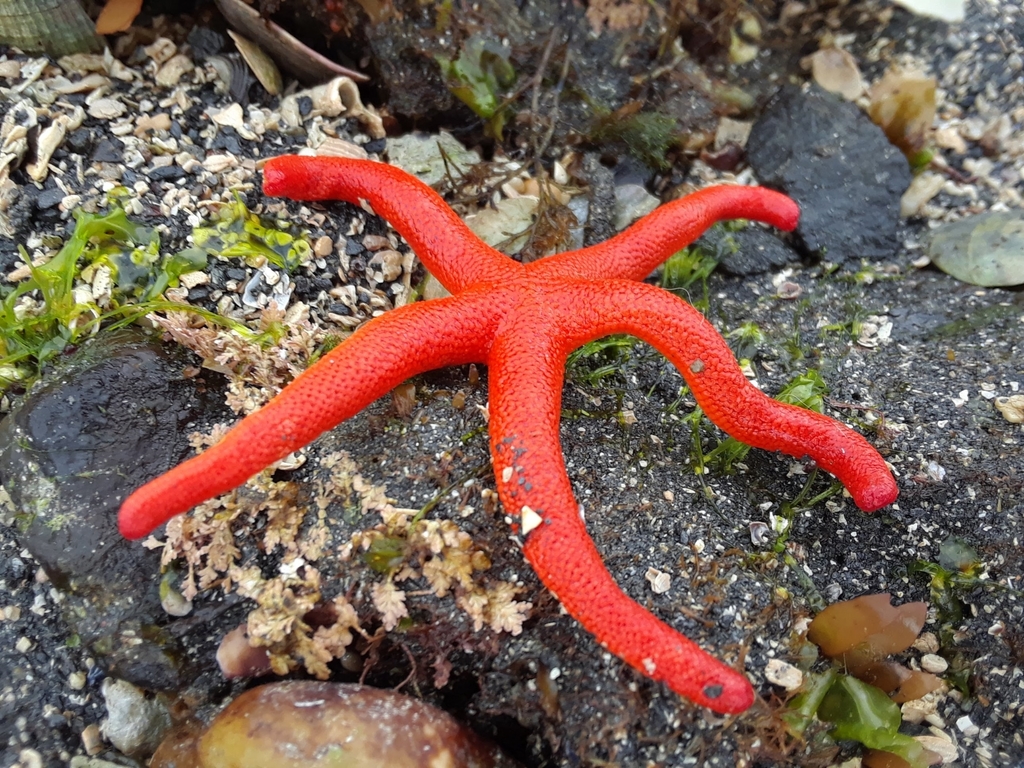
(c) florawhite, some rights reserved (CC BY) · CC BY · iNaturalist 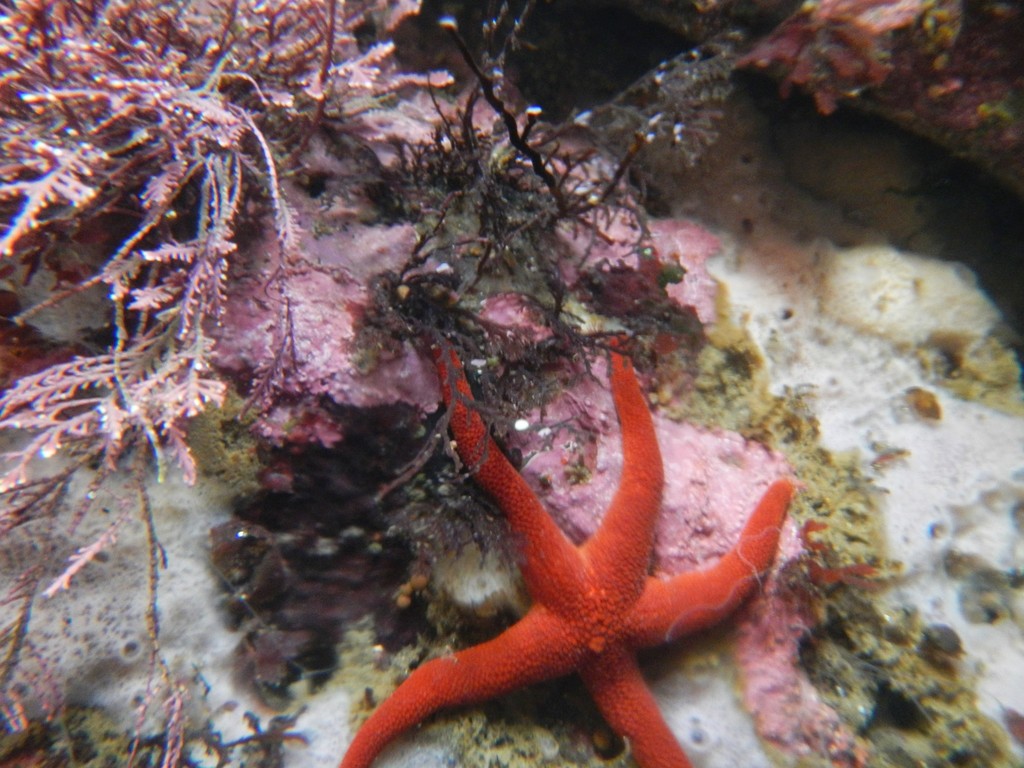
(c) Lee Cain, some rights reserved (CC BY) · CC BY · iNaturalist 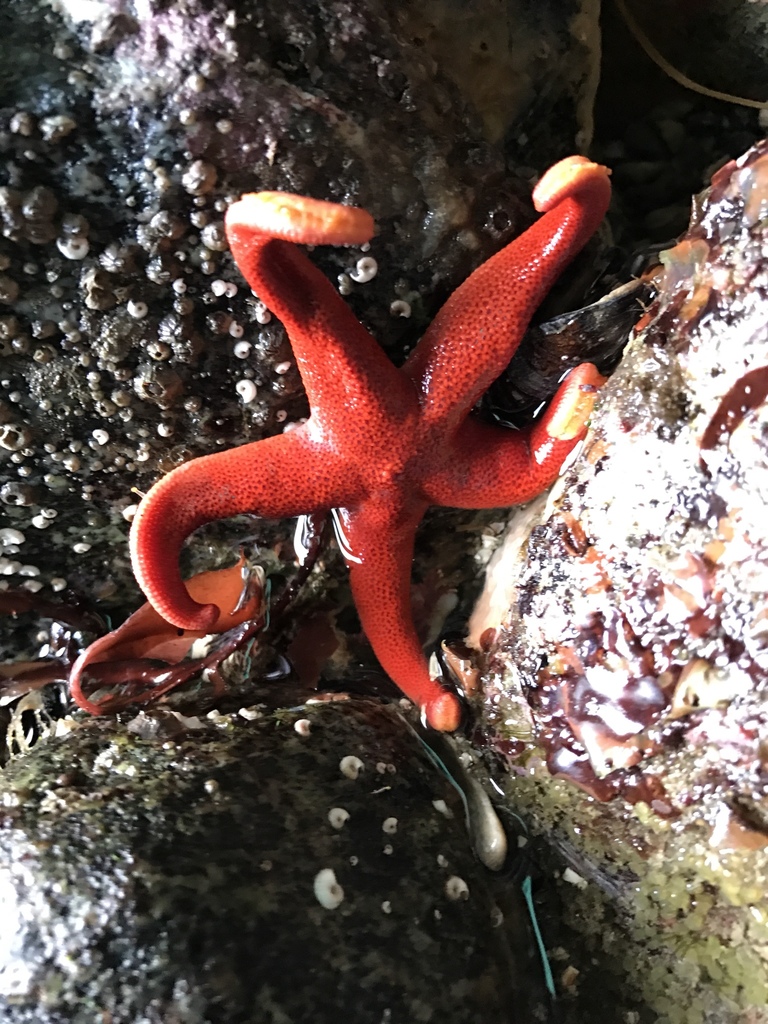
no rights reserved · CC0 1.0 · iNaturalist 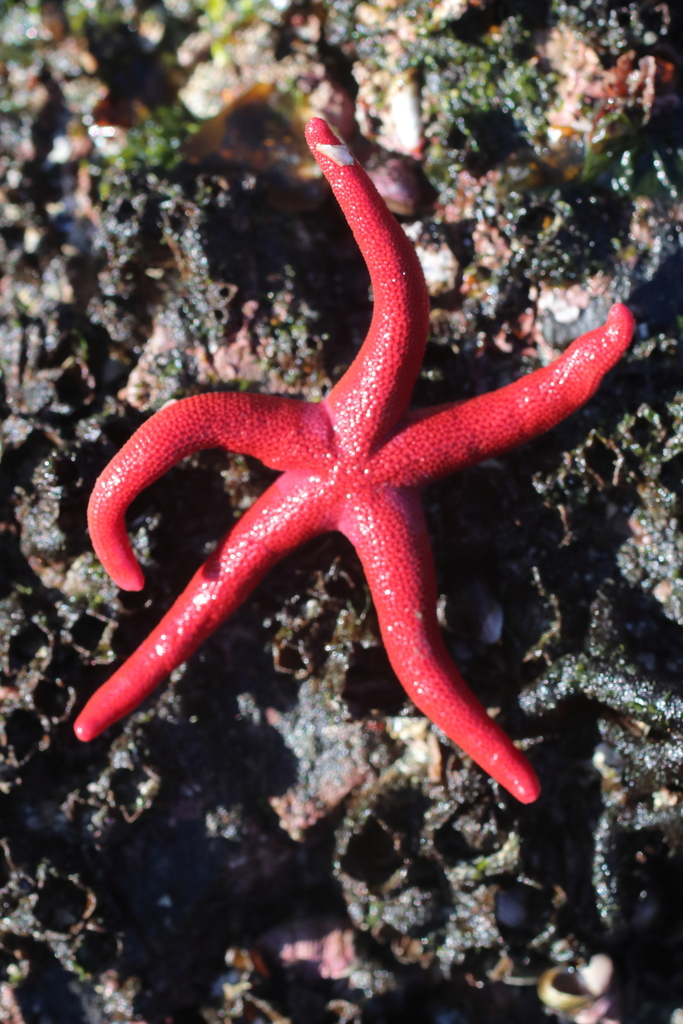
(c) Erin McKittrick, some rights reserved (CC BY) · CC BY · iNaturalist 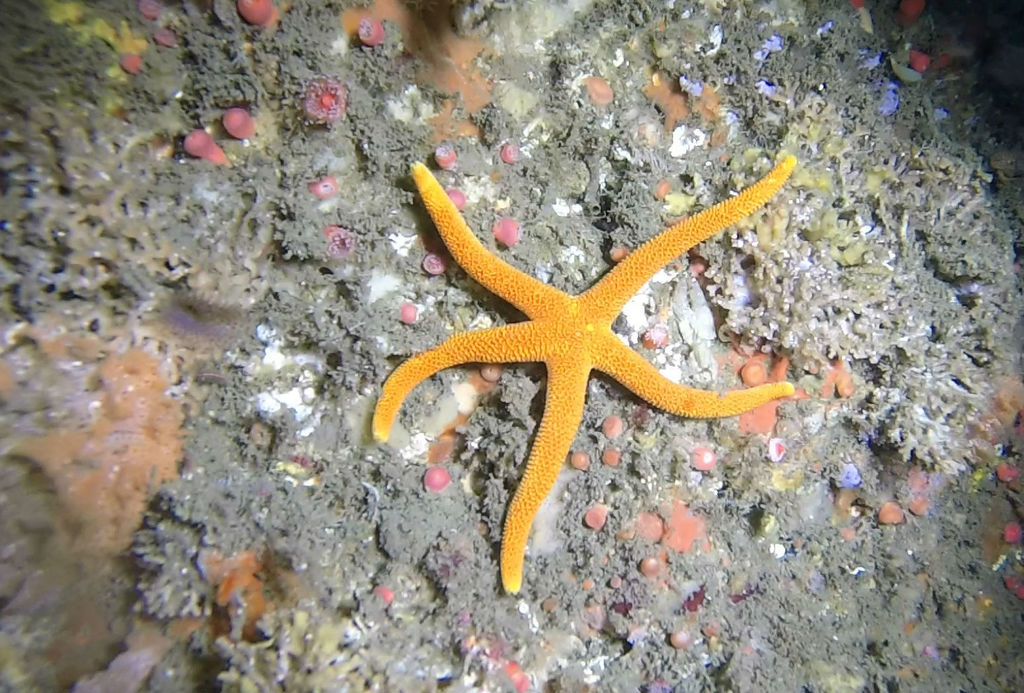
(c) Michael Bear, some rights reserved (CC BY) · CC BY · iNaturalist 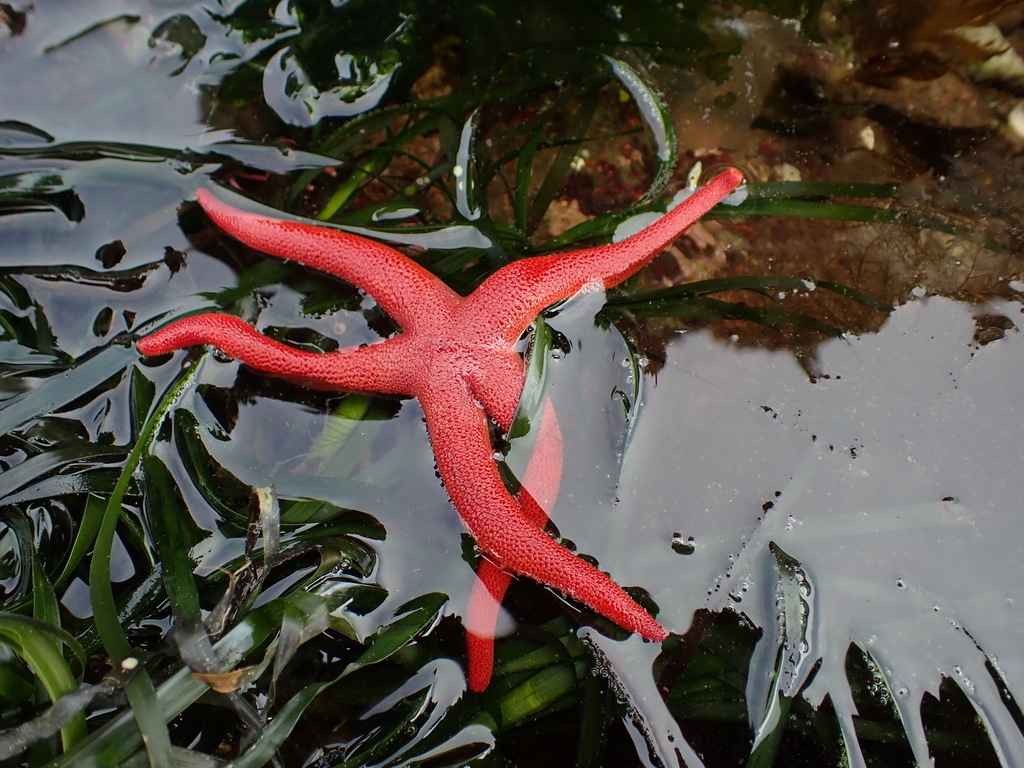
no rights reserved · CC0 1.0 · iNaturalist 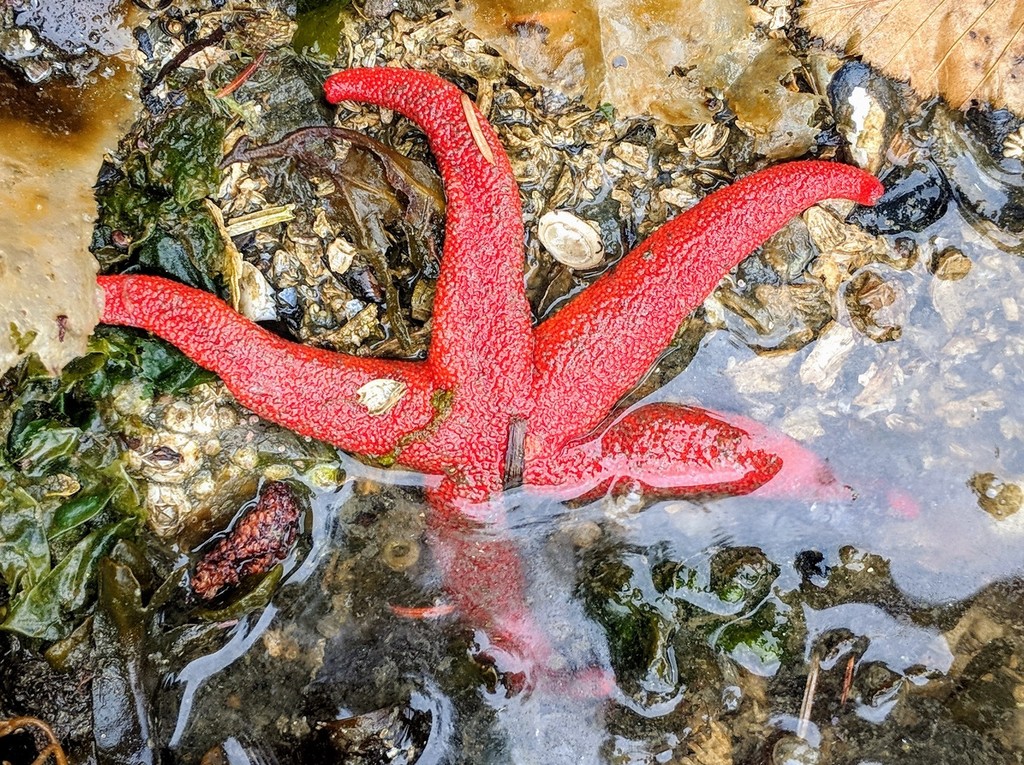
(c) Erin McKittrick, some rights reserved (CC BY) · CC BY · iNaturalist
Names and classification
- English
- Pacific blood star
Other scientific names: Chaetaster californicus, Cribrella laeviuscula, Henricia attenuata, Henricia inequalis, Henricia spatulifera, Linckia leviuscula
Similar species
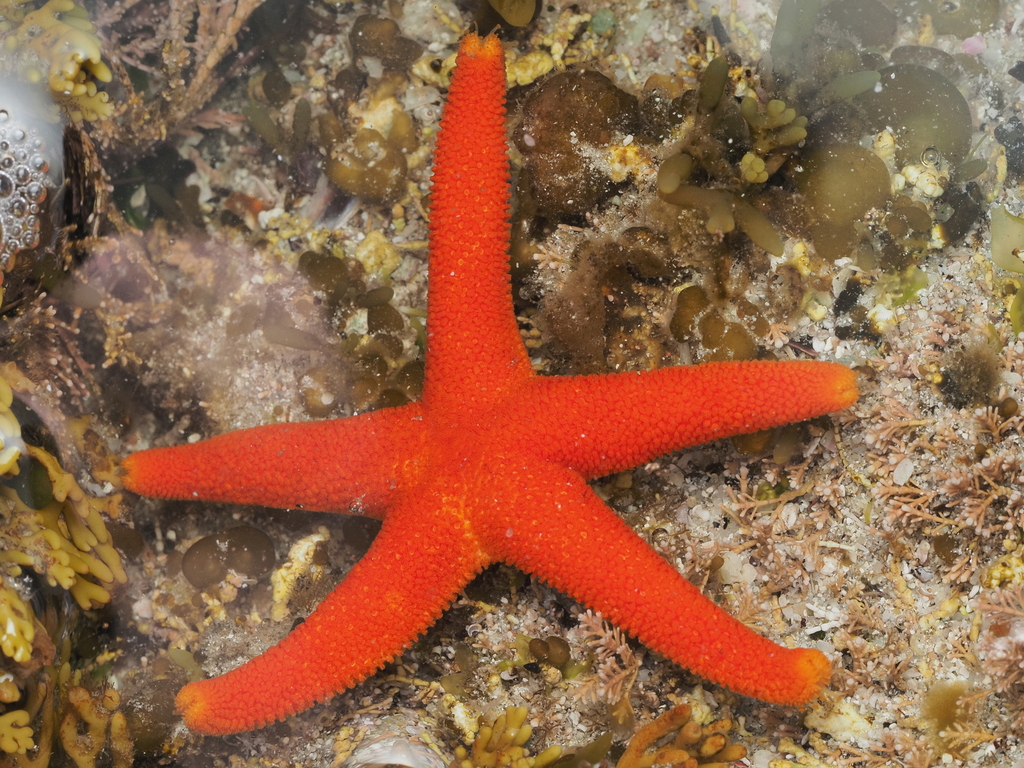
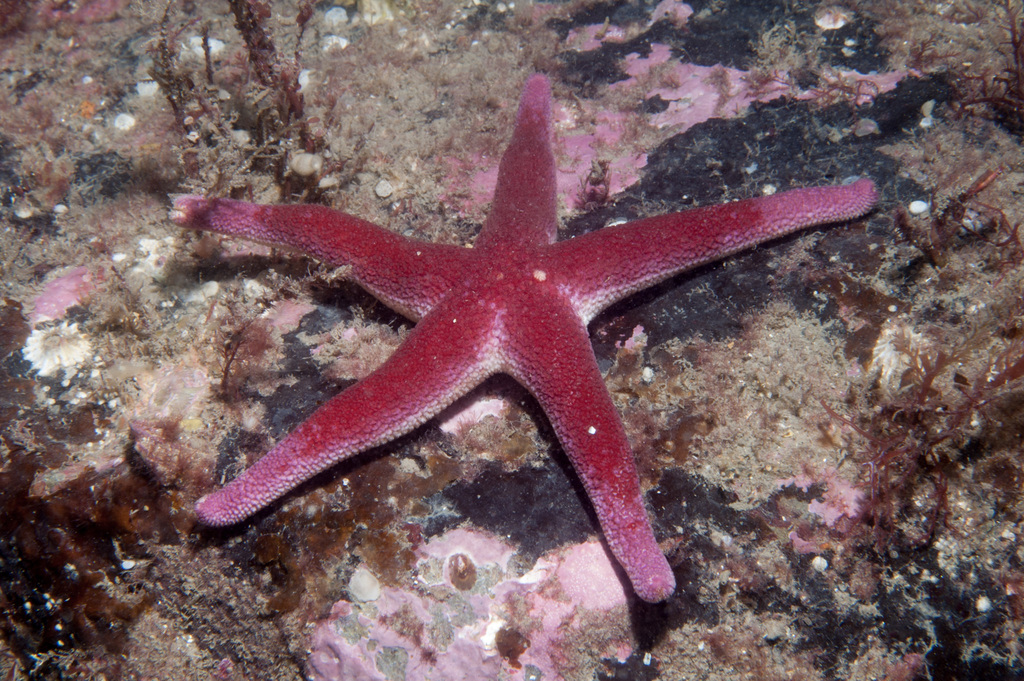 Bloody Henry starfish
Henricia oculata
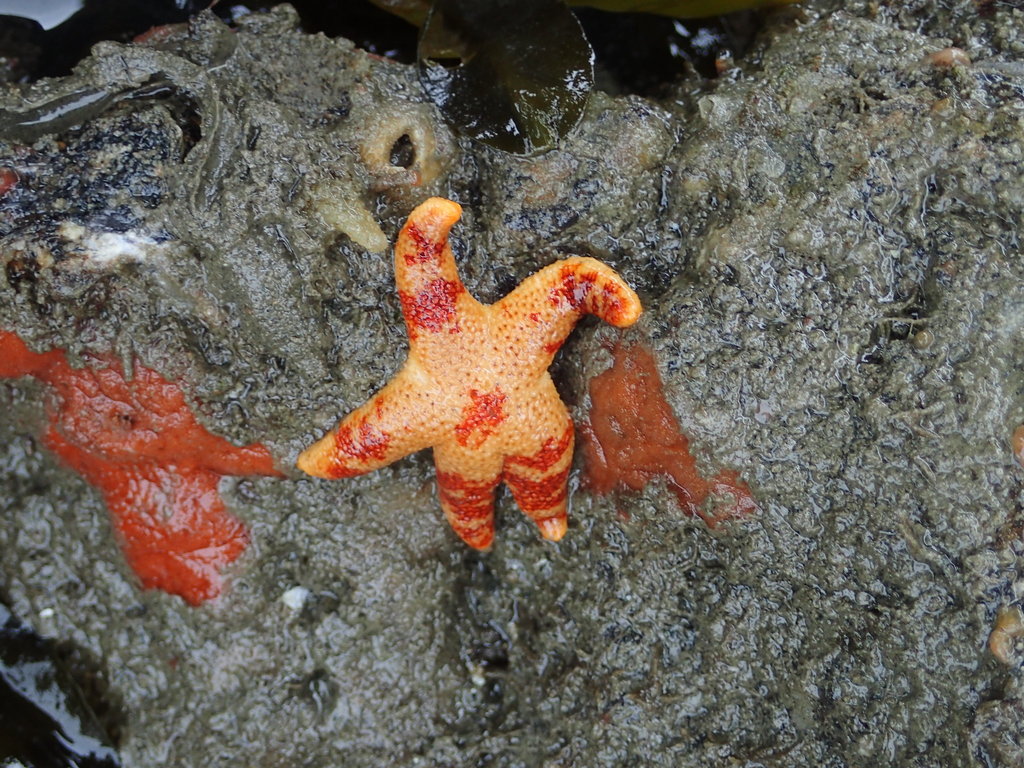 Dwarf Mottled Henricia
Henricia pumila
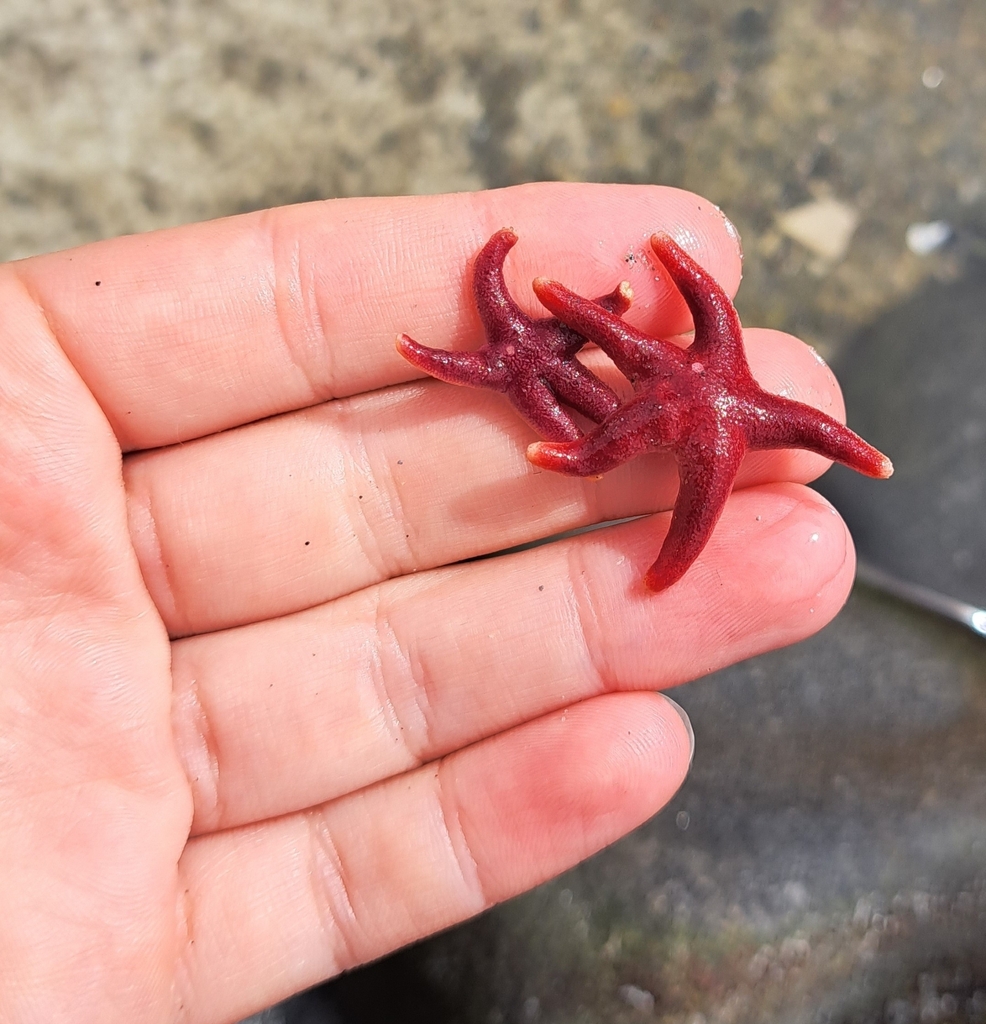 Blood star
Henricia sanguinolenta
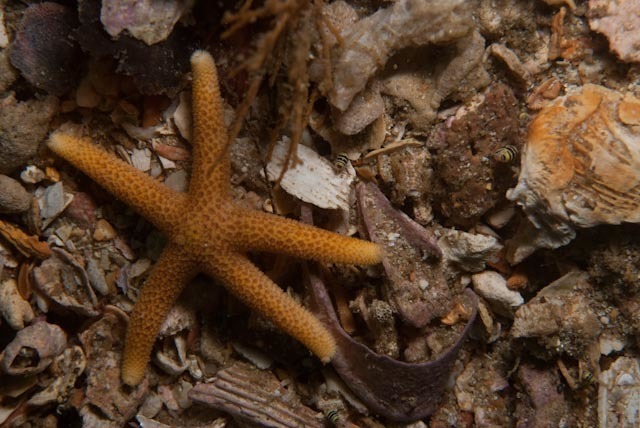
- Sandpaper henricia
Henricia aspera
Sources and credits
Names and taxonomy: WoRMS (CC BY 4.0) and the GBIF Backbone (CC BY 4.0). Photos: iNaturalist observers, each under the licence shown (CC0, CC BY or CC BY-SA).
- Depth, temperature, months and maps: records from OBIS and GBIF under CC0 or CC BY.
- Descriptions: Wikipedia, licensed CC BY-SA, each linked to its article.
- Conservation status as published by GBIF (IUCN Red List).
- 62,028 open-data records from 1865 to 2025.
- Species data updated November 11, 2026.
Log what you see on your next dive
The free DiveHive diver app keeps your logbook with every sighting and shows what lives at the site you dive next.