
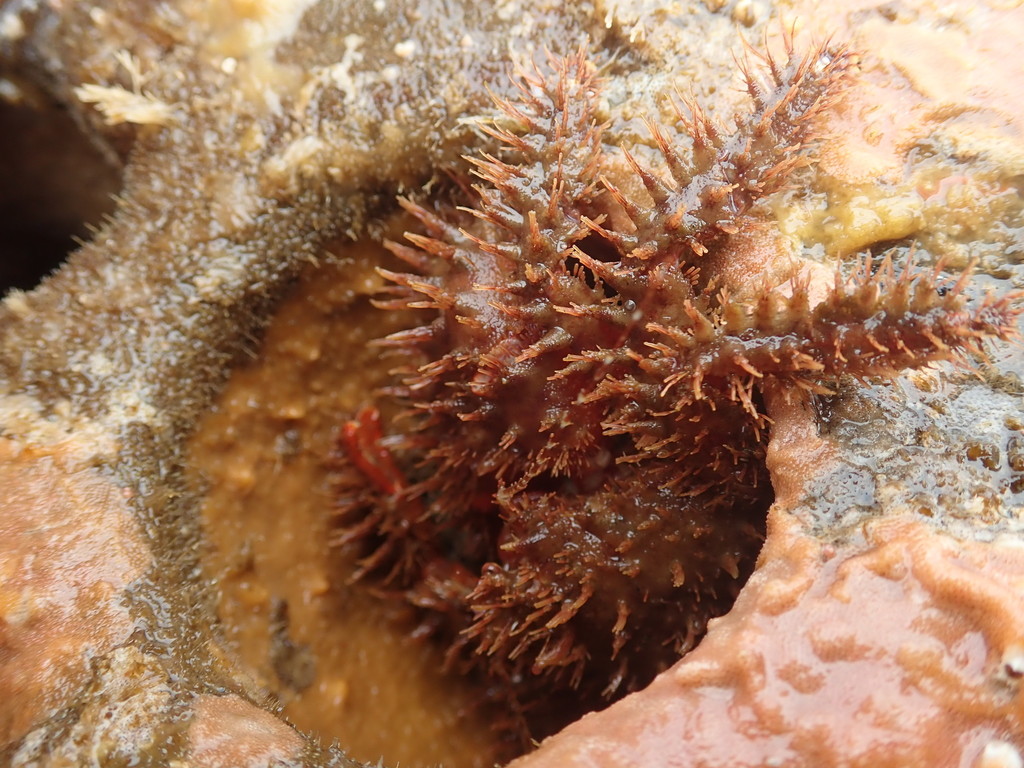
Hairy crab
Hapalogaster mertensii
- Usual depth15–29 m
- Water temperature5–17 °C
- Best monthsMay and June
- How commonOccasional
Photo credit: no rights reserved, uploaded by Randal · CC0 1.0 · iNaturalist
About this species
Hapalogaster mertensii is a species of king crab.
Text from the Wikipedia article “Hapalogaster mertensii”, licensed CC BY-SA 4.0. Read the article
Where and when
Where it has been recorded
Worldwide
Best months
Worldwide (open data)
- January: 25 records
- February: 25 records
- March: 38 records
- April: 75 records
- May: 126 records
- June: 89 records
- July: 70 records
- August: 69 records
- September: 27 records
- October: 29 records
- November: 21 records
- December: 10 records
Depth and water temperature
Depth
Mostly recorded at 15–29 m · Deepest record: 267 m
Water temperature
Recorded in surface water of 5–17 °C
Photos
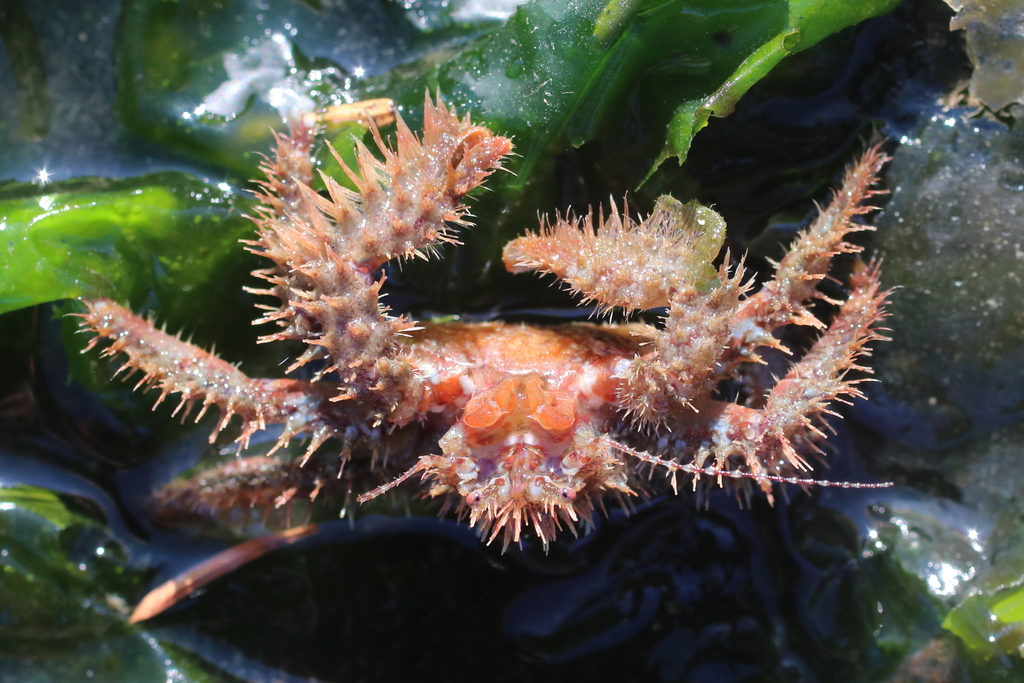
(c) Erin McKittrick, some rights reserved (CC BY), uploaded by Erin McKittrick · CC BY · iNaturalist 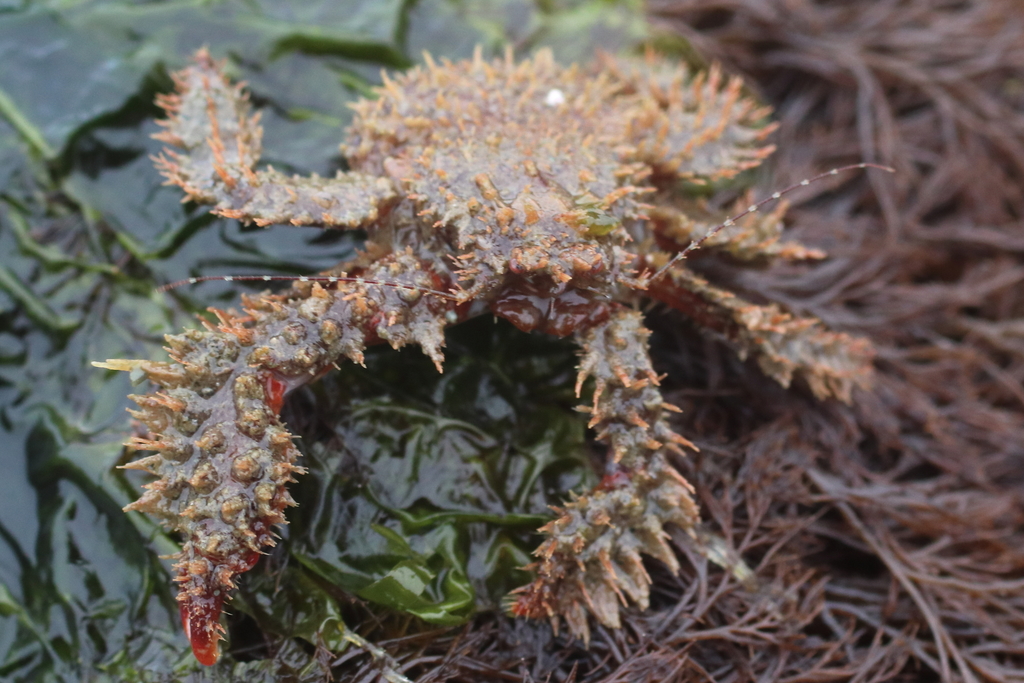
(c) Erin McKittrick, some rights reserved (CC BY), uploaded by Erin McKittrick · CC BY · iNaturalist 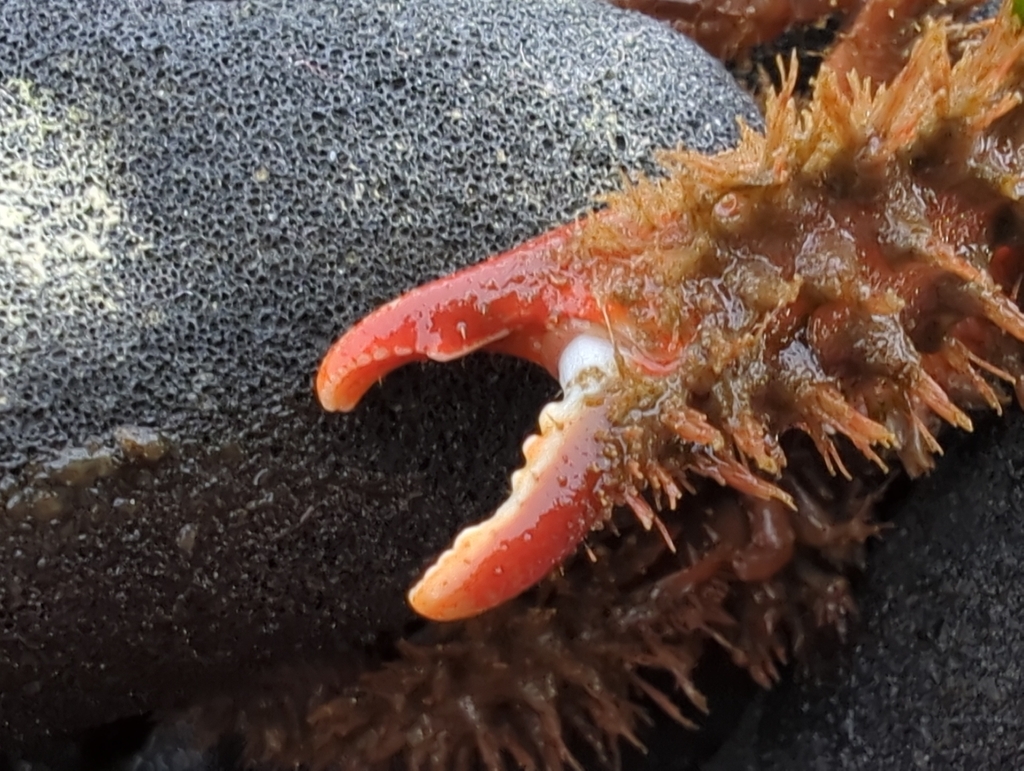
(c) Matt Muir, some rights reserved (CC BY) · CC BY · iNaturalist 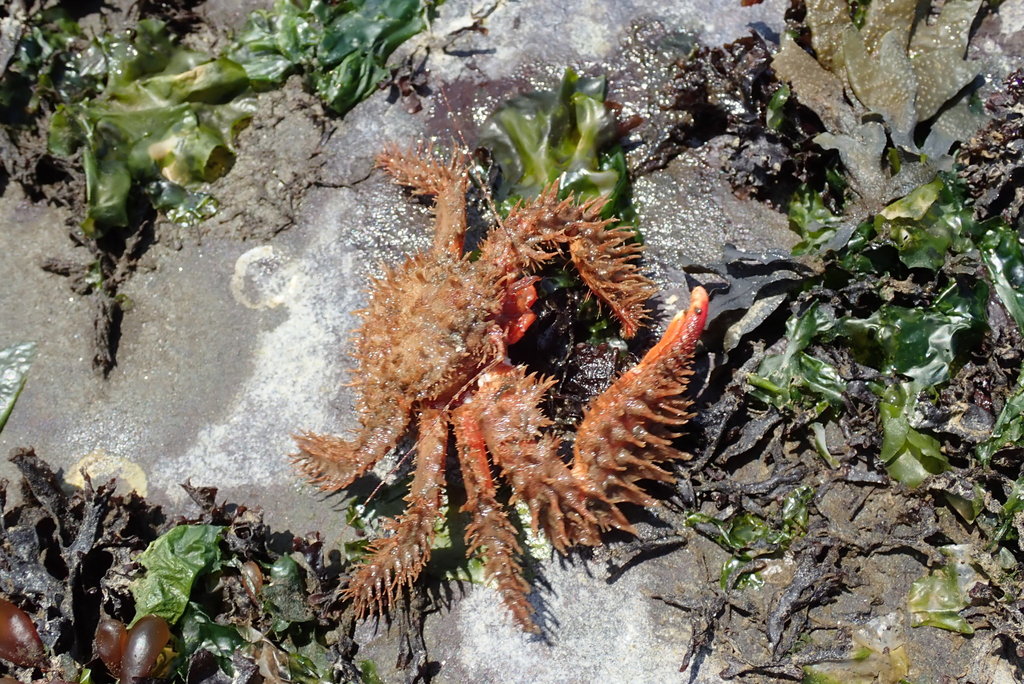
no rights reserved · CC0 1.0 · iNaturalist 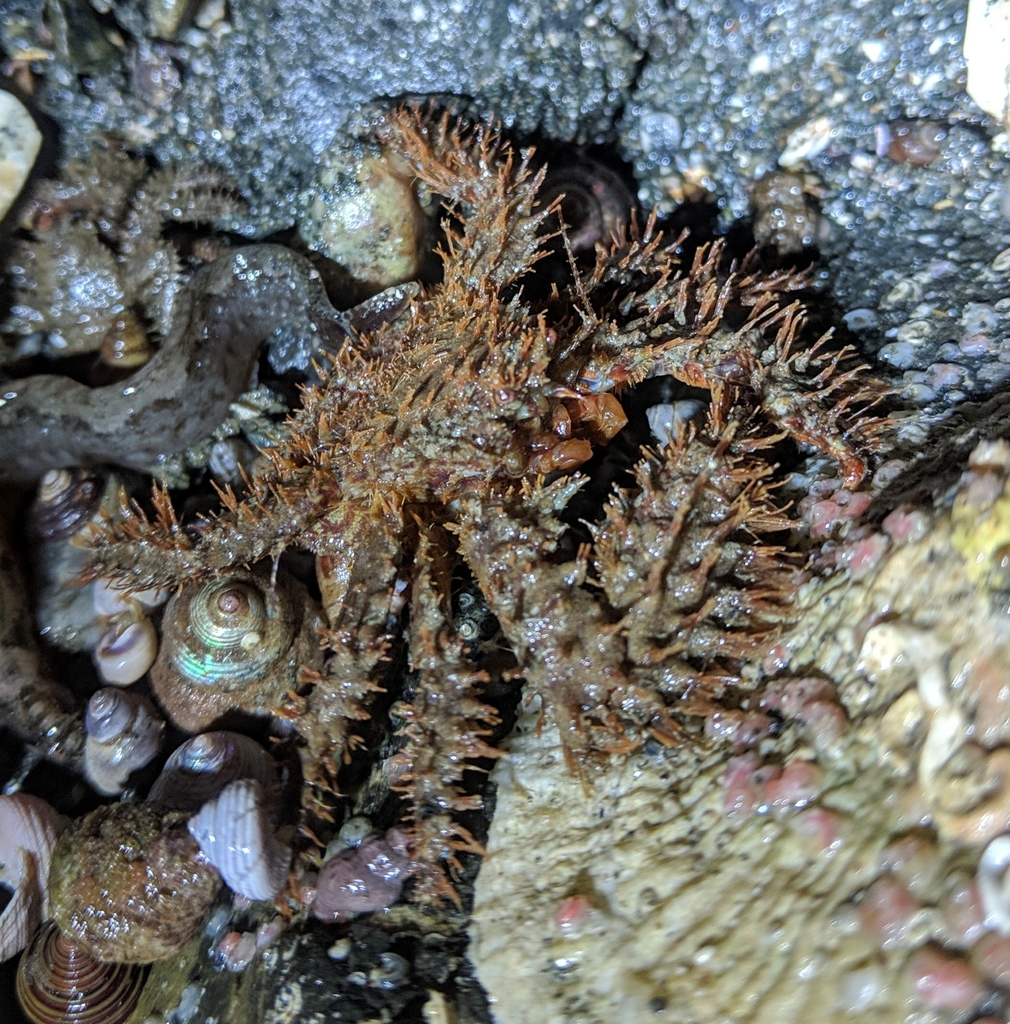
(c) Erin McKittrick, some rights reserved (CC BY) · CC BY · iNaturalist 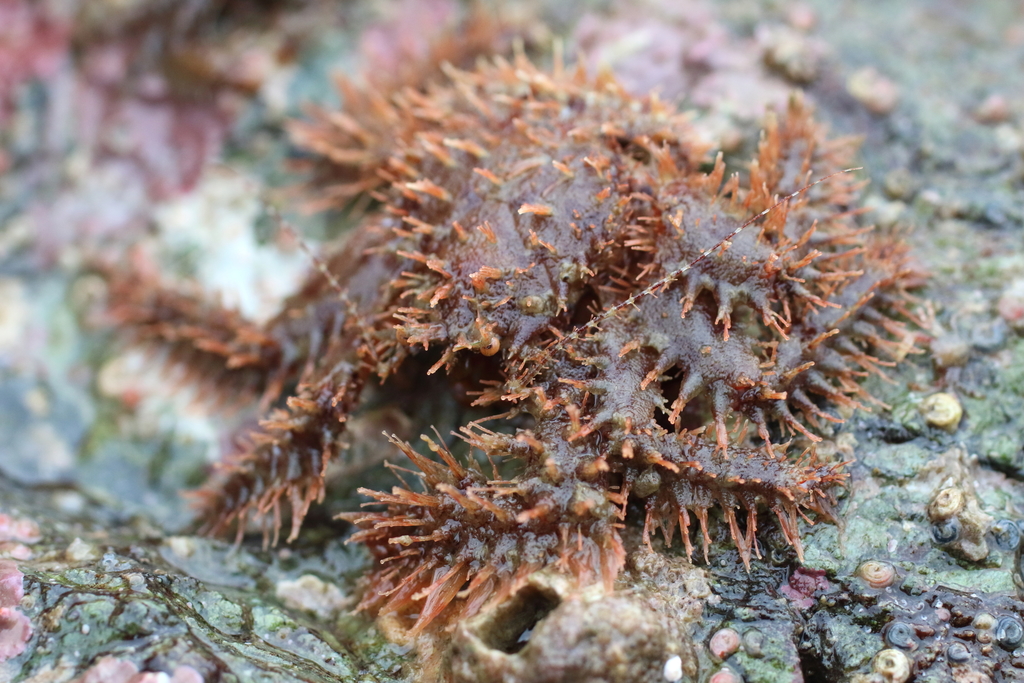
(c) Erin McKittrick, some rights reserved (CC BY) · CC BY · iNaturalist
Names and classification
- English
- Hairy crab, Hairy king crab, hairy crab, hairy king crab
Names in 1 more language
- French
- crabe royal de Mertens
Similar species
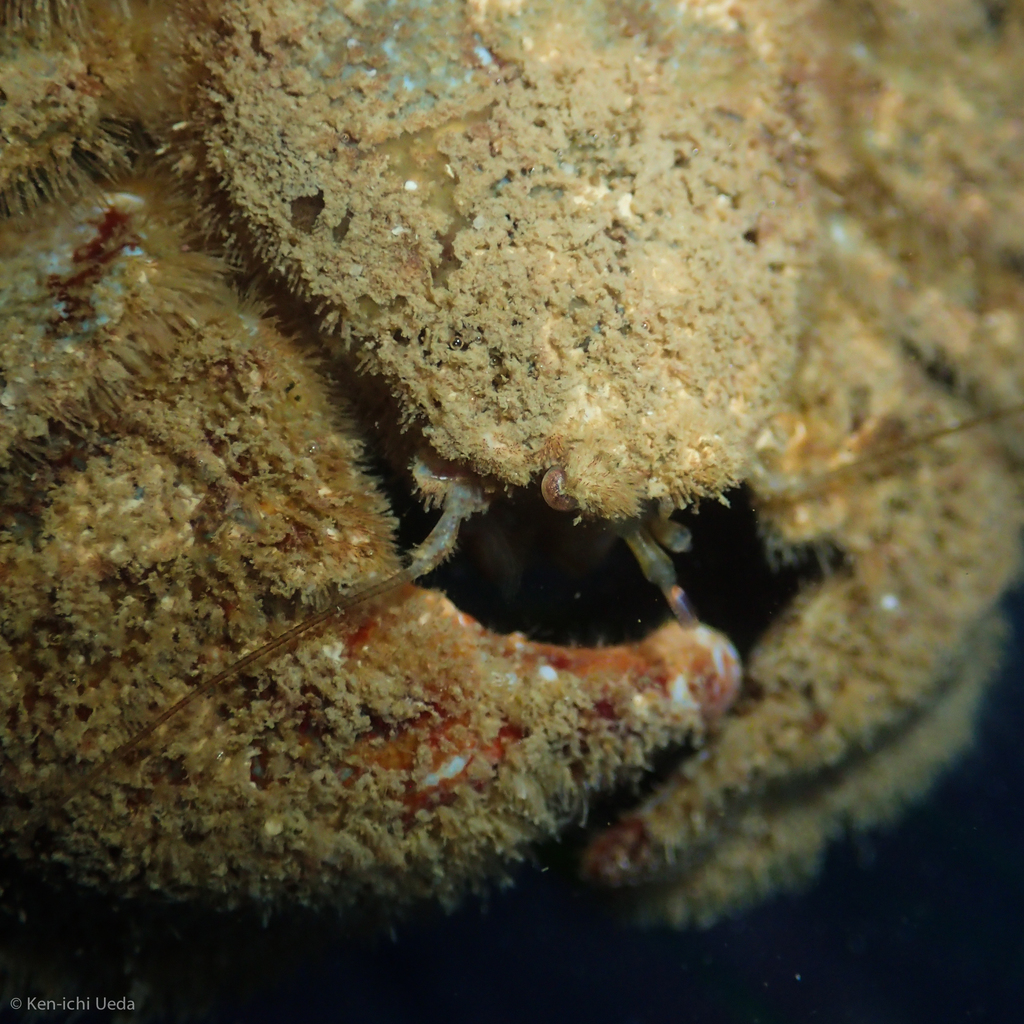 Furry crab
Hapalogaster cavicauda
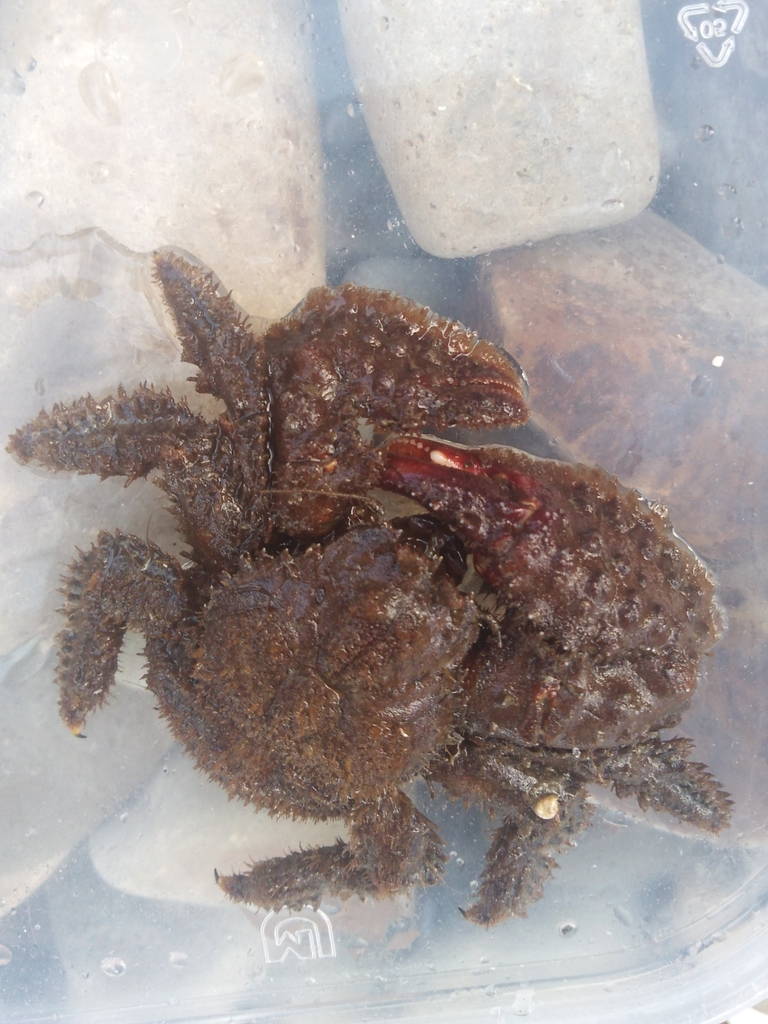 Spiny stone crab
Hapalogaster dentata
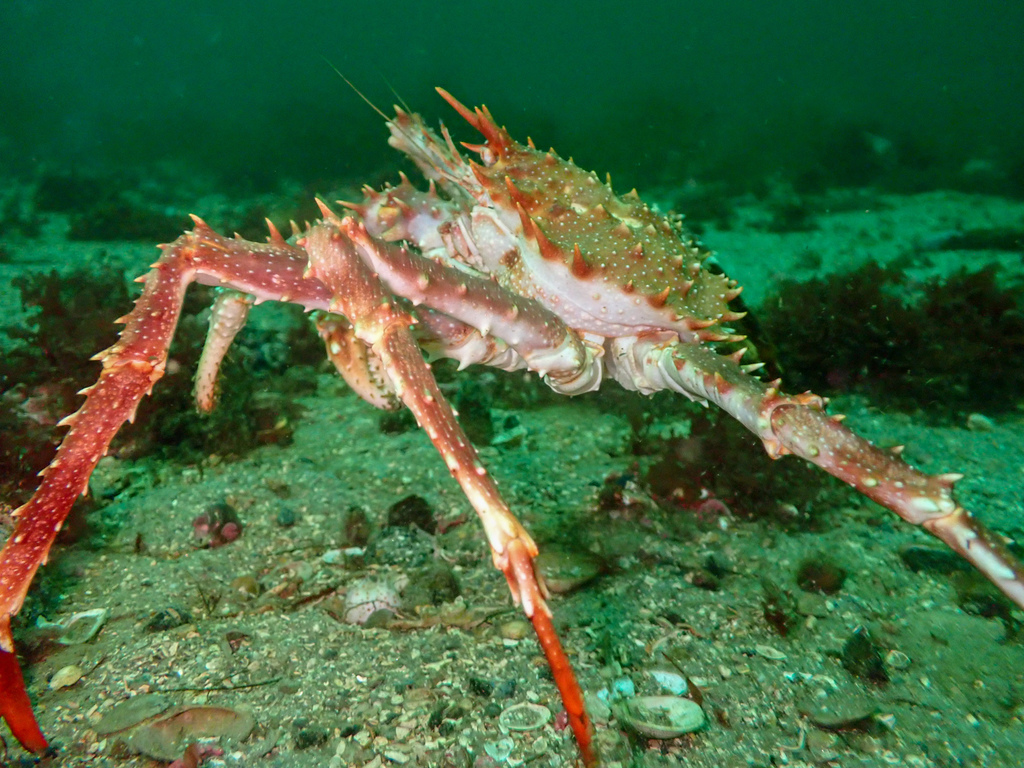 Devil's crab
Lithodes maja
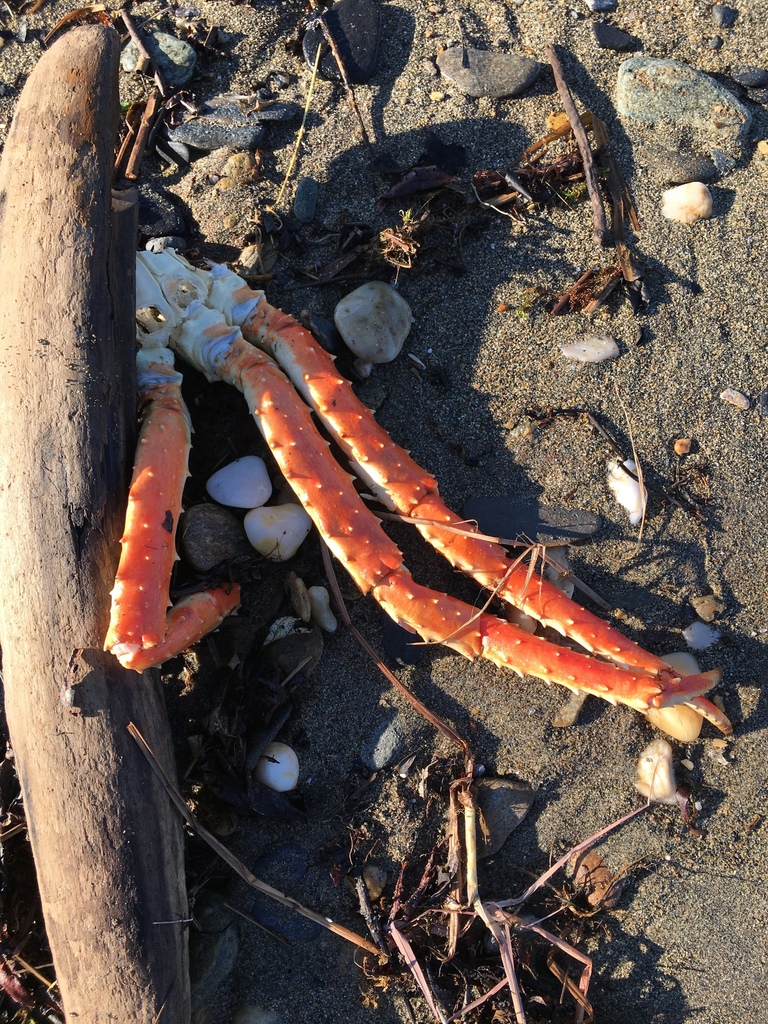 Alaskan king crab
Paralithodes camtschaticus
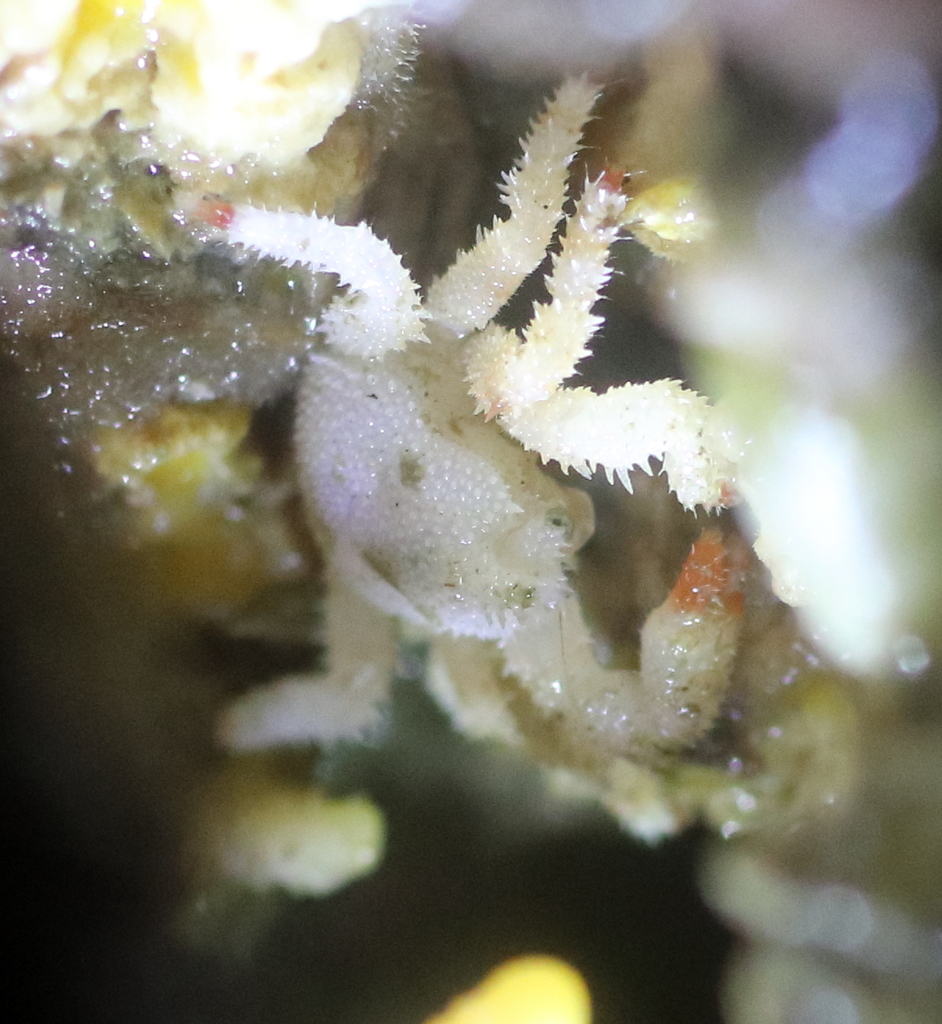 Spiny king crab
Acantholithodes hispidus
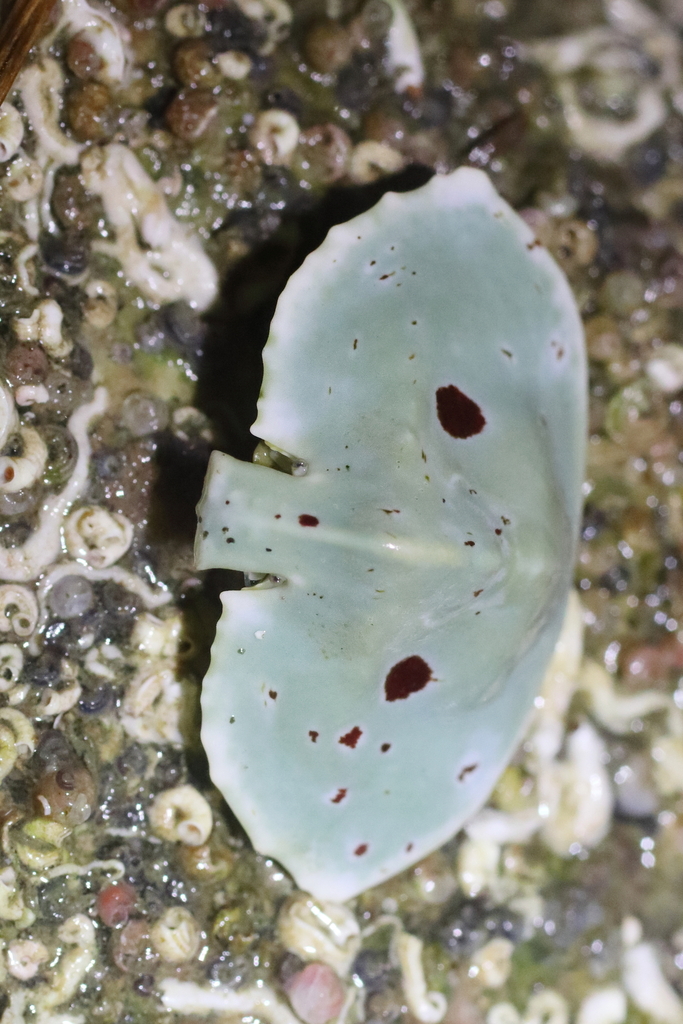 Turtle crab
Cryptolithodes sitchensis
Sources and credits
Names and taxonomy: WoRMS (CC BY 4.0) and the GBIF Backbone (CC BY 4.0). Photos: iNaturalist observers, each under the licence shown (CC0, CC BY or CC BY-SA).
- Depth, temperature, months and maps: records from OBIS and GBIF under CC0 or CC BY.
- Descriptions: Wikipedia, licensed CC BY-SA, each linked to its article.
- Conservation status as published by GBIF (IUCN Red List).
- 447 open-data records from 1890 to 2025.
- Species data updated November 11, 2026.
Log what you see on your next dive
The free DiveHive diver app keeps your logbook with every sighting and shows what lives at the site you dive next.