
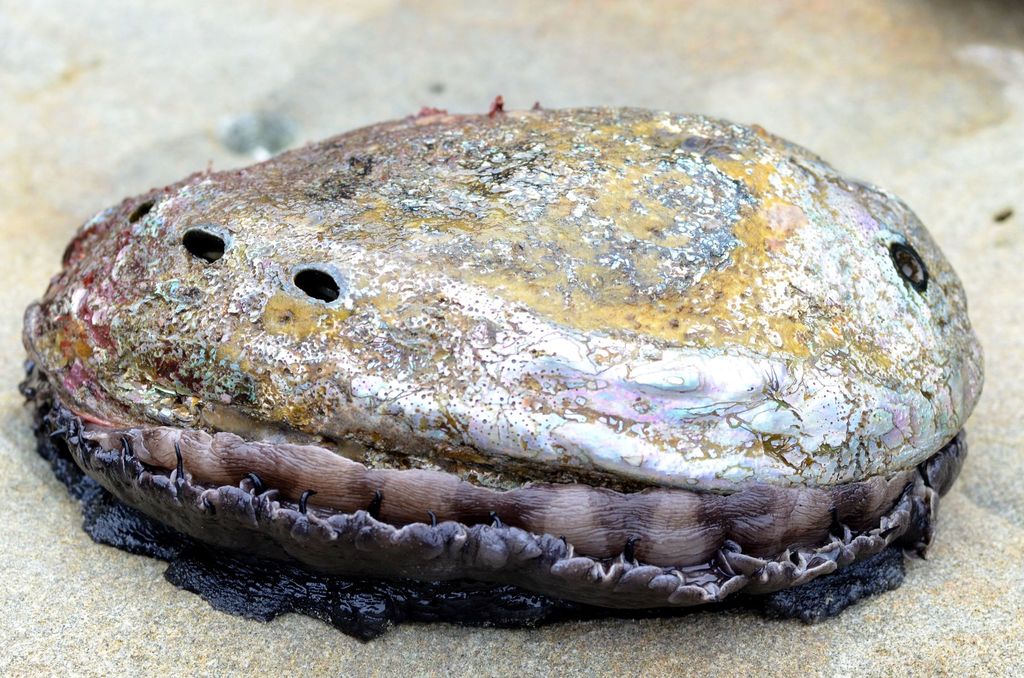
Red abalone
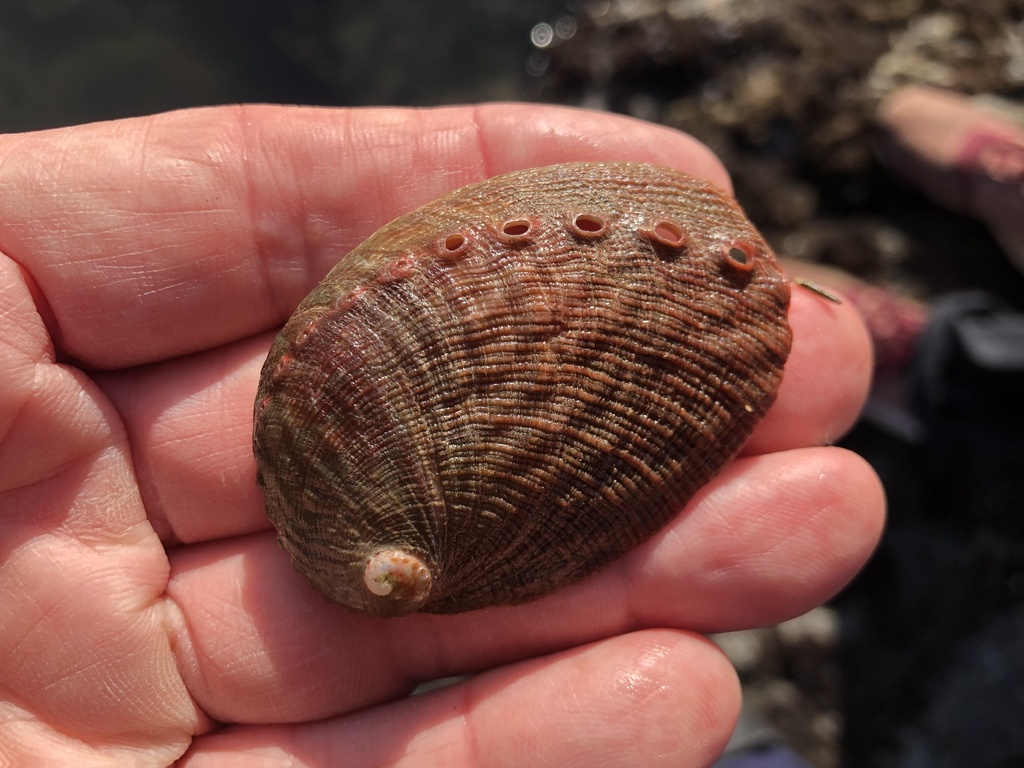
Haliotis rufescens
- Usual depth5–15 m
- Water temperature11–16 °C
- Best monthsNovember
- How commonCommon
Photo credit: (c) dloarie, some rights reserved (CC BY) · CC BY · iNaturalist
About this species
Haliotis rufescens is a species of very large edible sea snail in the family Haliotidae, the abalone, ormers (British) or pāua. It is distributed from British Columbia, Canada, to Baja California, Mexico. It is most common in the southern half of its range.
Text from the Wikipedia article “Haliotis rufescens”, licensed CC BY-SA 4.0. Read the article
Where and when
Where it has been recorded
Worldwide
Best months
Worldwide (open data)
- January: 476 records
- February: 353 records
- March: 298 records
- April: 361 records
- May: 424 records
- June: 885 records
- July: 956 records
- August: 1,302 records
- September: 1,446 records
- October: 592 records
- November: 25,315 records
- December: 386 records
Depth and water temperature
Depth
Mostly recorded at 5–15 m · Deepest record: 22.3 m
Water temperature
Recorded in surface water of 11–16 °C
Photos
no rights reserved · CC0 1.0 · iNaturalist 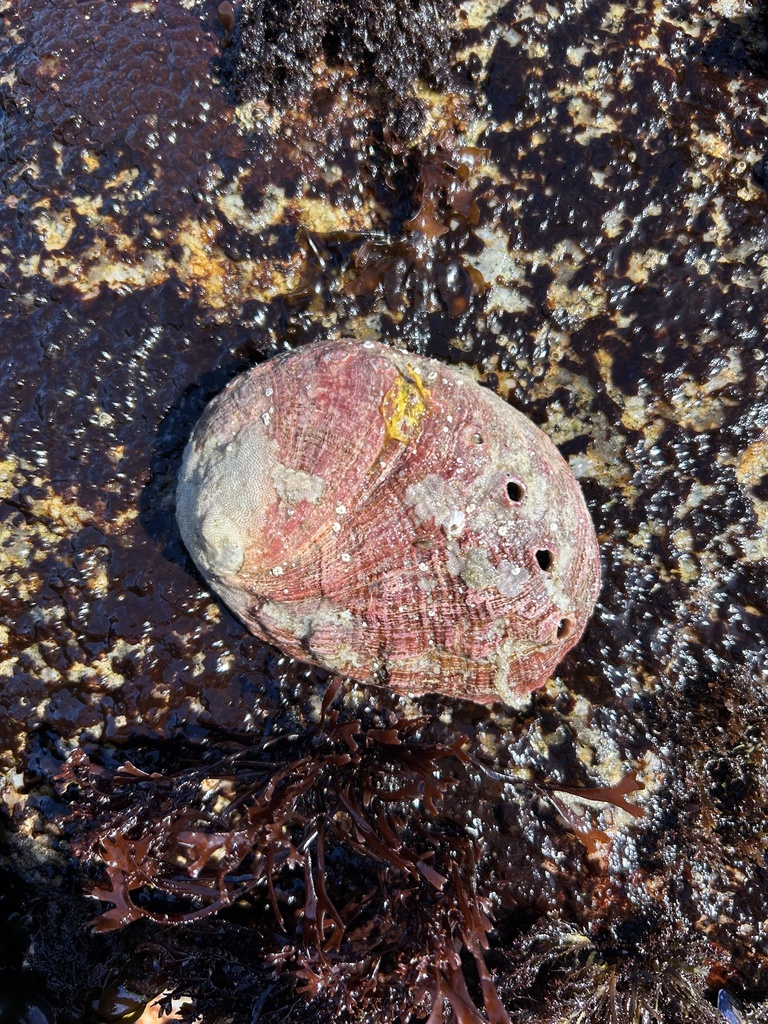
no rights reserved · CC0 1.0 · iNaturalist 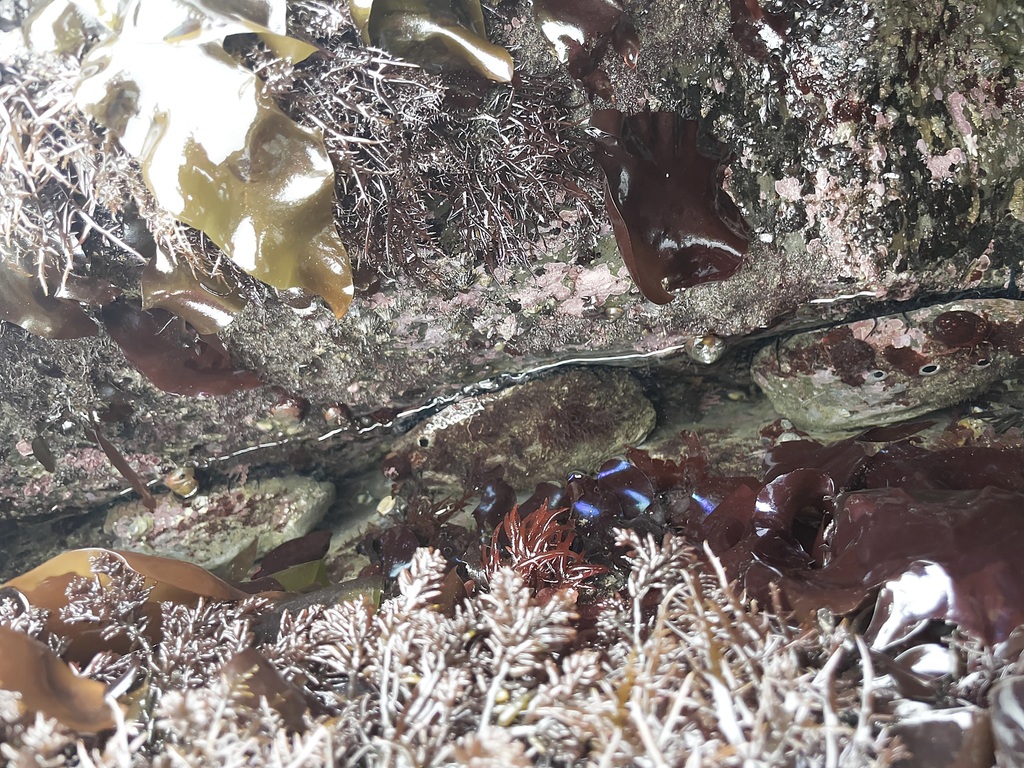
(c) Allison Gong, some rights reserved (CC BY) · CC BY · iNaturalist 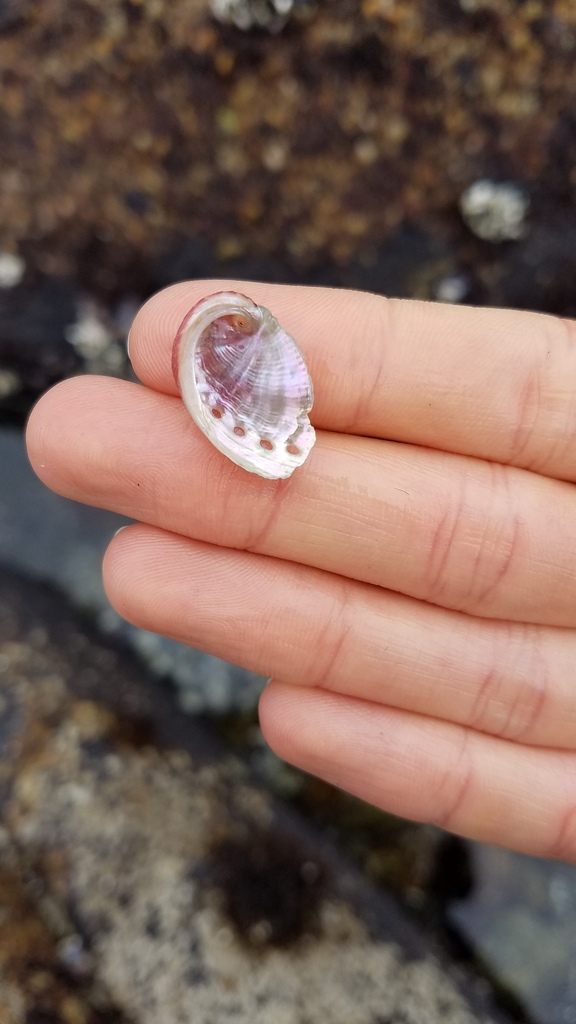
(c) Cypress Hansen, some rights reserved (CC BY) · CC BY · iNaturalist 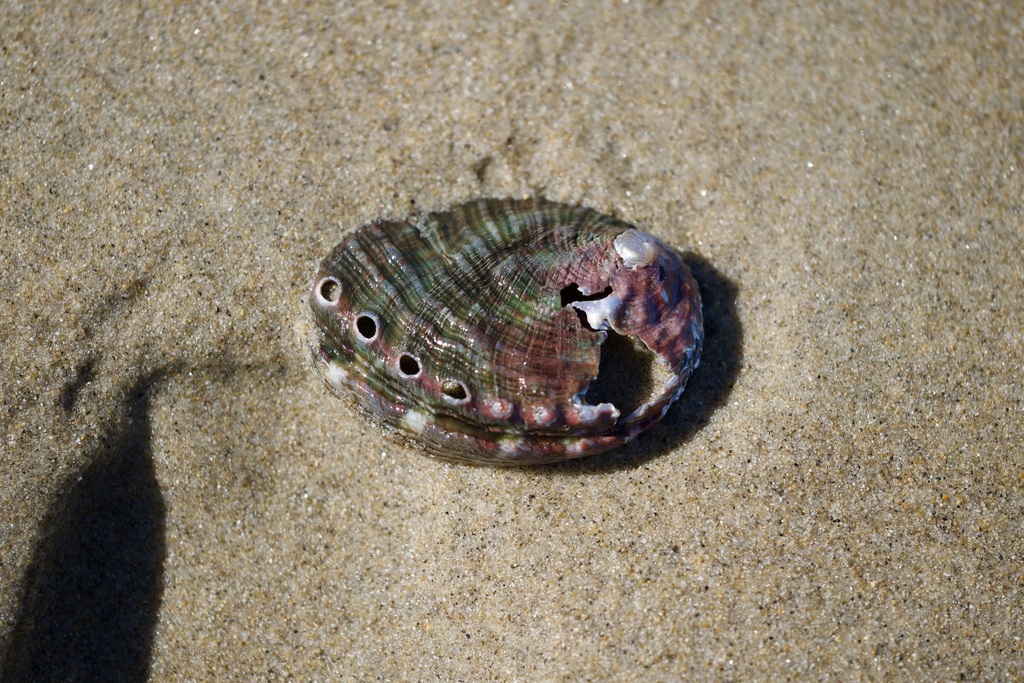
(c) lazarus, some rights reserved (CC BY) · CC BY · iNaturalist 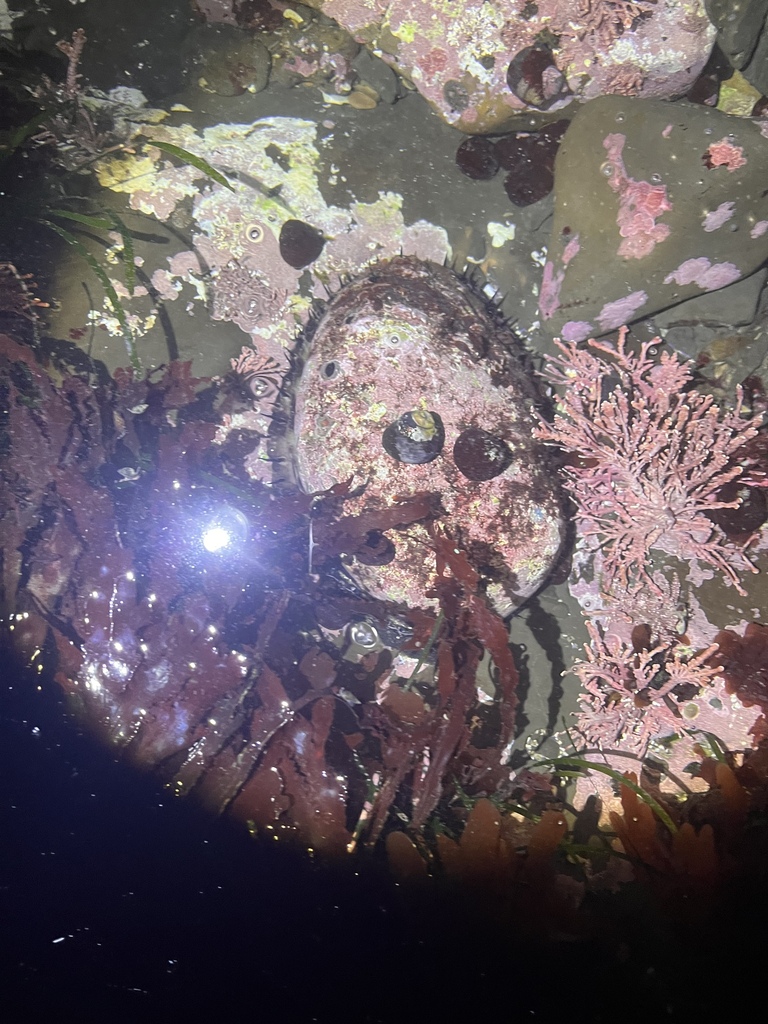
(c) Parsa Fard, some rights reserved (CC BY) · CC BY · iNaturalist 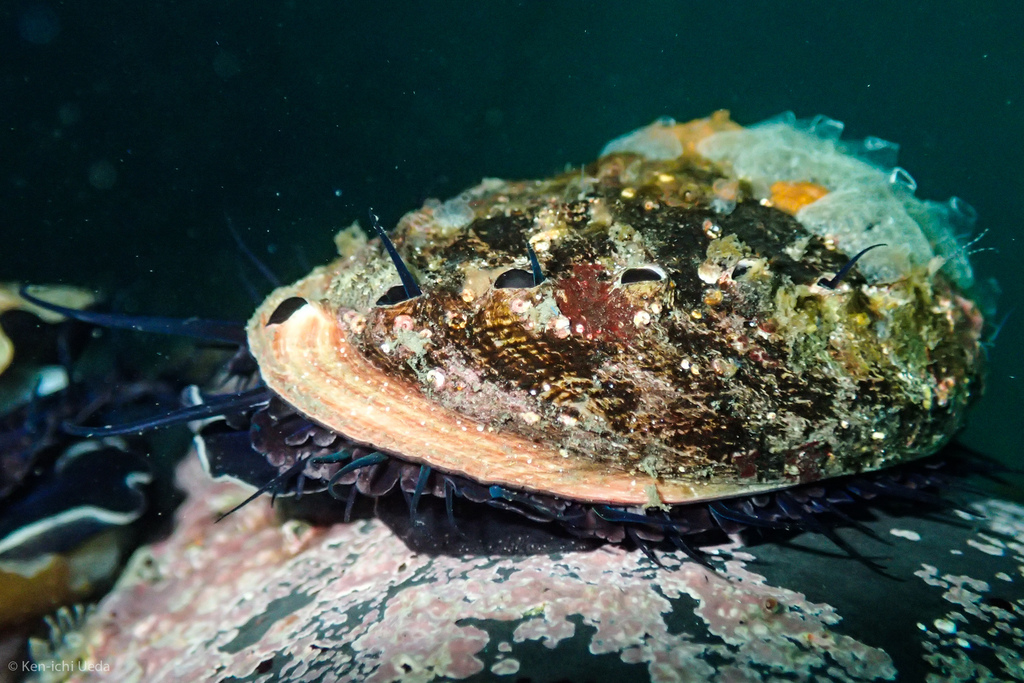
(c) Ken-ichi Ueda, some rights reserved (CC BY) · CC BY · iNaturalist
Names and classification
- English
- Red abalone, red abalone
Names in 4 more languages
- German
- Rote Abalone, Rotes Meerohr, Rotes Seeohr
- Spanish
- abulón rojo
- French
- Ormeau du Pacifique
- Simplified Chinese
- 紅鮑
Other scientific names: Haliotis californiana, Haliotis hattorii, Haliotis ponderosa
Similar species
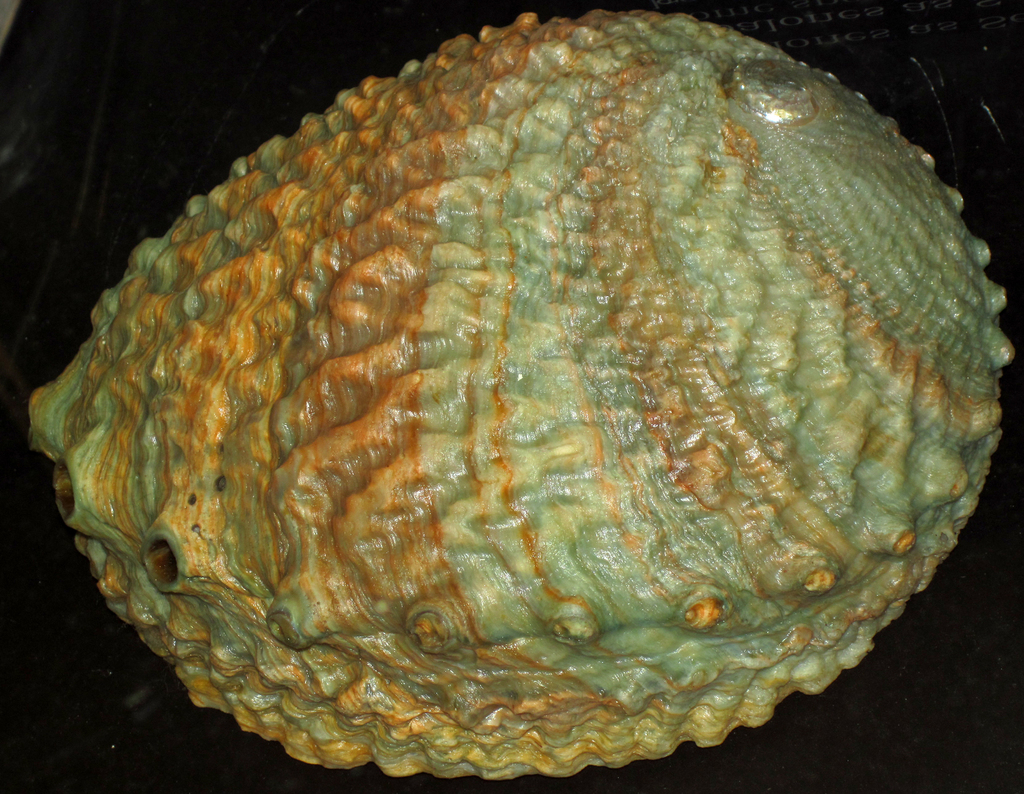 Pink abalone
Haliotis corrugata
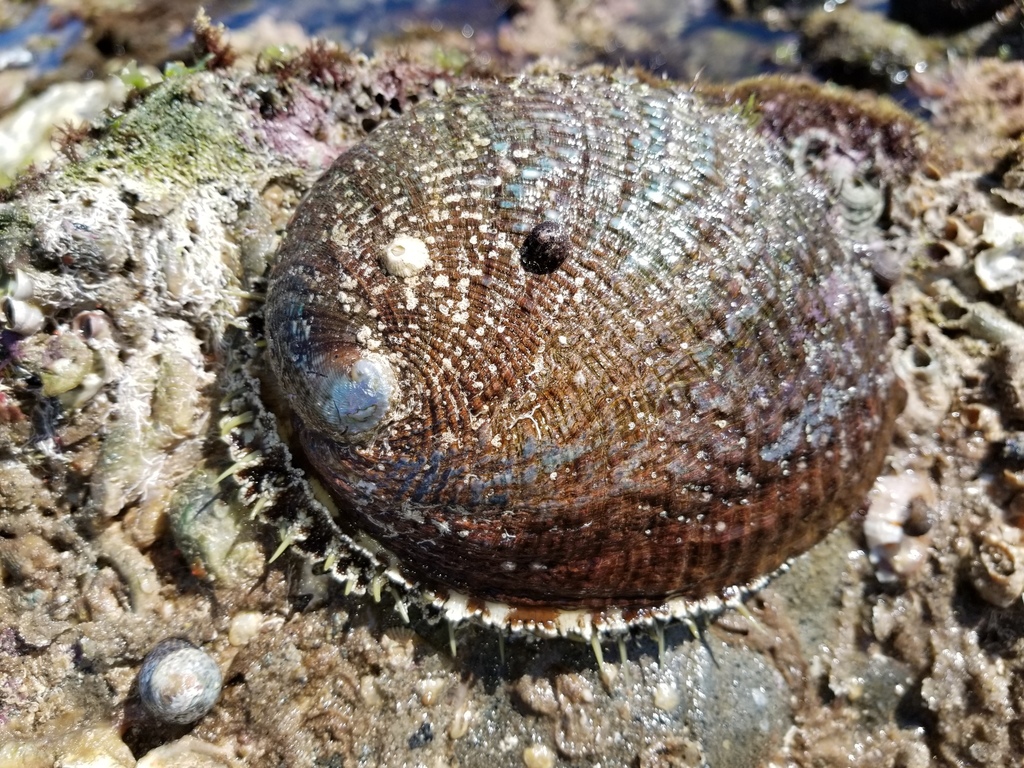 Green abalone
Haliotis fulgens
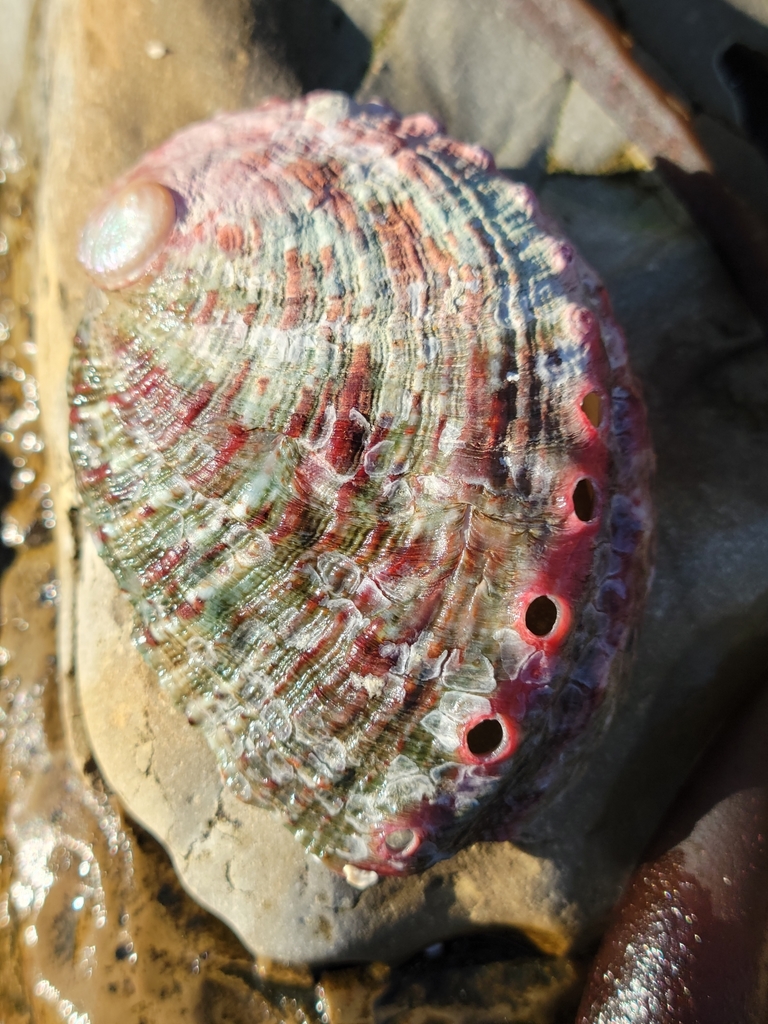 Japanese abalone
Haliotis kamtschatkana
 Blacklip abalone
Haliotis rubra
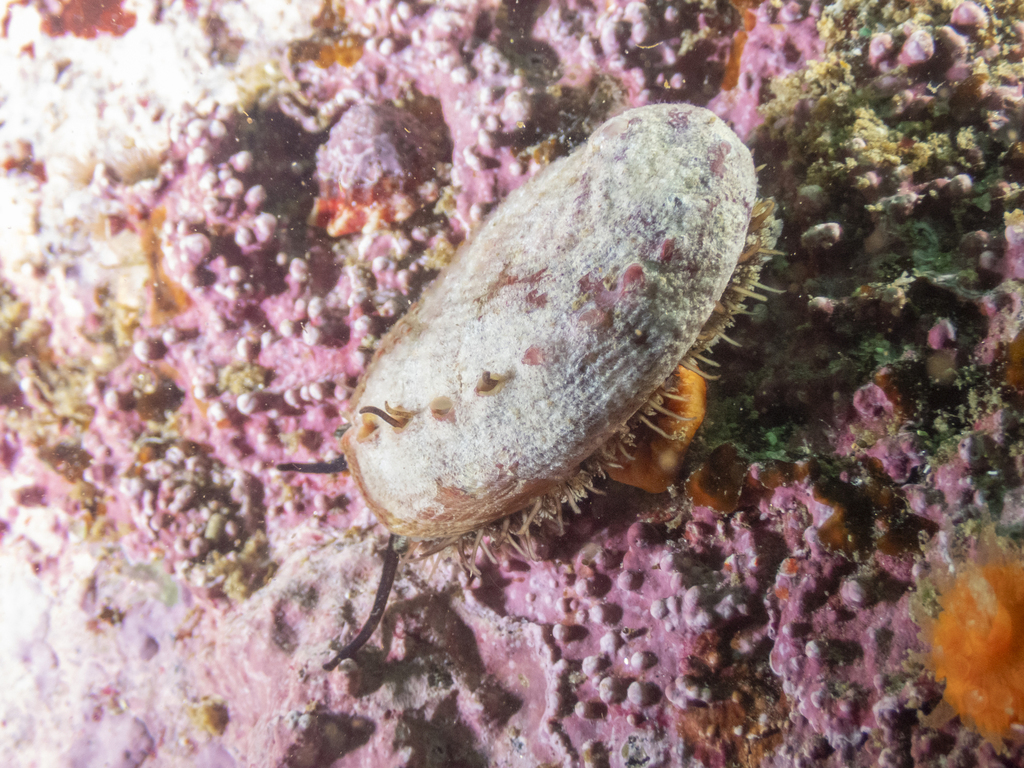 Flat abalone
Haliotis walallensis
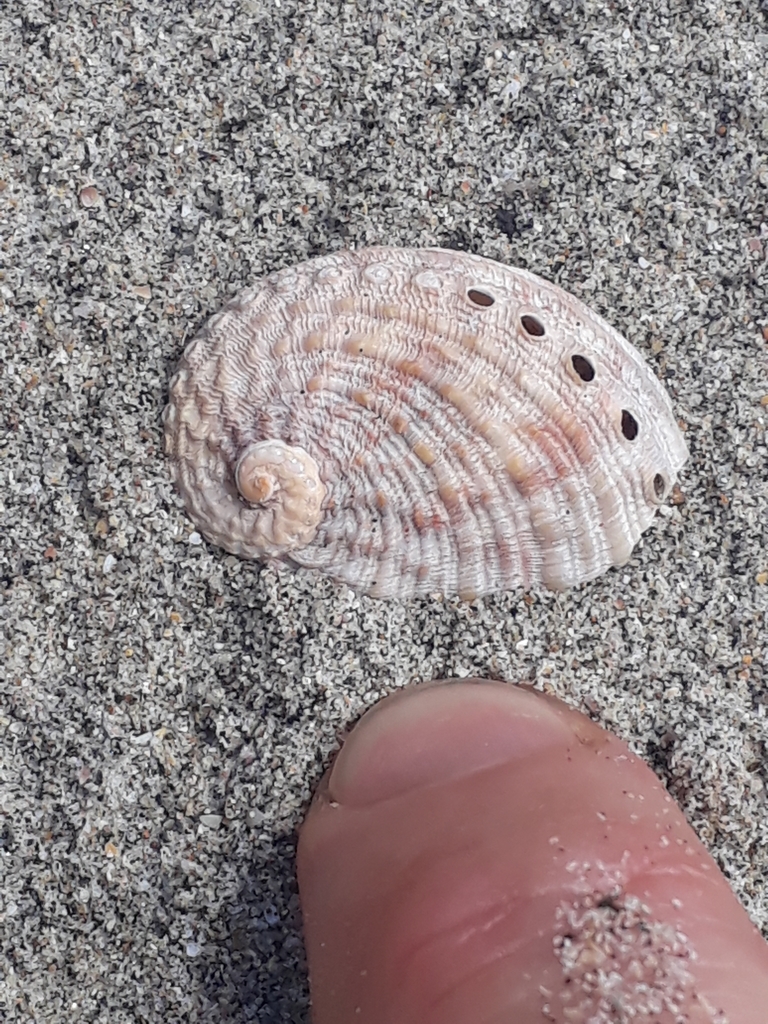 Silver abalone
Haliotis australis
Sources and credits
Names and taxonomy: WoRMS (CC BY 4.0) and the GBIF Backbone (CC BY 4.0). Photos: iNaturalist observers, each under the licence shown (CC0, CC BY or CC BY-SA).
- Depth, temperature, months and maps: records from OBIS and GBIF under CC0 or CC BY.
- Descriptions: Wikipedia, licensed CC BY-SA, each linked to its article.
- Conservation status as published by GBIF (IUCN Red List).
- 79,045 open-data records from 1938 to 2023.
- Species data updated November 11, 2026.
Log what you see on your next dive
The free DiveHive diver app keeps your logbook with every sighting and shows what lives at the site you dive next.