
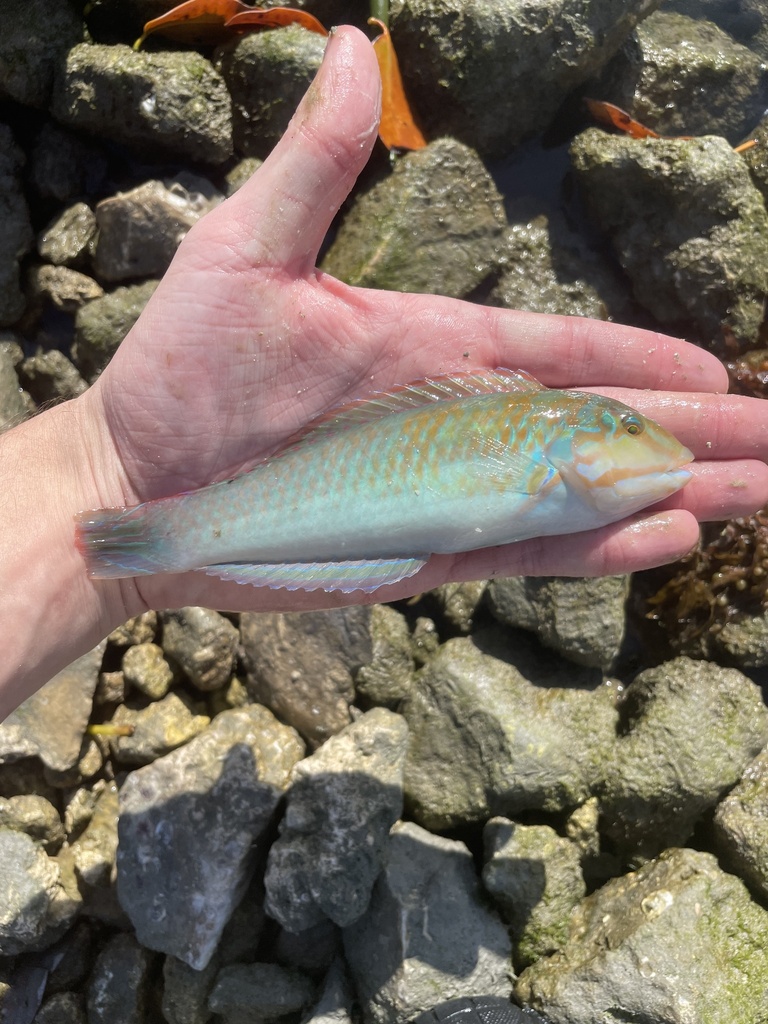
Blackear wrasse
Halichoeres poeyi
- Usual depth3–14 m
- Water temperature21–29 °C
- Best monthsMarch, August, and September
- How commonCommon
Photo credit: (c) James-LaFontaine, some rights reserved (CC BY) · CC BY · iNaturalist
About this species
The blackear wrasse is a species of wrasse, a type of fish in the family Labridae, from the warmer waters of the western Atlantic Ocean.
Text from the Wikipedia article “Blackear wrasse”, licensed CC BY-SA 4.0. Read the article
Where and when
Where it has been recorded
Worldwide
Best months
Worldwide (open data)
- January: 267 records
- February: 575 records
- March: 1,250 records
- April: 489 records
- May: 409 records
- June: 889 records
- July: 1,167 records
- August: 1,846 records
- September: 1,169 records
- October: 630 records
- November: 310 records
- December: 163 records
Depth and water temperature
Depth
Mostly recorded at 3–14 m · Deepest record: 39 m
Water temperature
Recorded in surface water of 21–29 °C
Photos
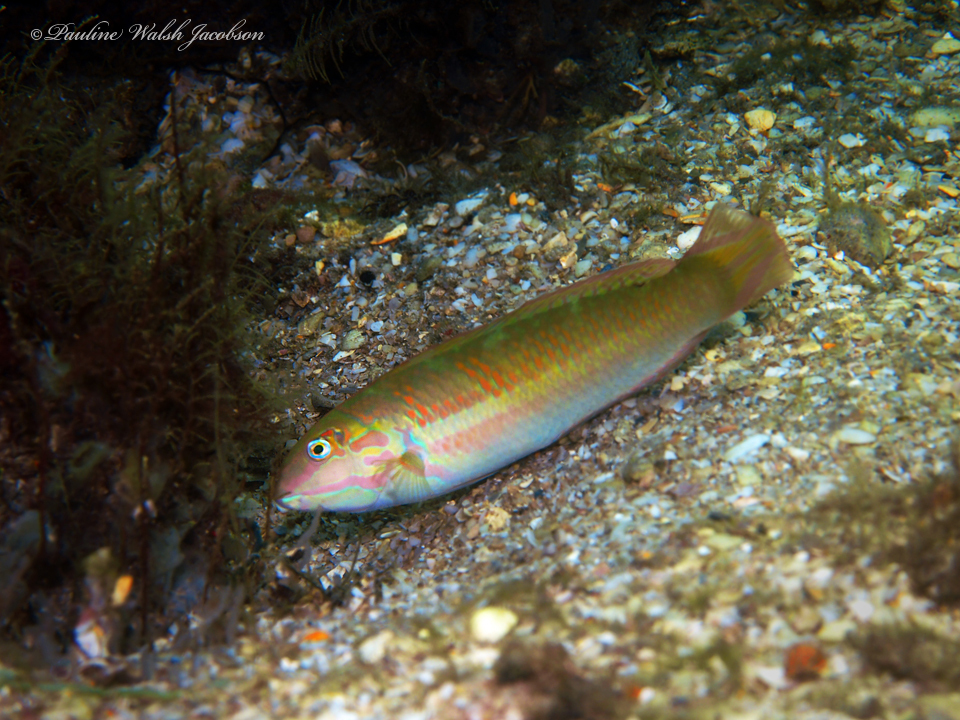
(c) Pauline Walsh Jacobson, some rights reserved (CC BY) · CC BY · iNaturalist 
(c) Jim Moore (Maryland), some rights reserved (CC BY) · CC BY · iNaturalist 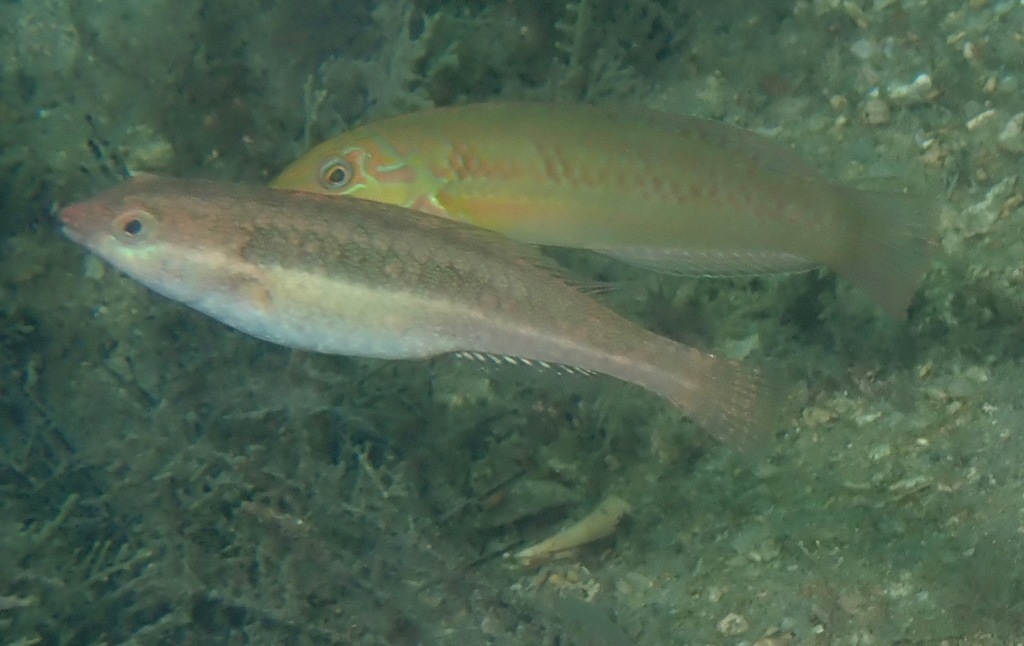
(c) jeyre, some rights reserved (CC BY) · CC BY · iNaturalist 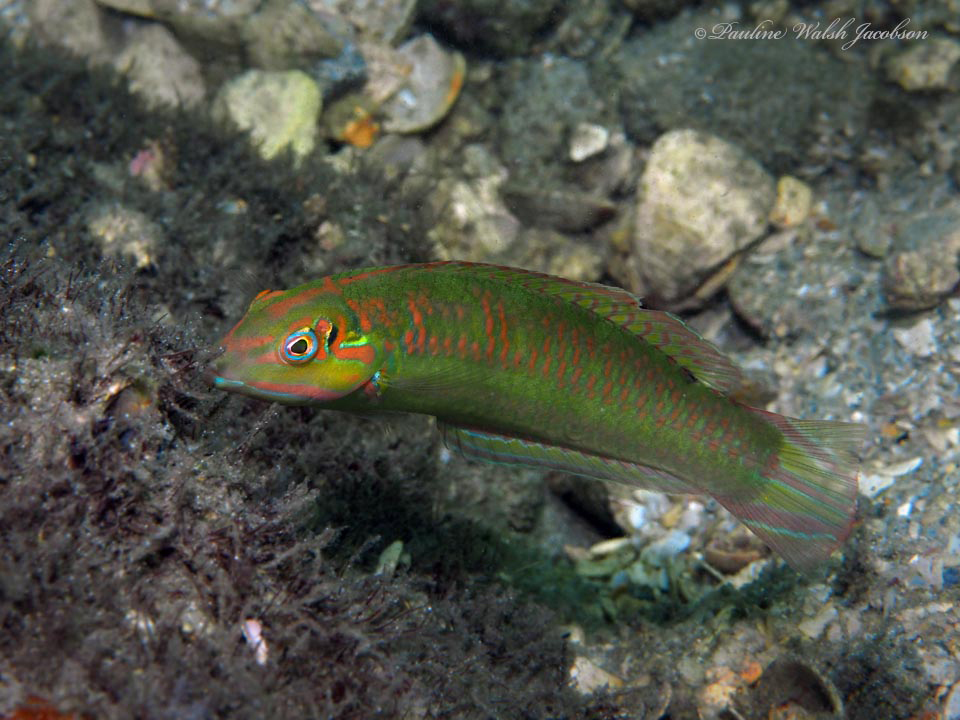
(c) Pauline Walsh Jacobson, some rights reserved (CC BY) · CC BY · iNaturalist 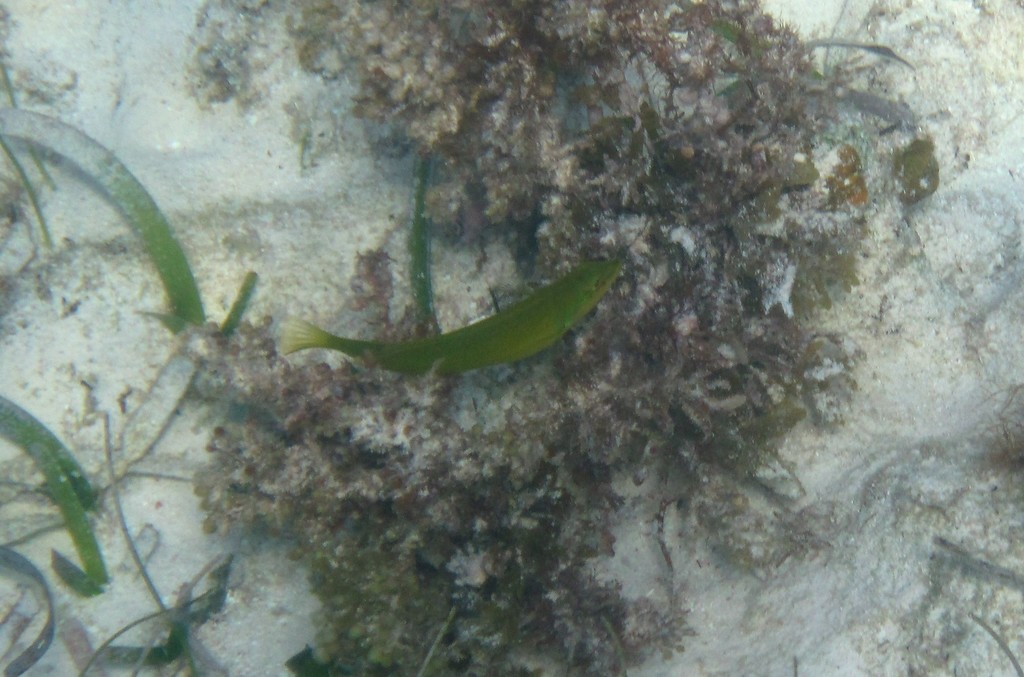
(c) Paul Prior, some rights reserved (CC BY) · CC BY · iNaturalist 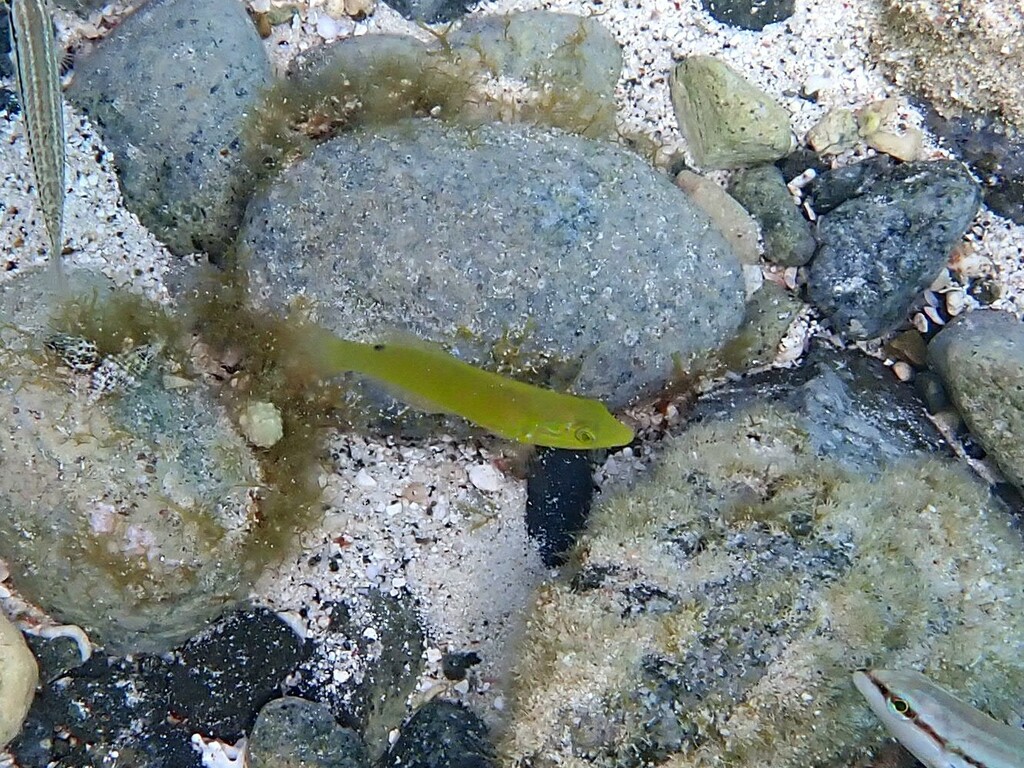
(c) Josiah Londerée, some rights reserved (CC BY) · CC BY · iNaturalist
Names and classification
- English
- Blackear wrasse, blackear wrasse, Black-ear Wrasse, Blackear Wrasse, Black Hear Wrasse
Names in 2 more languages
- Spanish
- Doncella, doncella ojinegra, doncella orejinegra, Doncella Orejona, Loro Dientón Orejón
- French
- Labre à oreille noire
Other scientific names: Platyglossus poeyi
Similar species
 Slippery dick
Halichoeres bivittatus
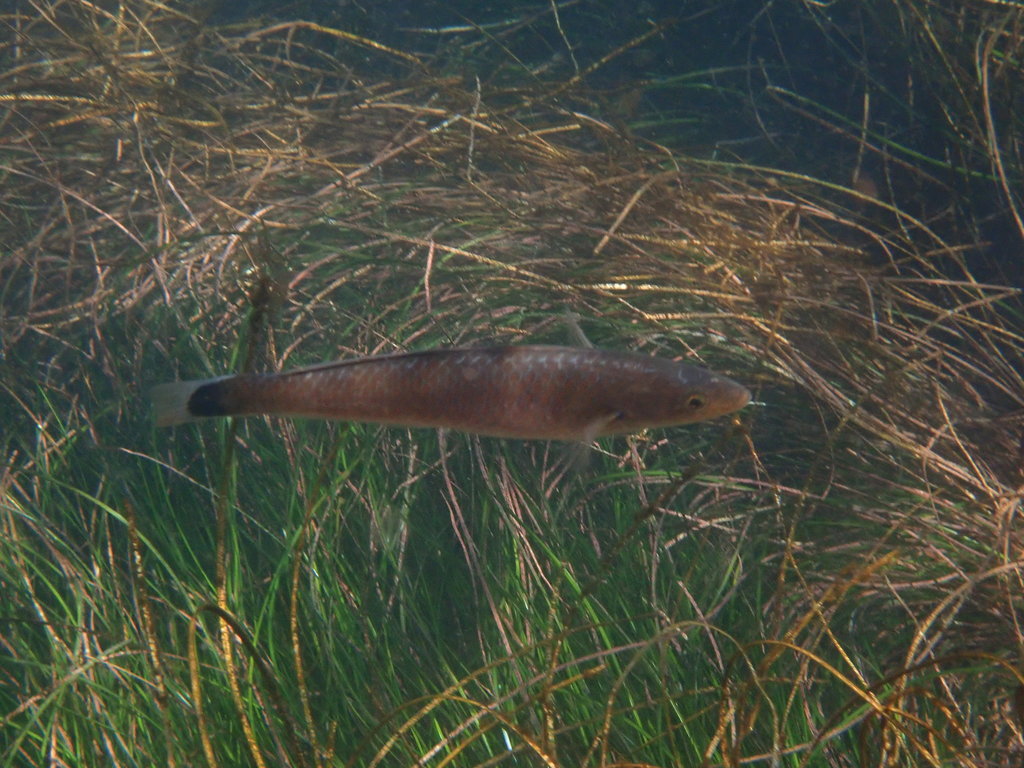 señorita
Halichoeres californicus
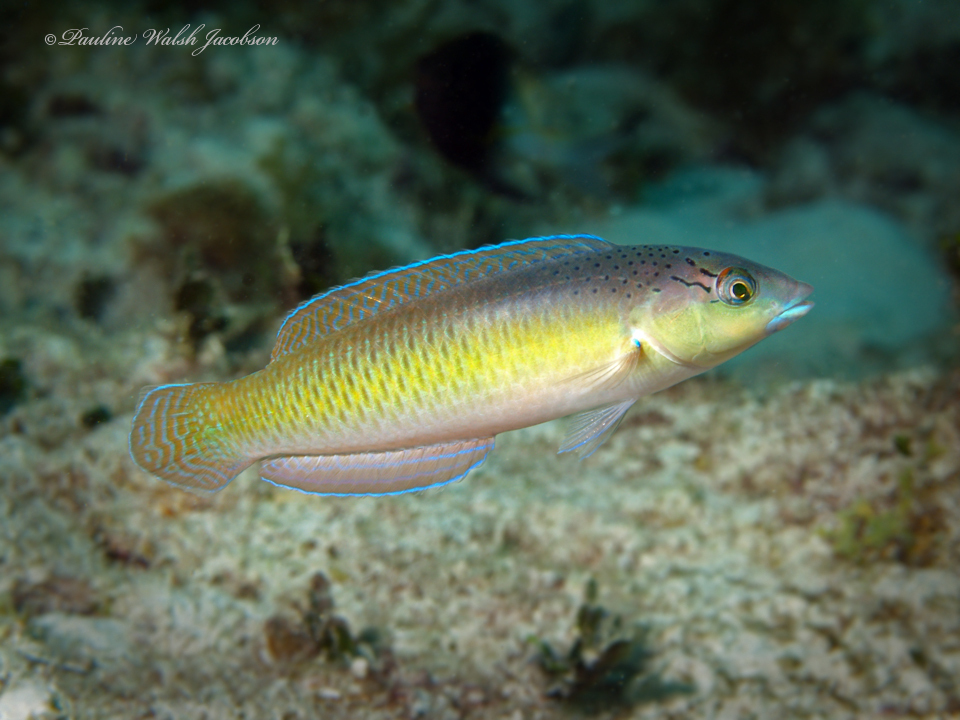 Redback wrasse
Halichoeres garnoti
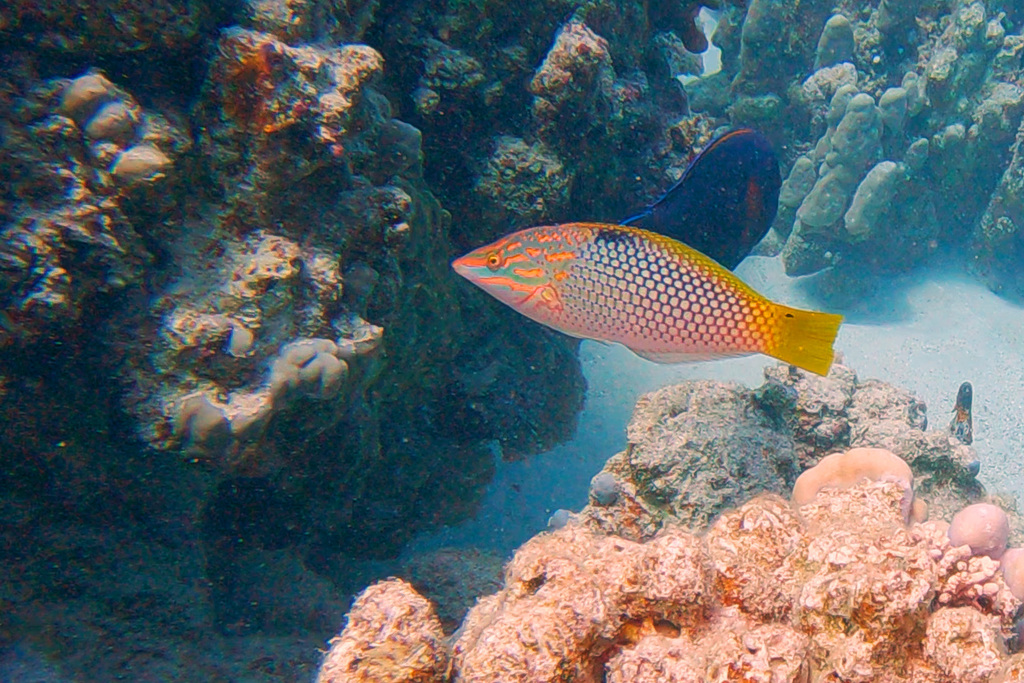 Checkerboard wrasse
Halichoeres hortulanus
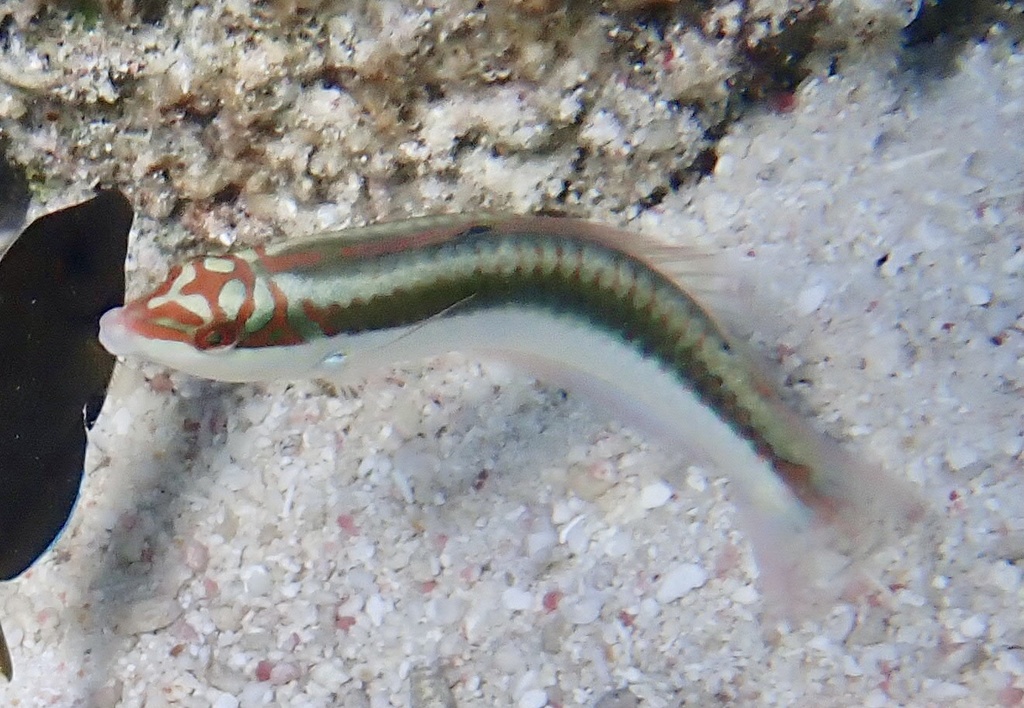 Clown wrasse
Halichoeres maculipinna
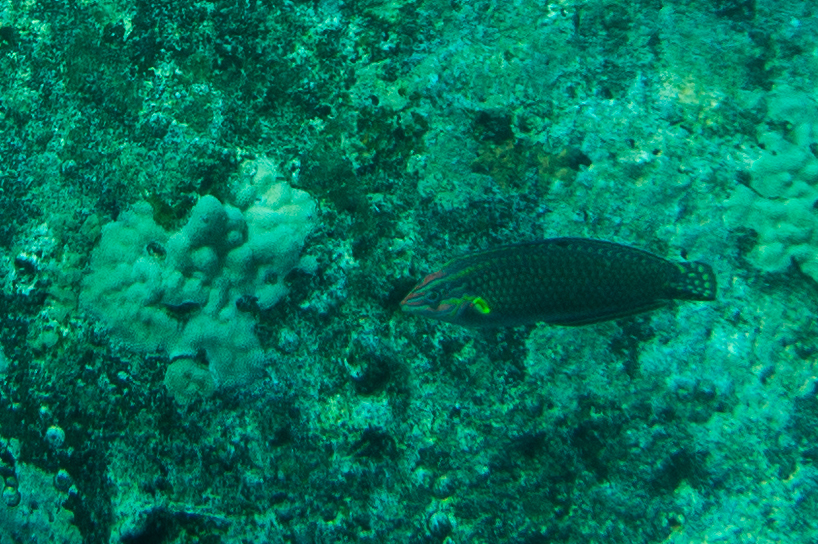 Ornamental Wrasse
Halichoeres ornatissimus
Sources and credits
Names and taxonomy: WoRMS (CC BY 4.0) and the GBIF Backbone (CC BY 4.0). Photos: iNaturalist observers, each under the licence shown (CC0, CC BY or CC BY-SA).
- Depth, temperature, months and maps: records from OBIS and GBIF under CC0 or CC BY.
- Descriptions: Wikipedia, licensed CC BY-SA, each linked to its article.
- Conservation status as published by GBIF (IUCN Red List).
- 11,487 open-data records from 1944 to 2023.
- Species data updated November 11, 2026.
Log what you see on your next dive
The free DiveHive diver app keeps your logbook with every sighting and shows what lives at the site you dive next.