
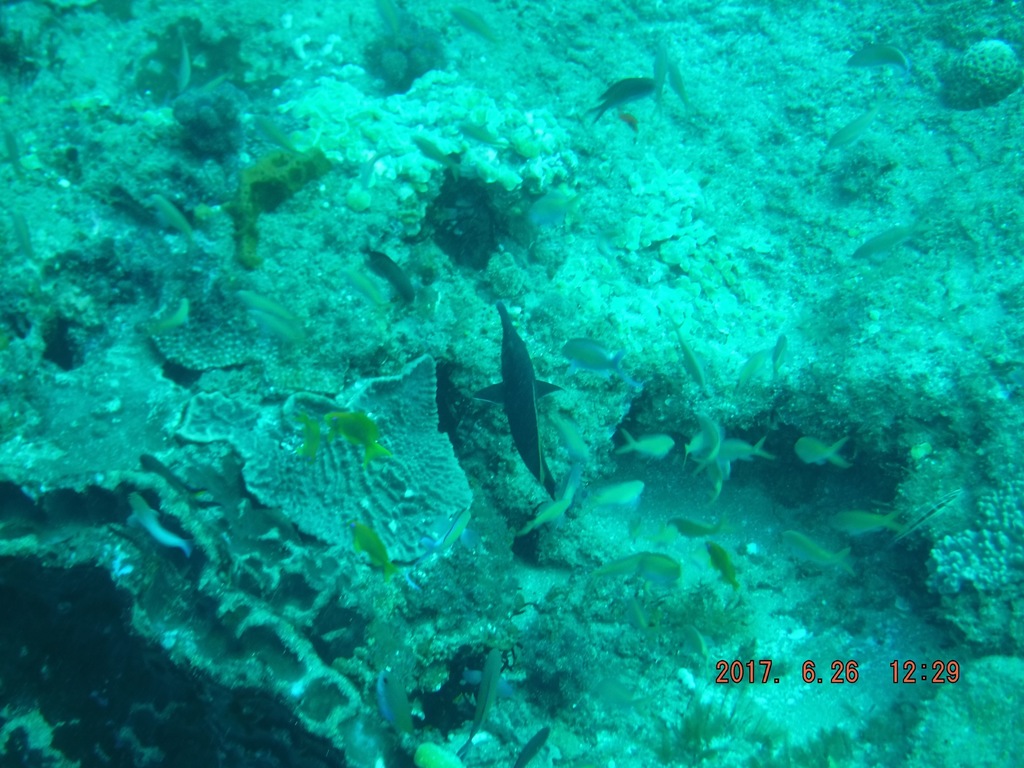
Bird wrasse
Gomphosus caeruleus
- Usual depth2–22 m
- Water temperature23–30 °C
- Best monthsMarch, October, and November
- How commonOccasional
Photo credit: (c) Rose Zappa, some rights reserved (CC BY) · CC BY · iNaturalist
About this species
Gomphosus caeruleus, the green birdmouth wrasse, is a species of wrasse belonging to the family Labridae. It can be found in the aquarium trade.
Text from the Wikipedia article “Gomphosus caeruleus”, licensed CC BY-SA 4.0. Read the article
Where and when
Where it has been recorded
Worldwide
Best months
Worldwide (open data)
- January: 68 records
- February: 63 records
- March: 102 records
- April: 92 records
- May: 59 records
- June: 29 records
- July: 60 records
- August: 54 records
- September: 75 records
- October: 96 records
- November: 96 records
- December: 78 records
Depth and water temperature
Depth
Mostly recorded at 2–22 m · Deepest record: 31 m
Water temperature
Recorded in surface water of 23–30 °C
Photos
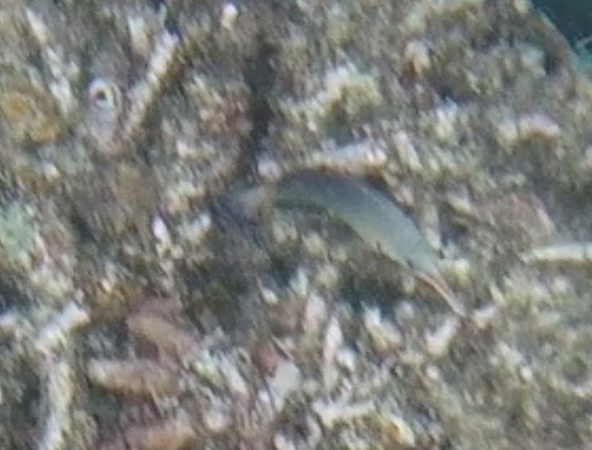
(c) Leonel Roget, some rights reserved (CC BY) · CC BY · iNaturalist 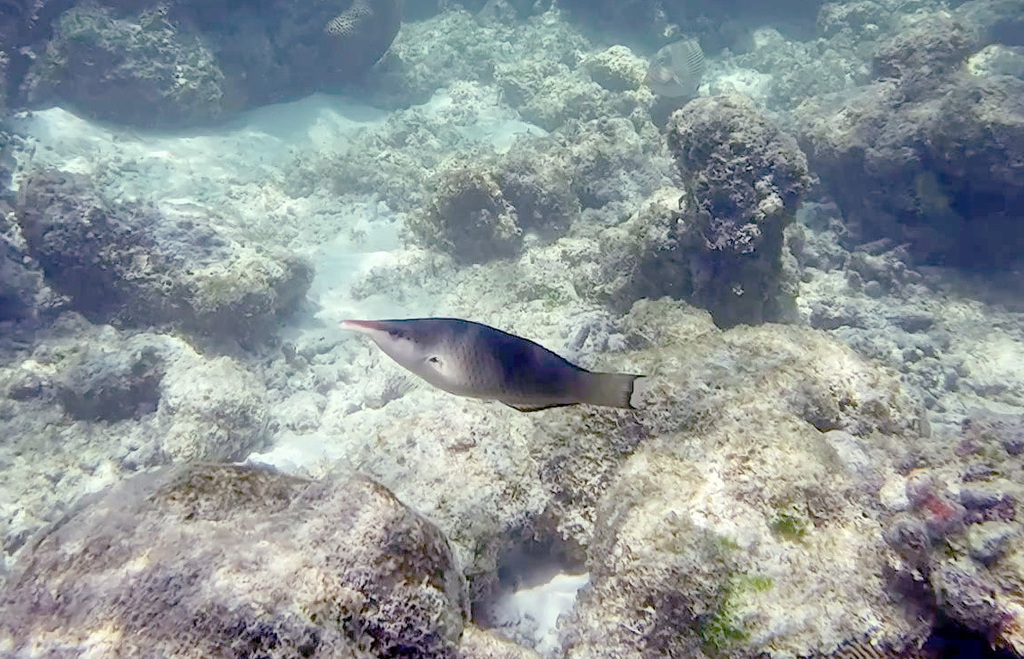
(c) Egor Dyukarev, some rights reserved (CC BY) · CC BY · iNaturalist 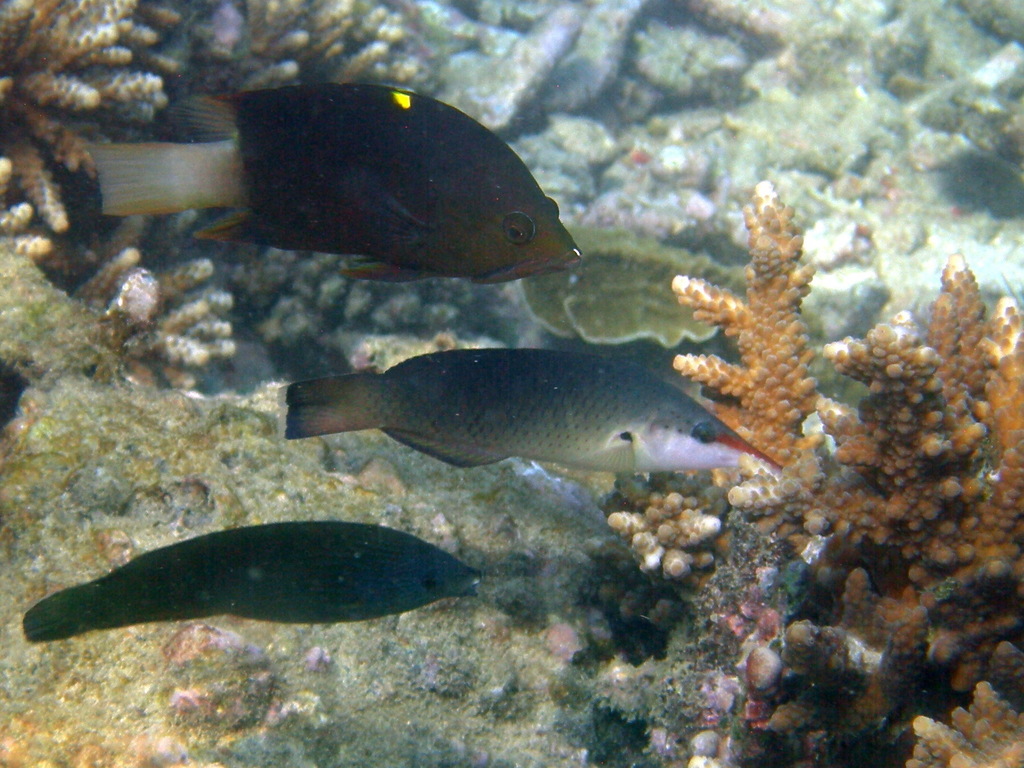
(c) Ian Dugdale, some rights reserved (CC BY) · CC BY · iNaturalist 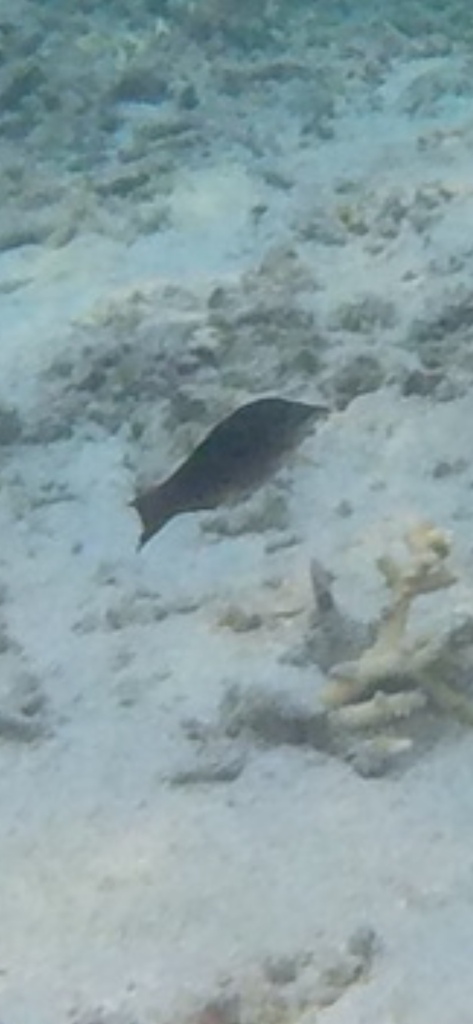
(c) eloise kerroux, some rights reserved (CC BY) · CC BY · iNaturalist 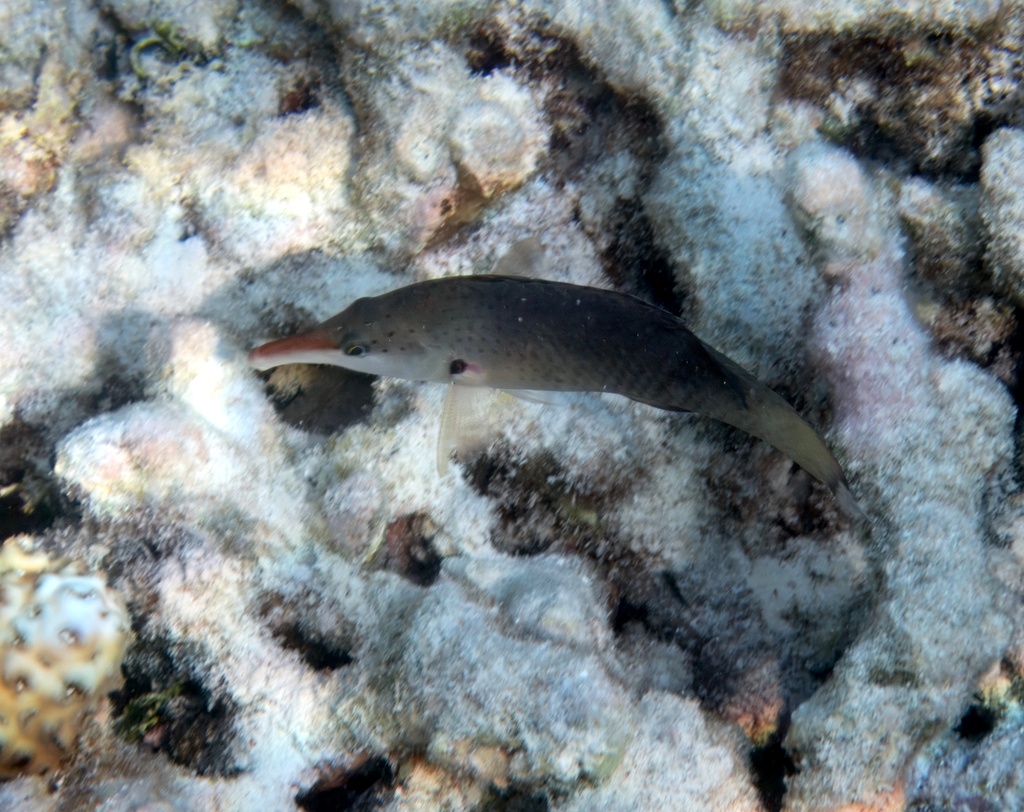
(c) Darren Obbard, some rights reserved (CC BY) · CC BY · iNaturalist 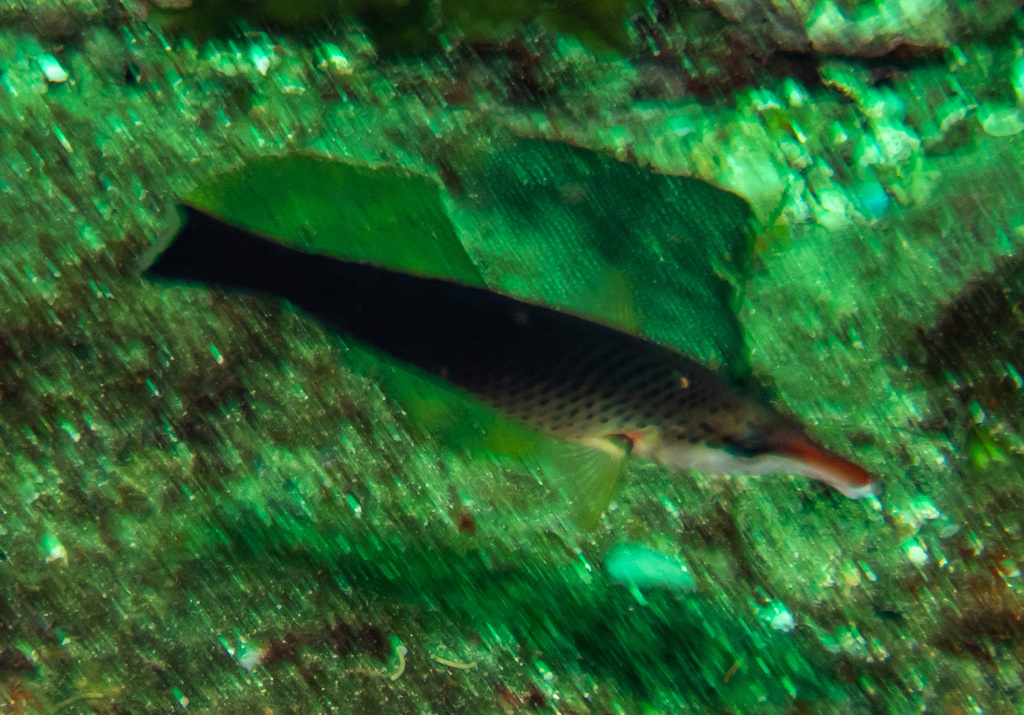
(c) portioid, some rights reserved (CC BY) · CC BY · iNaturalist 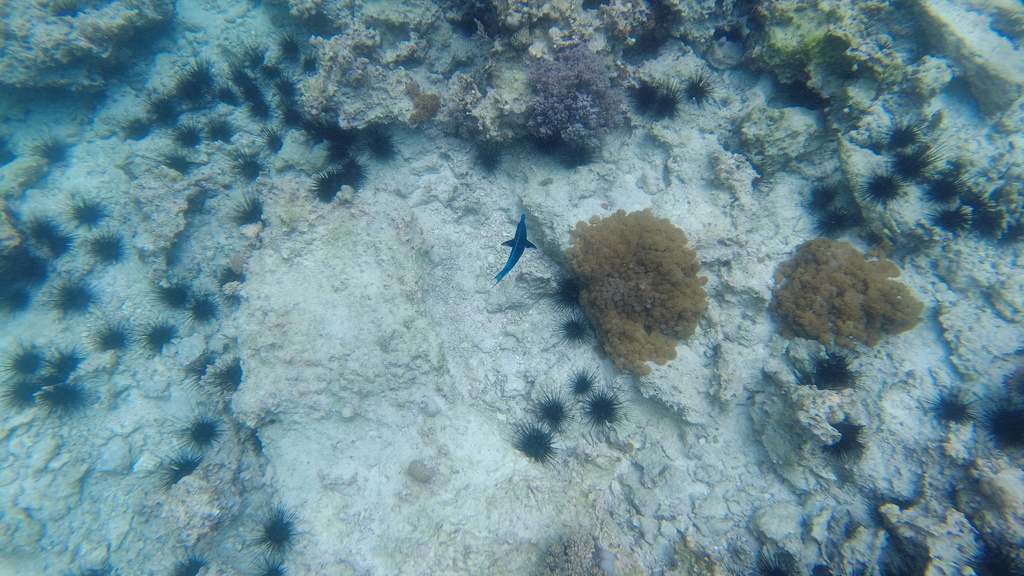
(c) bewambay, some rights reserved (CC BY) · CC BY · iNaturalist
Names and classification
- English
- Bird wrasse, Red Sea bird wrasse, birdfish, bird wrasse, blue clubnosed wrasse, Blue Green Bird Wrasse, Checkerboard wrasse, Green Birdmouth Wrasse, Green Bird Wrasse, Indian Bird Wrasse, Indian Ocean Bird Wrasse
Names in 4 more languages
- German
- Blauer Vogel-Lippfisch
- Spanish
- Vieja Trompetera
- French
- Canards, Labre Oiseau, Labre-oiseau indien, Labre Prince, Perroquet, Poisson oiseau
- Japanese
- Kugibera
Other scientific names: Gomphosus coeruleus, Gomphrosus caeruleus
Similar species
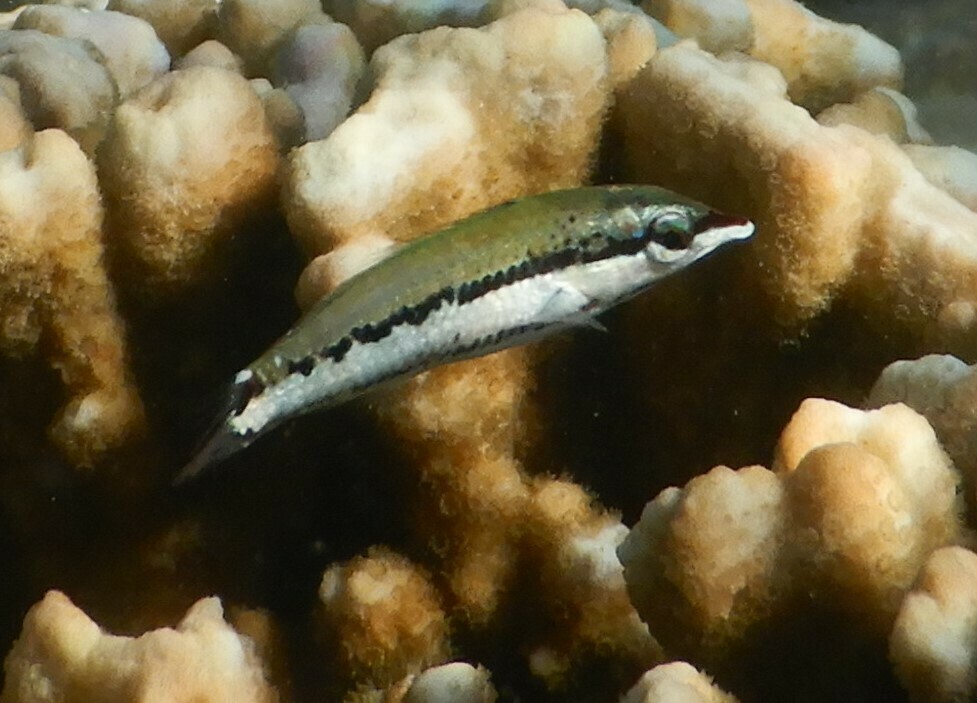 Bird wrasse
Gomphosus varius
 Blue Groper
Achoerodus gouldii
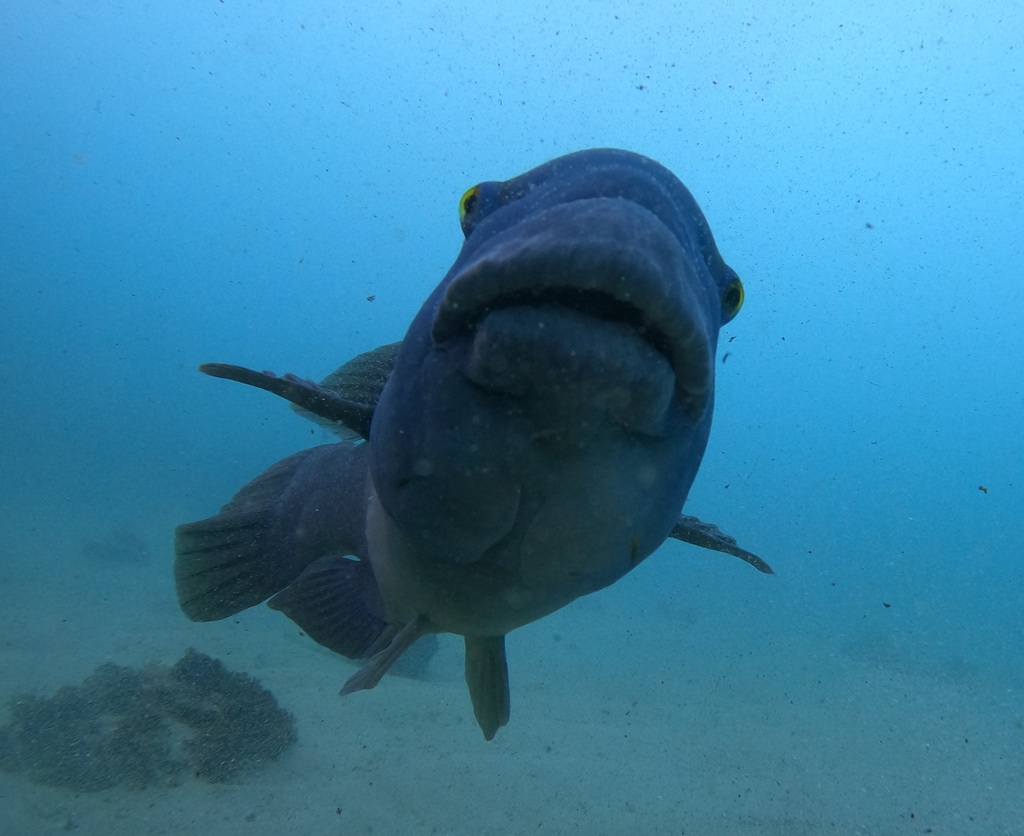 Blue Groper
Achoerodus viridis
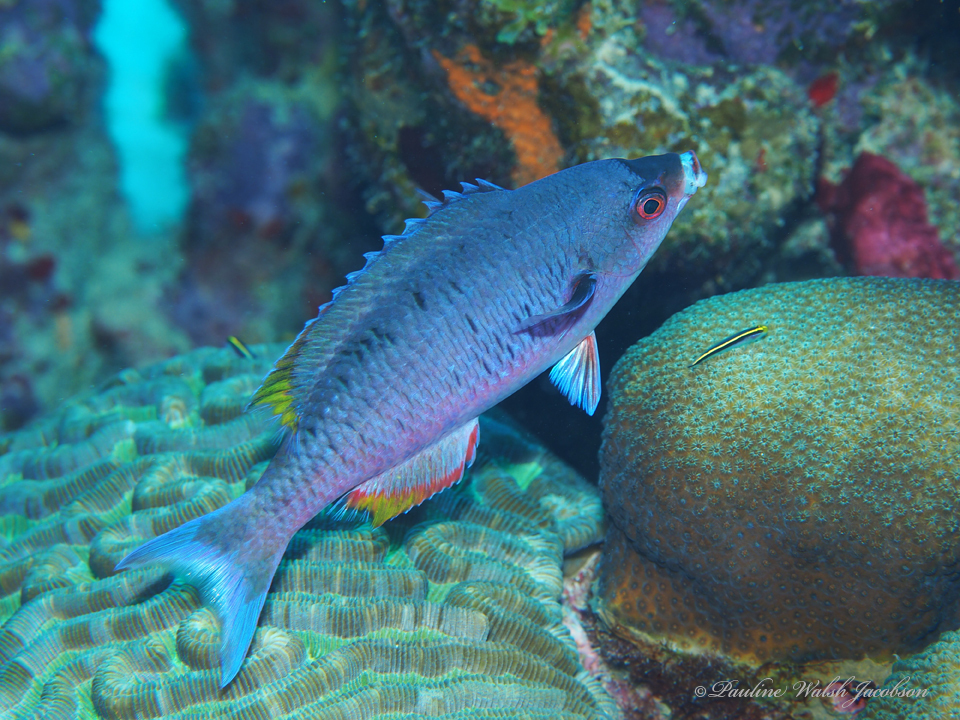
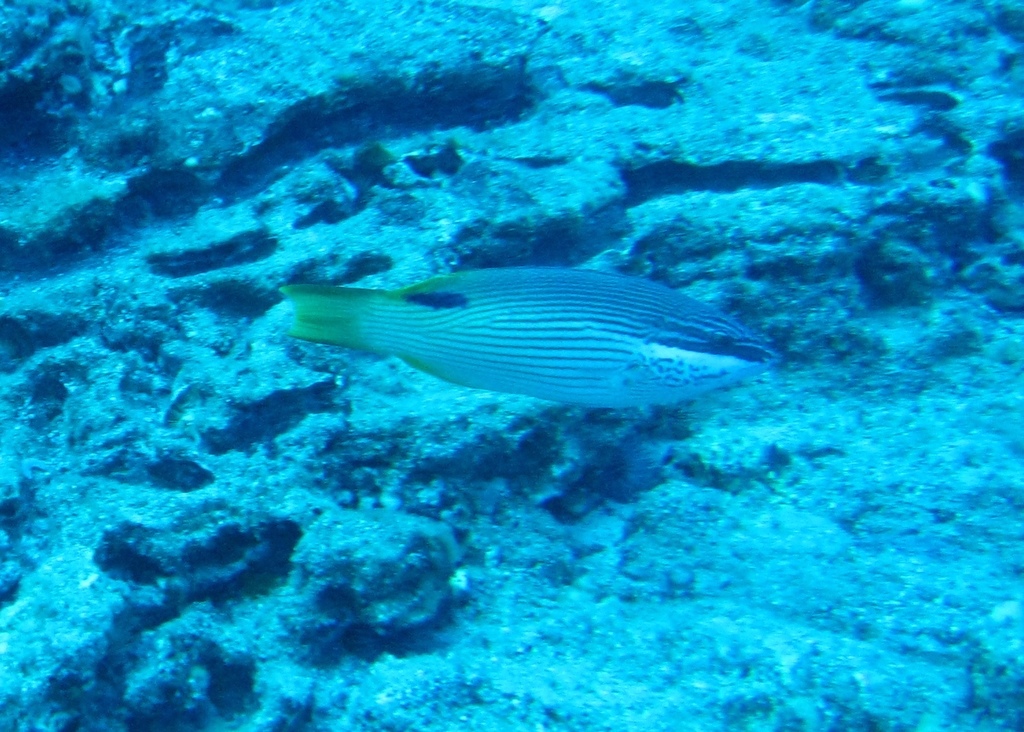 Hawaiian Hogfish
Bodianus albotaeniatus
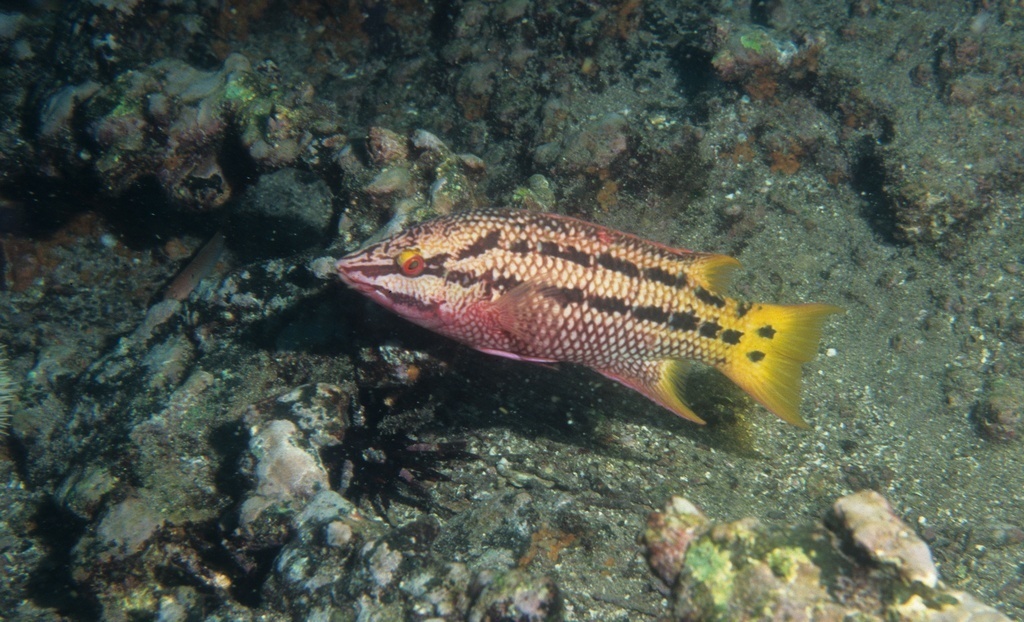 Mexican hogfish
Bodianus diplotaenia
Sources and credits
Names and taxonomy: WoRMS (CC BY 4.0) and the GBIF Backbone (CC BY 4.0). Photos: iNaturalist observers, each under the licence shown (CC0, CC BY or CC BY-SA).
- Depth, temperature, months and maps: records from OBIS and GBIF under CC0 or CC BY.
- Descriptions: Wikipedia, licensed CC BY-SA, each linked to its article.
- Conservation status as published by GBIF (IUCN Red List).
- 817 open-data records from 1912 to 2023.
- Species data updated November 24, 2026.
Log what you see on your next dive
The free DiveHive diver app keeps your logbook with every sighting and shows what lives at the site you dive next.