
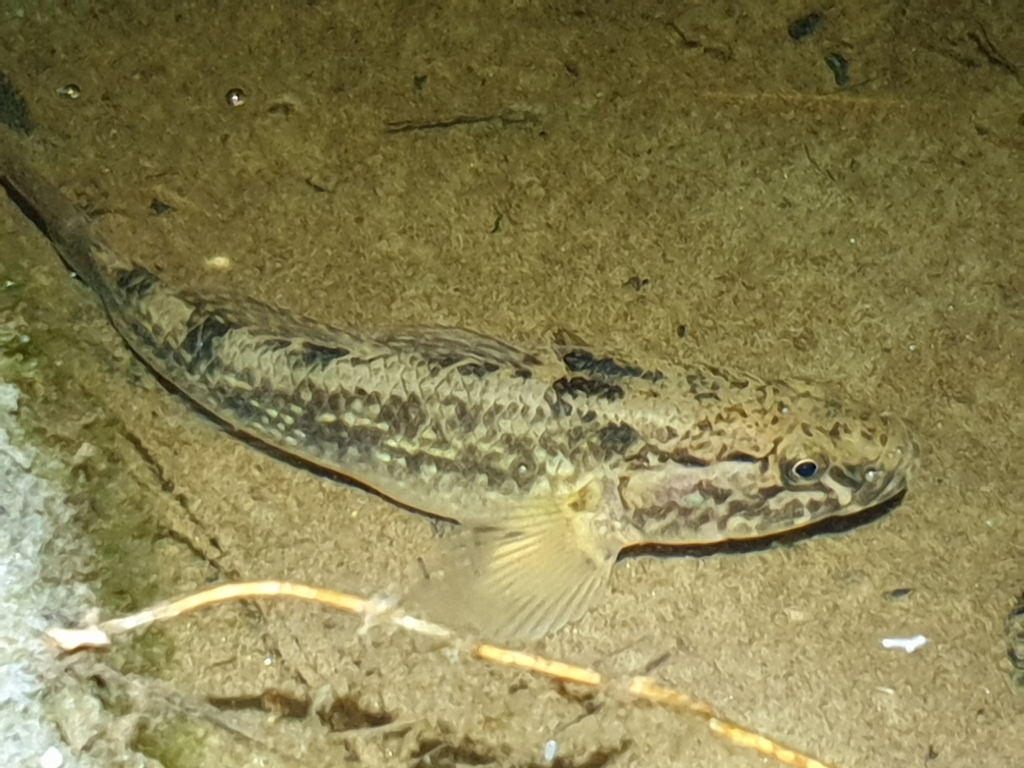
Giant Bully
Gobiomorphus gobioides
- Water temperature14–27 °C
- Best monthsFebruary, April, and May
- How commonRare
Photo credit: (c) Peter Hancock, some rights reserved (CC BY), uploaded by Peter Hancock · CC BY · iNaturalist
About this species
The giant bully, tītarakura, or tīpokopoko (Māori), is a species of probably amphidromous ray-finned fish belonging to the family Eleotridae, the spinycheek sleepers or bullies. This fish is endemic to New Zealand.
Text from the Wikipedia article “Giant bully”, licensed CC BY-SA 4.0. Read the article
Where and when
Where it has been recorded
Worldwide
Best months
Worldwide (open data)
- January: 7 records
- February: 9 records
- March: 3 records
- April: 11 records
- May: 13 records
- June: 3 records
- July: 2 records
- August: 2 records
- September: 2 records
- October: 2 records
- November: 3 records
- December: 5 records
Depth and water temperature
Water temperature
Recorded in surface water of 14–27 °C
Photos
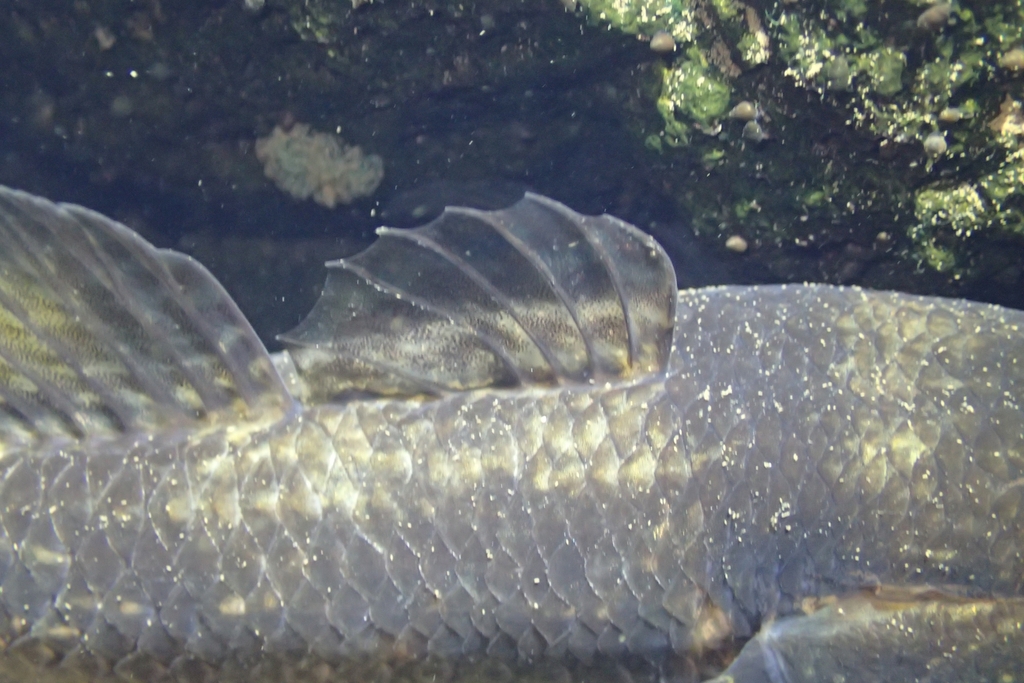
(c) Oscar Dove, some rights reserved (CC BY), uploaded by Oscar Dove · CC BY · iNaturalist 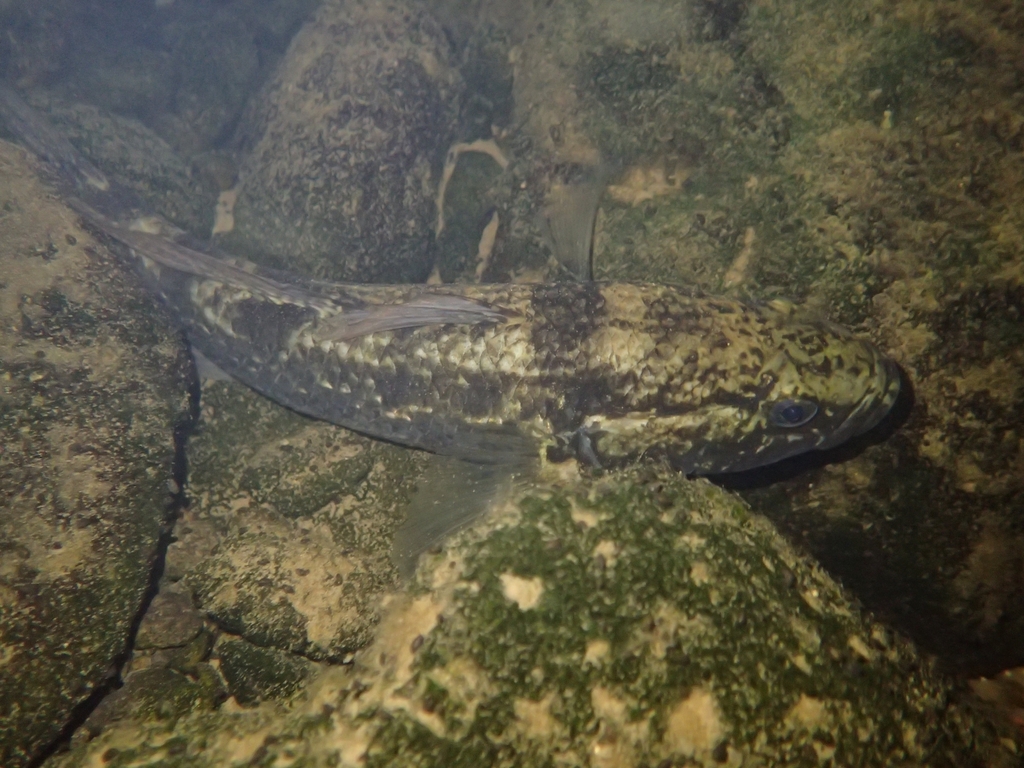
(c) Oscar Dove, some rights reserved (CC BY) · CC BY · iNaturalist 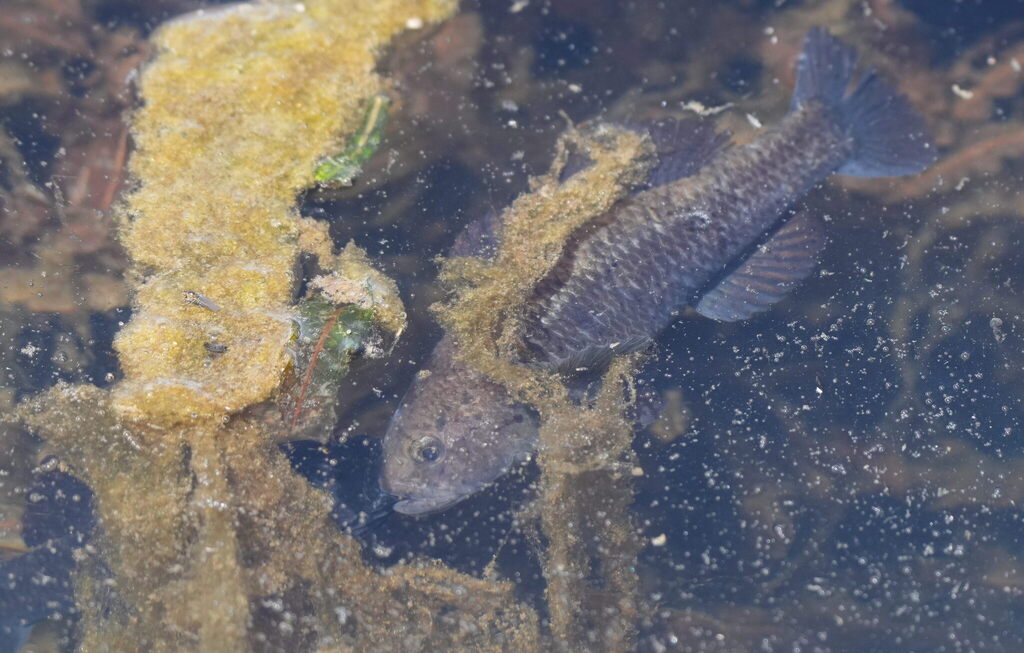
(c) William Harland, some rights reserved (CC BY) · CC BY · iNaturalist 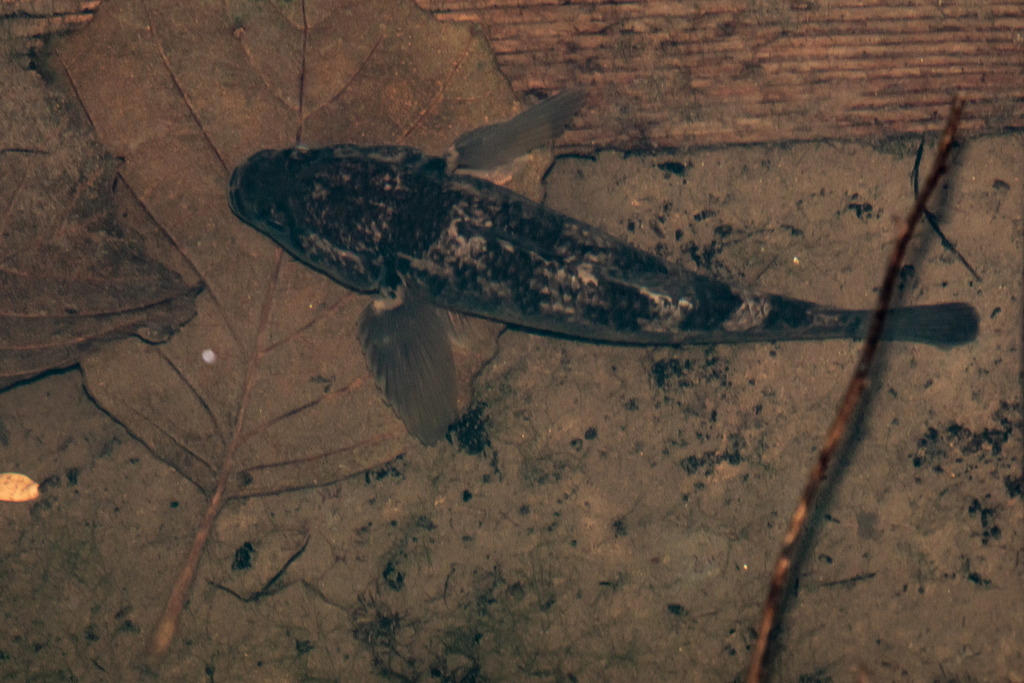
(c) Shaun Lee, some rights reserved (CC BY) · CC BY · iNaturalist 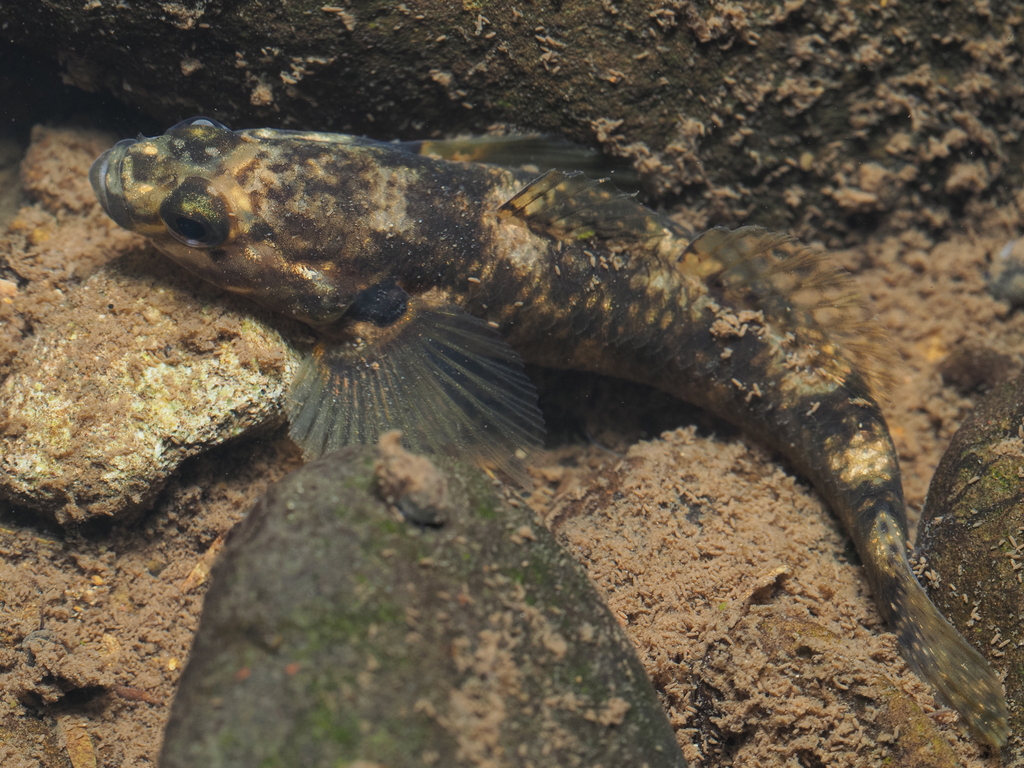
(c) Saryu Mae 前 朝琉, some rights reserved (CC BY) · CC BY · iNaturalist
Names and classification
- English
- Giant Bully
Other scientific names: Eleotris gobioides
Similar species
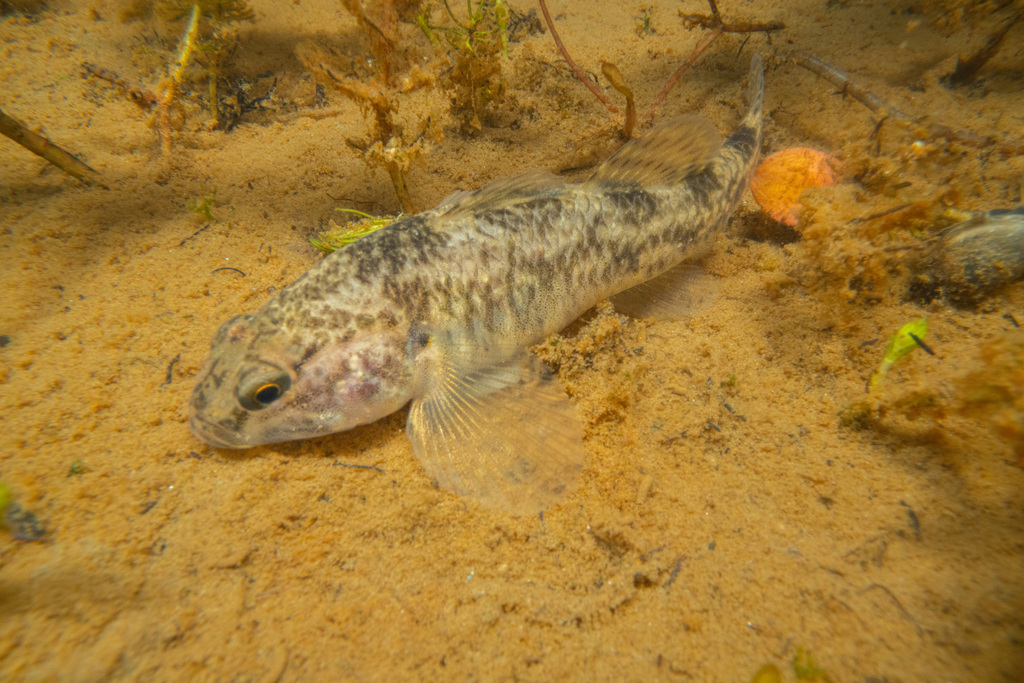 Common Bully
Gobiomorphus cotidianus
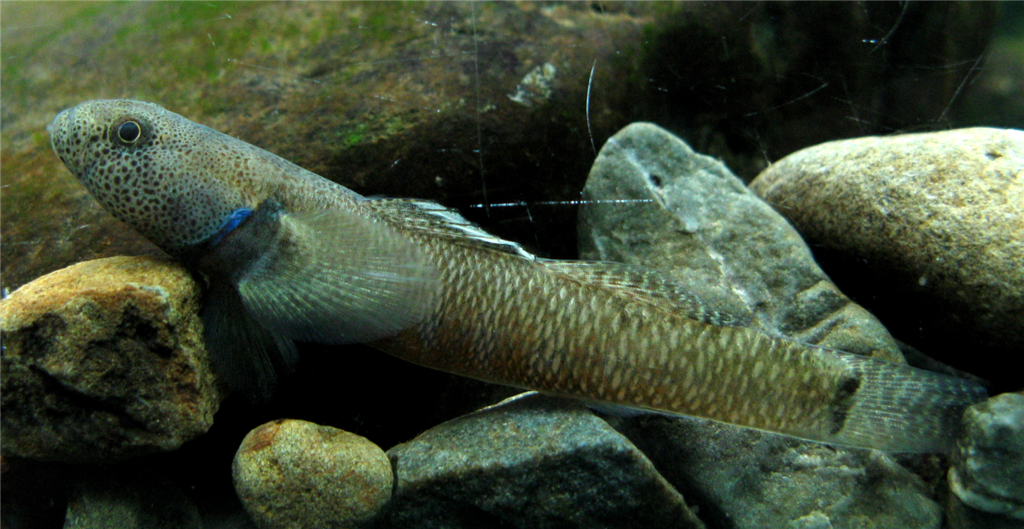 Bluegill Bully
Gobiomorphus hubbsi
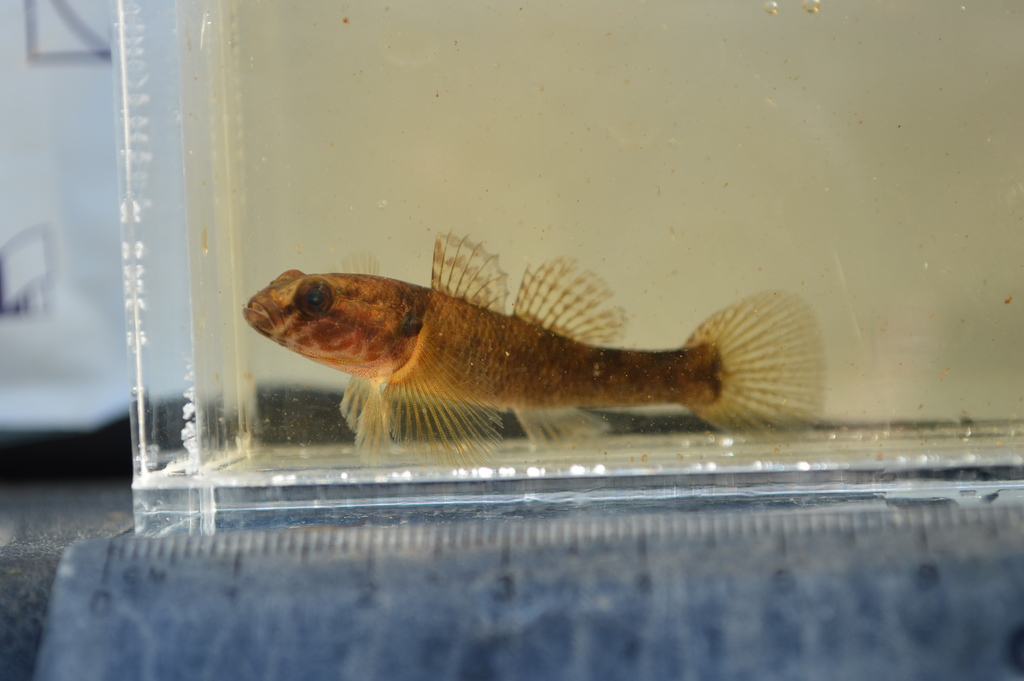 Redfin Bully
Gobiomorphus huttoni
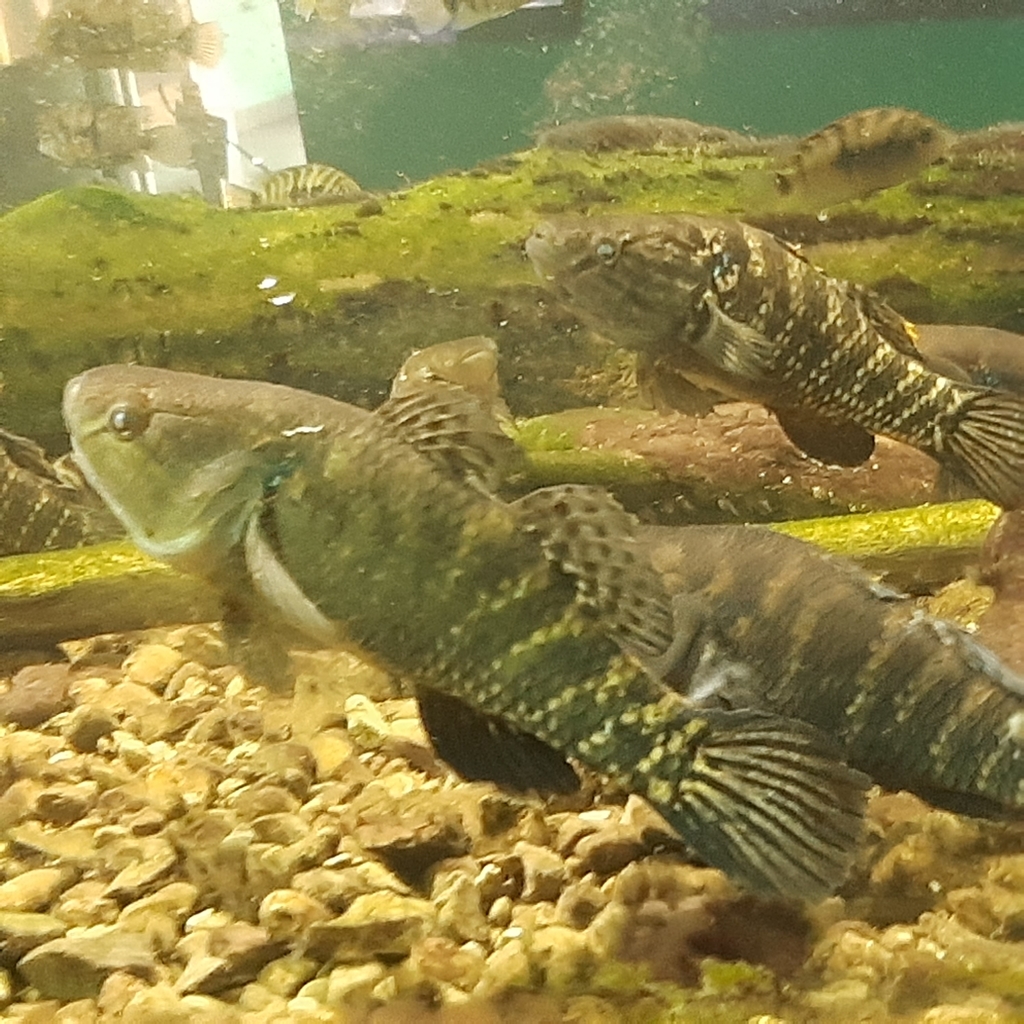 Pacific fat sleeper
Dormitator latifrons
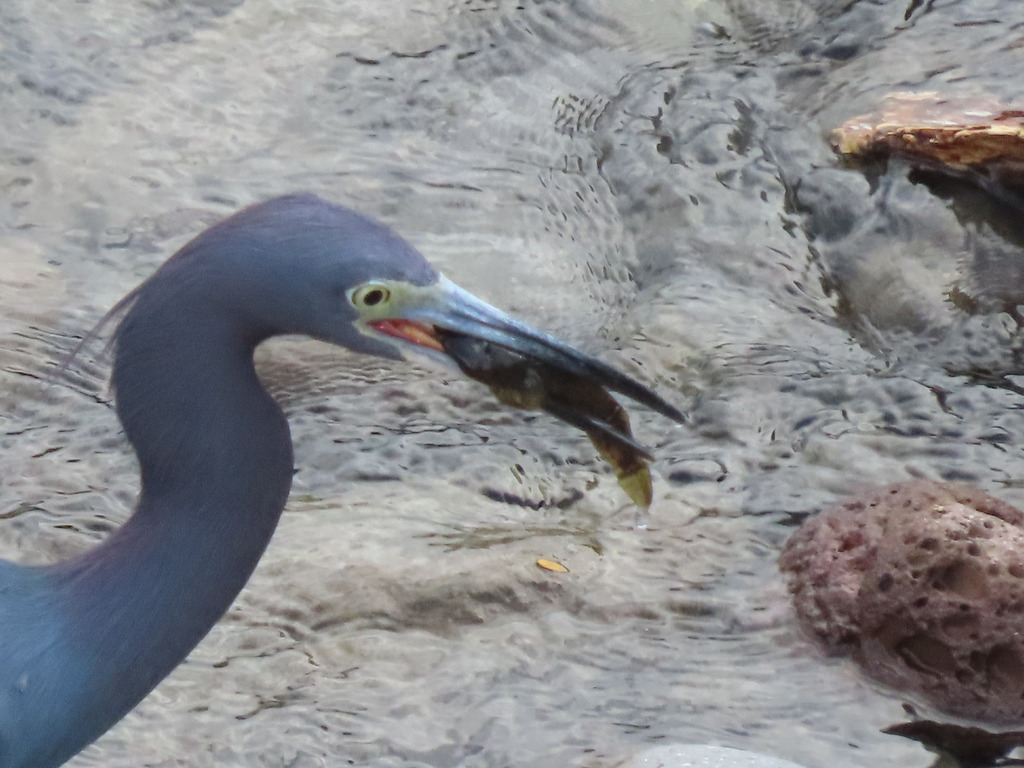 Fat sleeper
Dormitator maculatus
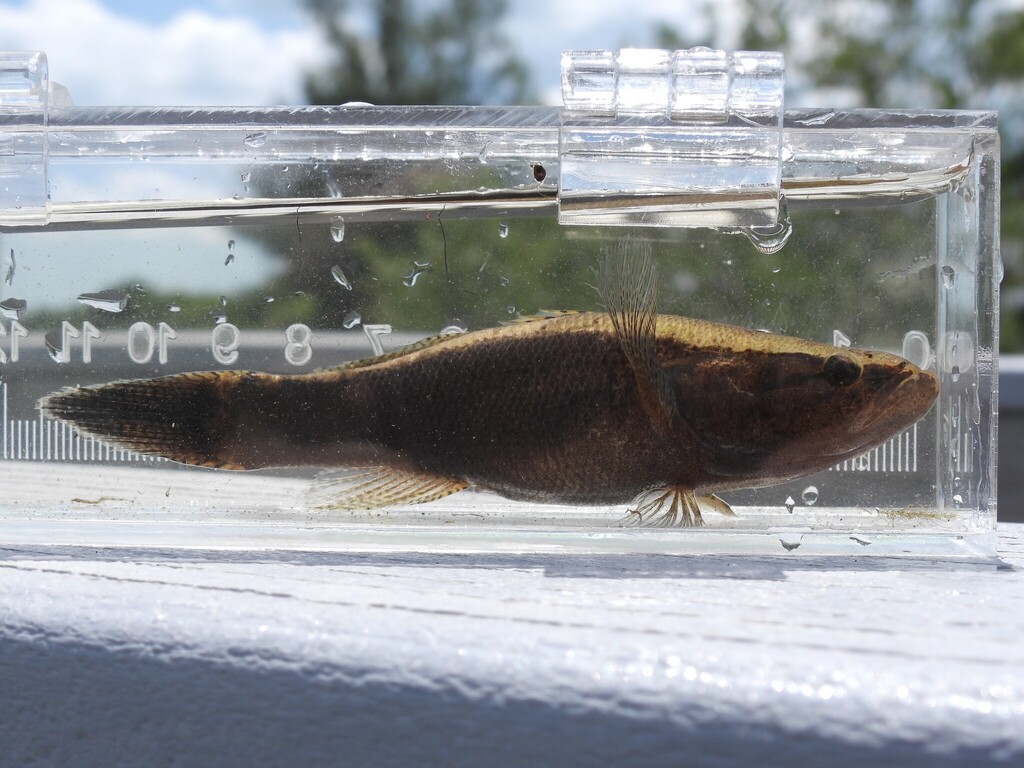 Largescaled spinycheek sleeper
Eleotris amblyopsis
Sources and credits
Names and taxonomy: WoRMS (CC BY 4.0) and the GBIF Backbone (CC BY 4.0). Photos: iNaturalist observers, each under the licence shown (CC0, CC BY or CC BY-SA).
- Depth, temperature, months and maps: records from OBIS and GBIF under CC0 or CC BY.
- Descriptions: Wikipedia, licensed CC BY-SA, each linked to its article.
- Conservation status as published by GBIF (IUCN Red List).
- 23 open-data records from 1922 to 1976.
- Species data updated November 24, 2026.
Log what you see on your next dive
The free DiveHive diver app keeps your logbook with every sighting and shows what lives at the site you dive next.