

Bravo Blenny
Gobioclinus dendriticus
- Usual depth2–18 m
- Water temperature23–27 °C
- Best monthsMay
- How commonRare
Photo credit: (c) Julien Renoult, some rights reserved (CC BY), uploaded by Julien Renoult · CC BY · iNaturalist
About this species
Gobioclinus dendriticus, the Bravo clinid, is a species of labrisomid blenny native to the Galapagos Islands and Malpelo Island. It inhabits such habitats as undercuts and ledges on rock wall faces, reefs, and areas with many boulders at depths of from 1 to 23 metres though usually no shallower than 6 metres (20 ft) and no deeper than 18 metres (59 ft). This species preys on small fishes and crustaceans. It can reach a length of 13 centimetres (5.1 in) TL.
Text from the Wikipedia article “Gobioclinus dendriticus”, licensed CC BY-SA 4.0. Read the article
Where and when
Where it has been recorded
Worldwide
Best months
Worldwide (open data)
- January: 38 records
- February: 38 records
- March: 49 records
- April: 49 records
- May: 105 records
- June: 41 records
- July: 45 records
- August: 34 records
- September: 10 records
- October: 29 records
- November: 27 records
- December: 29 records
Depth and water temperature
Depth
Mostly recorded at 2–18 m · Deepest record: 24 m
Water temperature
Recorded in surface water of 23–27 °C
Photos
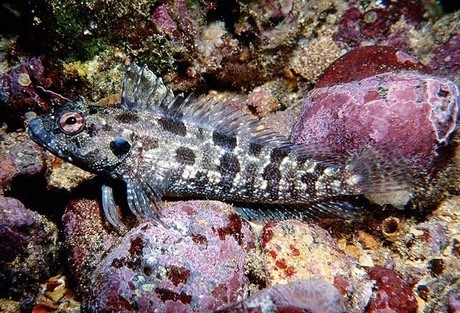
(c) Ross Robertson, some rights reserved (CC BY-SA) · CC BY-SA · upload.wikimedia.org 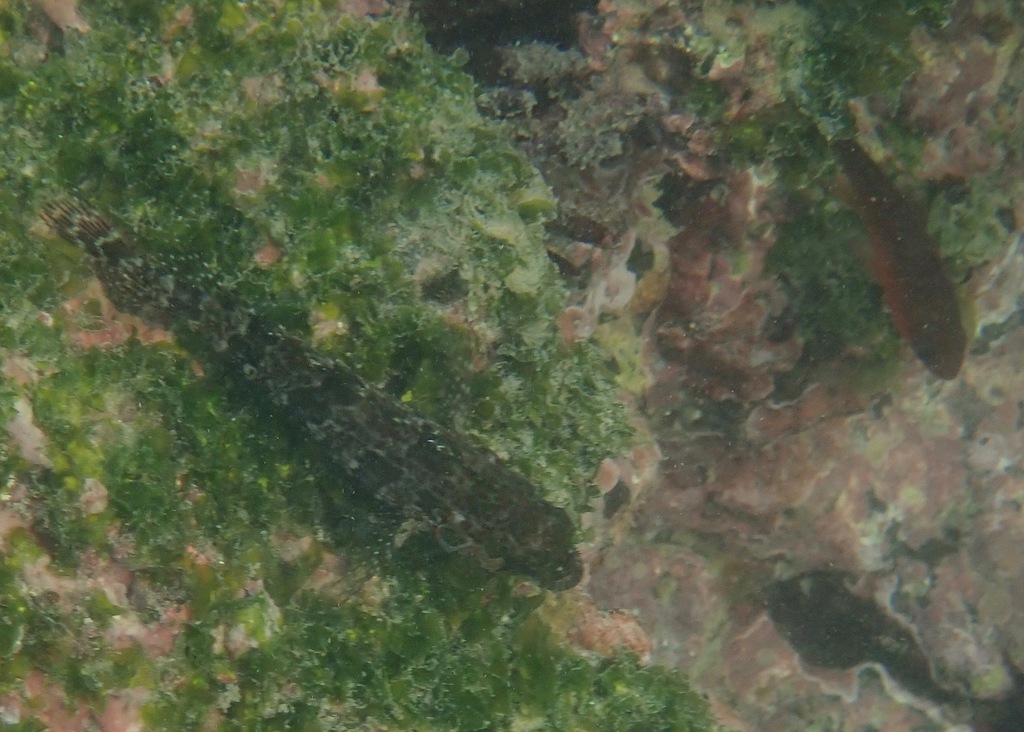
(c) John G. Phillips, some rights reserved (CC BY) · CC BY · iNaturalist 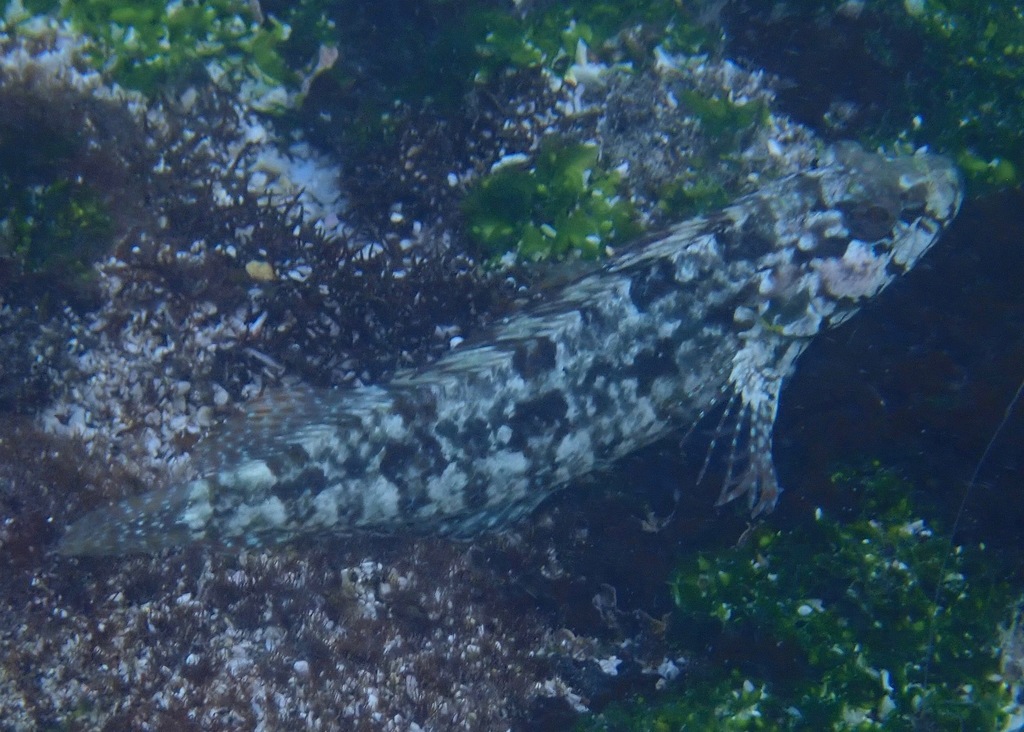
(c) John G. Phillips, some rights reserved (CC BY) · CC BY · iNaturalist 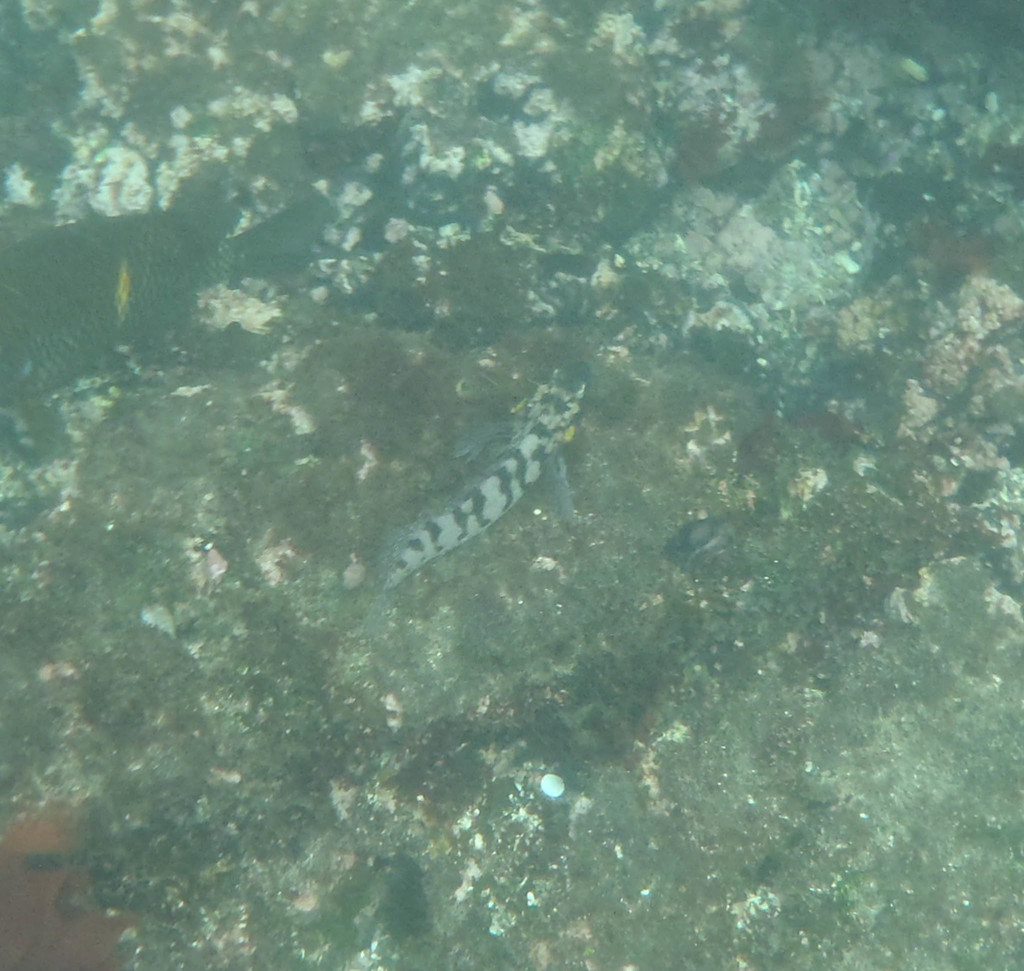
(c) Carrie Seltzer, some rights reserved (CC BY) · CC BY · iNaturalist 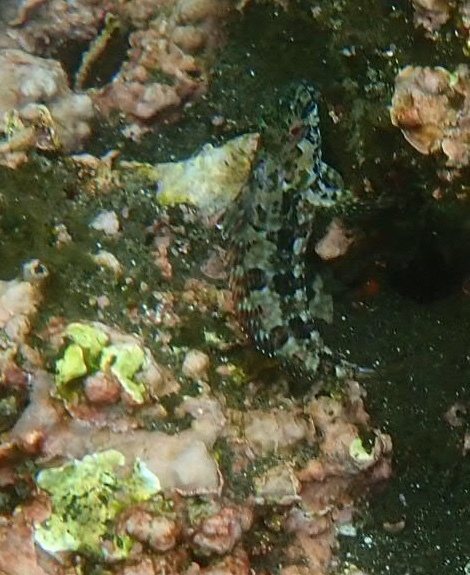
(c) J Brew, some rights reserved (CC BY-SA) · CC BY-SA · iNaturalist 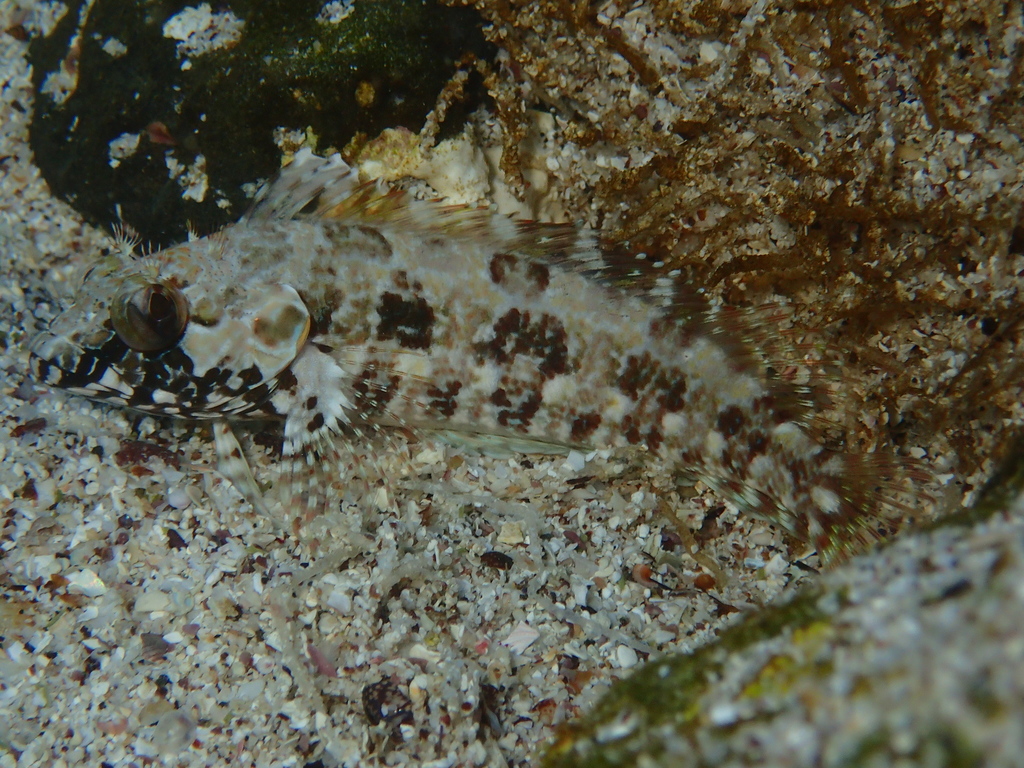
(c) Julien Renoult, some rights reserved (CC BY) · CC BY · iNaturalist 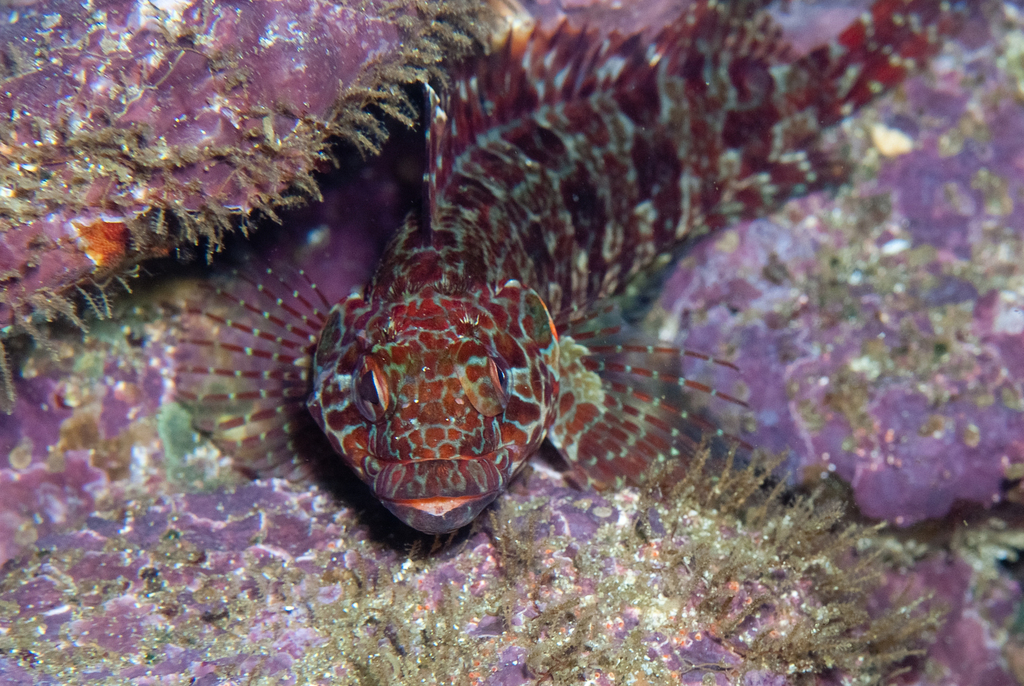
(c) Georgina Jones, some rights reserved (CC BY-SA) · CC BY-SA · iNaturalist
Names and classification
- English
- Bravo Blenny, Bravo Clinid, Dendritic Blenny
Names in 1 more language
- Spanish
- Trambollo Bravo
Other scientific names: Labrisomus dendriticus, Odontoclinus dendriticus
Similar species
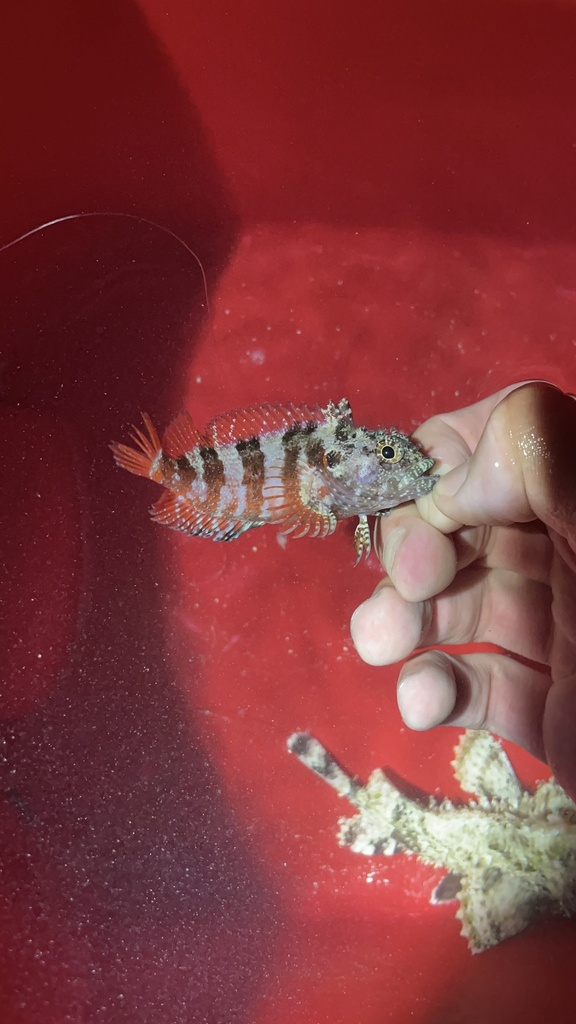 Mimic blenny
Gobioclinus guppyi
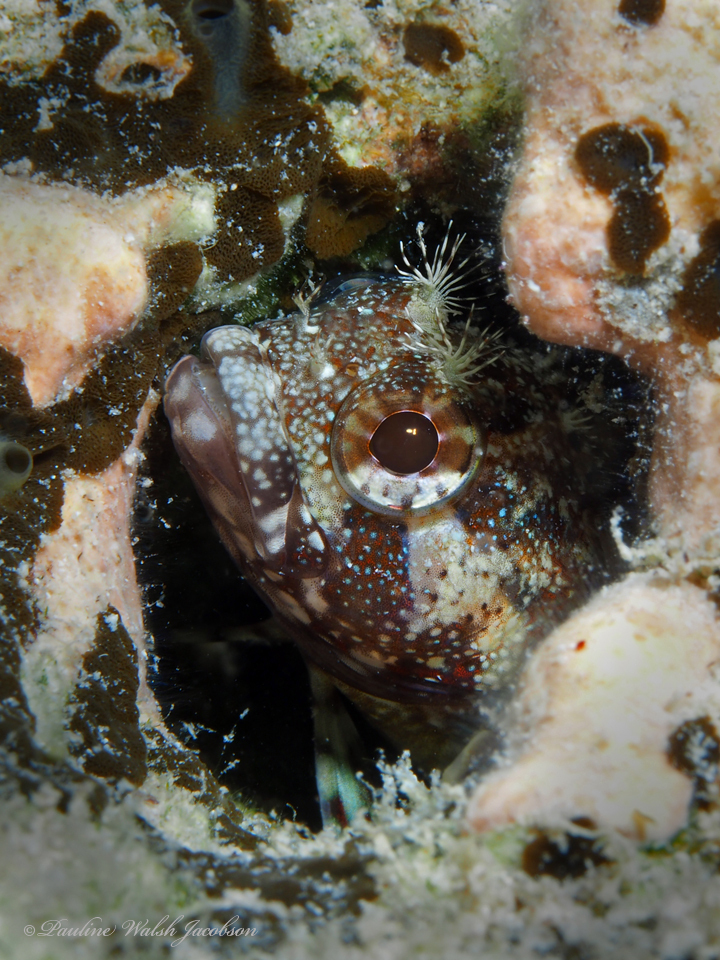 Puffcheek blenny
Gobioclinus bucciferus
 Quillfin Blenny
Gobioclinus filamentosus
 Goggle Eye Blenny
Gobioclinus gobio
 longfin blenny
Gobioclinus haitiensis
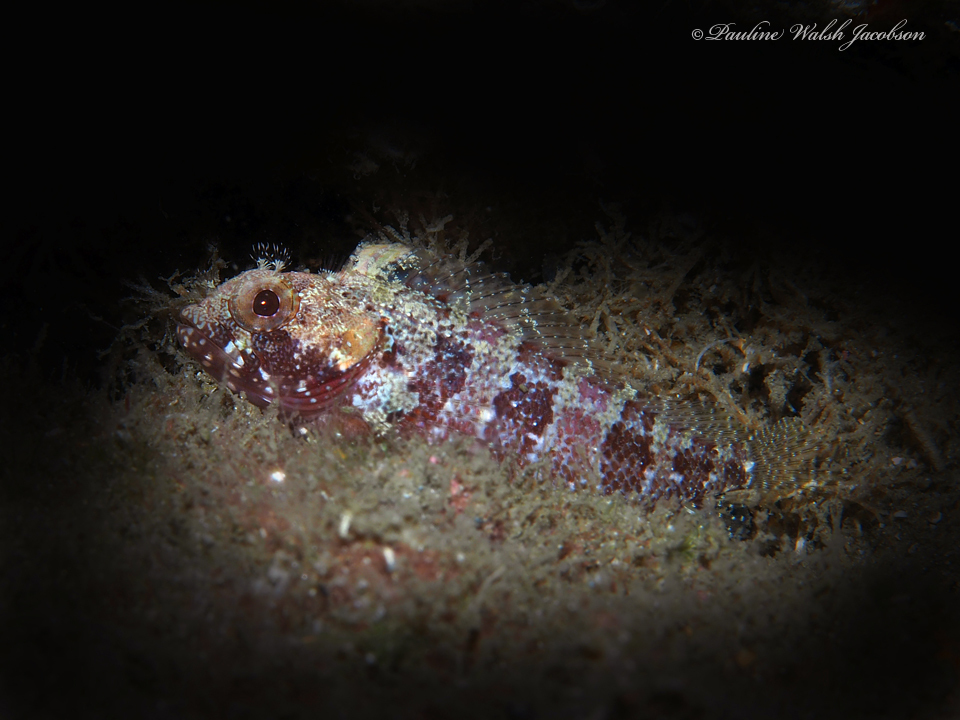 downy blenny
Gobioclinus kalisherae
Sources and credits
Names and taxonomy: WoRMS (CC BY 4.0) and the GBIF Backbone (CC BY 4.0). Photos: iNaturalist observers, each under the licence shown (CC0, CC BY or CC BY-SA).
- Depth, temperature, months and maps: records from OBIS and GBIF under CC0 or CC BY.
- Descriptions: Wikipedia, licensed CC BY-SA, each linked to its article.
- Conservation status as published by GBIF (IUCN Red List).
- 167 open-data records from 1932 to 2024.
- Species data updated November 10, 2026.
Log what you see on your next dive
The free DiveHive diver app keeps your logbook with every sighting and shows what lives at the site you dive next.