
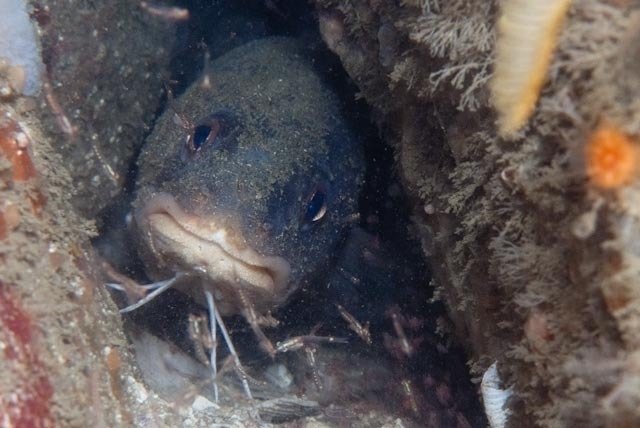
kingklip
Genypterus capensis
- Usual depth93–406 m
- Water temperature15–21 °C
- Best monthsJanuary, February, and April
- How commonCommon
Photo credit: (c) Georgina Jones, alcuni diritti riservati (CC BY-SA), caricata da Georgina Jones · CC BY-SA · iNaturalist
About this species
Genypterus capensis, commonly known as kingklip, is a species of cusk eel occurring along the Southern African coast from Walvis Bay in Namibia to Algoa Bay in South Africa. It is closely related to Genypterus blacodes from New Zealand. The species grows to a maximum length of 180 cm (71 in) and a weight of 15 kg (33 lb). It is one of the most popular fish items on South African menus. Despite appearances, it is not closely related to the eels of the order Anguilliformes.
Text from the Wikipedia article “Kingklip”, licensed CC BY-SA 4.0. Read the article
Where and when
Where it has been recorded
Worldwide
Best months
Worldwide (open data)
- January: 3,312 records
- February: 2,485 records
- March: 1,847 records
- April: 2,177 records
- May: 2,154 records
- June: 1,747 records
- July: 1,564 records
- August: 1,166 records
- September: 1,724 records
- October: 1,328 records
- November: 1,174 records
- December: 1,155 records
Depth and water temperature
Depth
Mostly recorded at 93–406 m · Deepest record: 700 m
Water temperature
Recorded in surface water of 15–21 °C
Names and classification
- English
- kingklip
Names in 1 more language
- Japanese
- キングクリップ
Other scientific names: Hoplophycis lalandi, Xiphiurus capensis
Similar species
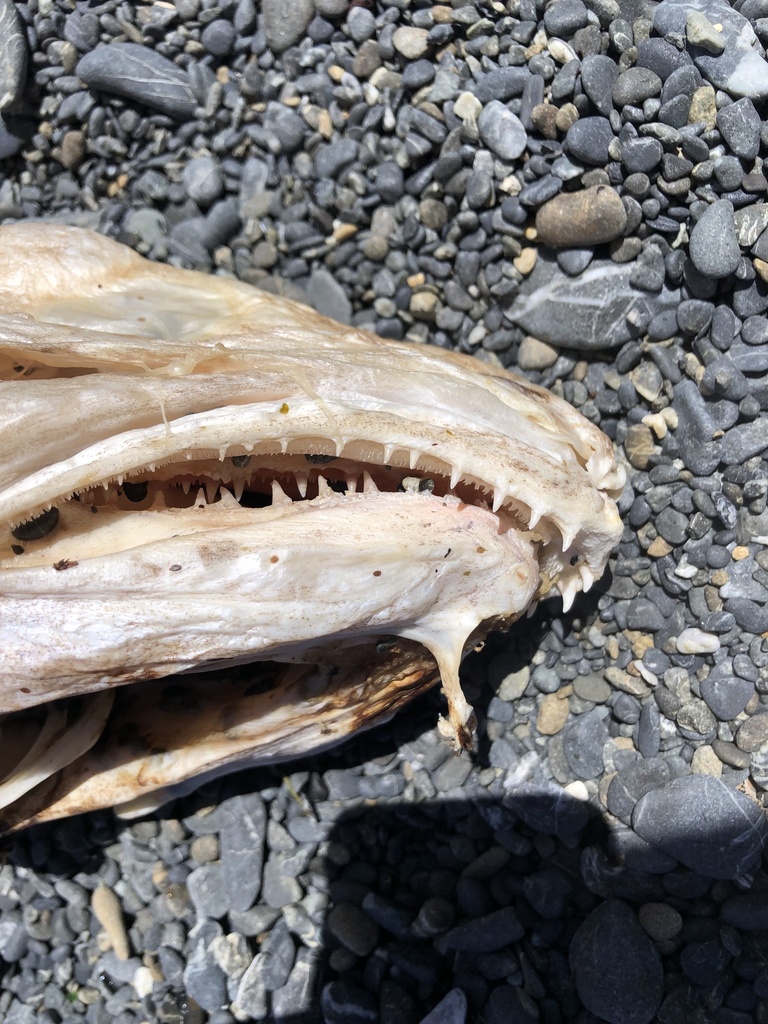 Pink cusk-eel
Genypterus blacodes
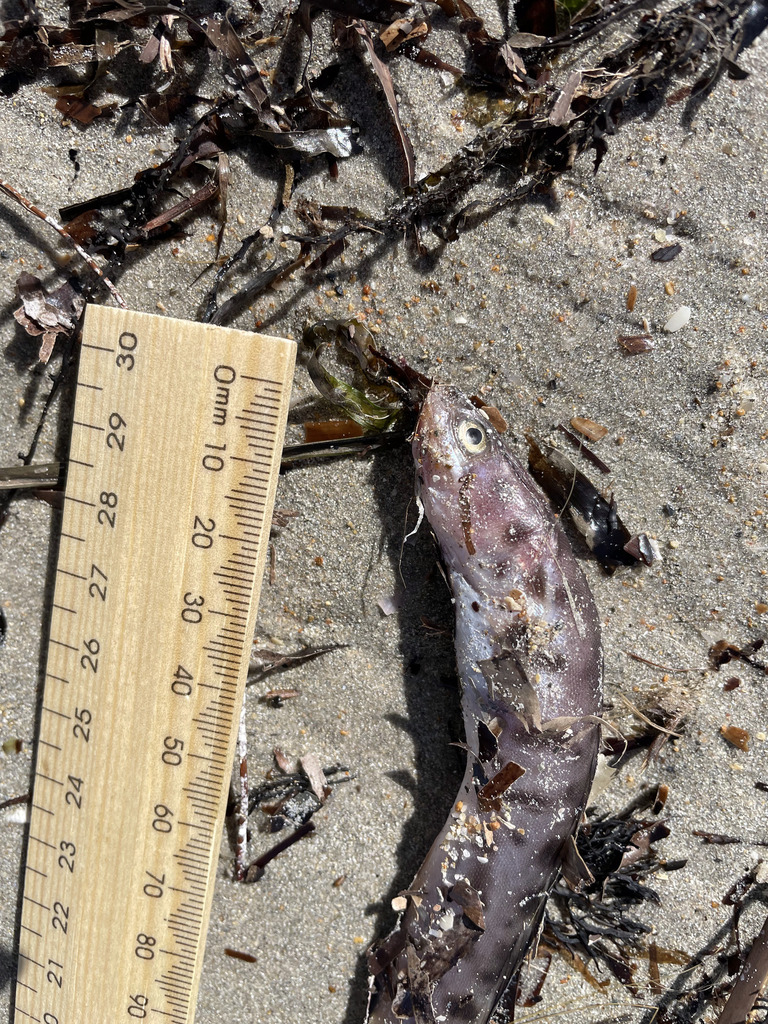 Ling
Genypterus tigerinus
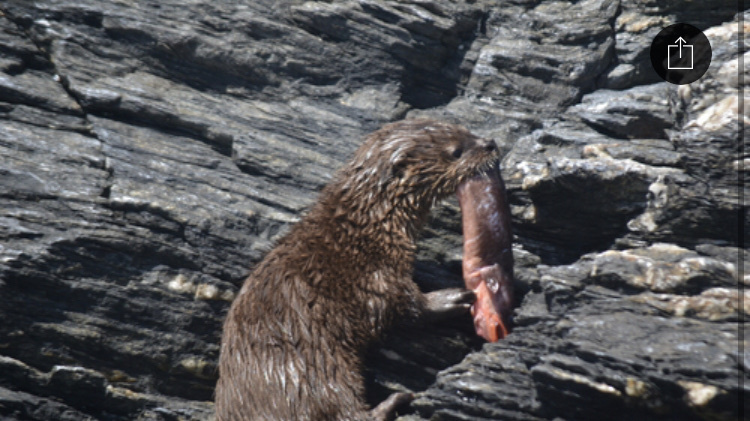 Red Cusk-eel
Genypterus chilensis
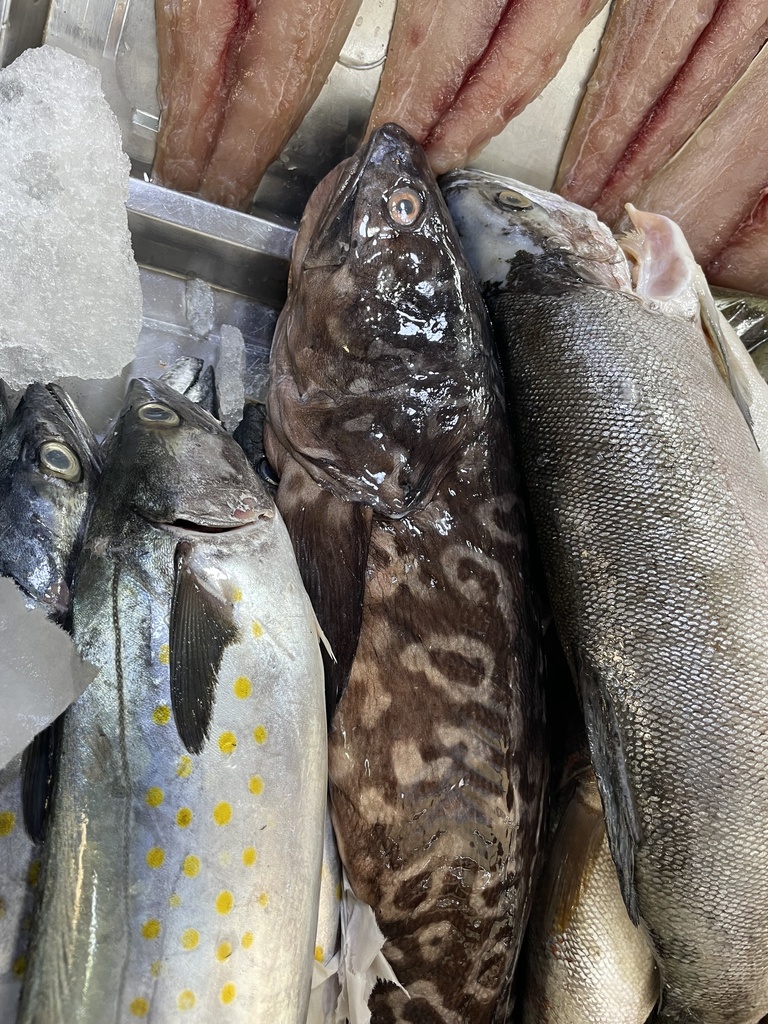 Black Cusk-eel
Genypterus maculatus
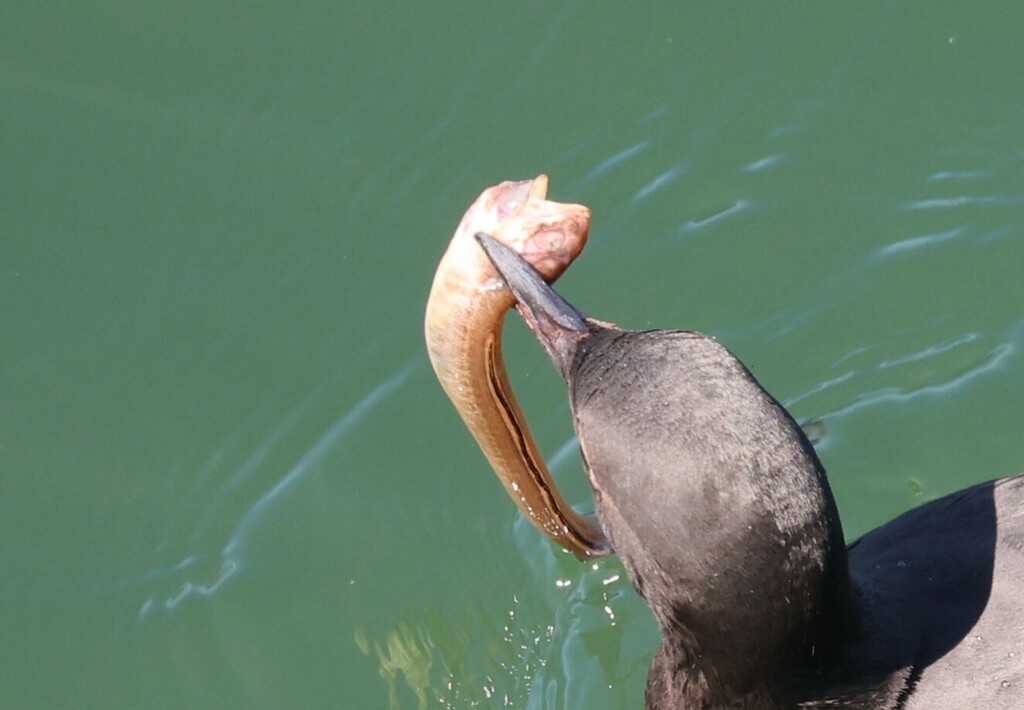 Spotted cusk-eel
Chilara taylori
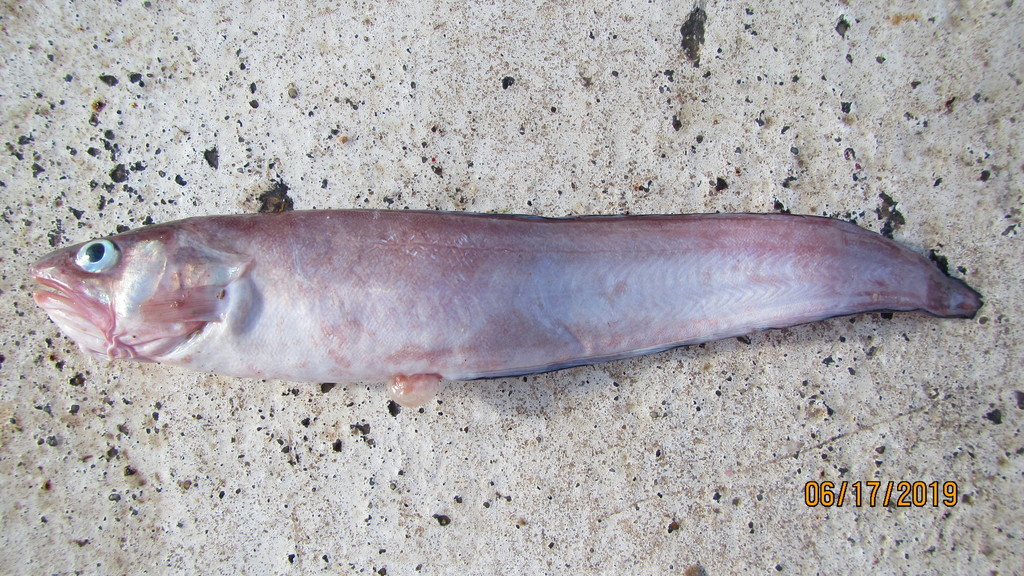 Blackedge cusk-eel
Lepophidium brevibarbe
Sources and credits
Names and taxonomy: WoRMS (CC BY 4.0) and the GBIF Backbone (CC BY 4.0). Photos: iNaturalist observers, each under the licence shown (CC0, CC BY or CC BY-SA).
- Depth, temperature, months and maps: records from OBIS and GBIF under CC0 or CC BY.
- Descriptions: Wikipedia, licensed CC BY-SA, each linked to its article.
- Conservation status as published by GBIF (IUCN Red List).
- 21,838 open-data records from 1847 to 2015.
- Species data updated November 10, 2026.
Log what you see on your next dive
The free DiveHive diver app keeps your logbook with every sighting and shows what lives at the site you dive next.