
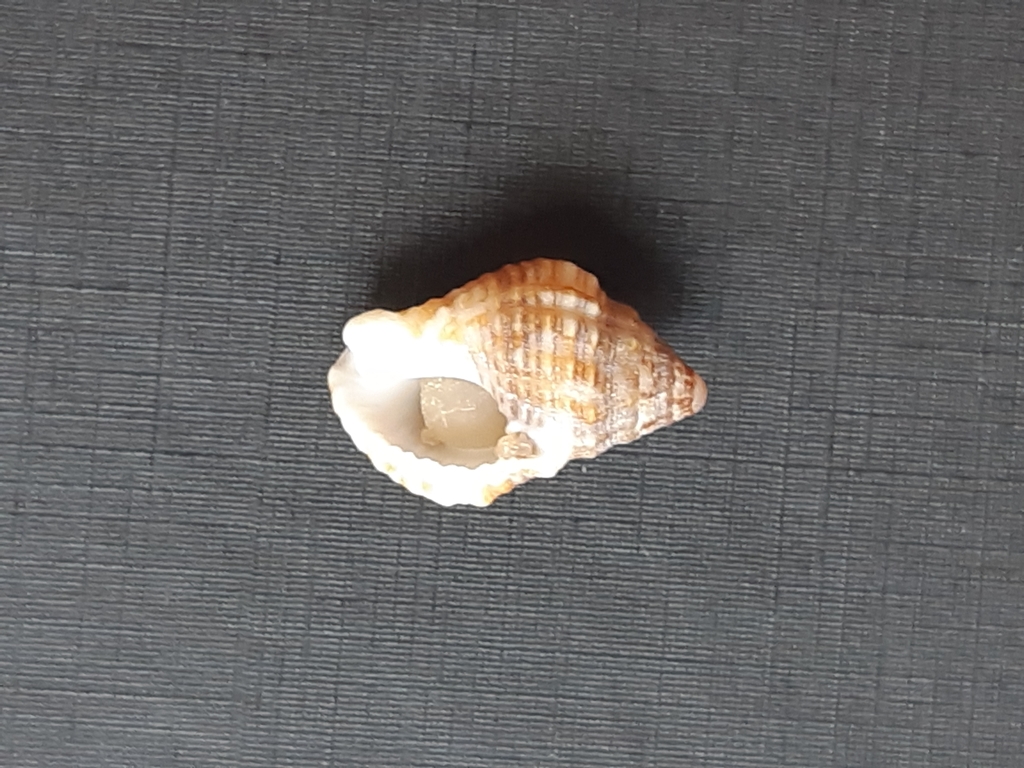
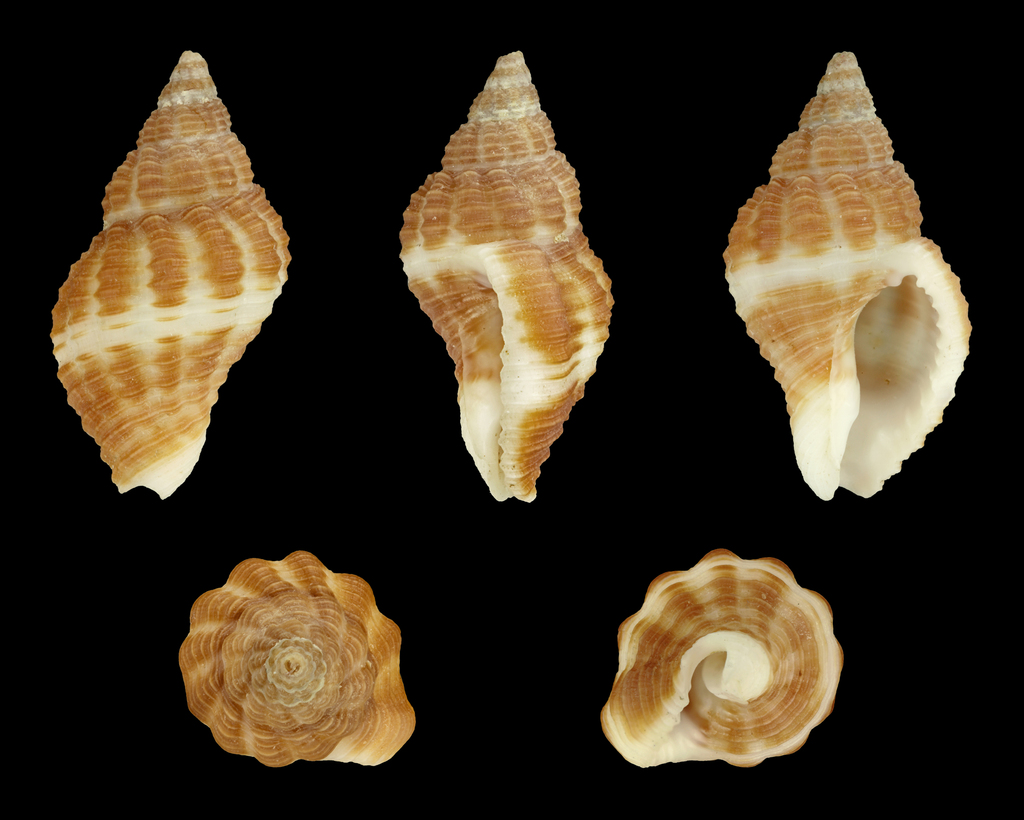
Gaudy Cantharus
Gemophos auritulus
- Usual depth1–14 m
- Water temperature24–28 °C
- Best monthsJanuary, June, and July
- How commonRare
Photo credit: no rights reserved · CC0 1.0 · iNaturalist
About this species
Gemophos auritulus, the common cantharus or gaudy cantharus, is a species of sea snail in the family Pisaniidae.
Text from the Wikipedia article “Gemophos auritulus”, licensed CC BY-SA 4.0. Read the article
Where and when
Where it has been recorded
Worldwide
Best months
Worldwide (open data)
- January: 15 records
- February: 9 records
- March: 15 records
- April: 4 records
- May: 9 records
- June: 16 records
- July: 17 records
- August: 12 records
- September: 6 records
- October: 5 records
- November: 9 records
- December: 8 records
Depth and water temperature
Depth
Mostly recorded at 1–14 m · Deepest record: 37 m
Water temperature
Recorded in surface water of 24–28 °C
Photos
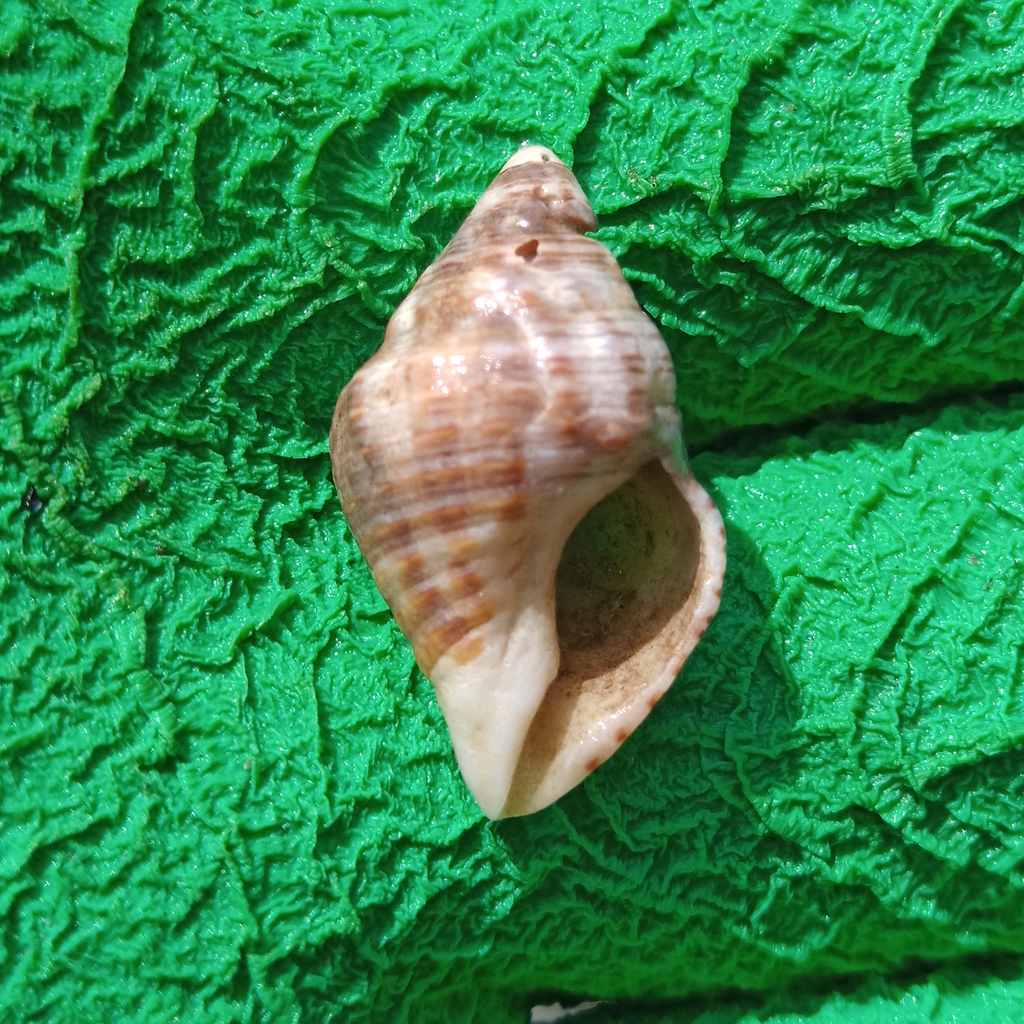
(c) Rafael Rosa, some rights reserved (CC BY-SA) · CC BY-SA · iNaturalist 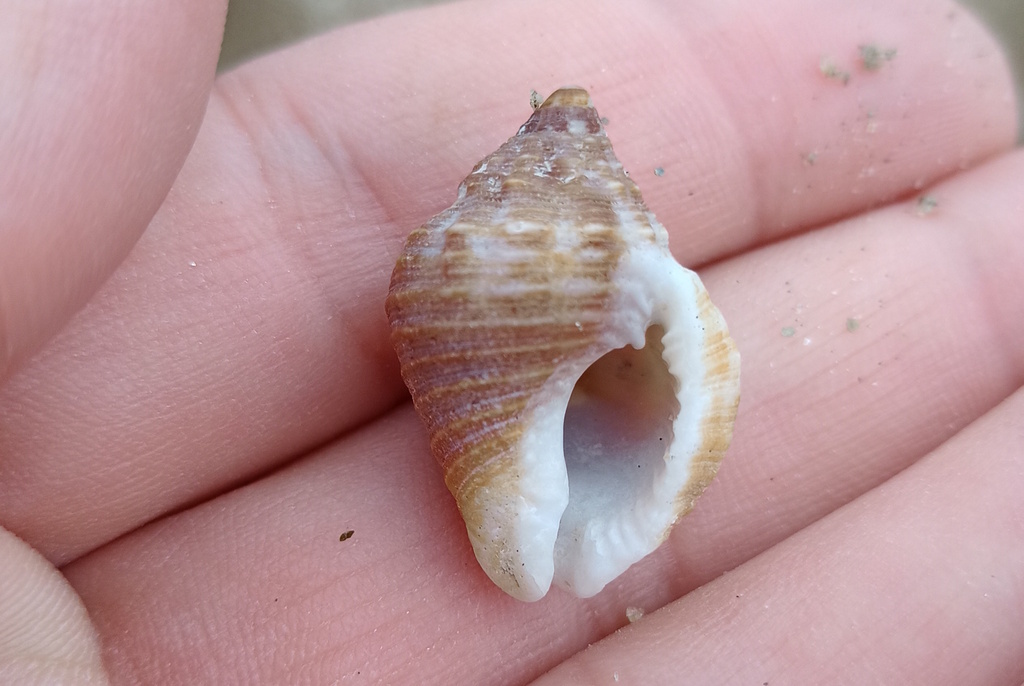
(c) Rafael Rosa, some rights reserved (CC BY-SA) · CC BY-SA · iNaturalist 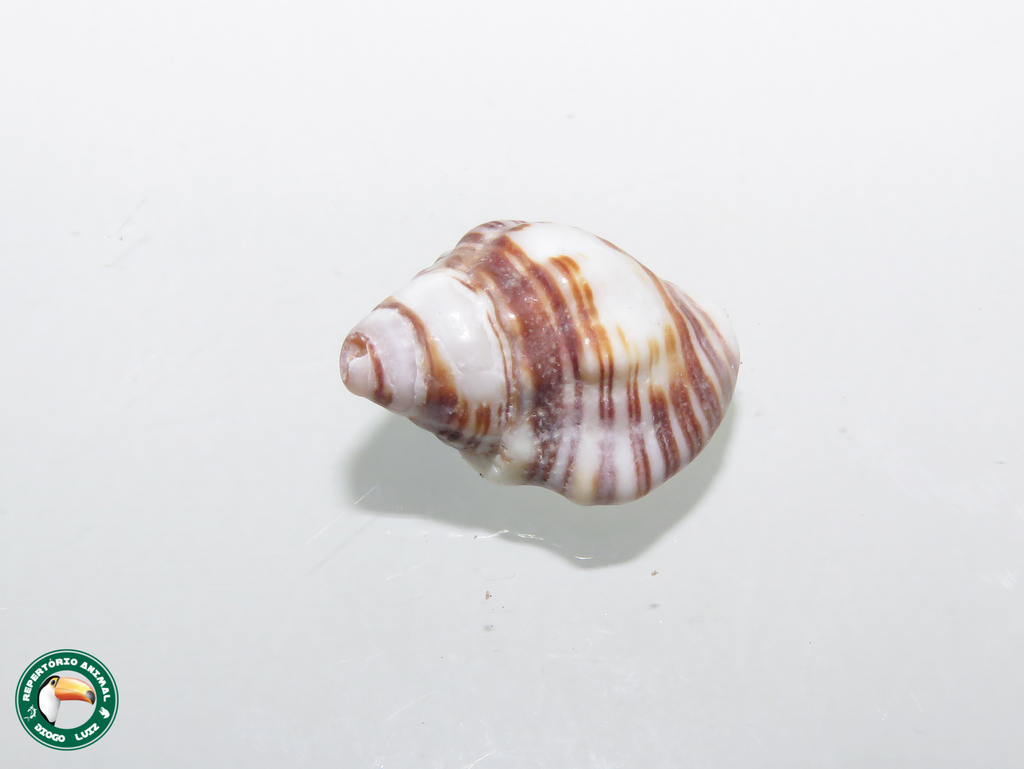
(c) Diogo Luiz, some rights reserved (CC BY) · CC BY · iNaturalist 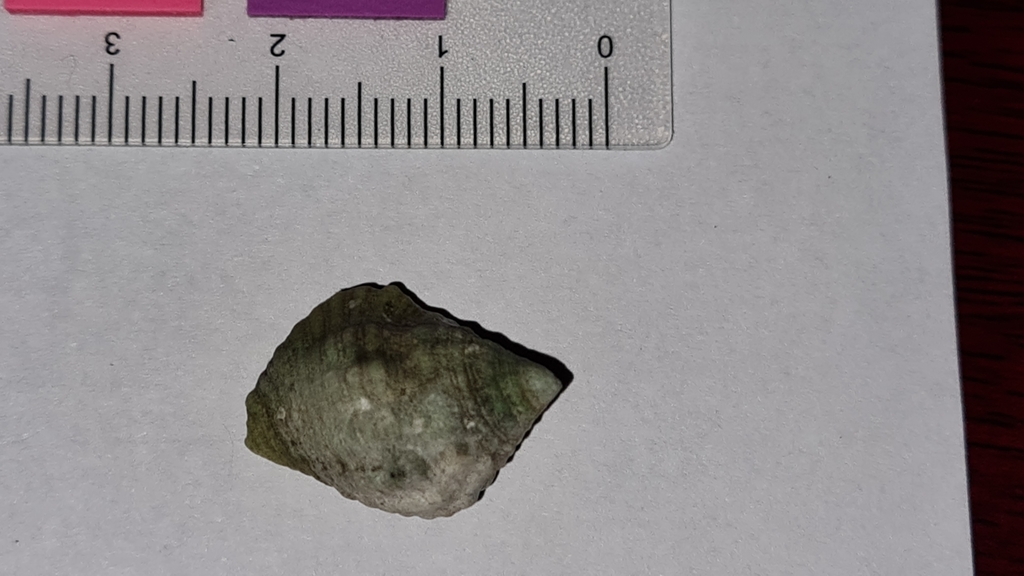
no rights reserved · CC0 1.0 · iNaturalist 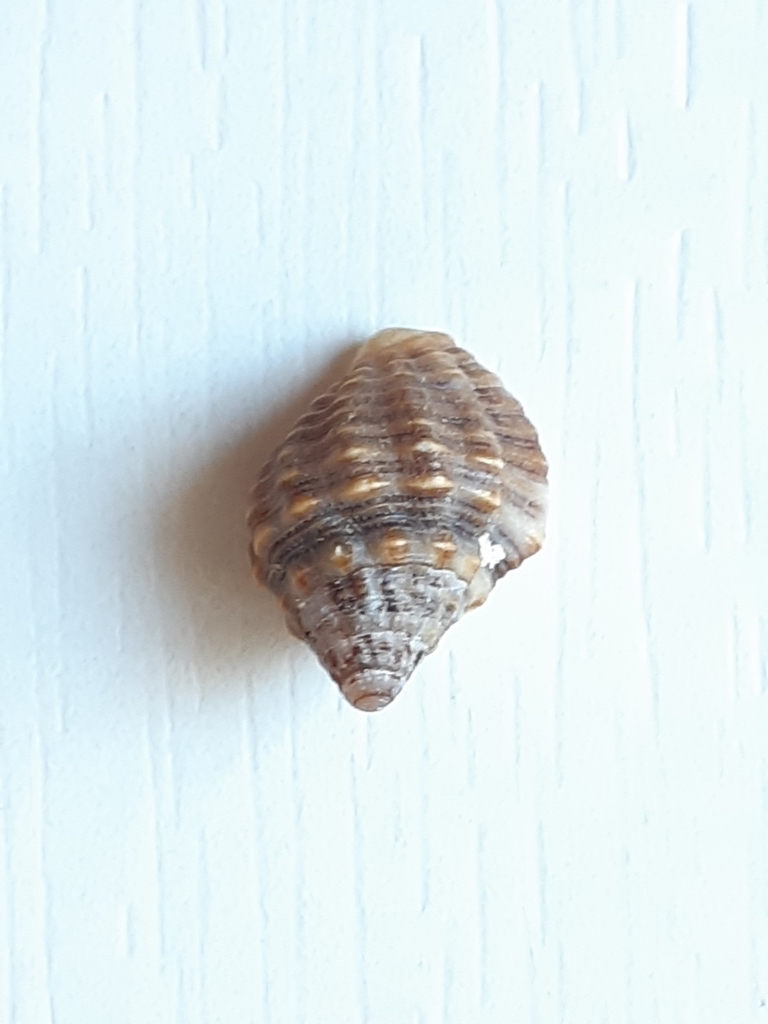
no rights reserved · CC0 1.0 · iNaturalist 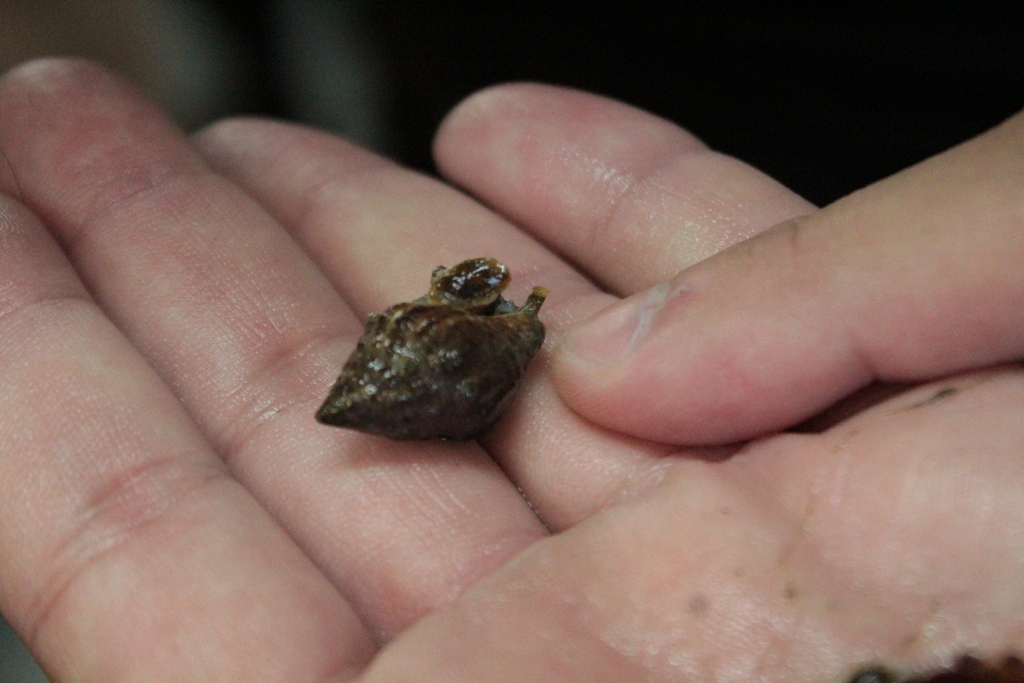
(c) Luan Mazzeo, some rights reserved (CC BY) · CC BY · iNaturalist 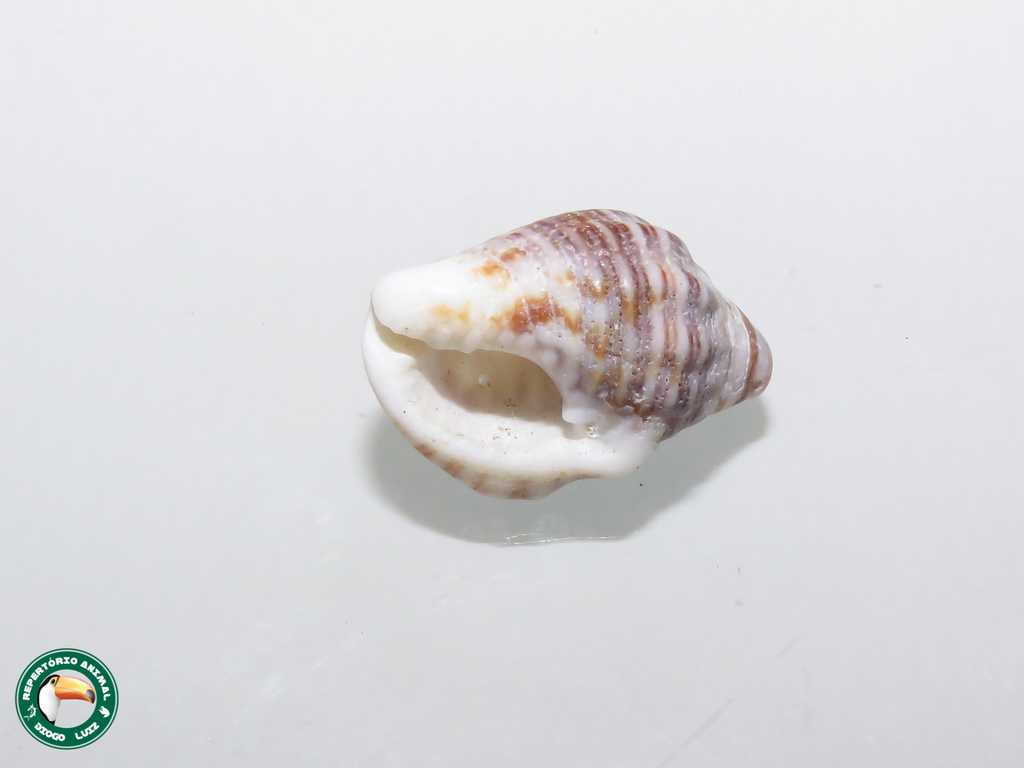
(c) Diogo Luiz, some rights reserved (CC BY) · CC BY · iNaturalist
Names and classification
- English
- Gaudy Cantharus
Other scientific names: Buccinum coromandelianum, Cantharus auritulus, Nassaria auritula, Pisania auritula, Pollia auritula, Pollia coromandeliana, Triton caribaeum
Similar species
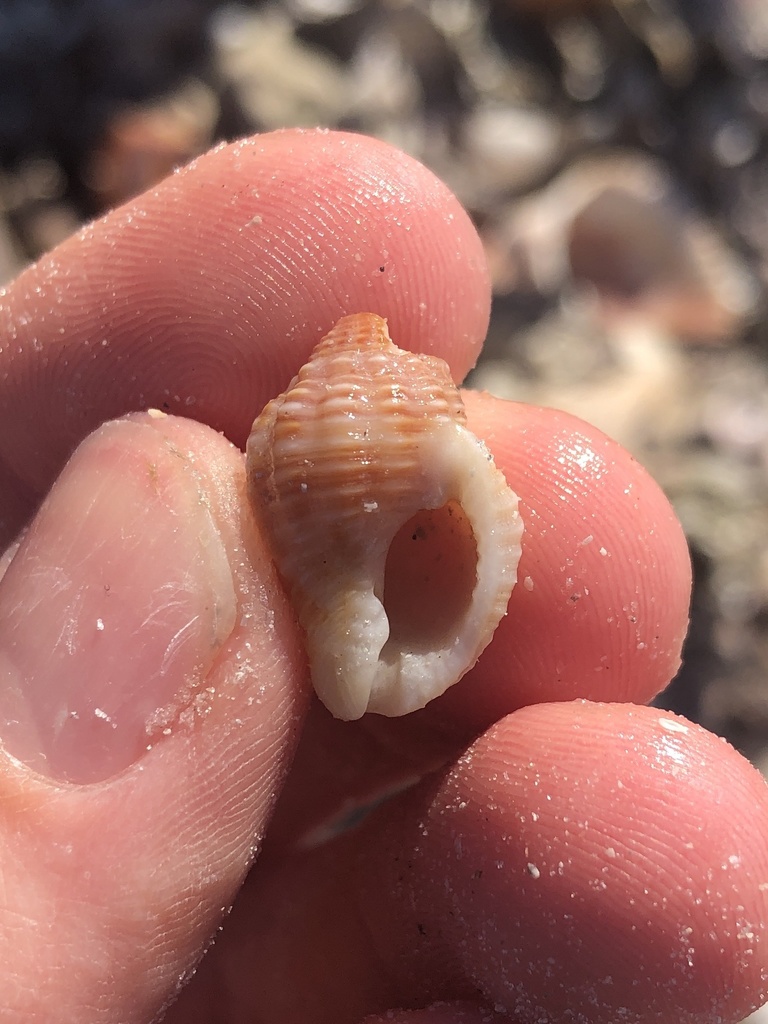 Tinted Cantharus
Gemophos tinctus
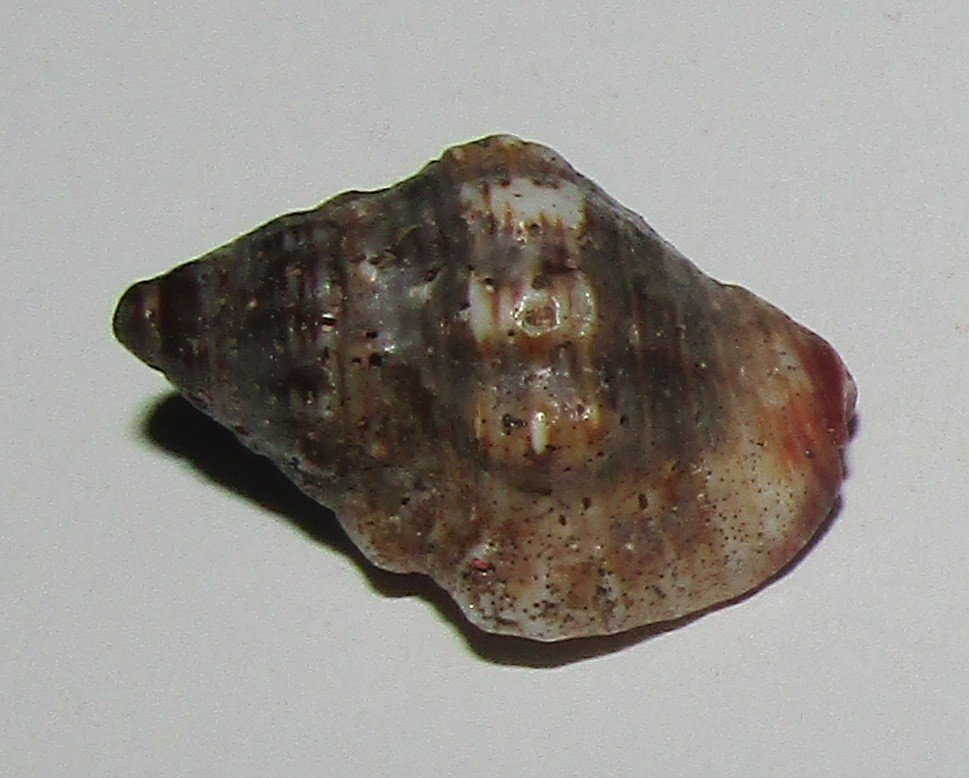
- Ringed cantharus
Gemophos ringens
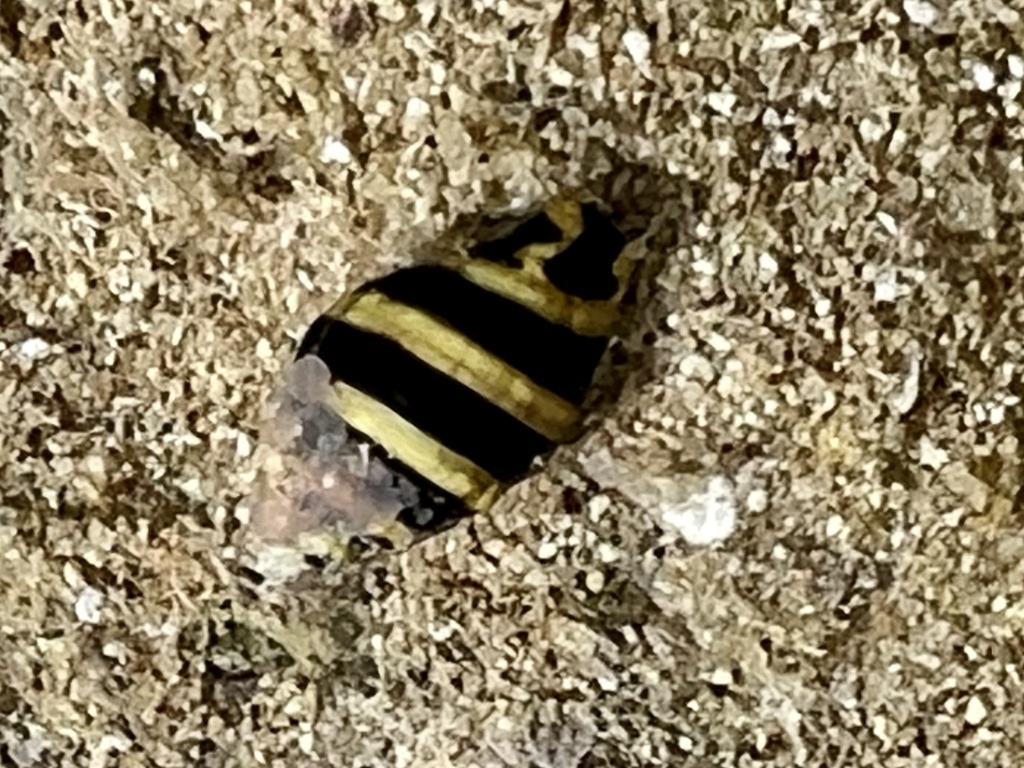 Bumble bee snail
Engina mendicaria
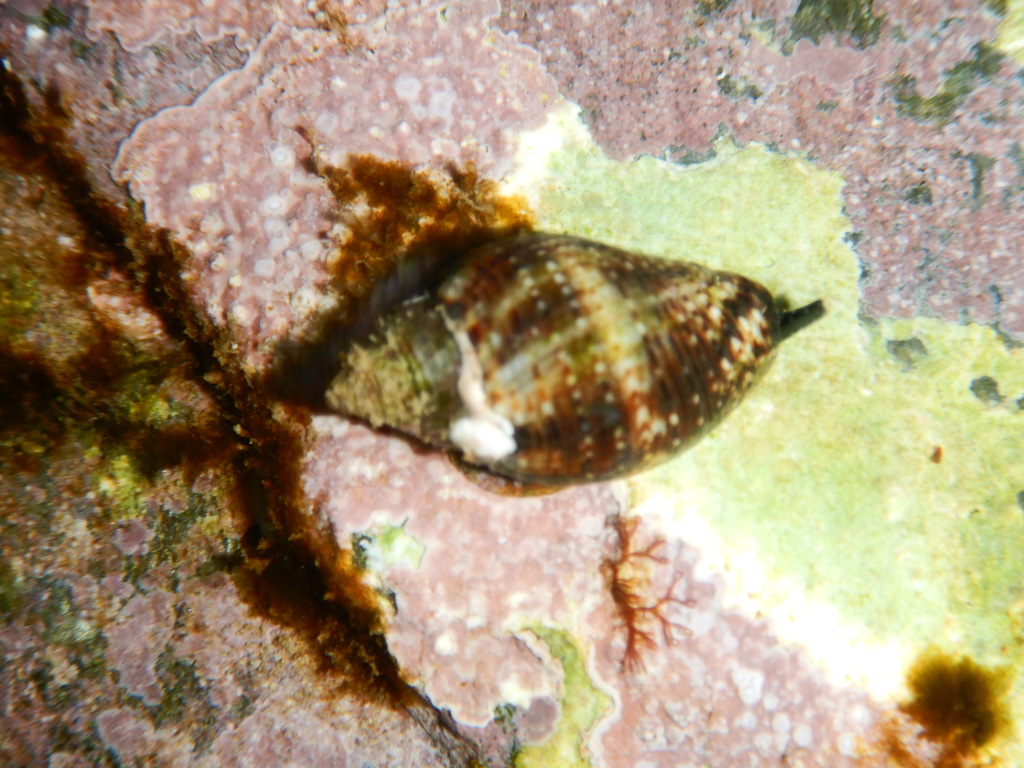 Spotted pisania
Pisania striata
Sources and credits
Names and taxonomy: WoRMS (CC BY 4.0) and the GBIF Backbone (CC BY 4.0). Photos: iNaturalist observers, each under the licence shown (CC0, CC BY or CC BY-SA).
- Depth, temperature, months and maps: records from OBIS and GBIF under CC0 or CC BY.
- Descriptions: Wikipedia, licensed CC BY-SA, each linked to its article.
- Conservation status as published by GBIF (IUCN Red List).
- 168 open-data records from 1888 to 2018.
- Species data updated November 10, 2026.
Log what you see on your next dive
The free DiveHive diver app keeps your logbook with every sighting and shows what lives at the site you dive next.