
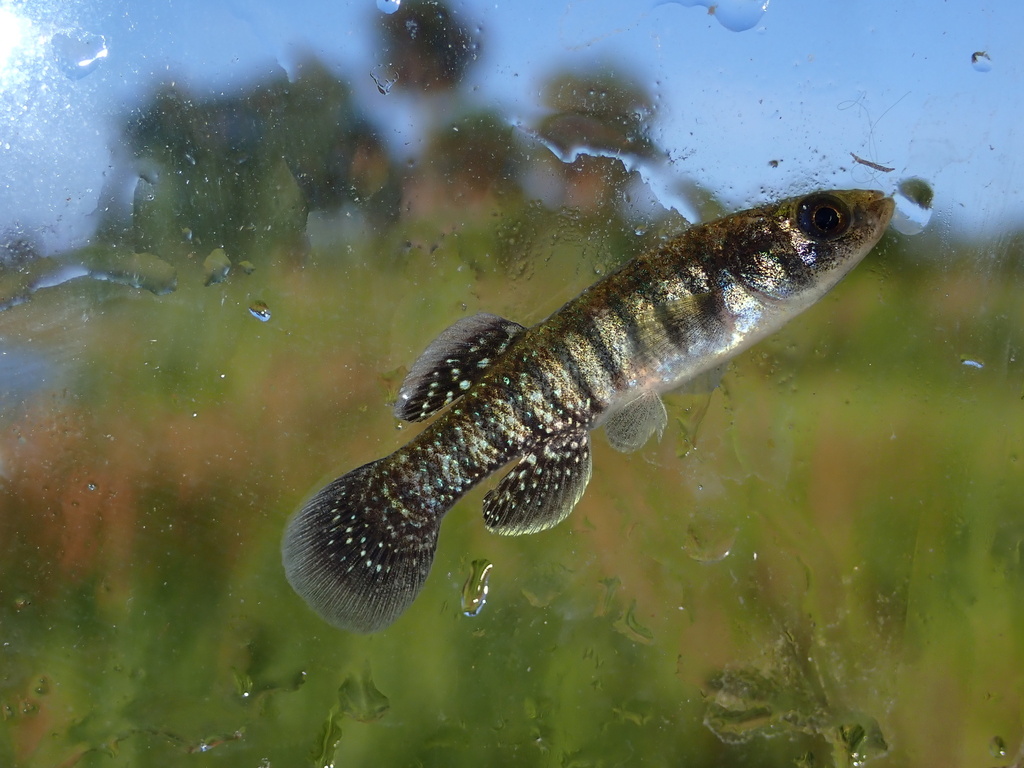
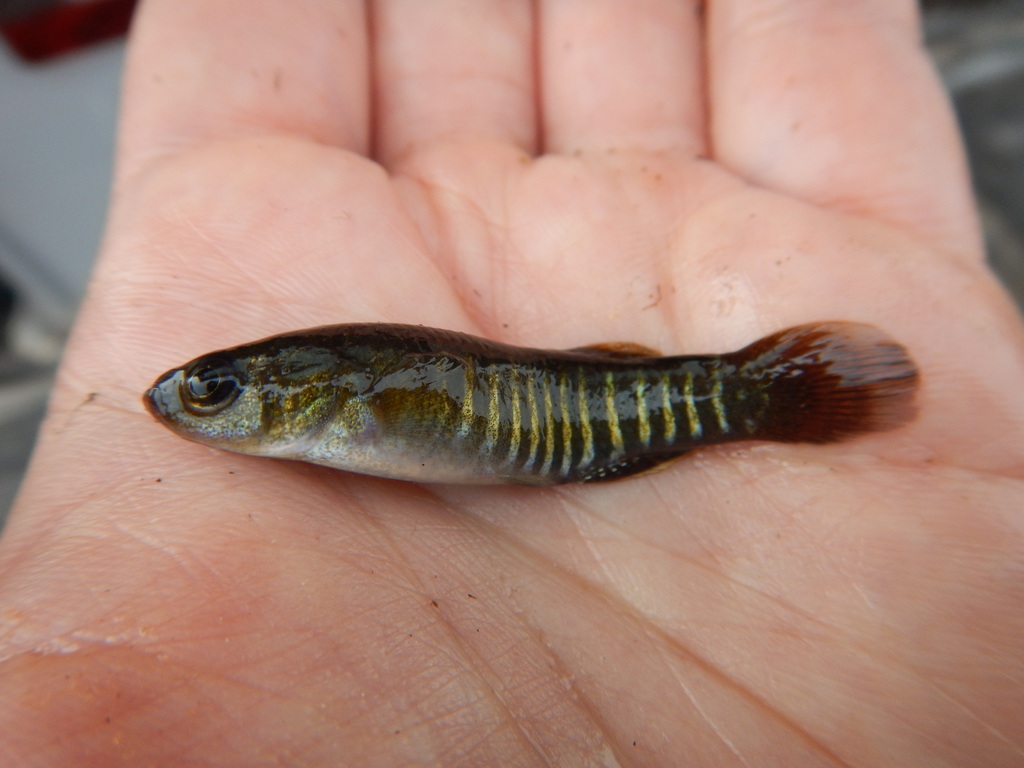
Marsh killifish
Fundulus confluentus
- Usual depth1.2 m
- Water temperature12–27 °C
- Best monthsApril
- How commonOccasional
Photo credit: (c) Tayton Alvis, some rights reserved (CC BY) · CC BY · iNaturalist
Where and when
Where it has been recorded
Worldwide
Best months
Worldwide (open data)
- January: 19 records
- February: 29 records
- March: 46 records
- April: 82 records
- May: 36 records
- June: 35 records
- July: 20 records
- August: 15 records
- September: 11 records
- October: 15 records
- November: 37 records
- December: 35 records
Depth and water temperature
Depth
Mostly recorded at 1.2 m · Deepest record: 1.2 m
Water temperature
Recorded in surface water of 12–27 °C
Photos
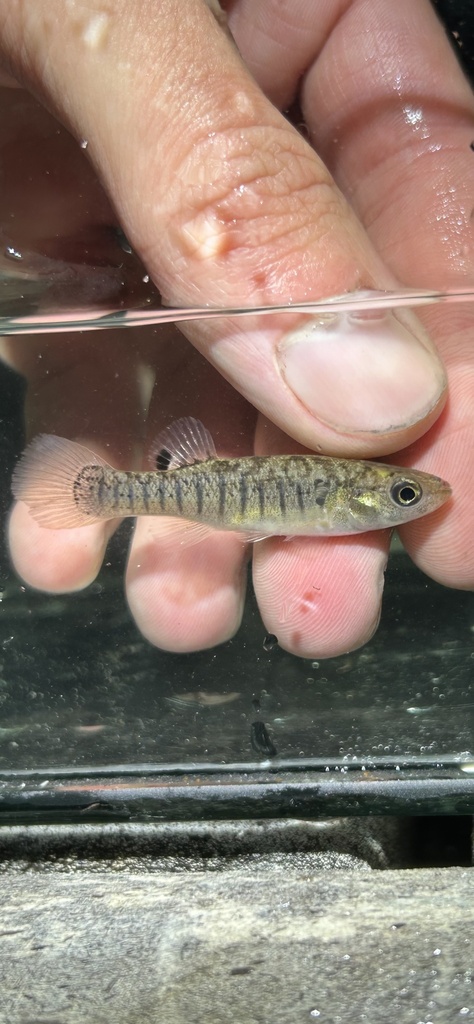
(c) James-LaFontaine, some rights reserved (CC BY) · CC BY · iNaturalist 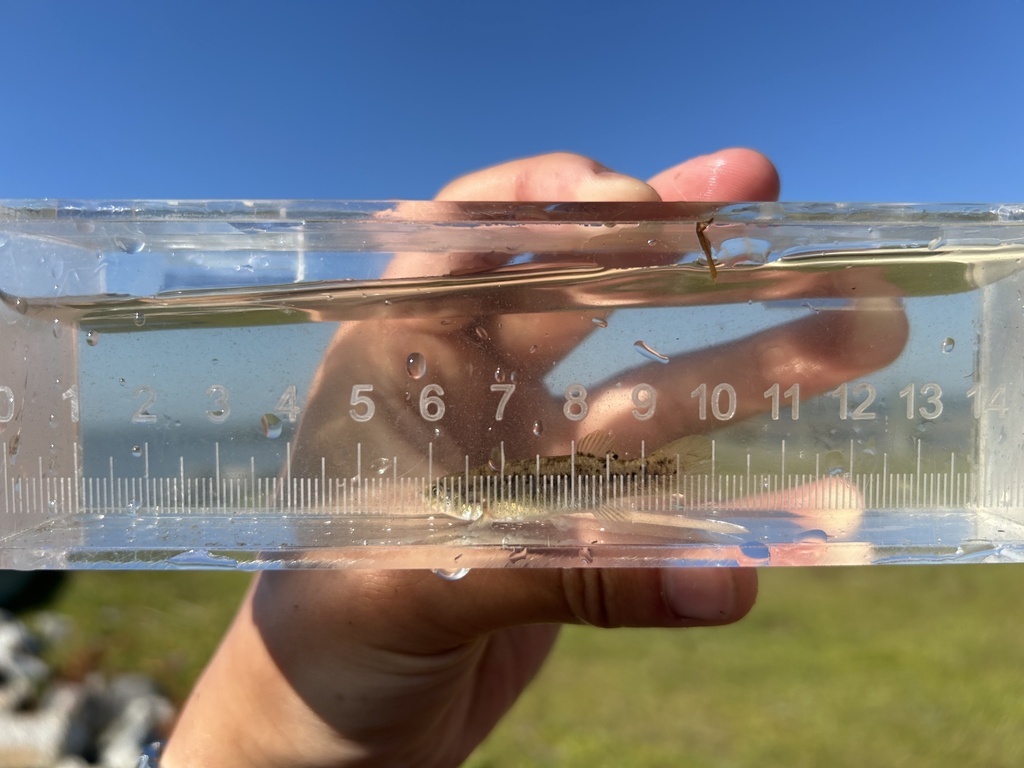
no rights reserved · CC0 1.0 · iNaturalist 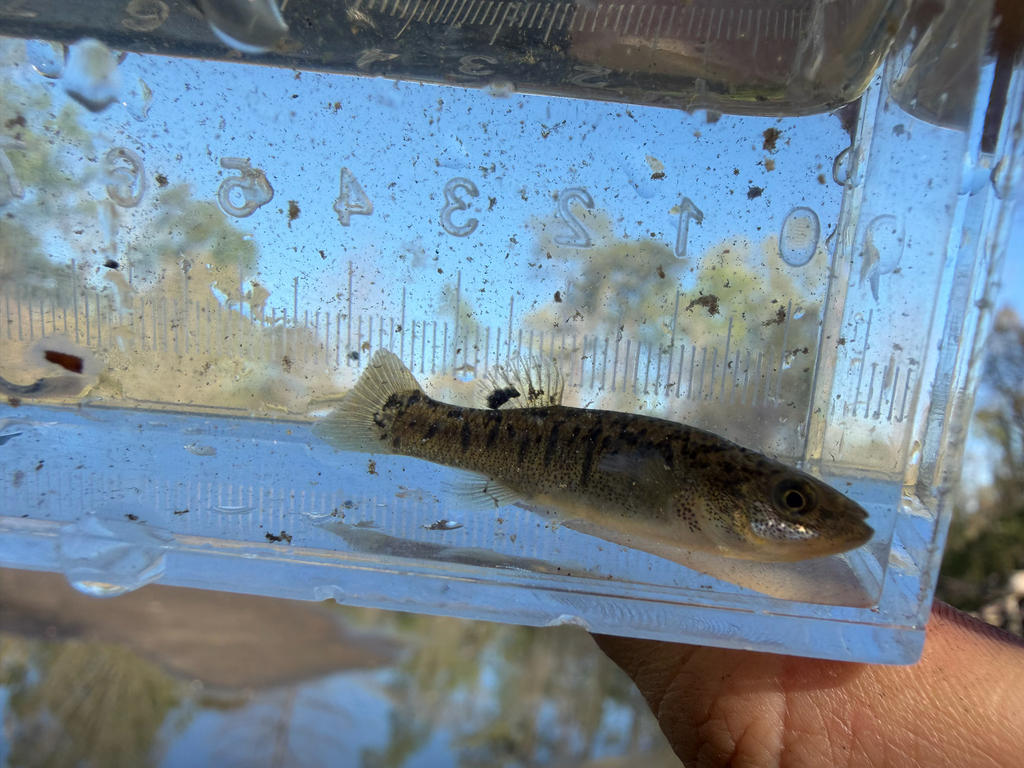
(c) Steven Wang, some rights reserved (CC BY) · CC BY · iNaturalist 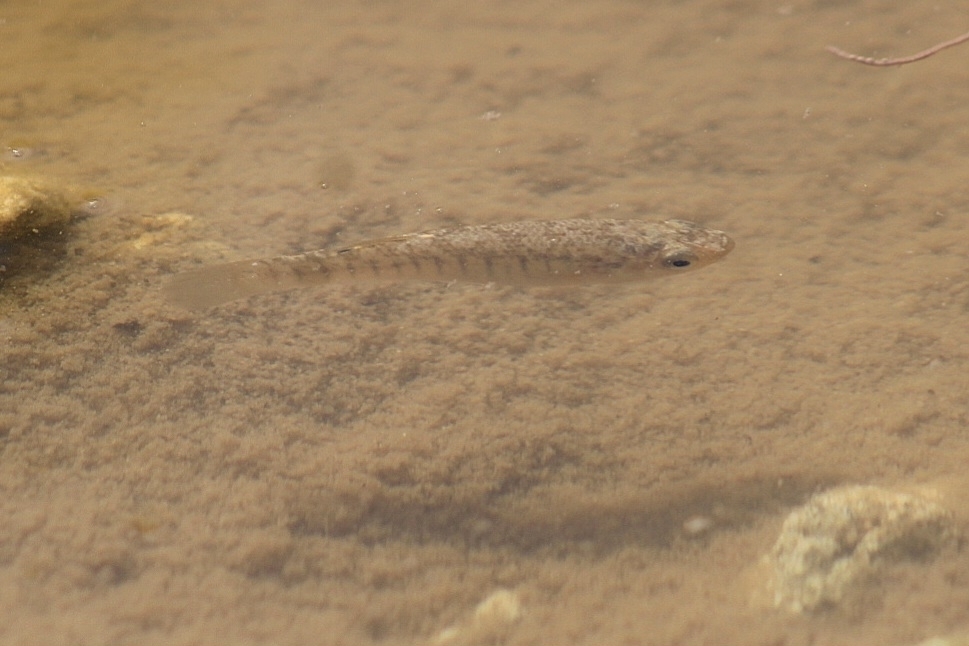
(c) Kaden Slone, some rights reserved (CC BY) · CC BY · iNaturalist 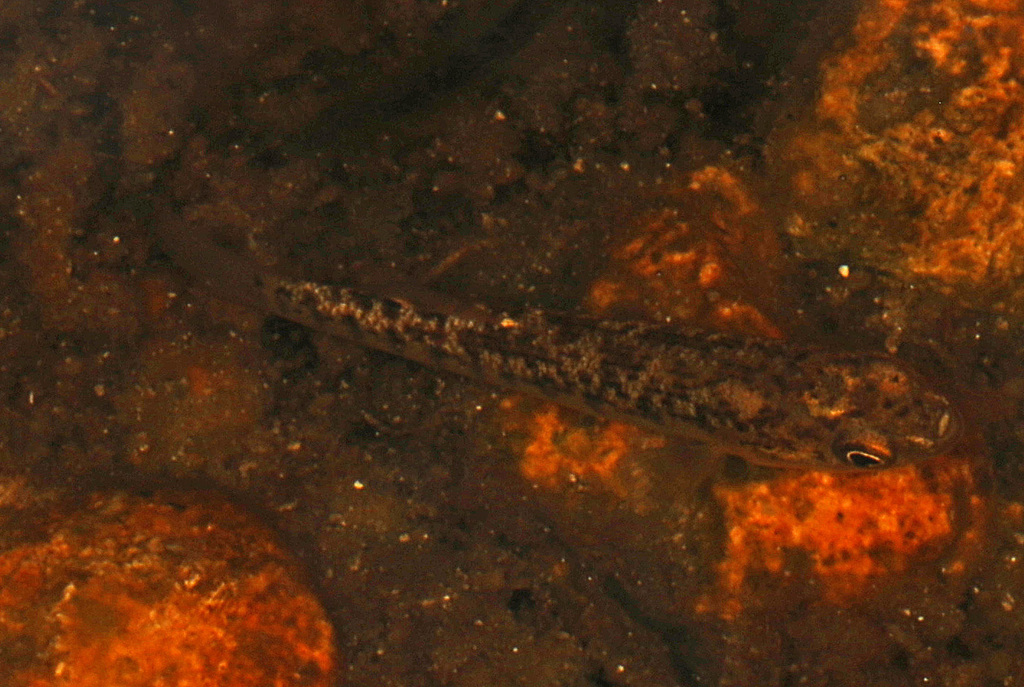
(c) Judy Gallagher, some rights reserved (CC BY-SA) · CC BY-SA · iNaturalist 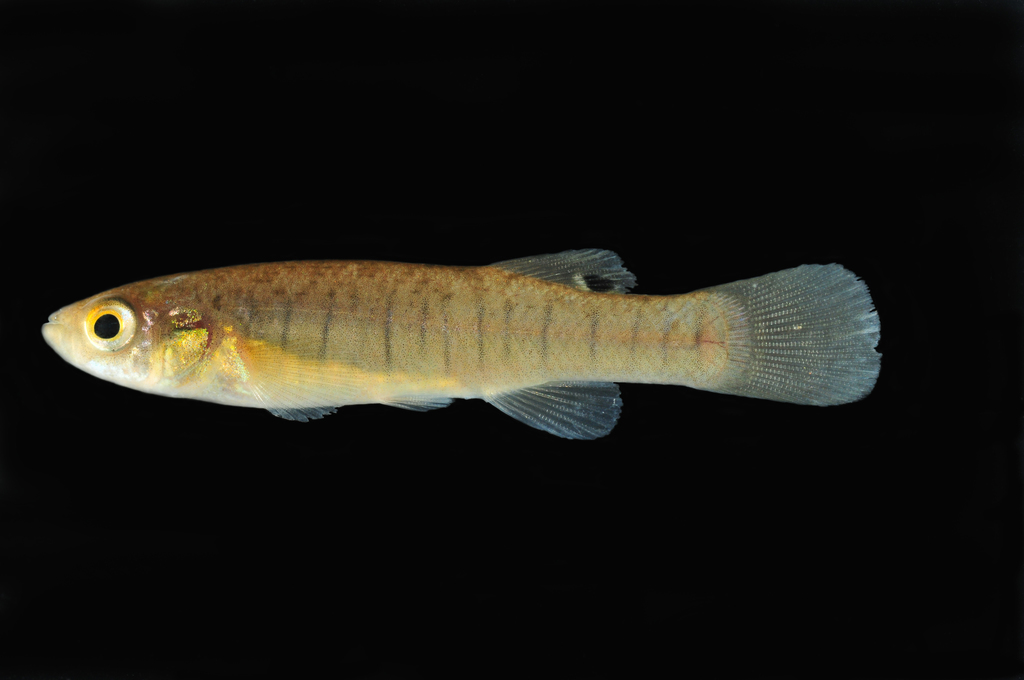
(c) Tom Kennedy, some rights reserved (CC BY) · CC BY · iNaturalist 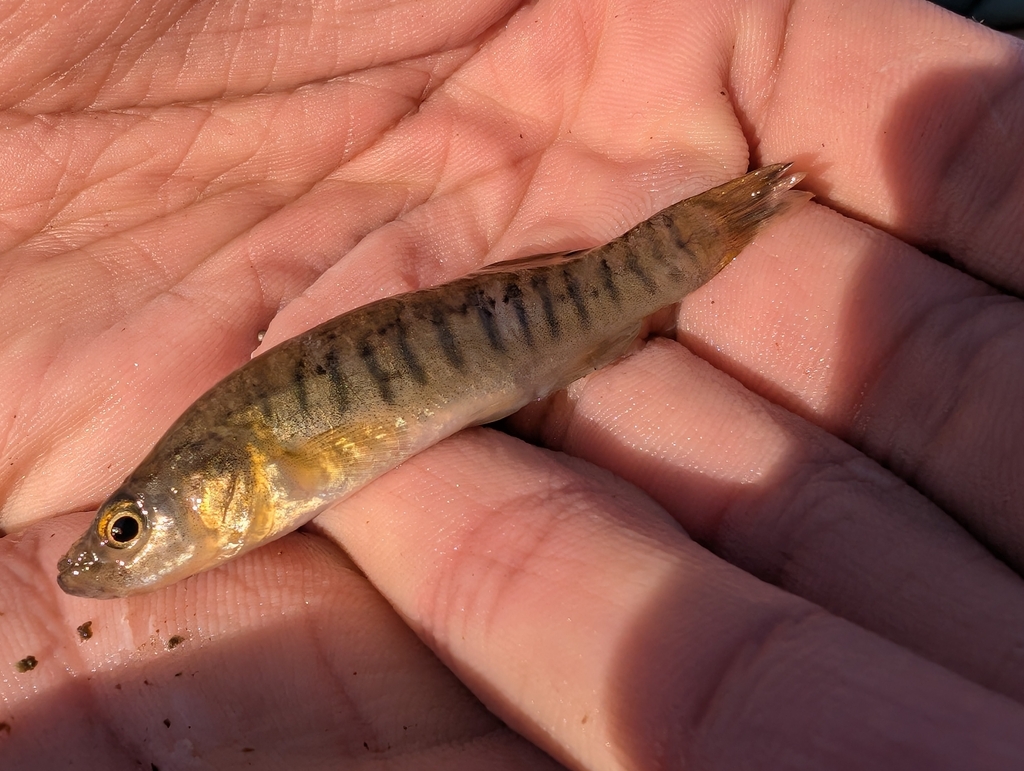
(c) Andrew Durso, some rights reserved (CC BY) · CC BY · iNaturalist
Names and classification
- English
- Marsh killifish, Killifish, marsh killifish
Other scientific names: Aplocheilus chrysotus, Fundulus bartrami, Fundulus chaplini, Fundulus ocellaris
Similar species
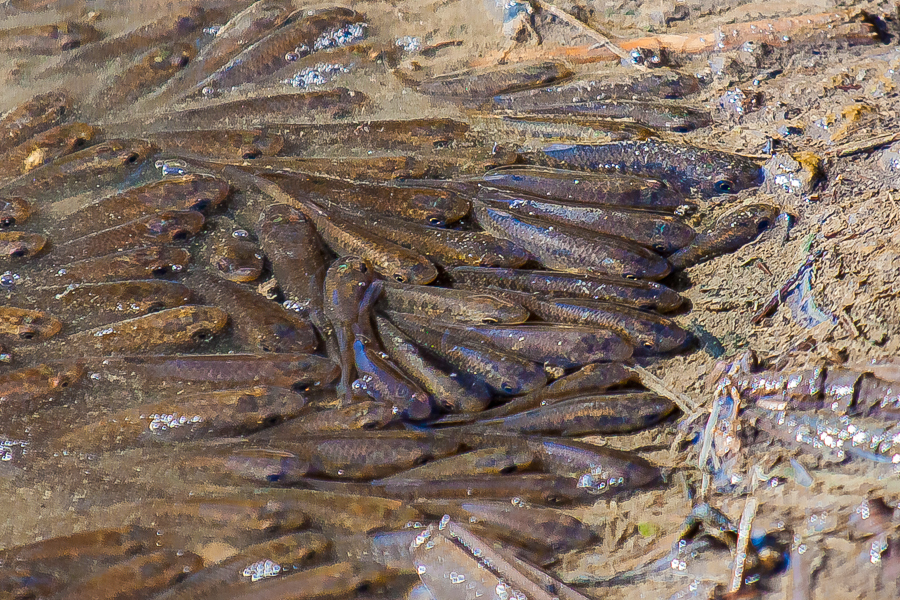 Mummichog
Fundulus heteroclitus
 Longnose killifish
Fundulus similis
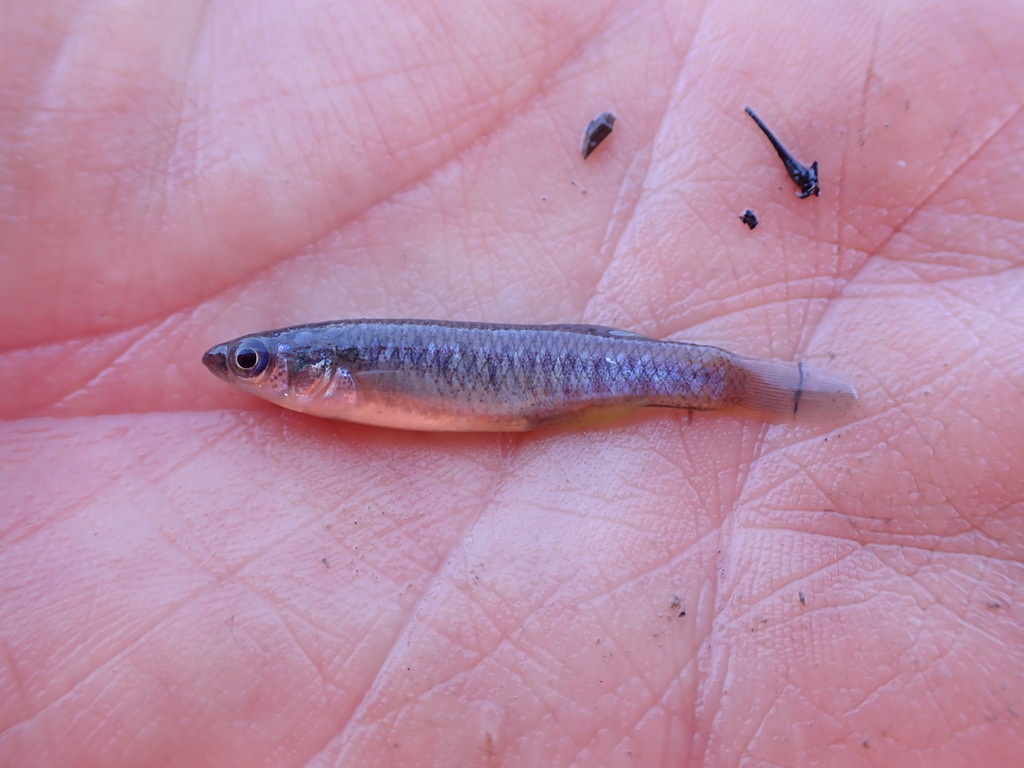 Saltmarsh topminnow
Fundulus jenkinsi
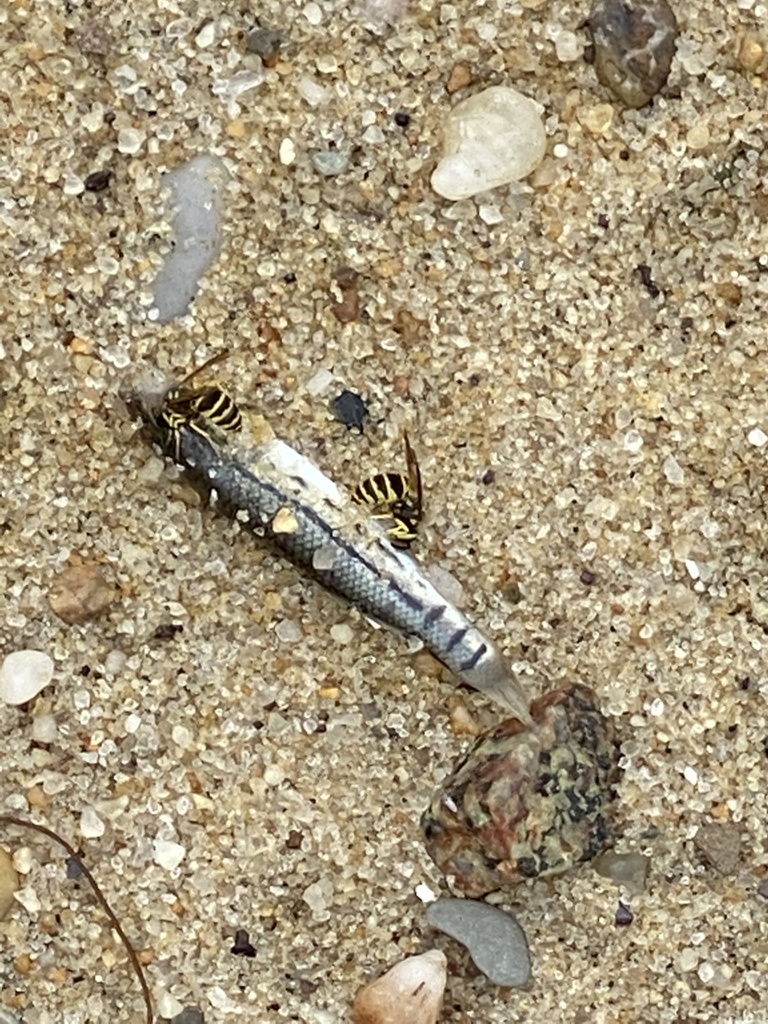 Striped killifish
Fundulus majalis
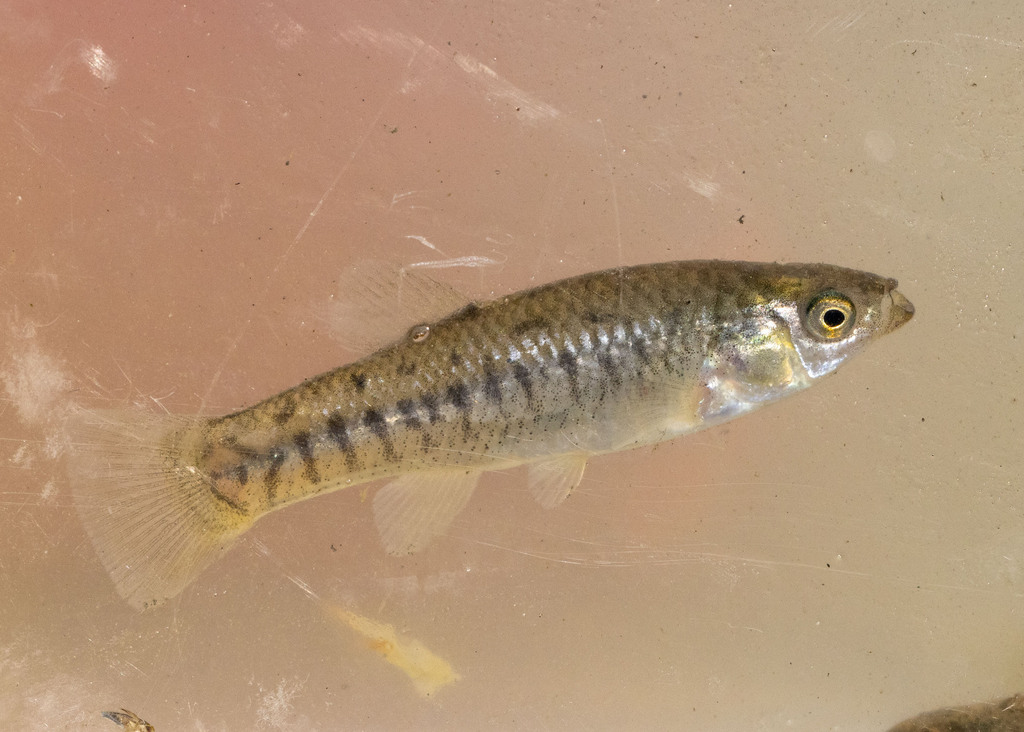 California killifish
Fundulus parvipinnis
 Bayou killifish
Fundulus pulvereus
Sources and credits
Names and taxonomy: WoRMS (CC BY 4.0) and the GBIF Backbone (CC BY 4.0). Photos: iNaturalist observers, each under the licence shown (CC0, CC BY or CC BY-SA).
- Depth, temperature, months and maps: records from OBIS and GBIF under CC0 or CC BY.
- Conservation status as published by GBIF (IUCN Red List).
- 418 open-data records from 1934 to 2023.
- Species data updated November 10, 2026.
Log what you see on your next dive
The free DiveHive diver app keeps your logbook with every sighting and shows what lives at the site you dive next.