
DiscoverSpeciesCorals and anemones
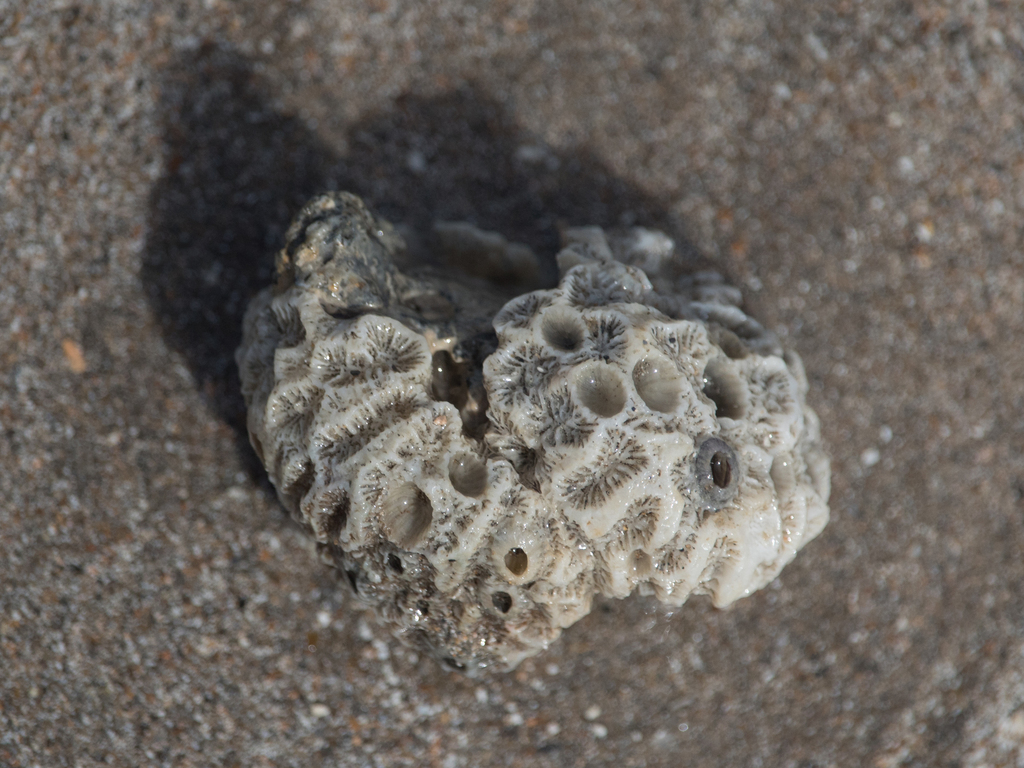
Knob coral
Favia gravida
- Usual depth2–9 m
- Water temperature24–28 °C
- Best monthsJanuary, March, and November
- How commonOccasional
Photo credit: (c) João Vitor Oliveira de Souza, some rights reserved (CC BY) · CC BY · iNaturalist
Where and when
Where it has been recorded
Worldwide
Best months
Worldwide (open data)
- January: 17 records
- February: 6 records
- March: 18 records
- April: 5 records
- May: 2 records
- June: 3 records
- July: 10 records
- August: 9 records
- September: 14 records
- October: 10 records
- November: 21 records
- December: 4 records
Depth and water temperature
Depth
Mostly recorded at 2–9 m · Deepest record: 27 m
Water temperature
Recorded in surface water of 24–28 °C
Photos
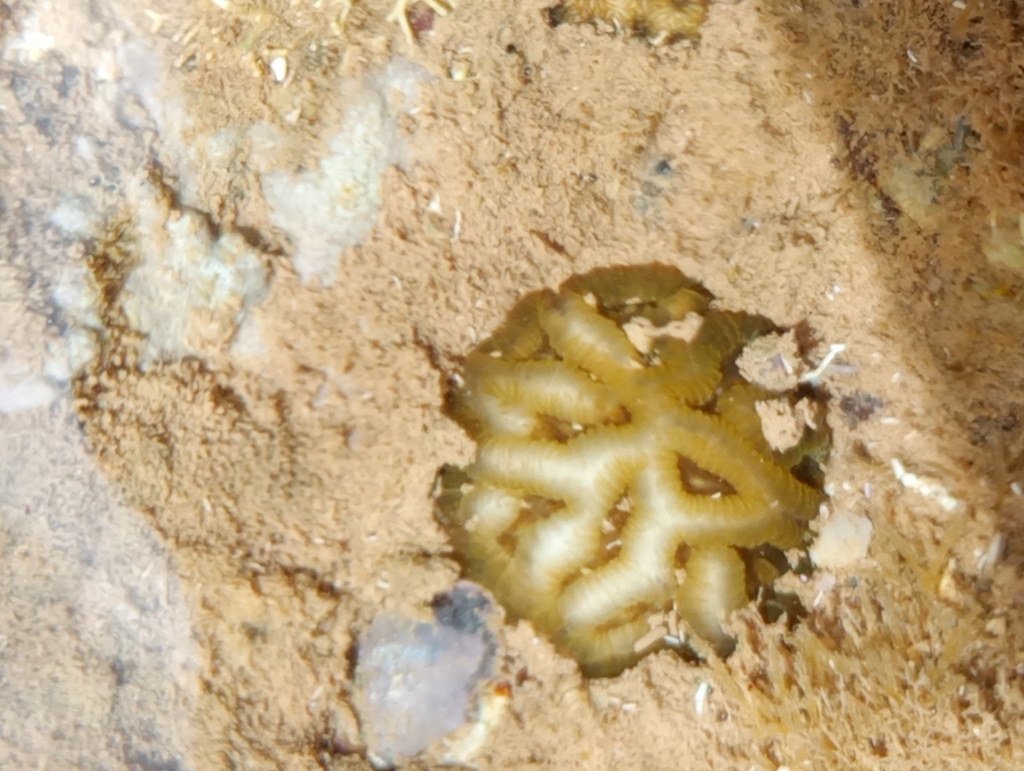
no rights reserved · CC0 1.0 · iNaturalist 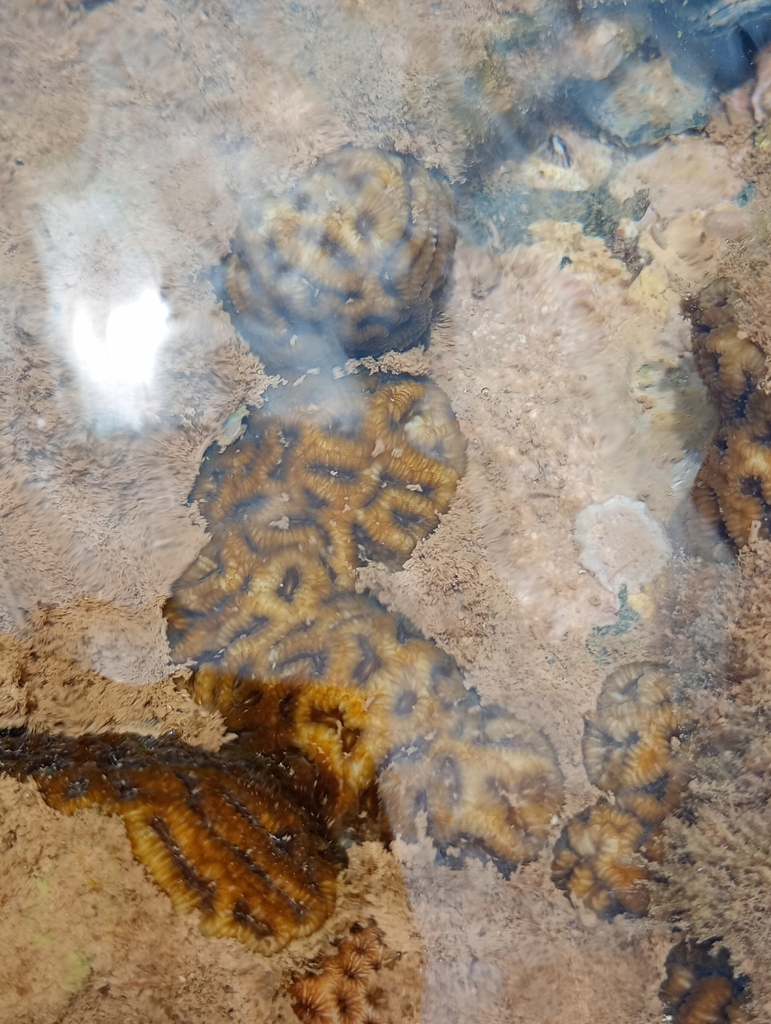
no rights reserved · CC0 1.0 · iNaturalist 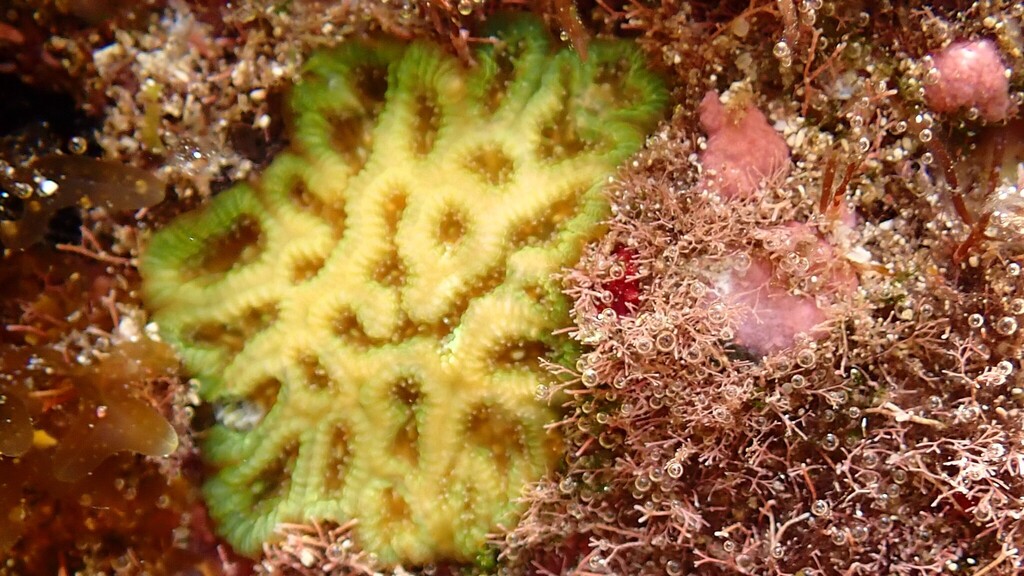
(c) Nicola Crockford, some rights reserved (CC BY) · CC BY · iNaturalist 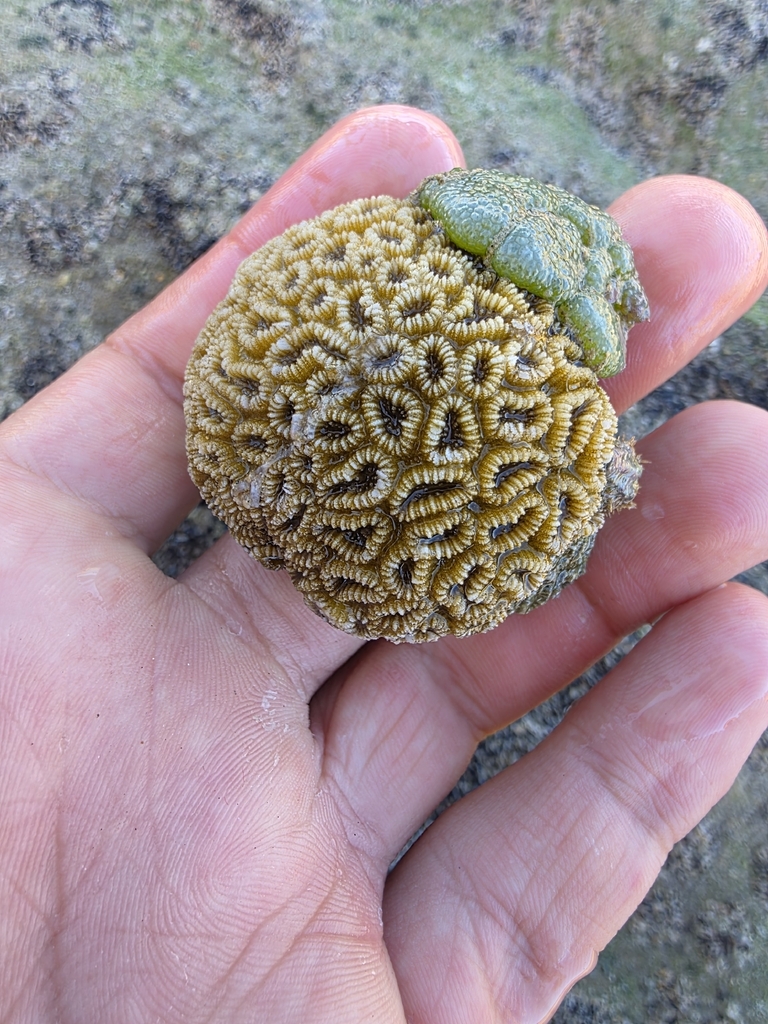
(c) Marcello Mastroianni Albuquerque Araújo, some rights reserved (CC BY) · CC BY · iNaturalist 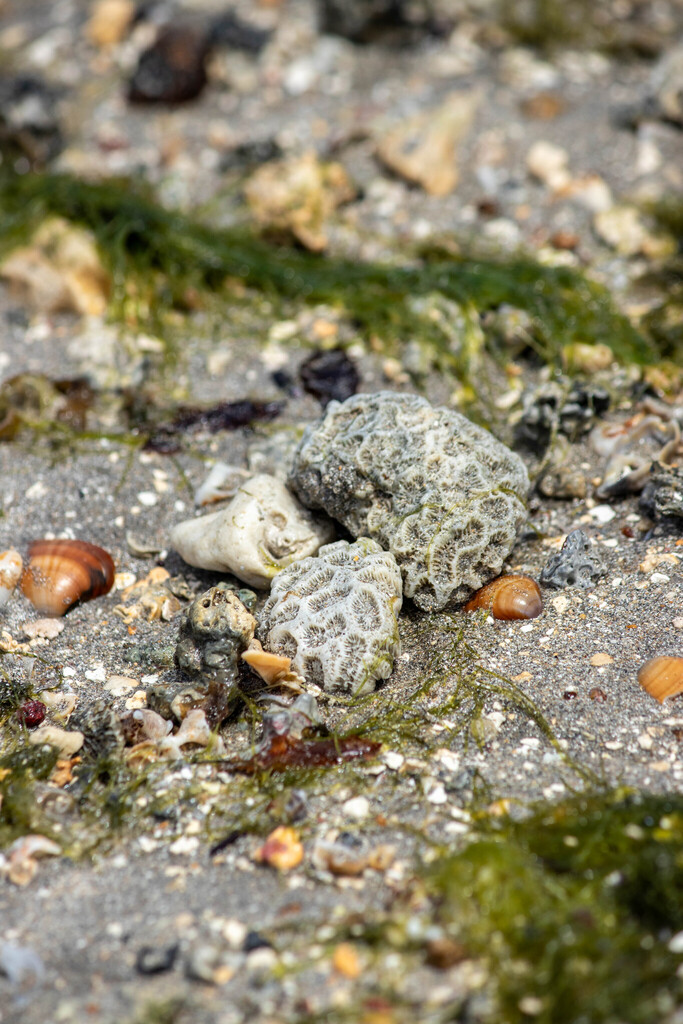
(c) Samuel Martins, some rights reserved (CC BY) · CC BY · iNaturalist 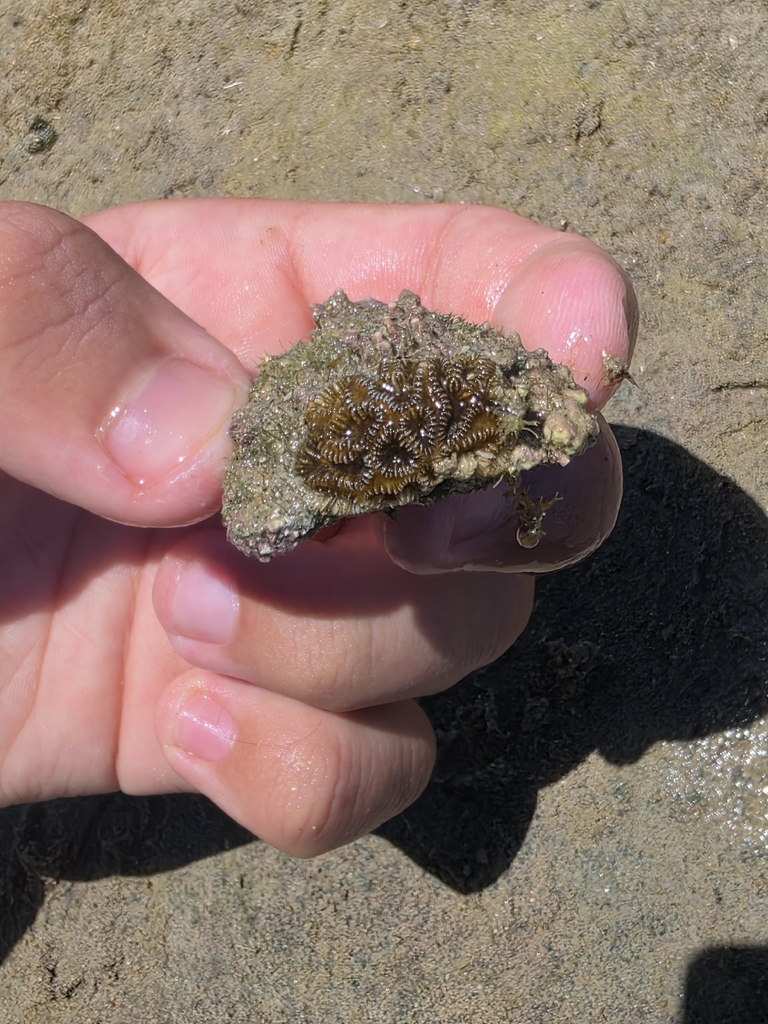
(c) Marcello Mastroianni Albuquerque Araújo, some rights reserved (CC BY) · CC BY · iNaturalist
Names and classification
- English
- Knob coral, knob coral
Other scientific names: Coeloria ascensionis, Favia conferta, Maeandra conferta, Maeandrina ascensionis, Platygyra ascensionis
Similar species
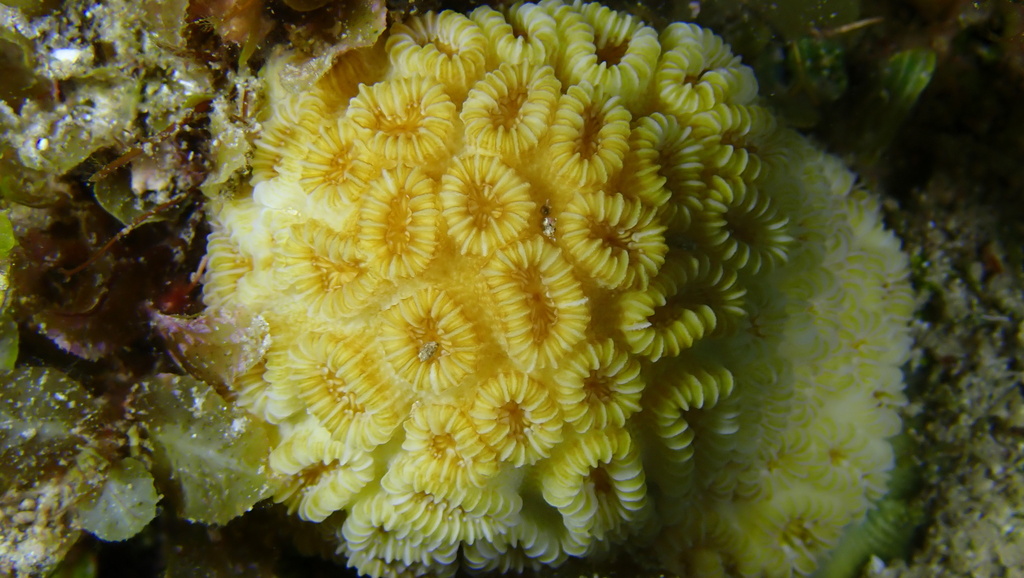 Golf ball coral
Favia fragum
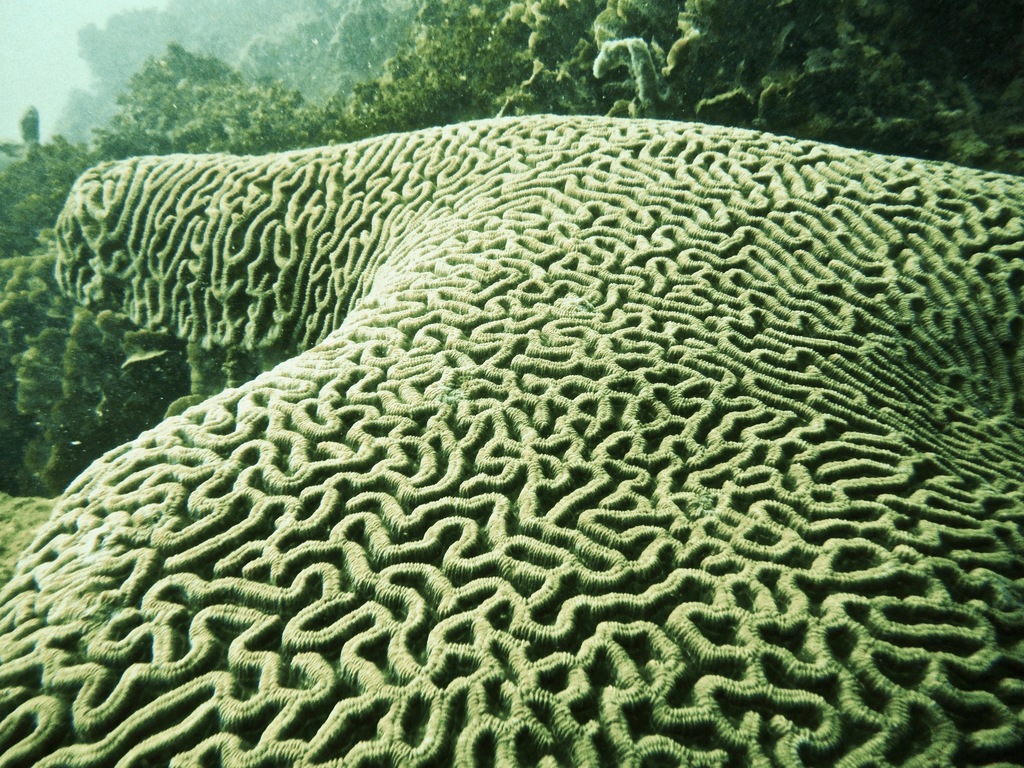 Boulder brain coral
Colpophyllia natans
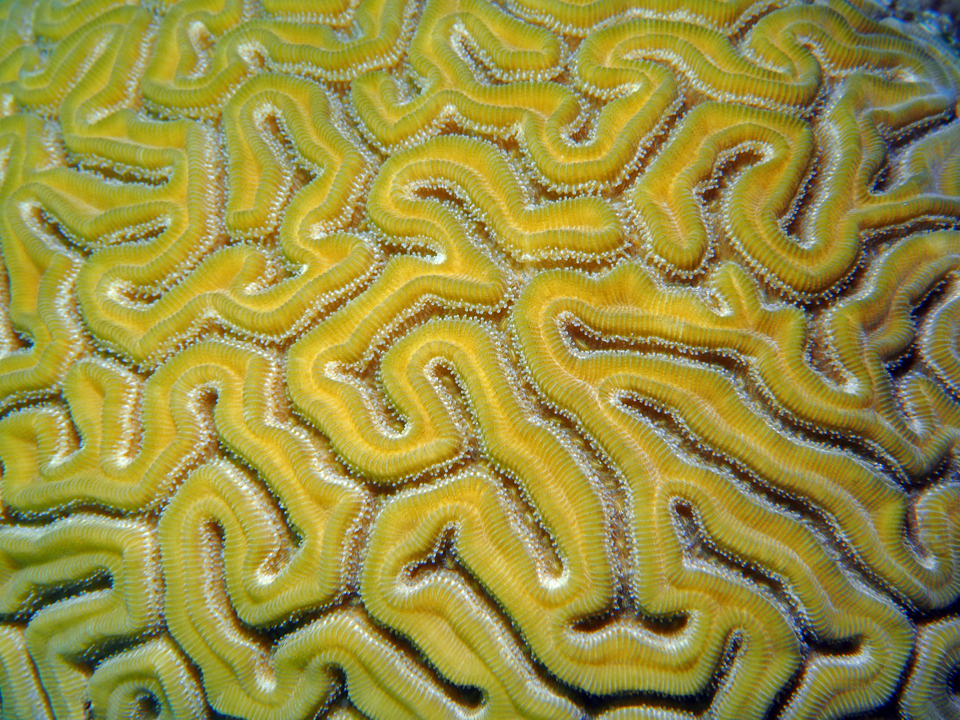 Brain coral
Diploria labyrinthiformis
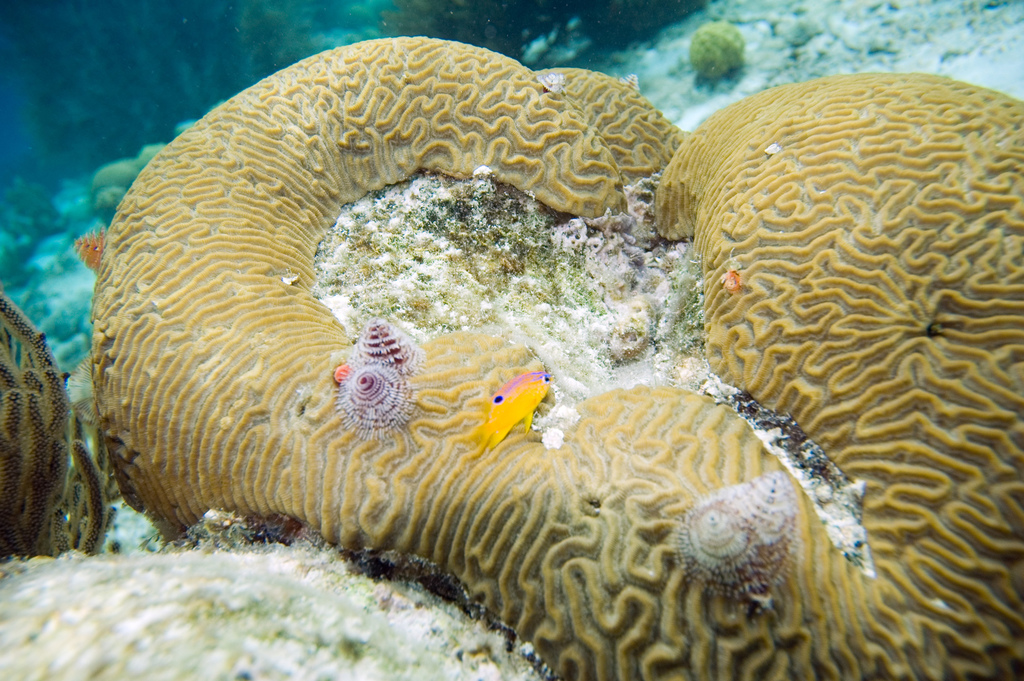 Brain coral
Pseudodiploria strigosa
Sources and credits
Names and taxonomy: WoRMS (CC BY 4.0) and the GBIF Backbone (CC BY 4.0). Photos: iNaturalist observers, each under the licence shown (CC0, CC BY or CC BY-SA).
- Depth, temperature, months and maps: records from OBIS and GBIF under CC0 or CC BY.
- Conservation status as published by GBIF (IUCN Red List).
- 1,038 open-data records from 1899 to 2018.
- Species data updated November 10, 2026.
Log what you see on your next dive
The free DiveHive diver app keeps your logbook with every sighting and shows what lives at the site you dive next.