
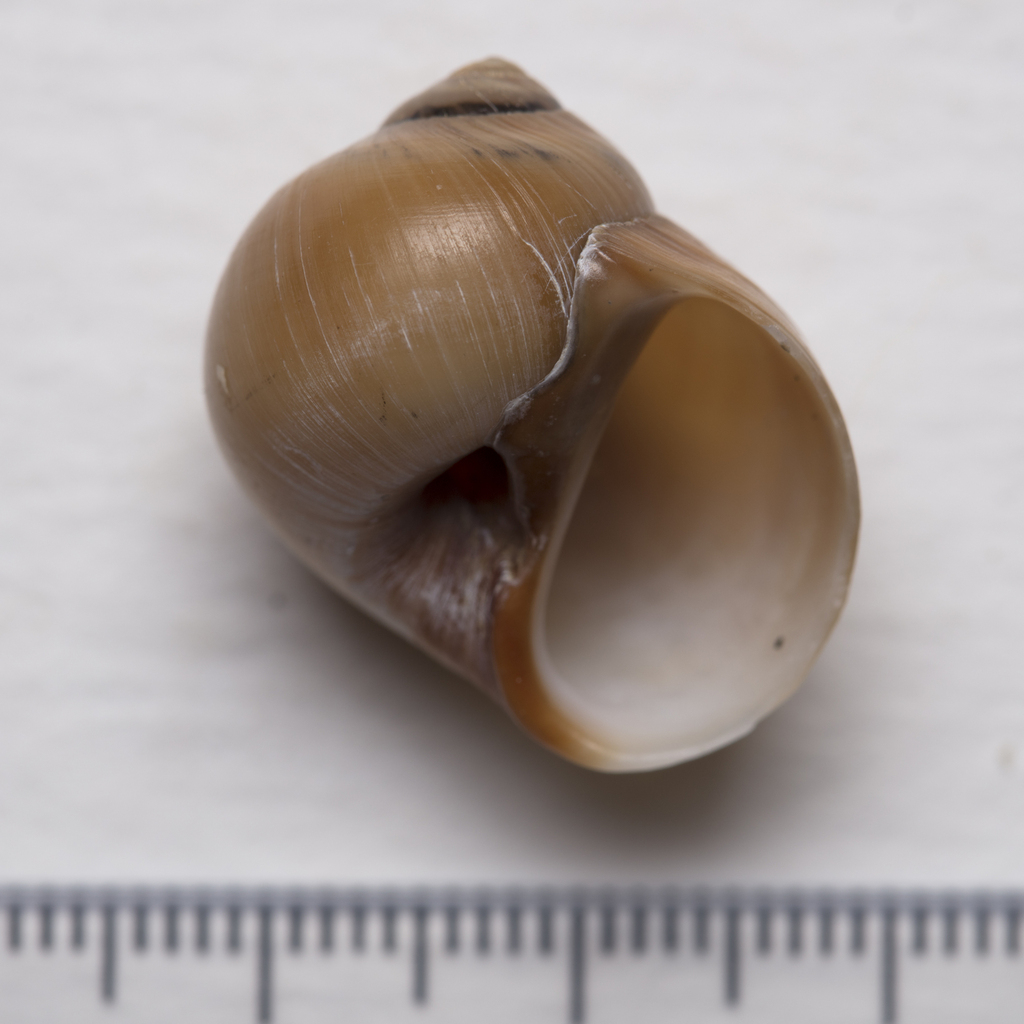
Dark necklace shell
Euspira fusca
- Usual depth39–556 m
- Water temperature10–26 °C
- Best monthsMay and August
- How commonRare
Photo credit: (c) Tim Johnson, some rights reserved (CC BY) · CC BY · iNaturalist
About this species
Euspira fusca, common name the dark necklace shell, is a species of predatory sea snail, a marine gastropod mollusc in the family Naticidae, the moon snails.
Text from the Wikipedia article “Euspira fusca”, licensed CC BY-SA 4.0. Read the article
Where and when
Where it has been recorded
Worldwide
Best months
Worldwide (open data)
- January: 26 records
- February: 1 record
- March: 9 records
- April: 25 records
- May: 89 records
- June: 21 records
- July: 10 records
- August: 66 records
- September: 20 records
- October: 0 records
- November: 0 records
- December: 2 records
Depth and water temperature
Depth
Mostly recorded at 39–556 m · Deepest record: 807 m
Water temperature
Recorded in surface water of 10–26 °C
Names and classification
- English
- Dark necklace shell, dark necklace shell
Names in 1 more language
- French
- Natice sombre
Other scientific names: Lunatia fusca, Lunatia sordida, Natica angulata, Natica brocchiana, Natica compacta, Natica explicatula, Natica fusca, Natica plicatula, Natica sordida, Polinices (Lunatia) fusca, Polinices (Lunatia) sordida, Polinices fuscus
Similar species
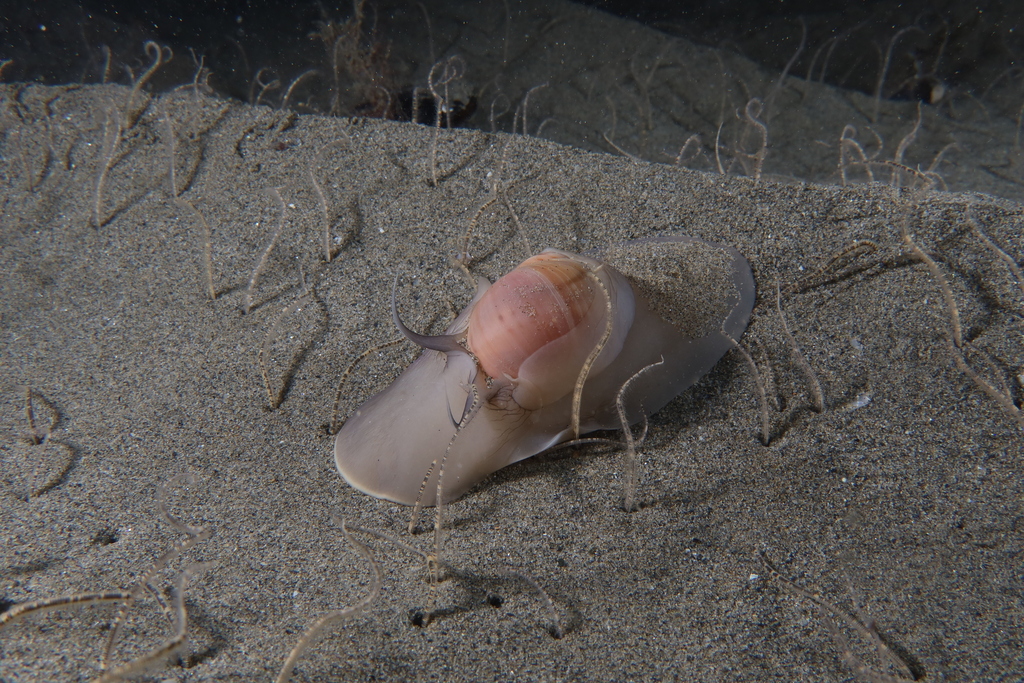 European necklace shell
Euspira catena
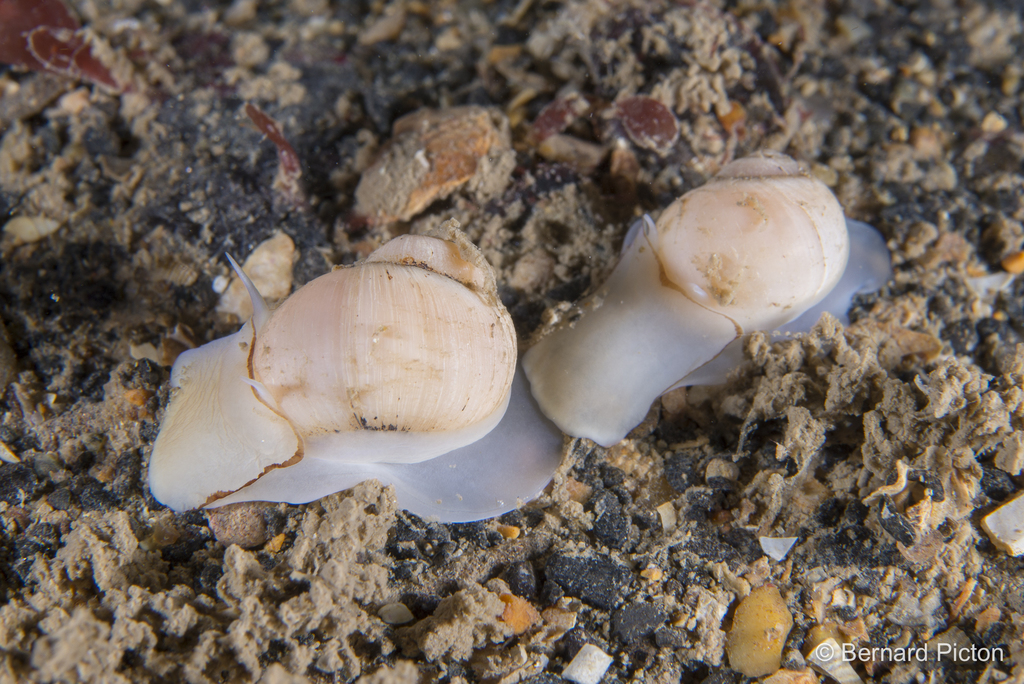 Unspotted moonsnail
Euspira montagui
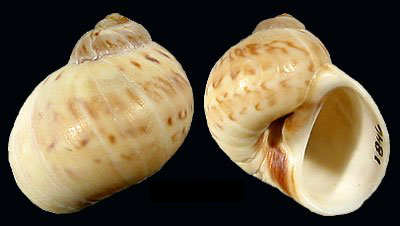 Alder's necklace shell
Euspira nitida
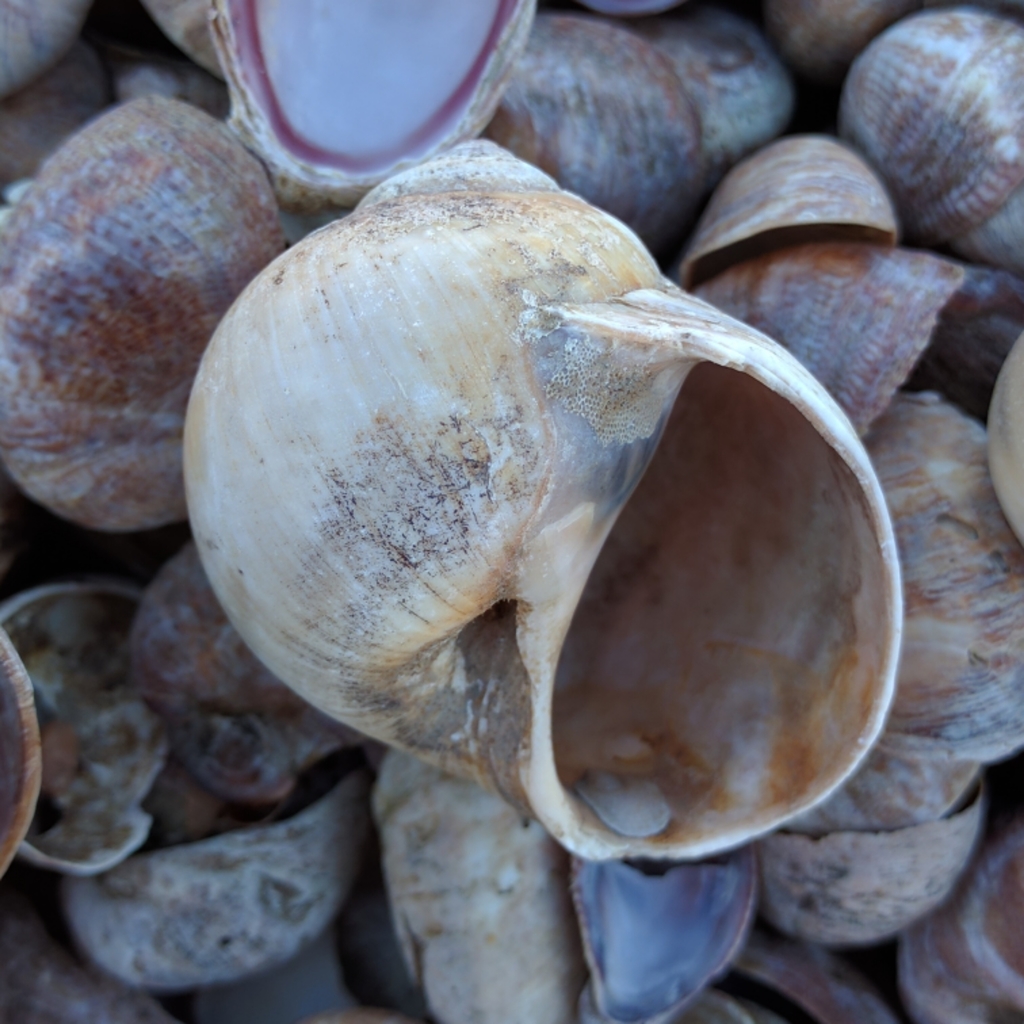 Common northern moonsnail
Euspira heros
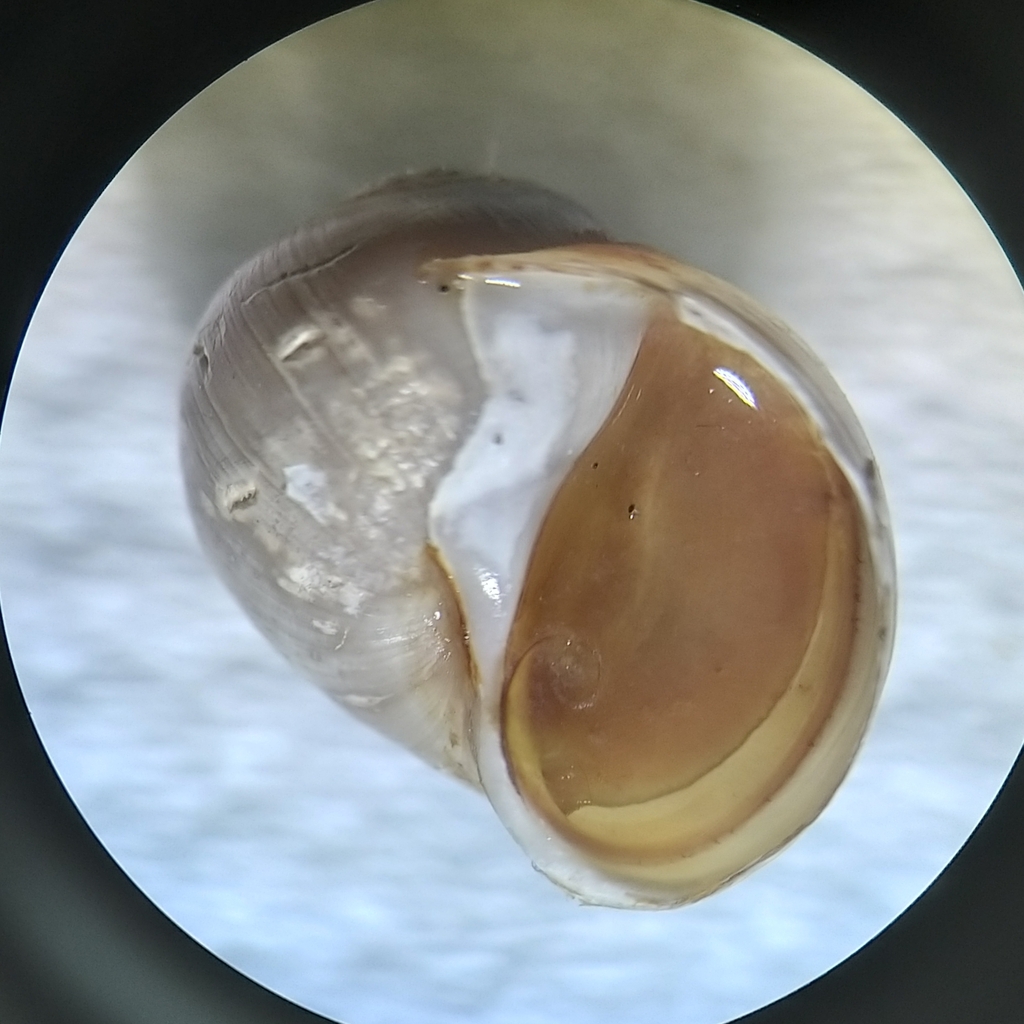 Pale moonsnail
Euspira pallida
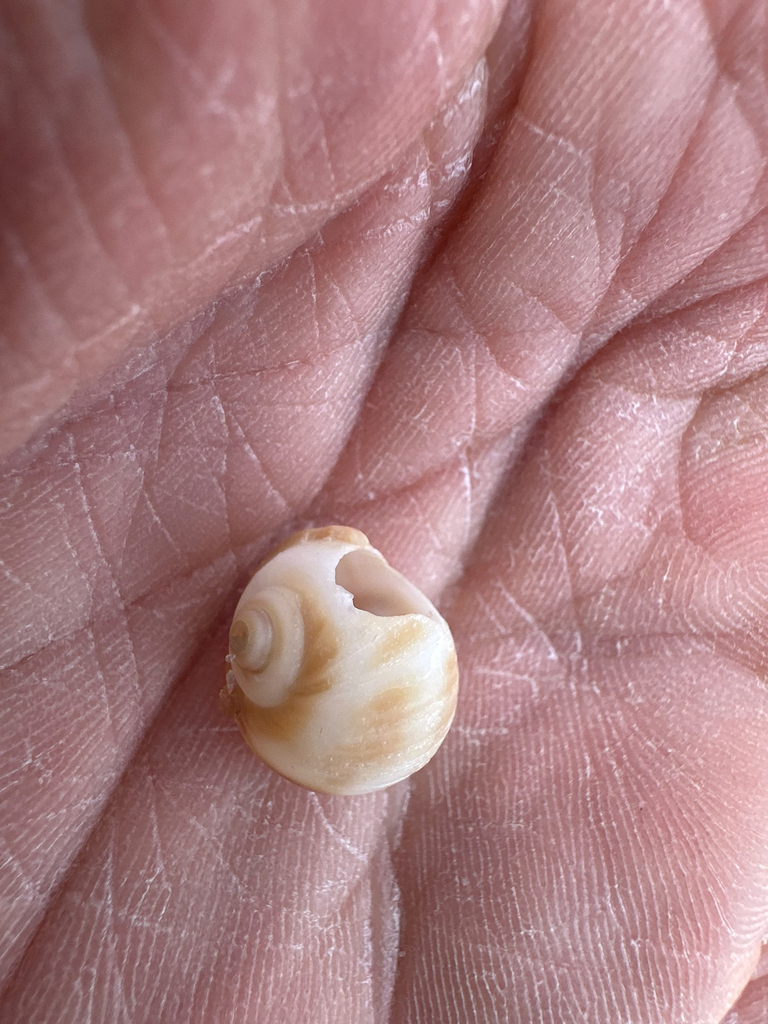 Spotted moonsnail
Euspira triseriata
Sources and credits
Names and taxonomy: WoRMS (CC BY 4.0) and the GBIF Backbone (CC BY 4.0). Photos: iNaturalist observers, each under the licence shown (CC0, CC BY or CC BY-SA).
- Depth, temperature, months and maps: records from OBIS and GBIF under CC0 or CC BY.
- Descriptions: Wikipedia, licensed CC BY-SA, each linked to its article.
- Conservation status as published by GBIF (IUCN Red List).
- 345 open-data records from 1893 to 2024.
- Species data updated November 10, 2026.
Log what you see on your next dive
The free DiveHive diver app keeps your logbook with every sighting and shows what lives at the site you dive next.