
DiscoverSpeciesOther invertebrates
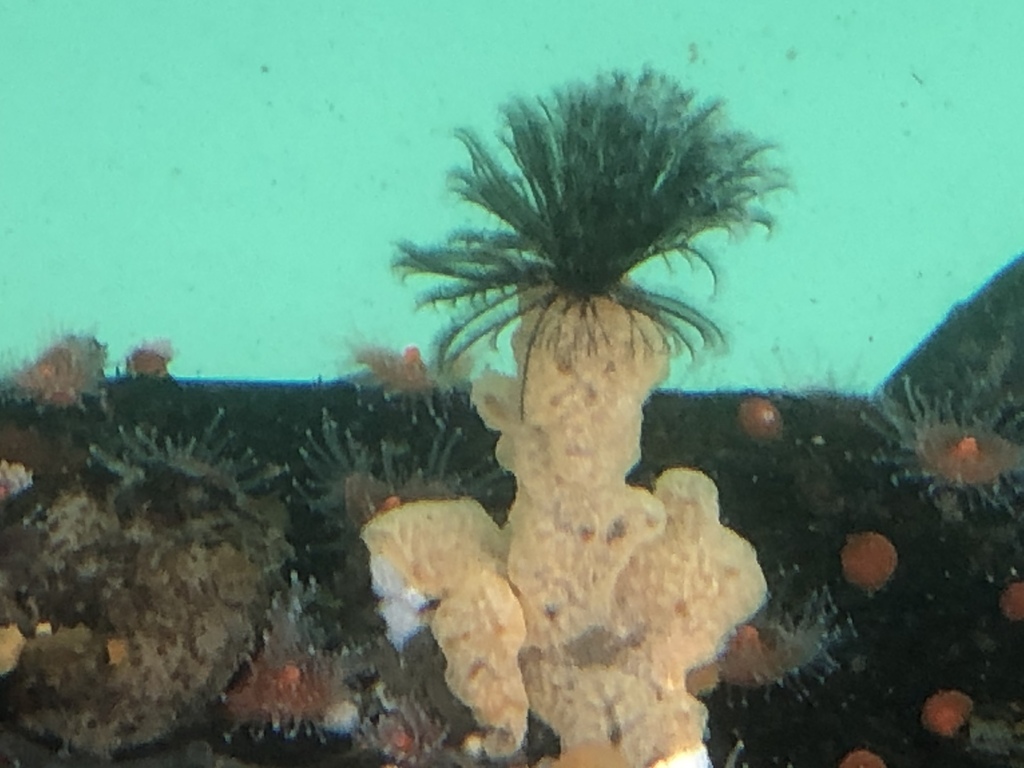
Giant Feather Duster Worm
Eudistylia polymorpha
- Usual depth1–97 m
- Water temperature9–17 °C
- Best monthsJune, August, and October
- How commonOccasional
Photo credit: no rights reserved · CC0 1.0 · iNaturalist
About this species
Eudistylia polymorpha, the giant feather duster worm, is a species of marine polychaete worm belonging to the family Sabellidae. Its common name is from the crown of tentacles extended when the animal is under water.
Text from the Wikipedia article “Eudistylia polymorpha”, licensed CC BY-SA 4.0. Read the article
Where and when
Where it has been recorded
Worldwide
Best months
Worldwide (open data)
- January: 61 records
- February: 61 records
- March: 67 records
- April: 69 records
- May: 42 records
- June: 100 records
- July: 62 records
- August: 96 records
- September: 63 records
- October: 110 records
- November: 72 records
- December: 49 records
Depth and water temperature
Depth
Mostly recorded at 1–97 m · Deepest record: 97 m
Water temperature
Recorded in surface water of 9–17 °C
Photos
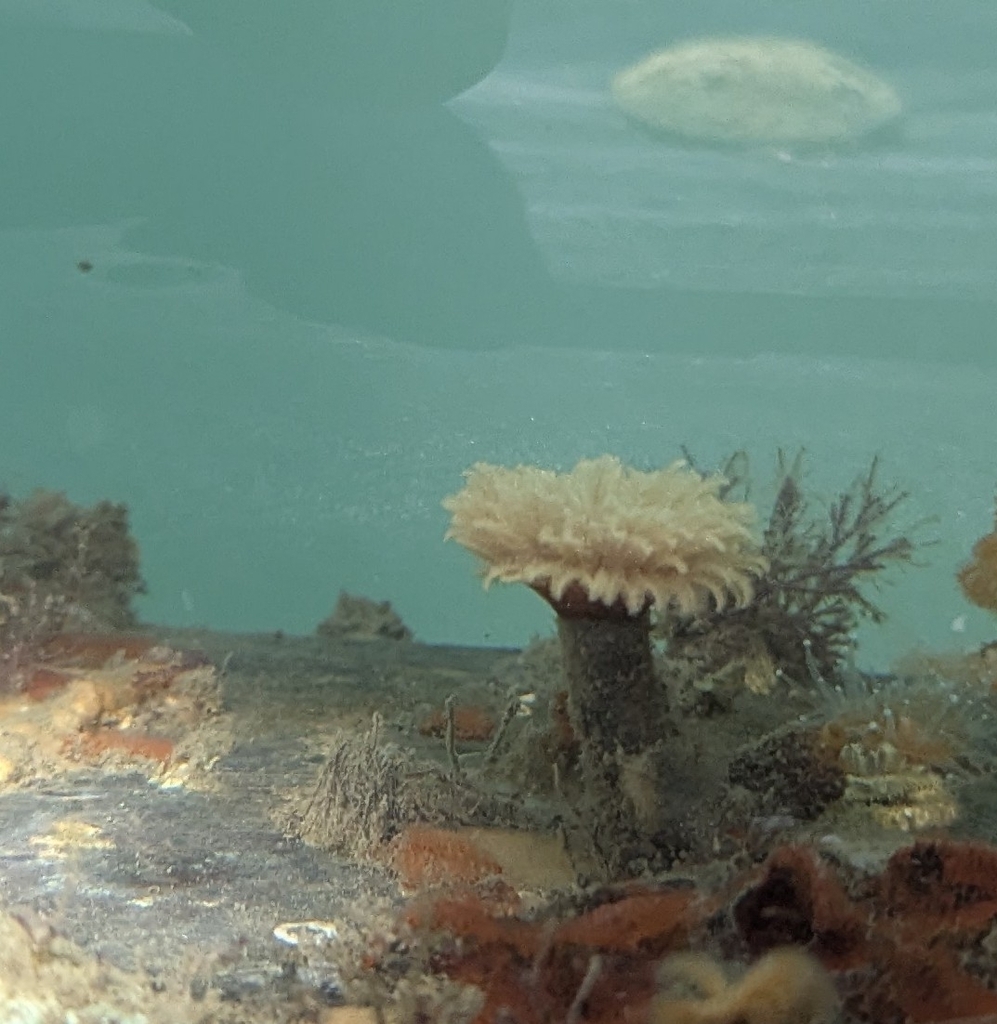
no rights reserved · CC0 1.0 · iNaturalist 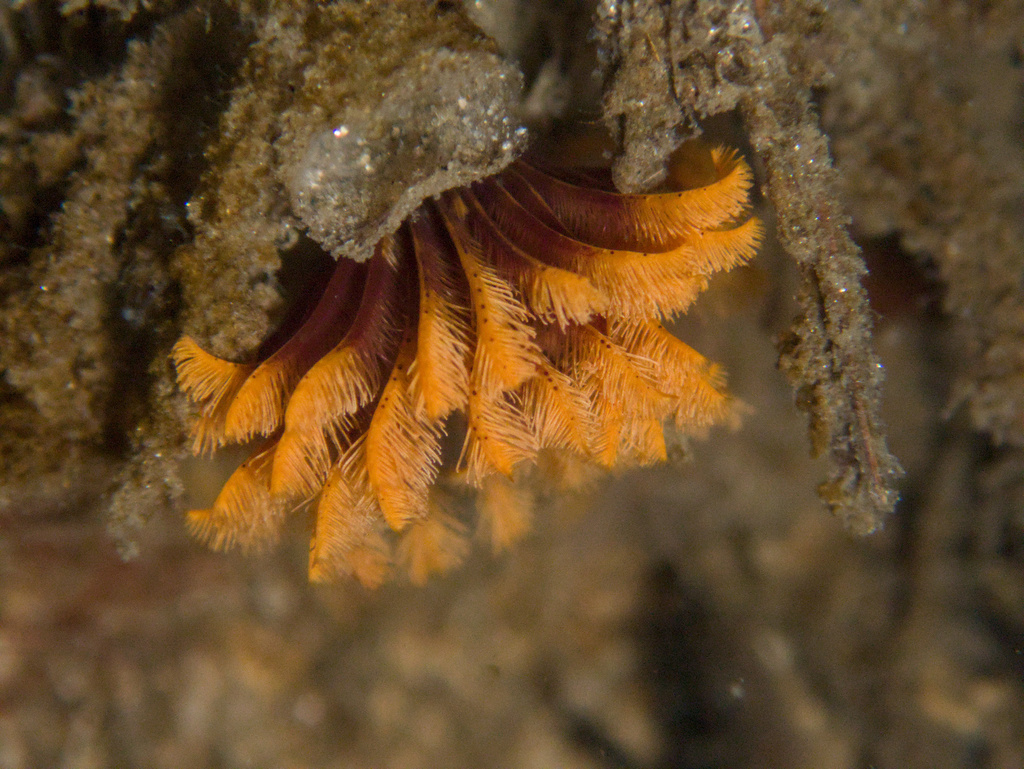
(c) Slunky, some rights reserved (CC BY) · CC BY · iNaturalist 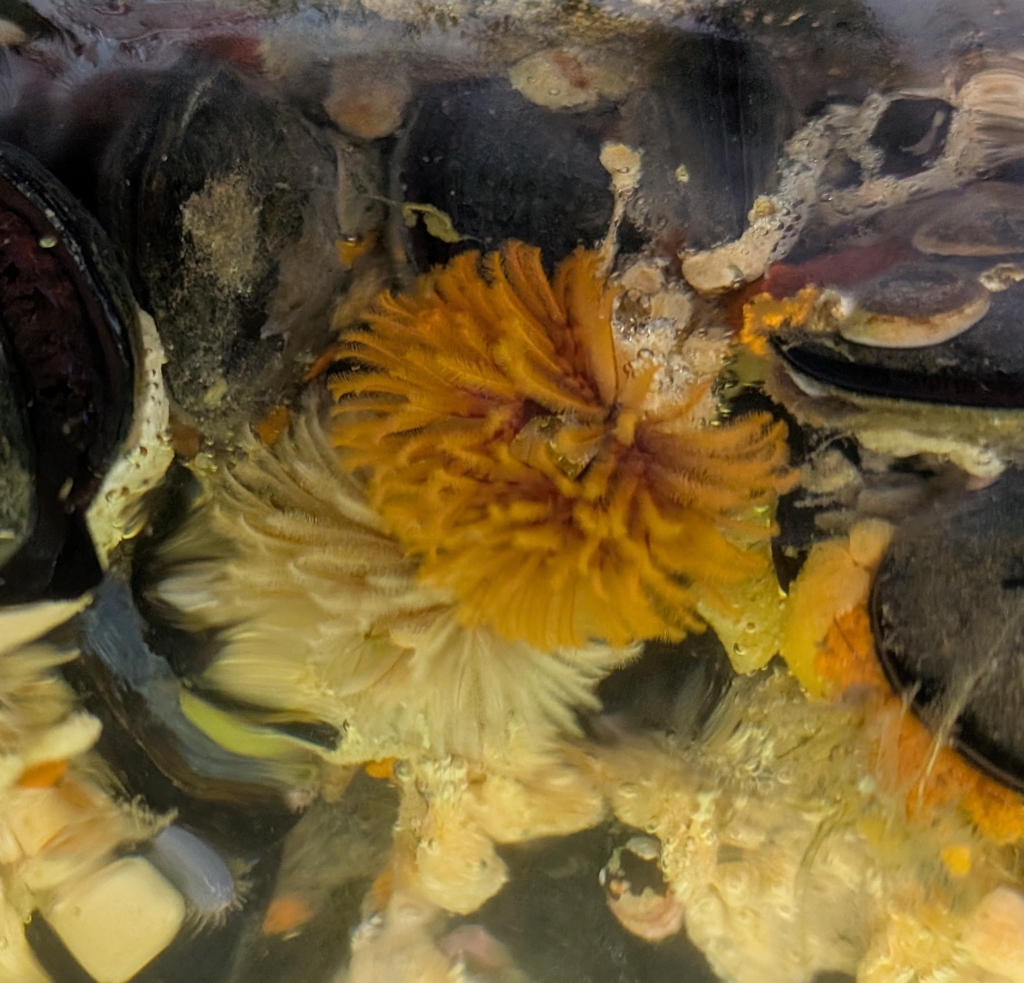
(c) Monica Ventrice, some rights reserved (CC BY) · CC BY · iNaturalist 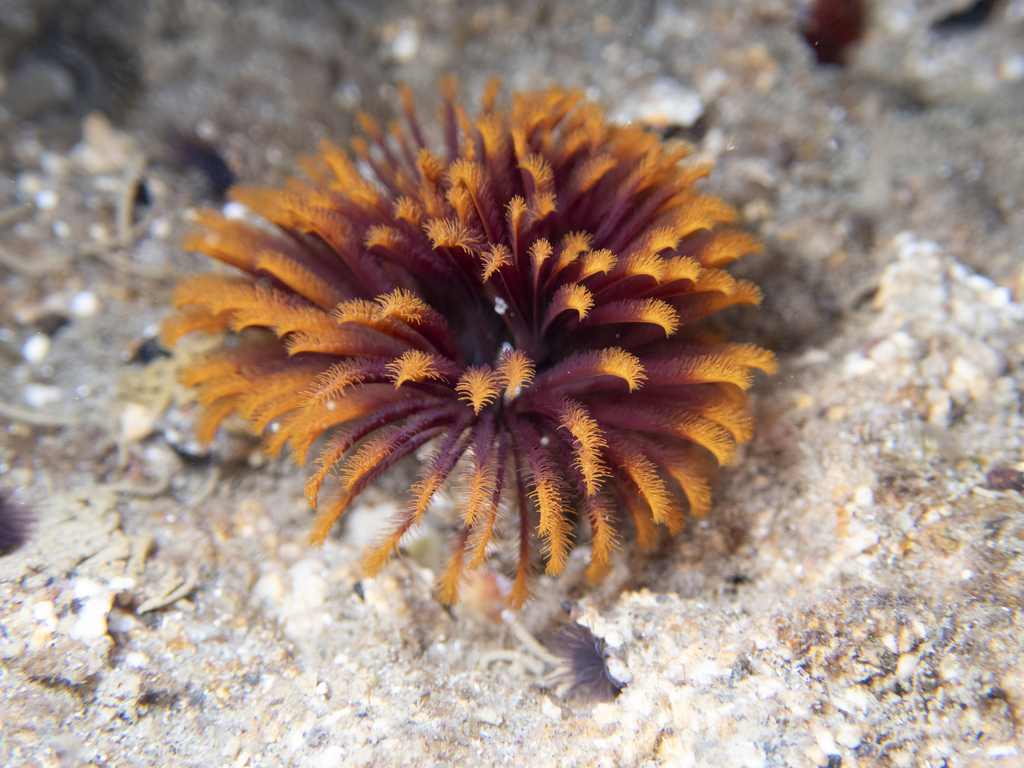
(c) Nathan, some rights reserved (CC BY) · CC BY · iNaturalist 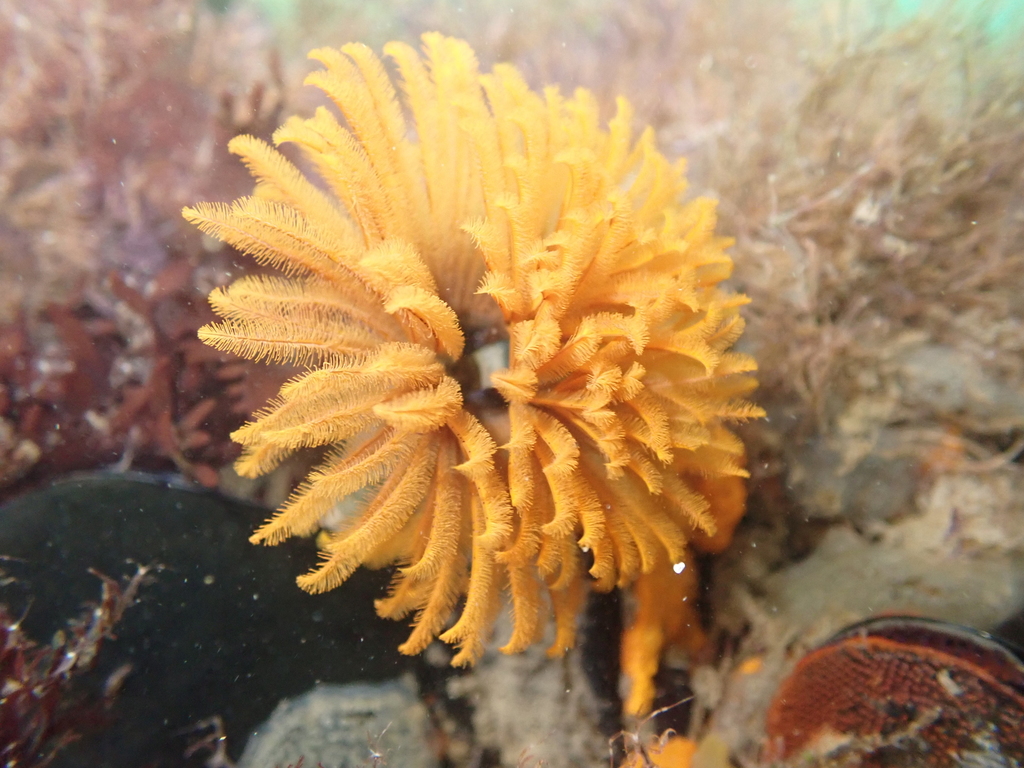
(c) Allison Gong, some rights reserved (CC BY) · CC BY · iNaturalist 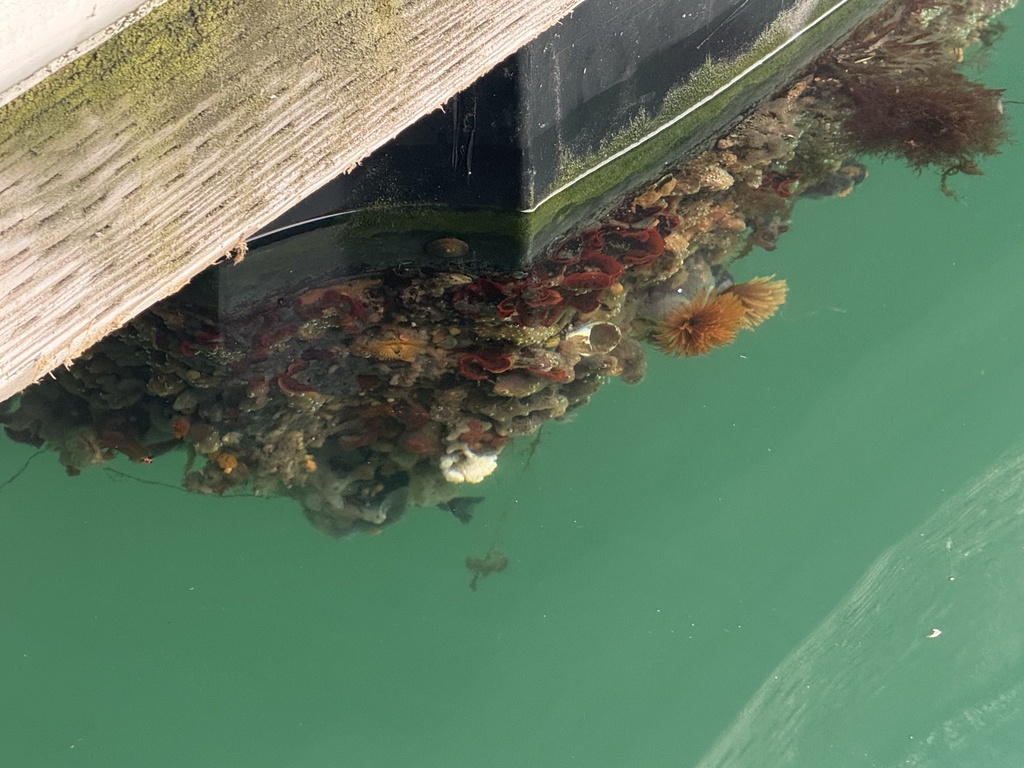
(c) Parsa Fard, some rights reserved (CC BY) · CC BY · iNaturalist 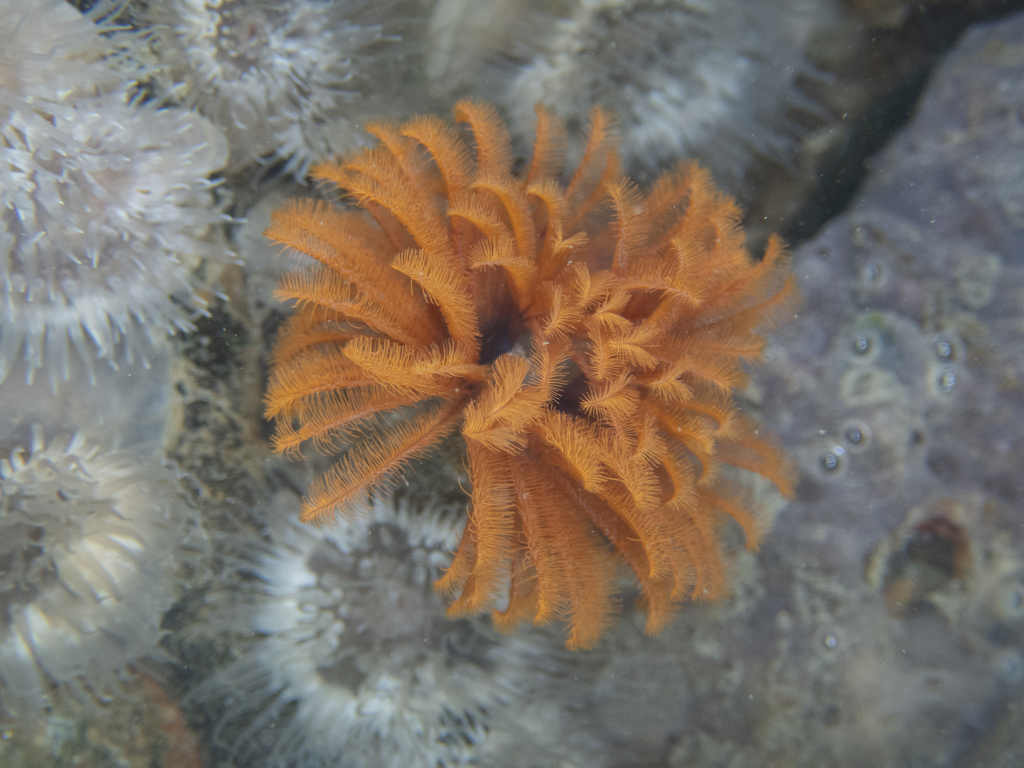
(c) Nathan, some rights reserved (CC BY) · CC BY · iNaturalist
Names and classification
- English
- Giant Feather Duster Worm, Polymorph Feather-duster
Other scientific names: Bispira polymorpha, Distylia monterea, Eudistylia intermedia
Similar species
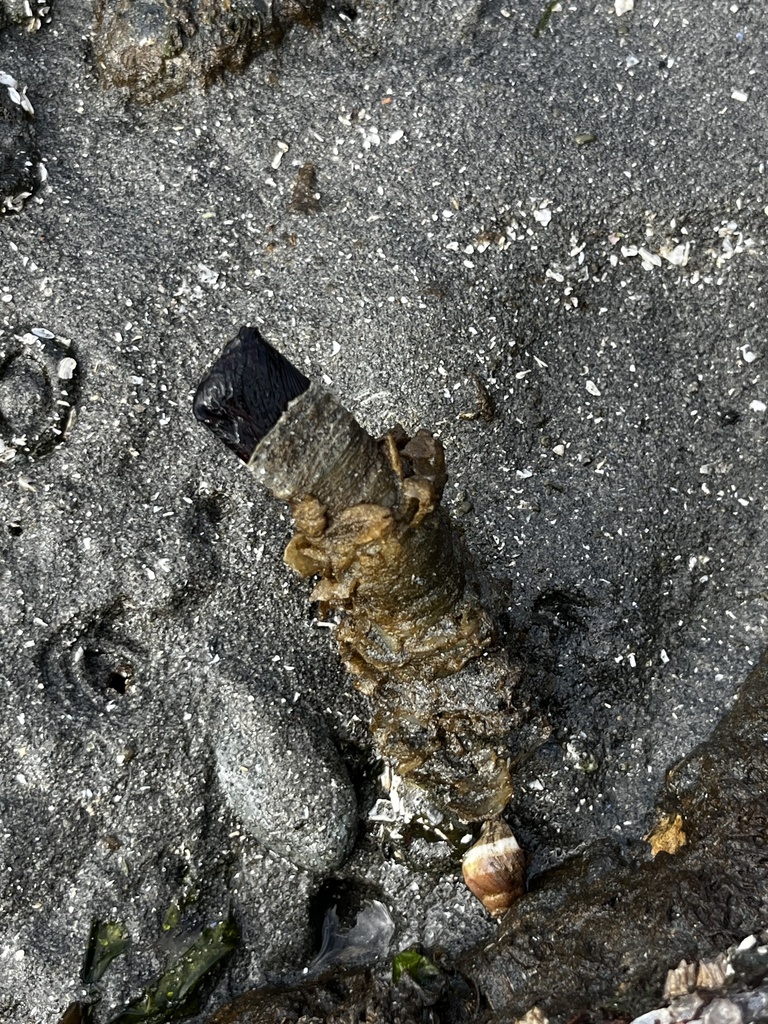 Northern Feather Duster Worm
Eudistylia vancouveri
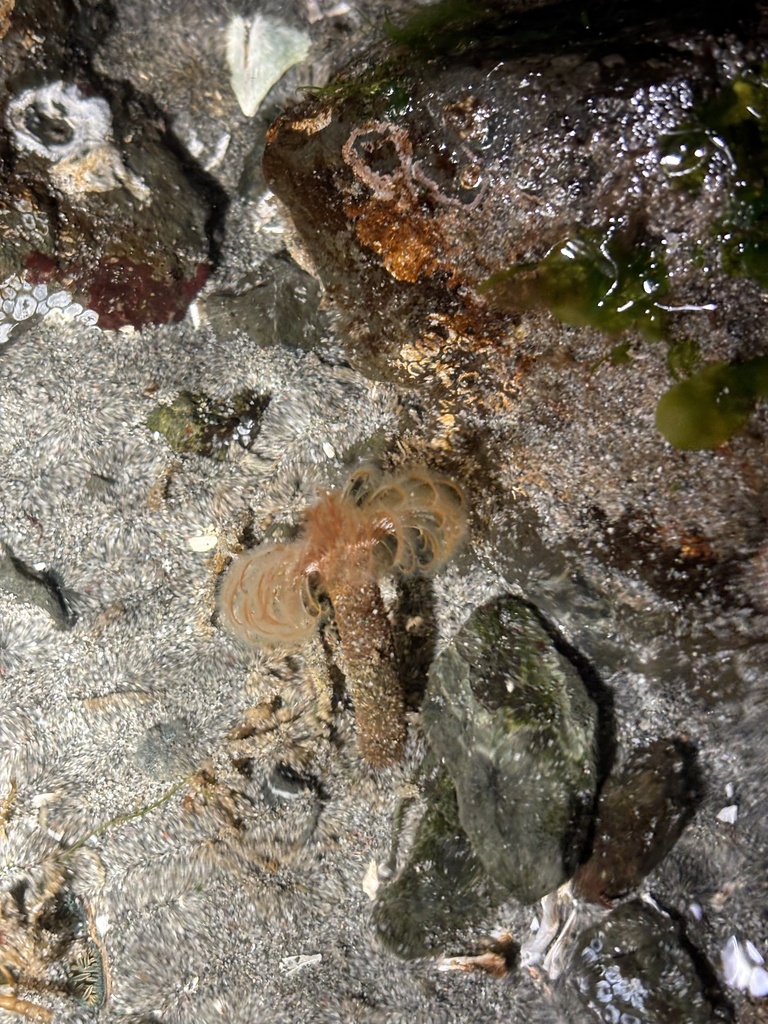
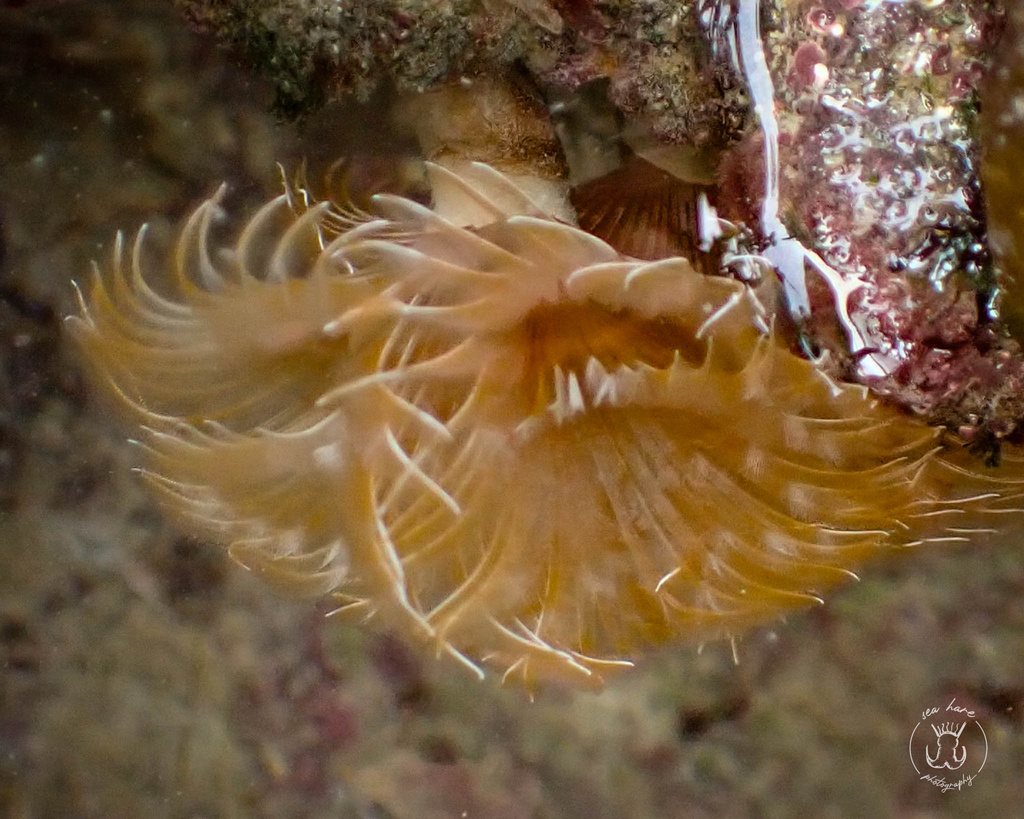 Double spiral worm
Bispira volutacornis
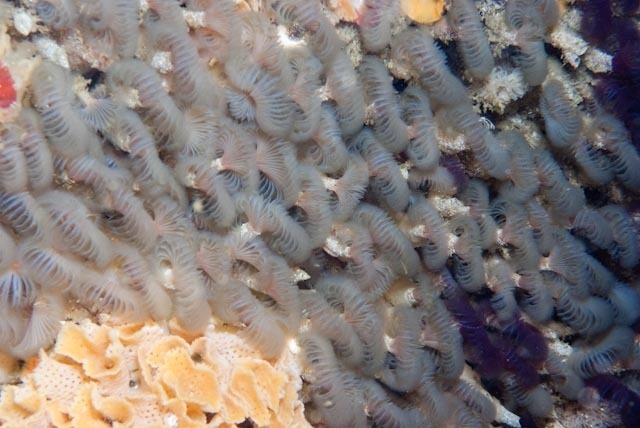 gregarious fanworm
Pseudopotamilla reniformis
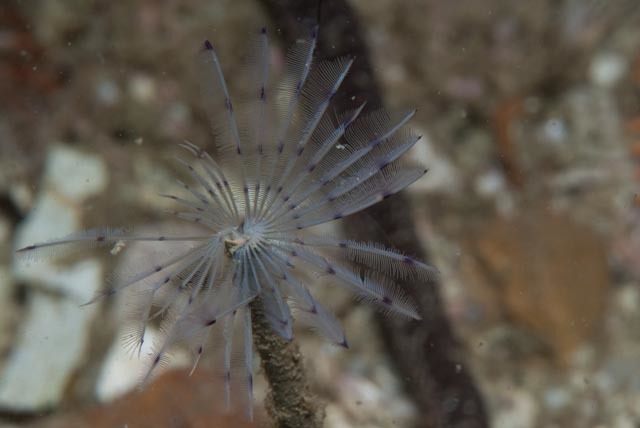 Peacock feather-duster worm
Sabella pavonina
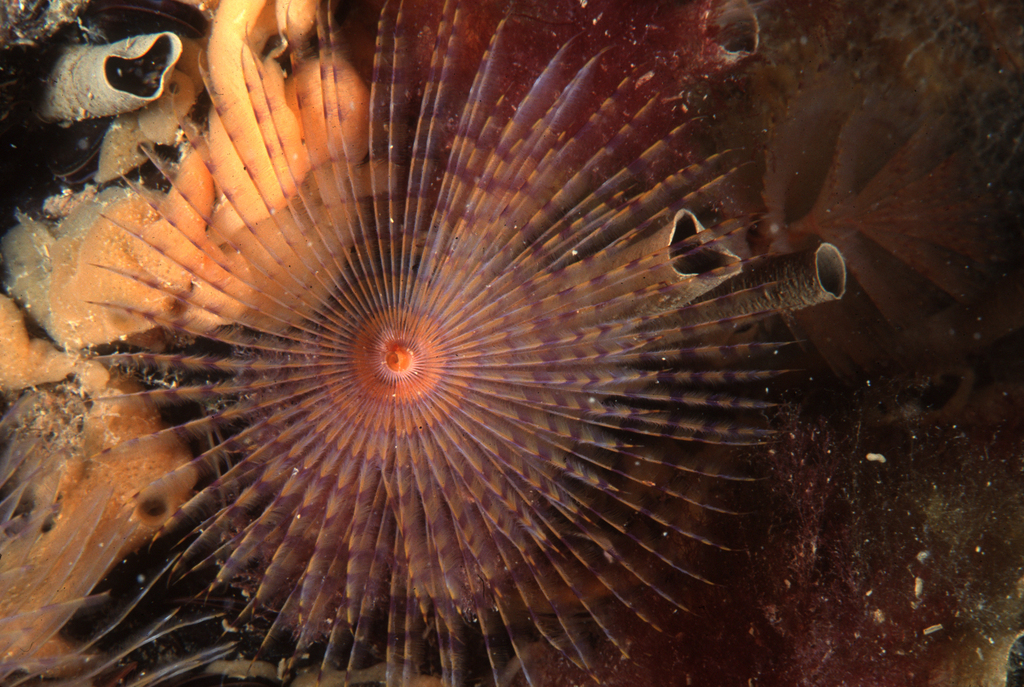 European fan worm
Sabella spallanzanii
Sources and credits
Names and taxonomy: WoRMS (CC BY 4.0) and the GBIF Backbone (CC BY 4.0). Photos: iNaturalist observers, each under the licence shown (CC0, CC BY or CC BY-SA).
- Depth, temperature, months and maps: records from OBIS and GBIF under CC0 or CC BY.
- Descriptions: Wikipedia, licensed CC BY-SA, each linked to its article.
- Conservation status as published by GBIF (IUCN Red List).
- 152 open-data records from 1898 to 2019.
- Species data updated November 10, 2026.
Log what you see on your next dive
The free DiveHive diver app keeps your logbook with every sighting and shows what lives at the site you dive next.